
Is Your Home Bakery Food Safe? Essential Checklist for Success

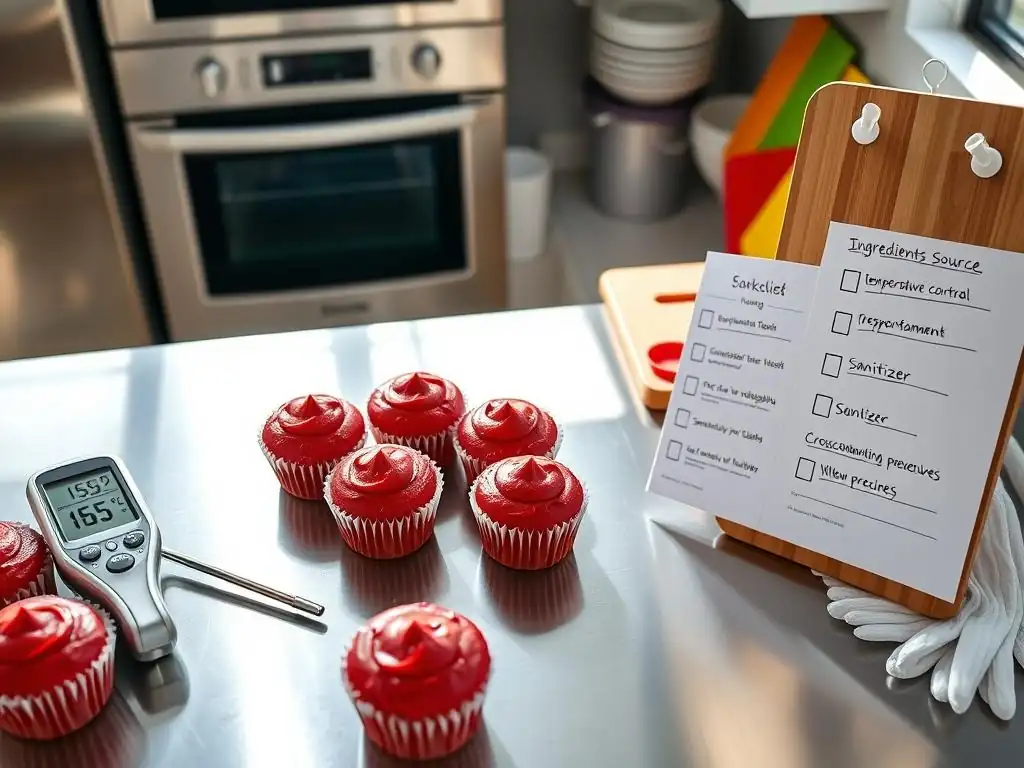
Welcome to BakeWithEase, your haven for all things baking! Are you dreaming of turning your passion into a thriving home bakery? Before you fire up that oven, ensure your creations are not only delicious but absolutely safe. This article dives into our essential Home Bakery Food Safety Checklist, a crucial resource for protecting your customers and building a trustworthy brand. Intrigued? Let's ensure your baked goods are as safe as they are delectable!
- Ensuring Food Safety in Your Home Bakery
- Why Food Safety Matters for Your Home Baking Business
- Essential Home Bakery Food Safety Checklist: Step-by-Step Guide
- Home Bakery Food Safety: Common Mistakes to Avoid
- Implementing a Food Safety Plan for Your Home Bakery
- Resources for Home Bakers: Food Safety Certification and Training
- Conclusion: Prioritizing Food Safety for a Successful Home Bakery
-
Frequently Asked Questions
- What are the most important aspects of a Home Bakery Food Safety Checklist?
- How often should I review my Home Bakery Food Safety Checklist?
- What kind of documentation is recommended for a Home Bakery Food Safety Checklist?
- Does a Home Bakery Food Safety Checklist differ from a commercial bakery checklist?
- Where can I find a reliable Home Bakery Food Safety Checklist template?
- Final Reflection: Baking Safety: A Recipe for Success and Peace of Mind
- Unleash Your Inner Baker: Safe & Delicious Baking Starts Now!
Ensuring Food Safety in Your Home Bakery
Starting a home bakery is an exciting venture, filled with the aroma of fresh bread, sweet pastries, and delicious cakes. However, beyond mastering recipes and decorating techniques, a fundamental ingredient for success is ensuring your home bakery is consistently food safe. This isn't just about following rules; it's about building trust with your customers and protecting their health. A robust approach to food safety for your home bakery is the bedrock upon which a thriving business is built, guaranteeing that every treat you sell is not only delicious but also completely safe to eat.
Navigating the specifics of keeping your home bakery food safe might seem daunting at first glance, but it's entirely manageable with the right knowledge and practices. By implementing a clear home bakery food safety checklist, you can systematically address potential hazards, from ingredient handling to the final packaging of your baked goods. This article will walk you through the essential steps, providing practical tips and insights to help you establish and maintain the highest standards of food safety in your home kitchen, ensuring peace of mind for both you and your valued customers.
Why Food Safety Matters for Your Home Baking Business
Protecting Your Customers and Your Reputation
Ensuring food safety is paramount because the health of your customers is directly in your hands. Consuming contaminated food can lead to foodborne illnesses, which can range from mild discomfort to severe health issues, hospitalization, or even death. According to estimates from the Centers for Disease Control and Prevention (CDC) in the United States, roughly 1 in 6 Americans gets sick from foodborne diseases each year. While large outbreaks often make headlines, individual cases linked back to a home-based business can be devastating.
Beyond the critical health implications, a single instance of foodborne illness traced back to your home bakery can irreparably damage your reputation. Word spreads quickly, especially in the age of social media. Losing customer trust is incredibly difficult, if not impossible, to regain. Investing time and effort into a thorough home bakery food safety checklist and consistent practices demonstrates your commitment to quality and care, building a loyal customer base who feels confident and safe enjoying your delicious creations.
The Legal Requirements for Home Bakeries: A Brief Overview
Operating a home bakery often falls under specific regulations, commonly known as "cottage food laws," which vary significantly depending on your state or local jurisdiction. These laws typically outline what types of food can be made in a home kitchen, sales limits, labeling requirements, and often, specific food safety mandates. While some states may have less stringent requirements than commercial kitchens, all require you to produce food that is safe for public consumption.
Understanding and complying with these legal requirements is not optional; it's a necessity to operate legally and avoid potential fines, cease-and-desist orders, or even legal action. Many jurisdictions require basic food safety training or permits. For example, some states might require you to complete a food handler's course similar to those required for restaurant employees. Familiarizing yourself with your specific local regulations is a crucial step in establishing a legitimate and safe home baking business.
Essential Home Bakery Food Safety Checklist: Step-by-Step Guide
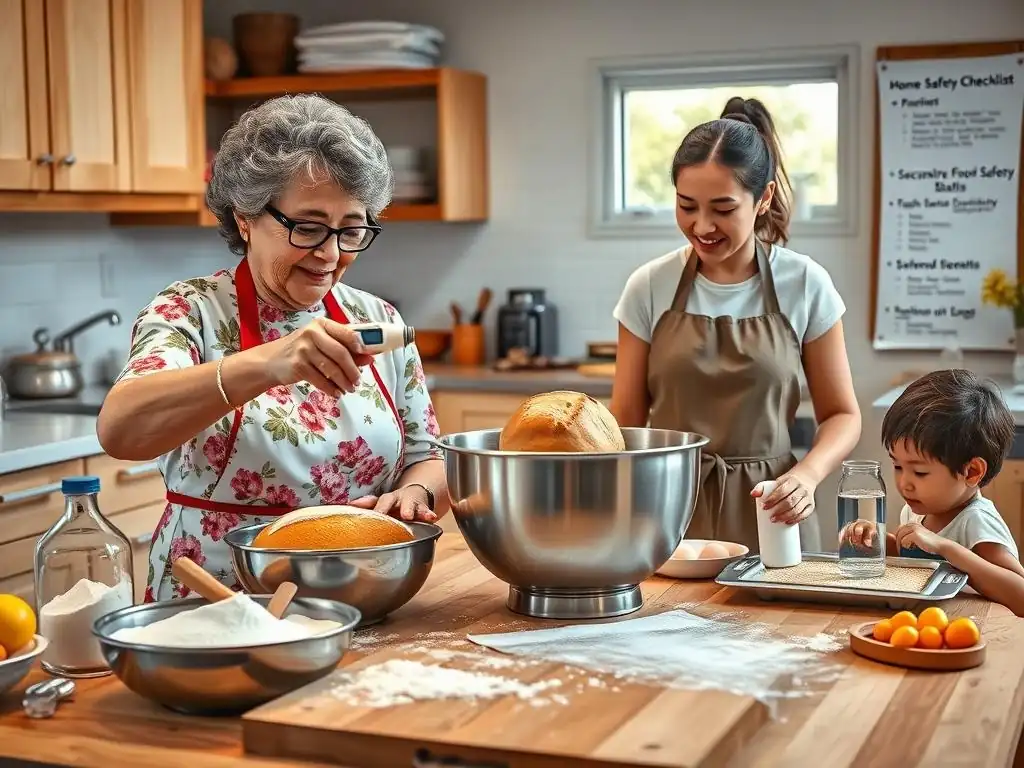
This essential home bakery food safety checklist covers key areas to focus on.
1. Personal Hygiene: The Foundation of Food Safety
Your personal hygiene is the first line of defense against contaminating food. It's not just about looking clean; it's about preventing the transfer of bacteria, viruses, and other pathogens from your body to the food you are preparing. Simple but diligent practices here can prevent a vast majority of potential food safety issues in your home bakery.
Think of your hands, hair, and clothing as potential carriers of contaminants. Establishing a strict personal hygiene routine before, during, and after handling ingredients and baked goods is non-negotiable for any successful home bakery food safety checklist.
Handwashing Techniques for Home Bakers: A Detailed Guide
Proper handwashing is arguably the most critical step in preventing the spread of foodborne illness. It's more than just a quick rinse. The recommended technique involves using warm water and soap, lathering for at least 20 seconds, which is about the time it takes to sing "Happy Birthday" twice. You need to scrub the backs of your hands, between your fingers, and under your nails.
After lathering, rinse your hands thoroughly under clean running water. Dry your hands using a clean paper towel or a clean, single-use cloth. It's vital to wash your hands frequently: before starting work, after touching raw ingredients (like eggs or unwashed produce), after using the restroom, after coughing or sneezing, after touching your hair or face, after handling trash, and before putting on gloves.
Proper Attire: Hair Restraints, Clean Clothing, and More
What you wear while baking plays a significant role in food safety. Hair is a common source of physical contamination (strands falling into food) and can also carry bacteria. Therefore, wearing a clean hairnet, cap, or tying back long hair securely is essential. Avoid wearing jewelry on your hands and wrists, as it can harbor bacteria and potentially fall into food.
Wear clean clothing dedicated solely to baking. An apron is highly recommended to protect your clothing and act as a barrier. Change your apron if it becomes soiled during the baking process. Closed-toe shoes are also advisable for safety in the kitchen environment. These simple attire adjustments are key components of a comprehensive home bakery food safety checklist.
Managing Illness and Injuries in Your Home Bakery
If you are feeling unwell, especially with symptoms like fever, vomiting, diarrhea, sore throat with fever, or jaundice, you absolutely must not handle food. These symptoms can indicate contagious illnesses that can be easily spread through food. It's better to cancel orders or take a break than risk making customers sick.
Cuts or wounds on your hands or arms should be properly cleaned, treated, and covered with a clean, waterproof bandage. If the wound is on your hand, you should also wear a clean, disposable glove over the bandage while handling food. Any sign of infection (like redness or pus) means you should not handle food until it's healed.
2. Kitchen Hygiene: Maintaining a Safe Baking Environment
Your kitchen is your production facility, and keeping it spotlessly clean and sanitary is non-negotiable for a safe home bakery. This involves more than just tidying up; it's about actively eliminating harmful microorganisms and preventing them from contaminating your ingredients and finished products.
A clean kitchen environment is a fundamental part of any effective home bakery food safety checklist. It reduces the risk of cross-contamination and ensures that your baking space is a safe zone for food preparation.
Cleaning and Sanitizing Surfaces: Best Practices
Cleaning removes visible dirt and grease, while sanitizing reduces harmful bacteria to safe levels. Both steps are crucial. Surfaces that come into contact with food, such as countertops, mixing bowls, and utensils, must be cleaned and sanitized regularly. Clean spills immediately.
A common method is to first wash surfaces with hot, soapy water, then rinse with clean water. After cleaning, apply a food-grade sanitizer. This could be a commercial sanitizing solution used according to the manufacturer's instructions, or a diluted bleach solution (e.g., about 1 teaspoon of unscented liquid bleach per gallon of water). Allow the sanitizer to air dry or dry with a clean, single-use paper towel, depending on the product instructions. Surfaces should be cleaned and sanitized before starting baking, after handling raw ingredients, and at least every four hours during continuous use.
Preventing Cross-Contamination in Your Home Kitchen
Cross-contamination occurs when harmful bacteria are transferred from one surface or food item to another, often from raw ingredients to ready-to-eat foods. This is a major cause of foodborne illness. In a home bakery, this could happen if you use the same cutting board for raw eggs and then for slicing a finished cake without proper cleaning and sanitizing in between.
To prevent cross-contamination, use separate cutting boards for different tasks if possible (e.g., one for ingredients that might carry more risk, like eggs, and another for baked goods). Wash and sanitize all equipment and surfaces immediately after they have been in contact with raw ingredients. Store raw ingredients, especially eggs, below ready-to-eat items in the refrigerator to prevent drips. Always wash your hands thoroughly after handling raw ingredients.
Pest Control: Maintaining a Pest-Free Environment
Pests like rodents, insects (including flies and cockroaches), can carry and spread harmful bacteria and contaminate food and surfaces. Maintaining a pest-free environment is a non-negotiable item on your home bakery food safety checklist. This requires vigilance and proactive measures.
Ensure that all entry points to your home and kitchen are sealed. This includes cracks in walls, gaps around pipes, and ensuring screens on windows and doors are intact. Store all ingredients, especially dry goods like flour, sugar, and grains, in airtight containers that pests cannot access. Dispose of trash regularly and keep trash cans clean and covered. Clean up crumbs and spills immediately. If you suspect a pest problem, address it promptly and consider professional pest control services that use methods safe for food preparation areas.
3. Ingredient Handling and Storage: Minimizing Risks
The safety of your final baked goods starts with the ingredients you use. Proper handling and storage of all ingredients, from flour and sugar to dairy and eggs, are vital steps in preventing the growth of harmful bacteria and ensuring the quality and safety of your products.
Knowing the correct temperatures for storage, how to label items, and how to identify when something is no longer safe to use are crucial parts of your home bakery food safety checklist.
Safe Food Storage Temperatures for Baked Goods and Ingredients
Temperature control is critical for many ingredients and some finished baked goods. The "Danger Zone" for bacterial growth is typically between 40°F (4°C) and 140°F (60°C). Potentially hazardous ingredients like dairy, eggs, and cream cheese must be stored at or below 40°F (4°C) in the refrigerator. Your refrigerator temperature should be checked regularly with a thermometer to ensure it stays consistently within the safe range.
Dry ingredients like flour, sugar, and spices should be stored in cool, dry places away from direct sunlight and moisture. Baked goods that require refrigeration, such as those with cream cheese frosting, custard fillings, or fresh fruit, must be stored at or below 40°F (4°C). Frozen ingredients or baked goods should be kept at 0°F (-18°C) or below.
Proper Labeling and Rotation of Ingredients
Implementing a system for labeling and rotating your ingredients helps ensure you use the freshest products and prevent spoilage. The "First-In, First-Out" (FIFO) method is standard practice: ingredients that were purchased or received first should be used first.
Label all ingredients upon arrival or when opened with the date. For example, a bag of flour could be labeled "Opened 2023-10-27". When storing, place newer items behind older ones. Regularly check expiration dates on all ingredients and use them before they expire. This simple practice is a key element in maintaining a reliable home bakery food safety checklist and minimizing waste.
Identifying and Discarding Spoiled or Expired Ingredients
Using spoiled or expired ingredients can compromise the safety and quality of your baked goods. Even if baking might kill some bacteria, toxins produced by certain molds or bacteria may not be destroyed by heat. Therefore, it's essential to be able to identify signs of spoilage and discard anything questionable.
Signs of spoilage can include off smells, changes in color or texture, visible mold growth, or strange flavors. For example, milk might smell sour, cheese might develop mold (unless it's a mold-ripened cheese), or flour might have a musty odor or show signs of pests. Always check expiration dates. If an ingredient is past its expiration date or shows any signs of spoilage, err on the side of caution and discard it immediately. It's not worth risking your customers' health or your business reputation.
4. Baking Equipment and Utensils: Cleaning and Maintenance
The tools you use to create your baked goods also need attention to ensure they don't become sources of contamination. Clean and well-maintained equipment is fundamental to keeping your home bakery food safe. This section of the home bakery food safety checklist focuses on the tools of your trade.
From mixing bowls and spatulas to ovens and proofing boxes, every piece of equipment needs regular cleaning and occasional maintenance to function safely and hygienically.
Selecting Food-Grade Equipment for Your Home Bakery
When purchasing equipment and utensils for your home bakery, ensure they are made from food-grade materials. These materials are designed to be safe for contact with food and will not leach harmful chemicals or substances into your products. Common food-grade materials include stainless steel, food-grade plastics, and certain types of wood or silicone specifically marked for food use.
Avoid using porous materials like certain types of plastic or wood that are difficult to clean and can harbor bacteria, especially for tasks involving raw ingredients. Ensure any non-stick coatings are intact and not flaking, as damaged coatings can pose a risk. Choosing the right materials from the start is a smart investment in your home bakery's food safety.
Cleaning and Sanitizing Baking Tools: A Comprehensive Approach
All equipment and utensils that come into contact with food must be cleaned and sanitized after each use. This includes mixing bowls, spatulas, whisks, measuring cups, baking pans, cooling racks, and decorating tools. Just like with surfaces, cleaning removes visible residue, and sanitizing kills remaining bacteria.
Wash tools in hot, soapy water, rinse thoroughly, and then sanitize. Many smaller tools can be safely sanitized in a dishwasher if they are dishwasher-safe. For items washed by hand, you can use a commercial food-grade sanitizer or a diluted bleach solution (following the same ratio as for surfaces). Ensure items are fully immersed or coated with the sanitizer and allowed the appropriate contact time specified by the product instructions. Allow tools to air dry completely before storing them to prevent bacterial growth.
Regular Maintenance and Inspection of Baking Equipment
Regularly inspect your baking equipment for any signs of wear, damage, or areas that are difficult to clean. Cracks, chips, or worn surfaces on bowls, spatulas, or cutting boards can harbor bacteria. Ensure seals on mixers or other equipment are intact and clean.
Ovens should be cleaned regularly according to the manufacturer's instructions to prevent buildup that could affect food or pose a fire hazard. Proofing boxes or warmers should also be cleaned and sanitized frequently, as warm, moist environments are ideal for bacterial growth. Addressing maintenance issues promptly ensures your equipment remains safe and effective for your home bakery operations.
5. Safe Baking Practices: From Mixing to Cooling
Even if your ingredients are safe and your kitchen is clean, improper baking and handling techniques can introduce risks. This final section of the essential home bakery food safety checklist covers crucial steps during the baking process itself to ensure the finished product is safe.
From achieving the correct internal temperature to cooling and packaging, each step requires attention to detail to prevent contamination and bacterial proliferation.
Using a Food Thermometer: Ensuring Safe Internal Temperatures
While many baked goods reach high temperatures that kill bacteria, some items, particularly those containing eggs, dairy, or meat (like savory pastries), may require checking the internal temperature to ensure they are cooked safely. For instance, quiches or cheesecakes containing eggs should reach an internal temperature of 160°F (71°C). Even bread is often considered fully baked when its internal temperature reaches between 190°F and 210°F (88°C - 99°C), depending on the type.
A food thermometer is an inexpensive but invaluable tool for your home bakery. Use a calibrated thermometer to check the thickest part of the product, avoiding bones or the sides of the pan. Knowing and achieving the correct internal temperature provides a critical safety assurance.
Proper Cooling Techniques to Prevent Bacterial Growth
After baking, food must be cooled properly to prevent bacteria that survived the baking process, or new bacteria introduced during cooling, from multiplying rapidly. The "Danger Zone" for bacterial growth is most critical between 40°F (4°C) and 140°F (60°C). Food should be cooled from 140°F (60°C) down to 70°F (21°C) within two hours, and then from 70°F (21°C) down to 40°F (4°C) or below within an additional four hours.
To facilitate rapid cooling, do not leave large items like cakes or loaves of bread to cool entirely in their pans. Transfer them to a clean cooling rack immediately after removing from the oven to allow air circulation. Do not stack items while they are still warm, as this traps heat. For items that require refrigeration, cool them at room temperature until they reach about 70°F (21°C) and then transfer them to the refrigerator to complete the cooling process. Avoid placing hot food directly into a refrigerator, as this can raise the temperature of the entire unit.
Packaging Baked Goods Safely for Delivery or Sale
The final step before your delicious baked goods reach your customers is packaging. Packaging materials must be clean, food-grade, and appropriate for the type of product. Use new packaging materials for each order; never reuse packaging that has been used before.
Ensure that your hands are clean (and gloved if preferred) when handling the baked goods for packaging. The packaging should protect the product from environmental contamination during transport and handling. For items requiring temperature control (like refrigerated goods), ensure they are kept cold until they are handed off to the customer. Clearly label your products according to your local cottage food laws, including ingredients and any allergens. This final touch on your home bakery food safety checklist ensures the safety chain isn't broken at the last moment.
Home Bakery Food Safety: Common Mistakes to Avoid
Even with a comprehensive checklist, it's easy to overlook things. Being aware of common pitfalls can help you proactively avoid them in your home bakery.
- Neglecting Temperature Control: This is one of the most frequent mistakes. Not keeping potentially hazardous ingredients cold enough, or not cooling baked goods quickly enough through the "Danger Zone," allows bacteria to multiply rapidly. Always use thermometers to verify temperatures.
- Ignoring Cross-Contamination Risks: Using the same cloth to wipe down multiple surfaces, using the same utensil for raw and cooked food without washing, or improper storage can all lead to cross-contamination. Develop strict procedures for cleaning between tasks.
- Failing to Maintain Proper Hygiene: Skipping handwashing, not restraining hair, or working while sick are fundamental errors that can have serious consequences. Make personal hygiene a non-negotiable habit.
Implementing a Food Safety Plan for Your Home Bakery
Moving beyond just having a checklist, consider developing a simple written food safety plan. This doesn't need to be overly complicated, but documenting your procedures reinforces your commitment and provides a reference.
Documenting Your Food Safety Procedures
Write down the specific steps you follow for key food safety practices in your home bakery. This could include:
- Your handwashing routine and when you wash hands.
- How you clean and sanitize surfaces and equipment.
- Your procedures for storing ingredients (e.g., FIFO, temperature checks).
- How you prevent cross-contamination.
- Your cooling process for baked goods.
Having these steps documented makes them easier to follow consistently and can be helpful if you ever need to demonstrate your practices.
Training on Food Safety Practices
Even if you're a solo operator, consider "training" yourself by reviewing food safety guidelines regularly. Many online resources and courses are available specifically for home-based food businesses. If you have family members who might assist you, ensure they are also aware of and follow your food safety procedures. Consistency is key.
Regular Self-Audits and Inspections
Periodically review your own practices against your home bakery food safety checklist and documented procedures. Walk through your kitchen as if you were a health inspector. Are you washing hands correctly and frequently? Are surfaces clean and sanitized? Are ingredients stored at the right temperatures and properly labeled? Regular self-audits help identify areas where you might be slipping or where improvements can be made.
Resources for Home Bakers: Food Safety Certification and Training

Taking advantage of available resources can boost your confidence and knowledge in keeping your home bakery food safe.
Online Food Safety Courses for Home-Based Food Businesses
Many organizations offer online food safety courses tailored for cottage food operations or home-based food businesses. These courses cover essential principles like preventing contamination, temperature control, and proper hygiene. While not always legally required, obtaining a food handler's permit or completing a recognized course demonstrates a commitment to food safety and provides valuable knowledge. Look for courses accredited by recognized bodies if available.
Local Health Department Regulations and Guidelines
Your local or state health department is an invaluable resource. They can provide specific information about the cottage food laws in your area, including any required permits, training, labeling rules, and allowed food items. They often have free resources, guides, or even staff available to answer questions about keeping your home bakery food safe and compliant with local regulations. Don't hesitate to reach out to them for clarification.
Conclusion: Prioritizing Food Safety for a Successful Home Bakery
Building a successful home bakery involves passion, skill, and, crucially, a steadfast commitment to food safety. By diligently following an essential home bakery food safety checklist, you protect your customers' health, safeguard your business reputation, and comply with legal requirements. Implementing practices like proper personal hygiene, maintaining a clean kitchen, handling ingredients safely, caring for equipment, and following safe baking procedures are not just tasks; they are fundamental pillars of your operation. Prioritizing food safety is an investment in the trust of your customers and the long-term success of your delicious home-baked goods.
Frequently Asked Questions
What are the most important aspects of a Home Bakery Food Safety Checklist?
The most important aspects include proper handwashing, maintaining clean work surfaces, and ensuring correct food storage temperatures. These minimize the risk of contamination and foodborne illnesses.
How often should I review my Home Bakery Food Safety Checklist?
You should review your checklist at least monthly, or more frequently if you notice any changes in your kitchen environment or baking practices. Regular review ensures consistent safety.
What kind of documentation is recommended for a Home Bakery Food Safety Checklist?
Keep records of temperature logs for refrigerators and ovens, cleaning schedules, and any food safety training you've completed. This demonstrates your commitment to safety.
Does a Home Bakery Food Safety Checklist differ from a commercial bakery checklist?
Yes, while the principles are similar, a home bakery checklist is often less formal and focuses on smaller-scale operations. However, it must still address critical food safety hazards.
Where can I find a reliable Home Bakery Food Safety Checklist template?
BakeWithEase.com offers a template and resources for creating your own. You can also find information from your local health department or food safety organizations.
Final Reflection: Baking Safety: A Recipe for Success and Peace of Mind
The pursuit of culinary passion shouldn't come at the cost of public health. This article highlighted the critical need for stringent food safety practices in home bakeries, a sector experiencing a surge in popularity. Ignoring these practices not only jeopardizes the health of consumers but also undermines the very foundation of trust that allows this vibrant industry to thrive.
The impact of foodborne illnesses, even from seemingly harmless home-baked goods, can be devastating. It's a responsibility we all share – from the home baker diligently following safety protocols to the consumer making informed choices. As the saying goes, An ounce of prevention is worth a pound of cure,
and this couldn't be truer when it comes to food safety. The ongoing evolution of food safety regulations and consumer awareness underscores the importance of continuous learning and adaptation in this field.
Now, consider your own baking practices. Do you feel confident in your ability to maintain the highest standards of hygiene and safety? This checklist isn't just a set of rules; it's a roadmap to ensuring the safety and well-being of those who enjoy your creations. Take the time to review these guidelines, make any necessary adjustments to your methods, and embrace the responsibility that comes with sharing your passion for baking with others. Let's bake a future where delicious treats are always safe treats.
Unleash Your Inner Baker: Safe & Delicious Baking Starts Now!
Thanks for taking the time to learn about food safety in your home bakery! You’ve now armed yourself with crucial knowledge to create delicious and safe treats. Ready to put your new skills into action?
- Prioritize your food safety checklist: Download our free printable checklist (available on our website) to keep your baking practices consistently safe. This will be your go-to guide for every bake!
- Share your baking journey: Tag us on social media (@BakeWithEase) and show us your safe and delicious creations! Let’s inspire each other!
- Optional: Try a new recipe this week, but focus on meticulous food safety measures. Share your experience in the comments below.
What’s one small change you can implement today to improve your baking’s food safety?