
Emergency Food Safety: What to Do When Things Go Wrong (Minor Issues)


Welcome to BakeWithEase, your trusted guide to confident and delicious baking! Ever wondered if you're inadvertently committing baking food safety mistakes that could compromise your creations? Don't panic! Discover practical solutions and expert tips in our latest article to navigate minor emergencies with ease and ensure every bake is both delightful and safe. Ready to bake with confidence? Dive in!
- Emergency Food Safety for Home Bakers: Handling Baking Mistakes
- Common Baking Food Safety Mistakes and How to Fix Them
- Advanced Strategies for Preventing Food Safety Issues in Baking
- Resources for Baking Food Safety Information
- Conclusion: Baking with Confidence Through Food Safety Awareness
-
Frequently Asked Questions
- What are some common Baking Food Safety Mistakes that beginners often make?
- How can I quickly cool baked goods to prevent bacterial growth?
- What should I do if I accidentally underbake a cake or bread?
- What are the best practices for storing baked goods to maintain food safety?
- How do I know if a baked good has gone bad and is unsafe to eat?
- Final Reflection: Baking Beyond the Burn: Mastering Food Safety in the Kitchen
- Ready to Tackle Kitchen Emergencies Like a Pro?
Emergency Food Safety for Home Bakers: Handling Baking Mistakes
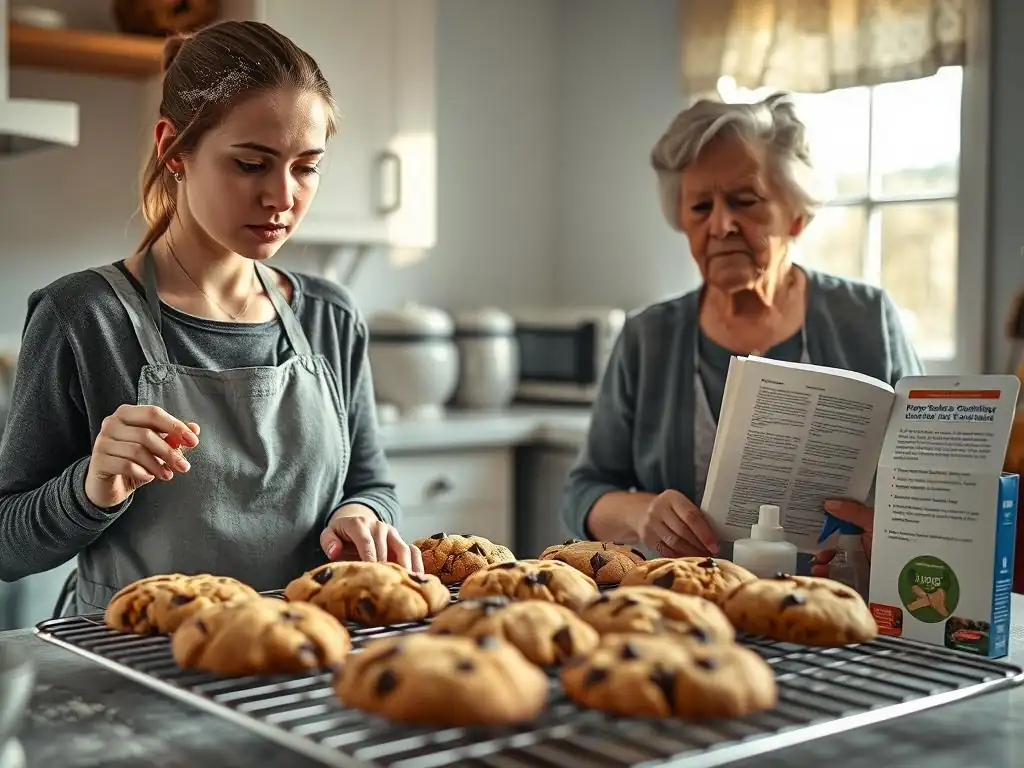
A Guide to Addressing Food Safety Mishaps in Baking
Even the most experienced bakers encounter unexpected issues in the kitchen. From slightly undercooked centers to over-browned edges, these mishaps are part of the baking journey. While often fixable from a texture or taste perspective, it's crucial to understand when these common baking food safety mistakes pose a risk to health. Recognizing potential hazards early and knowing how to react can prevent foodborne illness and ensure your delicious creations are safe for everyone to enjoy. This guide will walk you through identifying and addressing minor food safety slip-ups specific to baking.
Understanding the principles of food safety in baking is key to minimizing risks. We'll explore common scenarios like underbaking, dealing with burnt items, preventing cross-contamination, ensuring proper cooling, and navigating ingredient expiration dates. By learning simple corrective actions and preventative measures, you can turn potential baking food safety mistakes into minor hiccups, allowing you to bake with confidence and peace of mind. This knowledge is particularly vital if you're a home baker sharing your goods with others.
Common Baking Food Safety Mistakes and How to Fix Them
1. Underbaked Goods: Is It Safe to Eat?
When a cake sinks in the middle or cookies look pale and doughy, you've likely encountered an underbaking issue. While disappointing for texture, the primary food safety concern here relates to raw or undercooked ingredients, particularly eggs and flour. Raw flour can contain harmful bacteria like E. coli, and raw eggs are associated with Salmonella. Consuming underbaked goods that haven't reached a sufficient internal temperature to kill these pathogens is one of the more significant baking food safety mistakes.
The safety of underbaked items depends heavily on the ingredients and the degree of underbaking. Goods containing raw eggs or flour that haven't reached an internal temperature of around 160°F (71°C) for eggs or been adequately heated to destroy potential flour pathogens may pose a risk. While some recipes use pasteurized eggs or heat-treated flour, many home baking recipes do not. Therefore, assuming a risk exists with typical ingredients is the safest approach when dealing with underbaked items.
Identifying Underbaked Baked Goods
Identifying underbaked items is often straightforward. For cakes and quick breads, the classic toothpick test is a reliable indicator: insert a toothpick into the center, and it should come out clean or with only a few moist crumbs attached. If it comes out coated in wet batter, it's underbaked.
Cookies may spread unevenly, appear very pale, or feel excessively soft and doughy in the center even after cooling slightly. Breads might have a dense, gummy interior despite a browned crust. These visual and tactile cues are your first alert to a potential baking food safety mistake related to cooking time or temperature.
Other signs include centers that sink significantly upon cooling (though this can also be caused by other factors like overmixing) or a visibly wet or uncooked layer within the baked good. For items like custards or cheesecakes baked in a water bath, the center might still be liquid or excessively wobbly. Recognizing these signs promptly allows you to assess the situation and decide on the safest course of action, whether that's attempting to salvage the item or discarding it to avoid a potential food safety issue.
The Food Safety Risks of Underbaking
The main food safety risks associated with underbaking stem from bacterial contamination present in raw ingredients. Raw eggs can carry Salmonella bacteria, which can cause fever, abdominal cramps, and diarrhea. While the incidence of Salmonella in eggs has decreased in some regions due to improved farming practices, the risk is still present. Raw flour, surprisingly, can also contain harmful bacteria like E. coli O121, which can cause severe illness. This is why it's never safe to eat raw cookie dough or batter.
When baked goods containing these ingredients are not cooked to a sufficient internal temperature, these bacteria may survive. The internal temperature required to kill most harmful bacteria is generally above 140°F (60°C), and for eggs, specifically, it's recommended to reach 160°F (71°C). Underbaking means these critical temperatures might not have been reached throughout the product, leaving pockets where bacteria can thrive, turning a simple baking mistake into a health hazard.
Safely Salvaging Underbaked Items: Cakes, Cookies, and Breads
Safely salvaging underbaked items depends on the type of baked good and how underbaked it is. For cakes or quick breads that are only slightly underbaked in the center, you can sometimes return them to a lower-temperature oven (around 300-325°F or 150-160°C) for an additional 10-20 minutes, covering the top loosely with foil if it's already browned. This allows the inside to finish cooking without burning the outside. Ensure the internal temperature reaches a safe level, especially if the recipe contains eggs. Using an instant-read thermometer can confirm the internal temperature is safe.
For cookies that are just slightly pale, you can sometimes put them back in the oven for a few extra minutes. However, if cookies or breads are significantly underbaked or contain large amounts of raw batter/dough, attempting to salvage them might not guarantee they reach a safe internal temperature throughout. In such cases, particularly when raw egg or flour is a major component and the item is severely undercooked, discarding the item is the safest way to avoid a baking food safety mistake related to underbaking.
2. Burnt Food: When is it a Food Safety Concern?
Burning baked goods is a common and frustrating baking mistake. While often resulting in an unpleasant taste and texture, the primary food safety concern with burnt food relates to the formation of certain chemical compounds, particularly acrylamide. Acrylamide is a chemical that can form in starchy foods during high-temperature cooking, such as baking, frying, and roasting. The darker the color of the food and the longer it is cooked at high temperatures, the more acrylamide is generally formed.
While research on the health effects of acrylamide in humans is ongoing, studies in animals have shown that exposure to acrylamide increases the risk of cancer. Regulatory bodies like the FDA advise reducing exposure to acrylamide where possible. Therefore, consuming significantly burnt portions of baked goods, especially those that are starchy like bread crusts, cookies, and cakes, can be considered a minor food safety concern due to increased acrylamide levels. This doesn't mean a slightly dark edge is a major hazard, but heavily charred areas should be avoided.
Understanding Acrylamide Formation in Burnt Foods
Acrylamide forms from sugars and an amino acid called asparagine, which are naturally present in many foods. This reaction, part of the Maillard reaction (which also gives baked goods their desirable brown color and flavor), occurs at temperatures generally above 248°F (120°C). The amount of acrylamide formed depends on the temperature, cooking time, and the amount of sugar and asparagine present in the food. Foods like potato chips, French fries, crackers, and bread crusts tend to have higher levels of acrylamide when cooked to a dark brown or black color.
In baking, this means that the crust of bread, the edges of cookies, or the top of a cake that becomes excessively dark or burnt will likely contain higher levels of acrylamide compared to the lighter parts. While you can't eliminate acrylamide entirely from baked goods, minimizing the dark brown or black areas by avoiding burning is the recommended approach to reduce potential exposure. This is a specific type of baking food safety mistake that relates more to long-term dietary exposure than immediate illness, but it's still a valid consideration.
Removing Burnt Sections: A Safe Approach
If only small portions of your baked good are burnt, such as the very edges of a cookie or the top crust of a loaf of bread, you can often safely salvage the rest by simply removing the burnt sections. Use a sharp knife or grater to carefully cut or scrape away the visibly charred areas. This removes the part of the food where acrylamide concentration is highest, allowing you to enjoy the non-burnt majority of your baked item.
For cakes with burnt tops or bottoms, you can level off the burnt layer before frosting or serving. For muffins or cupcakes with burnt tops, you can carefully slice off the charred muffin dome. This simple step effectively mitigates the food safety concern related to acrylamide in the burnt portion, making it a practical way to deal with this particular baking food safety mistake without discarding the entire batch. Ensure you remove all visibly blackened parts.
When to Discard Burnt Baked Goods Entirely
While removing burnt sections is often possible, there are times when a baked good is so extensively burnt that it's best to discard it entirely. If more than a significant portion of the item is charred, or if the burnt flavor permeates the entire product, attempting to salvage it might not be worthwhile from either a quality or food safety perspective. Heavily burnt items will have significantly higher levels of acrylamide throughout the darkened areas.
Consider discarding the item if:
- More than half of the item is visibly blackened or extremely dark brown.
- The burnt smell and taste are overwhelming even in the non-charred parts.
- It's difficult or impossible to remove all the burnt sections without destroying the product.
In these situations, the potential health concern from acrylamide and the poor quality of the product make discarding the item the most sensible approach. While frustrating, recognizing when a baking food safety mistake involving burning is too severe to correct is important.
3. Cross-Contamination During Baking: Preventing and Addressing It
Cross-contamination is a significant food safety risk in any kitchen, including when baking. It occurs when harmful bacteria or allergens are transferred from one surface, food, or utensil to another. Common sources of cross-contamination in baking include raw ingredients like eggs or flour, unwashed hands, dirty utensils or cutting boards, and contact between raw and cooked items. This type of baking food safety mistake can introduce pathogens or allergens into your finished product.
Preventing cross-contamination requires vigilance and good kitchen hygiene practices. However, if you suspect cross-contamination has occurred during your baking process, knowing how to assess the risk and potentially mitigate it is crucial. For instance, if raw egg mixture accidentally dripped onto finished cookies, those cookies may now carry Salmonella. Addressing these situations correctly is vital to avoid causing illness, especially when dealing with common allergens like gluten, nuts, or dairy.
Identifying Potential Cross-Contamination Sources in Your Kitchen
Potential sources of cross-contamination are numerous in a baking environment. Raw ingredients are primary culprits; handling raw eggs and then touching other surfaces or ingredients without washing hands is a common pathway. Flour, as mentioned, can also be a source of pathogens if not handled carefully. Using the same cutting board for raw meat (even if done hours before and seemingly washed) and then for slicing baked bread or preparing fruit fillings without thorough sanitization is another risk.
Other sources include:
- Unwashed hands after touching raw ingredients, garbage, or even pets.
- Dirty countertops, sinks, or dishcloths.
- Using the same mixing bowls or utensils for raw dough/batter and then for finished frostings or decorations without washing and sanitizing.
- Storing raw ingredients (like eggs) above ready-to-eat items in the refrigerator.
- Aerosolization of flour dust in the air potentially settling on prepared items (though less common for bacterial transfer, it's relevant for allergen cross-contamination).
Being aware of these potential pathways is the first step in preventing baking food safety mistakes related to cross-contamination.
Correcting Cross-Contamination: Raw Eggs, Gluten, and Allergens
Correcting cross-contamination after it has happened is often difficult or impossible, making prevention paramount. If raw egg batter has come into contact with a finished, unbaked item (like a pie crust before baking), baking the item might eliminate the risk if it reaches a sufficient internal temperature throughout. However, if raw batter touches a baked and cooled item, that item is likely contaminated and should be discarded. Similarly, if raw flour touches a ready-to-eat item, discarding the contaminated item is the safest option, as you cannot rely on further cooking to kill potential pathogens.
For allergen cross-contamination (e.g., gluten accidentally getting into a gluten-free mix, or nut residue on a utensil used for a nut-free recipe), there is generally no way to "correct" it. If you suspect allergen cross-contamination, especially when baking for individuals with severe allergies, the contaminated item must be discarded. Even tiny amounts of an allergen can trigger a reaction. This highlights how critical preventing baking food safety mistakes related to cross-contamination is, as reactive measures are limited.
Preventing Future Cross-Contamination Issues
Preventing cross-contamination is far more effective than trying to fix it. Implement strict handwashing protocols: wash hands thoroughly with soap and water for at least 20 seconds before starting to bake, after handling raw ingredients (especially eggs and flour), after using the restroom, and any time hands might have become contaminated. Use separate cutting boards and utensils for raw ingredients if possible, or wash and sanitize them thoroughly between uses.
Maintain a clean workspace. Wipe down counters and surfaces with a food-safe cleaner or sanitizing solution before and after baking. Wash all bowls, utensils, and equipment thoroughly with hot, soapy water after each use. Store raw ingredients properly, keeping eggs in their carton in the coldest part of the fridge, away from ready-to-eat foods. Consider designating specific tools (like whisking bowls or spatulas) for raw batter steps if you frequently bake items with raw eggs. These simple steps significantly reduce the risk of baking food safety mistakes related to cross-contamination.
4. Improper Cooling of Baked Goods: Avoiding Bacterial Growth
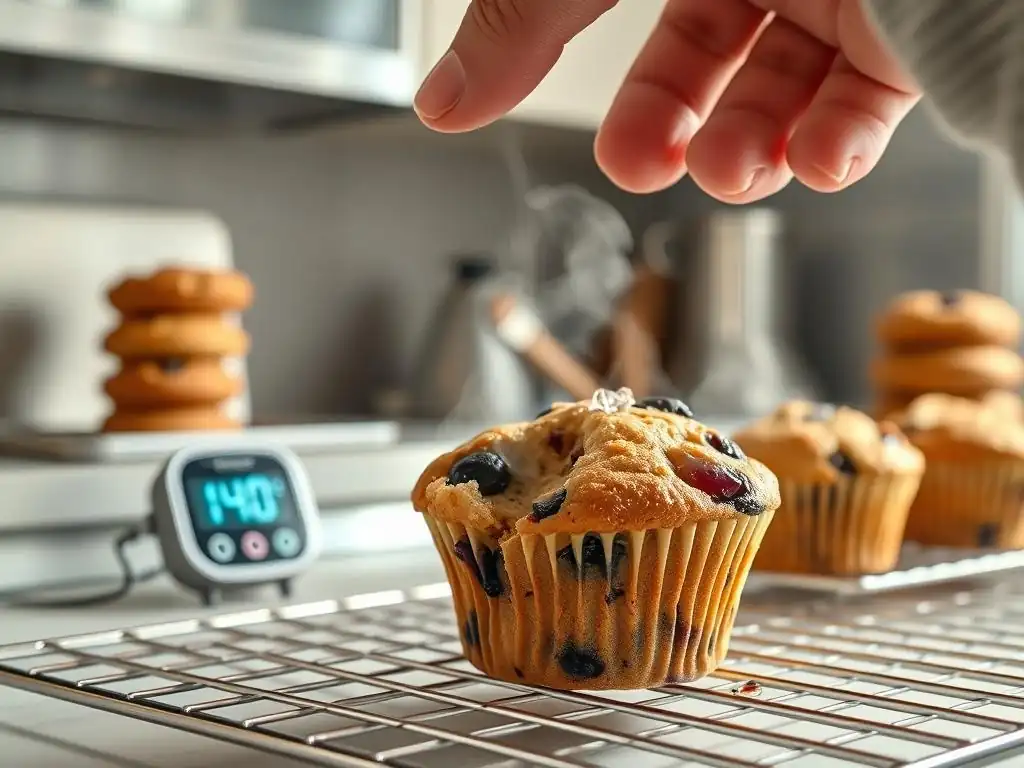
Once baked, items need to cool properly. Leaving baked goods, especially those containing moist ingredients like dairy, eggs, or fruit fillings, at room temperature for too long can lead to bacterial growth. The "danger zone" for bacterial multiplication is generally between 40°F (4°C) and 140°F (60°C). When warm baked goods cool slowly within this temperature range, bacteria that survived the baking process (or were introduced after baking) can multiply rapidly, leading to a potential food safety issue.
While dry items like crackers or hard cookies pose less risk, moist cakes, pies, cheesecakes, custards, and items with cream fillings or fresh fruit are particularly susceptible. Understanding safe cooling practices is essential to prevent this common baking food safety mistake and ensure your cooled treats are safe to store and consume. The goal is to move the item through the danger zone as quickly as possible.
The Danger Zone: Temperature Ranges for Bacterial Growth
The food safety "danger zone" is the temperature range where bacteria that cause foodborne illness grow most rapidly. This zone is defined by the U.S. Department of Agriculture (USDA) and other food safety organizations as temperatures between 40°F (4°C) and 140°F (60°C). Bacteria can double in number every 20 minutes within this range. Foods that spend more than two hours cumulative time in the danger zone should generally be discarded, as they may contain dangerous levels of bacteria or their toxins.
Baked goods, especially those with high moisture content and low acidity (like cheesecakes, quiches, or cream pies), are considered potentially hazardous foods once cooled into this range. They provide a favorable environment for bacterial growth. Therefore, ensuring they pass through this zone efficiently during cooling is critical to prevent a significant baking food safety mistake.
Safe Cooling Techniques for Cakes, Breads, and Pastries
Safe cooling techniques vary slightly depending on the type of baked good.
- Cakes and Muffins: Allow them to cool in their pans on a wire rack for the amount of time specified in the recipe (usually 10-20 minutes) to allow them to set slightly. Then, invert them onto the wire rack to cool completely. The rack allows air circulation, speeding up the cooling process.
- Breads: Most breads should be cooled completely on a wire rack. Cooling bread thoroughly before slicing not only improves texture but also allows internal steam to escape, preventing a gummy interior and facilitating faster cooling through the danger zone.
- Pies, Cheesecakes, and Custards: These moist items require faster cooling. After an initial short period at room temperature (perhaps 30-60 minutes) to stop the active cooking process, they should be refrigerated to bring their internal temperature down quickly below 40°F (4°C). Ensure the item is only slightly warm before refrigerating. Placing a warm item directly into a crowded fridge can raise the temperature of other foods, creating a wider food safety issue.
Using a wire rack is key for most items as it allows air to circulate around the entire product, significantly reducing cooling time and minimizing the time spent in the danger zone. This simple step helps avoid a common baking food safety mistake.
Handling Baked Goods Left Out Too Long
If a baked good, especially one containing potentially hazardous ingredients like dairy, eggs, or cream fillings, has been left out at room temperature (in the danger zone of 40-140°F or 4-60°C) for more than two hours, it should be discarded. This two-hour rule is a standard food safety guideline. While the item might look and smell fine, bacteria may have multiplied to dangerous levels, and some bacteria produce toxins that are not destroyed by reheating.
- Example: A cheesecake left on the counter overnight (e.g., 8-12 hours) after cooling is likely unsafe to eat due to potential bacterial growth, even if refrigerated in the morning.
- Example: A batch of cookies made with butter and flour but no eggs or dairy filling, left out at room temperature, is generally safe as it's a low-moisture item.
When in doubt, it is always safest to discard perishable baked goods that have been left out for too long. Prioritizing safety over salvaging an item is crucial to prevent foodborne illness, addressing a potential baking food safety mistake before it causes harm.
5. Ingredient Expiration Dates: What's Safe to Use?
Checking ingredient expiration dates is a fundamental step in baking, but understanding what those dates mean can be confusing. Using expired ingredients is another potential area for baking food safety mistakes, although the risks vary greatly depending on the ingredient. Some dates are about quality, while others are about safety. Using ingredients past their prime can affect the outcome of your baked goods in terms of taste, texture, and rise, but more importantly, certain expired ingredients can pose health risks.
Eggs, dairy products, and sometimes even flour can become unsafe to use after their expiration dates due to bacterial growth or spoilage. Understanding the difference between "Best By," "Sell By," and "Use By" dates helps you make informed decisions about ingredient safety and quality, preventing unnecessary waste while avoiding food safety issues in baking.
Understanding "Best By" vs. "Expiration Date" for Baking Ingredients
Food dating can be confusing as there is no single, federally required system for all foods (except infant formula).
- "Best By" or "Best If Used By" dates relate to food quality, not safety. They indicate when the product will be of the best flavor or quality. Foods are generally safe to eat after this date, but the quality might decline. Flour, sugar, spices, and baking powder often carry "Best By" dates.
- "Sell By" dates are a guide for retailers to know how long to display the product for sale. It allows for some storage time at home after purchase.
- "Use By" dates are typically found on perishable goods like eggs, milk, and yogurt. This date is usually the last date recommended for the use of the product while at peak quality. After this date, the quality drops, and depending on the product, the risk of spoilage and bacterial growth increases.
For baking ingredients, "Use By" dates on perishable items are the most critical for food safety. Ignoring these dates, particularly on eggs and dairy, is a common baking food safety mistake that can lead to illness.
Assessing the Safety of Expired Baking Ingredients: Flour, Eggs, Dairy
Assessing the safety of expired baking ingredients requires looking at the type of ingredient and its date.
- Flour: Flour typically has a "Best By" date. It's generally safe to use past this date if stored properly (cool, dry place, airtight container) and shows no signs of spoilage like mold, off odors, or pantry pests. The main issue might be that leavening agents mixed into self-rising flour lose potency.
- Sugar, Salt, Baking Soda, Baking Powder: These are shelf-stable pantry staples. Baking soda and powder might lose leavening power past their "Best By" dates, but they don't typically become unsafe. Sugar and salt essentially last indefinitely if kept dry and free of contaminants.
- Eggs: Eggs usually have a "Use By" or expiration date. It is generally recommended not to use eggs past this date, especially in recipes that don't involve thorough cooking (like light custards or batters that might be underbaked). Raw eggs past their prime carry a higher risk of Salmonella. A float test (fresh eggs sink, old ones float) can give an indication of age but is not a definitive safety test. When in doubt about egg safety, it's best to discard them to avoid a baking food safety mistake.
- Dairy (Milk, Butter, Cream, Cheese): These are highly perishable and should be used by their "Use By" date. Spoiled dairy can contain harmful bacteria. While butter can sometimes be used slightly past its date if it looks and smells fine, milk, cream, and soft cheeses are higher risk. Trust your senses – if dairy smells sour or has mold, discard it immediately.
Replacing Expired Ingredients for Optimal Food Safety and Quality
To ensure both optimal quality and food safety in your baking, it's generally best practice to use ingredients within their recommended dates, especially for perishable items. Replacing expired ingredients, particularly eggs and dairy, is a simple step to eliminate potential food safety risks. While non-perishables like flour or sugar might be usable past their "Best By" dates if stored correctly and showing no signs of spoilage, their quality might be diminished, potentially affecting the texture or rise of your baked goods.
If you're unsure about an ingredient's safety, especially eggs or dairy that are past their "Use By" date, err on the side of caution and replace it. The cost of replacing a few ingredients is minimal compared to the potential consequences of a foodborne illness. Maintaining a well-stocked pantry with fresh ingredients is a proactive way to prevent several types of baking food safety mistakes.
Advanced Strategies for Preventing Food Safety Issues in Baking
Beyond addressing specific mistakes as they happen, implementing advanced preventative strategies is key to consistent food safety in baking. These aren't necessarily complex steps but involve making good hygiene and organization habitual parts of your baking routine. Thinking proactively about potential hazards minimizes the chances of encountering baking food safety mistakes in the first place.
Maintaining a Clean and Organized Baking Space
A clean and organized kitchen is fundamental to preventing food safety issues. Before you even start measuring ingredients, ensure your countertops, sink, and any surfaces that will come into contact with food are clean and sanitized. Use a food-safe cleaning spray or a solution of one tablespoon of bleach per gallon of water to sanitize surfaces after cleaning off visible grime. This kills bacteria that might be present from previous cooking or baking activities.
During baking, keep your workspace tidy. Wipe up spills immediately, especially those involving raw ingredients like egg drips or flour dust. Use separate areas or thoroughly clean surfaces when switching from handling raw ingredients to working with finished products. After baking, clean all used equipment, bowls, and utensils promptly. Allowing dirty dishes to pile up can create a breeding ground for bacteria. Regular cleaning and organization significantly reduce the risk of contamination and contribute to overall baking safety.
Implementing Proper Handwashing Techniques
Proper handwashing is arguably the single most important step in preventing the spread of bacteria and avoiding baking food safety mistakes. Hands come into contact with everything – ingredients, equipment, surfaces, and our faces. Bacteria can easily transfer from hands to food. Wash your hands thoroughly with warm water and soap for at least 20 seconds. Scrub all surfaces: palms, backs of hands, between fingers, and under fingernails. Rinse well under running water and dry with a clean towel or paper towel.
Wash your hands:
- Before beginning any baking task.
- After handling raw ingredients (eggs, flour, etc. ).
- After touching your face, hair, or body.
- After using the restroom.
- After touching garbage.
- After handling pets.
- Any time your hands might have become contaminated.
Make handwashing a routine habit throughout your baking process. This simple action dramatically lowers the likelihood of introducing harmful pathogens into your baked goods.
Using Food-Safe Equipment and Utensils
Ensuring your baking equipment and utensils are food-safe and properly maintained is another crucial preventative measure. Use materials that are non-toxic and designed for food contact, such as stainless steel, food-grade plastic, glass, or silicone. Avoid using cracked or damaged equipment where bacteria can hide and multiply, such as cutting boards with deep grooves or cracked plastic bowls.
Properly clean and store all equipment. Wooden spoons and cutting boards require thorough washing and drying to prevent mold or bacterial growth. Silicone mats and spatulas should be washed diligently, as greasy residues can harbor bacteria. Metal pans and sheets should be cleaned of burnt-on residue. Using clean, intact, and food-safe tools ensures that you're not inadvertently adding contaminants to your ingredients or finished products, reinforcing good baking safety practices.
Resources for Baking Food Safety Information
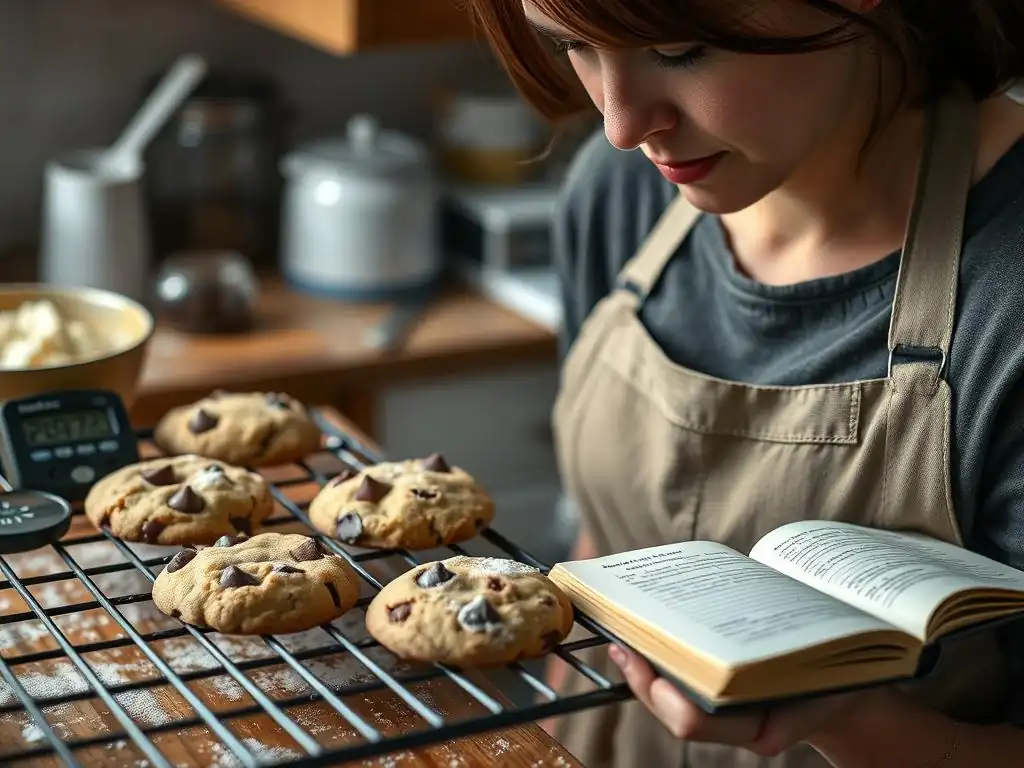
Staying informed is key to minimizing baking food safety mistakes. Numerous reliable resources offer comprehensive guidance on food safety practices for home kitchens, many of which are directly applicable to baking. Consulting these resources can deepen your understanding and help you implement the best possible safety measures in your own kitchen.
Reliable Websites and Organizations for Food Safety Guidance
Several governmental and non-profit organizations provide excellent, science-based food safety information. These resources are trustworthy and regularly updated.
- The U.S. Department of Agriculture (USDA) Food Safety and Inspection Service (FSIS): Offers extensive information on preventing foodborne illness, safe handling of specific ingredients (like eggs and meat, which are used in some savory baked goods), and understanding food dating. Their website, foodsafety.gov, is a hub for information from various government agencies.
- The Food and Drug Administration (FDA): Provides consumer information on food safety, including guidance on topics like acrylamide and safe handling of produce and other ingredients used in baking.
- The Centers for Disease Control and Prevention (CDC): Offers data on foodborne illness outbreaks and provides recommendations for preventing illness. While not baking-specific, their general food safety advice is highly relevant.
Consulting these websites provides access to accurate information that can help home bakers avoid common baking food safety mistakes and handle ingredients safely.
Recommended Books and Articles on Home Baking Food Safety
While general food safety resources are invaluable, some books and articles delve specifically into the nuances of food safety as it applies to home cooking and baking. Look for resources authored by food scientists, registered dietitians, or reputable culinary professionals with a focus on safety.
Books on general home food safety often include sections on baking ingredients and proper storage. Articles from reputable culinary magazines or websites that consult with food safety experts can also provide practical tips. Searching for terms like "home kitchen food safety," "safe handling of baking ingredients," or "preventing foodborne illness baking" can yield useful results. Always cross-reference information with official sources like the USDA or FDA to ensure accuracy and the most up-to-date guidance. Learning from reliable sources is a powerful tool against making baking food safety mistakes.
Conclusion: Baking with Confidence Through Food Safety Awareness
Prioritizing Food Safety for Delicious and Safe Baked Goods
Baking is a rewarding activity, and sharing your creations with others brings joy. By understanding and implementing basic food safety principles, you ensure that your delicious baked goods are also safe to eat. Recognizing potential baking food safety mistakes – from underbaking and burning to cross-contamination and improper cooling – and knowing how to address them is crucial. Proactive measures like maintaining a clean workspace, washing hands diligently, and using fresh, properly stored ingredients are the best defense against foodborne illness.
Making food safety a priority doesn't have to be complicated. It's about building good habits and being mindful in the kitchen. By staying informed through reliable resources and applying safe practices consistently, you can significantly reduce the risk of common baking food safety mistakes. This attention to detail not only protects your health and the health of those you bake for but also allows you to bake with greater confidence and peace of mind, ensuring every bite is enjoyable and safe.
Frequently Asked Questions
What are some common Baking Food Safety Mistakes that beginners often make?
Many beginners neglect proper handwashing before handling ingredients. They also might fail to ensure ingredients are fresh and within their expiration dates, increasing the risk of contamination. Finally, overlooking cross-contamination by using the same utensils for raw and cooked foods is a frequent issue.
How can I quickly cool baked goods to prevent bacterial growth?
Rapid cooling is essential. You can use a wire rack to allow air circulation or place the baked good in a shallow dish in the refrigerator for faster cooling. Never leave baked goods at room temperature for more than two hours.
What should I do if I accidentally underbake a cake or bread?
If caught early, you can return it to the oven at a lower temperature for a longer period. Use a toothpick to check for doneness – it should come out clean. If it's significantly underbaked, it might be safer to discard it rather than risk foodborne illness, depending on the ingredients.
What are the best practices for storing baked goods to maintain food safety?
Store baked goods in airtight containers to prevent contamination and moisture loss. For items containing perishable ingredients like cream or custard, refrigeration is crucial. Some baked goods can also be frozen for longer storage.
How do I know if a baked good has gone bad and is unsafe to eat?
Look for signs like mold growth, an off-odor, or a slimy texture. If you're unsure, it's always best to err on the side of caution and discard the item. Don't taste it to find out!
Final Reflection: Baking Beyond the Burn: Mastering Food Safety in the Kitchen
The seemingly simple act of baking carries with it a surprising number of potential food safety hazards. A misplaced ingredient, a slightly off temperature, or a forgotten cleaning step can quickly transform a delicious treat into a potential health risk. This article highlighted the importance of vigilance, even in the seemingly forgiving world of baking, to ensure the safety and enjoyment of our culinary creations.
The impact of food safety awareness extends far beyond individual kitchens; it shapes our collective understanding of responsible food handling and contributes to a healthier society. Food safety is not just about avoiding illness; it's about celebrating the joy of food without fear.
This quote encapsulates the core message: baking should be a pleasurable experience, and understanding basic food safety principles allows us to fully embrace that joy without compromising our well-being. The subtle shifts in our practices—from diligently washing hands to properly storing ingredients—accumulate to create a significant positive impact on public health.
Now, consider your own baking habits. Reflect on the tips and techniques discussed within this article. Are there any areas where you can improve your food safety practices?
Perhaps it's investing in a reliable thermometer, implementing a more rigorous cleaning schedule, or simply taking a moment to double-check ingredient labels. Take this opportunity to elevate your baking game, not just in terms of taste and presentation, but also in terms of safety and responsibility. By incorporating these simple yet crucial steps, you'll not only protect yourself and your loved ones but also contribute to a culture of mindful and safe food preparation.
Ready to Tackle Kitchen Emergencies Like a Pro?
Thanks for taking the time to learn about minor food safety hiccups! You now have the knowledge to confidently navigate those tricky moments in the kitchen. Ready to put your newfound expertise to the test?
- Master your food safety checklist: Create a personalized checklist based on the tips in this article and keep it handy near your cooking area. This is your go-to guide for preventing future issues.
- Share your own food safety wins and challenges – let's build a supportive community! Post your experiences (or questions!) in the comments section below.
- Challenge a friend to a "Food Safety Quiz Night"! Test each other's knowledge and see who’s the ultimate kitchen safety expert.
What's one small change you can implement today to improve your kitchen's food safety?