
Quick Breads vs. Yeast Breads: Why Start with Quick?

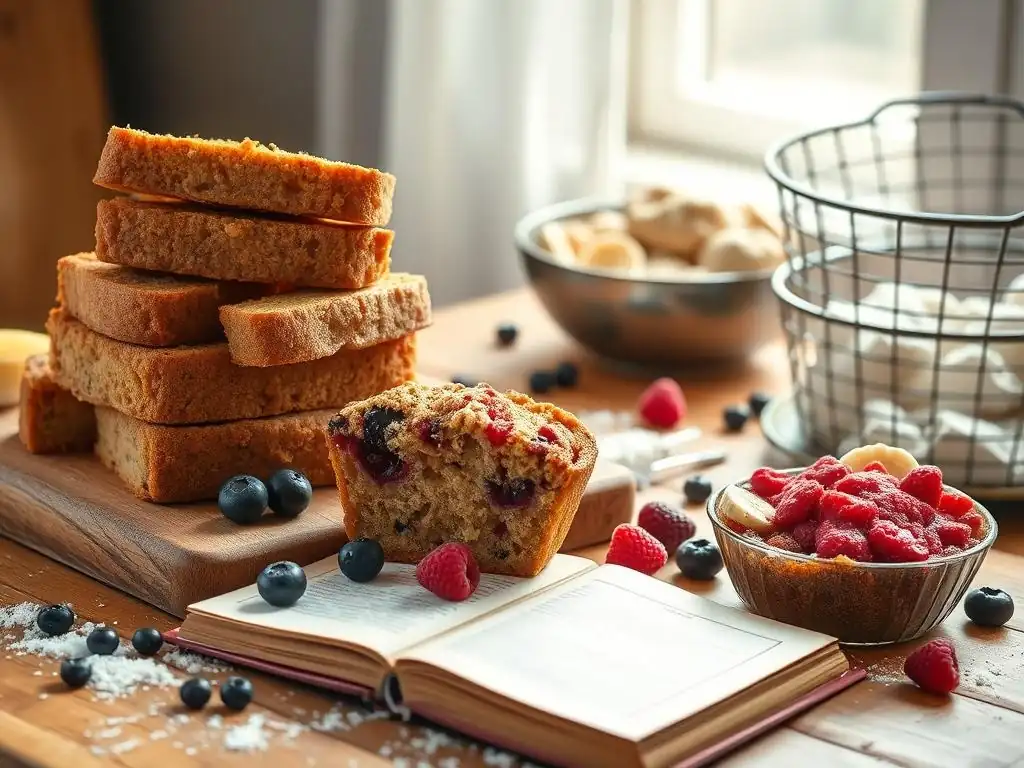
Welcome to BakeWithEase, your trusted guide to the delightful world of baking! Ever wondered why so many baking journeys begin with something other than a loaf of sourdough? Dive in to discover the secrets behind quick bread beginner recipes and unravel the mystery of why these simple, satisfying treats are the perfect starting point for aspiring bakers. Prepare to unlock the fundamentals and build your confidence, one delicious slice at a time!
- BakeWithEase: Your Guide to Easy Baking
- Understanding the Basics: Quick Breads and Yeast Breads
- Why Quick Breads are Ideal for Beginner Baking
- Quick Bread Recipes for Beginners: Building Confidence
- Yeast Bread Baking: A More Advanced Technique
- Quick Bread Baking: A Step-by-Step Approach
- From Quick Breads to Yeast Breads: A Baking Journey
- Exploring Different Types of Quick Breads
- Quick Breads: The Perfect Starting Point
-
Frequently Asked Questions
- What exactly are quick breads, and how do they differ from yeast breads?
- Why does BakeWithEase recommend starting with quick bread recipes for beginners?
- What are some common examples of quick breads that a beginner might try?
- Are there any special tools or equipment needed to successfully bake quick breads?
- What are some common mistakes beginners make when baking quick breads, and how can I avoid them?
- Final Reflection: The Humble Quick Bread – A Gateway to Baking Joy
- Unleash Your Inner Baker: Start Baking Today!
BakeWithEase: Your Guide to Easy Baking
Welcome to BakeWithEase, your friendly corner of the internet dedicated to making baking accessible and enjoyable for everyone. Whether you've never cracked an egg or you're looking to refine your skills, our goal is to provide clear, simple recipes and techniques that build your confidence in the kitchen. We believe that baking should be a source of joy, not frustration, and we're here to guide you through every step, from understanding basic ingredients to mastering delightful creations.
Embarking on your baking journey can feel a bit overwhelming with so many different types of baked goods out there. Understanding the fundamental differences between categories like quick breads and yeast breads is a crucial first step. This knowledge helps you choose the right recipes to start with, setting you up for early success and a positive baking experience. At BakeWithEase, we break down these concepts into easy-to-digest information, ensuring you have the foundation you need to bake with ease.
Understanding the Basics: Quick Breads and Yeast Breads
What are Quick Breads? A Beginner's Introduction
Quick breads are a fantastic starting point for anyone new to baking, and they form the backbone of many excellent quick bread beginner recipes. The defining characteristic of quick breads is that they use chemical leavening agents, such as baking powder and baking soda, to rise, rather than yeast. This means they don't require the time-consuming proofing or rising periods that yeast breads do.
Think of muffins, scones, biscuits, pancakes, waffles, and many loaf cakes – these are all classic examples of quick breads that can be mixed and baked relatively quickly, often within an hour or two from start to finish. Their reliance on simple chemical reactions makes the rising process predictable and straightforward.
The ingredients in most quick breads are pantry staples you likely already have: flour, sugar, salt, a liquid (like milk or buttermilk), fat (butter, oil, or shortening), eggs, and the crucial leavening agents. The mixing process is typically minimal, often involving combining wet and dry ingredients separately before gently bringing them together. Overmixing is a common pitfall to avoid, as it can lead to tough textures.
Because the rise happens primarily in the oven when the leavening agents react with liquid and heat, the preparation time is drastically reduced compared to yeast-leavened goods. This speed and simplicity make quick bread beginner recipes incredibly appealing and forgiving for new bakers.
What are Yeast Breads? An Overview for New Bakers
Yeast breads, in contrast to quick breads, rely on biological leavening – specifically, the activity of yeast. Yeast is a living microorganism that feeds on sugars in the dough and produces carbon dioxide gas, which causes the dough to rise.
This process, known as fermentation or proofing, is essential for developing the characteristic texture and flavor of breads like loaves of sandwich bread, pizza dough, rolls, and enriched doughs like brioche or challah. Unlike the rapid rise of quick breads, yeast bread doughs typically require one or more periods of rising, which can range from 30 minutes to several hours, or even overnight in the refrigerator.
Working with yeast introduces variables that quick breads bypass. Factors like water temperature, room temperature, the freshness of the yeast, and the kneading process all significantly impact how well a yeast dough rises. Kneading is often necessary to develop gluten, a protein structure in flour that provides strength and elasticity, allowing the dough to trap the carbon dioxide gas produced by the yeast. This complex interplay of ingredients, time, and technique makes yeast bread baking a more advanced skill that requires practice and patience to master consistently.
Why Quick Breads are Ideal for Beginner Baking
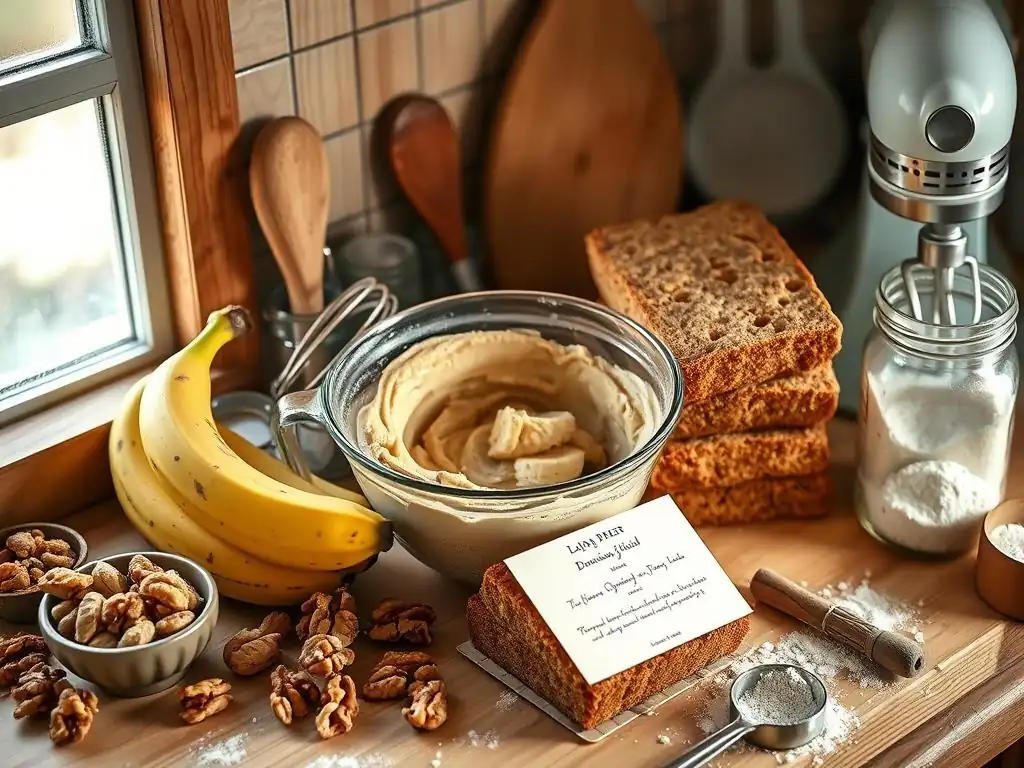
Simplicity and Speed: The Quick Bread Advantage
The primary reason quick breads are perfect for beginners lies in their inherent simplicity and speed. Unlike yeast breads that demand hours for rising and proofing, many quick bread recipes can be mixed and baked within an hour. Consider making a batch of blueberry muffins: you can often go from gathering ingredients to pulling warm muffins from the oven in about 45 minutes.
This rapid turnaround means instant gratification and less waiting time, which is incredibly encouraging when you're just starting out. You get to see the results of your efforts quickly, building confidence without the lengthy commitment required by yeast doughs.
Furthermore, the mixing techniques for quick breads are generally straightforward. Most recipes use the "muffin method" (combining wet and dry ingredients separately, then mixing briefly) or the "biscuit method" (cutting cold fat into dry ingredients). These methods are easier to grasp initially than the specific kneading techniques required for yeast doughs. The forgiving nature of the process means minor inaccuracies are less likely to result in complete failure, making quick bread beginner recipes a safe and rewarding starting point for aspiring bakers.
No Yeast Required: Demystifying the Baking Process
One of the biggest hurdles for new bakers is often the perceived complexity of working with yeast. Yeast is a living organism, and its activity is influenced by factors like temperature and time. Getting the water temperature just right, ensuring the yeast is active, and understanding how different proofing times affect the final product can feel daunting. Quick breads completely eliminate this variable. They rely on the predictable chemical reactions of baking powder and baking soda, which are activated by liquid and heat.
This reliance on chemical leavening simplifies the process dramatically. You don't need to worry about whether your yeast is alive, if the water is too hot or too cold, or if your dough has proofed long enough. You simply mix the batter or dough to the correct consistency, and the leavening agents do their work in the oven.
This removes a significant source of potential error and anxiety, allowing beginners to focus on fundamental techniques like accurate measuring and proper mixing, which are applicable across all types of baking. Mastering quick bread beginner recipes builds a strong foundation without the added stress of managing yeast.
Mastering Baking Fundamentals: Quick Breads as a Starting Point
Quick breads provide an excellent opportunity to practice and master fundamental baking techniques that are transferable to many other areas of baking, including eventually yeast breads. Skills such as accurately measuring dry and liquid ingredients, properly creaming butter and sugar (for some quick breads like loaf cakes), sifting flour, understanding the role of different ingredients, and learning how to avoid overmixing are all crucial.
For example, learning to combine wet and dry ingredients just until mixed in a muffin recipe teaches you about gluten development and how it affects texture – a concept vital for both quick and yeast breads.
Working with quick bread beginner recipes also helps you become familiar with your oven and understand how heat affects baked goods. You learn to recognize visual cues like golden-brown tops, cracked surfaces, and the toothpick test for doneness. These sensory observations are invaluable regardless of what you're baking. By successfully navigating the steps of quick bread recipes, you build a core set of skills and intuition that makes the transition to more complex baking projects, like yeast breads, much smoother and more successful in the long run.
Quick Bread Recipes for Beginners: Building Confidence
Developing Essential Baking Skills with Quick Breads
Engaging with quick bread beginner recipes actively helps develop core baking skills through practice. Each recipe offers a chance to refine techniques like precise measurement, which is critical as even slight variations in flour or leavening can impact the outcome. Consider a simple scone recipe: it teaches you how to cut cold butter into flour, a technique used in pastries and pie crusts. A basic muffin recipe reinforces the importance of gentle mixing to avoid toughness. By repeatedly practicing these steps with forgiving quick bread recipes, beginners build muscle memory and a deeper understanding of ingredient interactions.
For instance, mastering a basic banana bread recipe involves learning how wet ingredients (like mashed bananas and eggs) interact with dry ingredients and how the fat (butter or oil) contributes to moisture and tenderness. You learn to recognize the correct batter consistency. Successfully baking a quick bread provides tangible evidence of skill development, boosting confidence and encouraging further exploration in the kitchen. It's these small victories with quick bread beginner recipes that pave the way for tackling more complex baking challenges.
Less Room for Error: Quick Breads and Baking Success
Compared to yeast breads, quick breads are significantly more forgiving, offering less room for critical errors that can derail a bake entirely. With yeast, using water that's too hot will kill the yeast; water that's too cold might mean the dough never rises. Incorrect kneading can result in dense, heavy bread. Proofing for too long or not long enough also leads to undesirable textures or volumes. These variables make yeast bread baking more sensitive to precise conditions and techniques.
Quick breads, however, operate on simpler chemical principles. As long as your leavening agents are fresh and you follow the basic mixing instructions (primarily, don't overmix), you are very likely to get a successful rise and a palatable result. A slightly overmixed muffin might be a little tough, but it's still edible. A yeast dough that fails to rise is often a complete loss. This higher probability of success with quick bread beginner recipes makes them ideal for building confidence and avoiding the discouragement that can come from early failures in baking.
Classic Chocolate Chip Muffin Recipe for Beginners
Let's walk through a simple example: a Classic Chocolate Chip Muffin. This is a quintessential quick bread beginner recipe.
Yields: 12 muffins Prep time: 15 minutes Bake time: 20-25 minutes
Ingredients:
- 1 ¾ cups all-purpose flour
- ¾ cup granulated sugar
- 2 ½ teaspoons baking powder
- ¼ teaspoon salt
- 1 cup milk
- ½ cup vegetable oil or melted butter
- 2 large eggs
- 1 teaspoon vanilla extract
- 1 cup chocolate chips
Instructions:
- Preheat your oven to 400°F (200°C). Line a 12-cup muffin tin with paper liners.
- In a large bowl, whisk together the flour, sugar, baking powder, and salt.
- In a separate medium bowl, whisk together the milk, oil or melted butter, eggs, and vanilla extract.
- Pour the wet ingredients into the bowl with the dry ingredients. Stir gently with a spatula or wooden spoon just until combined. A few lumps are okay – do not overmix!
- Fold in the chocolate chips.
- Divide the batter evenly among the prepared muffin cups, filling each about two-thirds full.
- Bake for 20-25 minutes, or until a toothpick inserted into the center of a muffin comes out clean.
- Let the muffins cool in the tin for a few minutes before transferring them to a wire rack to cool completely (if you can wait! ).
This recipe demonstrates the simple "muffin method." You combine dry, combine wet, and mix them together minimally. The baking powder does the heavy lifting for the rise in the hot oven. It's a straightforward process that yields delicious results, perfect for practicing and proving to yourself that you can bake!
Yeast Bread Baking: A More Advanced Technique
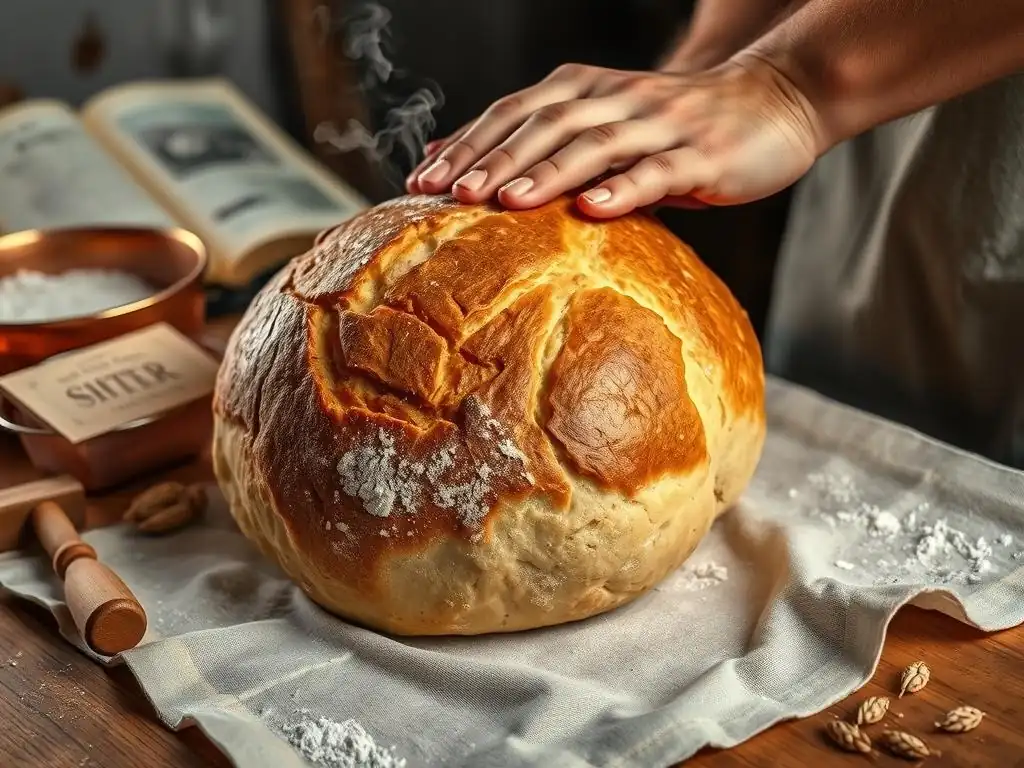
The Challenges of Yeast: Time, Temperature, and Proofing
Yeast bread baking introduces a layer of complexity primarily centered around managing yeast activity. Yeast is a living microorganism that requires specific conditions to thrive and produce the carbon dioxide needed for dough to rise. One major challenge is temperature control. The water used to activate dry yeast needs to be within a specific range, typically between 105°F and 115°F (40°C to 46°C).
Water that is too hot will kill the yeast, rendering it inactive, while water that is too cold may not activate it sufficiently, leading to a dense loaf. Room temperature during proofing also matters; warmer temperatures speed up rising, while cooler temperatures slow it down. Achieving consistent results requires careful monitoring and adjustment based on the environment.
Another significant challenge is understanding and managing proofing time. Proofing is the period where the yeast ferments and causes the dough to double in size. This process is not just about volume; it also develops flavor and texture.
Knowing when a dough is perfectly proofed – not under-proofed (which results in a dense loaf) or over-proofed (which can cause the dough to collapse) – comes with experience. This requires learning to recognize visual cues and sometimes performing tests like the "poke test." For a beginner, these variables can be difficult to control and interpret, making early attempts at yeast bread more prone to unpredictable outcomes compared to the reliable nature of quick bread beginner recipes.
Why Yeast Breads are Best Left for Later
Given the variables involved with yeast activity, temperature sensitivity, and proofing times, yeast breads are generally best approached after gaining some fundamental baking confidence with quick breads. Starting with quick bread beginner recipes allows new bakers to focus on mastering essential skills like accurate measuring, mixing techniques, and understanding oven behavior without the added pressure of managing a living ingredient. Successful quick bread bakes provide a solid foundation and build the confidence needed to tackle more complex challenges.
Attempting yeast bread too early might lead to frustrating failures if the yeast doesn't activate or the dough doesn't rise properly. This can be discouraging for a beginner. By contrast, quick breads offer a higher chance of success with less intricate steps. Once a baker feels comfortable with basic ingredient interactions, mixing methods, and judging doneness through quick bread baking, they are much better equipped to understand and control the nuances of yeast. The skills learned from quick bread beginner recipes serve as a natural stepping stone towards the rewarding but more demanding world of yeast bread baking.
Quick Bread Baking: A Step-by-Step Approach
Step 1: Understanding Quick Bread Ingredients
The first step to successful quick bread baking is understanding the role of each ingredient. Flour provides structure; all-purpose flour is common for many quick bread beginner recipes, offering a good balance. Sugar adds sweetness, aids in browning, and helps tenderize the crumb. Salt enhances flavor and balances sweetness. Fat (butter, oil, shortening) adds richness, moisture, and tenderness. Eggs bind ingredients together, add structure, and contribute to richness and color. Liquid (milk, buttermilk, water, juice) activates the leavening agents and brings the batter or dough together.
Most importantly, you have the chemical leavening agents: baking powder and baking soda. Baking powder is a complete leavener, containing both an acid and a base, and it reacts when wet and again when heated. Baking soda is a base and requires an acid (like buttermilk, yogurt, or brown sugar) to react and produce carbon dioxide. Understanding which leavener a recipe uses and why (often related to acidic ingredients) is key. Ensuring your baking powder and baking soda are fresh is crucial for a good rise; they typically last about 6-12 months once opened.
Step 2: Mixing Techniques for Quick Bread Success
Proper mixing is vital for achieving the right texture in quick breads. The most common technique for batters like muffins and loaf cakes is the "muffin method." This involves whisking dry ingredients together in one bowl and wet ingredients together in another. The wet ingredients are then poured into the dry ingredients, and the mixture is stirred just until combined. Overmixing develops gluten, which can make quick breads tough and chewy. You should stop mixing when you no longer see streaks of dry flour; a few lumps are perfectly acceptable and often desirable.
For quick breads like biscuits and scones, the "biscuit method" (or pastry method) is used. This involves cutting cold fat (like butter or shortening) into the dry ingredients until the mixture resembles coarse crumbs or small peas. This creates pockets of fat that melt during baking, producing a flaky texture. Liquid is then added and mixed gently until the dough just comes together. Again, minimal mixing is key to avoid toughness. Mastering these simple, distinct mixing techniques is a core skill learned through quick bread beginner recipes.
Step 3: Baking Quick Breads: Tips and Tricks
Baking quick breads involves a few key steps and considerations. Always preheat your oven to the specified temperature; this ensures the leavening agents react properly from the start and provides consistent heat for even baking. For muffins and loaf cakes, fill pans appropriately – usually about two-thirds full for muffins and two-thirds to three-quarters full for loaf pans – to allow for proper rising without overflowing. For biscuits and scones, arranging them on a baking sheet allows even heat circulation.
Timing is important, but relying solely on the clock isn't enough. Quick breads are typically done when they are golden brown and a toothpick inserted into the center comes out clean or with just a few moist crumbs (no wet batter). For loaf cakes, this might take 45-60 minutes or even longer depending on the size, while muffins or biscuits might be ready in 15-25 minutes.
Letting quick breads cool slightly in the pan before transferring them to a wire rack helps them set and prevents them from breaking. Following these simple tips ensures your quick bread beginner recipes yield delicious, perfectly baked results.
From Quick Breads to Yeast Breads: A Baking Journey
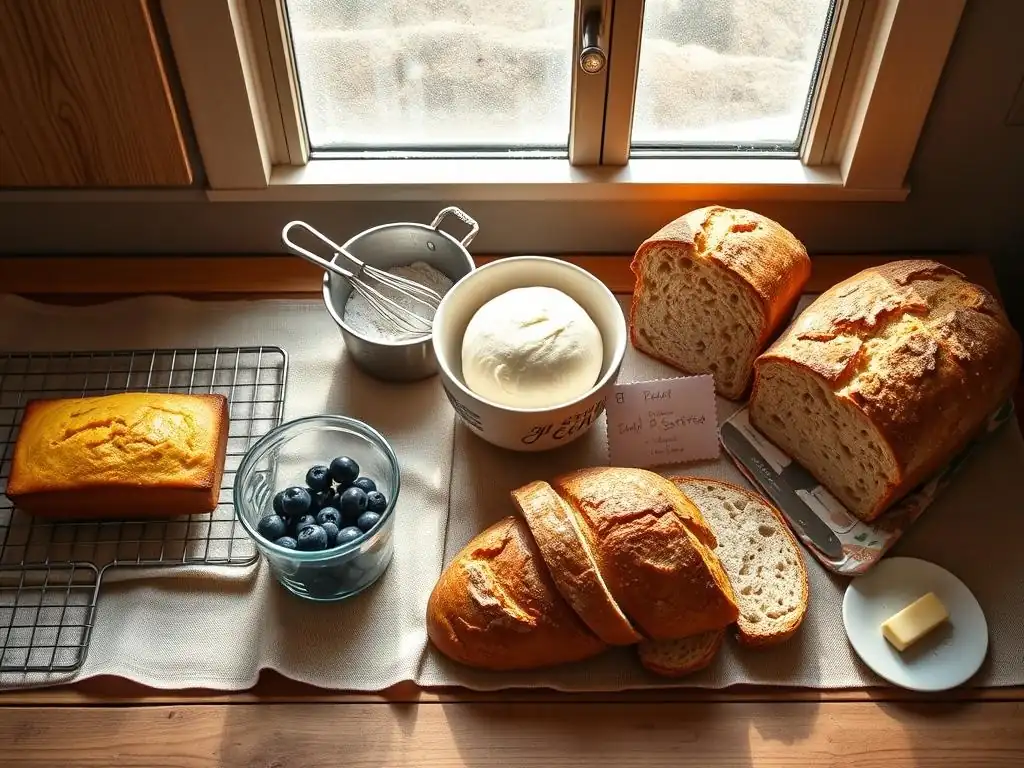
Building a Foundation: Quick Breads as a Gateway
Think of quick bread beginner recipes as your foundational training camp in the world of baking. They introduce you to essential concepts like measuring, mixing, understanding ingredient functions (like the role of flour, fat, and leavening), and learning how to read a recipe. Successfully baking muffins, scones, or a simple loaf cake builds confidence and familiarity with the baking process and your equipment. You learn to trust your instincts, recognize visual cues of doneness, and understand basic ratios.
This hands-on experience with quick breads demystifies baking and makes the kitchen feel less intimidating. By the time you've baked a few different types of quick breads, you'll have a solid understanding of what happens when ingredients are combined and heated. This knowledge makes the transition to yeast breads feel less like stepping into the unknown and more like taking the next logical step in your baking progression, equipped with fundamental skills learned from quick bread beginner recipes.
Transitioning to Yeast Breads: Tips and Resources
Once you feel comfortable consistently producing successful quick breads, you're ready to explore the world of yeast baking. Start with simple yeast doughs, like a basic sandwich bread or pizza dough recipe, before tackling more complex enriched doughs like challah or brioche. Look for recipes specifically labeled for beginners. Pay close attention to the instructions regarding yeast activation and proofing times.
- Tip 1: Ensure your yeast is fresh. You can test it by dissolving it in warm water with a pinch of sugar; it should get bubbly and foamy within 5-10 minutes.
- Tip 2: Pay attention to water temperature when activating yeast – usually between 105°F and 115°F (40°C to 46°C).
- Tip 3: Be patient with proofing. Rising times are estimates and can vary based on room temperature. Learn to recognize when the dough has doubled in size or passes the poke test.
- Tip 4: Don't be afraid to knead. While quick breads minimize mixing, yeast breads often require kneading to develop gluten for structure.
- Tip 5: Start simple. A basic no-knead bread or a simple loaf recipe is a great first yeast project.
BakeWithEase offers resources and step-by-step guides specifically designed to help you navigate the world of yeast baking when you're ready to transition from quick bread beginner recipes.
Exploring Different Types of Quick Breads
Muffins: A Beginner-Friendly Quick Bread
Muffins are arguably the most popular quick bread beginner recipe. Their appeal lies in their individual portions, relatively short baking time, and versatility. A basic muffin batter can be adapted with countless additions like fruit (blueberries, bananas), chocolate chips, nuts, or spices. The standard "muffin method" of mixing makes them easy to whip up with minimal fuss. Success with muffins teaches you the crucial lesson of not overmixing and how to achieve a tender crumb.
Furthermore, muffins offer immediate visual feedback. You can easily see them rising in the oven and test for doneness with a toothpick. A typical batch of 12 muffins takes about 15 minutes to prep and 20-25 minutes to bake. This quick turnaround allows for frequent practice and experimentation. Mastering quick bread beginner recipes like muffins provides a solid foundation for understanding batter consistency and the role of leavening in creating light, airy textures.
Scones: A Versatile Quick Bread Option
Scones are another excellent quick bread for beginners, introducing the "biscuit method" of cutting in cold fat. This technique is fundamental to creating flaky textures in baked goods. Scones are versatile and can be made sweet (with fruit, sugar, or chocolate) or savory (with cheese, herbs, or vegetables). They typically require minimal mixing and are baked as wedges or rounds.
Working with scone dough teaches you the importance of keeping ingredients cold and handling the dough gently. The process of cutting in butter creates layers that expand in the oven, resulting in a light, flaky texture. A batch of scones can often be mixed, shaped, and baked within 30-40 minutes. Practicing with quick bread beginner recipes like scones helps you understand the impact of fat on texture and the finesse required for working with dough rather than batter.
Loaf Cakes: Easy and Delicious Quick Bread Recipes
Loaf cakes, such as banana bread, zucchini bread, or lemon loaf, are essentially quick breads baked in a loaf pan. They often use the "muffin method" but sometimes employ the creaming method (beating butter and sugar together) for a finer, cake-like crumb. Loaf cakes are larger than muffins or scones and thus require a longer baking time, often 45-75 minutes or more depending on the recipe and loaf size.
Baking a loaf cake teaches patience and how to judge doneness for a larger item, often requiring the toothpick test in multiple spots. Successfully baking a moist and evenly cooked loaf cake is a rewarding achievement for a beginner. These quick bread beginner recipes demonstrate how slight variations in mixing technique (muffin method vs. creaming) can alter the final texture and provide practice with longer bake times and larger quantities of batter.
Quick Breads: The Perfect Starting Point
Quick breads are the ideal gateway into the rewarding world of baking, particularly for newcomers seeking quick bread beginner recipes. Their reliance on predictable chemical leaveners eliminates the complexities associated with yeast, offering a simpler, faster path to successful bakes. From the straightforward mixing of muffins to the flaky texture of scones, quick breads provide hands-on experience with fundamental techniques like accurate measuring, gentle mixing, and judging doneness.
Starting with quick breads builds confidence through consistent success, allowing beginners to focus on mastering essential skills without the frustration of unpredictable yeast activity. The skills honed through quick bread beginner recipes – understanding ingredient roles, proper mixing, and oven intuition – are transferable and create a strong foundation for eventually exploring more advanced techniques, including yeast bread baking. So, grab your baking powder and get started; quick breads offer a delicious and achievable starting point for your baking journey.
Frequently Asked Questions
What exactly are quick breads, and how do they differ from yeast breads?
Quick breads are leavened with chemical agents like baking powder or baking soda, allowing for a fast rise. Unlike yeast breads, they don't require proofing or kneading, saving significant time.
Why does BakeWithEase recommend starting with quick bread recipes for beginners?
Quick breads are more forgiving than yeast breads, requiring less precision and technique. They offer a lower barrier to entry for new bakers, building confidence and fundamental skills.
What are some common examples of quick breads that a beginner might try?
Popular beginner-friendly quick breads include muffins, scones, and banana bread. These recipes are relatively simple and utilize readily available ingredients.
Are there any special tools or equipment needed to successfully bake quick breads?
Generally, quick breads require minimal equipment: mixing bowls, measuring cups/spoons, and a baking pan. A whisk and spatula are also helpful, but no specialized equipment is typically needed.
What are some common mistakes beginners make when baking quick breads, and how can I avoid them?
Overmixing the batter is a frequent error, leading to a tough texture. Mix only until just combined. Also, ensure your leavening agents are fresh for optimal results.
Final Reflection: The Humble Quick Bread – A Gateway to Baking Joy
The ease and accessibility of quick breads make them the perfect entry point for aspiring bakers, shattering the myth that bread making is an intimidatingly complex process. This isn't just about simple recipes; it's about fostering a love for baking, building confidence in the kitchen, and ultimately, creating delicious, homemade food. The immediate gratification of a perfectly risen muffin or a warm, comforting loaf is a powerful motivator, far surpassing the delayed satisfaction of yeast bread.
The impact of quick breads extends beyond the individual baker. They represent a connection to simpler times, a celebration of readily available ingredients transformed into something nourishing and delightful. Baking is at once child's play and adult joy. And love of baking is love of life.
This quote, while not specifically about quick breads, perfectly encapsulates the joy and satisfaction they bring. The accessibility of these recipes allows for a wider range of people to experience this joy, regardless of skill level or available time. It's a democratization of baking, making it less of a specialized skill and more of a shared experience.
So, what will you bake today? Don't let the fear of yeast or complex techniques hold you back. Embrace the simplicity and immediate rewards of quick breads. Experiment with different flavors, textures, and additions. Let the aroma of warm, freshly baked bread fill your kitchen and your heart. You might be surprised at the confidence and creativity you unlock, and who knows, maybe this will be the first step on your journey to becoming a passionate, lifelong baker.
Unleash Your Inner Baker: Start Baking Today!
Thanks for taking the time to explore the wonderful world of quick breads! We hope you now feel confident in choosing the perfect baking path for your next culinary adventure. Ready to get your hands floury?
- Bake your first quick bread masterpiece! Choose a recipe (we suggest starting with muffins – they’re foolproof! ), gather your ingredients, and get baking. You’ll be amazed at how quickly and easily you can create something delicious.
- Share your baking journey! Post a picture of your creation on social media and tag #BakeWithEase – let's inspire each other!
- Explore our recipe collection for even more quick bread inspiration. We have everything from savory scones to sweet banana bread.
So, what delicious quick bread will you bake first?