
Baking Sweet Rolls to Golden Brown Perfection

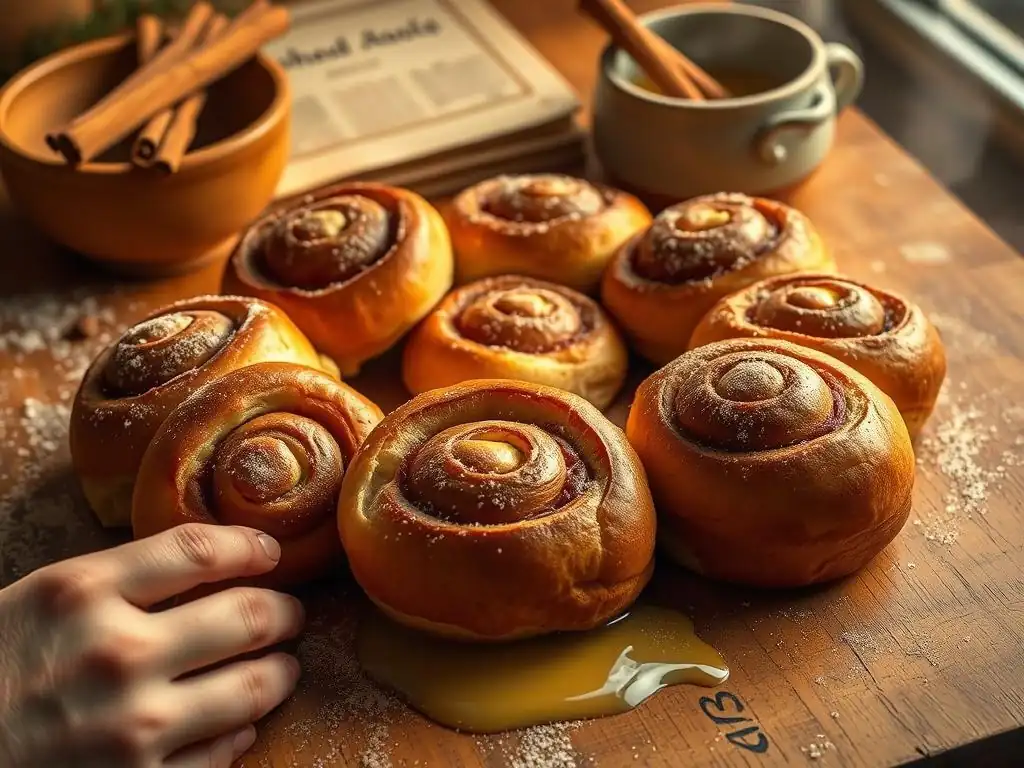
Welcome to BakeWithEase, your kitchen companion for unlocking delicious possibilities! Ever dreamed of pulling a tray of perfectly baked, golden brown sweet rolls from your oven? We'll show you how it's done. Discover the secrets to achieving that irresistible color and texture in our latest guide – and prepare to impress with every bite! Curious about the simple steps? Let's get baking!
- Baking Cinnamon Rolls to Golden Brown Perfection: An Easy Guide
- Baker's Delight's Guide to Perfect Golden Brown Cinnamon Rolls
- Achieving the Ideal Golden Brown Hue in Your Cinnamon Rolls
- Easy Golden Brown Cinnamon Rolls Recipe: A Step-by-Step Approach
- The Secret to Evenly Baked and Golden Brown Cinnamon Rolls
- Troubleshooting: Addressing Common Cinnamon Roll Baking Issues
- Elevate Your Cinnamon Rolls: Glazes and Toppings for Enhanced Flavor and Appearance
- Storing and Reheating Your Golden Brown Cinnamon Rolls
- Mastering Cinnamon Roll Baking: Final Tips and Tricks for Golden Brown Perfection
-
Frequently Asked Questions
- What is the key to achieving an easy golden brown color on my sweet rolls?
- What type of flour is best for making easy sweet rolls that will brown nicely?
- How can I prevent my easy sweet rolls from burning before they achieve that golden brown color?
- What are some easy variations I can add to my sweet roll dough to enhance the flavor and browning?
- How do I ensure my easy sweet rolls are properly proofed for optimal browning?
- Final Reflection: The Enduring Allure of Golden-Brown Perfection
- Unleash Your Inner Baker: Golden Rolls Await!
Baking Cinnamon Rolls to Golden Brown Perfection: An Easy Guide
Baker's Delight's Guide to Perfect Golden Brown Cinnamon Rolls
Achieving that coveted golden brown color on your cinnamon rolls isn't just about aesthetics; it's a sign of perfect baking. That rich, inviting hue signals that the sugars have caramelized and the dough has developed a delightful texture and flavor. For anyone aiming to bake easy golden brown sweet rolls, understanding the process is key.
It's a blend of science, technique, and a little bit of patience, resulting in rolls that are not only beautiful but also incredibly delicious. This guide is designed to walk you through each step, ensuring your next batch of golden brown cinnamon rolls is your best yet.
Baking truly golden brown sweet rolls involves more than just setting a timer. It requires attention to detail at every stage, from mixing the dough to applying the final glaze. Whether you're a beginner or looking to refine your technique, mastering the golden brown finish elevates your baking from good to exceptional. We'll explore the fundamental principles, practical tips, and common pitfalls to avoid, so you can confidently create perfect golden brown cinnamon rolls that will impress everyone who takes a bite.
Achieving the Ideal Golden Brown Hue in Your Cinnamon Rolls
Understanding the Science Behind Maillard Reaction
The beautiful golden brown color you see on the crust of baked goods, including your sweet rolls, is largely due to a complex chemical process called the Maillard reaction. This reaction occurs between amino acids (the building blocks of proteins) and reducing sugars when heated, typically above 300°F (150°C). It's responsible not only for the color but also for many of the rich, savory, and complex flavors and aromas in baked goods. As the surface of your cinnamon rolls reaches this temperature range in the oven, the Maillard reaction kicks into high gear, transforming the pale dough into that appealing golden shade.
Beyond the color, the Maillard reaction contributes significantly to the depth of flavor in your easy golden brown sweet rolls. It creates hundreds of different flavor compounds, giving the crust a toasted, nutty, and slightly sweet profile that contrasts wonderfully with the soft interior and sweet filling. The intensity of the reaction is influenced by factors like temperature, moisture level on the surface, and the presence of proteins and sugars. A slightly moist surface, often achieved with a wash, can help facilitate this reaction, leading to a more uniform and vibrant golden brown.
Why Golden Brown Cinnamon Rolls are so Appealing
The visual appeal of golden brown cinnamon rolls is undeniable. That warm, rich color suggests a perfectly baked treat, promising a delightful texture and flavor within. Our brains associate this color with caramelization and toasting, processes that produce delicious results. When you see a tray of perfectly browned rolls, it immediately signals quality and deliciousness. It's the color that makes you want to reach out and grab one.
Moreover, the golden brown exterior isn't just for show; it represents a crucial textural contrast. While the interior remains soft and gooey, the golden brown crust develops a slight chewiness or crispness (depending on the bake), adding another layer of sensory pleasure. This contrast in texture, combined with the enhanced flavors from the Maillard reaction and caramelization (which happens at slightly higher temperatures, around 320°F / 160°C, focusing on the sugars), makes golden brown cinnamon rolls incredibly satisfying to eat. It's the hallmark of a well-baked sweet roll.
Easy Golden Brown Cinnamon Rolls Recipe: A Step-by-Step Approach
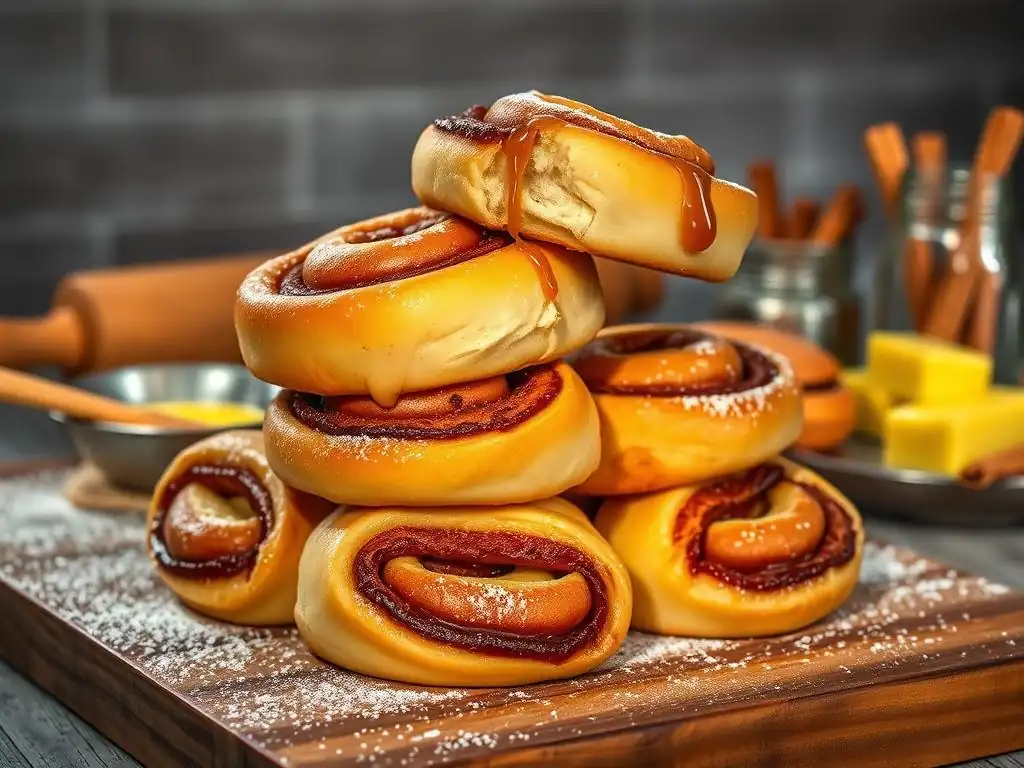
Baking easy golden brown sweet rolls from scratch is a rewarding process. This step-by-step guide focuses on techniques to ensure that desirable golden hue. While exact ingredient quantities can vary by recipe, the principles remain the same.
Gathering Your Ingredients for Delicious Cinnamon Rolls
Having all your ingredients measured and ready before you start is a crucial first step in baking, especially for yeasted doughs. This ensures you can move through the process smoothly without last-minute searching. For classic cinnamon rolls, you'll typically need:
- Active dry yeast or instant yeast
- Warm milk (around
105-115°Ffor active dry, or warmer for instant) - Granulated sugar
- Eggs
- Melted butter (cooled slightly)
- All-purpose flour (approximately 3-4 cups for a standard batch)
- Salt
- Ground cinnamon
- Brown sugar
- Softened butter for the filling
- Optional: Powdered sugar, cream cheese, vanilla extract for frosting
Ensure your yeast is fresh by checking the expiration date. Using expired yeast is a common reason for dough not rising properly. Also, make sure your milk is at the correct temperature; too hot will kill the yeast, too cold won't activate it.
Preparing the Dough: The First Steps to a Perfect Dough
The foundation of great golden brown cinnamon rolls is a well-made dough. Begin by activating your yeast (if using active dry) in the warm milk with a pinch of sugar. Let it sit for 5-10 minutes until foamy. If it doesn't foam, your yeast might be dead, or the milk wasn't the right temperature. If using instant yeast, you can often mix it directly with the dry ingredients.
Combine the activated yeast mixture (or milk and instant yeast) with the remaining wet ingredients (eggs, melted butter) and sugar and salt in a large bowl. Gradually add the flour, mixing until a shaggy dough forms. Turn the dough out onto a lightly floured surface and knead for about 5-8 minutes, or use a stand mixer with a dough hook for 6-8 minutes, until the dough is smooth, elastic, and no longer sticky.
Proper kneading develops the gluten structure, which is essential for the dough's rise and texture. A well-kneaded dough will pass the windowpane test – you should be able to stretch a small piece thinly enough to see light through it without it tearing.
Proofing the Dough: Achieving the Right Texture and Rise
Proofing is the process where the yeast ferments, producing carbon dioxide gas that makes the dough rise. This step is vital for light and fluffy easy golden brown sweet rolls. Place the kneaded dough in a lightly greased bowl, turning to coat, then cover tightly with plastic wrap or a damp towel. Let it rise in a warm, draft-free place until it has doubled in size. This typically takes 60-90 minutes, but can vary greatly depending on the temperature of your kitchen.
- Tips for successful proofing:
- Find a warm spot (e.g., near a sunny window, in a slightly warm oven that's been turned off, or on top of a warm appliance).
- Ensure the dough is covered to prevent a skin from forming.
- Be patient; don't rush the rise. The dough should look visibly larger and feel light and airy.
A successful first rise contributes to the overall texture and rise of the finished rolls. If the dough doesn't rise sufficiently, the final rolls will be dense.
Shaping and Filling Your Cinnamon Rolls for Optimal Browning
Once the dough has doubled, gently punch it down to release the air. Turn the dough out onto a lightly floured surface. Roll the dough into a large rectangle, aiming for a thickness of about 1/4 to 1/2 inch. The size will depend on how many rolls you want and how large you want them to be, but a common target is around 12x18 inches.
Spread the softened butter evenly over the dough, leaving a small border clean on one long edge. In a separate bowl, mix the brown sugar and cinnamon. Sprinkle this filling mixture generously over the buttered surface, right up to the edges of the butter. This even layer of filling is important for consistent flavor and helps create those beautiful swirls. Roll the dough up tightly from the long edge with the filling, creating a log. Use a sharp knife or dental floss to cut the log into individual rolls, typically about 1 to 1.5 inches thick. Place the cut rolls into a greased baking pan, leaving some space between them to allow for expansion during the second proofing and baking.
The Secret to Evenly Baked and Golden Brown Cinnamon Rolls
Achieving a uniform golden brown color requires careful control over the baking environment and a few key techniques.
Oven Temperature and Placement for Cinnamon Roll Perfection
Baking temperature is critical for easy golden brown sweet rolls. A common temperature is 350°F (175°C). Baking at this moderate temperature allows the rolls to cook through evenly before the exterior burns. Too high a temperature can lead to rolls that are burnt on the outside and raw in the middle, while too low might result in pale, underdeveloped rolls.
Place the baking pan on the middle rack of your preheated oven. The middle rack typically provides the most even heat distribution. If you are baking multiple pans, rotate them halfway through the baking time to ensure they brown evenly. Avoid overcrowding the oven, as this can reduce the temperature and impede air circulation, leading to uneven baking and browning.
Mastering the Baking Time for Golden Brown Results
Baking time will vary depending on your oven, the size of your rolls, and the pan you're using, but typically ranges from 20 to 30 minutes for standard-sized rolls. Start checking for doneness around the 20-minute mark. The rolls should be visibly puffed up and, most importantly, have achieved a beautiful golden brown color on top and slightly around the edges.
- How to tell if they are done:
- The tops are golden brown.
- The edges, where they touch the pan, also show golden brown color.
- An internal temperature check in the center of a roll (avoiding the filling) should register around
190-200°F (88-93°C). - A toothpick inserted into the center might come out clean, but with gooey filling, this isn't always the most reliable test. Color and internal temperature are better indicators.
Don't be afraid to pull them out when they look perfectly golden brown, even if the timer isn't quite finished. Overbaking will result in dry rolls.
The Egg Wash Technique: A Key to Golden Brown Color
An egg wash is a simple yet effective technique for enhancing the golden brown color and giving your sweet rolls a lovely sheen. A typical egg wash is made by whisking one egg with a tablespoon or two of water or milk.
Brush the tops of your cinnamon rolls lightly with this egg wash just before placing them in the oven. The protein and sugar in the egg wash contribute to the Maillard reaction and caramelization on the surface, promoting a richer, more even golden brown hue. Be careful not to let the wash pool in the pan, as it can create sticky spots. This step is particularly helpful for achieving that bakery-quality finish on your easy golden brown sweet rolls.
Troubleshooting: Addressing Common Cinnamon Roll Baking Issues
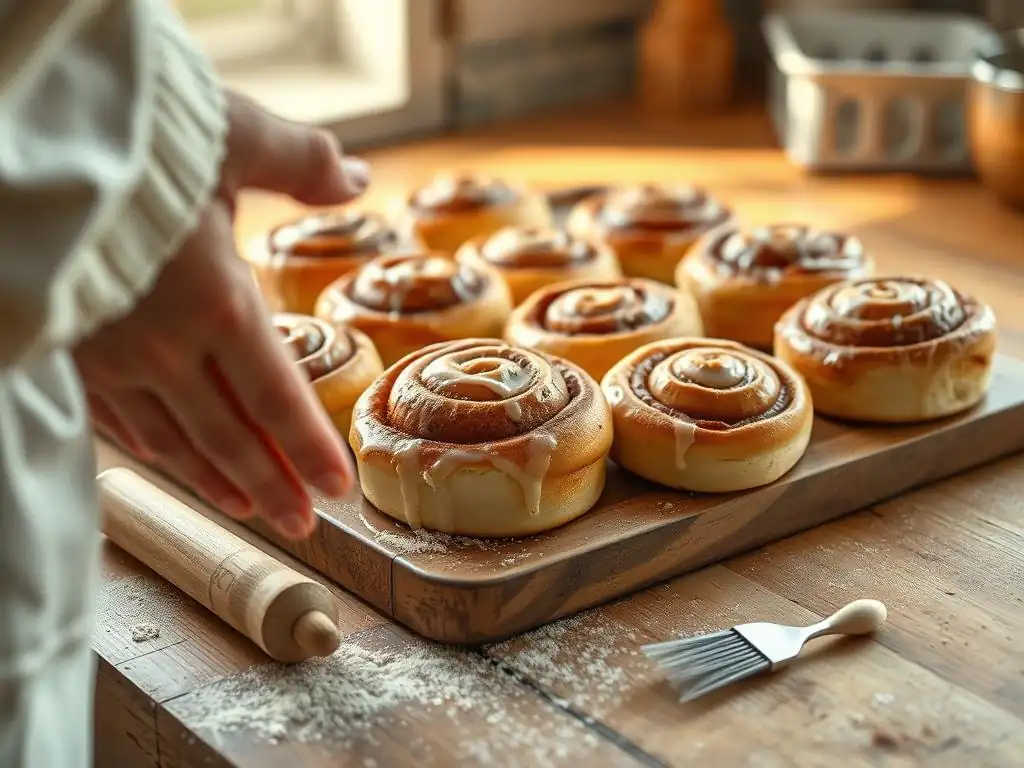
Even experienced bakers encounter issues. Here's how to tackle common problems when aiming for perfect golden brown sweet rolls.
Preventing Burnt Cinnamon Rolls: Tips and Tricks
One of the most frustrating issues is when the tops or bottoms of your cinnamon rolls burn before the inside is cooked. This often happens if the oven temperature is too high, if the pan is placed on the bottom rack, or if the baking time is too long for your specific oven.
If the tops are browning too quickly, you can loosely tent the pan with aluminum foil about halfway through the baking time. This shields the top from direct radiant heat, allowing the inside to finish baking without the crust burning. If the bottoms are burning, try moving the pan to a higher rack or placing a baking sheet on the rack below your cinnamon rolls to act as a heat shield. Ensure your oven thermostat is accurate; an oven thermometer can help verify the actual temperature.
Achieving Uniform Browning: Avoiding Pale Patches
Sometimes, rolls in the center of the pan are pale while those around the edges are perfectly golden brown. This is often due to uneven heat distribution in the oven or the rolls being packed too closely together, which prevents hot air from circulating around them.
Ensure you leave adequate space between the rolls in the pan to allow for air circulation. Rotating the pan halfway through the baking time is also very effective at promoting even browning. If you consistently have issues with a particular oven, try baking one pan at a time on the middle rack. Using a light-colored metal pan can also help, as dark pans absorb more heat and can lead to darker bottoms and edges.
Elevate Your Cinnamon Rolls: Glazes and Toppings for Enhanced Flavor and Appearance
While the golden brown color is a triumph in itself, the right glaze or topping completes the experience of easy golden brown sweet rolls.
Classic Glazes for Golden Brown Cinnamon Rolls
A simple powdered sugar glaze is a quick and popular choice. Whisk together powdered sugar with a small amount of milk, cream, or water until you reach a pourable consistency. Adding a splash of vanilla extract enhances the flavor. Drizzle this glaze generously over the warm (but not piping hot) golden brown cinnamon rolls. Applying the glaze while the rolls are still warm allows it to melt slightly and seep into the crevices.
Another classic is a simple butter glaze. Melt butter and whisk in powdered sugar and a bit of milk or vanilla. This creates a rich, slightly translucent glaze. The key is to achieve a balance where the glaze complements, not overpowers, the delicious flavors of the golden brown cinnamon rolls.
Cream Cheese Frosting: A Perfect Complement
Cream cheese frosting is arguably the most beloved topping for cinnamon rolls. Its tangy sweetness provides a wonderful contrast to the rich, spiced rolls. To make it, beat softened cream cheese and butter together until smooth. Gradually beat in powdered sugar and a splash of vanilla extract and milk or cream until the frosting is light and fluffy yet thick enough to spread.
Spread a generous amount of cream cheese frosting over your warm golden brown cinnamon rolls. The warmth of the rolls will slightly soften the frosting, making it spreadable and creating that signature gooey topping that everyone loves. Ensure your cream cheese and butter are properly softened to avoid lumps in the frosting.
Adding Nuts or a Caramel Drizzle for Extra Flavor and Visual Appeal
For an extra layer of flavor and texture, consider adding toasted chopped nuts, such as pecans or walnuts, over the frosting or glaze. This adds a pleasant crunch that complements the soft texture of the rolls.
A caramel drizzle is another decadent option. You can make a simple caramel sauce or use a store-bought version. Drizzle the caramel over the frosting or glaze for an extra touch of sweetness and a beautiful visual flourish. These additions elevate your easy golden brown sweet rolls from delicious to truly extraordinary.
Storing and Reheating Your Golden Brown Cinnamon Rolls
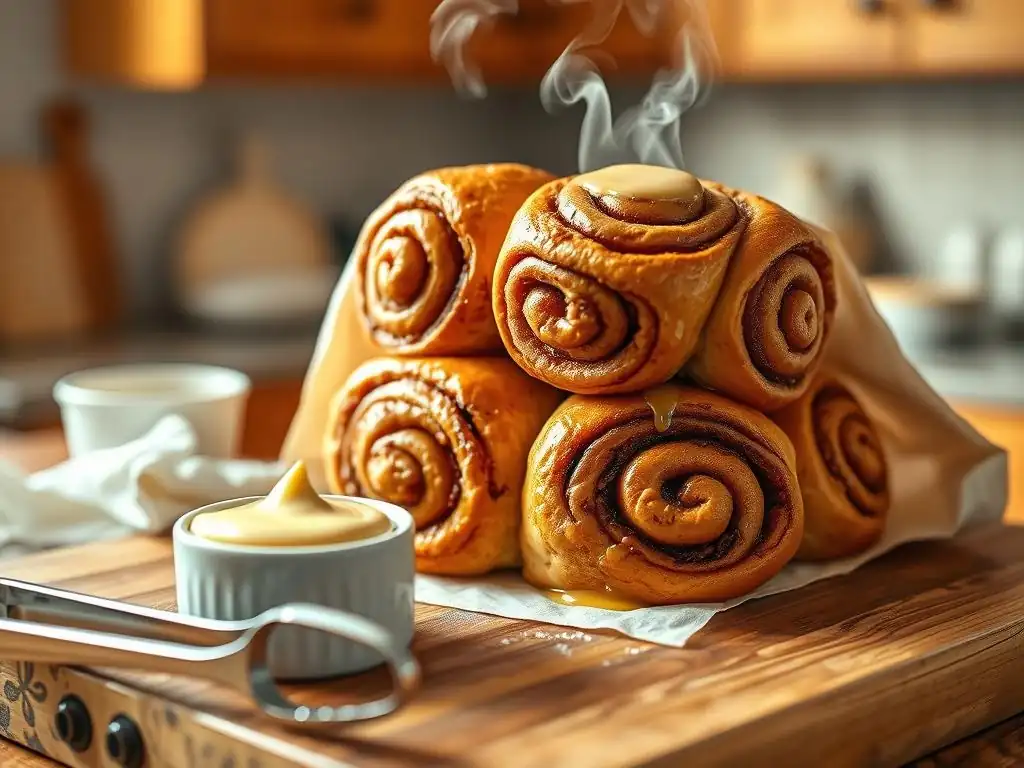
Proper storage helps maintain the freshness and texture of your beautifully baked easy golden brown sweet rolls.
Keeping Your Cinnamon Rolls Fresh
Once your cinnamon rolls have cooled completely, store them in an airtight container at room temperature for up to 2-3 days. If they are frosted with cream cheese frosting, which contains dairy, it's best to refrigerate them, especially if keeping them longer than a day, though they are often fine at room temperature for 24 hours.
For longer storage, you can freeze baked and cooled cinnamon rolls. Wrap individual rolls tightly in plastic wrap, then place them in a freezer-safe bag or container. They can be frozen for up to 1-2 months. Freezing before frosting and adding the frosting after thawing is often preferred for best texture.
Reheating Techniques for Delicious Leftovers
Reheating golden brown cinnamon rolls properly helps restore their soft texture. The microwave is the quickest method: heat a single roll for 15-30 seconds, or until warmed through. Be careful not to overheat, as this can make them tough.
For a batch of rolls, reheating in the oven is recommended. Preheat your oven to around 300-325°F (150-160°C). Place the rolls in an oven-safe dish, loosely covered with foil, and heat for 10-15 minutes, or until warmed through. This method helps them retain their moisture and soft texture better than microwaving a large batch. If they were frozen, thaw them overnight in the refrigerator before reheating.
Mastering Cinnamon Roll Baking: Final Tips and Tricks for Golden Brown Perfection
Achieving perfect easy golden brown sweet rolls is a skill that improves with practice. Pay attention to the details at each stage: the temperature of your liquids for yeast activation, thorough kneading, proper proofing time in a warm environment, even rolling and filling, and accurate cutting.
During baking, trust your eyes and an oven thermometer. The golden brown color is your primary visual cue. If one part of your oven bakes hotter, rotate the pan. Don't be afraid to tent with foil if tops are browning too fast. Finally, remember that the glaze or frosting is the crowning glory; apply it generously to warm rolls for the best result. Enjoy the process and the delicious outcome of your perfectly golden brown cinnamon rolls!
Frequently Asked Questions
What is the key to achieving an easy golden brown color on my sweet rolls?
The key is brushing the sweet rolls with an egg wash before baking, and making sure your oven temperature is accurate and consistent. You could also use milk or melted butter for a slightly different sheen.
What type of flour is best for making easy sweet rolls that will brown nicely?
Bread flour is generally recommended, as its higher protein content creates a stronger gluten structure. This gives the sweet rolls a better rise and texture, which helps with browning.
How can I prevent my easy sweet rolls from burning before they achieve that golden brown color?
If your sweet rolls are browning too quickly, reduce the oven temperature slightly and cover them loosely with aluminum foil. This will help them cook evenly without burning.
What are some easy variations I can add to my sweet roll dough to enhance the flavor and browning?
Adding a touch of molasses or honey to the dough can contribute to a richer flavor and deeper color. You can also try adding cinnamon or nutmeg for extra warmth.
How do I ensure my easy sweet rolls are properly proofed for optimal browning?
Proper proofing is crucial for achieving a light and airy texture, which in turn, impacts browning. Allow the rolls to double in size in a warm, draft-free place before baking.
Final Reflection: The Enduring Allure of Golden-Brown Perfection
The simple act of baking sweet rolls, achieving that perfect golden-brown crust, remains a powerful symbol of comfort and connection in our fast-paced world. It's more than just a recipe; it's a tangible expression of care, a testament to the enduring power of homemade goodness in a world increasingly dominated by convenience. The ease with which you can achieve this perfection, as detailed in this article, makes it accessible to everyone, regardless of baking experience.
The aroma of freshly baked sweet rolls, that warm, yeasty scent mingling with the sweetness of the dough, evokes powerful memories and emotions. It's a sensory experience that transcends generations, a link to simpler times and cherished family traditions. As the renowned baker, Paul Hollywood, once said, Baking is about creating something beautiful, something that brings joy to others.
This sentiment perfectly encapsulates the heart of this article – the joy found not just in the result, but in the process itself.
Now, I invite you to consider the power of this simple act. Don't just bake these sweet rolls for yourself; share them. Let the golden-brown perfection of your creation be a symbol of connection, a small act of kindness that brightens someone's day. Take the time, embrace the process, and experience the satisfaction of creating something beautiful and delicious. The golden-brown crust is a reward, but the journey to get there is just as rewarding.
Unleash Your Inner Baker: Golden Rolls Await!
Thanks for joining us on this delicious journey into the world of perfectly golden sweet rolls! We hope you’ve gained some valuable tips and tricks to elevate your baking game. Ready to put your new skills to the test?
- Bake a batch of your own sweet rolls today! Use the recipe and techniques you just learned to create a treat you'll be proud of. Don't be afraid to experiment with different fillings and glazes!
- Share your baking triumphs (or even your baking mishaps!) with us on social media! Use #BakeWithEase and tag us so we can see your creations.
- Explore our other baking recipes and find your next culinary adventure on BakeWithEase.com.
What unique twist will you add to your next batch of sweet rolls?