
Bake the Best Classic Vanilla Cake: An Easy Guide

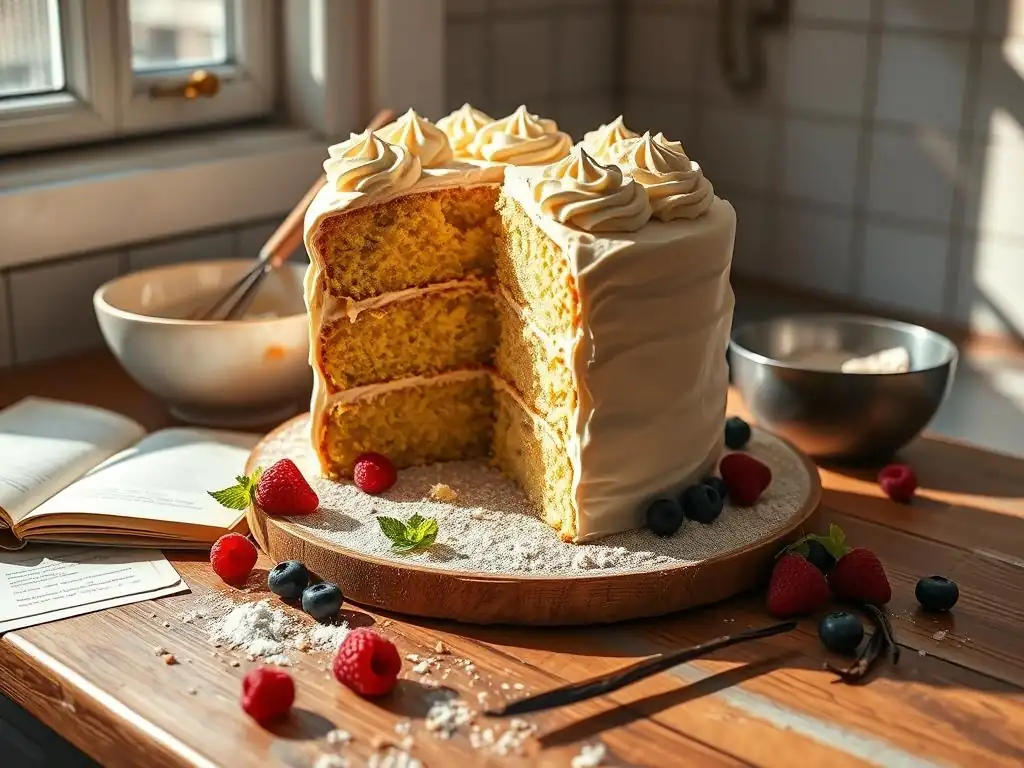
Welcome to BakeWithEase, your haven for conquering the world of baking! Ever dreamt of creating a perfectly moist and flavorful cake without the fuss? Dive in and discover our easy classic vanilla cake recipe, a timeless delight that's simpler than you think. But what's the secret to achieving that bakery-worthy texture and taste at home? Keep reading to unlock the secrets and bake your best vanilla cake yet!
- Introduction: Discover the Joy of Baking Vanilla Cake
- Understanding Your Ingredients
- Essential Equipment for Vanilla Cake Success
-
Step-by-Step Guide: Baking Your Classic Vanilla Cake
- Step 1: Preheat and Prep: Getting Started Right
- Step 2: Creaming Butter and Sugar: The Foundation of Texture
- Step 3: Adding Eggs and Vanilla: Incorporating Liquids
- Step 4: Alternating Dry and Wet Ingredients: Mixing Method
- Step 5: Pouring and Baking: Getting It into the Oven
- Step 6: Cooling Your Cake: The Crucial Final Step
- Troubleshooting Common Vanilla Cake Issues
- Tips and Tricks for Perfect Vanilla Cake
- Variations and Frosting Ideas
- Conclusion: Enjoy Your Delicious Homemade Vanilla Cake
- Frequently Asked Questions
- Final Reflection: The Enduring Allure of a Simple Vanilla Cake
- Unlock Your Inner Baker: Bake a Show-Stopping Vanilla Cake Today!
Introduction: Discover the Joy of Baking Vanilla Cake
Welcome to Easy Vanilla Cake Baking: Your Sweet Journey Begins
Embarking on the journey of baking your first classic vanilla cake can feel like a significant step, but it's actually quite straightforward and incredibly rewarding. This guide is designed to make the process as simple and enjoyable as possible, proving that you don't need to be a professional baker to create something truly delicious from scratch. We'll walk through each stage, providing clear instructions and helpful tips so you can confidently bake a beautiful, moist, and flavorful vanilla cake that will impress everyone.
Mastering an easy classic vanilla cake recipe is a fundamental skill in baking. It serves as the perfect base for countless variations, from simple birthday cakes to elaborate layered creations. This foundational recipe emphasizes simplicity without sacrificing taste or texture, ensuring that even novice bakers can achieve fantastic results. Get ready to discover how accessible and fun baking this beloved dessert can be.
Why Baking a Classic Vanilla Cake is So Rewarding
There's a unique satisfaction that comes from pulling a perfectly golden, fragrant vanilla cake out of the oven. The aroma alone is enough to lift spirits, and the taste of a moist, tender crumb with that pure vanilla flavor is simply unbeatable. Unlike store-bought options, a homemade easy classic vanilla cake recipe allows you to control the quality of ingredients, resulting in a fresher, more flavorful cake that tastes genuinely homemade.
Beyond the delicious outcome, the process of baking itself can be incredibly therapeutic. Following the steps, measuring ingredients precisely, and watching the batter transform in the oven provides a tangible sense of accomplishment. Sharing your freshly baked vanilla cake with friends and family adds another layer of joy, making it a truly rewarding experience from start to finish.
Understanding Your Ingredients
The Role of Each Ingredient: Creating a Perfect Crumb
Each ingredient in an easy classic vanilla cake recipe plays a specific and crucial role in achieving the desired texture, flavor, and structure. Flour provides the structure through gluten development, while sugar not only sweetens but also tenderizes the cake, helps with browning, and aids in aeration during creaming. Fat, typically butter or oil, contributes moisture, tenderness, and richness, preventing the cake from being dry.
Eggs are multifunctional; they provide structure, richness, leavening, and help bind the ingredients together. Leavening agents like baking powder or baking soda create lift, making the cake light and airy. Milk or buttermilk adds moisture and helps activate leavening agents. And, of course, pure vanilla extract is essential for that signature classic vanilla flavor. Understanding how these components interact is key to baking a great cake.
Ingredient Quality Matters: Choosing the Best for Flavor
Using high-quality ingredients can significantly elevate the taste of your easy classic vanilla cake recipe. For instance, opting for pure vanilla extract rather than imitation vanilla will yield a much richer and more authentic flavor. Similarly, using good quality butter not only contributes to a better taste but also impacts the cake's texture due to its fat content and creaming ability.
The type of flour also makes a difference. For a tender vanilla cake, a lower protein flour like cake flour is often recommended, although all-purpose flour works well and is more commonly available for an easy recipe. Ensuring your baking powder is fresh is critical for proper lift; check the expiration date, as stale leavening won't provide the necessary rise. Using fresh, room-temperature eggs also helps them incorporate better into the batter, leading to a more uniform crumb.
Ingredient List: What You'll Need for Your Easy Vanilla Cake
To bake a delicious classic vanilla cake, you'll typically need a few common pantry staples. Here's a general list, though specific quantities will vary by recipe:
- All-purpose flour (or cake flour for a finer crumb) - around 1.5 to 2 cups
- Granulated sugar - about 1 to 1.5 cups
- Unsalted butter, softened - roughly 1/2 cup (1 stick)
- Large eggs, at room temperature - usually 2 or 3
- Milk or buttermilk - approximately 1 cup
- Baking powder - 1.5 to 2 teaspoons
- Salt - 1/2 teaspoon
- Pure vanilla extract - 1 to 2 teaspoons
Having all your ingredients measured out and ready before you start mixing is a great practice, often called "mise en place." This ensures you don't forget anything and makes the baking process smoother and less stressful, contributing to the ease of this classic vanilla cake recipe.
Essential Equipment for Vanilla Cake Success
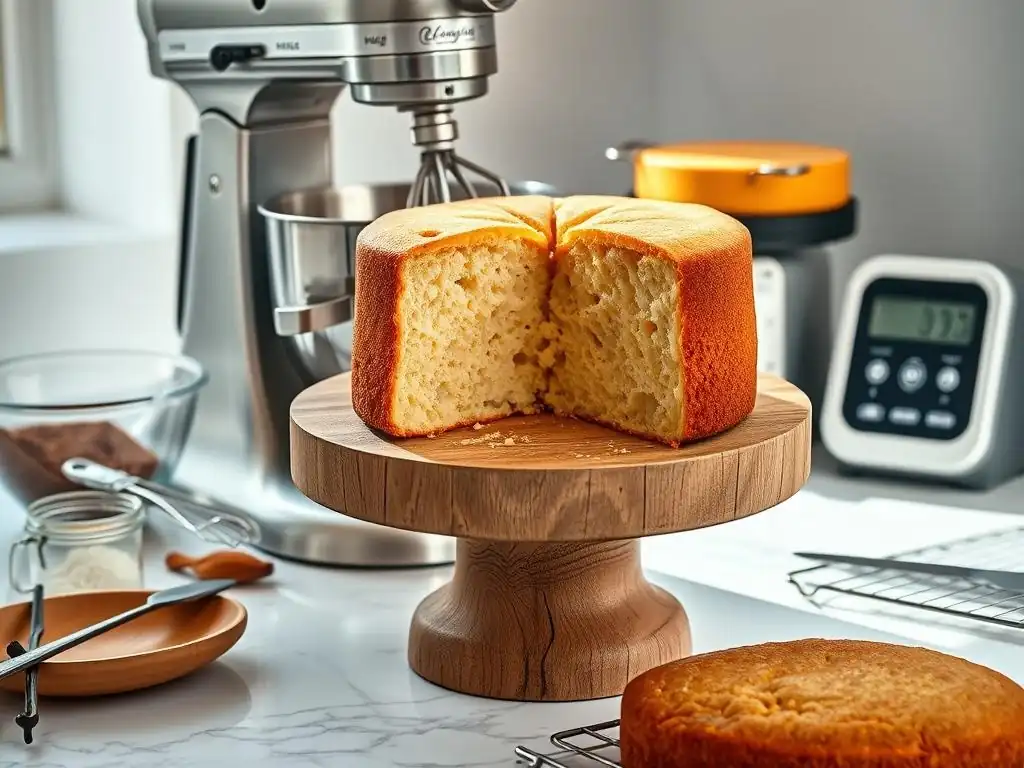
Must-Have Baking Pans and Tools
Having the right tools makes baking an easy classic vanilla cake recipe even simpler. You'll need a few basic pieces of equipment that are common in most kitchens. A standard 9-inch round cake pan or an 8x8 inch square pan is perfect for a single-layer cake. If you plan on making a double-layer cake, two 8 or 9-inch round pans will be necessary. Ensure your pans are in good condition, without significant warping or dents.
Other essential tools include mixing bowls (at least one large one), a whisk, a rubber spatula for scraping down the bowl, and measuring cups and spoons for accurate ingredient amounts. An electric mixer, either hand-held or stand, is highly recommended for creaming butter and sugar efficiently, though you can certainly achieve results with just a whisk and some elbow grease. A cooling rack is also crucial for allowing the cake to cool properly after baking.
The Importance of Accurate Measurement
Precision in measuring ingredients is one of the most critical steps in baking, especially for an easy classic vanilla cake recipe. Unlike cooking, where you can often adjust as you go, baking relies on chemical reactions that require specific ratios. Using too much flour, for example, can result in a dry, dense cake, while too little leavening will prevent it from rising properly.
For dry ingredients like flour and sugar, using the "spoon and level" method is generally recommended for accuracy if you don't have a scale. Gently spoon the flour into your measuring cup until it overflows, then level off the excess with a straight edge. Avoid scooping directly from the bag, as this compacts the flour, leading to over-measurement. Liquid ingredients should be measured at eye level in a liquid measuring cup. Accurate measurements ensure consistent, delicious results every time you bake your vanilla cake recipe.
Preparing Your Pan: Greasing and Flourishing
Proper pan preparation is essential to ensure your delicious classic vanilla cake doesn't stick, allowing it to release cleanly after baking. The most common method is to grease and flour the pan. You can use softened butter, shortening, or a non-stick baking spray containing flour. Apply a thin, even layer to the bottom and sides of the pan.
After greasing, add a tablespoon or two of flour to the pan. Tilt and rotate the pan, tapping gently, to coat the greased surfaces completely. Discard any excess flour. For extra insurance, especially with intricate pans or delicate cakes, you can also line the bottom of the pan with parchment paper cut to fit. This simple step prevents the cake from sticking to the bottom and makes transferring it to a cooling rack much easier.
Step-by-Step Guide: Baking Your Classic Vanilla Cake
Step 1: Preheat and Prep: Getting Started Right
Before you even start mixing ingredients, preheating your oven is a crucial first step for any easy classic vanilla cake recipe. Ovens need time to reach and stabilize at the correct temperature, typically around 350°F (175°C) for a standard cake. Placing your cake in an oven that hasn't reached the proper temperature can result in uneven baking and a poor rise. Give your oven at least 15-20 minutes to preheat fully.
While the oven preheats, prepare your cake pan(s) by greasing and flouring them as described earlier. Also, take this time to measure out all your ingredients. Ensure your cold ingredients, like butter and eggs, have come to room temperature, as this significantly impacts how they cream and emulsify with other ingredients, leading to a smoother batter and better cake texture.
Step 2: Creaming Butter and Sugar: The Foundation of Texture
Creaming butter and sugar together is a vital step that incorporates air into the batter, contributing to the cake's light and tender crumb. In a large mixing bowl, beat the softened butter and granulated sugar together using an electric mixer on medium speed. Continue mixing until the mixture is light, fluffy, and pale yellow. This process typically takes about 3-5 minutes.
During the creaming process, the sharp sugar crystals cut through the butter, creating tiny air pockets. As the cake bakes, these air pockets expand, helping the cake to rise. Undercreaming can result in a denser cake, while overcreaming is less likely to be an issue at this stage. Scrape down the sides and bottom of the bowl occasionally to ensure everything is evenly combined for your easy classic vanilla cake recipe.
Step 3: Adding Eggs and Vanilla: Incorporating Liquids
Once the butter and sugar are properly creamed, add the eggs one at a time, beating well after each addition. Each egg should be fully incorporated before adding the next. Adding eggs gradually helps maintain the emulsion and prevents the batter from curdling. The mixture may look slightly curdled initially, but it should come back together as you continue mixing.
After the eggs are incorporated, beat in the pure vanilla extract. Vanilla is a liquid, but it's added here to distribute its flavor evenly throughout the fat-based mixture. Continue beating for another minute or so until the mixture is smooth and well combined. This step adds richness, moisture, and binding power to the batter, setting the stage for a successful easy classic vanilla cake recipe.
Step 4: Alternating Dry and Wet Ingredients: Mixing Method
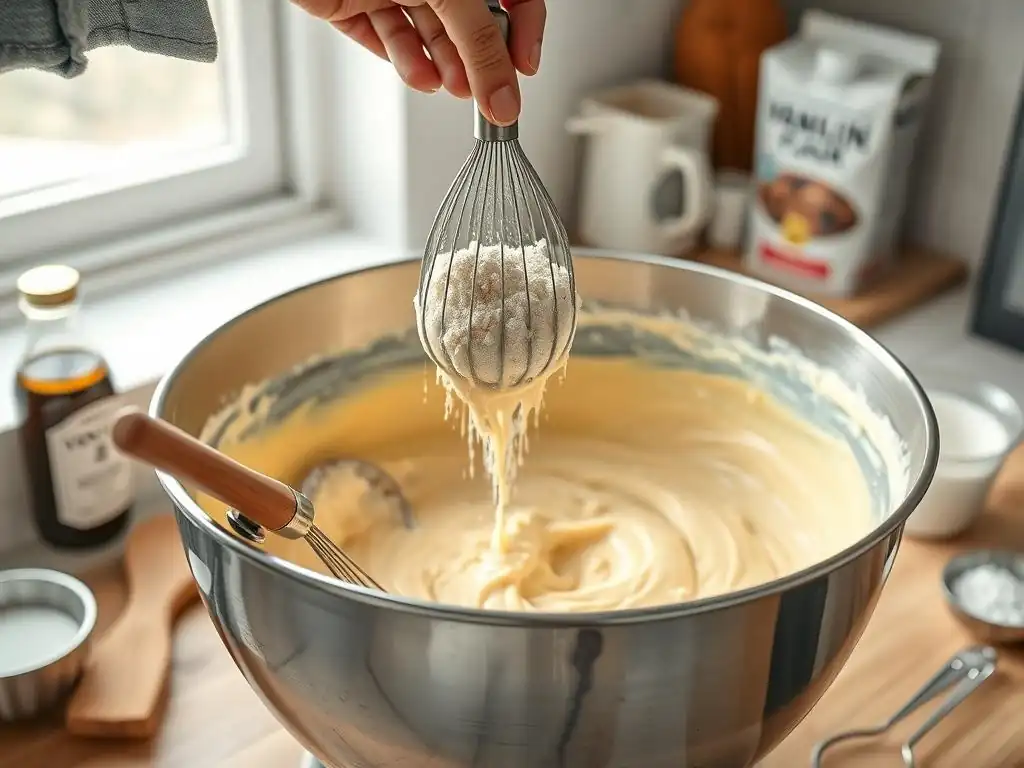
This step involves incorporating the dry ingredients (flour, baking powder, salt) and the wet ingredients (milk or buttermilk) into the creamed mixture. It's typically done by alternating additions, starting and ending with the dry ingredients. For example, add about one-third of the dry ingredients to the bowl, mix on low speed just until combined, then add half of the milk, mix until combined, add another third of the dry ingredients, then the rest of the milk, and finally the remaining dry ingredients.
Mixing on low speed and only until the ingredients are just combined is crucial at this stage. Overmixing develops gluten in the flour, which can lead to a tough, dense cake rather than the tender crumb desired in an easy classic vanilla cake recipe. Use a rubber spatula to give the batter a final gentle stir by hand to ensure no dry pockets remain at the bottom or sides of the bowl.
Step 5: Pouring and Baking: Getting It into the Oven
Once the batter is ready, pour it evenly into your prepared cake pan(s). Use a spatula to spread the batter smoothly to the edges, ensuring the top is relatively level. For layer cakes, try to distribute the batter equally between the pans. Gently tap the pan(s) on the counter a couple of times to release any large air bubbles trapped in the batter.
Carefully transfer the pan(s) to the preheated oven. Place them in the center rack for even heat distribution. The baking time for an easy classic vanilla cake recipe typically ranges from 25-35 minutes for smaller pans (like 9-inch rounds) or 45-60 minutes for larger or single-layer cakes, but this can vary based on your oven and the specific recipe's quantities. Avoid opening the oven door frequently during baking, especially in the first 20-25 minutes, as sudden temperature changes can cause the cake to sink.
Step 6: Cooling Your Cake: The Crucial Final Step
Once the cake is baked (tested with a skewer, see below), remove it from the oven and place the pan on a wire cooling rack. Let the cake cool in the pan for about 10-15 minutes. This allows the cake to set slightly and makes it easier to remove from the pan without breaking.
After the initial cooling in the pan, carefully invert the cake onto the wire rack to cool completely. If you used parchment paper, peel it off gently. Allowing the cake to cool fully on a wire rack ensures air circulation around the entire cake, preventing condensation that could make the bottom soggy. Attempting to frost or handle a warm cake can cause it to crumble or melt the frosting, so patience is key for a perfect easy classic vanilla cake recipe outcome.
Troubleshooting Common Vanilla Cake Issues
Why Cakes Sink: Identifying the Causes
A sinking cake is a common frustration, especially when trying an easy classic vanilla cake recipe for the first time. Several factors can contribute to this. One primary cause is opening the oven door too early during the baking process, particularly before the cake's structure has set, usually in the first two-thirds of the baking time. The sudden rush of cool air can cause the rising cake to collapse.
Other reasons include using too much leavening (like baking powder), which causes the cake to rise too quickly and then fall, or underbaking, where the center hasn't cooked through and can't support the structure. Measuring ingredients inaccurately, such as using too much sugar or liquid, can also weaken the batter and lead to sinking. Ensuring accurate measurements, proper oven temperature, and resisting the urge to peek too early are key preventative measures.
Dry or Crumbly Cake? Solutions for Moisture
If your easy classic vanilla cake recipe turns out dry or crumbly, it's often due to an imbalance of ingredients or overbaking. Using too much flour or not enough fat and liquid are frequent culprits. Flour absorbs moisture, and excess flour will essentially dry out the batter before it even bakes. Ensure you are measuring flour correctly, ideally by weight, or using the spoon and level method if using volume measurements.
Overbaking is another major reason for dryness. Baking the cake for too long or at too high a temperature evaporates too much moisture. Use the recommended baking time as a guideline but always test for doneness using the skewer method (described in the tips section). Removing the cake as soon as it's done will help retain its moisture. Using room-temperature ingredients also helps create a smoother batter that holds moisture better.
Uneven Baking: How to Achieve a Level Cake
Baking an easy classic vanilla cake recipe only to find it domed in the center or sunken on the sides can be disappointing. Uneven oven temperature is a very common reason for this. Some ovens have hot spots, or the temperature fluctuates. Using an oven thermometer can help you verify your oven's actual temperature. Placing the cake pan in the center of the middle rack also promotes more even heat distribution.
Overmixing the batter can also contribute to a domed top, as excessive gluten development can cause the edges to set faster than the center. Ensure you are mixing only until the ingredients are just combined after adding the dry and wet components. For persistent doming, some bakers use cake strips soaked in water and wrapped around the pan, which helps the edges bake slower, allowing the center to catch up for a flatter top.
Tips and Tricks for Perfect Vanilla Cake
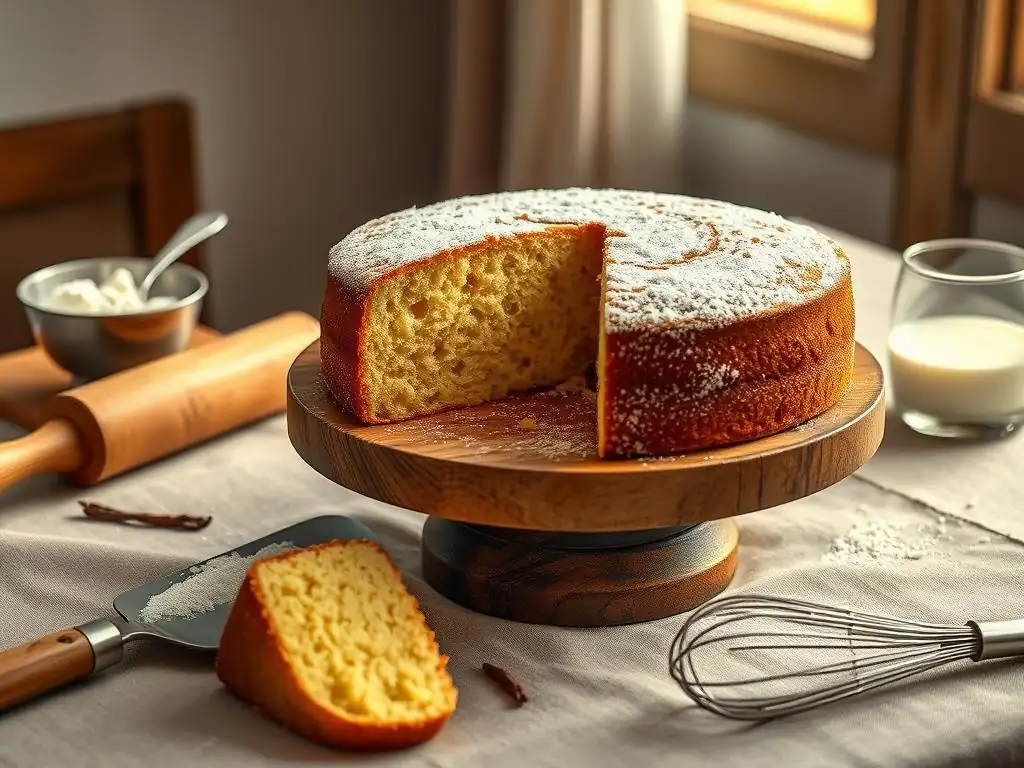
Don't Overmix: Understanding Gluten Development in Cake
One of the golden rules for a tender easy classic vanilla cake recipe is to avoid overmixing the batter, especially after adding the flour. Flour contains proteins that, when mixed with liquid and agitated, develop gluten. While gluten is essential for the structure of bread, too much of it in a cake results in a tough, dense texture instead of a light, tender crumb.
Once you add the dry ingredients to the wet, mix on the lowest speed necessary and only until you no longer see streaks of dry flour. A few small lumps are acceptable; they will usually disappear during baking. A final gentle stir with a spatula ensures everything is incorporated without overworking the batter. This simple tip is paramount for achieving that desirable soft vanilla cake texture.
Room Temperature Ingredients: Why It Matters
Using room-temperature ingredients is a frequently emphasized tip for baking success, and it's particularly important for an easy classic vanilla cake recipe. Room-temperature butter creams together with sugar much more effectively, incorporating more air and creating a smoother, more stable emulsion. Cold butter won't cream properly, leading to a denser cake.
Similarly, room-temperature eggs and milk incorporate more evenly into the batter. They emulsify better with the creamed butter and sugar, resulting in a smoother, more uniform batter. This leads to a finer, more consistent crumb structure in the finished cake. Plan ahead and take your butter, eggs, and milk out of the refrigerator about 30-60 minutes before you plan to start mixing your vanilla cake recipe.
Testing for Doneness: The Skewer Test
Knowing exactly when your easy classic vanilla cake is perfectly baked is key to preventing it from being dry or undercooked. The most reliable method is the skewer or toothpick test. Towards the end of the recommended baking time, gently insert a wooden skewer or toothpick into the center of the cake.
If the skewer comes out clean or with only a few moist crumbs attached, the cake is done. If it comes out with wet batter clinging to it, the cake needs more time. Check the cake in the center, as this is usually the last part to cook. Avoid testing too close to the edges. Once the skewer comes out clean, remove the cake from the oven immediately to prevent overbaking.
Variations and Frosting Ideas
Simple Vanilla Buttercream: A Classic Pairing
No easy classic vanilla cake recipe is complete without a delicious frosting! A simple vanilla buttercream is the quintessential pairing, complementing the cake's flavor without overpowering it. A basic recipe involves beating softened butter until creamy, then gradually adding sifted powdered sugar and a splash of milk or cream, along with more vanilla extract, until you reach a smooth, spreadable consistency.
The beauty of buttercream is its versatility. You can adjust the thickness by adding more liquid or powdered sugar. For extra richness, use heavy cream instead of milk. Adding a pinch of salt can help balance the sweetness. This frosting is easy to make and pipe, making it perfect for decorating your vanilla cake simply or elaborately.
Adding Citrus Zest or Extracts: Customizing Flavor
While a classic vanilla cake is wonderful on its own, you can easily add subtle variations to the flavor profile. Incorporating the zest of a lemon, orange, or lime into the batter adds a bright, refreshing note that pairs beautifully with vanilla. Simply grate the colored part of the citrus peel (avoiding the bitter white pith) and mix it in with the sugar at the creaming stage to help release its oils.
Alternatively, you can experiment with other extracts in addition to or instead of some of the vanilla. Almond extract adds a lovely nutty undertone, while a touch of lemon extract can enhance the vanilla flavor and brighten the cake. Just be mindful that some extracts, like almond, are potent, so a little goes a long way. These small additions can transform your easy classic vanilla cake recipe into something uniquely yours.
Layer Cakes vs. Sheet Cakes: Adapting the Recipe
Most easy classic vanilla cake recipes can be adapted to bake in different pan sizes to create either layer cakes or single-layer sheet cakes. The main difference is the baking time and potentially the amount of batter needed if scaling up or down. For layer cakes, the batter is typically divided between two equal-sized round pans, resulting in shorter baking times (around 25-35 minutes).
For a sheet cake, the entire batter is poured into a larger pan, such as a 9x13 inch rectangular pan. This results in a longer baking time, often 45-60 minutes or more, depending on the pan depth. While the basic recipe is the same, monitoring the baking time closely and testing for doneness is especially important when using a different pan size than specified in the original easy classic vanilla cake recipe.
Conclusion: Enjoy Your Delicious Homemade Vanilla Cake
Congratulations! You've successfully baked a delicious easy classic vanilla cake. Now comes the best part: decorating (if you choose to) and, most importantly, enjoying the fruits of your labor. Slice into that tender crumb, savor the sweet, pure vanilla flavor, and take pride in the wonderful cake you've created from scratch.
Baking should be a joyful experience, and mastering an easy classic vanilla cake recipe is a fantastic milestone. Don't hesitate to share your creation with friends and family – homemade treats are always appreciated! Baking is a skill that improves with practice, so keep experimenting with different variations and techniques. Happy baking, and enjoy every delicious slice of your homemade vanilla cake!
Frequently Asked Questions
What makes this vanilla cake recipe "easy"?
This recipe focuses on simple ingredients and a straightforward method, making it accessible even for beginner bakers. We prioritize clear instructions and readily available items.
What are the essential ingredients for a classic vanilla cake?
The core ingredients include flour, sugar, eggs, butter (or oil), baking powder, milk, and of course, vanilla extract. These elements create the cake's structure and flavor.
Can I substitute ingredients in this vanilla cake recipe?
While substitutions are possible, they might affect the cake's texture and taste. For example, using oil instead of butter will result in a moister cake.
How do I prevent my vanilla cake from becoming dry?
Avoid overbaking the cake. Check for doneness using a toothpick; it should come out with moist crumbs attached. Also, ensure proper ingredient ratios and avoid overmixing.
What are some variations I can make to this easy vanilla cake recipe?
You can add sprinkles, change the frosting, or incorporate fruit like berries. Experiment with different flavor extracts alongside vanilla for unique twists.
Final Reflection: The Enduring Allure of a Simple Vanilla Cake
The seemingly simple act of baking a classic vanilla cake remains surprisingly relevant today, a testament to the enduring power of comfort and tradition in a fast-paced world. In an era of elaborate desserts and complex baking techniques, the appeal of a perfectly executed vanilla cake—moist, fluffy, and bursting with pure vanilla flavor—is undeniable. It's a reminder that sometimes, the most basic recipes offer the greatest rewards.
The vanilla cake, in its simplicity, reflects a larger cultural shift towards appreciating the fundamentals. We're seeing a return to simpler pleasures, a conscious effort to slow down and savor the process. The best things in life are simple.
This adage rings true when considering the enduring popularity of this classic dessert. It's not just about the taste; it's about the memories created, the shared moments of joy around a beautifully frosted cake, and the sense of accomplishment that comes from creating something delicious from scratch.
Now, I invite you to consider the possibilities. Don't just bake this cake; experience it. Embrace the meditative rhythm of creaming butter and sugar, the satisfying scent of vanilla filling your kitchen. Share it with loved ones, creating memories as sweet as the cake itself. Let this simple recipe be a gateway to a deeper appreciation for the art of baking and the simple joys it brings. The next time you crave comfort, remember the power of a perfectly baked vanilla cake.
Unlock Your Inner Baker: Bake a Show-Stopping Vanilla Cake Today!
Thanks for joining us on this vanilla cake adventure! We hope you've gained the confidence and knowledge to create a truly delicious dessert. Now it's time to put your newfound skills to the test!
- Bake your perfect vanilla cake: Grab those ingredients and follow the recipe – let's see that masterpiece in the making! Remember to take a photo to share!
- Share your baking journey: Tag us on social media (@BakeWithEase) and show us your baking creations. Let's inspire each other!
- Experiment with flavors: Try adding your favorite extracts, fruits, or frostings to customize your cake. What unique twist will you create?
Ready to unleash your inner baking champion? What delicious variations will you try first?