
Master the Muffin Method: Easy Technique for Quick Breads


Welcome to BakeWithEase, your kitchen companion for delicious adventures! Ever wondered how to whip up a batch of bakery-worthy muffins in minutes? We're diving deep into the easy muffin method baking, a surprisingly simple technique that unlocks a world of quick bread possibilities. Discover the secrets to perfectly tender and flavorful muffins, every single time. Intrigued? Let's get started and transform your baking game!
- Introduction to Easy Muffin Method Baking
- Understanding the Key Ingredients for Muffin Baking
- Step-by-Step Guide to the Easy Muffin Method
- Tips and Tricks for Muffin Method Success
- Troubleshooting Common Muffin Method Problems
- Delicious Muffin Recipes to Try with the Easy Muffin Method
- Storing Your Homemade Muffins for Freshness
- Conclusion: Unleashing Your Baking Potential with the Muffin Method
-
Frequently Asked Questions
- What exactly is the muffin method, and why is it considered "easy"?
- What are the key ingredients needed for most muffin recipes using the muffin method?
- How important is it to avoid overmixing the batter when using the muffin method?
- Can the muffin method be used for other baked goods besides muffins?
- What are some common mistakes to avoid when using the muffin method?
- Final Reflection: The Enduring Appeal of Effortless Baking
- Unleash Your Inner Baker: Muffin-Method Magic Awaits!
Introduction to Easy Muffin Method Baking
What is the Muffin Method? A Beginner's Guide
The muffin method is a fundamental technique in baking, specifically designed for creating quick breads, muffins, and some cakes. Its defining characteristic is the separation of wet and dry ingredients into two distinct mixtures before they are combined briefly and gently. This approach minimizes gluten development, resulting in a tender, soft crumb that is highly desirable in muffins and similar baked goods. Unlike methods that involve creaming butter and sugar or lengthy kneading, the easy muffin method baking process is straightforward and requires minimal effort, making it ideal for novice bakers.
This simple technique relies on chemical leavening agents, primarily baking powder and sometimes baking soda, to provide lift and structure. The reaction of these leaveners when moistened and heated is crucial for achieving a light and airy texture. Because mixing is kept to a minimum, the batter is less likely to become tough from overdeveloped gluten strands. Mastering the easy muffin method baking technique opens the door to a vast array of delicious and quickly prepared treats, from sweet berry muffins to savory cornbread.
Why the Muffin Method is Perfect for Quick Breads
Quick breads, by definition, use chemical leaveners rather than yeast, allowing them to be prepared and baked relatively quickly without the need for rising time. The muffin method perfectly complements this characteristic because it is inherently fast and simple. The entire process, from mixing to getting the batter into the oven, often takes less than 15-20 minutes, making it ideal for busy schedules or spontaneous baking urges.
Furthermore, the structure of quick breads benefits significantly from the tender crumb that the easy muffin method baking provides. Unlike yeast breads that rely on strong gluten networks for chewiness, quick breads aim for a softer, cake-like texture. The minimal mixing inherent in the muffin method prevents the formation of excessive gluten, ensuring the final product is moist and tender, not tough or dense. This makes it the go-to technique for everything from blueberry muffins and banana bread to scones and corn muffins.
Understanding the Key Ingredients for Muffin Baking
Essential Dry Ingredients for Muffin Success
Flour Types and Their Impact on Muffin Texture
All-purpose flour is the most common choice for easy muffin method baking recipes due to its balanced protein content (typically around 10-12%). This provides just enough structure without promoting excessive gluten development when mixed using the muffin method. Using all-purpose flour generally results in a muffin with a tender crumb and good overall texture. For a slightly finer, softer crumb, cake flour (around 8-10% protein) can sometimes be used, though it might require slight adjustments to liquid.
On the other hand, using flours with higher protein content, such as bread flour (12-14% protein), is generally not recommended for the easy muffin method baking as it can easily lead to tough muffins, even with minimal mixing. Whole wheat flour can be used for added nutrition and flavor, but it often results in a denser texture. Many recipes using whole wheat flour will blend it with all-purpose flour to achieve a better balance of flavor, nutrition, and tender texture.
Leavening Agents: Baking Powder vs. Baking Soda in Muffins
Leavening agents are critical for lift and lightness in the easy muffin method baking. Baking powder is a complete leavener, containing both an acid and a base, and requires only moisture and heat to activate. Double-acting baking powder, commonly available, releases gas bubbles in two stages: once when mixed with wet ingredients and again when heated in the oven. A standard muffin recipe might use 1.5 to 2 teaspoons of baking powder per cup of flour to achieve adequate lift.
Baking soda, conversely, is a base and requires an acid to react and produce carbon dioxide gas. Common acidic ingredients in muffin recipes include buttermilk, yogurt, sour cream, brown sugar, molasses, honey, or fruit purees like mashed banana. If a recipe includes such acidic ingredients, baking soda is often used, sometimes in combination with baking powder. Using baking soda without sufficient acid will result in a metallic taste and poor lift. A typical ratio might be 1/4 teaspoon of baking soda per cup of flour when used with a significant acidic component.
Wet Ingredients: Achieving Moisture and Flavor in Your Muffins
The Role of Eggs in Muffin Structure and Richness
Eggs play multiple crucial roles in the easy muffin method baking. They contribute to the structure of the muffin through the coagulation of their proteins during baking. This protein network helps the muffin hold its shape and prevents it from collapsing. Eggs also add richness and flavor, and their yolks contribute fat, which tenderizes the crumb.
The number of eggs used can significantly impact the final texture. A recipe using one egg per cup of flour will yield a muffin with a slightly lighter, more open crumb. Increasing the number of eggs adds more richness and structure, potentially resulting in a denser, more cake-like texture. For example, a standard recipe yielding 12 muffins might use 1 or 2 large eggs. Properly incorporating eggs into the wet ingredients ensures they are evenly distributed throughout the batter.
Fats: Choosing the Right Oil or Butter for Your Muffin Recipe
Fats, whether oil or butter, are essential for tenderness and moisture in the easy muffin method baking. Fats coat flour particles, inhibiting gluten development and resulting in a softer crumb. They also contribute flavor and help keep the muffins moist over time. The choice between oil and butter affects both texture and flavor.
Vegetable oil, such as canola or sunflower oil, is a popular choice because it remains liquid at room temperature. This contributes to a very moist and tender crumb and helps the muffins stay soft for longer. Recipes using oil often have a slightly more open texture.
Butter, on the other hand, contributes a richer flavor. When melted butter is used in the wet ingredients, it adds tenderness, but muffins made with butter can sometimes be slightly denser or dry out faster than those made with oil, as butter is solid at room temperature. Some recipes might use a combination of both for balanced flavor and texture.
Step-by-Step Guide to the Easy Muffin Method

Step 1: Combining Dry Ingredients for Even Distribution
The first step in the easy muffin method baking is to thoroughly whisk together all the dry ingredients in a large bowl. This includes the flour, sugar, leavening agents (baking powder and/or baking soda), salt, and any dry spices like cinnamon or nutmeg. Whisking serves two important purposes: it aerates the flour slightly, which helps with lightness, and more importantly, it ensures that the leavening agents, salt, and sugar are evenly distributed throughout the mixture.
Proper distribution of the leaveners is critical for even rising and a consistent texture in your final muffins. Imagine trying to bake a batch where one muffin tin received twice the baking powder of another – the results would be wildly inconsistent. A whisk or even a fork can be used for this step. Sifting the dry ingredients is sometimes recommended, especially for older recipes, but vigorous whisking is often sufficient to break up clumps and distribute ingredients evenly for the easy muffin method baking.
Step 2: Mixing Wet Ingredients Separately
While the dry ingredients are waiting, the next step is to combine all the wet ingredients in a separate, medium-sized bowl. This typically includes eggs, milk or buttermilk, melted butter or oil, and any liquid flavorings like vanilla extract or citrus zest. If the recipe includes mashed bananas, pumpkin puree, or yogurt, these are also added to the wet mixture at this stage.
It's important to ensure all wet ingredients are at the temperature specified by the recipe, usually room temperature for eggs and dairy, as this helps them emulsify and combine more smoothly. Whisk the wet ingredients together until they are well combined and homogenous. This step ensures that when they are added to the dry ingredients, they will distribute quickly and evenly, minimizing the need for excessive mixing later, which is key to the easy muffin method baking.
Step 3: Gently Combining Wet and Dry Ingredients: Avoid Overmixing
This is arguably the most critical step in the easy muffin method baking. Pour the wet ingredients into the bowl containing the dry ingredients. Using a spatula or wooden spoon, gently fold the ingredients together just until the dry ingredients are moistened. The batter will look lumpy and perhaps a bit shaggy; this is perfectly normal and desirable. There should still be visible streaks of flour.
The goal is to mix as little as possible. Overmixing develops gluten, leading to tough, tunnels in the finished muffins. A few swift, gentle folds are all that is needed. Stop mixing as soon as you no longer see large pockets of dry flour. Small lumps are fine. This minimal mixing technique is the cornerstone of achieving a tender, moist crumb with the easy muffin method baking.
Step 4: Filling Muffin Tins for Perfect Baking
Once the batter is mixed (and still lumpy! ), it's time to fill the muffin tins. Muffin tins should be prepared beforehand, either by greasing and flouring them, using non-stick spray, or lining them with paper liners. Using liners makes cleanup easier and helps prevent sticking, though some bakers prefer baking directly in greased tins for a crispier edge.
Fill each muffin cup about two-thirds to three-quarters full. An ice cream scoop or two large spoons work well for portioning the batter evenly. Filling the cups too full can cause the muffins to overflow and bake into each other, while underfilling will result in smaller muffins with less pronounced tops. For consistent results with the easy muffin method baking, aim for roughly the same amount of batter in each cavity.
Step 5: Baking Your Muffins to Golden Perfection
The final step is baking. Place the filled muffin tin in a preheated oven, typically at a temperature between 375°F (190°C) and 400°F (200°C). The higher temperature initially helps create a good rise and a domed top. Baking time varies depending on the recipe, oven calibration, and size of the muffins, but it generally ranges from 18 to 25 minutes.
Muffins are done when they are golden brown around the edges and the tops spring back gently when lightly touched. A toothpick inserted into the center should come out clean, with no wet batter attached (a few moist crumbs are okay, especially if adding chocolate chips or fruit). Avoid opening the oven door repeatedly during baking, especially in the first 10-15 minutes, as this can cause the muffins to fall. Let the easy muffin method baking work its magic!
Tips and Tricks for Muffin Method Success
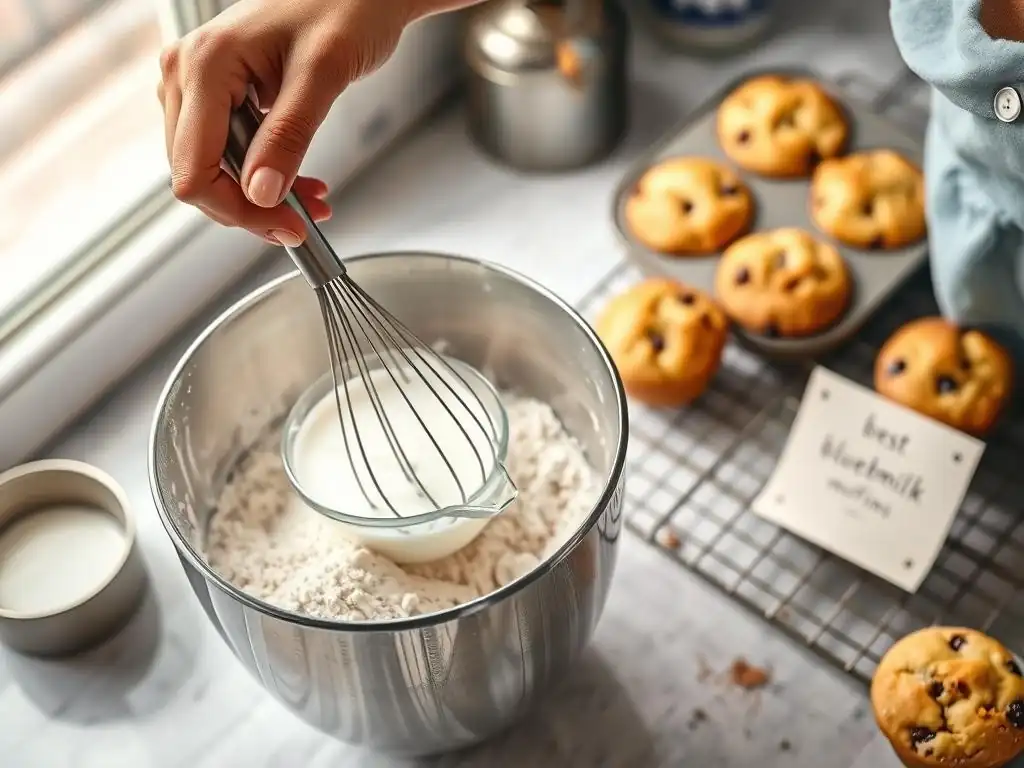
Preventing Tough Muffins: The Importance of Gentle Mixing
The most common pitfall in easy muffin method baking is overmixing. As discussed, mixing develops gluten, and too much gluten results in a tough, dense muffin with undesirable tunnels throughout the crumb. To prevent this, remember the golden rule: mix just until the dry ingredients are incorporated. The batter should still look lumpy.
Use a light hand and a spatula or wooden spoon rather than an electric mixer, which makes it much easier to overmix. Fold the ingredients together only a few times, perhaps 10-15 gentle strokes, until you no longer see large patches of dry flour. Embrace the lumps! They are a sign you've done it correctly for a tender muffin using the easy muffin method baking.
Achieving a Domed Muffin Top: Temperature and Oven Placement
Everyone loves a muffin with a beautifully domed top! Several factors contribute to this. Starting with a slightly higher oven temperature (like 400°F or 200°C) for the first 5-7 minutes of baking gives the leavening agents a rapid burst of heat, causing the muffins to rise quickly before a crust sets. After this initial burst, the temperature is often reduced to 375°F (190°C) for the remainder of the baking time to ensure even cooking through the center.
Oven placement also plays a role. Baking on the middle rack of the oven ensures even heat circulation around the muffin tin, promoting uniform rising and browning. Avoid placing the tin too close to the top or bottom heating elements, which can lead to uneven baking – burnt bottoms or tops that brown too quickly while the inside remains undercooked. Proper temperature management and placement are key tips for successful easy muffin method baking.
Variations and Add-Ins for Muffin Method Recipes
Adding Fruits and Nuts to Your Muffins
The easy muffin method baking is incredibly versatile, perfect for incorporating various add-ins. When adding fruits like blueberries, raspberries, or chopped apples, gently fold them into the finished batter just before portioning into the tins. Coating berries lightly in a tablespoon of flour before adding them to the batter can help prevent them from sinking to the bottom during baking. For a standard 12-muffin batch, about 1 to 1.5 cups of fruit is a good starting point.
Chopped nuts, such as walnuts, pecans, or almonds, add wonderful texture and flavor. Like fruit, fold them in at the end of the mixing process. About 1/2 to 1 cup of chopped nuts is typically used in a standard recipe. Combining fruits and nuts, like in classic banana nut muffins, works beautifully with the easy muffin method baking technique.
Incorporating Chocolate Chips and Spices
Chocolate chips are another popular add-in for muffins prepared with the easy muffin method baking. Semi-sweet chocolate chips are a classic choice, but milk, dark, or white chocolate chips also work well. Fold them in gently after the wet and dry ingredients are just combined, typically using about 1 cup of chips per batch of 12 muffins. For extra chocolate flavor, a tablespoon or two of cocoa powder can be whisked into the dry ingredients, ensuring it's evenly distributed.
Spices like cinnamon, nutmeg, ginger, or cardamom add warmth and complexity. These should always be whisked in with the dry ingredients in Step 1 to ensure they are thoroughly and evenly blended throughout the batter. Recipes often call for 1/2 to 1 teaspoon of cinnamon, perhaps a pinch of nutmeg. The easy muffin method baking makes it simple to customize flavors with your favorite additions.
Troubleshooting Common Muffin Method Problems
Dry and Crumbly Muffins: Identifying the Cause
Dry and crumbly muffins are a common disappointment, often stemming from ingredient measurements or mixing technique in easy muffin method baking. The most frequent cause is using too much flour. Flour should ideally be measured by weight (using a kitchen scale) for accuracy. If using volume measurements, spoon the flour lightly into the measuring cup and level it off with a straight edge; scooping directly from the bag can compact the flour, adding significantly more than intended (up to 25% more! ).
Another reason for dryness is overmixing. As gluten develops, it absorbs moisture, leading to a tougher, drier texture. Ensure you are mixing just until the dry ingredients are incorporated, leaving lumps. Using too little fat or liquid in the recipe can also result in a dry muffin. Double-check your measurements against the recipe when practicing the easy muffin method baking.
Flat Muffins: Understanding Leavening Issues
Flat muffins, lacking a good rise and dome, usually point to problems with the leavening agents in the easy muffin method baking. The baking powder or baking soda might be old or inactive. To test baking powder, drop a teaspoon into hot water; it should fizz vigorously. To test baking soda, drop a teaspoon into a tablespoon of vinegar; it should also fizz strongly. If there's little to no reaction, it's time to replace your leaveners.
Incorrect measurement of leaveners is another possibility. Ensure you are using the exact amount specified in the recipe. Also, check if the recipe calls for baking soda and includes an acidic ingredient; if the acid is missing or insufficient, the baking soda won't activate properly. Finally, opening the oven door too early or frequently during baking can cause muffins to collapse, resulting in a flatter top. Trust the process of the easy muffin method baking and keep the oven door closed.
Unevenly Baked Muffins: Oven Temperature and Placement Adjustments
Unevenly baked muffins – some burnt on the bottom, others pale on top, or some undercooked in the center – are often a sign of oven issues, even when following the easy muffin method baking perfectly. Oven temperatures can be inaccurate; they may run hotter or cooler than the thermostat indicates. An oven thermometer is an inexpensive tool that can help you verify your oven's actual temperature. If your oven runs hot, reduce the temperature slightly; if it runs cool, increase it.
Improper oven placement is also a common culprit. As mentioned earlier, baking on the middle rack is usually best for even heat circulation. If you must use multiple racks, rotate the pans halfway through the baking time to ensure even cooking. Overcrowding the oven can also lead to uneven baking as it restricts airflow. Bake only one muffin tin at a time if possible for the most consistent results with the easy muffin method baking.
Delicious Muffin Recipes to Try with the Easy Muffin Method
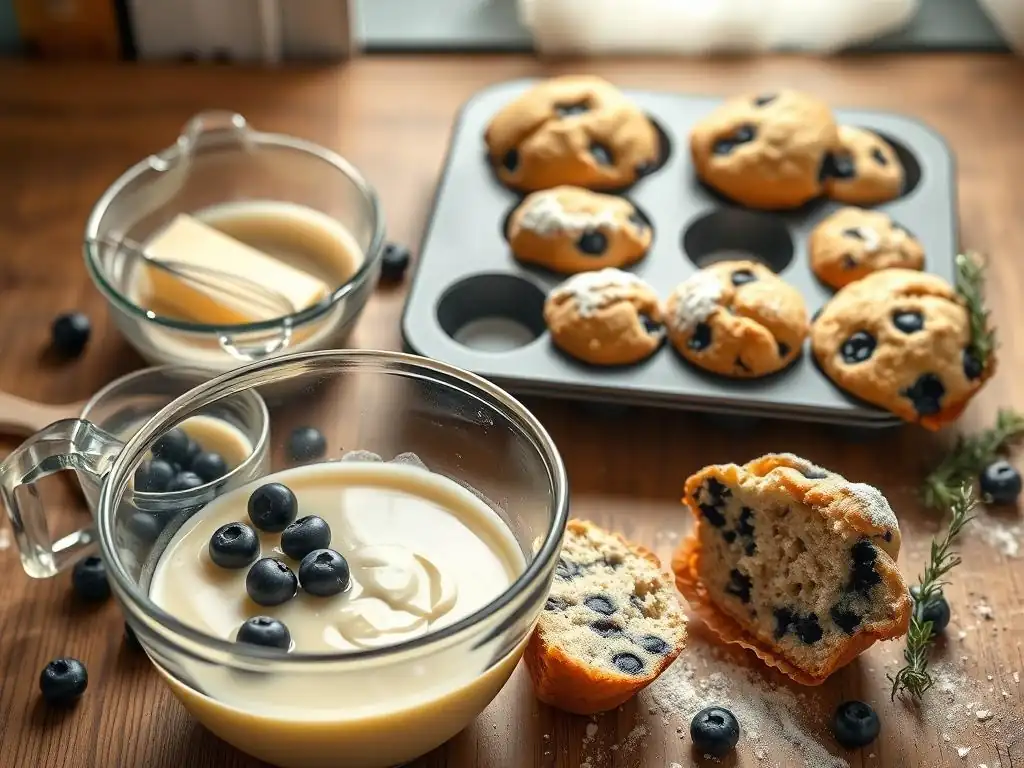
Classic Blueberry Muffins: A Muffin Method Staple
Classic blueberry muffins are perhaps the most iconic application of the easy muffin method baking. A typical recipe calls for about 1.5 to 2 cups of fresh or frozen blueberries folded into a simple batter of flour, sugar, baking powder, salt, eggs, milk, and melted butter or oil. The slightly acidic nature of blueberries can even interact with baking soda if used in conjunction with baking powder, contributing to a tender crumb.
Using the easy muffin method baking ensures the blueberries are suspended throughout the batter and the muffins achieve a light, fluffy texture that perfectly complements the burst of fruit. Baking at a slightly higher temperature initially helps create those signature domed tops. Serving them warm with a pat of butter is a simple pleasure that highlights the effectiveness of the easy muffin method baking.
Chocolate Chip Muffins: A Crowd-Pleasing Favorite
Chocolate chip muffins are a beloved treat, and the easy muffin method baking is perfect for bringing them to life. A standard recipe uses a base similar to vanilla muffins, with the addition of about 1 to 1.5 cups of chocolate chips (semi-sweet, milk, or dark) folded in at the very end. Sometimes, a touch of cocoa powder is added to the dry ingredients for a richer chocolate flavor throughout the batter.
The simplicity of the easy muffin method baking allows the focus to remain on the delightful combination of tender crumb and pockets of melted chocolate. The minimal mixing ensures the muffins remain moist and tender, providing an ideal contrast to the slightly firm texture of the baked chocolate chips. These are quick to make and always disappear fast!
Banana Nut Muffins: Using Ripe Bananas for Extra Flavor
Banana nut muffins are a fantastic way to use up overripe bananas, and the easy muffin method baking handles the addition of mashed fruit beautifully. Ripe bananas (with lots of brown spots) are key because they are sweeter and easier to mash, contributing significant moisture and natural sweetness to the batter. A recipe for 12 muffins typically uses about 1 cup (2-3 medium) of mashed ripe bananas.
The mashed banana is incorporated into the wet ingredients. Chopped walnuts or pecans are usually added along with the banana, folded in gently at the end. The easy muffin method baking ensures the muffins are incredibly moist and flavorful thanks to the bananas, while the minimal mixing prevents them from becoming heavy or gummy, a common issue if banana bread batter is overmixed.
Storing Your Homemade Muffins for Freshness
Proper Cooling Techniques for Long-Lasting Muffins
Once your delicious muffins, baked using the easy muffin method baking, come out of the oven, proper cooling is crucial for maintaining their texture and preventing them from becoming soggy. Let the muffins cool in the muffin tin for only a few minutes, typically 5 to 10 minutes. This allows them to set slightly before being moved.
After this initial cooling period in the tin, carefully transfer the muffins to a wire cooling rack. Cooling on a wire rack allows air to circulate around all sides of the muffins, preventing condensation from building up on the bottom, which can make them soggy. Ensure the muffins are completely cool, which can take 30 minutes to an hour, before storing them. Storing warm muffins will create steam inside the storage container, leading to a mushy texture.
Best Storage Methods: Airtight Containers vs. Freezing
For short-term storage (1-3 days), muffins made with the easy muffin method baking are best kept at room temperature in an airtight container. A container lined with a paper towel on the bottom can help absorb any excess moisture. Avoid refrigerating muffins, as the cold air can actually make them dry out faster and negatively affect their texture. Storing them at room temperature preserves their tender crumb.
For longer storage, muffins freeze exceptionally well. Once completely cool, place them in a single layer on a baking sheet and freeze until solid (about 1-2 hours). Then transfer the frozen muffins to a freezer-safe bag or airtight container, squeezing out as much air as possible to prevent freezer burn. Properly frozen muffins can last for up to 2-3 months. Thaw them at room temperature or gently warm them in the microwave or oven.
Conclusion: Unleashing Your Baking Potential with the Muffin Method
The Simplicity and Versatility of Easy Muffin Method Baking
The easy muffin method baking is truly a game-changer for anyone looking to bake delicious quick breads without fuss. Its simple two-step process – mixing wet and dry ingredients separately before a brief, gentle combination – minimizes the risk of tough results and maximizes tenderness. This technique is incredibly adaptable, serving as the foundation for countless variations, from classic fruit and nut muffins to more adventurous savory options.
Mastering this fundamental technique opens up a world of possibilities in your kitchen. You can whip up a batch of fresh muffins for breakfast, snacks, or desserts in under an hour, including baking time. The reliability and speed of the easy muffin method baking make it a go-to technique for busy home bakers and a perfect starting point for beginners venturing into the world of quick breads.
BakeWithEase: Your Partner in Mastering Quick Bread Baking
At BakeWithEase, we believe that baking should be enjoyable and accessible to everyone, regardless of experience level. The easy muffin method baking technique perfectly embodies this philosophy. We provide step-by-step guides, helpful tips, and delicious recipes specifically designed to make mastering quick breads straightforward and rewarding.
Whether you're attempting your first batch of blueberry muffins or experimenting with new flavor combinations, BakeWithEase is here to support your baking journey. We break down techniques like the easy muffin method baking into simple, actionable steps, helping you build confidence and achieve consistent success in your kitchen. Explore our collection of recipes and discover the joy of baking quick breads with ease.
Frequently Asked Questions
What exactly is the muffin method, and why is it considered "easy"?
The muffin method is a simple baking technique involving combining dry and wet ingredients separately, then quickly mixing them together until just combined. It's considered easy because it minimizes mixing, preventing over-development of gluten.
What are the key ingredients needed for most muffin recipes using the muffin method?
Typically, you'll need dry ingredients like flour, sugar, baking powder, and salt, and wet ingredients such as eggs, milk (or other liquid), and melted butter or oil. Variations depend on the specific muffin flavor.
How important is it to avoid overmixing the batter when using the muffin method?
Avoiding overmixing is crucial. Overmixing develops gluten, leading to tough, dense muffins. Aim for a batter that is slightly lumpy; don't worry about smoothing it out completely.
Can the muffin method be used for other baked goods besides muffins?
Yes, the muffin method can be adapted for other quick breads like scones, loaves, and some types of coffee cake. The principle of minimal mixing remains the same.
What are some common mistakes to avoid when using the muffin method?
Common mistakes include overmixing the batter, using ingredients that are not fresh, and not measuring the ingredients correctly. Always use fresh baking powder for optimal leavening.
Final Reflection: The Enduring Appeal of Effortless Baking
The ease and deliciousness of the muffin method have revolutionized quick bread baking, making it accessible to everyone, regardless of skill level. This simple technique, once a hidden gem, has rightfully earned its place as a cornerstone of modern baking, offering a pathway to culinary creativity without the intimidation factor. The accessibility of this method empowers home bakers to experiment and enjoy the process, fostering a love for baking that extends far beyond the simple muffin.
The muffin method's impact transcends mere convenience; it's a democratization of baking itself. It allows individuals to connect with the joy of creating something delicious from scratch, fostering a sense of accomplishment and self-sufficiency in the kitchen. This resonates deeply with the current cultural shift towards mindful consumption and homemade goods. Baking is at once child's play and adult joy. And love, of course.
This quote perfectly encapsulates the magic of the muffin method – it's a simple process that yields immense satisfaction.
Now, it's your turn. Don't let the fear of failure hold you back from exploring the endless possibilities of the muffin method. Try experimenting with different flavors, add-ins, and variations. Embrace the imperfections, celebrate the successes, and most importantly, enjoy the journey of creating delicious, homemade treats. The kitchen is your canvas, and the muffin method is your brush – go create your masterpiece!
Unleash Your Inner Baker: Muffin-Method Magic Awaits!
Thanks for taking the time to explore the magic of the muffin method! You've just unlocked a world of quick and easy bread baking. Ready to put your new skills to the test?
- Bake your first muffin-method masterpiece today! Choose your favorite recipe and get baking. See how simple it is to achieve professional results.
- Share your baking journey: Snap a picture of your creation and tag us on social media – we’d love to see what you bake!
- Explore more muffin-method recipes on our website (bakewithease.com) for even more delicious inspiration!
What delicious treat will you create with the muffin method first?