
Beyond Basic: Easy Flavor Twists for Your First SliceandBake Batch

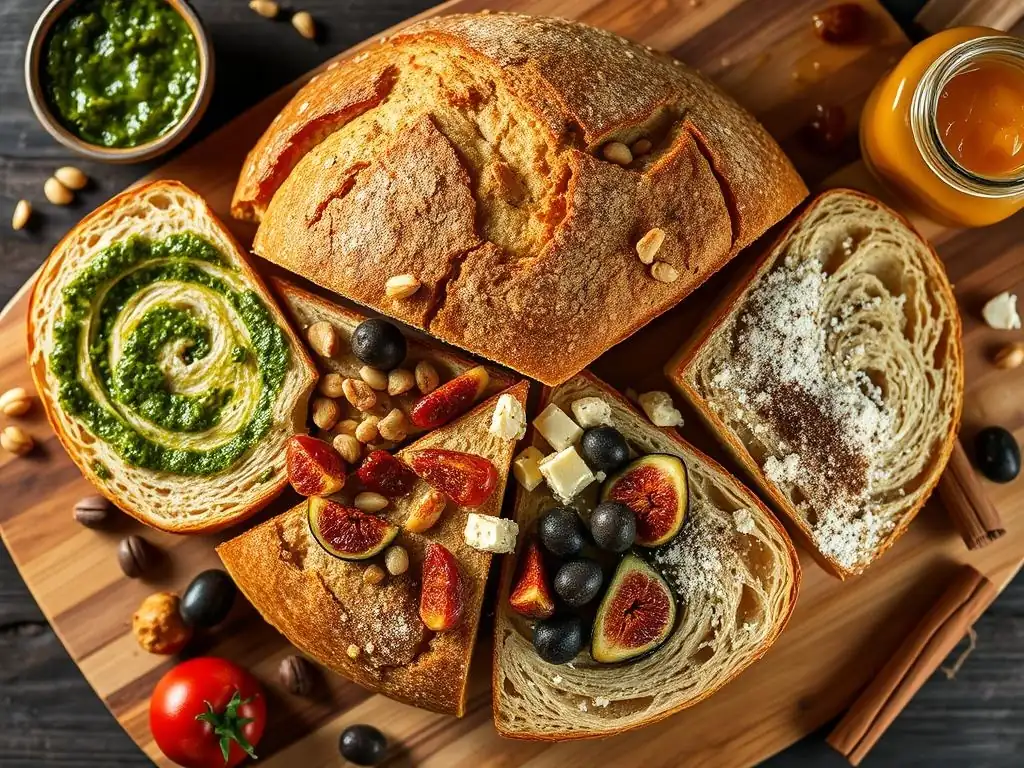
Welcome to BakeWithEase, your trusted companion on your baking journey! Ever wondered how to elevate your sourdough game beyond the classic loaf? This week, we're diving into the irresistible world of easy sourdough flavor variations. Get ready to discover simple yet stunning additions that will transform your SliceandBake batch from ordinary to extraordinary, sparking a culinary adventure you won't want to miss. Curious to see how simple ingredients can unlock a symphony of flavors? Keep reading to unlock the secrets!
- Sourdough Slice-and-Bake Cookies: 5 Easy Flavor Twists
- Elevating Sourdough Slice-and-Bake Cookies
- Flavor Twist #1: Lemon Poppy Seed
- Flavor Twist #2: Double Chocolate
- Flavor Twist #3: Maple Walnut
- Flavor Twist #4: Rosemary Sea Salt
- Flavor Twist #5: Ginger Molasses
- Tips for Perfecting Your Flavor-Enhanced Sourdough Slice-and-Bake Cookies
- More Sourdough Baking Recipes
-
Frequently Asked Questions
- How can I add flavor to my sourdough without drastically changing the recipe?
- What are some good beginner-friendly ingredients to experiment with in my sourdough?
- How much of a flavoring ingredient should I add to my sourdough dough?
- Will adding flavorings affect my sourdough's rise or texture?
- Where can I find more detailed recipes and techniques for incorporating flavor into sourdough?
- Final Reflection: Unlocking the Sourdough Symphony
- Unleash Your Inner Pizzaiolo: Craft Your Perfect Slice!
Why Sourdough Slice-and-Bake is Great for Beginners
Getting started with sourdough baking can feel intimidating, but slice-and-bake cookies offer a wonderfully accessible entry point. Unlike complex bread recipes that require precise timing and kneading techniques, these cookies are forgiving and straightforward. The dough comes together easily, often requires minimal handling, and the natural tang from the sourdough discard adds a unique depth of flavor without extra effort. This simplicity makes them perfect for new bakers looking to explore easy sourdough flavor variations without committing to a multi-day bread project.
One of the biggest advantages is the make-ahead convenience. You can prepare a batch of dough, shape it into logs, and store it in the refrigerator for several days or even freeze it for longer. This means you can bake just a few cookies at a time whenever the craving strikes, reducing waste and making fresh-baked treats incredibly convenient. The structured process of mixing, chilling, slicing, and baking provides clear steps that are easy to follow, building confidence for those new to using sourdough discard in sweets and encouraging exploration of simple flavor enhancements.
A typical basic sourdough slice-and-bake cookie dough relies on standard cookie ingredients like butter, sugar (usually a mix of granulated and brown), flour, eggs, and vanilla extract. The star ingredient, sourdough discard (unfed starter), is incorporated to add a subtle tang and sometimes contributes to texture, though its primary role here is flavor and using up discard. This base dough is designed to be firm enough to hold its shape when chilled and sliced, which is crucial for the "slice-and-bake" method.
The process usually involves creaming softened butter with the sugars until light and fluffy, then incorporating the egg, vanilla, and the sourdough discard. Dry ingredients, primarily flour along with leavening agents like baking soda or powder and salt, are then mixed in until just combined. The resulting dough is often quite soft initially but firms up significantly after chilling. This foundational recipe serves as a perfect canvas for adding various ingredients, allowing you to create numerous easy sourdough flavor variations from a single base.
Flavor Twist #1: Lemon Poppy Seed
Adding Zest and Texture: Lemon Poppy Seed Sourdough
Combining bright citrus notes with the subtle nuttiness and pleasant crunch of poppy seeds is a classic pairing that works beautifully with the slight tang of sourdough. Lemon zest contains aromatic oils that release intense flavor, providing a burst of freshness that cuts through the richness of the butter and the underlying sourdough notes. Approximately one to two tablespoons of fresh lemon zest are typically sufficient for a standard batch of dough made with about 1.5 to 2 cups of flour, ensuring a noticeable citrus presence without being overwhelming.
Poppy seeds, while contributing minimal flavor themselves, add a delightful textural contrast. Their small size means they disperse evenly throughout the dough, providing tiny pops of texture in every bite. Using about 1 to 2 teaspoons of poppy seeds per batch adds visual appeal and that signature subtle crunch. The combination of vibrant lemon and delicate poppy seed texture transforms the basic sourdough cookie into a sophisticated treat, proving how simple additions can create delightful easy sourdough flavor variations.
Recipe: Lemon Poppy Seed Sourdough Slice-and-Bake
To transform your basic sourdough slice-and-bake dough into lemon poppy seed wonders, you'll incorporate the flavorings during the mixing stage. After creaming the butter and sugars and adding the wet ingredients (including the sourdough discard), but before adding the dry ingredients, you'll stir in the fresh lemon zest. Aim for zest from about one medium lemon, which yields roughly 1 to 1.5 tablespoons. Ensure you only zest the bright yellow part of the skin, avoiding the bitter white pith underneath.
Once the zest is mixed in, add the poppy seeds. About 1.5 teaspoons is a good starting point for a dough made with approximately 2 cups of flour. Mix them in briefly until they are evenly distributed. Then, proceed with adding the dry ingredients as usual. The dough will likely appear speckled with the zest and seeds. Chill the dough log for at least 2-3 hours before slicing and baking at around 350°F (175°C) for 10-14 minutes, or until the edges are lightly golden.
Flavor Twist #2: Double Chocolate
Elevating Chocolate: Double Chocolate Sourdough
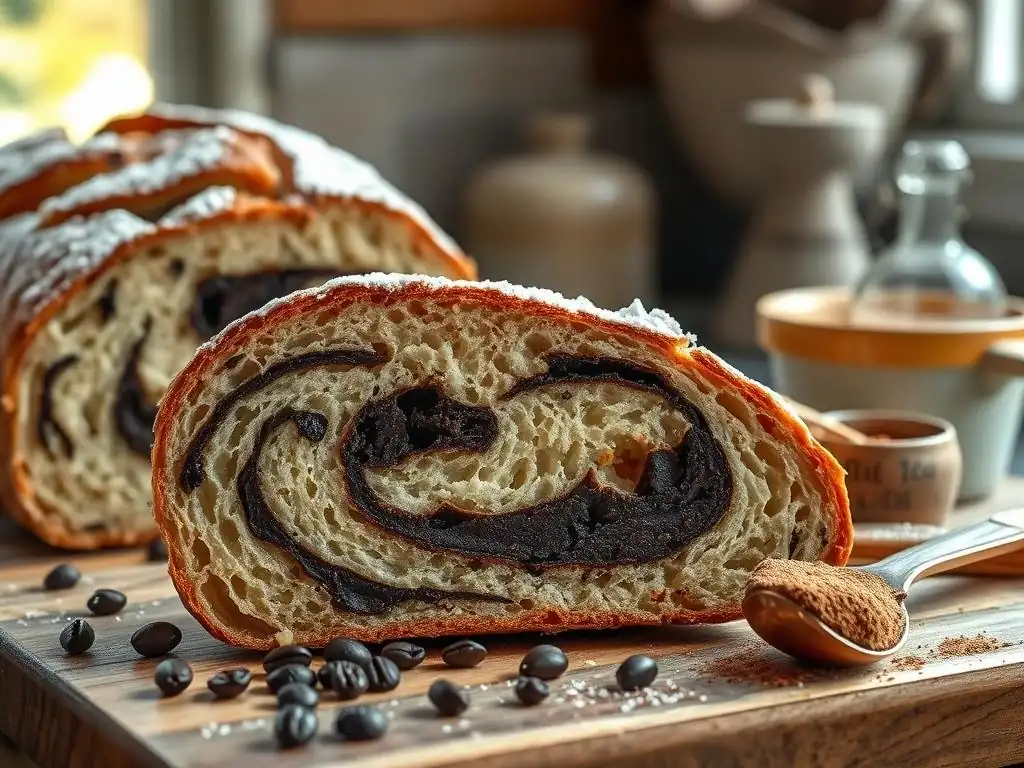
For chocolate lovers, a double chocolate variation is a must-try easy sourdough flavor variation. This twist involves incorporating two forms of chocolate into the dough: cocoa powder for deep chocolate flavor throughout and chocolate chips or chunks for melty pockets of intense sweetness. The slight acidity of the sourdough discard can actually enhance the cocoa powder's flavor, making the chocolate notes more pronounced and complex, creating a richer cookie than a standard recipe might yield.
Using unsweetened cocoa powder, typically 1/4 to 1/3 cup per batch of dough, provides the base chocolate flavor and gives the cookies their dark color. Chocolate chips or chopped chocolate are then folded in, usually around 1/2 cup to 1 cup, adding texture and bursts of gooey chocolate when baked. The combination ensures chocolate in every bite, from the crumb itself to the distinct pieces, offering a decadent experience that perfectly complements the subtle tang of the sourdough.
To make double chocolate sourdough slice-and-bake cookies, you'll modify the dry ingredients. Before mixing the dry ingredients into the wet, whisk together the flour (reduce the amount slightly to account for the cocoa powder, perhaps by 1/4 cup), baking soda/powder, salt, and 1/4 cup of unsweetened cocoa powder. Ensure the cocoa is well distributed to avoid streaks in the final dough.
Once the dry ingredients are just combined with the wet, gently fold in about 3/4 cup of chocolate chips or chopped chocolate. Avoid overmixing once the chocolate is added. The dough will be dark brown and studded with chocolate pieces. Form the dough into logs, chill thoroughly for at least 2 hours, then slice about 1/2 inch thick. Bake at 350°F (175°C) for approximately 10-13 minutes, or until the edges are set and the centers look slightly soft and gooey.
Flavor Twist #3: Maple Walnut
Warming Flavors: Maple and Walnut Sourdough
The combination of warm, sweet maple and earthy, slightly bitter walnuts creates a comforting and sophisticated easy sourdough flavor variation. Maple syrup or extract adds a distinct sweetness that differs from granulated or brown sugar, bringing a cozy, autumnal feel to the cookie. Walnuts provide a pleasant crunch and nutty flavor that pairs exceptionally well with both the maple notes and the subtle tang of the sourdough discard.
Approximately 1/4 cup of chopped walnuts per batch offers a good distribution of nutty texture without overwhelming the cookie. For the maple flavor, you can use about 1 teaspoon of maple extract added with the vanilla, or for a more authentic taste and slight texture change, you could experiment with substituting a small amount of the granulated sugar (perhaps 1/4 cup) with pure maple syrup, being mindful that adding liquid can affect dough consistency. This pairing is particularly appealing during cooler months.
Recipe: Maple Walnut Sourdough Slice-and-Bake
To incorporate maple and walnut into your sourdough slice-and-bake dough, you'll add the flavorings during the wet ingredient or final mixing stage. If using maple extract, add about 1 teaspoon along with the vanilla extract after creaming the butter and sugars and adding the egg and sourdough discard. This provides concentrated maple flavor without altering the dough's liquid balance significantly.
If using pure maple syrup for a more nuanced flavor, you might substitute about 1/4 cup of granulated sugar with 1/4 cup of maple syrup in the creaming stage, potentially slightly increasing the flour amount later by a tablespoon or two if the dough feels too wet. Once the dry ingredients are just mixed in, gently fold in about 1/2 cup of finely chopped walnuts. Ensure they are evenly distributed. Chill the dough log for at least 2-3 hours before slicing and baking at 350°F (175°C) for 11-15 minutes, watching for golden edges.
Flavor Twist #4: Rosemary Sea Salt
Adding Savory Notes: Rosemary Sea Salt Sourdough
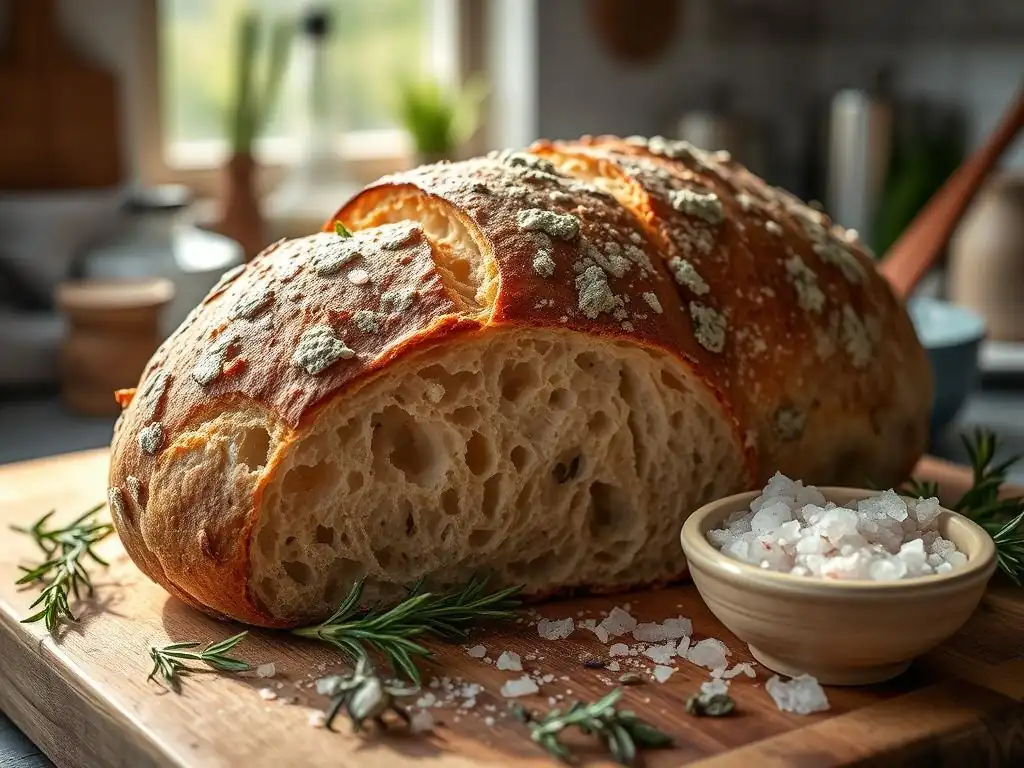
Introducing savory elements to a sweet cookie might sound unusual, but the rosemary and sea salt combination offers a remarkably sophisticated easy sourdough flavor variation. The aromatic, slightly piney flavor of fresh rosemary provides an unexpected herbaceous note that complements the tang of the sourdough beautifully. Flaky sea salt sprinkled on top adds bursts of salinity that enhance both the sweetness and the herbal flavors, creating a compelling sweet-and-savory profile.
Using fresh rosemary is key for the best flavor; about 1 to 2 teaspoons of finely chopped fresh leaves per batch is usually sufficient. Dried rosemary can be too potent and woody. The sea salt should be a flaky variety, like Maldon, sprinkled after slicing the dough logs but before baking. This allows the salt crystals to sit on the surface, providing visual appeal and distinct pockets of saltiness that contrast with the sweet cookie base.
Recipe: Rosemary Sea Salt Sourdough Slice-and-Bake
To create rosemary sea salt sourdough slice-and-bake cookies, the rosemary is incorporated into the dough, while the salt is added just before baking. After the wet ingredients (including sourdough discard) are combined, stir in 1.5 teaspoons of very finely chopped fresh rosemary leaves. Ensure the rosemary is minced small so you don't have large pieces in the cookies.
Once the dough is mixed, form it into logs and chill thoroughly for at least 2 hours. Before slicing, have your flaky sea salt ready. Slice the chilled dough into rounds about 1/2 inch thick and place them on your baking sheet. Lightly sprinkle the top of each cookie dough round with flaky sea salt, perhaps 2-3 flakes per cookie. Bake at 350°F (175°C) for approximately 10-14 minutes, or until the edges are set and lightly colored.
Flavor Twist #5: Ginger Molasses
Adding Spice: Ginger Molasses Sourdough
The classic pairing of warm ginger and rich molasses creates a wonderfully spiced and chewy easy sourdough flavor variation. Molasses adds moisture, a deep, slightly bitter sweetness, and that signature chewy texture often associated with ginger cookies. Ground ginger provides the characteristic warmth and spice, which is beautifully balanced by the tang of the sourdough discard. This flavor profile is particularly comforting and aromatic.
You'll typically use both ground ginger and molasses in this variation. About 1 to 1.5 teaspoons of ground ginger per batch provides a good level of spice. For the molasses, approximately 1/4 cup of unsulfured dark molasses adds color, moisture, and that distinct flavor. Using dark molasses will result in a richer, more intensely flavored cookie compared to light molasses. Adding a pinch of other warm spices like cinnamon or cloves can further enhance the flavor profile.
Recipe: Ginger Molasses Sourdough Slice-and-Bake
To make ginger molasses sourdough slice-and-bake cookies, you'll add both the molasses and ginger during the wet ingredient stage. After creaming the butter and sugars, beat in the egg and sourdough discard. Then, add about 1/4 cup of unsulfured dark molasses and 1 teaspoon of ground ginger (and optionally, 1/2 teaspoon cinnamon and 1/4 teaspoon cloves). Mix well to combine these warming flavors.
Proceed by adding the dry ingredients as usual. The dough will be darker and stickier than a standard sugar cookie dough due to the molasses. Chill the dough log exceptionally well, ideally for at least 3-4 hours, to ensure it's firm enough to slice cleanly. Slice into rounds about 1/2 inch thick and bake at 350°F (175°C) for approximately 11-15 minutes, or until the edges are set and the centers still look slightly soft.
Ensuring Even Baking and Preventing Spread
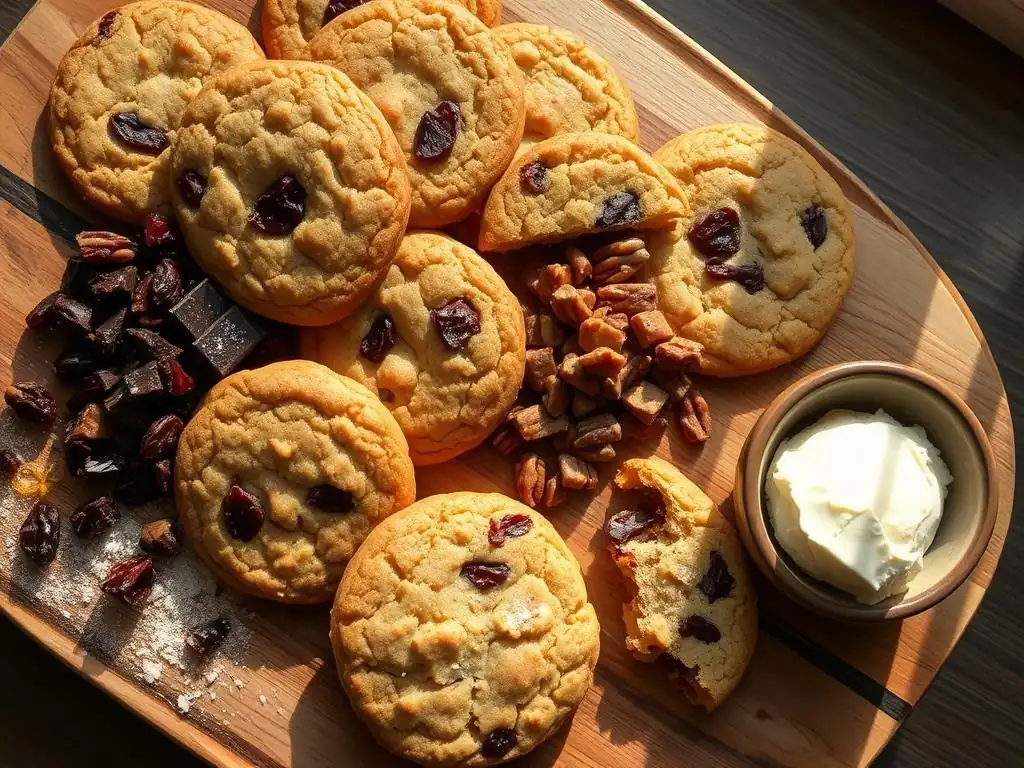
Achieving perfectly baked slice-and-bake cookies with even color and minimal spread relies heavily on chilling the dough adequately. Once you've formed your dough logs (about 1.5 to 2 inches in diameter is standard), wrap them tightly in plastic wrap or parchment paper and refrigerate for at least 2-3 hours. For best results, especially with softer doughs like the ginger molasses variation, chilling for 24 hours can make slicing much easier and helps the cookies maintain their shape during baking. The cold butter in the dough is key to preventing excessive spread in the oven.
When it's time to bake, preheat your oven thoroughly to the specified temperature, typically 350°F (175°C). Slice the chilled dough logs into uniform thickness, usually between 1/4 to 1/2 inch. Thicker slices will yield chewier cookies, while thinner slices will be crispier. Place the sliced dough rounds on a baking sheet lined with parchment paper, spacing them about 2 inches apart to allow for slight spreading. Baking times will vary depending on your oven and the thickness of the cookies, but a range of 10-15 minutes is common; look for lightly golden edges.
Proper storage is essential to keep your easy sourdough flavor variations tasting their best. Once baked and completely cooled on a wire rack, store the cookies in an airtight container at room temperature. Layering them with parchment paper can help prevent them from sticking together. Cookies stored this way will generally maintain their quality for 3-5 days, though they are often best enjoyed within the first couple of days.
For longer storage, slice-and-bake dough is excellent for freezing. Wrap the chilled dough logs tightly in multiple layers of plastic wrap and then aluminum foil or place them in a freezer-safe bag. Frozen dough logs can be stored for up to 3 months. To bake from frozen, simply slice the log (it might require a sharp knife and a little effort) and bake the slices directly from frozen, adding an extra 1-3 minutes to the baking time. Baked cookies can also be frozen in an airtight container for up to 2-3 months; thaw them at room temperature before serving.
More Sourdough Baking Recipes
Expand Your Sourdough Baking Skills: Next Steps
Once you've mastered these easy sourdough flavor variations for slice-and-bake cookies, you're well on your way to exploring the wider world of sourdough baking. Working with sourdough discard in simple recipes like cookies helps you get comfortable with the ingredient's unique properties and flavor contribution without the pressure of managing an active starter for leavening. Consider trying other discard-based recipes next, such as crackers, pancakes, or muffins, which also offer straightforward ways to use up discard and enjoy that signature tang.
Branching out into recipes that use active, bubbly sourdough starter as the primary leavening agent is the next frontier. This typically involves learning how to feed and maintain a healthy starter, understanding proofing times, and developing basic dough-handling skills. Recipes like simple sourdough bread or sourdough pizza dough are excellent next steps, building upon your foundational baking knowledge and introducing you to the magical process of fermentation that gives sourdough its unique rise and complex flavor profile.
[Link to Sourdough Bread Recipe]
Frequently Asked Questions
How can I add flavor to my sourdough without drastically changing the recipe?
You can introduce easy sourdough flavor variations by adding herbs, spices, or dried fruits directly to your dough during the mixing or kneading process. This is a simple way to enhance the taste without altering the fundamental sourdough process.
What are some good beginner-friendly ingredients to experiment with in my sourdough?
For beginners, consider using easy-to-find ingredients like dried cranberries, toasted walnuts, or rosemary. These additions are low-risk and offer noticeable flavor improvements to your sourdough.
How much of a flavoring ingredient should I add to my sourdough dough?
Start with a small amount, about 1-2 tablespoons per cup of flour, and adjust to your preference. It's better to underestimate initially and gradually increase the amount in subsequent batches until you achieve the desired flavor intensity.
Will adding flavorings affect my sourdough's rise or texture?
Yes, adding too many heavy ingredients can inhibit the rise. Be mindful of the quantity and consider the moisture content of your additions. Dried ingredients are generally preferred to minimize impact on texture.
Where can I find more detailed recipes and techniques for incorporating flavor into sourdough?
BakeWithEase.com is your go-to resource for mastering baking, including easy sourdough flavor variations. Explore our step-by-step guides and find inspiration for your next baking adventure.
Final Reflection: Unlocking the Sourdough Symphony
The simplicity of sourdough baking belies its incredible versatility. Mastering the basic loaf is just the beginning; the true magic lies in the endless possibilities for flavor exploration, readily accessible even to beginner bakers. This article highlighted how easy it is to elevate your sourdough experience, moving beyond the standard tangy loaf to create truly unique and delicious breads.
The journey of sourdough baking, for me, has been one of constant discovery. Each new experiment, each subtle shift in flavor profile, has deepened my appreciation for this ancient craft. The best bread is the bread you bake yourself.
This simple statement encapsulates the profound satisfaction of transforming humble ingredients into something truly special, and the joy of sharing that creation with others. The exploration of flavor variations, as detailed in this article, is a key part of that journey, allowing bakers to personalize their loaves and express their creativity in the kitchen.
Now, it's your turn to experiment! Don't be afraid to deviate from the recipe, to add a pinch of this or a dash of that. Let your curiosity guide you, and embrace the unexpected results. The world of sourdough flavor is vast and waiting to be explored. What unique combination will you create next? What new symphony of tastes will you unleash from your sourdough starter? The possibilities are as limitless as your imagination.
Unleash Your Inner Pizzaiolo: Craft Your Perfect Slice!
Thanks for taking the time to explore some seriously delicious pizza-making techniques! We hope you've discovered new ways to elevate your Slice-and-Bake game. Ready to take your skills to the next level?
- Experiment with the flavor combinations: Try swapping out the suggested cheeses or herbs for your personal favorites. What unexpected flavor profile will you create?
- Share your pizza creations: Show off your culinary masterpieces on social media using #BakeWithEasePizza – let’s inspire each other!
- Dive deeper into Slice-and-Bake: Check out our other recipes on BakeWithEase.com for more innovative twists and techniques.
What unique ingredient will you add to your next pizza to truly make it your own?