
Bake Ahead & Freeze: Sweet Roll Strategies for Busy Days

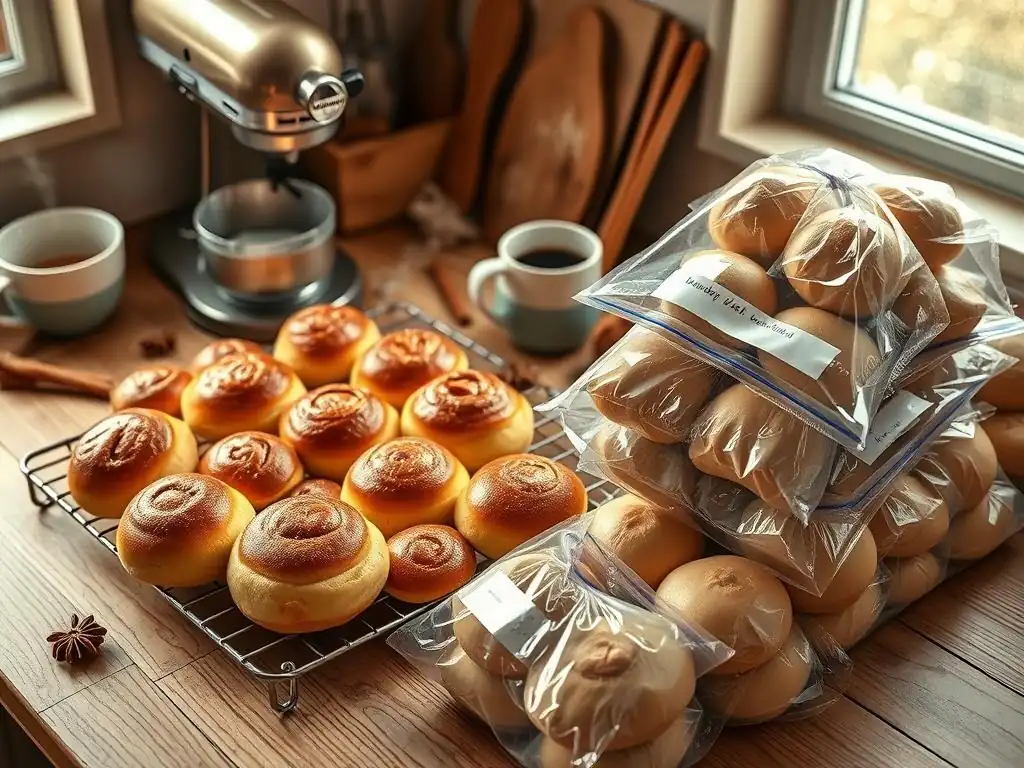
Welcome to BakeWithEase, your kitchen companion for all things baking! Ever dream of waking up to the aroma of freshly baked sweet rolls, even on your busiest mornings? This week, we're unlocking the secrets to prepping ahead and mastering the art of how to freeze sweet rolls for later, ensuring you can enjoy homemade goodness whenever the craving strikes. Discover our step-by-step guide and never sacrifice taste for time again! Ready to elevate your baking game?
- Introduction: The Joy of Pre-Made Sweet Rolls
- Why Freeze Sweet Rolls? Benefits of Baking Ahead
- Choosing the Right Sweet Roll Recipe for Freezing
- Step-by-Step Guide: Freezing Sweet Rolls Like a Pro
- Thawing and Baking Frozen Sweet Rolls
- Tips and Tricks for Freezing Sweet Rolls Successfully
- Sweet Roll Freezing FAQs: Addressing Common Concerns
- Sweet Roll Recipes Perfect for Freezing
- Conclusion: Enjoying Fresh Sweet Rolls Anytime
-
Frequently Asked Questions
- How long can I freeze sweet rolls before baking them?
- What's the best way to thaw frozen sweet rolls before baking?
- Can I freeze sweet rolls after they've already been baked?
- Does freezing affect the texture of the sweet rolls after baking?
- What's the most important tip for successfully freezing sweet rolls for later?
- Final Reflection: The Sweet Symphony of Prepared Baking
- Unleash Your Inner Baker: Master the Art of Frozen Sweet Rolls!
Introduction: The Joy of Pre-Made Sweet Rolls
The Busy Baker's Secret: Mastering Make-Ahead Sweet Rolls
Life moves fast, and finding time for baking, especially intricate treats like sweet rolls, can feel impossible on a typical weekday morning. This is where the magic of make-ahead baking comes in. By dedicating a few hours when your schedule allows, you can prepare a batch of delicious sweet rolls that are ready to bake or reheat whenever the craving strikes, or a special occasion calls for a warm, homemade treat. Mastering the art of making and freezing sweet rolls is truly a game-changer for anyone who loves fresh baked goods but is short on time.
The secret isn't just about saving minutes in the morning; it's about preserving the quality and flavor of your baked goods. Whether you're preparing for a holiday brunch, unexpected guests, or simply want to ensure a delightful breakfast is always within reach, knowing how to properly freeze sweet rolls for later enjoyment is an invaluable skill. It transforms baking from a potentially stressful, last-minute activity into a relaxed, planned process, allowing you to enjoy the therapeutic nature of baking without the pressure of immediate consumption.
Why Freeze Sweet Rolls? Benefits of Baking Ahead
Saving Time and Effort: Weekday Breakfast Made Easy
Let's face it, pulling together a homemade breakfast from scratch on a Tuesday morning before work or school is a monumental task for most people. A typical sweet roll recipe can easily take 3-4 hours from start to finish, involving mixing, kneading, multiple rises, shaping, and baking. By choosing to freeze sweet rolls for later, you compress the active baking time into a single session, perhaps on a lazy weekend afternoon.
Consider the time saved: instead of waking up an extra two hours early or spending a rushed evening baking, you can simply transfer rolls from the freezer to the fridge the night before or pop pre-baked rolls directly into the oven for reheating. This strategy can shave off 90% or more of the active morning preparation time. Imagine gaining back that hour or two each morning – it's time you could spend relaxing, exercising, or simply enjoying a less frantic start to your day, all while still having warm, delicious sweet rolls ready to eat.
Freshly Baked Taste, Whenever You Want It: Eliminating Morning Rush
One of the biggest advantages of learning how to freeze sweet rolls for later is the ability to enjoy that incredible "fresh from the oven" taste and aroma without any of the morning rush. There's a unique satisfaction in biting into a warm, soft sweet roll with melty frosting – a quality often lost in store-bought or day-old pastries. Freezing locks in the freshness at its peak, preserving the texture and flavor profile much better than simply storing baked goods at room temperature for several days.
Whether you freeze the rolls unbaked or baked, the reheating process brings them back to a state remarkably close to their initial glory. Unbaked rolls, when thawed and baked, offer the ultimate fresh experience, filling your home with that irresistible bakery smell. Baked and frozen rolls, when reheated properly, regain much of their original softness and warmth. This method truly allows you to cheat the clock and experience the simple pleasure of a warm, homemade sweet roll any day of the week, regardless of how busy your morning is.
Reducing Food Waste: Freezing for Extended Freshness
Baking a full batch of sweet rolls is often necessary to get the recipe just right, but sometimes a dozen or more rolls are simply too many for immediate consumption, especially for smaller households. Leaving them on the counter for days often leads to them drying out, becoming stale, and eventually being thrown away. This is where freezing sweet rolls for later becomes an excellent strategy for reducing food waste.
Freezing significantly extends the shelf life of your baked goods. While sweet rolls might only stay fresh at room temperature for 2-3 days before quality deteriorates, freezing can preserve their quality for up to 2-3 months, sometimes even longer if properly wrapped. This means you can bake a large batch, enjoy a few, and then carefully freeze the rest, ensuring that none of your hard work and ingredients go to waste. It's a practical approach that benefits both your wallet and the environment.
Choosing the Right Sweet Roll Recipe for Freezing
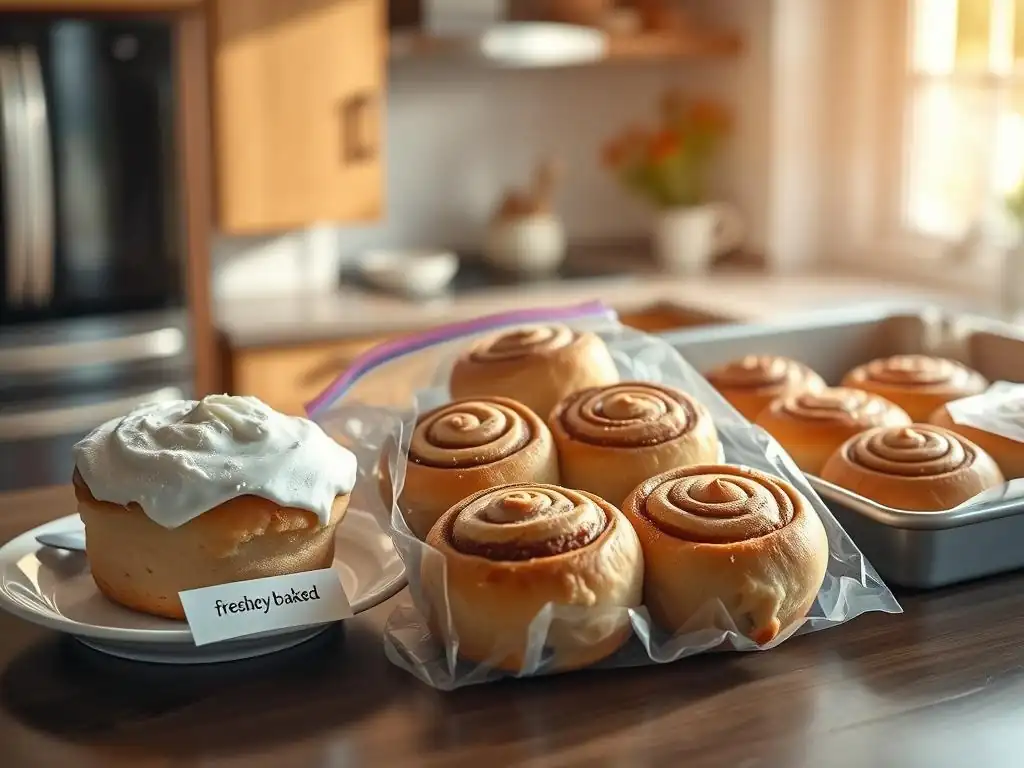
Best Sweet Roll Doughs for Freezing: Enriched Doughs with High Fat Content
Not all doughs are created equal when it comes to freezing. For sweet rolls, enriched doughs tend to perform best. These are doughs that contain a significant amount of fat (like butter), sugar, and often eggs and milk, as opposed to lean doughs made primarily with flour, water, yeast, and salt (like baguettes). The higher fat and sugar content in enriched doughs helps to keep them tender and moist, preventing them from drying out or developing an unpleasant texture during the freezing and thawing process.
Classic sweet roll doughs, such as those used for cinnamon rolls, brioche, or challah-style rolls, are excellent candidates for freezing. The fat coats the gluten strands, which helps protect them from ice crystal damage during freezing. Recipes incorporating butter, milk, and eggs yield a softer crumb that withstands temperature changes better than lean doughs. Look for recipes where butter is creamed into the dough or kneaded in generously – these are likely to freeze and bake beautifully later.
Adjusting Your Sweet Roll Recipe for Optimal Freezing: Reducing Yeast
While most enriched sweet roll recipes freeze well, you might consider a slight adjustment to the yeast quantity for optimal results when freezing unbaked rolls. Yeast is a living organism, and while it survives freezing, the process can sometimes weaken it. To ensure your rolls still rise properly after thawing, some bakers recommend slightly increasing the yeast called for in the recipe – perhaps by 10-20%. For example, if a recipe calls for 2 ¼ teaspoons of active dry yeast, you might use 2 ½ or 2 ¾ teaspoons when planning to freeze the dough unbaked.
Alternatively, and often preferred by experienced bakers, is to slightly reduce the yeast and incorporate a longer, slower rise in the refrigerator before freezing. A common technique involves letting the dough rise slowly in the fridge overnight after kneading, then shaping and freezing the rolls while they are still relatively dense. This slow fermentation develops flavor and structure, and the slightly reduced yeast, combined with a cold state, can sometimes make the dough more stable for freezing. Experimentation with your favorite recipe is key to finding the perfect balance when you plan to freeze sweet rolls for later.
Step-by-Step Guide: Freezing Sweet Rolls Like a Pro
Method 1: Freezing Unbaked Sweet Rolls
Preparing the Dough: First Rise, Shaping, and Second Rise (Optional)
To freeze unbaked sweet rolls successfully, start with your chosen enriched dough recipe. Mix and knead the dough as usual, and let it complete its first rise (bulk fermentation) until it's roughly doubled in size. After the first rise, punch down the dough, roll it out, add your filling (like cinnamon sugar or fruit), and shape your rolls. This could involve rolling the dough into a log and slicing it, or forming individual buns.
Once shaped, you have a choice: you can freeze them immediately after shaping, or let them undergo a short second rise (proof) for about 30-45 minutes, until they are slightly puffy but not fully doubled. Freezing after just the first rise (or a short second rise) is often recommended because it gives the yeast more energy for the final proofing after thawing. Placing the shaped rolls directly onto a parchment-lined baking sheet is crucial for the next step.
Arranging Sweet Rolls for Freezing: Parchment Paper is Key
Proper arrangement on a baking sheet is vital to prevent your sweet rolls from sticking together during the initial freezing phase. Arrange the shaped rolls on a baking sheet lined with parchment paper or a silicone baking mat, leaving a small amount of space between each roll. They don't need as much space as they would for their final rise and bake, but enough so they aren't touching.
The purpose of this step is to "flash freeze" the individual rolls. Place the entire baking sheet with the rolls into the freezer until they are completely solid. This usually takes about 1-2 hours, depending on your freezer's temperature and the size of the rolls. Freezing them individually first makes them easy to transfer and store without them becoming a single, frozen blob. Parchment paper ensures they don't stick to the tray and are easy to lift off once frozen solid.
Best Practices for Wrapping and Protecting Sweet Rolls in the Freezer: Double Wrapping
Once the sweet rolls are individually frozen solid on the baking sheet, it's time to move them for long-term storage. The key here is preventing freezer burn, which occurs when food is exposed to air, leading to dehydration and texture changes. To protect your make-ahead sweet rolls, double wrapping is highly recommended.
Carefully transfer the frozen rolls from the baking sheet into freezer-safe packaging. You can use heavy-duty freezer bags, rigid freezer containers, or wrap individual rolls tightly in plastic wrap followed by aluminum foil. For bags or containers, try to remove as much air as possible before sealing. For wrapped rolls, ensure each layer is snug. A common method is to place the rolls in a single layer in a freezer bag or container after they've been individually wrapped. This double layer of protection significantly reduces the risk of freezer burn, keeping your sweet rolls fresh for months.
Cooling Baked Sweet Rolls Completely: Preventing Condensation
If you choose to freeze sweet rolls after they've been baked, the absolute most critical step is allowing them to cool completely before wrapping and freezing. This means they should be at room temperature throughout, with no residual warmth at all. Warmth creates steam, and if you wrap warm rolls, that steam will condense inside the wrapping, forming ice crystals.
These ice crystals can significantly damage the texture of your baked goods, making them soggy or gummy upon thawing. Place the baked rolls on a wire cooling rack and let them cool for several hours, or even overnight, depending on their size and density. Resist the urge to speed this up by putting them in the fridge while still warm, as this can also negatively impact texture. Patience here pays off in the quality of your frozen sweet rolls.
Wrapping Baked Sweet Rolls: Airtight is Essential
Once the baked sweet rolls are completely cool, the goal is to wrap them as airtight as possible to protect them from freezer burn and absorption of freezer odors. Just like with unbaked rolls, double wrapping is the gold standard.
Wrap individual rolls tightly in plastic wrap, pressing out as much air as possible around the curves of the roll. Then, wrap the plastic-wrapped rolls again in aluminum foil or place them in a freezer-safe bag or container. If freezing multiple rolls in one container, you can layer them with parchment paper in between to prevent sticking. Ensure the bag or container is sealed tightly, removing excess air from bags. Proper wrapping is the most effective way to maintain the soft texture and fresh flavor of your baked sweet rolls when you freeze them for later.
Freezing Baked Sweet Rolls with or without Frosting: Frosting Separately Recommended
A common question is whether to freeze baked sweet rolls with or without their frosting. While you can freeze some types of frosting (particularly cream cheese or glaze-based ones) directly on the rolls, it's often recommended to freeze the baked rolls without the frosting and add it after thawing and reheating.
Freezing and thawing can sometimes affect the texture of frostings, making them watery, grainy, or separating. Cream cheese frosting, for example, can sometimes lose its smooth consistency. Glazes might become sticky or runny.
For the best results in terms of both the roll's texture and the frosting's appearance and taste, bake the rolls, cool them completely, freeze them unwrapped (following the flash-freezing method), then wrap them securely. Prepare the frosting fresh while the rolls are thawing or reheating, and apply it just before serving. If you must freeze with frosting, ensure the frosting is firm before wrapping and use extra care during wrapping to avoid smudging.
Thawing and Baking Frozen Sweet Rolls
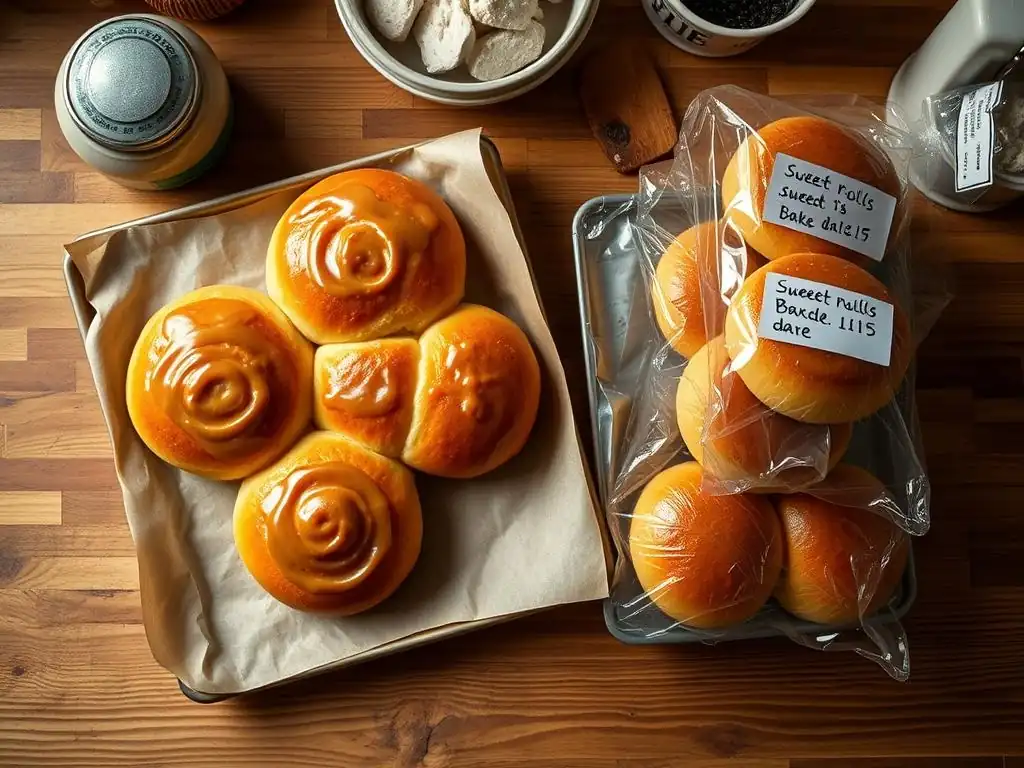
Thawing Frozen Unbaked Sweet Rolls: Overnight in the Refrigerator
Thawing frozen unbaked sweet rolls requires patience and planning, but it's crucial for achieving a proper final rise and bake. The best method is a slow thaw in the refrigerator. Transfer the wrapped, frozen rolls from the freezer to the refrigerator the night before you plan to bake them.
Allow the rolls to thaw slowly overnight, typically 8-12 hours. Once thawed, unwrap them and place them on a parchment-lined baking sheet, spaced appropriately for their final rise (they will expand significantly). Cover them loosely with plastic wrap or a clean kitchen towel and let them proof at room temperature for 1-2 hours, or until they are noticeably puffy and doubled in size. This slow thawing and proofing allows the yeast to reactivate gently and the dough to regain its optimal texture before baking.
Baking Frozen Unbaked Sweet Rolls: Adding Baking Time
After thawing and proofing at room temperature until doubled in size, frozen unbaked sweet rolls are ready to bake. Follow your recipe's baking instructions regarding oven temperature, but be prepared to add some extra baking time. Because the dough started from a frozen state, it will likely take longer to bake through and achieve that perfect golden brown color and cooked interior.
A general guideline is to add 5-10 minutes to the original baking time. For example, if the recipe calls for baking at 375°F (190°C) for 20-25 minutes, you might need to bake them for 25-35 minutes. Keep a close eye on them towards the end of the baking time. They should be golden brown on top and the internal temperature in the center of a roll should register around 190-200°F (88-93°C) when tested with an instant-read thermometer.
Thawing Frozen Baked Sweet Rolls: Countertop or Refrigerator
Thawing frozen baked sweet rolls is much quicker and simpler than thawing unbaked ones. You have a couple of options depending on how much time you have. The easiest method is to simply leave the wrapped, frozen rolls on the kitchen counter at room temperature.
Smaller rolls might thaw in just 1-2 hours, while larger ones could take 2-4 hours. Alternatively, you can thaw them in the refrigerator overnight, which is a good option if you're not in a hurry or want to ensure they remain chilled until ready to reheat. Always make sure the rolls are fully thawed before attempting to reheat them for the best texture.
Reheating Frozen Baked Sweet Rolls: Oven or Microwave Methods
Once thawed, baked sweet rolls can be reheated to restore their warm, soft texture. The oven is generally considered the best method for achieving results closest to fresh-baked. Preheat your oven to a moderate temperature, usually around 300-325°F (150-160°C). Place the thawed rolls on a baking sheet (you can cover them loosely with foil to prevent drying) and heat for 10-15 minutes, or until warmed through. This gentle heat warms the rolls evenly without drying them out.
For a quicker option, especially for just one or two rolls, the microwave can be used. Place the roll on a microwave-safe plate and heat on medium power for 30-60 seconds, depending on the size and your microwave's wattage. Be cautious not to overheat, as this can make the rolls tough or gummy. While faster, the microwave won't give you the same crisp exterior or even heat distribution as the oven, but it's a convenient way to enjoy a warm sweet roll in a hurry after you freeze sweet rolls for later.
Tips and Tricks for Freezing Sweet Rolls Successfully
Preventing Freezer Burn: Air is the Enemy
Freezer burn is the nemesis of frozen baked goods, resulting in dry, tough spots and off-flavors. It happens when air comes into contact with the food's surface, causing moisture to evaporate. The absolute best way to prevent freezer burn when you freeze sweet rolls for later is to eliminate as much air as possible from the packaging.
This is why airtight wrapping is paramount. Using heavy-duty freezer bags, vacuum-seal bags (if you have a machine), or carefully double-wrapping with plastic wrap and then foil or a freezer bag are highly effective strategies. Press out all excess air from bags before sealing. Ensure containers have tight-fitting lids. Storing items compactly in the freezer can also help minimize air pockets around the food.
Labeling and Dating: Maximize Freshness
It's easy to forget when you froze a batch of sweet rolls, and while they might be safe to eat for a very long time, their quality does degrade over time. To ensure you're enjoying your frozen sweet rolls at their best, always label and date the packaging clearly.
Use a permanent marker to write the contents (e.g., "Cinnamon Rolls"), the date they were frozen, and possibly whether they are baked or unbaked. Store them in a way that allows you to easily see the labels. Aim to use frozen sweet rolls within 2-3 months for optimal taste and texture. Rotating your freezer stock (using older items first) is a good practice that labeling facilitates.
Troubleshooting Common Freezing Issues: Adjusting Thawing Times
Sometimes, despite best efforts, you might encounter issues when working with frozen sweet rolls. If your unbaked rolls aren't rising properly after thawing in the fridge overnight, they might be too cold or the yeast might be sluggish. Try letting them proof at room temperature in a slightly warmer spot (like a turned-off oven with the light on) for longer than expected. If they still don't rise, the yeast may have been damaged during freezing or thawing – unfortunately, there's little to be done at that point other than baking them anyway (they'll be dense).
If baked rolls seem dry after reheating, they might have suffered from freezer burn due to improper wrapping, or they were reheated too quickly or at too high a temperature. Ensure future batches are wrapped airtight. When reheating, cover them loosely with foil and use a lower oven temperature. If a thawed baked roll feels slightly dry, a very quick zap in the microwave (10-20 seconds) might help soften it just before serving. Learning to freeze sweet rolls for later involves a little trial and error, but these tips should help you avoid common pitfalls.
Sweet Roll Freezing FAQs: Addressing Common Concerns
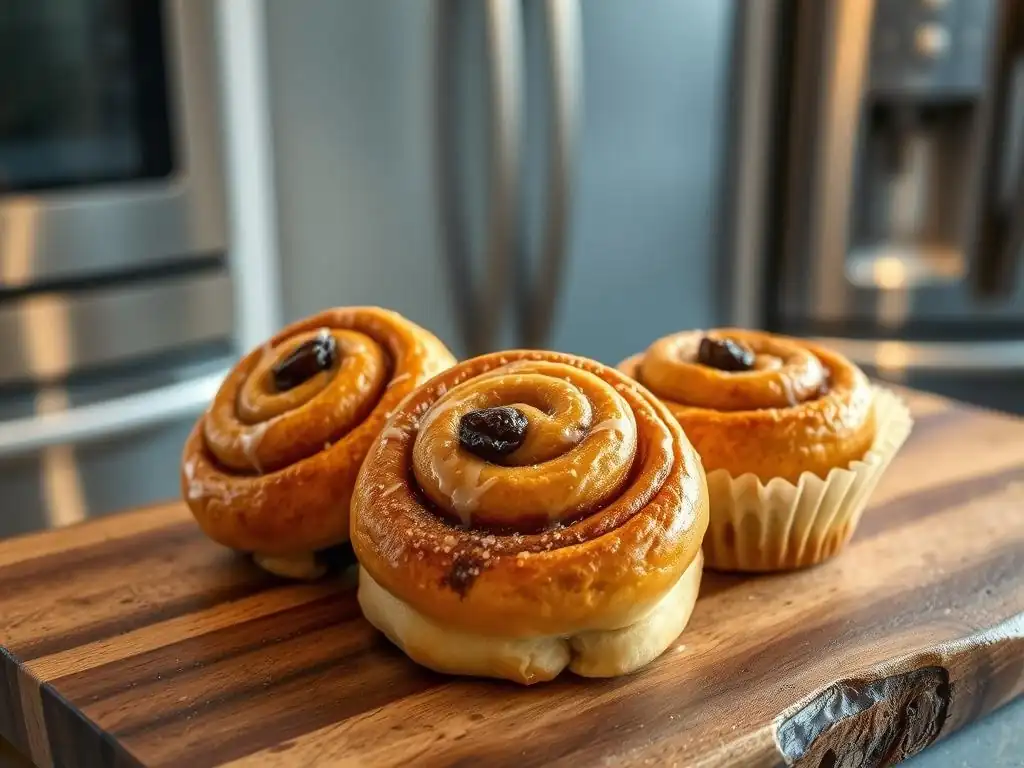
How Long Can You Freeze Sweet Rolls? (Up to 3 Months)
Properly wrapped sweet rolls, whether baked or unbaked, can maintain good quality in a standard home freezer for approximately 2-3 months. While they might remain safe to eat beyond this timeframe, their texture and flavor can start to deteriorate, potentially becoming dry or developing off-flavors.
For the best possible results, aim to consume your frozen sweet rolls within this 3-month window. Ensuring your freezer maintains a consistent temperature of 0°F (-18°C) or below is also key to preserving quality for the maximum duration. Labeling and dating your packages, as mentioned earlier, is essential for keeping track of their freezer life.
Can You Freeze Sweet Rolls with Cream Cheese Frosting? (Yes, but Texture May Change)
Yes, you can freeze sweet rolls that have already been frosted with cream cheese frosting, but be aware that the texture of the frosting may change upon thawing. Cream cheese frostings often contain a high percentage of fat and moisture, which can sometimes cause separation or a slightly grainy texture after being frozen and thawed.
To minimize potential issues, ensure the frosting is firm before wrapping. Wrap the frosted rolls very carefully to avoid smudging the frosting, perhaps flash-freezing them first uncovered until the frosting is solid, then wrapping tightly. Thaw frosted rolls slowly in the refrigerator. If the frosting's texture is affected, a quick whisk might help, or you can simply embrace the slightly altered consistency. For guaranteed best results, freezing the rolls unfrosted and making fresh frosting is the preferred method when you freeze sweet rolls for later.
What's the Best Way to Reheat Frozen Baked Sweet Rolls? (Oven for Best Results)
For achieving a texture and warmth most similar to a freshly baked sweet roll, reheating in the oven is the best method. Preheat your oven to a moderate temperature, typically 300-325°F (150-160°C).
Place the thawed sweet rolls on a baking sheet, possibly covered loosely with foil to prevent the tops from drying out or over-browning. Heat for 10-20 minutes, depending on the size and number of rolls, until they are warmed through to the center. This gentle, indirect heat restores the soft interior and slightly crisp exterior that makes sweet rolls so appealing. While the microwave is faster, the oven provides a superior reheating experience for frozen baked sweet rolls.
Sweet Roll Recipes Perfect for Freezing
Classic Cinnamon Rolls with Vanilla Glaze
This timeless favorite is an excellent candidate for freezing. The enriched dough, typically made with butter, milk, and eggs, freezes beautifully whether baked or unbaked. The cinnamon-sugar filling holds up well to freezing.
- Ingredients often include: Flour, sugar, yeast, milk, butter, eggs, brown sugar, cinnamon.
- Why they freeze well: The high butter and sugar content in the dough keeps it moist and tender during freezing.
- Freezing Tip: For freezing unbaked rolls, make sure the cinnamon-sugar filling is packed tightly to prevent gaps. When freezing baked rolls, freeze before glazing; make the simple vanilla glaze fresh while the rolls reheat.
Orange Cardamom Sweet Rolls with Cream Cheese Frosting
Adding citrus zest and warm spices like cardamom creates a fragrant variation. This dough is usually quite rich, making it suitable for freezing.
- Ingredients often include: Flour, yeast, milk, butter, sugar, eggs, orange zest, cardamom, cream cheese, powdered sugar.
- Why they freeze well: Similar to classic cinnamon rolls, the enriched dough is forgiving in the freezer. The strong flavors of orange and cardamom are well-preserved.
- Freezing Tip: As discussed, it's best to freeze these baked rolls without the cream cheese frosting. Prepare the frosting fresh when you're ready to serve the thawed and reheated rolls for the best texture and flavor of the topping.
Chocolate Hazelnut Swirl Buns
Using a chocolate or hazelnut spread as a filling adds a different dimension and often works well with enriched doughs.
- Ingredients often include: Flour, yeast, milk, sugar, butter, eggs, chocolate-hazelnut spread (like Nutella) or cocoa powder/sugar mix.
- Why they freeze well: The enriched dough base is key. If using a spread, its high fat content also helps prevent the filling from becoming icy.
- Freezing Tip: If using a spread, ensure it's evenly distributed and the rolls are tightly rolled to prevent the filling from leaking during freezing or baking. These are delicious frozen unbaked and then baked fresh, or frozen baked and gently reheated.
Conclusion: Enjoying Fresh Sweet Rolls Anytime
Embrace the Convenience of Freezing Sweet Rolls
Learning how to freeze sweet rolls for later is a skill that truly enhances your baking repertoire and makes enjoying homemade treats more accessible than ever before. Whether you're stocking up for busy mornings, planning for holiday guests, or simply want to have a delicious indulgence ready at a moment's notice, freezing offers unparalleled convenience. By taking a little time upfront, you ensure that the comforting aroma and delightful taste of warm, fresh sweet rolls are never more than a thaw and bake (or reheat) away.
Don't let a busy schedule prevent you from enjoying the simple pleasure of a homemade sweet roll. Embrace the make-ahead strategy, choose your favorite recipe, and follow the steps for freezing and thawing like a pro. You'll be rewarded with delicious results and the satisfaction of knowing you can pull off a "fresh-baked" experience even on your most hectic days.
We love hearing how you make baking work for your busy life! Have you successfully frozen a batch of sweet rolls? Do you have a favorite recipe that freezes particularly well, or a clever tip for thawing or reheating? Share your experiences with us! Your success stories and tips can inspire other bakers in our community who are looking to master the art of make-ahead sweet rolls and discover the joy of being able to freeze sweet rolls for later enjoyment. Happy freezing and happy baking!
Frequently Asked Questions
How long can I freeze sweet rolls before baking them?
You can usually freeze sweet rolls for up to 3 months for optimal quality. Make sure to wrap them well to prevent freezer burn.
What's the best way to thaw frozen sweet rolls before baking?
The best method is to thaw them in the refrigerator overnight. This allows for a slow and even thaw, crucial for proper proofing before baking.
Can I freeze sweet rolls after they've already been baked?
Yes, you can. Allow them to cool completely first. Then, wrap them tightly and freeze. Thaw and reheat gently in the oven.
Does freezing affect the texture of the sweet rolls after baking?
Freezing can slightly alter the texture, potentially making them a bit drier. However, proper wrapping and thawing minimizes this. Using a rich dough also helps.
What's the most important tip for successfully freezing sweet rolls for later?
The most important tip is to prevent freezer burn. Use airtight containers or double-wrap the rolls in plastic wrap and then foil.
Final Reflection: The Sweet Symphony of Prepared Baking
The ability to bake ahead and freeze sweet rolls offers more than just convenience; it's a powerful tool for reclaiming precious time and enhancing the joy of baking. In a world increasingly dominated by busy schedules and demanding routines, the simple act of preparing sweet treats in advance and enjoying them later becomes a small rebellion against the tyranny of the urgent. This isn't just about saving time; it's about savoring moments of peace and deliciousness when you need them most.
The impact of this simple strategy extends beyond the individual kitchen. It allows for the sharing of homemade goodness without the pressure of last-minute baking. The aroma of freshly baked rolls, even if they've spent time in the freezer, can transform a mundane day into something special. It's a gesture of care, a small act of love made easier by the foresight of preparation. Baking is at once childlike and adult; it’s a form of play and a means of survival.
- This quote perfectly encapsulates the dual nature of baking, and freezing sweet rolls allows us to embrace both aspects without the stress.
Now, I invite you to consider your own baking habits. Think about the moments you long for a little sweetness, a touch of homemade comfort. Imagine the ease of reaching into your freezer, knowing that a warm, delicious treat awaits, ready to be enjoyed without the fuss. This isn't just about sweet rolls; it's about reclaiming control over your time and enriching your life with the simple pleasures of baking. Embrace the power of preparation, and let the sweet symphony of pre-baked goodness fill your days with joy.
Unleash Your Inner Baker: Master the Art of Frozen Sweet Rolls!
Thanks for taking the time to explore the world of bake-ahead sweet rolls! You've now unlocked the secret to effortlessly delicious treats, even on your busiest days. Ready to put your new skills to the test?
- Bake a batch this weekend: Follow your favorite recipe (or try one of ours!) and freeze those sweet rolls for future mornings. This is your primary goal – less stress, more deliciousness!
- Share your creations: Post a picture of your frozen sweet roll masterpieces on social media and tag us! Let's inspire each other!
- Experiment with fillings and frostings: This week, try a new twist on a classic recipe. What exciting flavor combinations can you create?
What unique filling will you be experimenting with next? Let us know in the comments below!