
Foolproof Techniques for Adding Warmth with Ginger and Citrus Peel

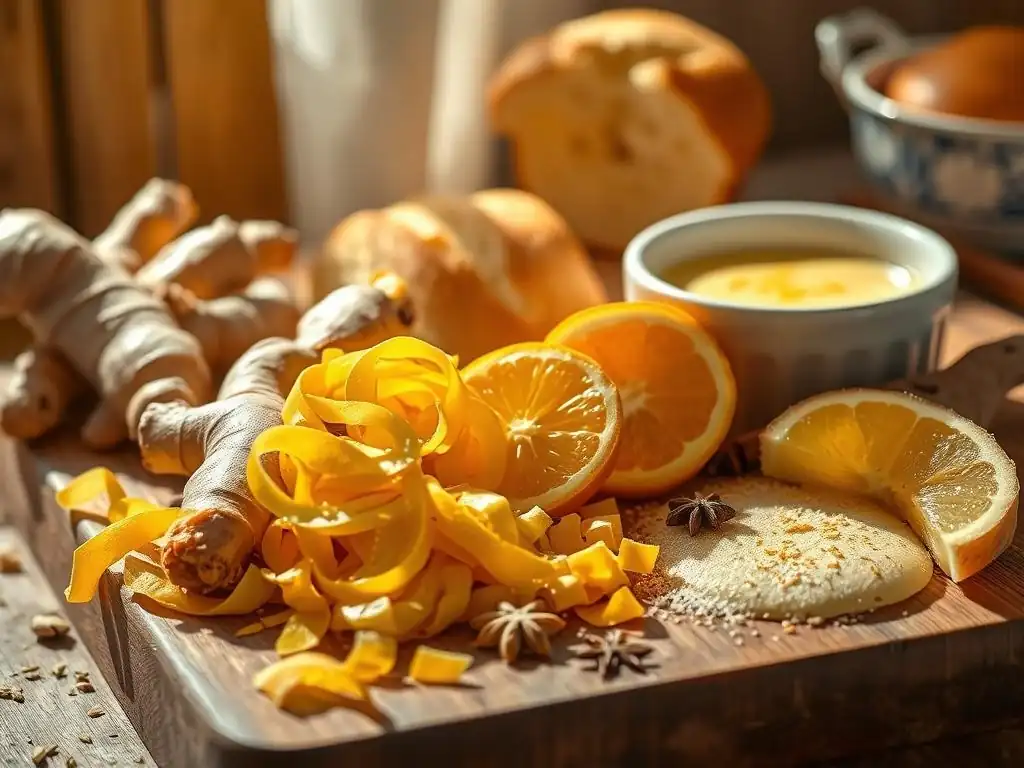
Welcome to BakeWithEase, your trusted companion in the delightful world of baking! Ever wondered how to infuse your creations with the perfect balance of warmth and zest? This season, we're diving deep into the aromatic magic of ginger citrus peel baking tips. Unlock foolproof techniques that will elevate your pastries, breads, and more – are you ready to discover the secrets to creating unforgettable flavors?
- Elevate Your Winter Baking with Ginger and Citrus Peel
- Mastering Winter Baking with Ginger & Citrus
- Infusing Warmth: Ginger Citrus Peel Baking Tips
- Preparing Ginger and Citrus Peel: The Foundation of Flavor
- Ginger Citrus Peel Combinations: Flavor Profiles
- Techniques for Incorporating Ginger and Citrus Peel into Baking
- Troubleshooting Ginger Citrus Peel Baking: Avoiding Common Mistakes
- Winter Baking Recipes Elevated with Ginger and Citrus Peel
- Beyond the Basics: Advanced Ginger Citrus Peel Baking Techniques
- Embrace the Warmth: Ginger and Citrus Peel Baking
-
Frequently Asked Questions
- What are some basic ways to incorporate ginger and citrus peel into my baked goods?
- How can I prevent citrus peel from becoming bitter in my baked goods?
- What types of baked goods are best suited for ginger and citrus peel?
- What are some tips for ensuring even distribution of ginger and citrus peel in my batter?
- Can I use dried ginger or citrus peel if I don't have fresh?
- Final Reflection: The Enduring Allure of Ginger and Citrus
- Ignite Your Senses: Discover the Flavor Magic of Ginger & Citrus
Elevate Your Winter Baking with Ginger and Citrus Peel
Mastering Winter Baking with Ginger & Citrus
As the temperatures drop and the days grow shorter, our kitchens become havens of warmth and inviting aromas. Winter baking offers a unique opportunity to play with rich, comforting flavors that evoke coziness and cheer. Among the most beloved ingredients for this season are ginger and citrus peel. These two powerhouses, when combined, create a magical synergy that can transform simple baked goods into festive masterpieces. Understanding how to properly select, prepare, and incorporate them is key to unlocking their full potential and mastering delightful ginger citrus peel baking tips for your seasonal treats.
Adding ginger and citrus peel to your baking repertoire isn't just about flavor; it's about crafting an experience. The pungent warmth of ginger perfectly complements the bright, zesty notes of citrus, creating a balance that is both invigorating and comforting. Whether you're a seasoned baker or just starting out, exploring these ingredients will open up a world of possibilities for your winter creations, from spicy gingerbread to fragrant citrus cakes. Let's dive into the foolproof techniques that will help you add incredible warmth and brightness to your baked goods using ginger and citrus peel.
Infusing Warmth: Ginger Citrus Peel Baking Tips
Harnessing the full flavor potential of ginger and citrus peel requires more than just tossing them into your batter. It involves understanding their unique characteristics and employing specific techniques to ensure their aromas and tastes are evenly distributed and optimally expressed. From selecting the freshest ingredients to mastering the art of zesting and candying, each step contributes to the final flavor profile of your baked goods. These essential ginger citrus peel baking tips are designed to guide you towards achieving baking perfection every time.
Achieving that perfect balance of warmth and zest is the goal. Too much ginger can be overpowering, while insufficient citrus peel might leave your bake feeling flat. The interaction between these two ingredients is dynamic; heat can intensify ginger's spice and mellow citrus's acidity. Learning how different forms of ginger (fresh vs. ground) and citrus peel (zest, candied, dried) behave under heat is crucial. This section will delve into the core principles of infusing warmth and brightness effectively, providing practical ginger citrus peel baking tips you can implement immediately.
Elevate Your Baking with Aromatic Ginger and Citrus
The aroma of ginger and citrus peel baking is undeniably evocative, instantly transporting you to cozy winter scenes. This powerful sensory experience is due to the volatile oils contained within these ingredients. In fresh ginger, these oils are concentrated, providing a pungent, slightly peppery heat. Citrus peel, particularly the colorful zest, is packed with aromatic compounds like limonene (in lemons and oranges) and pinene (in grapefruits), which release bright, fragrant notes when disturbed.
Incorporating these aromatics correctly is paramount. For instance, warming citrus zest gently in melted butter or oil before adding it to a batter helps release its full fragrance. Similarly, blooming ground ginger in a warm liquid can enhance its spice profile.
Consider a standard gingerbread recipe: using 2 teaspoons of ground ginger might provide a pleasant warmth, but combining it with 1 tablespoon of finely grated fresh ginger adds layers of complexity and a more vibrant, pungent kick that ground spice alone can't deliver. This layering of different forms is a key ginger citrus peel baking tip for deeper flavor.
Understanding the Flavor Dynamics of Ginger and Citrus Peel
The flavor profile of ginger is complex, encompassing spiciness, warmth, and subtle earthy or even slightly sweet undertones depending on its form and age. Fresh ginger is more vibrant and pungent, while ground ginger offers a more consistent, concentrated heat. Citrus peel provides brightness, acidity, and specific fruit notes – lemons are tart and floral, oranges are sweet and fragrant, grapefruits are slightly bitter and tangy.
When combined in baking, ginger and citrus peel create a fascinating interplay. The acidity of citrus can temper ginger's heat, while ginger's warmth can balance citrus's tartness. Think of a lemon-ginger scone: the lemon cuts through the richness of the butter and the warmth of the ginger, creating a balanced bite.
In a spiced orange cake, the sweetness of the orange peel enhances the inherent sweetness of the cake while the ginger provides a counterpoint of warmth. Mastering ginger citrus peel baking tips involves experimenting with ratios; a common starting point might be a 2:1 ratio of citrus zest to ground ginger, adjusting based on desired intensity and specific citrus fruit used. For example, 1 tablespoon of orange zest might pair well with 1/2 tablespoon of ground ginger in a cake batter serving 8-10 people.
Preparing Ginger and Citrus Peel: The Foundation of Flavor
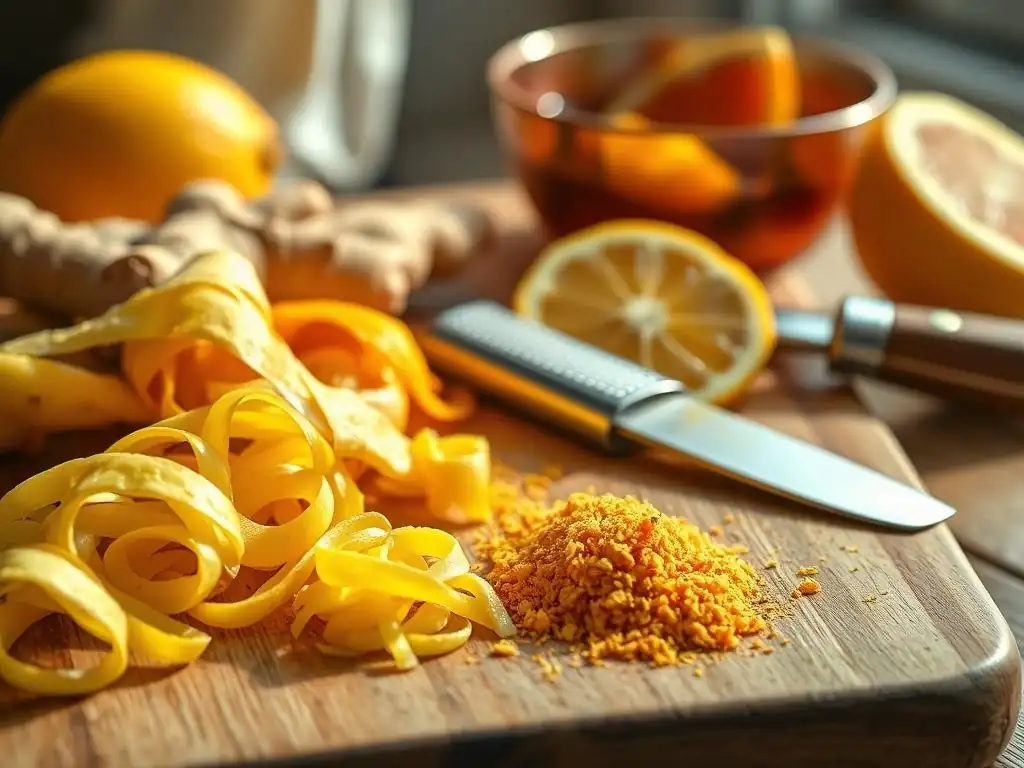
The quality and preparation of your ginger and citrus peel are fundamental to the success of your baked goods. Whether you're using fresh, ground, zested, or candied forms, proper handling ensures maximum flavor extraction and integration. This section lays out the essential steps and considerations for getting these ingredients ready for your baking projects, offering practical ginger citrus peel baking tips for preparation.
From selecting the best produce to executing precise techniques like zesting or candying, each preparation method yields a different flavor profile and texture contribution to your final product. A dull grater can bruise citrus zest, leading to bitterness, while improperly peeled ginger might leave behind tough fibers. Paying attention to these details is crucial for achieving optimal results when applying your ginger citrus peel baking tips.
Selecting Ginger for Baking: Fresh vs. Ground
Choosing between fresh and ground ginger depends on the desired outcome and convenience. Fresh ginger, typically found in the produce section, offers a vibrant, pungent, and slightly more complex flavor with a noticeable spicy kick. It contains moisture and enzymes that react differently during baking compared to its dried counterpart. Look for firm, smooth-skinned rhizomes with no soft spots or mold. A typical yield is about 1 tablespoon of finely grated fresh ginger per 1-inch piece.
Ground ginger, found in the spice aisle, is dehydrated and powdered ginger root. It provides a consistent, concentrated heat and is easier to measure and incorporate evenly into dry ingredients. However, it lacks some of the nuanced aroma and bright notes of fresh ginger.
As a general guideline, 1 teaspoon of ground ginger is roughly equivalent in heat to 1 tablespoon of freshly grated ginger, but the flavor profile will differ significantly. Using ground ginger is often preferred for recipes where a smooth texture is key, like cookies or spice blends, while fresh ginger shines in cakes, loaves, or fillings where its texture is less critical. For many ginger citrus peel baking tips, using a combination offers the best of both worlds.
Mastering Citrus Peel Preparation: Zesting, Peeling, and Candying
Preparing citrus peel correctly is vital for maximizing flavor and avoiding bitterness. The most potent part of the peel is the colorful zest, which contains the aromatic oils, not the bitter white pith underneath. To zest, use a microplane grater, fine grater, or zester tool, carefully removing only the colored part. One medium lemon yields about 1 tablespoon of zest, while a medium orange yields roughly 2-3 tablespoons. Always wash citrus thoroughly before zesting, even if it's organic.
Peeling involves removing both the zest and the pith, often in larger pieces or segments. This is typically done with a knife or peeler. While pith is generally avoided in baking due to its bitterness, it's essential for making candied citrus peel. Candying involves simmering citrus peel (often with some pith attached) in sugar syrup until it's soft and translucent.
This process transforms the bitter peel into a sweet, chewy, and intensely flavored ingredient perfect for fruitcakes, panettone, or decorating. Drying citrus peel involves letting strips or pieces air dry or using a low oven; this preserves the flavor for later use, though the aroma is less intense than fresh zest. These varying preparations offer distinct ginger citrus peel baking tips for different applications.
Zesting Citrus for Intense Flavor: Techniques
Achieving maximum flavor from citrus zest relies on releasing the volatile oils without incorporating the bitter pith. The microplane grater is arguably the best tool for this, yielding fine, fluffy zest that disperses easily in batters and doughs. Hold the fruit in one hand and the grater in the other, and lightly drag the fruit across the grater holes, rotating the fruit as you go to remove only the colored part. Stop as soon as you see the white pith appear.
Another technique is using a channel knife or zester to create long, thin strips of zest. These strips are excellent for infusing liquids (like milk for custards or simple syrups for glazes) as they are easy to remove later. For recipes requiring larger pieces, like some fruitcakes, a sharp paring knife can be used to carefully peel off the zest and then scrape away any excess pith. Regardless of the tool, gentle pressure is key to keeping the zest flavorful and pith-free, a fundamental ginger citrus peel baking tip.
Candied Citrus Peel: A Versatile Baking Ingredient
Candied citrus peel is a wonderful way to use orange, lemon, or grapefruit peels, transforming them into a sweet, chewy, and fragrant addition to baked goods. It requires a bit of time but is relatively simple. Start by removing the peel (with some pith) from thick-skinned citrus. Cut the peel into strips or dice it. Blanch the peel multiple times (boiling in fresh water for 10-15 minutes, draining, and repeating 2-3 times) to soften it and remove some bitterness.
After blanching, simmer the peel in a sugar syrup (equal parts sugar and water, or slightly more water) until the peel is tender and translucent, typically 45-60 minutes. Drain the peel and toss it in granulated sugar. Once cooled, candied peel can be stored in an airtight container for several weeks and used in fruitcakes, scones, muffins, or as a garnish. A batch starting with peels from 3-4 oranges might yield about 1 to 1.5 cups of finished candied peel. This preparation offers a unique texture and concentrated sweetness alongside ginger in baking.
Drying Citrus Peel: Preserving Aromas
Drying citrus peel is a simple method to preserve its flavor for future use, although the resulting aroma is less vibrant than fresh zest. To dry, remove the zest from citrus using a peeler, avoiding the pith. Lay the zest in a single layer on a baking sheet or plate and leave it in a warm, dry place for several days until brittle. Alternatively, you can dry it in a very low oven (around 200°F or 90°C) for 1-2 hours, checking frequently.
Once completely dry, the peel can be stored whole in an airtight container or ground into a powder using a spice grinder or mortar and pestle. Dried citrus peel powder can be added to spice blends, rubs, or directly into doughs and batters. While it provides a less intense citrus note than fresh zest, it offers a convenient way to add flavor when fresh fruit isn't available.
About 1 teaspoon of dried citrus powder is roughly equivalent to the zest of one medium fruit, though the flavor profile will be different. This method provides a shelf-stable option among ginger citrus peel baking tips.
Ginger Citrus Peel Combinations: Flavor Profiles
The magic of ginger and citrus peel truly shines when they are combined. Their distinct flavor profiles complement and enhance each other, creating a harmonious blend that is perfect for winter baking. Exploring different combinations of ginger (fresh, ground) and various citrus fruits (orange, lemon, grapefruit, lime) can lead to a wide range of delicious outcomes, each with its own unique character.
Understanding how different citrus fruits pair with ginger is key to developing successful recipes. A sweet orange might soften ginger's heat, while a tart lemon will accentuate its brightness. The specific form of ginger used also impacts the pairing; fresh ginger's sharp bite might stand up better to a robust grapefruit, while ground ginger's smooth warmth could be ideal with a delicate mandarin orange. These insights are crucial for applying ginger citrus peel baking tips effectively.
Classic Ginger Citrus Combinations for Winter Treats
Certain ginger and citrus pairings have become classics in winter baking for good reason – they simply work beautifully together. Ginger and orange is perhaps the most traditional duo, offering a balance of warmth and sweet fragrance. This combination is fantastic in cakes, muffins, and cookies. Consider a spiced orange loaf where the sweetness of orange zest and juice mellows the kick of ground ginger, creating a comforting, fragrant bake.
Another beloved pairing is ginger and lemon. The bright, zesty acidity of lemon cuts through ginger's warmth, resulting in a lively and refreshing flavor profile. Lemon ginger shortbread cookies or a lemon ginger drizzle cake are excellent examples. The sharpness of the lemon zest and juice provides a vibrant counterpoint to the spicy ginger, making the flavors pop. These classic pairings are foundational ginger citrus peel baking tips for creating crowd-pleasing treats.
Exploring Unique Ginger Citrus Flavor Pairings
While the classics are wonderful, don't be afraid to venture into less common ginger citrus combinations. Ginger pairs surprisingly well with grapefruit, offering a sophisticated balance of bitter, tangy, and spicy notes. A grapefruit ginger tart or grapefruit ginger marmalade used in a cake filling provides a more complex and adult flavor profile.
Lime and ginger also make a vibrant team, bringing a tropical twist to winter baking. Lime's sharp, slightly floral notes complement ginger's warmth in a refreshing way. Think of a lime ginger loaf cake with a tangy lime glaze or lime ginger energy balls. These less conventional pairings can add an exciting dimension to your baking and offer creative ginger citrus peel baking tips for those looking to innovate.
Gingerbread Loaf with Orange Zest
This classic loaf perfectly embodies the warmth of ginger and the brightness of orange. A typical recipe for a 9x5 inch loaf pan might call for 1.5 cups all-purpose flour, 1 teaspoon ground ginger, 1/2 teaspoon ground cinnamon, 1/4 teaspoon ground cloves, 1/4 teaspoon ground nutmeg, 1/2 teaspoon baking soda, and 1/4 teaspoon salt. Wet ingredients usually include 1/2 cup unsalted butter (softened), 1/2 cup granulated sugar, 1/2 cup packed brown sugar, 2 large eggs, 1/2 cup molasses, 1/2 cup buttermilk, and the zest of one large orange (about 2-3 tablespoons).
The dry ingredients are whisked together. In a separate bowl, the butter and sugars are creamed until light and fluffy. Eggs are added one at a time, followed by the molasses and buttermilk. The orange zest is often added with the wet ingredients to help release its oils. Dry ingredients are then gradually added to the wet, mixed until just combined. Baking at around 350°F (175°C) for 50-60 minutes yields a moist, fragrant loaf. The orange zest provides pockets of bright flavor that punctuate the deep, spicy notes of the gingerbread.
Shortbread's simple structure makes it an ideal canvas for showcasing flavor, and the lemon ginger combination is spectacular here. A standard recipe might use 1 cup unsalted butter (softened), 1/2 cup granulated sugar, 2 cups all-purpose flour, the zest of one large lemon (about 1 tablespoon), and 1-2 teaspoons of finely grated fresh ginger (or 1/2 - 1 teaspoon ground ginger). The butter and sugar are creamed until light. The flour, lemon zest, and ginger are then added and mixed until a cohesive dough forms.
The dough is typically shaped into a log, chilled for at least 30 minutes (often longer, up to 2 days, for better texture), sliced into rounds (about 1/4 inch thick), and baked at 325°F (160°C) for 15-20 minutes, or until the edges are lightly golden. The low baking temperature ensures a tender, crumbly texture. The lemon zest's bright aroma is prominent, while the ginger provides a subtle, warming heat that builds with each bite. Using fresh ginger adds tiny bursts of spice throughout the cookie.
Techniques for Incorporating Ginger and Citrus Peel into Baking
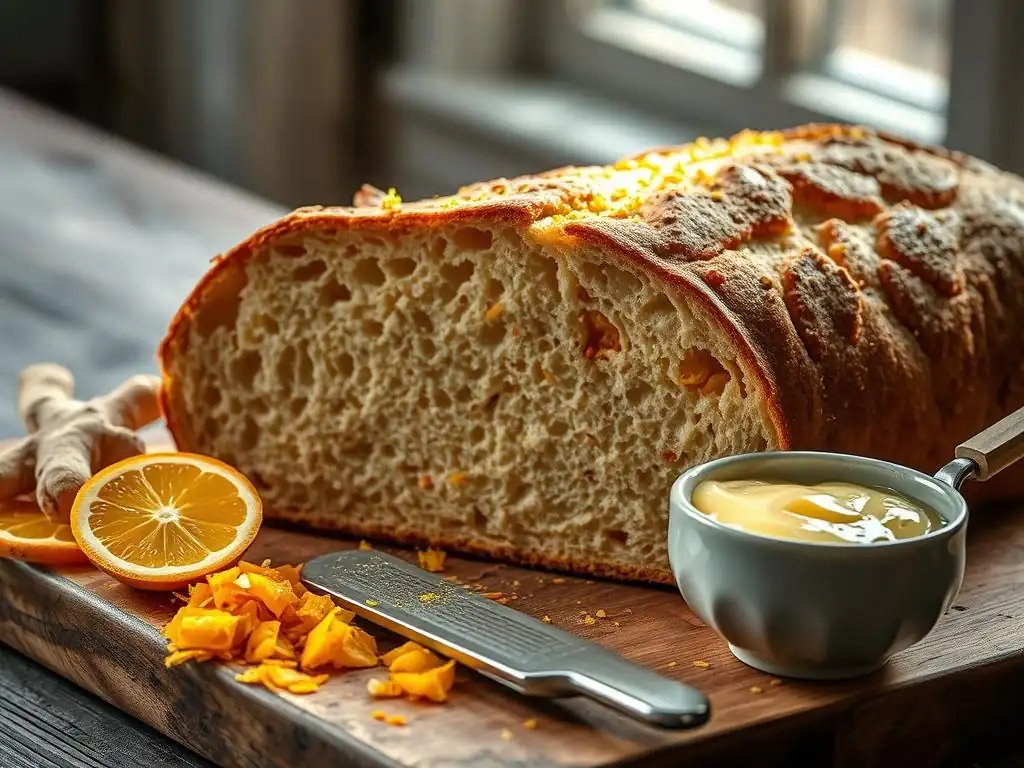
Successfully incorporating ginger and citrus peel into your baked goods goes beyond just adding them to the mix. Different forms require different techniques to ensure even distribution and optimal flavor release. Whether you're working with doughs, fillings, or glazes, understanding these methods is crucial for maximizing the impact of your ginger and citrus, providing essential ginger citrus peel baking tips for various applications.
The goal is to integrate the flavors seamlessly throughout the bake, or in some cases, to create concentrated bursts of flavor. For instance, citrus zest contains oils that can be extracted into fats or liquids, while ground ginger needs moisture to bloom and release its full potential. Candied peel offers both flavor and texture. Tailoring your incorporation method to the specific ingredient form and recipe type is key to achieving delicious results.
Adding Ginger and Citrus Peel to Doughs: Achieving Even Distribution
Incorporating ginger and citrus peel into doughs, especially dense ones like cookie or scone dough, requires careful technique to ensure the flavor is evenly distributed. Finely grated fresh ginger or ground ginger and finely zested citrus peel are best for this. When adding to a wet dough (like cake batter), they can often be added with the wet ingredients, allowing the oils to disperse.
For drier doughs (like cookies or shortbread), it's often beneficial to rub the citrus zest into the sugar before creaming it with butter. This helps release the citrus oils and infuse the sugar, ensuring the flavor is spread throughout the dough. Ground ginger is typically whisked with the dry ingredients to prevent clumps.
Fresh grated ginger can be added with the wet ingredients or mixed in towards the end of the dough-making process. Aim for uniform mixing without overworking the dough. For example, when making a batch of ginger citrus cookies yielding 2-3 dozen, ensure the zest and ginger are evenly distributed before adding the flour.
Using Ginger and Citrus Peel in Fillings: Creating Bursting Flavors
Ginger and citrus peel can add incredible depth and brightness to baking fillings, such as fruit pies, tarts, or pastry creams. In fruit fillings, citrus zest and juice help balance the sweetness of the fruit and provide acidity that brightens the overall flavor. Adding 1-2 tablespoons of orange or lemon juice and 1-2 teaspoons of zest to an apple or pear pie filling (for a standard 9-inch pie) can significantly elevate its taste.
Freshly grated ginger is excellent in fruit fillings, especially with apples, pears, or cranberries. Its pungent heat holds up well against the fruit and sugar. For example, adding 1-2 tablespoons of fresh grated ginger to a cranberry pie filling (using about 4 cups of cranberries) provides a spicy counterpoint to the berries' tartness. Candied ginger or candied citrus peel can also be folded into fillings towards the end, adding chewy texture and bursts of concentrated flavor. These methods offer specific ginger citrus peel baking tips for enriching fillings.
Incorporating Ginger and Citrus Peel into Glazes and Frostings: A Finishing Touch
Adding ginger and citrus peel to glazes and frostings is a simple way to inject vibrant flavor and aroma as a finishing touch. Citrus zest is particularly effective in glazes made from powdered sugar and liquid. Simply whisking 1-2 teaspoons of finely zested lemon or orange peel into a simple glaze (made with 1 cup powdered sugar and 2-3 tablespoons liquid like citrus juice or milk) adds noticeable brightness and visible flecks of color.
For frostings, such as buttercream or cream cheese frosting, citrus zest can be beaten in towards the end of mixing. Start with 1-2 tablespoons of zest per standard batch (using 1 cup butter), tasting and adding more if desired. Fresh grated ginger can also be used in frostings, though it might introduce a slight texture.
For a smooth finish, consider infusing the liquid used in the frosting (like milk or cream) with ginger slices and zest, then straining it before chilling and using. Alternatively, a small amount of high-quality ginger extract can be used alongside citrus zest for a smooth ginger flavor. These final touches are key ginger citrus peel baking tips for enhancing presentation and flavor.
Troubleshooting Ginger Citrus Peel Baking: Avoiding Common Mistakes
While baking with ginger and citrus peel is rewarding, it's easy to encounter pitfalls that can result in bitter flavors, overpowering spice, or uneven distribution. Knowing how to identify and prevent these common mistakes is essential for consistent success and ensures you get the most out of your ginger citrus peel baking tips.
Avoiding issues like bitterness from pith or a ginger flavor that's too strong requires attention to detail during preparation and mixing. Understanding the potency of different forms of ginger and citrus peel is key to finding the right balance in your recipes. Let's look at some common problems and how to solve them.
Preventing Bitter Citrus Peel: Balancing Flavors
Bitterness in citrus peel primarily comes from the white pith, the spongy layer between the zest and the fruit. When zesting, it's crucial to remove only the colorful outer layer where the aromatic oils reside. Using a fine microplane grater and a light hand helps prevent digging into the pith. If you're using a peeler, carefully scrape away any visible white pith from the back of the zest strips before using them.
In recipes like candied citrus peel, some pith is often included, but the blanching process (boiling and draining the peel multiple times) is specifically designed to leach out the bitter compounds. For standard baking, ensuring your zest is pith-free is the primary defense against bitterness. If a recipe calls for larger pieces of peel, like in a fruitcake, make sure to remove as much pith as possible before chopping. These are critical ginger citrus peel baking tips for achieving clean flavors.
Avoiding Overpowering Ginger Flavor: Finding the Right Balance
Ginger, especially fresh ginger and ground ginger, can be quite potent. Adding too much can easily dominate other flavors in your bake, leaving you with an unpleasantly spicy or medicinal taste. The key is to start conservatively and understand the intensity of the form you're using. Remember that ground ginger is more concentrated than fresh.
If a recipe seems heavily spiced, consider reducing the amount of ginger slightly on your first attempt. For example, if a cookie recipe calls for 2 teaspoons of ground ginger, you might start with 1.5 teaspoons. Tasting your dough or batter before baking (where safe, like cookie dough) can give you an indication of the flavor strength.
If using fresh ginger, its potency can vary depending on age; older ginger tends to be spicier. When in doubt, err on the side of less ginger, as you can often add more ginger flavor post-baking through a glaze or spice topping. Mastering this balance is a vital ginger citrus peel baking tip.
Ensuring Even Distribution: Tips and Tricks
Uneven distribution of ginger and citrus peel can lead to bites that are either bland or overwhelmingly flavored. For dry ingredients like ground ginger and citrus zest powder, whisking them thoroughly with the flour and other dry ingredients is essential before combining with wet ingredients. This pre-mixing helps disperse the fine particles evenly.
When using fresh grated ginger or finely zested citrus peel in wet batters, adding them with the liquid ingredients (like eggs, milk, or melted butter) can help distribute the oils and particles. For doughs, especially those that aren't liquid batters, incorporating the zest into the sugar first by rubbing them together with your fingertips is a highly effective method for releasing oils and ensuring even flavor throughout the fat and sugar base before flour is added.
Chopped candied ginger or peel should be tossed with a tablespoon of flour before adding to batters to prevent them from sinking to the bottom during baking. These distribution techniques are fundamental ginger citrus peel baking tips.
Winter Baking Recipes Elevated with Ginger and Citrus Peel

Now that we've covered the techniques and troubleshooting, let's explore some specific recipes where ginger and citrus peel truly shine. These examples demonstrate how these ingredients can transform classic winter bakes into something truly special, showcasing practical ginger citrus peel baking tips in action.
From comforting scones perfect for a chilly morning to elegant cakes and simple cookies, the possibilities are vast. These recipes are designed to highlight the beautiful synergy between ginger's warmth and citrus's brightness, offering delicious ways to incorporate these flavors into your seasonal baking repertoire.
Ginger Citrus Scones
Scones are a wonderful vehicle for showcasing flavors, and a ginger citrus combination makes them perfect for a winter brunch. A basic scone dough (flour, butter, sugar, baking powder, salt, liquid like buttermilk or cream) is enhanced by adding 1-2 teaspoons of ground ginger and the zest of one orange or lemon (about 1-2 tablespoons).
The dry ingredients are whisked together with the ground ginger and citrus zest. Cold butter is cut in until the mixture resembles coarse crumbs. Liquid is added to form a shaggy dough, which is then gently brought together, shaped, and cut.
Baking at a relatively high temperature (around 400°F or 200°C) for 15-20 minutes results in light, tender scones with pockets of citrus aroma and a subtle ginger warmth. A simple citrus glaze (powdered sugar mixed with citrus juice) can be drizzled over the warm scones for an extra layer of flavor, demonstrating effective ginger citrus peel baking tips for scones.
Candied Citrus Peel Bundt Cake
A Bundt cake provides a beautiful presentation, and incorporating candied citrus peel adds both flavor and delightful chewy texture. A rich cake batter (often based on butter, sugar, eggs, flour, and leavening) is the base. About 1/2 to 1 cup of chopped candied orange or lemon peel is folded into the batter, often after being tossed with a tablespoon of flour to prevent sinking.
The batter is poured into a greased and floured Bundt pan and baked according to the recipe, typically around 350°F (175°C) for 50-60 minutes. As the cake bakes, the candied peel softens and releases its fragrant, sweet-tart flavor into the surrounding cake crumb.
Once cooled, the cake can be finished with a simple dusting of powdered sugar or a glaze made with citrus juice, further enhancing the citrus notes alongside the cake's inherent sweetness and any additional spices like ginger that might be included in the batter. This recipe showcases the use of candied peel as a key ingredient in ginger citrus peel baking tips.
Simple drop cookies or cut-out cookies are ideal for incorporating both ground ginger and citrus zest. A standard cookie dough base (butter, sugar, eggs, flour, leavening) is flavored with 1-2 teaspoons of ground ginger, 1/2 teaspoon of ground cinnamon (optional, but complementary), and the zest of one orange or lemon (about 1-2 tablespoons).
The dry ingredients (flour, ginger, spices, leavening) are often whisked together. The butter and sugar are creamed, eggs are added, and then the dry ingredients are combined with the wet. The citrus zest can be added with the dry ingredients or rubbed into the sugar.
The dough is then scooped or rolled and cut and baked according to the recipe, typically at 350°F (175°C) for 8-12 minutes depending on size. The result is a cookie with a pleasant chew or snap, a warm ginger spice, and bright pockets of citrus flavor, providing a straightforward application of ginger citrus peel baking tips.
Beyond the Basics: Advanced Ginger Citrus Peel Baking Techniques
Once you've mastered the fundamental ginger citrus peel baking tips, you might want to explore more advanced techniques to extract and concentrate their flavors. Infusing oils, creating extracts, or incorporating candied elements into delicate preparations like meringues can take your baking to the next level.
These techniques allow for more nuanced flavor control and can add sophisticated touches to your baked goods. They require a bit more time and effort but the results can be truly spectacular, offering exciting ways to use ginger and citrus peel beyond simple mixing.
Infusing Oils and Sugars with Ginger and Citrus Peel
Infusing oils and sugars is an excellent way to capture the volatile aromas of ginger and citrus peel for later use, allowing their flavors to permeate fats or sweeteners. To make citrus-infused sugar, simply combine granulated sugar with fresh citrus zest (using the zest from 1-2 fruits per cup of sugar) in a jar. Seal the jar and let it sit for several days or weeks, shaking occasionally. The sugar crystals absorb the citrus oils, becoming fragrant. This sugar can then be used in recipes, adding both sweetness and citrus flavor.
For infused oil, gently warm a neutral oil (like vegetable or grapeseed oil) with fresh ginger slices and citrus zest strips (avoiding pith). Heat gently over low heat for about 15-20 minutes, then let it cool and steep for a few hours or overnight. Strain out the solids. This infused oil can be used in cakes, muffins, or even savory applications. For example, infusing 1 cup of oil with a 2-inch piece of sliced ginger and the zest of one orange provides a flavorful fat for baking. These infusions provide concentrated flavor bases for ginger citrus peel baking tips.
Creating Ginger Citrus Peel Extracts
Making your own ginger and citrus peel extracts allows you to capture their flavors in a potent liquid form that can be easily added to batters, frostings, or glazes without adding bulk or texture. This typically involves steeping the ingredients in a high-proof alcohol, such as vodka, over time.
To make ginger extract, steep thinly sliced fresh ginger (about 1/4 cup per cup of alcohol) in alcohol in a sealed jar for several weeks, shaking periodically. For citrus peel extract, steep fresh, pith-free citrus zest (from 2-3 fruits per cup of alcohol). You can combine ginger and citrus in the same extract. After steeping, strain out the solids.
Homemade extracts are potent; start by using half the amount called for in recipes that specify store-bought extract and adjust to taste. A typical extraction time is 4-6 weeks for a strong flavor. These extracts are versatile applications of ginger citrus peel baking tips.
Candied Ginger Citrus Peel Meringue
Incorporating finely chopped candied ginger and citrus peel into meringues adds bursts of chewy texture and intense flavor to the delicate, crisp meringue. This technique requires careful handling to avoid deflating the whipped egg whites.
Once your meringue is whipped to stiff peaks (using about 3 large egg whites per 1/2 cup superfine sugar), gently fold in finely diced candied ginger and candied citrus peel. Use about 1/4 to 1/2 cup of the combined candied pieces, ensuring they are diced very small (like 1/8-inch pieces) to prevent them from weighing down the meringue. Bake the meringues at a very low temperature (around 200-225°F or 90-100°C) for a long time (1-2 hours or more) until crisp and dry.
The candied pieces soften slightly inside the meringue, creating delightful chewy centers contrasted with the crisp outer shell. This is a more advanced application of ginger citrus peel baking tips.
Embrace the Warmth: Ginger and Citrus Peel Baking
As the winter season unfolds, there's no better way to embrace its cozy charm than by filling your home with the irresistible aromas of ginger and citrus peel baking. These ingredients, humble yet powerful, offer endless possibilities for creating comforting, flavorful, and visually appealing baked goods that are perfect for sharing with loved ones or simply enjoying with a warm drink.
By applying the ginger citrus peel baking tips discussed, from selecting the right ingredients to mastering preparation techniques and troubleshooting common issues, you are well-equipped to elevate your winter baking game. Experiment with different combinations, forms, and recipes, and discover the unique magic that ginger and citrus bring to your kitchen.
Unlock Winter Treats with These Techniques
The techniques outlined here provide a solid foundation for incorporating ginger and citrus peel into a wide variety of baked goods. Remember the importance of selecting fresh, quality ingredients – a vibrant orange or a firm piece of ginger makes a significant difference. Practice your zesting to avoid bitterness and explore making your own candied peel for a truly special touch.
Don't be afraid to experiment with the balance of flavors. Start with classic combinations like orange and ginger, then venture into lemon-ginger or even grapefruit-ginger pairings. Consider using both fresh and ground ginger in a single recipe for layered spice. By applying these ginger citrus peel baking tips, you can confidently unlock a world of delicious winter treats, from simple cookies to elaborate cakes.
Your Guide to Ginger Citrus Baking Success
This guide has provided you with comprehensive ginger citrus peel baking tips to help you master the art of using these wonderful winter ingredients. From understanding the flavor dynamics to troubleshooting common issues and exploring advanced techniques, you have the knowledge to create truly memorable baked goods.
Keep these tips in mind as you bake this season:
- Choose fresh, quality ginger and citrus.
- Master zesting to avoid bitter pith.
- Understand the difference between fresh and ground ginger potency.
- Rub zest into sugar for even flavor distribution in doughs.
- Use candied peel for texture and concentrated sweetness.
- Start with recommended amounts of ginger and adjust to your taste.
- Whisk dry ingredients thoroughly for even spice distribution.
With practice and creativity, your kitchen will become a source of warmth and deliciousness, filled with the inviting aromas of successful ginger citrus peel baking. Enjoy the process and the delightful results!
Frequently Asked Questions
What are some basic ways to incorporate ginger and citrus peel into my baked goods?
You can add finely grated fresh ginger, candied ginger, or ground ginger directly to your batter. Similarly, use zest (the outer colored part of the peel) or candied citrus peel for citrus flavor.
How can I prevent citrus peel from becoming bitter in my baked goods?
Only use the zest, avoiding the white pith underneath, as it's the source of bitterness. Also, finely grating or mincing the zest helps distribute the flavor and minimize any potential bitterness.
What types of baked goods are best suited for ginger and citrus peel?
Ginger and citrus peel work well in a wide range of baked goods, including cakes, cookies, breads, and pastries. Think shortbread cookies, muffins, and pound cakes for starters.
What are some tips for ensuring even distribution of ginger and citrus peel in my batter?
Toss the ginger and citrus peel with a tablespoon of flour before adding it to the wet ingredients. This helps prevent clumping and ensures that it's evenly distributed throughout the batter.
Can I use dried ginger or citrus peel if I don't have fresh?
Yes, you can substitute with dried versions. Use about 1/4 to 1/2 teaspoon of ground ginger for every tablespoon of fresh grated ginger. For citrus, look for dried citrus peel in the spice aisle, or use the candied version.
Final Reflection: The Enduring Allure of Ginger and Citrus
The vibrant warmth of ginger and citrus isn't just a fleeting trend in baking; it's a timeless flavor profile that continues to resonate with home bakers and professional chefs alike. The techniques explored in this article – from the precise zesting methods to the nuanced understanding of ginger's varying strengths – offer a pathway to unlocking truly exceptional flavor in your creations. These aren't just tips; they're keys to elevating your baking to a new level of aromatic delight.
The enduring appeal of these ingredients lies not only in their deliciousness but also in their ability to evoke powerful memories and emotions. The scent of ginger and citrus peel instantly transports many to cozy kitchens, childhood holidays, and cherished moments of comfort and warmth. As the renowned food writer M.F.K. Fisher once wrote, First we eat. Then we do everything else.
And what we eat, particularly the carefully crafted flavors we share with others, profoundly shapes our experiences and connections.
Consider the impact of these simple yet powerful techniques. You now possess the knowledge to transform ordinary baked goods into extraordinary experiences. I encourage you to experiment, to explore the subtle variations in ginger and citrus types, and to discover your own signature blend. Don't just bake; create. Infuse your creations with the warmth and joy that only the perfect balance of ginger and citrus can provide. Let the aromas fill your kitchen, and share the delicious results with those you love.
Ignite Your Senses: Discover the Flavor Magic of Ginger & Citrus
Thanks for exploring the delightful world of ginger and citrus! You've unlocked secrets to adding warmth and zest to your baking. Ready to put your newfound knowledge into practice?
- Bake your own zesty masterpiece! Try one of the recipes mentioned in the article—or let your creativity flow and experiment with your own unique blend.
- Share your culinary creations with us and fellow baking enthusiasts on social media! Use #BakeWithEaseGingerCitrus.
- Explore our other flavor profiles on bakewithease.com for more inspiration and delicious recipes.
What unexpected flavor combinations will you create with ginger and citrus next?