
Foolproof Techniques for Infusing Butter with Citrus & Spice

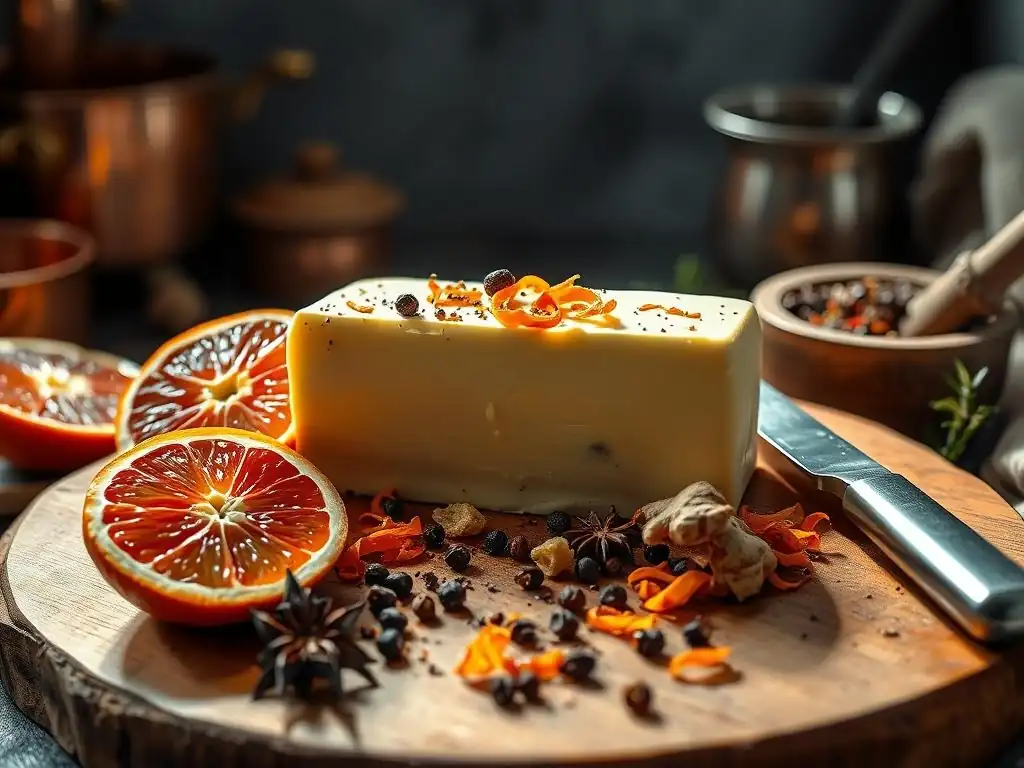
Welcome to BakeWithEase, your haven for all things baking! Ever wondered how to elevate your holiday baking with a burst of sunshine and warmth? This season, we're diving deep into foolproof techniques for crafting incredible citrus spice butter recipes that will transform your pastries, breads, and more. Discover how to infuse butter with vibrant flavors and aromas, creating a taste sensation that will leave everyone wanting more. Ready to unlock the secret ingredient to unforgettable baking? Let's get started!
- Introduction to Citrus Spice Butter: Elevate Your Baking & Cooking
- Understanding Citrus & Spice Pairings for Butter Infusion
- Foolproof Techniques for Infusing Butter
- Citrus Spice Butter Recipes: Inspiration for Your Baking & Cooking
- Tips for Storing and Using Citrus Spice Infused Butter
- Troubleshooting Common Issues in Citrus & Spice Butter Making
- Conclusion: Mastering the Art of Citrus Spice Butter Infusion
-
Frequently Asked Questions
- How can I ensure the citrus flavor is strong enough in my citrus spice butter?
- What type of spices work best with citrus in a butter recipe?
- Can I use salted butter instead of unsalted butter in these recipes?
- How long does citrus spice butter last, and how should I store it?
- What are some creative ways to use citrus spice butter?
- Final Reflection: The Enduring Allure of Citrus Spice Butter
- Unleash Your Inner Pastry Chef: Infuse Your Baking!
Introduction to Citrus Spice Butter: Elevate Your Baking & Cooking
Discover the Magic of Infused Butter for Flavorful Creations
Welcome to BakeWithEase.com, where we explore simple ways to make your baking and cooking more delicious. One incredibly versatile technique is infusing butter, transforming a basic ingredient into a flavor powerhouse. Citrus spice butter, in particular, offers a delightful blend of bright, warm notes perfect for enhancing everything from delicate pastries to hearty roasted dishes. It's a simple addition that can elevate even the most straightforward citrus spice butter recipes.
Infused butter isn't just about adding flavor; it's about integrating it seamlessly into your food. Unlike sprinkling spices or adding zest separately, infusing butter allows the fat to capture and distribute the aromatic compounds more evenly. This results in a richer, more integrated taste experience. Whether you're baking a cake, making cookies, or preparing a savory meal, having a batch of homemade citrus spice butter on hand opens up a world of culinary possibilities.
Understanding Citrus & Spice Pairings for Butter Infusion
Choosing the Right Citrus Varieties for Butter Recipes
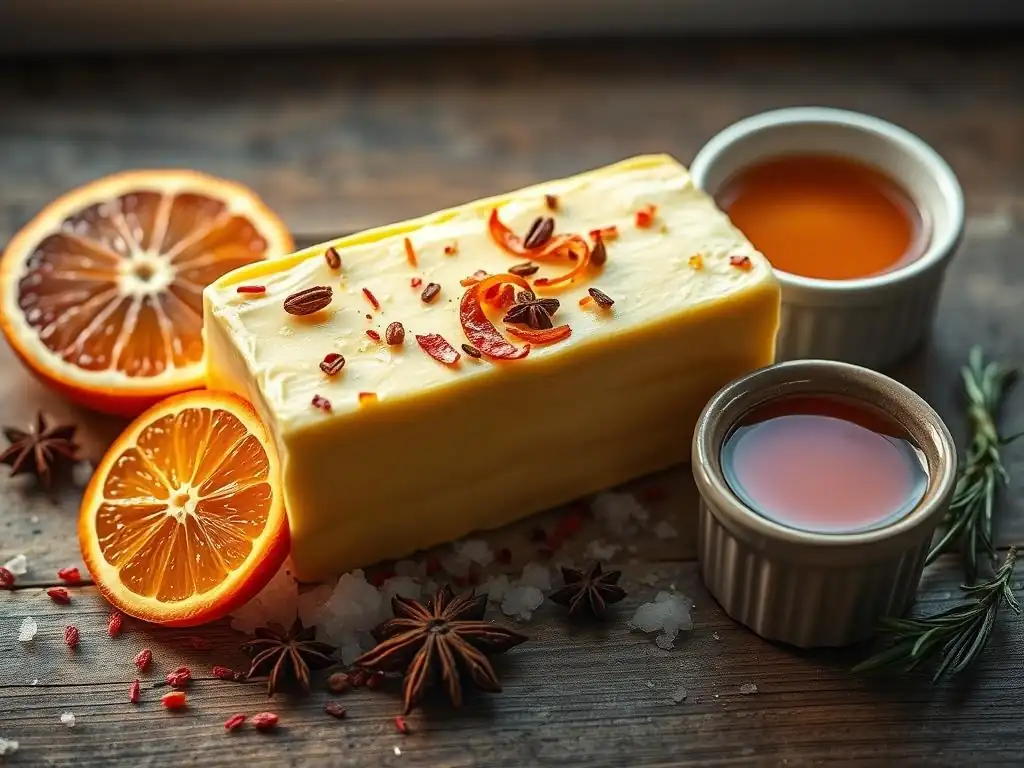
Selecting the right citrus is key to achieving the desired flavor profile in your infused butter. Different citrus fruits offer distinct levels of acidity, sweetness, and aromatic oils in their zest. For example, orange zest provides a sweet, floral aroma that pairs wonderfully with warm spices like cinnamon and nutmeg, making it a staple in many citrus spice butter recipes. Lemon zest, on the other hand, offers a brighter, more acidic tang that cuts through richness and pairs well with ginger or cardamom.
When choosing citrus, opt for organic if possible, especially since you'll be using the zest, where pesticides can accumulate. Always wash the fruit thoroughly before zesting. A microplane zester is ideal for removing just the colored part of the peel (the zest), avoiding the bitter white pith underneath. On average, one medium orange yields about 2-3 tablespoons of zest, while a lemon yields roughly 1-2 tablespoons. Consider combining zests, like orange and lemon, for a more complex citrus note.
Selecting Spice Combinations for Infused Butter: A Baker's Guide
The world of spices offers endless combinations to pair with citrus in butter infusions. Classic warm spices like cinnamon, nutmeg, cloves, and allspice are natural partners for orange and grapefruit. Imagine the aroma of butter infused with orange zest, cinnamon sticks, and a few star anise – perfect for holiday baking or spreading on warm toast. For a brighter, more pungent profile, consider pairing lemon or lime zest with ginger (fresh or ground), cardamom, or even a touch of black pepper.
The form of the spice matters too. Whole spices (cinnamon sticks, star anise, cloves, cardamom pods) offer a gentler, slower infusion and are easier to strain out later. Ground spices infuse flavor more quickly but can settle and potentially scorch if the butter gets too hot. If using ground spices for your citrus spice butter recipes, use a very low heat method like the slow cooker or blended butter technique. A good starting ratio might be 1-2 teaspoons of total ground spices or 1-2 whole spice pieces per stick (1/2 cup) of butter, adjusted to your taste.
Foolproof Techniques for Infusing Butter
The Slow Cooker Method: Achieving Deep Infusion Over Time
The slow cooker method is arguably the most foolproof way to infuse butter, especially when using delicate ingredients or wanting a deep, gentle extraction of flavor. It eliminates the risk of burning the butter or spices because the temperature remains consistently low. Simply place your desired amount of butter (at least 1-2 sticks works well for sufficient liquid) in a small slow cooker or a heat-safe jar placed in a slow cooker filled with a few inches of water (creating a gentle bain-marie). Add your citrus zest and whole or ground spices.
Set the slow cooker to its LOW setting. Allow the butter to melt and infuse for 2 to 4 hours. The low, steady heat gently coaxes the flavors from the zest and spices into the butter without causing them to fry or burn. After the infusion time, carefully remove the container from the slow cooker.
Strain the melted butter through a fine-mesh sieve, preferably lined with cheesecloth, to remove all solids. Pour the infused butter into a clean container and let it cool before refrigerating. This method is excellent for robust citrus spice butter recipes where patience yields deep flavor.
The Stovetop Method: A Controlled and Precise Infusion Technique
The stovetop method offers a quicker infusion time but requires more attention to prevent scorching. The key is using very low heat and ideally, a double boiler. A simple double boiler can be created by placing a heat-safe bowl over a pot of simmering water, ensuring the bottom of the bowl doesn't touch the water. Melt your butter in the top bowl of the double boiler. Once melted, add your citrus zest and spices.
Maintain the water in the bottom pot at a gentle simmer – not a rolling boil. Stir the butter mixture occasionally. Infuse for 15 to 30 minutes. The double boiler ensures the butter heats indirectly and gently, significantly reducing the risk of burning, especially important when using ground spices for your citrus spice butter recipes. After infusing, carefully remove the bowl from the heat and strain the butter as described for the slow cooker method. This technique is faster than the slow cooker but demands vigilance to keep the heat low.
The Blended Butter Method: A Quick and Easy Infusion Technique
For those times when you need flavored butter now, the blended method is your best friend. This technique doesn't involve heating the butter, making it incredibly fast and simple. It's technically a compound butter rather than a true infusion (where flavors are extracted into melted fat), but it achieves a similar effect of incorporating zest and spices directly into the butter. Start with softened, room-temperature butter. Place the softened butter in a bowl.
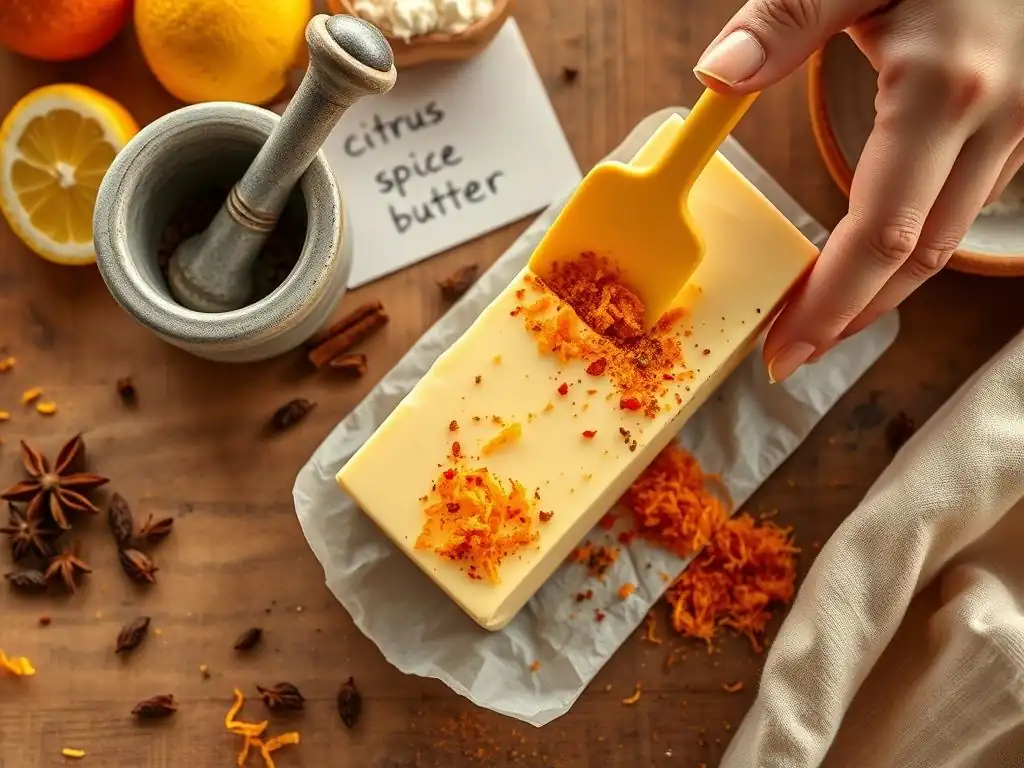
Add your finely grated citrus zest and ground spices to the softened butter. Use a fork, spatula, or electric mixer (on low speed) to thoroughly combine the zest and spices with the butter until evenly distributed. For a smoother texture, you can even use a food processor.
While this method doesn't extract flavors into the fat in the same way heating does, it ensures every bite of butter contains the zest and spice. Shape the butter into a log using parchment paper or plastic wrap, or pack it into a container. This quick method is perfect for last-minute citrus spice butter recipes or for spreading directly onto baked goods.
Citrus Spice Butter Recipes: Inspiration for Your Baking & Cooking
Citrus Spice Butter for Muffins and Quick Breads
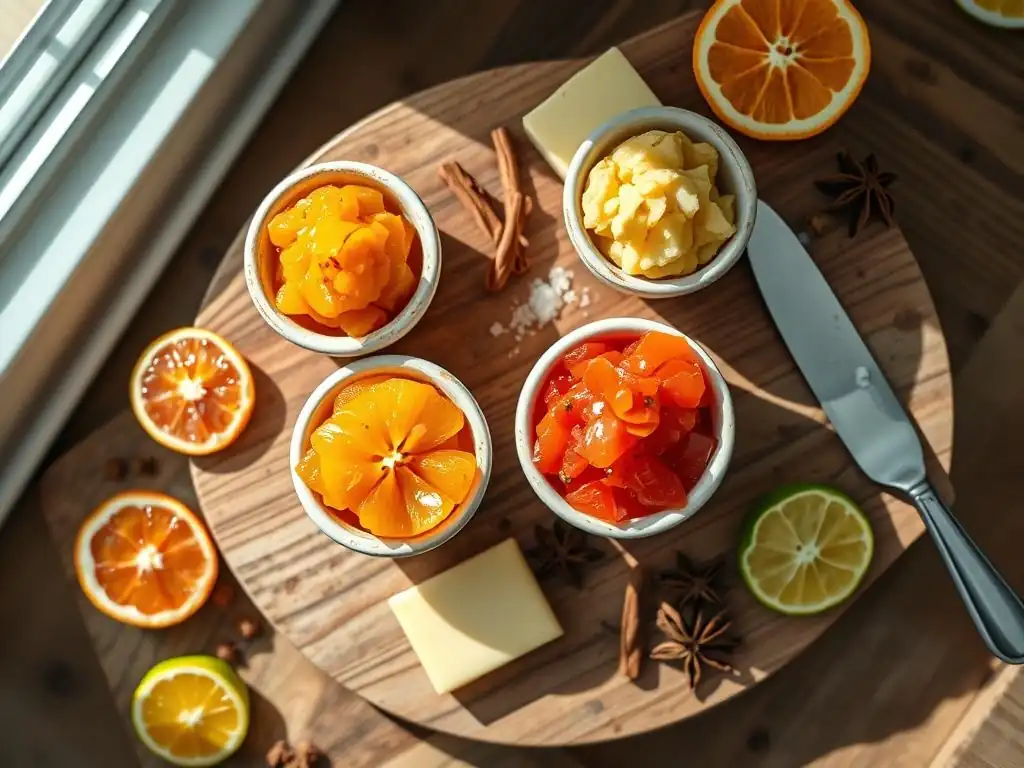
Elevate your morning muffins or quick breads with a swirl or dollop of citrus spice butter. Imagine warm cranberry muffins with a swirl of orange-cinnamon butter baked right in, or a lemon-poppy seed loaf with lemon-cardamom butter melted over the top after baking. You can also use softened citrus spice butter to grease your muffin tins or loaf pans for an extra layer of flavor that permeates the crust.
To use in batter, simply substitute softened citrus spice butter for the plain butter called for in your recipe (ensure the consistency matches – softened for creaming methods, melted for liquid additions). For swirling, melt a tablespoon or two of the infused butter and drizzle it over the batter in the pan, then swirl gently with a knife or skewer. This simple step adds incredible depth and moisture, making your standard recipes shine with the bright, warm notes characteristic of the best citrus spice butter recipes.
Adding citrus spice butter to cookie or scone dough is another fantastic way to infuse flavor throughout your baked goods. For recipes that call for creaming softened butter and sugar, use your softened citrus spice butter. The zest and spices will be evenly distributed, giving every cookie or scone a burst of flavor. Consider a batch of shortbread made with lemon-ginger butter, or classic sugar cookies enhanced with orange-nutmeg butter.
You can also use citrus spice butter as a finishing touch. Serve warm scones with a generous pat of melting citrus spice butter instead of plain butter or cream. For cookies, a small dollop of softened citrus spice butter on a warm cookie adds richness and an extra punch of flavor. This technique works particularly well with less sweet cookies or those with simple flavor profiles, allowing the infused butter to take center stage in these delightful citrus spice butter recipes.
Citrus Spice Butter for Roasted Vegetables and Meats
While BakeWithEase focuses on baking, citrus spice butter is incredibly versatile and shines in savory applications too. Melt a tablespoon or two of orange-ginger butter and toss it with carrots or sweet potatoes before roasting. The butter helps caramelize the vegetables while the citrus and spice add a warm, slightly sweet dimension. Lemon-herb (though technically not spice, lemon butter is fantastic here) or lemon-pepper butter is wonderful melted over roasted chicken or fish.
Even simple roasted broccoli or Brussels sprouts can be transformed by tossing them with melted citrus-infused butter and a pinch of salt before hitting the oven. The fat helps them crisp up beautifully while the citrus cuts through any bitterness. Using citrus spice butter in savory dishes is a simple trick that adds a gourmet touch with minimal effort, expanding the use of your homemade butter beyond typical citrus spice butter recipes.
Tips for Storing and Using Citrus Spice Infused Butter
Maximizing Shelf Life: Proper Storage Techniques
Proper storage is crucial to maintain the vibrant flavor and freshness of your homemade citrus spice butter. The best way to store it is in an airtight container or wrapped tightly in plastic wrap, then placed in a zip-top bag. This prevents the butter from absorbing odors from other items in your refrigerator. Refrigerated, infused butter typically lasts for about 2 to 3 weeks. Always check for any off smells or discoloration before using.
For longer storage, freezing is an excellent option. Shape the cooled, solidified butter into a log, wrap it tightly in plastic wrap, and then wrap it again in foil or place it in a freezer-safe bag. Label it with the type of infusion and the date. Frozen citrus spice butter can last for up to 6 months. When ready to use, simply thaw it in the refrigerator overnight or let it soften at room temperature if using the blended method's result. Having frozen portions makes it easy to grab just what you need for your citrus spice butter recipes.
Creative Applications: Beyond Baking with Ease
The uses for citrus spice infused butter extend far beyond the recipes mentioned. Consider spreading softened citrus spice butter on warm toast, pancakes, waffles, or croissants. Melt some over freshly popped popcorn for a unique, flavorful snack. You can also whip softened citrus spice butter with powdered sugar and a splash of milk or juice to create a simple, flavored frosting or glaze for cakes and cupcakes.
- Spread on toast, muffins, or scones.
- Melt over pancakes or waffles.
- Toss with roasted vegetables.
- Finish grilled or pan-seared meats/fish.
- Add to frosting or glazes.
- Stir into oatmeal or grits.
- Use in compound butters for garlic bread (using garlic-infused butter, not citrus spice! ).
- Melt over popcorn.
Don't be afraid to experiment! A small amount of citrus spice butter can add a surprising depth to sauces or even a spoonful stirred into hot cereal. The possibilities for incorporating these delicious citrus spice butter recipes into your daily cooking are vast.
Troubleshooting Common Issues in Citrus & Spice Butter Making
Preventing Spice Burning During Infusion
One common issue, particularly with the stovetop method using ground spices, is the risk of the spices burning. Burned spices will impart a bitter, unpleasant flavor to your butter. To prevent this, always use the lowest possible heat setting. If using the stovetop, a double boiler is highly recommended as it provides indirect heat. For ground spices, the slow cooker method or the no-heat blended method are safer choices.
If you prefer the stovetop method but want to use ground spices, keep a close eye on the butter. If you notice the spices changing color rapidly or smelling burnt, immediately remove the butter from the heat and strain it. While some flavor will be infused, you'll minimize the transfer of the burnt notes. Using whole spices like cinnamon sticks, star anise, or cardamom pods significantly reduces the risk of burning compared to their ground counterparts in citrus spice butter recipes requiring heat infusion.
Adjusting Citrus and Spice Levels to Suit Your Taste
Creating the perfect citrus spice butter is often a matter of personal preference. The intensity of citrus zest can vary depending on the freshness and type of fruit, and spice potencies differ. If your first batch isn't as flavorful as you'd hoped, you can adjust the levels in subsequent batches. It's always easier to add more flavor than to take it away.
If using the slow cooker or stovetop method, you can taste a tiny amount of the melted butter periodically during the infusion process (be careful, it's hot!). For the blended method, taste a small amount of the finished butter.
If the flavor is too weak, you can make a separate small batch of highly concentrated infused butter (using less butter and more zest/spices) and blend it into your main batch, or simply add more finely grated zest and ground spices directly to the softened butter and re-blend. Don't be afraid to experiment with ratios to find your perfect citrus spice butter recipes.
Conclusion: Mastering the Art of Citrus Spice Butter Infusion
Elevate Your Baking and Cooking with Homemade Flavors
Mastering the art of infusing butter with citrus and spice is a simple yet transformative skill for any home cook or baker. It allows you to create custom flavor profiles that store-bought products simply can't match. With just a few ingredients and a little time, you can produce a versatile ingredient that enhances everything from your favorite muffins and quick breads to roasted vegetables and savory dishes.
We've explored foolproof techniques like the gentle slow cooker, the controlled stovetop, and the quick blended method, ensuring success regardless of your experience level. By choosing quality citrus and spices and experimenting with combinations, you can tailor your infused butter to suit any culinary need. So go ahead, try making your own citrus spice butter recipes today. It's a simple step that promises to unlock a world of delicious possibilities in your kitchen, adding that extra touch of homemade magic to every meal.
Frequently Asked Questions
How can I ensure the citrus flavor is strong enough in my citrus spice butter?
To maximize citrus flavor, use freshly grated zest rather than juice. Zest contains the essential oils that provide the most concentrated flavor. You can also let the butter sit at room temperature for a longer period, allowing the flavors to infuse more deeply.
What type of spices work best with citrus in a butter recipe?
Commonly used spices that complement citrus include cinnamon, nutmeg, ginger, and cloves. Experiment with combinations to find your preferred flavor profile. Remember to use freshly ground spices for optimal aroma and taste.
Can I use salted butter instead of unsalted butter in these recipes?
Yes, you can use salted butter, but you'll need to adjust or eliminate any added salt in the recipe. Taste the butter after infusing it and before using it in a final recipe to ensure the salt level is to your liking.
How long does citrus spice butter last, and how should I store it?
Citrus spice butter typically lasts for up to a week in the refrigerator or several months in the freezer. Store it in an airtight container to prevent it from absorbing odors. For freezing, consider dividing it into smaller portions for easier use.
What are some creative ways to use citrus spice butter?
Citrus spice butter can be used on toast, pancakes, waffles, or muffins. It's also delicious melted over roasted vegetables or grilled fish. Consider using it to add a flavorful touch to baked goods like scones or shortbread.
Final Reflection: The Enduring Allure of Citrus Spice Butter
The art of infusing butter with citrus and spice is far more than just a culinary technique; it's a gateway to unlocking layers of flavor and creating unforgettable sensory experiences. From simple additions to complex flavor profiles, the recipes explored here demonstrate the transformative power of seemingly simple ingredients. This isn't just about creating delicious butter; it's about elevating everyday dishes and adding a touch of magic to both familiar and adventurous meals.
The influence of citrus and spice in culinary traditions across the globe is undeniable, a testament to their enduring appeal. These vibrant flavors have woven themselves into the fabric of our cultural heritage, appearing in everything from classic desserts to savory dishes. Their versatility speaks volumes; they can be both bold and subtle, depending on the combination and application. As the renowned chef, Julia Child, once said, Find something you're passionate about and keep tremendously interested in it.
For me, that passion lies in exploring the endless possibilities of flavor combinations, and citrus spice butter is a perfect example of that exploration.
Now, I invite you to take this journey further. Don't just read these recipes; experience them. Experiment with different citrus fruits, spices, and even herbs. Let your creativity guide you as you craft your own unique blends, transforming ordinary butter into an extraordinary ingredient. The possibilities are as limitless as your imagination, and the rewards are a symphony of flavors waiting to be discovered. So, grab your butter, your citrus, your spices, and embark on your own culinary adventure. The perfect citrus spice butter awaits.
Unleash Your Inner Pastry Chef: Infuse Your Baking!
Thanks for taking the time to explore the delightful world of citrus and spice-infused butter! We hope you've discovered some new techniques to elevate your baking. Ready to put your newfound knowledge into practice?
- Craft your signature infused butter: Choose your favorite citrus and spice combination and create a batch today! Experiment with different ratios to find your perfect flavor profile.
- Share your creations: Post a picture of your delicious infused butter creations on social media and tag us @BakeWithEase — we'd love to see your culinary masterpieces!
- Explore new recipes: Use your infused butter in a new recipe this week – consider adding it to cookies, cakes, or even savory dishes! Let your imagination run wild!
What unique flavor combination will you create with your infused butter next?