
How to Bake with Tangerine and Nutmeg for a Unique Flavor

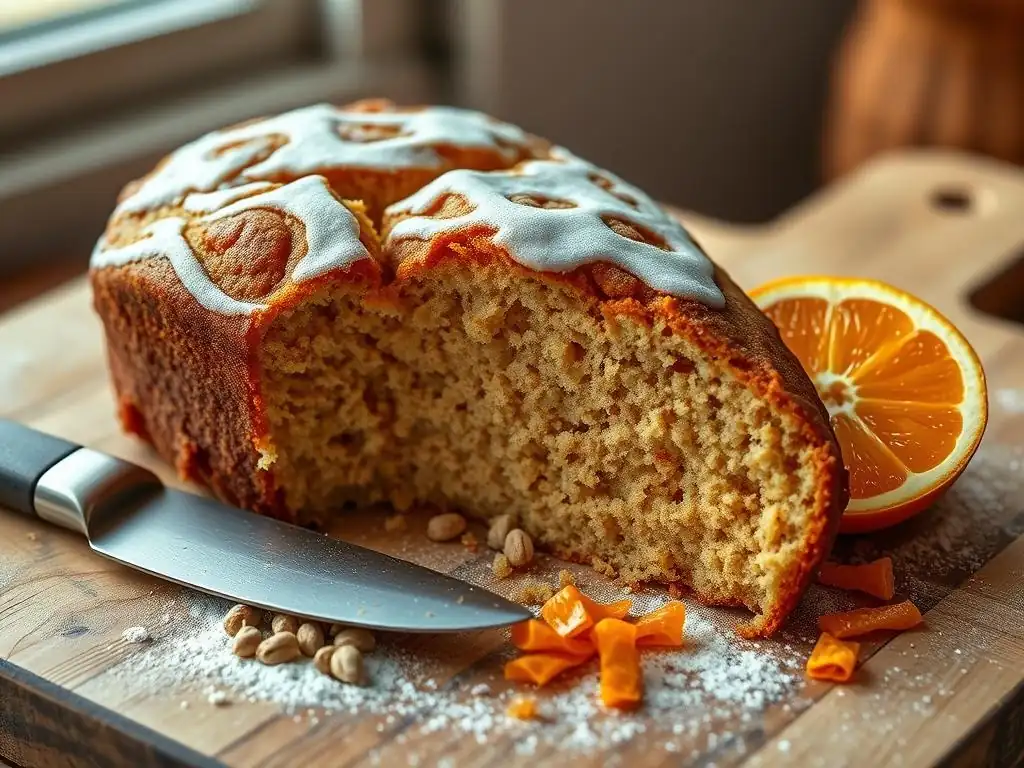
Welcome to BakeWithEase, your trusted companion on your baking journey!
Are you ready to infuse your kitchen with the vibrant flavors of the season? This week, we're diving into something truly special: a unique tangerine nutmeg cake recipe that will tantalize your taste buds and impress your friends. But what's the secret to achieving that perfect balance of citrusy tang and warm spice? Discover the answer and unlock a world of delicious possibilities as you explore our step-by-step guide and easy-to-follow tips. Let's get baking!
- Introduction to Winter Baking with Tangerine and Nutmeg
- Tangerine Nutmeg Cake Recipe: A Step-by-Step Guide
- Tangerine Nutmeg Cake Variations and Adaptations
- Tangerine Nutmeg Cake Frosting and Glaze Ideas
- Tips for Baking the Best Tangerine Nutmeg Cake
- Serving Suggestions for Tangerine Nutmeg Cake
- Conclusion: Enjoy Your Homemade Tangerine and Nutmeg Cake
-
Frequently Asked Questions
- What makes this tangerine nutmeg cake recipe unique compared to other cake recipes?
- Is the tangerine nutmeg cake recipe suitable for beginner bakers?
- Can I substitute ingredients in the tangerine nutmeg cake recipe?
- Where can I find the complete list of ingredients and instructions for the tangerine nutmeg cake?
- How long does it typically take to bake the tangerine nutmeg cake?
- Final Reflection: The Enduring Allure of Tangerine and Nutmeg
- Unleash Your Inner Baker: Tangerine & Nutmeg Magic Awaits!
Introduction to Winter Baking with Tangerine and Nutmeg
Embrace the Flavors of Winter: Tangerine and Nutmeg
Winter brings a cozy feeling, often accompanied by the desire to bake something warm and comforting that fills the home with delightful aromas. This season is perfect for exploring ingredients that are at their peak, and among the stars of winter produce are bright, sweet tangerines. Their zesty, slightly floral notes offer a burst of sunshine on cold days, making them a fantastic addition to baked goods. Pairing this vibrant citrus with the warm, woody spice of nutmeg creates a truly unique and inviting flavor profile that perfectly captures the essence of the season.
Think of the classic pairings that define winter baking – cinnamon with apple, ginger with molasses. Tangerine and nutmeg offer a less common but equally harmonious combination. Nutmeg, especially freshly grated, provides a depth and warmth that complements the high, sweet acidity of the tangerine beautifully. This duo can transform simple cakes, muffins, and even cookies into something special, making it a staple for your winter baking repertoire. Exploring this pairing is a simple way to elevate your baking and surprise your taste buds with something wonderfully different.
Why Tangerine and Nutmeg are a Perfect Baking Combination
The synergy between tangerine and nutmeg lies in their contrasting yet complementary flavor profiles. Tangerines offer bright, slightly sweet citrus notes with a hint of floral undertones, primarily from their zest and juice. This acidity and freshness help to lighten richer baked goods. Nutmeg, on the other hand, provides warmth, depth, and a subtle sweetness with woody, slightly musky undertones. When combined in a bake, the nutmeg enhances the perceived sweetness of the tangerine while adding a comforting base note that prevents the citrus from being overwhelmingly sharp.
Historically, spices like nutmeg were highly valued for their warmth and ability to pair with fruits, especially in colder climates. Tangerines, while perhaps not as historically linked to nutmeg as apples or pears, share a similar affinity for warming spices. The volatile oils in tangerine zest react wonderfully with the compounds in nutmeg, creating a complex aroma and flavor that is both invigorating and grounding. This combination is particularly effective in cakes, where the moisture from the tangerine juice keeps the crumb tender, and the spices infuse throughout the batter during baking, resulting in a fragrant, flavorful treat.
Tangerine Nutmeg Cake Recipe: A Step-by-Step Guide

Gather Your Ingredients for the Tangerine Nutmeg Cake
Preparing all your ingredients before you start mixing is a fundamental step in successful baking, ensuring you don't forget anything crucial and that your measurements are accurate. For this tangerine nutmeg cake recipe, you'll need a mix of standard pantry staples and our star ingredients. Having everything portioned out in advance, often called mise en place, makes the baking process much smoother and more enjoyable. It reduces the chance of errors and allows you to focus on the technique.
This recipe typically calls for ingredients like all-purpose flour, granulated sugar, eggs, butter, leavening agents like baking powder and baking soda, a liquid such as milk or buttermilk, and of course, fresh tangerines and whole nutmeg for grating. The quality of your ingredients matters; using fresh tangerines will yield the best zest and juice flavor, and freshly grated nutmeg is significantly more aromatic and potent than pre-ground. Ensure your butter is softened to room temperature and your eggs are also at room temperature for optimal emulsion with the other ingredients.
Essential Ingredients for Tangerine and Nutmeg Cake
Here is a list of the core ingredients you will need for a standard 9-inch round tangerine nutmeg cake recipe:
2 and 1/4 cups (about 270g) All-Purpose Flour1 and 1/2 teaspoons Baking Powder1/4 teaspoon Baking Soda1/2 teaspoon Salt1 teaspoon freshly grated Nutmeg1 cup (2 sticks or 226g) Unsalted Butter, softened1 and 3/4 cups (about 350g) Granulated Sugar3 Large Eggs, room temperatureZest of 2-3 medium Tangerines1/2 cup (120ml) fresh Tangerine Juice (from 2-3 tangerines)1/2 cup (120ml) Buttermilk or whole milk, room temperature1 teaspoon Vanilla Extract
This list provides the fundamental building blocks. Ensure you have enough fresh tangerines to yield both the required zest and juice. Using buttermilk adds a slight tang and contributes to a tender crumb due to its acidity reacting with the baking soda. If you don't have buttermilk, you can substitute it with whole milk mixed with one tablespoon of white vinegar or lemon juice, letting it sit for 5-10 minutes before using.
Measuring and Preparing Ingredients for Baking Success
Accurate measurement is crucial in baking. For dry ingredients like flour, use the spoon-and-level method: gently spoon flour into your measuring cup and level off the excess with a straight edge without packing it down. For granulated sugar, you can scoop directly. Ensure your butter is truly softened – it should yield easily to gentle pressure but not be melted or greasy. Eggs should be at room temperature; if they are cold, you can warm them gently in a bowl of warm water for a few minutes.
Zesting tangerines should be done carefully, using a microplane or fine grater to remove only the bright orange part of the peel, avoiding the bitter white pith underneath. Juicing the tangerines can be done by hand or with a citrus reamer. Freshly grate the nutmeg just before adding it to the batter for the most intense aroma and flavor. Having everything measured and ready in separate bowls or containers minimizes errors and makes the mixing process seamless, contributing significantly to the success of your tangerine nutmeg cake recipe.
Baking Equipment Needed for Your Tangerine Nutmeg Cake
Having the right tools makes baking easier and helps ensure consistent results. For this tangerine nutmeg cake recipe, you won't need highly specialized equipment, but a few standard items are essential. A stand mixer or a good quality electric hand mixer will be incredibly helpful for creaming the butter and sugar and mixing the batter evenly, though it's possible to mix by hand with a whisk and spatula if you have some stamina.
You will also need:
Measuring cups and spoons (for dry and liquid ingredients)Mixing bowls (at least two: one large for the batter, one small for wet ingredients)A citrus zester or microplaneA citrus juicer or reamerA grater for fresh nutmegA rubber spatula or scraperA whiskA 9-inch round cake pan (or two 8-inch pans), greased and floured or lined with parchment paperAn oven thermometer (optional but recommended for accuracy)A wire cooling rackA cake tester or toothpick
Using parchment paper to line the bottom of your cake pan after greasing and flouring is a great tip to ensure the cake doesn't stick and comes out cleanly. Make sure your oven is preheated correctly using an oven thermometer if possible, as oven temperatures can vary significantly from the dial setting.
Step-by-Step Instructions: Baking the Perfect Tangerine and Nutmeg Cake
Following the steps in order is key to achieving a light, moist, and flavorful tangerine nutmeg cake. This recipe follows a standard creaming method, which is common for butter-based cakes and helps incorporate air for a tender crumb. Pay attention to the mixing times at each stage to avoid overmixing, which can result in a tough cake.
Here’s a breakdown of the process:
Preparing the Tangerine Infusion
Start by combining the fresh tangerine juice and buttermilk (or milk substitute) in a small bowl. Stir in the vanilla extract. Set this liquid mixture aside. The acid in the tangerine juice and buttermilk will interact with the baking soda later, contributing to the cake's rise and tenderness. While this mixture sits, the flavors can meld slightly.
Next, in a separate medium bowl, whisk together the dry ingredients: flour, baking powder, baking soda, salt, and the freshly grated nutmeg. Ensure the nutmeg is evenly distributed throughout the flour mixture. Whisking also helps to aerate the flour slightly and remove any lumps, making the dry ingredients easier to incorporate smoothly into the wet. Set the dry ingredients aside while you work on the wet components.
Combining Wet and Dry Ingredients: The Key to a Moist Cake
In a large mixing bowl (preferably of a stand mixer fitted with the paddle attachment, or use a hand mixer), cream the softened butter and granulated sugar together on medium speed. Beat until the mixture is light and fluffy, typically taking 3-5 minutes. This step incorporates air into the batter, which is essential for the cake's structure and texture. Scrape down the sides and bottom of the bowl periodically.
Add the eggs one at a time, beating well after each addition until fully incorporated. Scrape down the bowl again. Beat in the tangerine zest. Now, you will alternately add the dry ingredients and the liquid mixture to the butter-sugar-egg mixture. Begin and end with the dry ingredients.
Add about one-third of the dry ingredients to the wet ingredients and mix on low speed just until combined. Then add half of the liquid mixture and mix until combined. Repeat with another third of the dry ingredients, the remaining liquid, and finally the rest of the dry ingredients. Mix on low speed just until no dry streaks remain. Do not overmix; overmixing develops the gluten in the flour, leading to a tough cake.
Baking Time and Temperature for Optimal Results
Preheat your oven to 180°C (350°F). Prepare your 9-inch round cake pan by greasing and flouring it, or lining the bottom with parchment paper. Pour the batter evenly into the prepared pan. You can gently tap the pan on the counter a couple of times to help settle the batter and remove any large air pockets.
Bake the tangerine nutmeg cake in the preheated oven for approximately 45-50 minutes if using a single 9-inch pan. If using two 8-inch pans, the baking time will be shorter, likely 30-35 minutes. The exact baking time can vary based on your oven and the pan used, so it's important to rely on visual cues and testing for doneness rather than just the clock. The cake should be golden brown around the edges and the center should look set.
Checking for Doneness: Ensuring a Perfectly Baked Cake
To confirm your tangerine nutmeg cake is fully baked, gently insert a cake tester or a clean toothpick into the center of the cake. If it comes out clean with no wet batter attached, the cake is done. If it comes out with wet batter, continue baking for another 3-5 minutes and test again. Be careful not to overbake, as this can result in a dry cake.
Once the cake is done, remove it from the oven and let it cool in the pan on a wire rack for about 10-15 minutes. This allows the cake to set slightly before being removed. After 10-15 minutes, carefully invert the cake onto the wire rack to cool completely. Ensure the cake is fully cooled before attempting to frost or glaze it, as a warm cake will cause frosting to melt.
Tangerine Nutmeg Cake Variations and Adaptations
While the classic tangerine nutmeg cake recipe is delicious on its own, there are many ways to adapt it to suit dietary needs or explore slightly different flavor profiles. Modifying a recipe requires understanding how ingredients interact, but with some common substitutions, you can easily create variations that are just as delightful.
Exploring variations like a gluten-free or vegan tangerine nutmeg cake allows more people to enjoy this wonderful flavor combination. Furthermore, adding other spices can enhance the existing notes of the tangerine and nutmeg, creating an even more complex and aromatic bake. Don't be afraid to experiment with these adaptations once you've mastered the basic recipe.
Gluten-Free Tangerine Nutmeg Cake Recipe
Creating a gluten-free version of the tangerine nutmeg cake recipe involves substituting the all-purpose flour with a gluten-free flour blend. Look for a blend that is suitable for cakes and contains a mix of flours (like rice flour, sorghum flour, potato starch, and tapioca starch) and usually a binder like xanthan gum. The ratio is typically a 1:1 substitution by volume for all-purpose flour, but checking the specific blend's instructions is always recommended.
When using a gluten-free blend, you might notice the batter has a slightly different consistency, often a bit thicker or more gritty depending on the blend. The baking time might also be slightly different, sometimes requiring a few extra minutes. For example, a gluten-free version of a 9-inch cake might need 50-55 minutes at 180°C (350°F). Always test for doneness with a toothpick. The resulting cake should still have a tender crumb, though the texture might be slightly different from a wheat-based cake.
Vegan Tangerine and Nutmeg Cake Options
Making a vegan tangerine nutmeg cake involves replacing all animal products: butter, eggs, and buttermilk/milk. For butter, use a plant-based butter alternative suitable for baking (often a blend of vegetable oils). For eggs, common substitutes include flax eggs (1 tbsp flax meal + 3 tbsp water per egg), applesauce (1/4 cup per egg), mashed banana (1/4 cup per egg), or commercial egg replacers. Each substitute can slightly affect the texture and flavor, so choose based on desired outcome. Applesauce or a commercial replacer might be best for a neutral flavor.
For the buttermilk/milk, use a plant-based milk like soy milk, almond milk, or oat milk, acidified with a tablespoon of apple cider vinegar or lemon juice (let it sit for 5-10 minutes). The acidity is crucial for reacting with the baking soda. Vegan cakes can sometimes take a little longer to bake and might not brown as deeply on top. Baking at a slightly lower temperature (e.g., 175°C or 340°F) for a little longer can help ensure it bakes through without drying out.
Adding Other Spices to Enhance the Flavor Profile
While tangerine and nutmeg are a fantastic pair, incorporating other spices can add layers of complexity to your tangerine nutmeg cake recipe. Spices like ginger and cardamom work exceptionally well with both citrus and nutmeg, enhancing the warmth and aromatic qualities of the cake.
- Ginger: Ground ginger adds a warm, slightly spicy kick that complements the sweetness of the tangerine and the depth of the nutmeg.
- Cardamom: Ground cardamom brings a fragrant, slightly citrusy, and floral note that harmonizes beautifully with both main flavors.
Adding about 1/2 to 1 teaspoon of ground ginger or 1/4 to 1/2 teaspoon of ground cardamom (or a mix of both) to the dry ingredients along with the nutmeg can elevate the spice profile significantly. Start with smaller amounts and adjust in future bakes based on your preference. These additions create a more intricate spice blend that deepens the wintery feel of the cake.
Ginger and Cardamom: Complementary Spices for Tangerine and Nutmeg
Ginger and cardamom are natural allies to both citrus and nutmeg in baking. Ginger's pungent warmth cuts through richness and pairs wonderfully with the bright acidity of tangerine. Historically, ginger has been used alongside citrus in various cuisines for centuries. Cardamom, with its unique aromatic profile often described as a mix of floral, citrus, and eucalyptus notes, enhances the subtle complexities of tangerine while adding its own exotic warmth that doesn't compete with nutmeg but rather complements its earthy depth.
When adding these spices to your tangerine nutmeg cake recipe, consider the proportions carefully. Too much can overpower the delicate tangerine flavor. A good starting point is often a ratio where nutmeg remains the primary spice, supported by smaller amounts of ginger and cardamom. For example, using 1 teaspoon of nutmeg, 1/2 teaspoon of ground ginger, and 1/4 teaspoon of ground cardamom creates a balanced, multi-layered spice profile that is both warm and vibrant.
Tangerine Nutmeg Muffins: A Quick Baking Alternative
If you love the tangerine nutmeg flavor combination but need a quicker bake than a full cake, turning the tangerine nutmeg cake recipe into muffins is an excellent option. Muffins bake much faster, typically in 20-25 minutes, making them perfect for a last-minute treat or breakfast. The batter consistency for muffins is often slightly thicker than for cakes, but the cake batter can usually be adapted directly into muffin tins.
To make tangerine nutmeg muffins, prepare the batter as described for the cake. Line a standard muffin tin with paper liners or grease and flour the cups. Fill each cup about two-thirds full. Bake at the same temperature, 180°C (350°F), but for a shorter duration, usually 20-25 minutes. Test for doneness by inserting a toothpick into the center of a muffin; it should come out clean. This adaptation provides a convenient way to enjoy the delicious flavors of tangerine and nutmeg in a smaller, portable format.
Tangerine Nutmeg Cake Frosting and Glaze Ideas

While a tangerine nutmeg cake is flavorful enough to be enjoyed plain, adding a frosting or glaze can enhance its moisture, sweetness, and overall presentation. The bright, zesty flavor of tangerine pairs wonderfully with creamy or tangy toppings, and a hint of nutmeg in the topping can tie the flavors together beautifully.
Whether you prefer a simple glaze for a subtle finish or a richer frosting, there are several options that complement the unique taste of this cake. Consider the desired level of sweetness and texture when choosing your topping.
Simple Tangerine Glaze Recipe
A simple tangerine glaze adds a burst of citrus flavor and a touch of sweetness without being too heavy. It's quick to make and gives the cake a lovely, shiny finish.
To make a basic glaze:
- Whisk together 1 cup (about 120g) of powdered sugar (confectioners' sugar) with 2-3 tablespoons of fresh tangerine juice.
- Start with 2 tablespoons of juice and add more gradually until you reach the desired consistency – it should be pourable but not too thin.
- You can add a tiny pinch of ground nutmeg to the glaze for an extra layer of flavor, or even a touch of tangerine zest for visual appeal and extra zing.
Drizzle the glaze over the completely cooled tangerine nutmeg cake. For muffins, you can dip the tops or drizzle the glaze over them. The glaze will set into a slightly firm, sweet coating. This is a great option if you want the cake's main flavors to shine through.
Cream Cheese Frosting with a Hint of Nutmeg
Cream cheese frosting is a classic pairing for citrus cakes, offering a tangy richness that balances the sweetness of the cake. Adding a touch of nutmeg to the frosting brings the cake's spice notes into the topping, creating a harmonious flavor profile.
A standard cream cheese frosting recipe typically involves:
8 ounces (226g) cream cheese, softened1/2 cup (1 stick or 113g) unsalted butter, softened3-4 cups (360-480g) powdered sugar1-2 tablespoons milk or cream (as needed for consistency)1/2 teaspoon vanilla extract1/4 teaspoon freshly grated nutmeg
Beat the softened cream cheese and butter together until smooth. Gradually add the powdered sugar, mixing on low speed until combined, then increase speed and beat until fluffy. Add the milk or cream, vanilla extract, and nutmeg, beating until smooth and creamy. Frost the completely cooled tangerine nutmeg cake generously. The tang of the cream cheese provides a wonderful contrast to the sweet, spiced cake.
Candied Tangerine Peel: A Garnish for Added Flavor
For a beautiful and flavorful garnish that highlights the tangerine component of the tangerine nutmeg cake, consider making candied tangerine peel. This adds a chewy texture and an intense, sweet citrus flavor.
To make candied peel:
- Peel 2-3 tangerines, removing as much white pith as possible. Cut the peels into thin strips.
- Blanch the peels by boiling them in water for about 10-15 minutes, then drain. Repeat this process 2-3 times with fresh water each time to remove bitterness.
- In a saucepan, combine equal parts sugar and water (e.g., 1 cup sugar, 1 cup water) and bring to a simmer to dissolve the sugar, creating a simple syrup.
- Add the blanched tangerine peels to the syrup and simmer gently for about 45-60 minutes, or until the peels are translucent and tender.
- Remove the peels from the syrup using a slotted spoon and place them on a wire rack set over parchment paper to dry. You can leave them plain or toss them in granulated sugar while still slightly sticky.
Once cooled and dried, these candied peels make a stunning and tasty garnish for the tangerine nutmeg cake, adding both visual appeal and an extra layer of tangerine flavor.
Tips for Baking the Best Tangerine Nutmeg Cake
Achieving a perfect cake involves more than just following a recipe; understanding a few key techniques can significantly improve the outcome. For your tangerine nutmeg cake recipe, paying attention to mixing, temperature, and storage will help ensure a moist, tender, and flavorful result every time.
From ingredient preparation to the final cooling, small details can make a big difference in the texture and taste of your cake. These tips are applicable to many cake recipes but are particularly helpful for a butter-based cake like this one.
Achieving a Moist and Tender Cake Texture
Several factors contribute to a moist and tender cake. Firstly, using softened butter and room temperature eggs is crucial for creating a stable emulsion when creaming the butter and sugar, which helps incorporate air evenly. Secondly, the liquid ingredients, especially buttermilk and tangerine juice, add moisture and their acidity helps tenderize the cake crumb by reacting with the leavening agents.
Thirdly, avoid overmixing the batter once the dry ingredients are added. Mixing activates gluten development in the flour; too much mixing leads to a tough, dry cake. Mix just until the dry ingredients are incorporated. Finally, measuring ingredients accurately, particularly the flour, prevents adding too much dry ingredient, which is a common cause of dry cakes. Using the spoon-and-level method for flour is essential.
Preventing a Dry Tangerine Nutmeg Cake
A dry cake is often the result of too much flour, too little fat or liquid, or overbaking. To prevent your tangerine nutmeg cake from drying out, ensure you measure your flour correctly using the spoon-and-level method mentioned previously. Do not substitute ingredients unless you understand how they affect moisture content (e.g., substituting oil for butter can make a cake more moist, but affects flavor and structure).
Perhaps the most common culprit for dryness is overbaking. Keep a close eye on the cake during the last 10-15 minutes of the recommended baking time. Start checking for doneness with a toothpick around the lower end of the time range. An oven thermometer can also help ensure your oven isn't running too hot. Baking at the correct temperature for the appropriate amount of time is vital for a moist crumb.
Storing Your Tangerine Nutmeg Cake Properly
Proper storage is essential to keep your tangerine nutmeg cake fresh and moist after baking. Once the cake has cooled completely, wrap it tightly in plastic wrap or aluminum foil. If the cake is frosted, store it in an airtight cake carrier or container.
At room temperature, a plain or glazed tangerine nutmeg cake will typically stay fresh for 2-3 days if stored properly. If the cake has a cream cheese frosting or contains fresh fruit pieces within the batter (though this recipe doesn't), it should be stored in the refrigerator to prevent spoilage. Refrigerated cake is best consumed within 4-5 days. For longer storage, the cake (plain or frosted) can be wrapped well and frozen for up to 2-3 months. Thaw frozen cake overnight in the refrigerator before bringing it to room temperature to serve.
Serving Suggestions for Tangerine Nutmeg Cake
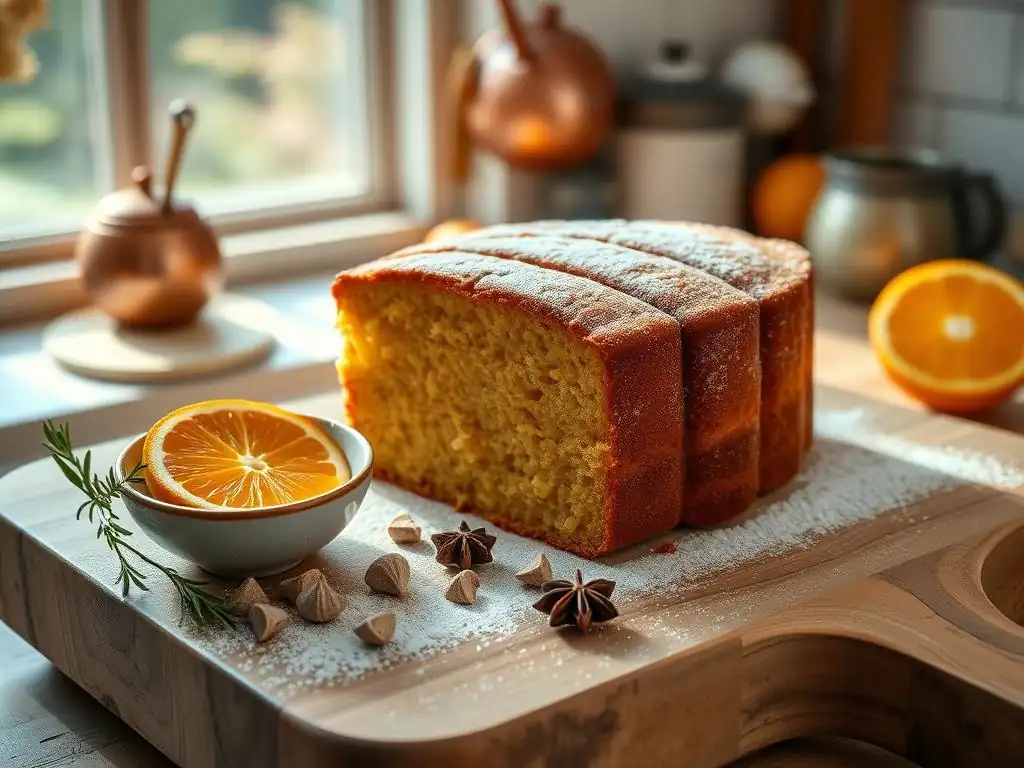
Serving your homemade tangerine nutmeg cake is the final step in enjoying your baking efforts! This cake pairs wonderfully with a variety of beverages and can be presented simply or as part of a more elaborate dessert spread. Consider the occasion and the preferences of your guests when deciding how to serve it.
Whether it's a casual afternoon tea or a festive gathering, this cake is versatile. Its bright citrus flavor makes it refreshing, while the warm spices make it comforting, fitting for many settings.
Pairing Tangerine Nutmeg Cake with Beverages
The distinct flavors of the tangerine nutmeg cake make it a great companion to several types of beverages. For a cozy afternoon treat, a cup of hot tea, such as Earl Grey or a simple black tea, complements the citrus and spice notes without overpowering them. Coffee, particularly a medium roast, also pairs well, the slight bitterness providing a nice contrast to the cake's sweetness.
For a more festive pairing, consider a glass of sparkling wine or prosecco. The effervescence and acidity of the wine cleanse the palate and highlight the bright tangerine flavor. A dessert wine, like a Moscato d'Asti or a late-harvest Riesling, could also work, echoing the sweetness of the cake. Non-alcoholic options include sparkling cider or a simple glass of milk, which is a classic pairing with cake and helps balance the rich flavors.
Creating a Festive Dessert Platter
To make your tangerine nutmeg cake the centerpiece of a festive dessert platter, surround it with complementary treats. Consider adding small bowls of fresh tangerine segments for bursts of fresh citrus. Other items could include shortbread cookies, particularly those flavored with ginger or orange, or small bowls of spiced nuts like pecans or walnuts.
You could also include other small baked items that offer textural contrast, such as mini meringues or delicate almond biscotti. For added visual appeal and flavor, scatter some fresh cranberries (if in season) or a sprinkle of ground nutmeg around the platter. If you made candied tangerine peel, arrange it decoratively around or on top of the cake. This creates an inviting spread that celebrates winter flavors.
Conclusion: Enjoy Your Homemade Tangerine and Nutmeg Cake
Baking a tangerine nutmeg cake is a rewarding experience, filling your kitchen with incredibly warm and inviting aromas. This unique flavor combination, marrying the bright, zesty notes of tangerine with the deep, comforting warmth of nutmeg, creates a cake that is both refreshing and cozy – truly perfect for the winter season. We hope this tangerine nutmeg cake recipe inspires you to try this delightful pairing in your own kitchen.
Remember the tips for ensuring a moist crumb and the ideas for frosting and serving to make your cake the best it can be. Whether enjoyed with a simple glaze or a rich cream cheese frosting, this cake is sure to become a favorite. Happy baking!
BakeWithEase: Your Guide to Delicious Winter Baking
At BakeWithEase, we believe that baking should be enjoyable and accessible to everyone, regardless of skill level. Our goal is to provide clear, simple recipes, techniques, and tips that help you create delicious baked goods with confidence. This tangerine nutmeg cake recipe is just one example of how we aim to bring unique and flavorful ideas to your baking repertoire.
We are passionate about exploring seasonal ingredients and classic flavor pairings, as well as discovering new ones like tangerine and nutmeg. Our site offers a wealth of resources for everything from mastering basic techniques to tackling more complex bakes. We're here to support your baking journey, helping you fill your home with the wonderful scent and taste of homemade treats, especially during the cozy winter months.
Frequently Asked Questions
What makes this tangerine nutmeg cake recipe unique compared to other cake recipes?
This recipe stands out because it combines the citrusy brightness of tangerine with the warm, spicy notes of nutmeg. This creates a distinctive and flavorful cake experience.
Is the tangerine nutmeg cake recipe suitable for beginner bakers?
Yes! BakeWithEase focuses on simple recipes and provides step-by-step instructions. Even beginners can successfully bake this cake with confidence.
Can I substitute ingredients in the tangerine nutmeg cake recipe?
While we encourage experimentation, substitutions may alter the final flavor and texture. Refer to BakeWithEase for recommended alternatives if you need to make changes.
Where can I find the complete list of ingredients and instructions for the tangerine nutmeg cake?
Visit BakeWithEase.com to access the full recipe, including a detailed list of ingredients, step-by-step instructions, and helpful baking tips.
How long does it typically take to bake the tangerine nutmeg cake?
The baking time usually ranges from 30 to 40 minutes, depending on your oven. Always check for doneness by inserting a toothpick into the center of the cake.
Final Reflection: The Enduring Allure of Tangerine and Nutmeg
The vibrant zest of tangerine, intertwined with the warm embrace of nutmeg, creates a flavor profile that transcends mere baking; it's an experience. This isn't just about following a recipe; it's about unlocking a sensory journey that connects us to the rich history of spices and the simple joy of creating something delicious. The enduring popularity of these flavors, evident in their continued use across cultures and cuisines, speaks to their timeless appeal.
The exploration of tangerine and nutmeg in baking isn't just about creating a tasty cake; it's about understanding the subtle nuances of flavor combinations and how they can evoke memories and emotions. The best things in life are the simple things,
a phrase often heard, perfectly encapsulates the essence of this baking adventure. The process itself, from zesting the bright citrus to inhaling the fragrant spice, is a meditative act, a moment of mindful creation that connects us to something larger than ourselves. The resulting cake, a testament to this process, becomes more than just food; it becomes a symbol of creativity and connection.
Now, I invite you to step into your kitchen, armed with the knowledge and inspiration gained from this exploration. Don't just bake a cake; create a cake. Experiment with the ratios, add your personal touch, and share the experience with those you love. Let the aroma of tangerine and nutmeg fill your home, creating a warm and inviting atmosphere. Remember the joy of the process, the satisfaction of creation, and the lasting memory of a truly unique flavor. The possibilities are as endless as your imagination.
Unleash Your Inner Baker: Tangerine & Nutmeg Magic Awaits!
Thanks for taking the time to explore the delightful world of tangerine and nutmeg baking! We hope you’ve discovered some delicious inspiration. Now it’s time to get baking!
- Bake your own tangerine-nutmeg masterpiece! Use the recipes and tips from the article to create your very own unique treat. Don't be afraid to experiment – that's where the real fun lies!
- Share your baking journey! Snap a photo of your creation and share it on social media using #BakeWithEaseTangerine. Let’s inspire each other!
- Explore other exciting flavor combinations on BakeWithEase.com – discover new ingredients and techniques to expand your baking horizons!
Ready to transform your kitchen into a fragrant oasis? What unique twist will you add to your tangerine and nutmeg baking adventure?