
Transporting Delicate Treats for a Crowd: A StepbyStep Guide

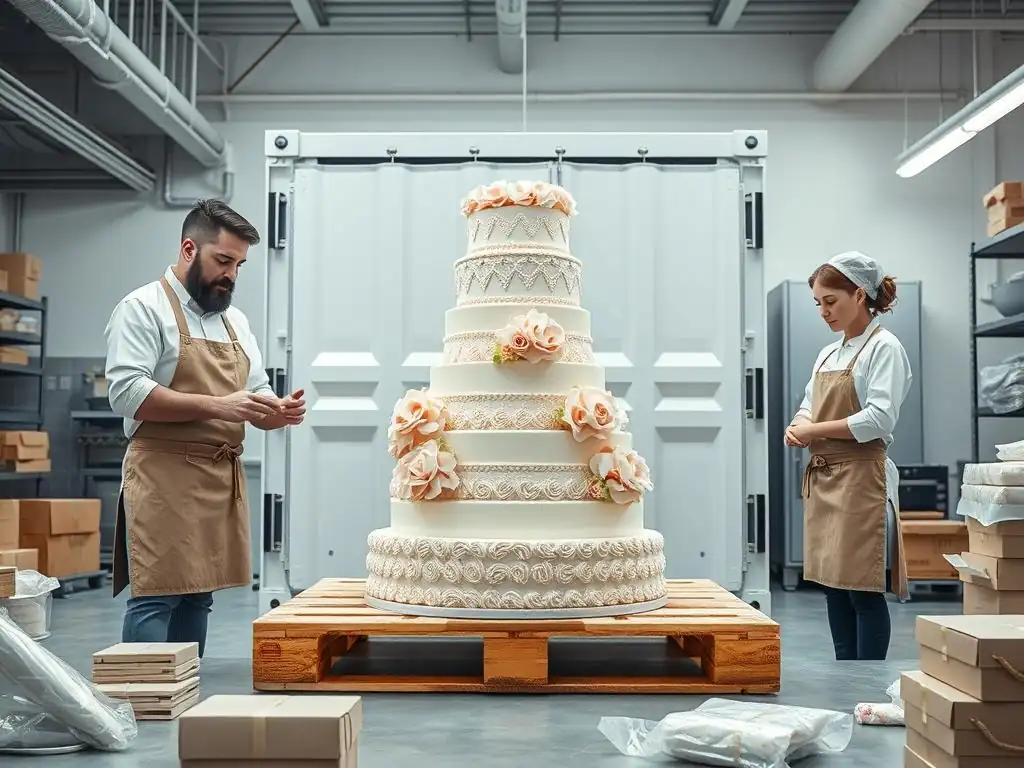
Welcome to BakeWithEase, where creating delicious baked goods becomes a joy, not a chore! Ever wondered how to share your masterpiece without the heartbreak of a damaged dessert? This week, we're diving deep into the crucial art of shipping delicate cakes safely. Discover practical tips and tricks to ensure your creations arrive looking as stunning as they taste, especially when baking for a crowd. Read on to unlock the secrets to stress-free transportation and become the ultimate baking hero!
- Introduction: Ensuring Safe Cake Transport for Large Events
- Step 1: Choosing the Right Cake Container for Safe Transport
- Step 2: Preparing Your Cake for Travel
- Step 3: Protecting Your Cake During Transportation
- Step 4: Safe Driving Techniques for Cake Deliveries
- Step 5: Unpacking and Presenting Your Cake at the Event
- Step 6: Addressing Special Considerations
- Conclusion: Mastering the Art of Shipping Delicate Cakes Safely
-
Frequently Asked Questions
- How can I prevent my delicate cake from shifting during transport?
- What type of cake box is best for shipping delicate cakes?
- What are some good ways to protect delicate frosting during transport?
- How important is temperature control when shipping delicate cakes?
- What are some extra precautions I can take for a long-distance cake transport?
- Final Reflection: The Sweet Success of Safe Delivery
- Unleash Your Inner Cake Crusader!
Introduction: Ensuring Safe Cake Transport for Large Events
Why Proper Cake Transportation Matters for Professional Bakers
For professional bakers and even dedicated home bakers tackling large orders, the journey from kitchen to event is often the most nerve-wracking part of the process. A beautifully crafted cake, the centerpiece of a celebration, can quickly become a disaster if not transported correctly.
Ensuring safe cake transport isn't just about protecting your edible art; it's fundamental to maintaining your reputation and client satisfaction. Imagine spending hours perfecting a multi-tiered wedding cake, only for it to arrive with a collapsed layer or smudged frosting – this can lead to significant financial loss, potentially requiring a full refund or costly replacement, not to mention the damage to your business's credibility.
Protecting your baked goods during transit is an essential skill, comparable in importance to baking itself. A single incident of a damaged cake arriving at a large event can result in negative reviews and lost future business. Many professional bakers estimate that the cost of ingredients and labor for a large custom cake can easily exceed several hundred dollars; a damaged cake represents a direct loss of this investment. Mastering the techniques for shipping delicate cakes safely is paramount to delivering flawless results every time and building a trusted name in the baking community.
Understanding the Challenges of Transporting Delicate Cakes Safely
Transporting delicate cakes safely presents unique challenges that differ significantly from carrying a simple sheet cake across the street. Factors like temperature fluctuations, vibrations from the road, sudden stops, and even humidity can wreak havoc on intricate designs and sensitive frostings like Italian or Swiss meringue buttercream. A hot day can cause buttercream to melt and slide, while a bumpy road can crack fondant or dislodge delicate sugar flowers.
Moreover, the size and weight of cakes for large gatherings amplify these challenges. A two-tier cake might weigh 10-15 pounds, while a five-tier cake can easily weigh 50 pounds or more. Managing this weight and bulk while navigating stairs, doorways, and vehicle dynamics requires careful planning and execution. Understanding these inherent risks is the first step in mitigating them and developing reliable strategies for shipping delicate cakes safely from your workspace to the celebration venue.
Step 1: Choosing the Right Cake Container for Safe Transport
Selecting a Sturdy Cake Box for Different Cake Sizes
The foundation of successful cake transport begins with selecting the appropriate container. A sturdy cake box is your cake's first line of defense against the outside world. For smaller to medium-sized round or square cakes (up to 12 inches), a standard corrugated cardboard cake box is often sufficient, provided it is the correct size – snug enough to prevent excessive shifting but large enough not to touch the sides or top of the cake, potentially smudging frosting or crushing decorations. Look for boxes made from strong, thick cardboard, typically designed specifically for baked goods.
For larger or heavier cakes, especially those with multiple layers or dense fillings, consider using reinforced cardboard boxes or custom-sized options. Some bakeries opt for heavy-duty boxes with internal supports or double-wall construction for added rigidity. It's crucial that the box lid closes securely, preventing dust, debris, and temperature fluctuations. Always test the box size against your finished cake before the final decoration stage to ensure a perfect fit without contact.
Alternatives to Cake Boxes: Exploring Insulated Carriers and Specialized Cake Transport Boxes
While standard cardboard boxes are common, specialized transport solutions offer enhanced protection, particularly when shipping delicate cakes safely over longer distances or in varying weather conditions. Insulated carriers, often made of foam or rigid plastic, provide temperature control, keeping cakes cool and stable for extended periods. These are invaluable during summer months or for deliveries requiring more than an hour of travel.
Another excellent option is specialized cake transport boxes or crates, often made from durable plastic or even wood. These feature secure latches, sometimes internal shelving for multi-tiered cakes transported in pieces, and robust handles. While a greater initial investment, these carriers significantly reduce the risk of damage compared to standard boxes, offering peace of mind when transporting high-value or exceptionally delicate creations. Some models even have built-in slots for cooling packs.
Securing the Cake Inside the Container: Preventing Movement
Once the perfect container is selected, the next critical step is ensuring the cake remains firmly in place during transit. Even the sturdiest box won't protect a cake that's sliding around inside. For cakes placed on a cake board, a common technique is to secure the board to the bottom of the box. A few dots of royal icing or melted chocolate applied to the underside of the cake board before placing it in the box can act as an edible adhesive, effectively gluing the board to the box base.
Alternatively, some bakers use non-slip mats or even a ring of crumpled parchment paper or paper towels placed snugly around the base of the cake board inside the box. The key is to fill any significant gaps between the cake board and the box walls without touching the cake itself. For tiered cakes transported assembled, some specialized boxes have internal supports or pillars that help stabilize the structure within the container, preventing leaning or toppling during the journey, which is vital when shipping delicate cakes safely.
Step 2: Preparing Your Cake for Travel
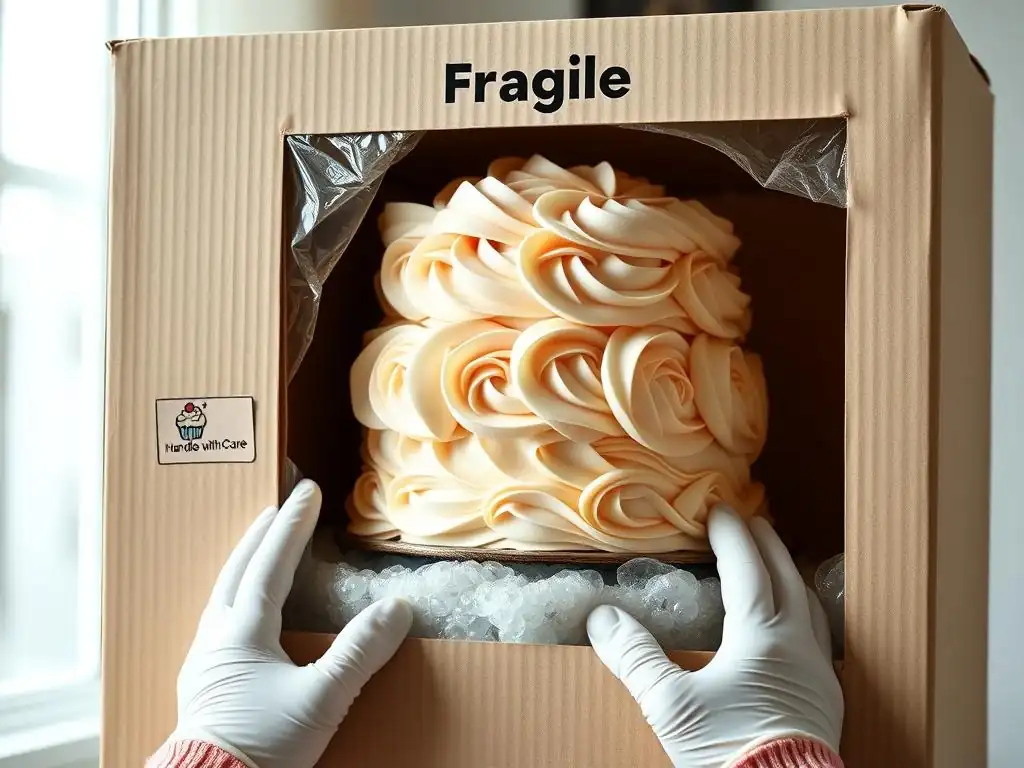
Chilling Your Cake: A Crucial Step for Stability
Chilling your cake before transportation is arguably one of the most crucial steps, especially when dealing with soft frostings like buttercream or ganache, or delicate fillings. A thoroughly chilled cake is significantly more stable and resistant to handling and vibrations. After decorating, place the cake in the refrigerator for several hours, or ideally, overnight. The frosting will firm up considerably, providing a protective outer shell that is less likely to smudge, crack, or melt during the journey.
This chilling process allows the cake's structure to settle and the frosting to set, making it far more robust. For instance, a buttercream-frosted cake chilled for at least 4-6 hours can typically withstand moderate handling and temperature changes for a period, whereas a cake at room temperature is far more vulnerable. This firming is essential for safely transporting cakes, particularly those with intricate piping or smooth finishes that could be easily marred.
Applying a Crumb Coat: Protecting the Cake's Decoration
A crumb coat is a thin layer of frosting applied directly to the cake layers before the final decorative layer. While primarily used to trap loose crumbs and create a smooth surface for the final frosting, a firm crumb coat also adds an extra layer of stability to the cake's structure. Once applied, the crumb coat should be chilled until firm.
This chilled crumb coat acts as a protective barrier. If there's any minor friction or accidental touch during boxing or transport, the firm crumb coat is more likely to withstand it than the delicate final frosting layer or exposed cake. It's an essential step in ensuring a flawless final appearance upon arrival, contributing significantly to the overall goal of shipping delicate cakes safely.
Avoiding Damage: Tips for Handling Delicate Cake Decorations
Delicate decorations like sugar flowers, wafer paper elements, intricate piping, or chocolate shards are the most vulnerable parts of a cake during transport. Whenever possible, consider adding extremely fragile elements after the cake has arrived at the venue. If they must be transported with the cake, ensure they are fully set and stable.
Secure delicate decorations firmly to the cake using a reliable edible adhesive like royal icing or melted chocolate. If the decoration protrudes significantly, ensure the cake box is tall enough to accommodate it without contact with the lid. For very tall or complex sugar structures, some bakers transport them separately in padded boxes and assemble them on-site. Minimal handling and a chilled cake base are your best friends when protecting these fragile embellishments.
Step 3: Protecting Your Cake During Transportation
Using Non-Slip Mats: Minimizing Sliding in Transit
Once the cake is securely boxed, the next crucial step is securing the box itself within the transport vehicle. The floor or trunk of a car can be surprisingly slippery, allowing the box to slide around during acceleration, braking, or turns. Placing a non-slip mat, such as those designed for car dashboards or kitchen shelves, on the surface where the cake box will rest can dramatically reduce the risk of movement.
These mats create friction, helping the box stay put even during minor shifts in motion. A simple rubber mat can prevent a cake box from sliding several inches across a smooth trunk surface, potentially saving a delicate design from impact damage. Using a non-slip base is a small but highly effective measure when safely transporting cakes.
Stabilizing the Cake Box in Your Vehicle
Beyond a non-slip mat, further stabilization is key. Position the cake box on a flat surface in your vehicle – the floorboard behind the passenger seat is often recommended as it tends to be flat and is less exposed to direct sunlight than the trunk. Surround the cake box with sturdy, immovable objects. This could be other boxes, luggage, or even firm pillows or blankets, creating a snug cocoon around the cake box.
The goal is to prevent any lateral or forward/backward movement. The box should feel firmly wedged in place, unable to shift more than an inch in any direction. Ensure the items used for stabilization are not soft enough to allow the box to lean or tip. This physical restraint is vital for protecting the cake from the inevitable bumps and swerves of the road, making the process of shipping delicate cakes safely much more reliable.
Maintaining a Cool Temperature: Preventing Melting or Softening
Temperature control is non-negotiable, especially for buttercream, cream cheese frosting, or whipped cream. A warm car interior can quickly turn firm frosting into a melty mess. During warmer months or for longer journeys, use air conditioning to keep the vehicle's interior cool. Aim for a temperature that is comfortably cool, ideally below 70°F (21°C).
For extended transport or very high temperatures, insulated carriers (as mentioned in Step 1) are invaluable. You can also place gel ice packs around the cake box (not directly touching it, as condensation can be an issue) within a larger insulated container or cooler bag. This helps maintain a stable, cool environment for the cake, significantly reducing the risk of the frosting softening or melting, which is critical when shipping delicate cakes safely.
Step 4: Safe Driving Techniques for Cake Deliveries

Avoiding Sudden Stops and Sharp Turns
Your driving style is perhaps the most direct factor you control during cake transport. Treat your vehicle as if you're carrying precious cargo – which you are! Avoid sudden acceleration and, most importantly, sudden braking. Anticipate traffic lights and stops well in advance, slowing down gradually. Sharp turns should also be avoided; take corners slowly and smoothly, minimizing centrifugal force that could cause the cake to shift or lean.
Think of your cake as a passenger that requires the smoothest ride possible. Every jolt, bump, or sharp movement transmits stress to the cake's structure and decoration. Practicing gentle, deliberate driving techniques is essential for ensuring your delicate creation arrives in perfect condition, making safe cake transport a smooth operation.
Driving at a Moderate Speed: Reducing Bumps and Jolts
While route planning (discussed next) helps minimize travel time, speeding is detrimental to cake transport. Driving at a moderate, consistent speed reduces the severity of impacts from potholes, bumps, and uneven road surfaces. Higher speeds amplify the effect of these disturbances, creating more significant jolts for the cake.
Staying calm and driving defensively allows you to react to road conditions and traffic changes smoothly, rather than with sudden, jarring movements. A steady, moderate speed on a smooth road is the ideal scenario for shipping delicate cakes safely, minimizing stress on the cake's structure and decoration throughout the journey.
Planning Your Route: Minimizing Travel Time
Before you even load the cake into the car, plan your route carefully. Use GPS or mapping apps to find the most direct route, but also consider road conditions. Avoid roads known for heavy traffic, construction, or excessive potholes if possible. Choose routes with fewer turns and stops if practical.
Check traffic conditions before you leave and consider leaving during off-peak hours if the event schedule allows. The less time the cake spends in transit, the lower the risk of temperature issues, shifting, or unexpected incidents. Efficient route planning is a proactive step in ensuring a stress-free and successful cake delivery, contributing to the overall goal of shipping delicate cakes safely.
Step 5: Unpacking and Presenting Your Cake at the Event
Carefully Removing the Cake from the Container
You've arrived! Now comes the final, delicate step: removing the cake from its container. This requires patience and a steady hand. If the cake board was secured to the box, gently use a spatula or knife to carefully separate the board from the box base. Avoid pulling or tugging forcefully, which could damage the cake.
Lift the cake box carefully, placing it on a stable surface. If the box has a removable lid and sides, gently detach them rather than lifting the cake out from the top. If you must lift the cake, do so by supporting the cake board firmly from underneath with both hands, keeping it level at all times. Have the final display location ready so you can move the cake directly from the box to its spot with minimal extra handling.
Addressing Minor Imperfections: Quick Fixes for Transportation Mishaps
Despite all precautions, minor imperfections can occasionally occur during transport. Don't panic! Small smudges, tiny cracks in frosting, or slightly displaced decorations can often be fixed on-site. Carry a small kit with essential tools: a small offset spatula, a piping bag with a little extra frosting (the same color and type used on the cake), and perhaps a few spare decorations if possible.
Smooth smudges with a warm, clean spatula. Gently press cracks back together or pipe a small dot or line of frosting to camouflage them. Reattach small decorations with a tiny amount of leftover frosting. These quick fixes can make a significant difference in the cake's final presentation, ensuring it looks perfect for the guests and photos.
Displaying Your Cake for Maximum Impact
The final presentation is where your beautiful creation gets its moment in the spotlight. Choose a display location that is stable, level, and away from direct sunlight, heat sources (like radiators or hot lights), or high-traffic areas where it might be accidentally bumped. A sturdy cake stand elevates the cake and enhances its visual appeal.
Ensure the surrounding area is clean and free of clutter. Arrange any complementary decorations (like flowers or figurines) carefully around the cake. Step back and admire your work! The successful arrival and stunning display of your cake is the culmination of careful planning and execution, demonstrating mastery in shipping delicate cakes safely and effectively.
Step 6: Addressing Special Considerations
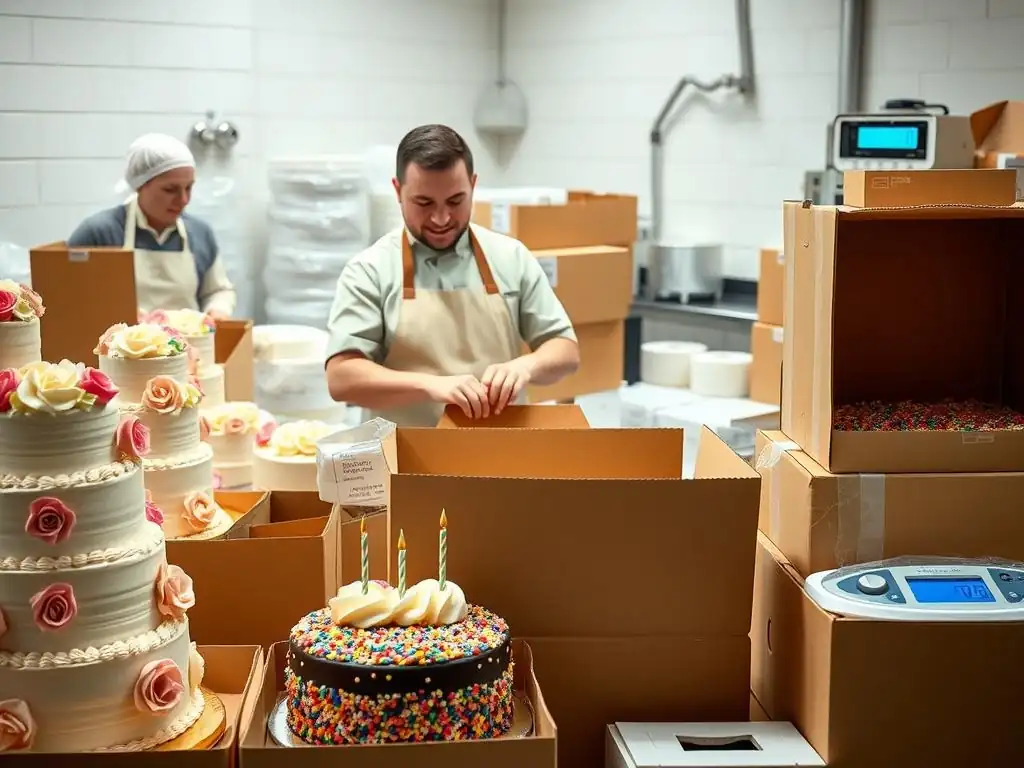
Transporting Multi-Tiered Cakes: Extra Precautions Needed
Transporting multi-tiered cakes requires even greater care due to their height, weight, and inherent instability. Often, the safest method is to transport larger tiered cakes in separate components (e.g., base tier in one box, second tier in another, etc.) and assemble them on-site at the venue. Each tier should be properly supported with dowels or internal supports to bear the weight of the tiers above it.
When transporting individual tiers, ensure they are chilled, securely boxed, and stabilized within the vehicle as described in Step 3. For assembly on-site, bring all necessary tools: a level, dowels (if assembling tiers), a small offset spatula, and extra frosting for smoothing seams. Practice assembly beforehand if possible. This approach significantly reduces the risk of collapse or damage compared to transporting a fully assembled large tiered cake, a critical consideration when shipping delicate cakes safely for significant events.
Shipping Cakes Long Distances: Temperature Control and Packaging
Shipping cakes over long distances, especially interstate or cross-country, involves different challenges and requires specialized solutions. This process often relies on expedited shipping services and robust thermal packaging. Cakes destined for long-distance travel are typically frozen solid beforehand to maintain their structure and freshness.
They are then packed in insulated boxes (often made of thick foam) with commercial-grade gel packs or dry ice to maintain a frozen or chilled temperature throughout transit. The cake itself is usually wrapped multiple times in plastic wrap and then bubble wrap or foam padding to protect it from physical shock. While more complex and costly, professional long-distance shipping methods prioritize temperature stability and impact protection, showcasing advanced techniques for shipping delicate cakes safely across significant mileage.
Handling Cakes with Buttercream Frosting: Protecting Your Investment
Cakes decorated with buttercream, while delicious, are particularly susceptible to temperature changes and physical contact. Buttercream softens quickly in warmth and can easily smudge or tear if touched. Protecting a buttercream cake during transport involves several key tactics.
First, thorough chilling (Step 2) is paramount to firm up the buttercream. Second, ensure the cake box is sufficiently tall and wide so no part of the buttercream touches the box. Third, maintain a consistently cool temperature in the transport vehicle (Step 3).
Finally, handle the boxed cake with extreme care, avoiding any tilting or jarring movements. For very hot days, consider using an insulated carrier with ice packs even for short distances. Taking these extra steps helps protect your investment in a beautiful buttercream creation by ensuring it arrives without a single smear, demonstrating expertise in shipping delicate cakes safely.
Conclusion: Mastering the Art of Shipping Delicate Cakes Safely
Recap: Key Steps for Stress-Free Cake Transport
Successfully transporting delicate cakes for a crowd, whether across town or across the country, boils down to meticulous planning and execution. It involves selecting the right container, preparing the cake for the journey through chilling and protection, stabilizing the cake and its box during transit, employing safe driving techniques, and carefully handling the cake upon arrival.
Addressing special cases like multi-tiered cakes or long-distance shipping requires tailored strategies focused on stability and temperature control. Mastering these steps ensures that your beautiful, delicious creations arrive at their destination looking just as perfect as when they left your kitchen, guaranteeing happy clients and successful events.
Your Partner for Baking Success, Even on the Go
At BakeWithEase.com, we understand that the baking journey doesn't end when the oven turns off. Getting your finished product safely to its destination is a vital part of the process, especially when you're tasked with creating stunning, delicate treats for large gatherings. By following these guidelines for shipping delicate cakes safely, you can confidently deliver your baked goods, knowing they are protected every step of the way. We're here to provide the tips, techniques, and guidance you need, from mastering recipes to ensuring your cakes travel securely, helping you achieve baking success on every occasion, even on the go.
Frequently Asked Questions
How can I prevent my delicate cake from shifting during transport?
To prevent shifting, secure the cake box with non-slip mats or towels on the car floor and use skewers to hold the cake in place within the box.
What type of cake box is best for shipping delicate cakes?
Opt for a sturdy, high-quality cake box that is slightly larger than the cake. Ensure it has a secure lid to prevent damage.
What are some good ways to protect delicate frosting during transport?
Chill the cake thoroughly before transport to firm up the frosting. Consider using frosting shields or parchment paper strips to prevent smudging.
How important is temperature control when shipping delicate cakes?
Temperature control is crucial! Avoid extreme temperatures. Use an insulated bag with ice packs to keep the cake cool, especially in warm weather.
What are some extra precautions I can take for a long-distance cake transport?
For long distances, consider freezing the cake (if appropriate for the type of cake) and thawing it upon arrival. Also, use extra padding and a reliable shipping service if necessary.
Final Reflection: The Sweet Success of Safe Delivery
The art of transporting delicate cakes remains a crucial skill, not just for professional bakers, but for anyone wanting to share the joy of homemade treats. In today's interconnected world, where celebrations often span distances, mastering the techniques outlined in this guide is more important than ever. The ability to ensure a cake arrives intact, preserving its beauty and flavor, is a testament to care and dedication.
The impact of successfully delivering a delicate cake extends far beyond the simple act of transportation. It's about preserving a memory, celebrating a milestone, or simply sharing a moment of sweetness with loved ones. It's about the anticipation, the unveiling, and the shared experience that follows. As the saying goes, A cake is a celebration, a moment of joy, a symbol of togetherness.
This simple act of safe delivery becomes a powerful symbol of connection, bridging geographical gaps and fostering meaningful relationships.
Now, consider your own experiences with transporting delicate items. Perhaps you've faced challenges, learned from mistakes, or even achieved a perfect delivery. I encourage you to reflect on these moments, to identify your own best practices, and to continue refining your techniques. The next time you prepare to ship a delicate cake, remember the principles outlined here – the careful packing, the secure transport, and the unwavering attention to detail. Let every delivery be a testament to your commitment to sharing sweetness and joy, safely and successfully.
Unleash Your Inner Cake Crusader!
Thanks for joining us on this delicious journey into safe dessert transport! We hope you now feel confident in keeping your baked masterpieces pristine. Ready to put your new skills to the test?
- Master the art of the perfect cake carrier: Practice your newfound techniques with your next baking project. Experiment with different padding materials and securing methods to find what works best for you.
- Share your dessert transport triumphs (and disasters!): We'd love to see your photos on social media – tag us using #BakeWithEaseTransport.
- Challenge a friend to a "safely transported dessert" bake-off! Who can bring the most stunning, intact cake to the picnic?
Ready to conquer the world of dessert delivery? What innovative transport solutions will you create for your next baking adventure?