
Unlock Baking Success: Your First 5 Essential Tools for Beginners

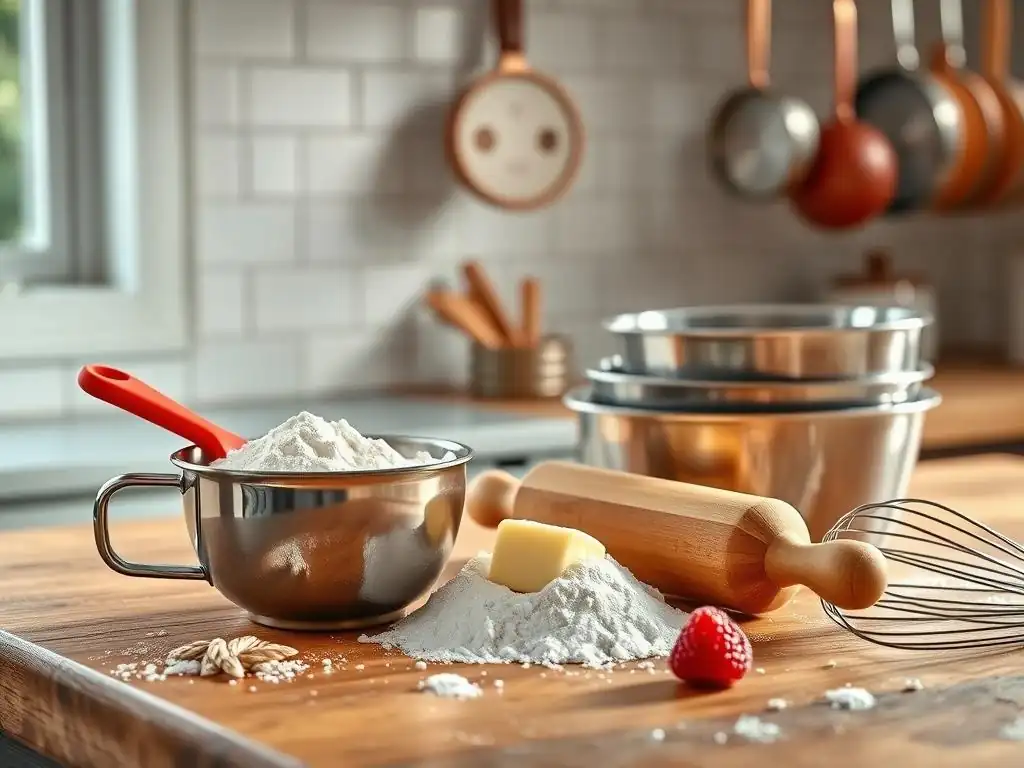
Welcome to BakeWithEase, your partner in the delightful journey of baking! Are you ready to transform your kitchen into a haven of delicious aromas and perfectly baked creations? If so, you've come to the right place. In this article, we'll demystify the world of baking and guide you through the essential baking tools beginners need to start crafting mouthwatering treats. Curious to know which tools will set you up for success and which ones you can skip for now? Let's dive in and unlock the secrets to confident baking, one delicious recipe at a time!
- Unlock Baking Success: Your First 5 Essential Tools
- Mastering Baking with Essential Tools
- Why Every Beginner Baker Needs the Right Tools
- The Top 5 Essential Baking Tools Beginners Need
- Beyond the Basics: Other Helpful Tools
- Investing in Quality: Where to Buy Your Essential Baking Tools
- Conclusion: Start Baking with Confidence
-
Frequently Asked Questions
- What are the top 5 essential baking tools for someone just starting out?
- Why are measuring cups and spoons considered so important in baking?
- Can I substitute a regular pan for a baking sheet if I don't have one?
- What is the purpose of a wire rack after baking?
- Is a rubber spatula really necessary, or can I use a regular spoon?
- Final Reflection: The Sweet Science of Starting
- Unleash Your Inner Baker: Get Started Today!
Unlock Baking Success: Your First 5 Essential Tools
Mastering Baking with Essential Tools
Embarking on your baking journey is an exciting adventure filled with delicious possibilities. Whether you dream of perfectly risen bread, flaky pastries, or decadent cakes, having the right equipment can make all the difference. Think of your tools as your co-pilots in the kitchen, helping you navigate recipes with confidence and ease. Mastering the basics starts not just with understanding ingredients and techniques, but also with equipping yourself with reliable helpers that perform specific tasks efficiently.
This guide is designed to simplify your initial steps by highlighting the truly essential baking tools beginners need to get started without feeling overwhelmed. We'll focus on fundamental items that provide maximum utility across a wide range of recipes. Investing in a few quality, multi-purpose tools from the outset will build a strong foundation for your baking skills and help you achieve consistent, successful results right from your very first batch of cookies or loaf of banana bread.
Why Every Beginner Baker Needs the Right Tools
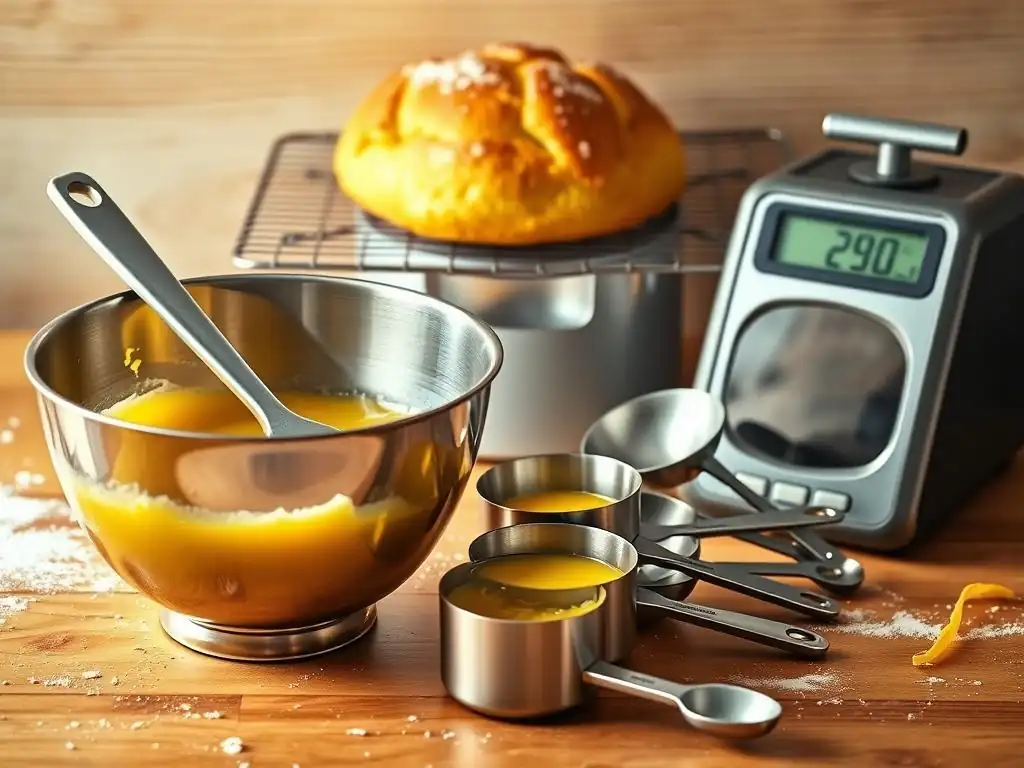
When you first step into the world of baking, it might seem like you need a kitchen full of gadgets. However, the reality is much simpler. Focusing on a select few essential baking tools beginners need allows you to learn fundamental techniques effectively. These core pieces of equipment aren't just about convenience; they are crucial for ensuring your ingredients are prepared correctly, measurements are accurate, and your baked goods cook evenly. Starting with the right foundation prevents frustration and builds confidence as you tackle new recipes.
Moreover, using appropriate tools helps demystify complex steps in baking. For instance, understanding why you need a specific type of pan or how a whisk incorporates air can transform a daunting recipe into an achievable goal. It's about empowering yourself with the means to execute instructions precisely. By understanding the purpose of each tool, you gain insight into the baking process itself, paving the way for creativity and experimentation down the line. These initial tools are your partners in learning the craft.
Setting Yourself Up for Baking Success
Setting yourself up for baking success begins before you even preheat the oven. It starts with gathering the fundamental gear that will support your efforts. Having the essential baking tools beginners need readily available means you can approach any basic recipe — from muffins to simple cakes — without hitting roadblocks. Imagine trying to accurately measure flour without measuring cups, or mix batter without a proper bowl and spatula; it would be incredibly difficult, if not impossible, to get the right consistency and proportions.
Investing in a few quality, foundational tools not only ensures you can follow recipes accurately but also makes the process more enjoyable. When tools function correctly and feel comfortable to use, baking becomes less of a chore and more of a pleasure. A sturdy whisk, for example, makes whipping egg whites or cream much less tiring, leading to better results and a more positive experience. This initial investment in the right equipment is an investment in your baking future, setting a positive tone for all your culinary adventures.
Avoiding Common Beginner Baking Mistakes
Many common baking mistakes stem directly from a lack of appropriate tools or not understanding how to use them correctly. For instance, inaccurate measurements are a frequent culprit behind failed bakes, leading to dense cakes or cookies that spread too much. This is often preventable by simply using proper measuring cups and spoons designed for baking. Similarly, uneven baking can often be traced back to using the wrong type or size of pan, or pans made from materials that conduct heat poorly.
Having the right essential baking tools beginners need acts as a safeguard against these pitfalls. Using a flexible spatula helps you scrape down the sides of your mixing bowl efficiently, ensuring all ingredients are incorporated evenly, preventing streaks of unincorporated flour. Understanding which whisk to use for different tasks ensures you achieve the desired texture, whether it's light and airy or smooth and emulsified. By equipping yourself properly, you minimize variables and increase your chances of achieving the desired outcome, building confidence with each successful bake.
The Top 5 Essential Baking Tools Beginners Need
When you're just starting out, the sheer volume of baking gadgets available can be overwhelming. To cut through the noise and focus on what truly matters, we've identified the top 5 essential baking tools beginners need to confidently tackle a wide range of recipes. These tools are versatile, fundamental, and provide the basis for learning core baking techniques. Think of this list as your absolute must-haves before you even think about specialty items like pastry bags or cookie cutters.
These five tools cover critical steps in almost any baking process: accurate measurement, efficient mixing, proper handling of batter/dough, reliable baking, and effective blending. They are the workhorses of a beginner baker's kitchen. Starting with these ensures you can successfully execute recipes for everything from simple quick breads and muffins to basic cakes and cookies. Let's dive into why each one is indispensable and what to look for when purchasing them.
#1: Measuring Cups and Spoons: Precision is Key
Baking is often described as a science, and like any science, precision is paramount. Unlike cooking, where you can often adjust ingredients by taste, baking relies on specific ratios to achieve the desired chemical reactions and textures. This is why accurate measuring cups and spoons are arguably the most essential baking tools beginners need. Having a reliable set ensures you add the exact amount of flour, sugar, leavening agents, and liquids required by the recipe, leading to consistent and predictable results.
A standard set of dry measuring cups usually includes 1 cup, 1/2 cup, 1/3 cup, and 1/4 cup sizes. Liquid measuring cups, typically made of clear glass or plastic, come in sizes like 1 cup, 2 cup, or 4 cup, featuring a spout for easy pouring and markings at eye level for accuracy. Measuring spoons typically include 1 tablespoon, 1 teaspoon, 1/2 teaspoon, and 1/4 teaspoon. Investing in sturdy sets, preferably made of stainless steel for spoons and dry cups, and glass or durable plastic for liquid cups, will ensure longevity and accuracy for countless baking projects.
Understanding Different Types of Measuring Tools
It's important to understand the distinction between dry and liquid measuring tools, as using the wrong type can lead to significant measurement errors. Dry measuring cups are designed to be leveled off with a straight edge (like a knife or bench scraper) after scooping, ensuring you get the exact volume of ingredients like flour, sugar, or oats. They are meant to be filled to the brim and leveled.
Liquid measuring cups, on the other hand, have extra space above the highest marking to prevent spills and feature a spout for pouring. They should be placed on a flat surface, and you should bend down to check the liquid level at eye level against the measurement line.
Using a dry measuring cup for liquids, or a liquid cup for dry ingredients that need leveling, will result in inaccurate amounts, which can significantly impact the outcome of your baked goods. For example, scooping flour directly with a dry cup without leveling can add up to 25% more flour than intended!
Why Accurate Measurements Matter in Baking
In baking, ingredients interact in precise ways. Leavening agents like baking soda and baking powder react with acids and liquids to create lift; fats tenderize; sugar provides sweetness, moisture, and aids in browning; and flour provides structure. Altering the ratio of these ingredients, even slightly, can dramatically change the texture, rise, and flavor of your final product. For instance, adding too much flour can result in a dry, dense cake, while too little sugar can affect moisture and browning.
Using accurate measuring cups and spoons eliminates a major variable in the baking process. It ensures that when a recipe calls for 1 tsp baking powder, you are adding exactly that amount, not slightly more or less. This consistency is crucial when you're learning, as it allows you to trust the recipe and understand the expected outcome. As you gain experience, you might learn how to make minor adjustments, but mastering accurate measurement with the right tools is the absolutely fundamental first step.
#2: Mixing Bowls: Choosing the Right Size and Material
Mixing bowls are the central hub for combining your ingredients, and having a good set is another key item in your collection of essential baking tools beginners need. You'll use them for everything from whisking eggs and cream to combining dry ingredients and mixing batters.
Having bowls of various sizes is incredibly useful. A small bowl is perfect for whisking a couple of eggs or melting butter, a medium bowl is ideal for combining dry ingredients or making smaller batches of batter, and a large bowl is necessary for mixing larger batches, kneading dough, or whipping cream without making a mess.
A set of nesting mixing bowls, typically including sizes around 2 quarts, 4 quarts, and 6 quarts, is an excellent starting point. This range covers most basic baking needs. The material of your mixing bowls also matters. Common options include glass, stainless steel, and plastic, each with its own pros and cons that can affect how you work with ingredients.
Glass vs. Stainless Steel vs. Plastic Mixing Bowls
Each material offers different advantages. Glass mixing bowls are heavy and sturdy, which prevents them from sliding around while you're mixing. They are also non-reactive, meaning they won't affect the flavor or color of your ingredients, and they are great for melting ingredients in the microwave. Their transparency allows you to see how well ingredients are mixed, and they retain heat well, which can be useful sometimes. However, they can break if dropped and are often heavier than other options.
Stainless steel mixing bowls are lightweight, durable, and non-reactive. They cool down quickly, which is beneficial when working with ingredients like whipping cream that benefit from being kept cold. They are less likely to break than glass bowls but can dent. Plastic mixing bowls are typically the most affordable and lightest option.
They are durable and won't break, but they can sometimes retain odors or stains, and some cheaper plastics might react with acidic ingredients over time. They can also sometimes feel less stable than glass or stainless steel when mixing vigorously. Many bakers prefer stainless steel for its versatility and durability, while glass is excellent for specific tasks like using a double boiler.
The Importance of Having Multiple Mixing Bowls
While you could technically wash and reuse one bowl multiple times during a single baking session, having multiple mixing bowls significantly streamlines the process and is highly recommended for efficiency. Many recipes require you to combine dry ingredients in one bowl and wet ingredients in another before combining them. Other recipes might require separating eggs, whipping egg whites in one bowl, and mixing yolks into batter in another.
Having a few bowls of different sizes allows you to prepare multiple components of a recipe simultaneously. For example, you can measure and whisk together your dry ingredients in a medium bowl while creaming butter and sugar in a large bowl. This saves time and makes the baking process much smoother and less interrupted. It also ensures that each set of ingredients is properly combined before being added to the main mixture, contributing to a better final texture and consistency. Aim for at least two or three bowls in varying sizes to start.
#3: Spatulas: Your Versatile Baking Companion
Often underestimated, spatulas are incredibly versatile and truly essential baking tools beginners need. A good spatula is like an extension of your hand, allowing you to scrape down the sides of bowls, fold delicate ingredients, and spread batters or frostings smoothly. They are indispensable for ensuring you don't waste any precious batter left clinging to the sides of your mixing bowl, and for gently combining ingredients without deflating airy mixtures.
There are a few different types of spatulas, but the most fundamental for a beginner are rubber or silicone spatulas and perhaps a small offset spatula. Silicone spatulas are particularly useful because they are heat-resistant (often up to 400-500°F or 200-260°C), flexible yet sturdy, and non-reactive. They come in various sizes and shapes, some with pointed tips for getting into corners and others with rounded edges for scraping curves.
Rubber Spatulas vs. Offset Spatulas
Flexible rubber or silicone spatulas are your main workhorses for mixing and scraping. They typically have a flat, flexible head attached to a handle. Their flexibility allows them to conform to the shape of a bowl or pan, making it easy to scrape every last bit of batter or dough. Silicone is generally preferred over older rubber types as it is more heat-resistant, durable, and doesn't absorb odors or colors. Look for spatulas with a seamless design or where the head is firmly attached to the handle to prevent food buildup in crevices.
Offset spatulas, on the other hand, have a thin, flat metal blade that is "offset" from the handle, creating a slight bend. While not strictly essential for every beginner recipe, they are incredibly useful for spreading batters into even layers in pans or frosting cakes and cupcakes smoothly. A small offset spatula (around 4-6 inches) is particularly handy for spreading batter evenly in brownie or cake pans before baking, ensuring the finished product is level.
Using Spatulas for Mixing, Scraping, and Folding
The primary uses for a flexible spatula are scraping and folding. When mixing ingredients in a bowl, you'll use the spatula to scrape down the sides and bottom frequently, ensuring all ingredients are fully incorporated and there are no pockets of dry flour or sugar left. This step is vital for achieving a uniform consistency in your batter or dough.
Folding is a specific technique used when you want to combine delicate ingredients, such as whipped egg whites or whipped cream, into a heavier batter without deflating the mixture. A spatula is perfect for this. You gently slice the edge of the spatula into the center of the mixture, scoop up some of the heavier batter from the bottom, and fold it over the lighter ingredient on top.
This process is repeated carefully until just combined, preserving the airiness that contributes to a light texture in cakes and soufflés. A good spatula makes these techniques much easier to execute effectively.
#4: Baking Pans: Selecting the Right Shape and Size
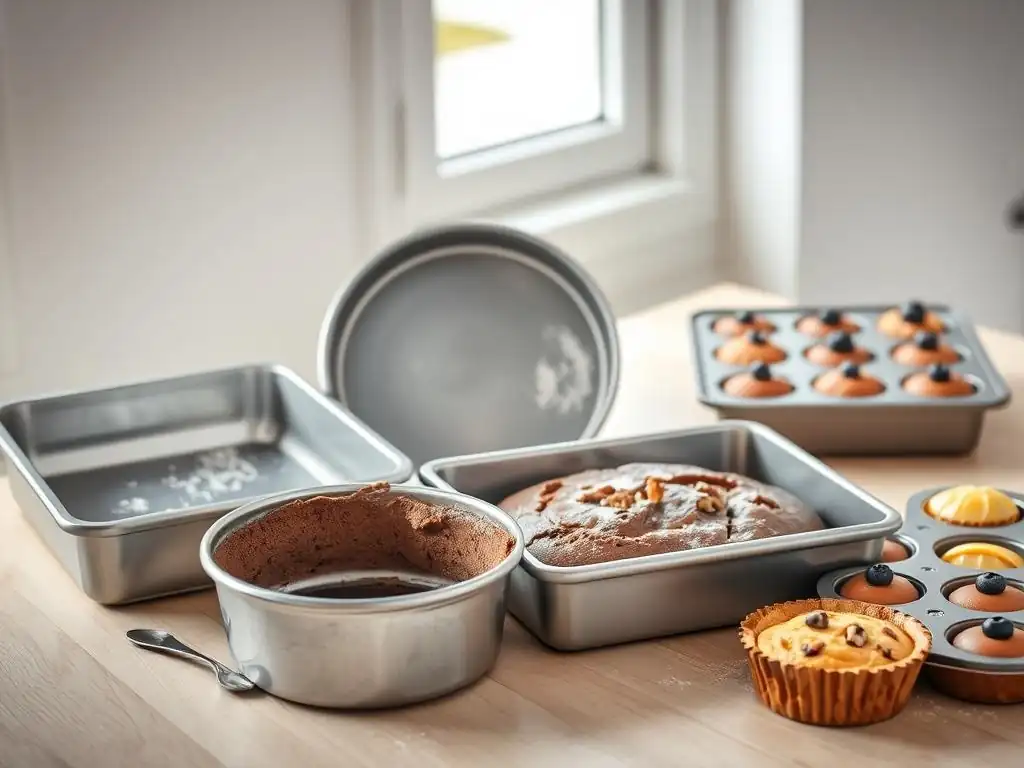
You can have the perfect batter, but without the right pan, you won't have a successful bake. Baking pans are fundamental essential baking tools beginners need as they provide the structure and surface area for your baked goods to cook properly. Pans come in countless shapes, sizes, and materials, but a beginner only needs a few versatile ones to get started. The size and material of the pan directly affect how heat is transferred to your batter, influencing baking time, crust development, and the overall texture of your bake.
Starting with a few standard, multi-purpose pans allows you to make a wide variety of popular baked goods. Think about the types of recipes you're most likely to try first – cookies, brownies, simple cakes, quick breads, maybe some muffins. A few key pan types will cover these bases effectively.
Essential Baking Pan Shapes: Round, Square, and Loaf
For a beginner, the most useful pan shapes are round, square, and loaf.
- Round pans are essential for cakes. Standard layer cakes are typically baked in 8-inch or 9-inch round pans.
- Square pans are perfect for brownies, bar cookies, and some types of cakes or cornbread. Common sizes are 8x8 inches or 9x9 inches.
- Loaf pans are used for quick breads like banana bread, zucchini bread, and pound cake, as well as yeast breads. The standard size is 9x5 inches.
Having one or two of each of these shapes will allow you to bake a vast majority of beginner-friendly recipes. A standard muffin tin (12 cups) is also incredibly useful for muffins, cupcakes, and even mini quiches or savory bakes.
Understanding Different Baking Pan Materials
Baking pans are commonly made from aluminum, non-stick coated metal, glass, or ceramic. Each material conducts heat differently:
- Aluminum (often anodized) is favored by many professional bakers for its excellent heat conductivity, which promotes even baking and consistent results. It browns baked goods nicely.
- Non-stick coated metal pans are popular for ease of use and cleanup, as baked goods release easily. However, the non-stick coating can sometimes prevent optimal browning, and they may not last as long as bare metal pans if not cared for properly.
- Glass and Ceramic pans conduct heat more slowly than metal but retain it longer. This can be good for casseroles but might lead to overcooked edges and less evenly baked interiors for some delicate baked goods like cakes. If using glass for recipes developed for metal pans, you might need to reduce the oven temperature by about 25°F (approx. 15°C).
For a beginner, good quality non-stick metal pans are often a practical choice due to their ease of use and release, although many bakers also love the consistent results from aluminum.
Recommended Baking Pan Sizes: 9-inch Round, 8-inch Square, 9x5-inch Loaf
To start building your collection of essential baking tools beginners need, focus on these versatile sizes:
- One or two 9-inch round cake pans. These are standard for most layer cake recipes.
- One 8x8-inch square pan. Ideal for smaller batches of brownies or bar cookies. A 9x13-inch rectangular pan is also incredibly versatile for larger batches, sheet cakes, and casseroles, and could be considered alongside these.
- One 9x5-inch loaf pan. The go-to size for quick breads and standard yeast loaves.
Adding a standard 12-cup muffin tin rounds out this essential set, allowing you to make cupcakes and muffins effortlessly. These sizes are called for in countless recipes, ensuring your new pans will get plenty of use.
#5: Whisk: Incorporating Air and Emulsifying Ingredients
The humble whisk is a powerhouse when it comes to incorporating air into ingredients or smoothly combining liquids that wouldn't normally mix (emulsifying). It's an indispensable tool for achieving light textures in batters, whipping cream or egg whites, and ensuring smooth sauces or gravies. Without a whisk, achieving tasks like whipping egg whites to stiff peaks for meringues or soufflés would be incredibly challenging. It's definitely one of the essential baking tools beginners need.
Whisks come in various shapes and sizes, designed for specific tasks. For a beginner, a standard balloon whisk is the most versatile and useful type to start with.
Different Types of Whisks for Different Baking Tasks
While there are specialty whisks like flat whisks (good for gravies and sauces in shallow pans) or ball whisks (designed to reach corners), the most common and versatile is the balloon whisk. It has many wires arranged in a bulbous or balloon shape. This shape is excellent for incorporating air into mixtures like egg whites or cream, and for smoothly combining ingredients in a bowl, preventing lumps in batters or custards. A medium-sized balloon whisk (around 10-12 inches long) is a good starting point.
Another useful type, though perhaps slightly less essential than the balloon whisk for absolute beginners, is a French whisk. It's similar to a balloon whisk but usually has a narrower, more elongated shape. It's also good for incorporating air but is particularly effective for getting into the corners of pots and pans when making sauces or custards on the stovetop. For starting out, a single, good quality balloon whisk will suffice for most basic baking tasks.
How to Properly Use a Whisk for Optimal Results
Using a whisk effectively is about technique and speed. To incorporate air, such as when whipping egg whites or cream, you want to use a fast, circular motion, often incorporating some up-and-down movement as well. This helps to trap air bubbles within the mixture, increasing its volume and changing its texture. For egg whites, this process transforms them from a liquid into a fluffy, stable foam.
When combining ingredients like dry mixes into wet ingredients, or emulsifying liquids like oil and vinegar (though less common in basic baking, useful for dressings sometimes used with baked goods), you use the whisk to rapidly break up lumps and create a smooth, uniform mixture. A brisk back-and-forth or circular motion works well.
Ensure you scrape down the sides of your bowl with a spatula periodically to make sure all ingredients are being incorporated by the whisk. The goal is to achieve a homogenous mixture without overmixing, which can develop gluten too much in some batters, leading to tough results.
Beyond the Basics: Other Helpful Tools
Once you've mastered the fundamentals with your initial set of essential baking tools beginners need, you might find yourself wanting to expand your repertoire and tackle slightly more involved recipes. There are several other tools that, while not strictly necessary for your very first bakes, can be incredibly helpful and make certain tasks much easier and more efficient. These are great additions to consider as you grow more comfortable in the kitchen.
Think of these as the next tier of tools that enhance specific techniques. They include items that help with dough handling, sifting dry ingredients, and precise cutting or portioning. Adding these one by one as needed for particular recipes is a smart way to build your collection without feeling overwhelmed or purchasing tools you won't use regularly.
Rolling Pins, Sifters, and Bench Scrapers
- Rolling Pin: Essential for making pie crusts, cookies that need rolling out, or pastries. They come in various styles (like French or American), typically made from wood, marble, or metal. A simple wooden rolling pin is a great starting point.
- Sifter or Fine-Mesh Sieve: Used to aerate flour, remove lumps from dry ingredients, and combine ingredients like flour and baking powder very thoroughly. Sifting can lead to lighter, more tender baked goods. A fine-mesh sieve is a versatile alternative that can also be used for draining liquids or dusting surfaces with powdered sugar.
- Bench Scraper: A flat, rectangular metal blade with a handle, often used by bread bakers but useful for many tasks. It's great for portioning dough, transferring chopped ingredients, and scraping sticky dough or flour residue from your counter or bench.
These tools unlock the ability to confidently make things like homemade pizza dough, beautifully smooth sugar cookies, or delicate scones, expanding your baking horizons beyond simple batters.
Investing in Quality: Where to Buy Your Essential Baking Tools
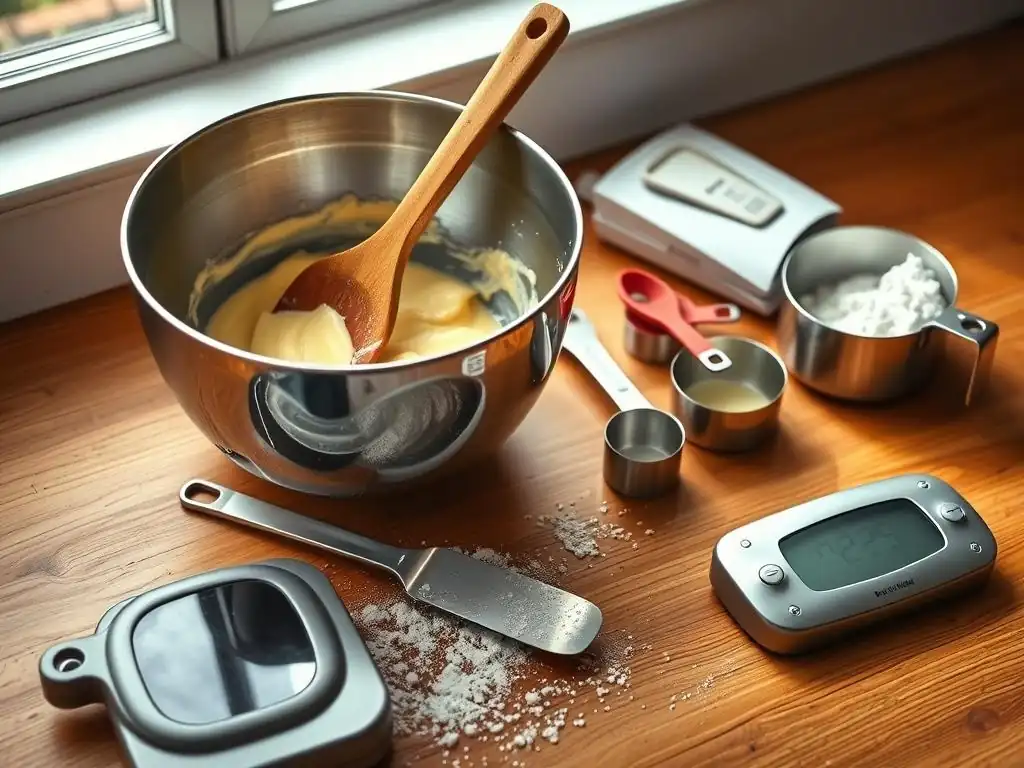
When selecting your essential baking tools beginners need, it's wise to invest in quality where you can. Well-made tools are more durable, perform better, and will last you for years, saving you money in the long run compared to constantly replacing flimsy items. You don't need the most expensive professional-grade equipment to start, but look for sturdy construction, reliable materials (like stainless steel, silicone, or anodized aluminum), and good reviews.
There are several reputable places to purchase baking supplies, ranging from large retailers to specialty shops. Consider where you prefer to shop and what level of quality you're seeking.
Recommendations for Reputable Baking Supply Retailers
You can find essential baking tools beginners need at various types of stores:
- Large Department Stores: Many have extensive kitchenware sections carrying major brands of baking tools and pans. They often have sales, making it a good place to find sets of measuring tools or mixing bowls.
- Specialty Kitchen Stores: Stores dedicated specifically to cooking and baking supplies usually offer a wider selection of high-quality tools and brands. Staff are often knowledgeable and can provide advice.
- Online Retailers: Provide convenience and a vast selection from numerous brands. Reading customer reviews can be helpful in assessing the quality and performance of specific tools.
- Restaurant Supply Stores: Sometimes offer durable, no-frills versions of essential kitchen tools at competitive prices, often designed for heavy use.
Wherever you choose to buy, look for tools that feel sturdy in your hand, are made from appropriate materials (like heat-resistant silicone spatulas or warp-resistant metal pans), and have clear, easy-to-read measurements on cups and spoons. Reading reviews from other bakers can also provide valuable insights into a tool's performance and durability over time.
Conclusion: Start Baking with Confidence
Embarking on your baking journey armed with the right tools is the first step towards countless delicious creations. By focusing on the five truly essential baking tools beginners need – accurate measuring cups and spoons, versatile mixing bowls, flexible spatulas, reliable baking pans in standard sizes, and a good whisk – you equip yourself to handle the vast majority of beginner-friendly recipes with confidence. These tools provide the foundation for executing fundamental techniques accurately and efficiently.
Remember, baking is a skill that develops with practice. Don't be discouraged by initial imperfections. Each bake is a learning experience. With your essential toolkit ready, you are well-prepared to follow recipes, understand processes, and build the muscle memory needed to become a successful baker. So, gather your essential equipment, choose a recipe that excites you, and dive in! The world of baking awaits, and you now have the fundamental gear to unlock its sweet rewards.
Mastering the Basics with Essential Equipment
Mastering the basics of baking fundamentally relies on having the right equipment to perform tasks accurately. Precision in measuring, thoroughness in mixing, and consistency in baking are all directly supported by using the appropriate tools. Think about how using precise measuring cups helps you understand the correct ratio of flour to liquid, which is critical for dough consistency. Or how a flexible spatula allows you to gently fold in delicate ingredients, preserving the airy texture needed for a light cake.
Your initial investment in these essential baking tools beginners need isn't just about owning objects; it's about enabling the learning process. They allow you to translate instructions from a recipe into tangible actions with predictable outcomes. As you become more familiar with how your tools work and how they interact with ingredients, you'll gain an intuitive understanding of the baking process. This mastery of the basics, facilitated by your essential equipment, paves the way for you to eventually experiment, adapt recipes, and develop your own signature bakes.
Frequently Asked Questions
What are the top 5 essential baking tools for someone just starting out?
The article highlights a basic set: a mixing bowl, measuring cups and spoons, a rubber spatula, a baking sheet, and a wire rack. These are the foundational tools for most recipes.
Why are measuring cups and spoons considered so important in baking?
Baking is a science, and precise measurements are crucial for success. They ensure the correct ratios of ingredients, leading to predictable results.
Can I substitute a regular pan for a baking sheet if I don't have one?
While you can try, it's not ideal. Baking sheets provide even heat distribution and are easy to handle, preventing unevenly baked goods.
What is the purpose of a wire rack after baking?
A wire rack allows baked goods to cool evenly by allowing air to circulate underneath. This prevents them from becoming soggy from trapped moisture.
Is a rubber spatula really necessary, or can I use a regular spoon?
A rubber spatula is invaluable for scraping bowls clean, ensuring you incorporate all ingredients. It is also gentle on non-stick surfaces, which is very important.
Final Reflection: The Sweet Science of Starting
Mastering the art of baking isn't about expensive gadgets; it's about understanding the fundamentals. The five essential tools highlighted in this article—measuring cups and spoons, mixing bowls, a whisk, a spatula, and a baking sheet—represent the bedrock upon which countless delicious creations are built. These aren't just tools; they're the keys to unlocking a world of culinary creativity.
The joy of baking, for me, lies not just in the final product, but in the process itself. It's a meditative act, a blend of precision and intuition, where even the smallest detail can make a significant difference. Baking is a science, but it's also an art. It's about precision, but it's also about passion.
This quote perfectly encapsulates the experience, reminding us that while technique is crucial, the heart and soul poured into the process are equally important. The impact of baking extends beyond the individual, fostering connections through shared meals and the simple pleasure of creating something beautiful and delicious.
Now, it's your turn. Don't be intimidated by the seemingly endless world of baking tools. Start with these five essentials, experiment with recipes, and let your passion guide you. Embrace the occasional mishap—they're valuable learning experiences—and most importantly, enjoy the journey. The sweet rewards of baking success await you, one perfectly measured cup of flour at a time.
Unleash Your Inner Baker: Get Started Today!
Thanks for taking the time to explore the world of baking with us! We hope you now feel confident in taking those first delicious steps. Ready to transform your kitchen into a baking haven?
- Invest in your first essential tool: Start with just one of the tools highlighted – the one that excites you most! Mastering that single tool will build your confidence and unlock a world of baking possibilities.
- Share your baking journey: Tag us on social media with your first baking project using #BakeWithEase – we'd love to see your creations!
- Explore our beginner recipes: Dive deeper into our collection for more inspiration and step-by-step guides.
What's the first recipe you're going to tackle? Let us know in the comments below!