
Foolproof Sponge Cake: Your First Baking Success Story

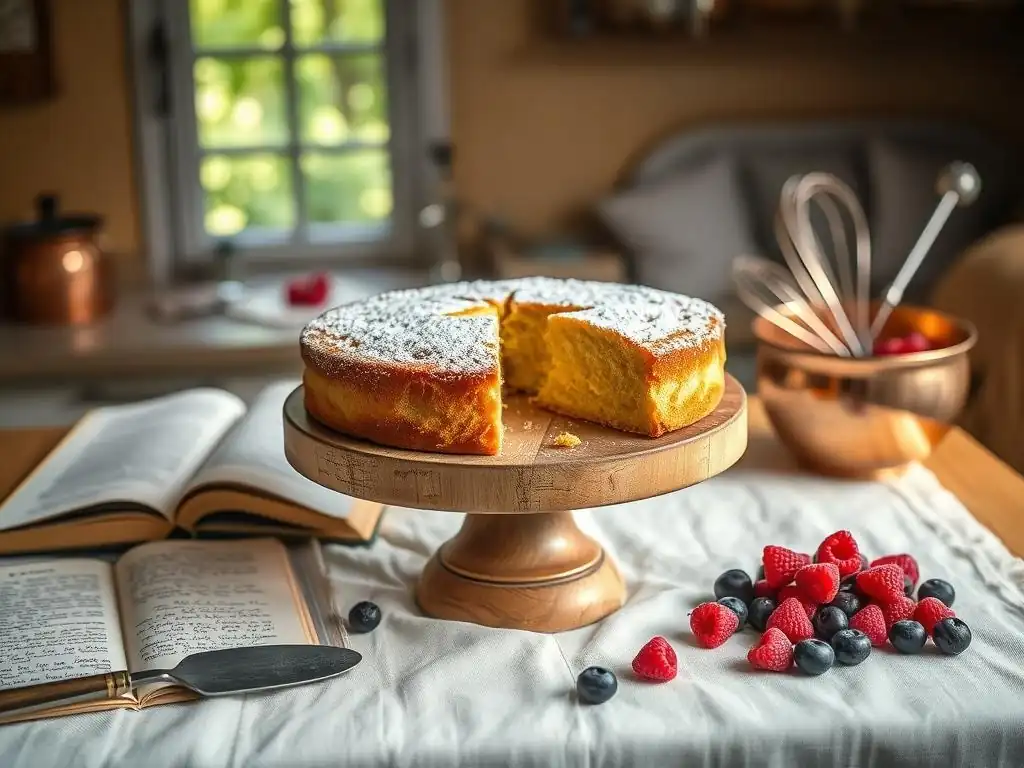
Welcome to BakeWithEase, where even the most daunting recipes become delightfully achievable! Are you ready to conquer the kitchen and bake a cake that's light, airy, and utterly delicious? Then dive in and discover our Foolproof Sponge Cake Recipe for Beginners. We'll guide you through every step, ensuring your first baking experience is a resounding success. What's the secret to that perfect rise and delicate texture? Keep reading to find out!
- Bake With Ease: Achieving Baking Success with Sponge Cake
- Why This Sponge Cake Recipe is Perfect for Beginners
- Foolproof Sponge Cake Recipe: Ingredients and Preparation
- Easy Sponge Cake Baking: A Step-by-Step Guide for Beginners
- Troubleshooting Your Sponge Cake: Common Beginner Mistakes and How to Avoid Them
- Variations and Flavor Enhancements for Your Beginner-Friendly Sponge Cake
- Serving and Storing Your Delicious Sponge Cake
- Mastering the Basics: From Sponge Cake to Baking Pro
-
Frequently Asked Questions
- What makes this sponge cake recipe foolproof for beginners?
- What are the essential ingredients I absolutely must have to make this sponge cake?
- Can I substitute any of the ingredients in this recipe?
- How do I know when my sponge cake is fully baked?
- What are some common mistakes to avoid when making a sponge cake?
- Final Reflection: The Sweet Taste of Success and Baking Confidence
- Unlock Your Inner Baker: Take the Next Step!
Bake With Ease: Achieving Baking Success with Sponge Cake
Embarking on your baking journey can feel daunting, but with the right recipe and guidance, your first attempt can be a resounding success. A classic sponge cake is an ideal starting point for beginners. Its simple structure and fundamental techniques teach you essential baking skills, laying a solid foundation for future culinary adventures. At BakeWithEase, we believe baking should be fun and accessible, and this foolproof sponge cake recipe is designed specifically to build your confidence from the very first attempt.
This easy sponge cake recipe for beginners focuses on clear instructions and forgiving methods, minimizing common pitfalls. By mastering this basic cake, you'll understand the role of key ingredients like eggs, flour, and sugar, and how simple mixing techniques create magic in the oven. Think of this as your foundational baking project – a delicious, light, and airy sponge cake that proves you have what it takes to bake with ease.
Why This Sponge Cake Recipe is Perfect for Beginners
Simple Ingredients, Big Flavor: The Beginner's Sponge Cake Promise
One of the greatest advantages of this foolproof sponge cake recipe beginners can follow is its reliance on basic pantry staples. You won't need exotic flours or specialized leavening agents. Typically, a classic sponge cake calls for just eggs, sugar, flour, and sometimes butter. These ingredients are readily available in any grocery store and are cost-effective, making your first baking project accessible and affordable.
Despite the simplicity of the ingredients, the resulting flavor is anything but bland. A well-made sponge cake offers a delicate sweetness and a wonderfully light texture that serves as a perfect canvas for various fillings and toppings. It's the pure, unadulterated taste of simple baking done right, providing a satisfying reward for your minimal effort and proving that an easy sponge cake recipe for beginners can deliver impressive results.
A Step-by-Step Guide to Effortless Sponge Cake Baking
This recipe breaks down the process into manageable, easy-to-understand steps. Each stage is explained clearly, guiding you from preparing your ingredients to cooling the finished cake. We focus on techniques crucial for sponge cake success, such as properly whisking eggs or gently folding in flour, explaining why each step is important in simple terms.
Following a clear, sequential guide removes much of the guesswork that can intimidate novice bakers. You'll know exactly what to do next, reducing the chance of errors and increasing the likelihood of a perfect outcome. This methodical approach makes the foolproof sponge cake recipe beginners friendly and builds essential procedural skills applicable to countless other baking projects. It’s about building confidence through clarity and simplicity.
Foolproof Sponge Cake Recipe: Ingredients and Preparation
Essential Ingredients for a Light and Airy Sponge Cake
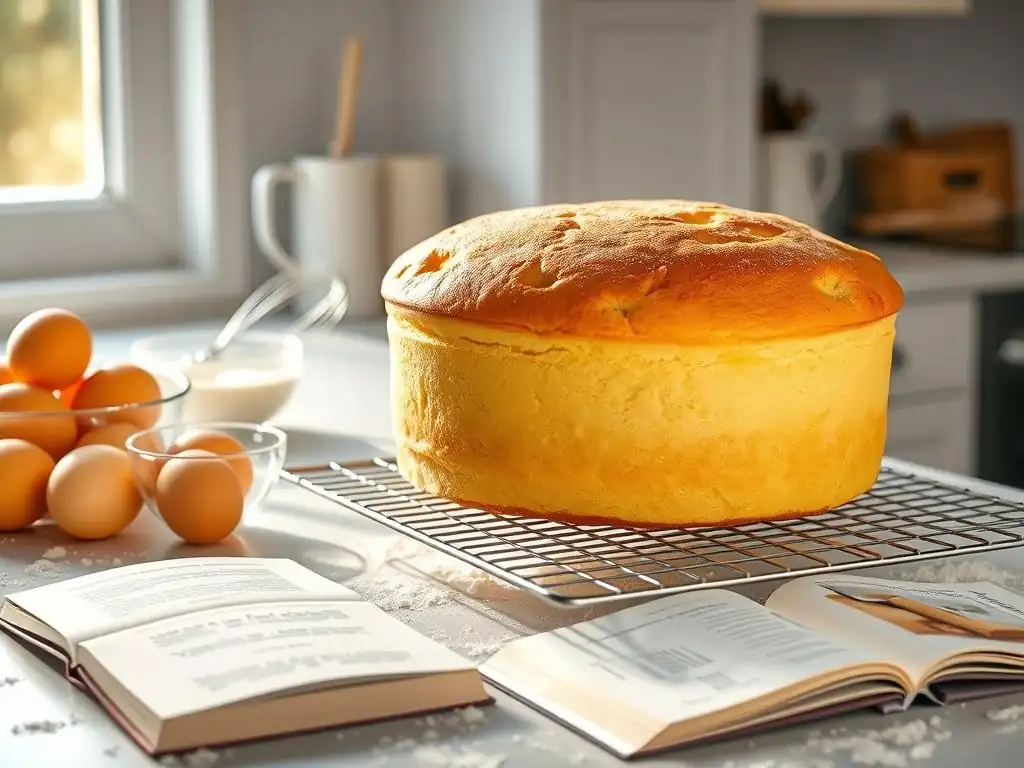
To create a truly light and airy sponge cake, the quality and preparation of your ingredients are key. You'll need large eggs (around 4-6, depending on the recipe's scale), granulated sugar (typically an equal weight to the eggs), and plain all-purpose flour (also an equal weight). Some recipes, like the one we favor for beginners, include a small amount of melted butter or oil to add a touch of richness and moisture, preventing the cake from being too dry.
The eggs are the primary leavening agent in a traditional sponge, so ensure they are at room temperature. This allows them to whip up to their maximum volume, trapping more air and contributing significantly to the cake's lift. The sugar helps stabilize the whipped eggs and adds sweetness, while the flour provides structure. Using the correct ratio of these simple ingredients is fundamental to achieving that signature light texture in your easy sponge cake recipe for beginners.
Preparing Your Baking Pan: Preventing Sticking and Ensuring Even Baking
Proper pan preparation is a non-negotiable step for a foolproof sponge cake recipe beginners. Skipping this can lead to your beautiful cake sticking, resulting in a frustrating and messy outcome. The most common method involves lightly greasing the pan with butter or baking spray, then dusting it with flour. Ensure every surface that will touch the batter is covered – the bottom and sides.
For extra security, especially with delicate sponge cakes, you can line the bottom of the pan with parchment paper after greasing and flouring. Simply cut a circle or square of parchment to fit snugly in the base. This creates a non-stick barrier that guarantees the cake will release cleanly. Taking these few minutes to prepare your pan correctly ensures your easy sponge cake recipe for beginners slides out effortlessly, ready to be decorated or served.
Easy Sponge Cake Baking: A Step-by-Step Guide for Beginners
Step 1: Creaming Butter and Sugar for a Light Texture
While traditional sponge cakes rely solely on whipped eggs for lift, our beginner-friendly version often incorporates a small amount of butter or oil, which is creamed with the sugar. This step, if using butter, involves beating softened butter and sugar together until the mixture becomes pale yellow and fluffy. This process incorporates air into the fat, further contributing to the cake's light texture.
Using an electric mixer on medium speed is ideal for creaming, and it typically takes about 3 to 5 minutes. You'll notice the sugar crystals begin to dissolve slightly, and the volume of the mixture will increase. This creates a stable base for the subsequent ingredients and is a foundational technique in many cake recipes, making it an excellent skill to practice with this foolproof sponge cake recipe beginners can master.
Step 2: Incorporating Eggs for a Rich and Moist Sponge Cake
Eggs play a dual role in this easy sponge cake recipe for beginners: they add richness and moisture, and when whipped properly, they provide significant lift. If you are using a butter-based sponge, you'll add the eggs one at a time to the creamed butter and sugar mixture, beating well after each addition until fully incorporated. This prevents the mixture from curdling.
For a classic sponge where eggs are the primary leavener, the eggs and sugar are typically whisked together over a gentle heat (like a double boiler) until warm, then whipped vigorously off the heat until they are very pale, thick, and tripled in volume. This can take 8-10 minutes with an electric mixer. The resulting mixture should hold a ribbon-like trail when the whisk is lifted. This volume of air is absolutely critical for the light texture of your foolproof sponge cake beginners will love.
Step 3: Folding in Flour: The Secret to a Tender Crumb
After the eggs are incorporated or whipped, the dry ingredients, primarily flour, are added. This step is crucial for developing a tender crumb and should be done carefully. The goal is to combine the flour without deflating the airy egg mixture you worked hard to create. Sift the flour over the wet ingredients to distribute it evenly and remove any lumps.
Use a large spatula and a gentle folding motion. Cut through the center of the batter, scoop some from the bottom, and fold it over the top. Rotate the bowl and repeat until just combined. Avoid overmixing, as this develops gluten in the flour, resulting in a tough, dense cake instead of a light and airy one. Gentle folding is key to the success of your easy sponge cake recipe for beginners.
Step 4: Baking to Perfection: Time and Temperature for Sponge Cake Success
Baking time and temperature are critical variables for any foolproof sponge cake recipe beginners. A common temperature is 180°C (350°F), and baking time for a standard 20cm (8-inch) round cake can range from 25 to 35 minutes. However, ovens vary, so it's essential to watch the cake closely.
The cake is done when it's golden brown, pulls slightly away from the sides of the pan, and springs back gently when lightly pressed in the center. You can also insert a wooden skewer or toothpick into the center; if it comes out clean, the cake is ready. Baking for the correct duration ensures the cake is cooked through without drying out, leading to a perfectly baked easy sponge cake recipe for beginners.
Troubleshooting Your Sponge Cake: Common Beginner Mistakes and How to Avoid Them

Avoiding a Dense Sponge Cake: Tips for Light and Airy Results
A common disappointment when making a foolproof sponge cake recipe beginners attempt is a dense, heavy texture instead of a light, airy one. This is often caused by not incorporating enough air into the batter or by losing the air during the mixing process. Ensure your eggs are at room temperature and whipped to the correct volume (if using the egg-whipping method) or that your butter and sugar are creamed properly.
Overmixing after adding the flour is another major culprit. The gentle folding technique described in Step 3 is vital. Mixing too vigorously develops gluten, which creates structure but also toughness. Aim to mix only until the flour streaks disappear. By focusing on maximizing air incorporation early and minimizing gluten development later, you'll significantly improve your chances of a light and airy easy sponge cake recipe for beginners.
Preventing a Sunken Sponge Cake: Ensuring Even Baking
A sunken center is another frustrating issue for beginners. This usually happens when the cake is removed from the oven before it is fully baked, causing the undercooked center to collapse as it cools. It can also result from opening the oven door too early during baking, especially in the first 20-25 minutes, which can cause a sudden drop in temperature.
To prevent a sunken cake, make sure your oven temperature is accurate (consider using an oven thermometer) and avoid opening the oven door until the cake is close to being done. Use the skewer test in the center of the cake to confirm it's fully baked before taking it out. Allowing the cake to cool slightly in the pan on a wire rack before inverting it can also help stabilize the structure of your foolproof sponge cake beginners.
Dealing with Cracks: Embracing Imperfection and Deliciousness
Sometimes, a sponge cake might develop cracks on its surface during baking. While not ideal aesthetically, this is a very common occurrence, especially if the oven temperature is slightly too high or if the batter surface dries out too quickly. Rest assured, a cracked sponge cake is still perfectly delicious and signals that the cake rose well.
Think of cracks as character! They don't affect the taste or texture of the cake. You can easily cover cracks with a simple dusting of powdered sugar, a layer of whipped cream, or frosting. Don't let a few cracks deter you; focus on the wonderful flavor and texture you've achieved with your easy sponge cake recipe for beginners. Every bake is a learning experience, and even imperfect cakes taste great!
Variations and Flavor Enhancements for Your Beginner-Friendly Sponge Cake
Adding Citrus Zest for a Zesty Twist
Once you've mastered the basic foolproof sponge cake recipe beginners can follow, you can easily introduce simple flavor variations. A fantastic way to add brightness is by incorporating citrus zest. The finely grated peel of a lemon, orange, or lime adds a wonderful aromatic note that complements the light flavor of the sponge.
Simply add the zest of one citrus fruit (like one medium lemon) to the batter along with the wet ingredients or when creaming the butter and sugar. Ensure you only grate the colored part of the peel, avoiding the bitter white pith underneath. This simple addition transforms your easy sponge cake recipe for beginners into a Lemon Sponge Cake or Orange Sponge Cake with minimal effort.
Incorporating Vanilla Extract for a Classic Flavor
Vanilla extract is a classic addition to almost any cake, and it works beautifully with a sponge. It enhances the natural sweetness and creates a comforting, familiar flavor profile that everyone loves. For a standard sponge cake recipe using 4-6 eggs, you would typically add 1 to 2 teaspoons of good quality vanilla extract.
Add the vanilla extract along with the wet ingredients, such as when incorporating the eggs. Ensure you use pure vanilla extract for the best flavor, rather than imitation vanilla. This simple step elevates your foolproof sponge cake recipe beginners will make from plain to perfectly classic vanilla.
Chocolate Sponge Cake: A Simple Adaptation for Chocolate Lovers
Transforming your easy sponge cake recipe for beginners into a chocolate version is surprisingly simple. Instead of replacing all the flour with cocoa powder (which can dry out the cake), you typically substitute a small portion of the flour with unsweetened cocoa powder. For example, if the recipe calls for 150g of flour, you might use 130g flour and 20g cocoa powder.
Sift the cocoa powder together with the flour before folding it into the batter. This ensures the cocoa is evenly distributed and lump-free. The result is a delicious, light chocolate sponge cake that's still easy for beginners to make, proving the versatility of your foundational foolproof sponge cake recipe beginners.
Serving and Storing Your Delicious Sponge Cake
Simple Serving Suggestions for a Perfect Finish
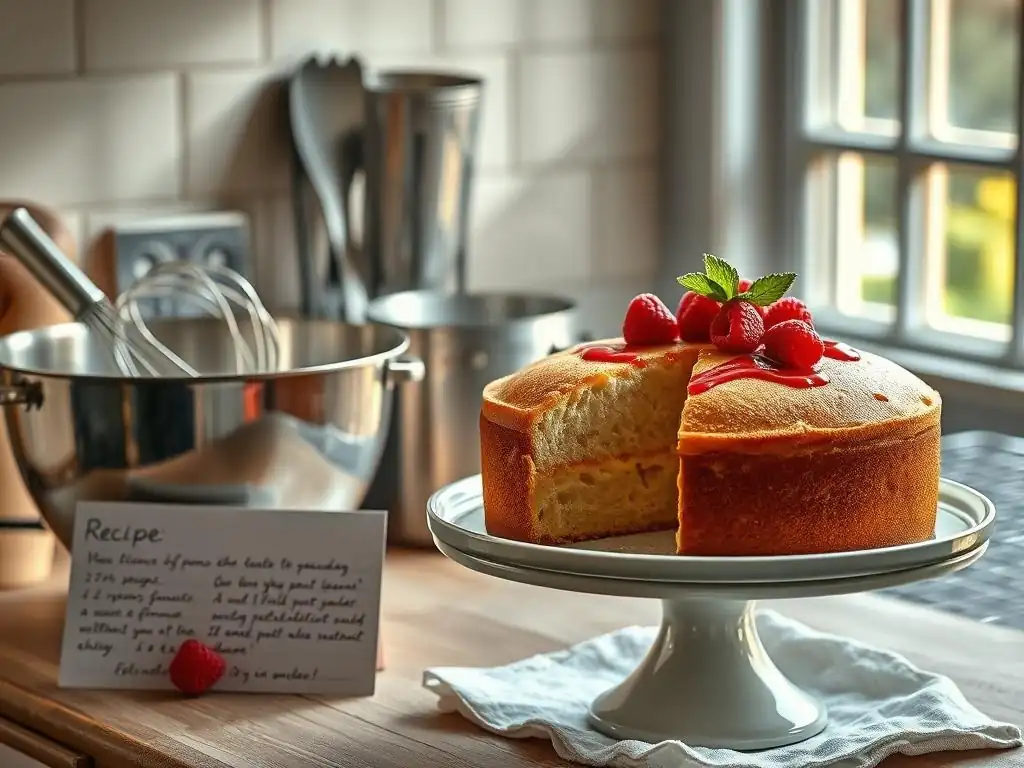
Your foolproof sponge cake recipe beginners success story is delicious on its own, but it also serves as a versatile base for numerous simple serving ideas. For an effortlessly elegant presentation, dust the top generously with powdered sugar using a sieve. The fine powder highlights the cake's shape and adds a touch of sweetness.
Alternatively, serve slices with fresh berries and a dollop of whipped cream. The lightness of the sponge pairs wonderfully with the freshness of fruit and the richness of cream. A simple drizzle of fruit coulis or a light glaze made from powdered sugar and lemon juice also works beautifully, adding flavor without overwhelming the delicate texture of your easy sponge cake recipe for beginners.
Properly Storing Your Sponge Cake to Maintain Freshness
To keep your delicious sponge cake fresh and moist, proper storage is key. Once the cake has cooled completely on a wire rack, wrap it tightly in plastic wrap or aluminum foil. Ensure it is sealed well to prevent air from drying it out. Store the wrapped cake at room temperature on your counter.
If you need to store it for more than 2-3 days, or if your kitchen is very warm, you can store the wrapped cake in an airtight container in the refrigerator for up to a week. For longer storage, slice the cooled cake, wrap individual slices tightly, and store them in a freezer bag in the freezer for up to 2-3 months. Thaw slices at room temperature. Proper storage ensures your foolproof sponge cake recipe beginners enjoyed stays delicious for as long as possible.
Mastering the Basics: From Sponge Cake to Baking Pro
Building Your Baking Confidence: One Sponge Cake at a Time
Completing this foolproof sponge cake recipe beginners guide is more than just making a cake; it's about building confidence in the kitchen. Each successful step, from measuring ingredients accurately to seeing the cake rise and bake perfectly, reinforces your ability to follow instructions and execute baking techniques.
Don't be discouraged if your first attempt isn't absolutely perfect. Baking is a skill that improves with practice. The techniques you learned, like whisking, folding, and recognizing when a cake is done, are fundamental to countless other recipes. This easy sponge cake recipe for beginners is your first step on a rewarding journey of baking exploration.
Expanding Your Baking Repertoire: Exploring Other Simple Cake Recipes
With the confidence gained from mastering this easy sponge cake recipe for beginners, you are now ready to explore other simple cake recipes. Look for other basic cakes like pound cake, simple butter cakes, or muffins. These recipes often build upon the same foundational skills you've just practiced.
BakeWithEase offers many other beginner-friendly recipes that use similar techniques but introduce slight variations or new flavors. Continue practicing the basics, gradually tackling recipes with slightly more complexity. Your foolproof sponge cake recipe beginners success is just the beginning of a wonderful baking adventure!
Frequently Asked Questions
What makes this sponge cake recipe foolproof for beginners?
This recipe focuses on simple ingredients and clear, step-by-step instructions, minimizing common baking mistakes and ensuring a light and airy texture. We also emphasize using room temperature ingredients for optimal emulsification.
What are the essential ingredients I absolutely must have to make this sponge cake?
You'll need eggs, sugar, flour, and a leavening agent (like baking powder). While vanilla extract enhances the flavor, it's not strictly essential for the basic recipe.
Can I substitute any of the ingredients in this recipe?
While some substitutions are possible, it's generally not recommended for beginners. Using precise measurements and the listed ingredients is key to a successful first attempt.
How do I know when my sponge cake is fully baked?
Insert a toothpick into the center of the cake. If it comes out clean (or with a few moist crumbs), it's done. Also, the cake should be lightly golden brown and spring back slightly when gently pressed.
What are some common mistakes to avoid when making a sponge cake?
Overmixing the batter can lead to a tough cake. Also, avoid opening the oven door frequently during baking, as this can cause the cake to collapse. Always measure ingredients accurately.
Final Reflection: The Sweet Taste of Success and Baking Confidence
Mastering the foolproof sponge cake isn't just about creating a delicious dessert; it's about unlocking a world of baking possibilities. The simple elegance of this recipe, designed specifically for beginners, serves as a gateway to a more confident and creative you in the kitchen. This isn't just about following instructions; it's about building a foundation of understanding that empowers you to tackle more complex baking challenges with ease.
The joy of baking, particularly for beginners, lies not only in the final product but in the journey itself. The process of measuring, mixing, and watching a simple batter transform into a light and airy cake is incredibly rewarding. It's a tangible demonstration of the power of following instructions and paying attention to detail. The best things in life are homemade,
and this sentiment rings especially true when it comes to baking. The act of creating something delicious from scratch fosters a sense of accomplishment and pride that extends far beyond the simple act of eating cake.
Now, armed with the knowledge and confidence gained from this foolproof recipe, I encourage you to explore the vast world of baking. Don't be afraid to experiment, to adapt, and to personalize your creations. The next time you're tempted to order a cake, remember the satisfaction of making one yourself. Embrace the challenge, trust the process, and savor the sweet taste of success – both in the cake and in your newfound baking confidence.
Unlock Your Inner Baker: Take the Next Step!
Thanks for joining us on this baking adventure! We hope you gained the confidence to tackle even the trickiest sponge cake. Ready to take your baking skills to the next level?
- Bake your own foolproof sponge cake today! Use the recipe from the article and let us know how it turns out – we'd love to see your creations!
- Share your baking triumph with friends and family – inspire others to try their hand at this classic recipe.
- Explore our other easy baking recipes on BakeWithEase.com – we have tons of beginner-friendly recipes just waiting to be discovered!
What delicious variation of this sponge cake will you create first?