
Tips for a Crisp, GlutenFree Tart Shell with Rice and Tapioca Flours

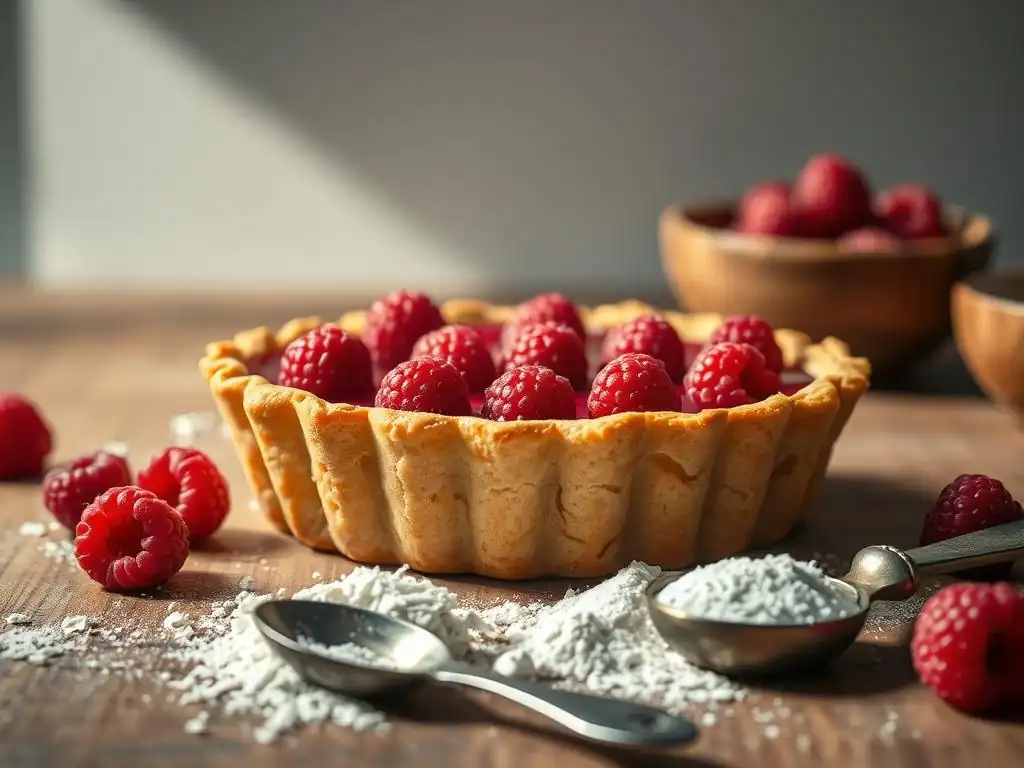
Welcome to BakeWithEase, your trusted companion in the baking journey! Are you ready to achieve the impossible – a perfectly crisp, gluten-free tart shell that defies all expectations? This article dives deep into essential Glutenfree tart shell tips, unveiling the secrets to using rice and tapioca flours for a flaky, delicious crust. Prepare to elevate your dietary and allergen-specific baking and discover a new level of confidence in the kitchen. Want to know how to avoid that dreaded soggy bottom? Let's get baking!
- Tips for a Crisp, Gluten-Free Tart Shell with Rice and Tapioca Flours: BakeWithEase Guide
- Mastering the Gluten-Free Tart Shell: An Introduction
- Achieving a Crisp Gluten-Free Tart Crust: Key Ingredients & Techniques
-
Essential Gluten-Free Tart Shell Tips for a Flaky Crust
- Tip 1: Use Cold Ingredients for Optimal Texture
- Tip 2: The Shortening Secret: Butter vs. Shortening for Gluten-Free Tart Crust
- Tip 3: Mastering the Gluten-Free Tart Shell Dough: Mixing and Handling
- Tip 4: The Chill Factor: Why Chilling is Crucial for a Gluten-Free Tart Crust
- Tip 5: Blind Baking for a Perfectly Crisp Gluten-Free Tart Shell
- Troubleshooting Common Gluten-Free Tart Shell Problems
- Flavor Variations for your Gluten-Free Tart Shells
- Storage Tips for Your Gluten-Free Tart Shell
- Gluten-Free Tart Shell Recipe Ideas to Try
- Concluding Thoughts: Baking with Ease Gluten-Free Tart Shells
- Frequently Asked Questions
- Final Reflection: The Enduring Allure of a Perfect Gluten-Free Tart Shell
- Ready to Bake the Crispiest Gluten-Free Tart Shell?
Tips for a Crisp, Gluten-Free Tart Shell with Rice and Tapioca Flours: BakeWithEase Guide
Mastering the Gluten-Free Tart Shell: An Introduction
Baking a truly excellent tart is a rewarding experience, but for those navigating the world of gluten-free baking, achieving that perfect, crisp tart shell can feel like a significant challenge. Traditional pastry relies heavily on gluten for structure and flakiness. Without it, doughs can become crumbly, tough, or simply lack that desirable crisp texture. Yet, with the right approach and ingredients, crafting a beautiful and delicious gluten-free tart shell is absolutely within reach.
This guide is designed to equip you with the essential knowledge and practical glutenfree tart shell tips needed to bake with confidence. We'll focus specifically on using rice and tapioca flours, two common and effective gluten-free staples, to build a foundation for success. By understanding how these flours work and applying simple, proven techniques, you'll be well on your way to creating tart shells that are not only gluten-free but also wonderfully crisp and flavorful, ready to hold any filling your heart desires.
Achieving a Crisp Gluten-Free Tart Crust: Key Ingredients & Techniques
Creating a crisp gluten-free tart crust hinges on selecting the right blend of flours and employing techniques that mimic the structure gluten provides. Rice and tapioca flours are excellent partners in this endeavor, each bringing unique properties to the mix. Mastering their interaction is a core part of successful gluten-free pastry baking.
Beyond the flours, the method of combining ingredients, the temperature of your dough, and the baking process itself are critical factors. Paying close attention to these elements ensures your tart shell develops that desirable crispness and holds its shape, rather than crumbling or becoming dense.
Understanding Rice Flour's Role in Gluten-Free Baking
Rice flour, available in white and brown varieties, serves as a primary structural component in many gluten-free baking applications. It provides a certain crispness when baked, which is highly desirable in a tart shell. White rice flour, milled from polished rice, tends to be finer and lighter, resulting in a more delicate crumb. Brown rice flour, retaining the bran and germ, offers more nutrients and a slightly nuttier flavor, but its coarser texture can sometimes lead to a grittier result if not finely ground.
In a gluten-free tart shell, rice flour acts as the main bulk ingredient, contributing to the overall structure. However, because it lacks gluten's elasticity, a dough made solely from rice flour would be very brittle and difficult to handle. It provides structure but needs help binding together. Using a finely milled rice flour is often recommended to minimize grittiness and improve the dough's handling properties, contributing to better glutenfree tart shell tips for texture.
The Importance of Tapioca Flour for Binding and Texture
Tapioca flour, also known as tapioca starch, is derived from the cassava root. It is a starchy flour that plays a crucial role in gluten-free baking as a binder and texturizer. Unlike rice flour, which provides structure, tapioca flour adds chewiness and elasticity to gluten-free doughs, helping to prevent them from becoming too crumbly. It works by absorbing liquid and becoming gelatinous when heated, effectively holding the other ingredients together.
When combined with rice flour, tapioca flour helps to create a more cohesive dough that is easier to roll out or press into a tart pan. It also contributes to the final texture of the baked shell, providing a slight chewiness that complements the crispness from the rice flour and fat. Without a binder like tapioca, a gluten-free tart shell made primarily from rice flour would likely fall apart easily.
The Right Ratio: Rice Flour to Tapioca Flour for Perfect Gluten-Free Tart Shells
Finding the optimal ratio of rice flour to tapioca flour is key to achieving the desired balance of crispness and structure in your gluten-free tart shells. A common starting point for a gluten-free pastry blend using these flours is a ratio of roughly 3:1 or 4:1 parts rice flour to tapioca flour by weight or volume, depending on the specific recipe and desired outcome. For instance, a recipe might call for 1 cup of rice flour and 1/4 cup of tapioca flour.
Adjusting this ratio allows you to fine-tune the texture. Increasing the proportion of tapioca flour (e.g., moving towards a 2:1 ratio) will result in a dough that is more pliable and a baked shell that is chewier. Decreasing the tapioca flour and increasing the rice flour (e.g., a 5:1 ratio) will yield a more crumbly dough and a crispier, potentially more fragile shell. Experimentation with these ratios is one of the most valuable glutenfree tart shell tips you can embrace to find your perfect balance.
Essential Gluten-Free Tart Shell Tips for a Flaky Crust
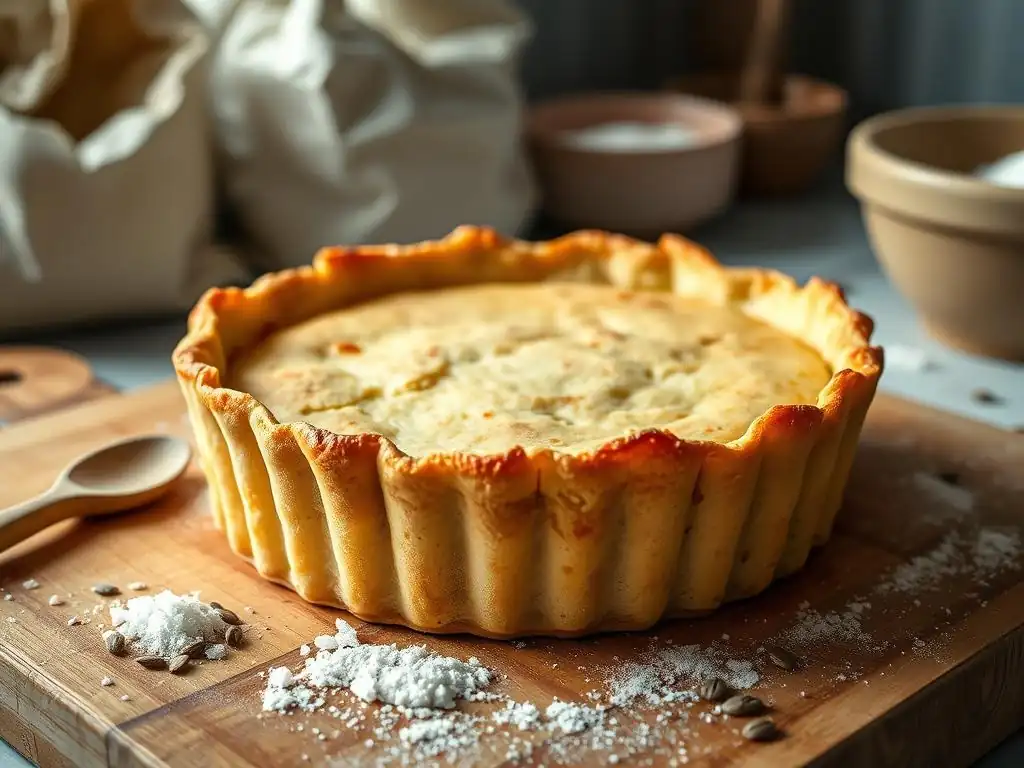
Achieving flakiness in a gluten-free crust requires specific techniques, as you don't have gluten development to rely on. The goal is to create layers of fat separated by flour, which will steam and create pockets during baking. These glutenfree tart shell tips focus on managing fat, temperature, and handling.
Paying careful attention at each step, from ingredient preparation to chilling and baking, will significantly impact the final texture of your tart shell. These techniques are adapted from traditional pastry methods but are crucial for success in the gluten-free world.
Tip 1: Use Cold Ingredients for Optimal Texture
Just as in traditional pastry making, using cold ingredients is paramount for a crisp and flaky gluten-free tart shell. This primarily applies to the fat (butter or shortening) and the liquid (usually ice water). Cold fat remains in solid pieces within the dough. As the tart shell bakes, these cold fat pieces melt and release steam, creating small air pockets that result in flakier layers.
If the fat is too warm, it will melt into the flour before baking, leading to a greasy, dense, or tough crust instead of one that is light and crisp. Ensure your butter or shortening is well chilled and cut into small pieces. Your liquid should be ice-cold – adding a few ice cubes to the water and letting it sit for a few minutes before measuring is a good practice. Keeping all ingredients cold is a fundamental glutenfree tart shell tip.
Tip 2: The Shortening Secret: Butter vs. Shortening for Gluten-Free Tart Crust
The type of fat you use significantly impacts the texture and flavor of your gluten-free tart crust. Butter offers superior flavor and contributes to a beautiful golden-brown color and crispness. However, butter has a lower melting point, which can make the dough slightly harder to handle and potentially result in less dramatic flaking compared to fats with higher melting points.
Shortening, on the other hand, has a higher melting point, staying solid longer during baking. This promotes better steam production and can lead to a flakier crust. However, shortening lacks the rich flavor of butter. Many gluten-free tart shell recipes recommend using a blend of butter and shortening (such as a 50/50 or 60/40 butter-to-shortening ratio) to combine the best of both worlds: flavor from the butter and flakiness from the shortening. This blend is often key among effective glutenfree tart shell tips.
Tip 3: Mastering the Gluten-Free Tart Shell Dough: Mixing and Handling
Mixing gluten-free tart dough requires a delicate touch. The goal is to distribute the cold fat throughout the flour mixture without developing any gluten (which isn't present anyway) or melting the fat. Begin by cutting the cold fat into the dry ingredients using a pastry blender, fork, or your fingertips until the mixture resembles coarse crumbs with some pea-sized pieces of fat remaining. Avoid overmixing at this stage.
Once the fat is cut in, add the cold liquid, usually ice water, one tablespoon at a time, mixing gently with a fork or spatula until the dough just comes together. It should look somewhat shaggy or crumbly but should hold together when squeezed. Do not overwork the dough; excessive mixing can melt the fat and make the final crust tough or hard, even without gluten. Minimal handling is a crucial glutenfree tart shell tip.
Tip 4: The Chill Factor: Why Chilling is Crucial for a Gluten-Free Tart Crust
Chilling the dough is a non-negotiable step for a successful gluten-free tart crust. After mixing, gather the dough, flatten it into a disc, wrap it tightly in plastic wrap, and refrigerate it for at least 30-60 minutes. This chilling period serves several vital purposes. Firstly, it allows the fat to re-solidify, which is essential for creating those flaky layers during baking.
Secondly, chilling makes the dough much easier to handle, roll out, or press into the tart pan without sticking or becoming too soft. It also gives the flours time to hydrate properly, resulting in a more cohesive dough structure. Furthermore, a well-chilled dough is less likely to shrink excessively when baked. Ignoring the chill factor is a common mistake, making this one of the most important glutenfree tart shell tips.
Tip 5: Blind Baking for a Perfectly Crisp Gluten-Free Tart Shell
Blind baking, or pre-baking the tart shell before adding the filling, is often necessary, especially for tarts with wet fillings (like quiches or custard tarts) or fillings that don't require baking (like fresh fruit tarts). This process ensures the bottom crust is fully cooked and crisp, preventing a soggy bottom once the filling is added. It's a fundamental technique for achieving a truly crisp gluten-free tart shell.
Blind baking involves lining the chilled, unbaked tart shell with parchment paper or foil and filling it with pie weights, dried beans, or rice to keep the crust from puffing up or shrinking excessively during the initial bake. The weights are then removed for the final baking period to allow the crust to brown and crisp up completely. This two-stage baking process is a key tip for achieving a perfectly crisp glutenfree tart shell.
Blind Baking Step-by-Step Guide
Here is a simple guide to blind baking your gluten-free tart shell:
- [ ] Chill your prepared gluten-free tart dough in the pan for at least 30 minutes.
- [ ] Preheat your oven to a moderate temperature, typically around 375°F (190°C).
- [ ] Lightly prick the bottom of the chilled tart shell all over with a fork. This helps steam escape and prevents bubbling.
- [ ] Carefully line the inside of the tart shell with parchment paper or aluminum foil, pressing it gently against the sides and bottom. Leave an overhang for easy removal.
- [ ] Fill the lined shell with pie weights, dried beans, or uncooked rice, distributing them evenly to cover the bottom and go slightly up the sides. Use enough weights to fill the shell about two-thirds full.
- [ ] Bake for the first stage: about 15-20 minutes, or until the edges of the crust are set and lightly golden.
- [ ] Carefully remove the tart pan from the oven. Lift the parchment paper or foil with the weights out of the shell.
- [ ] Return the tart shell to the oven for the second stage: bake for another 10-15 minutes, or until the bottom is golden brown and appears dry and fully cooked.
- [ ] Remove from the oven and let cool completely on a wire rack before adding your filling.
Preventing Gluten-Free Tart Shell Shrinkage During Baking
Shrinkage is a common issue with tart shells, and gluten-free versions can be particularly prone to it if not handled correctly. The primary way to prevent excessive shrinkage is proper chilling. Ensure your dough is well-chilled before rolling or pressing it into the pan and also chill the formed shell in the pan for at least 30 minutes before baking. This helps the fat set and stabilizes the structure.
Another effective technique is to avoid stretching the dough when placing it in the pan; gently press it in or ease it into place. Using pie weights during the initial blind bake also helps to hold the sides of the crust in place and minimize slumping or shrinkage. Some bakers even leave a slight overhang of dough when lining the pan, trimming it flush with the rim only after the first stage of blind baking. Implementing these steps are crucial glutenfree tart shell tips.
Troubleshooting Common Gluten-Free Tart Shell Problems
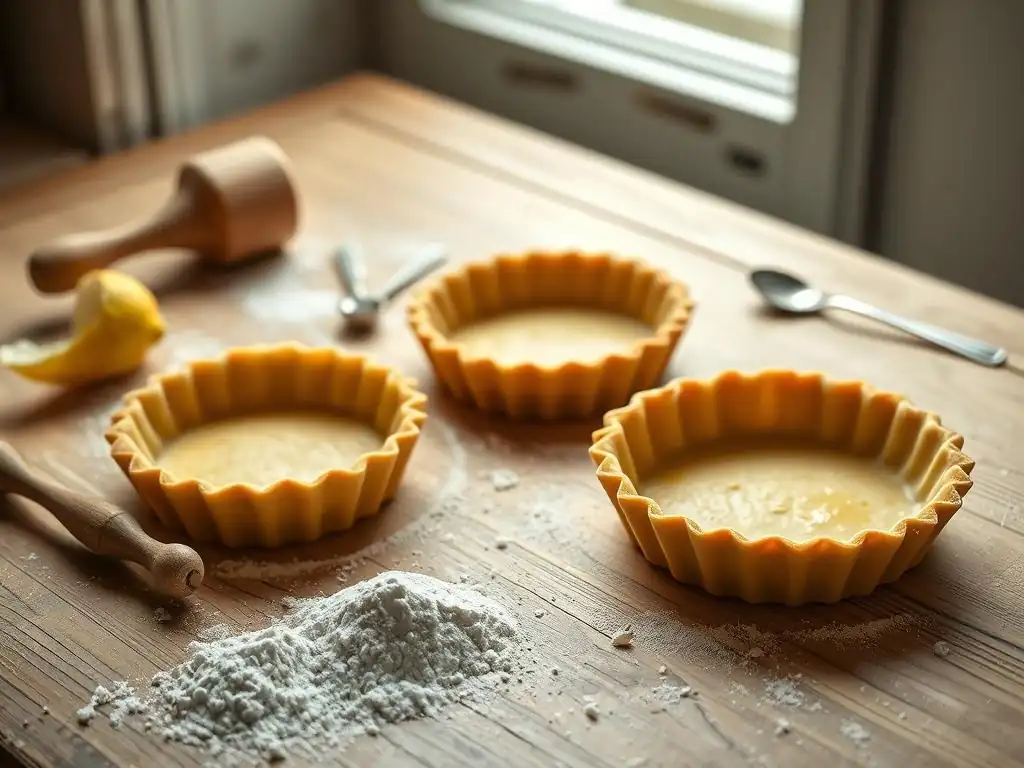
Even with the best glutenfree tart shell tips, sometimes things don't go exactly as planned. Identifying common issues and knowing how to address them can save your tart. Here are solutions to some frequent problems encountered when baking gluten-free tart shells.
Understanding the potential pitfalls helps you anticipate them and adjust your technique or ingredients as needed. Don't be discouraged by initial setbacks; troubleshooting is part of the baking process.
Problem: Soggy Bottom Crust - Solutions and Prevention
A soggy bottom crust is arguably the most frustrating issue when making tarts, especially with wet fillings. The primary cause is moisture from the filling seeping into an underbaked crust. The most effective prevention is thorough blind baking, as detailed above. Ensure the bottom of the crust is truly golden brown and crisp during the second stage of blind baking.
For very wet fillings, you can create a moisture barrier after blind baking. Brush the warm, blind-baked shell with a thin layer of melted chocolate (white or dark, depending on the filling) or a whisked egg white. Allow the chocolate to set or the egg white to bake for a few minutes in the oven before adding the filling. Ensure the filling itself isn't excessively liquid; sometimes, adjusting the filling recipe can help. These are essential glutenfree tart shell tips for wet fillings.
Problem: Crumbly Dough - How to Fix It
If your gluten-free tart dough is excessively crumbly and won't hold together when you try to roll or press it, it likely needs more liquid or hasn't been handled enough (but not too much!). Gluten-free flours absorb liquid differently, and sometimes the initial amount specified isn't quite enough depending on humidity and the specific flours used.
Try adding a tiny amount more ice water, perhaps half a teaspoon or a full teaspoon at a time, mixing gently until the dough just comes together. Be patient; it might take a moment for the liquid to be absorbed. If the dough was chilled for a very long time, let it sit at room temperature for 5-10 minutes to soften slightly before attempting to work with it, but don't let it get warm. Ensuring the correct flour ratio and fat incorporation also helps prevent excessive crumbliness.
Problem: Tough Tart Shell - Avoiding Overworking the Gluten-Free Dough
While gluten development isn't a concern, a gluten-free tart shell can still become tough or hard if the dough is overworked. This can happen if the fat melts into the flour completely during mixing or handling, or if the dough is kneaded excessively. Gluten-free flours, particularly starches like tapioca, can develop a gummy or tough texture if agitated too much when hydrated.
To avoid a tough shell, handle the dough as minimally as possible. Mix the wet and dry ingredients only until they are just combined and the dough holds together when pressed. Avoid kneading or stretching the dough aggressively. When rolling, use light, even pressure. If pressing into the pan, do so gently and evenly. Remembering the importance of minimal handling is a key glutenfree tart shell tip.
Flavor Variations for your Gluten-Free Tart Shells
Beyond the basic blend of rice and tapioca flours, you can infuse your gluten-free tart shells with wonderful flavors that complement your chosen filling. Adding simple ingredients to the dry flour mixture can transform a plain crust into something special.
These additions are easy to incorporate and allow for creative pairings with various sweet and savory tart fillings. Experimenting with these variations is a fun way to enhance your gluten-free tart shell experience.
Adding Zest for a Citrusy Kick
Incorporating fresh citrus zest is a fantastic way to add a bright, fragrant note to your gluten-free tart shell. Lemon, orange, or lime zest works beautifully, especially for tarts with fruit or creamy fillings. The oils in the zest release their aroma and flavor during baking, creating a vibrant crust.
For a standard 9-inch tart shell recipe using about 1.5 to 2 cups of flour blend, add 1 to 2 teaspoons of finely grated zest to the dry ingredients before cutting in the fat. Ensure you only grate the colored part of the peel, avoiding the bitter white pith. This simple addition is one of the most popular glutenfree tart shell tips for enhancing flavor.
Incorporating Spices for Warmth and Depth
Spices can add warmth and complexity to your gluten-free tart shell, making it perfect for fall or winter-themed tarts or those with apple, pear, or chocolate fillings. Ground cinnamon, nutmeg, ginger, cardamom, or a blend like pumpkin pie spice can be used.
Add about 1/2 to 1 teaspoon of ground spice (or a total of that amount for a blend) to your dry flour mixture before adding the fat. Adjust the quantity based on the intensity of the spice and your personal preference. Ensure your spices are fresh for the best flavor impact.
Adding Extracts for Unique Flavor Profiles
While vanilla extract is often included in standard recipes, adding other extracts can provide unique flavor profiles to your gluten-free tart shell. Almond extract pairs wonderfully with fruit fillings, while a touch of maple extract can complement pecan or sweet potato tarts.
Add extracts to the wet ingredients before combining them with the dry mixture. Start with a small amount, typically 1/4 to 1/2 teaspoon, as extracts can be potent. Be mindful of how the extract flavor will pair with your intended filling.
Storage Tips for Your Gluten-Free Tart Shell
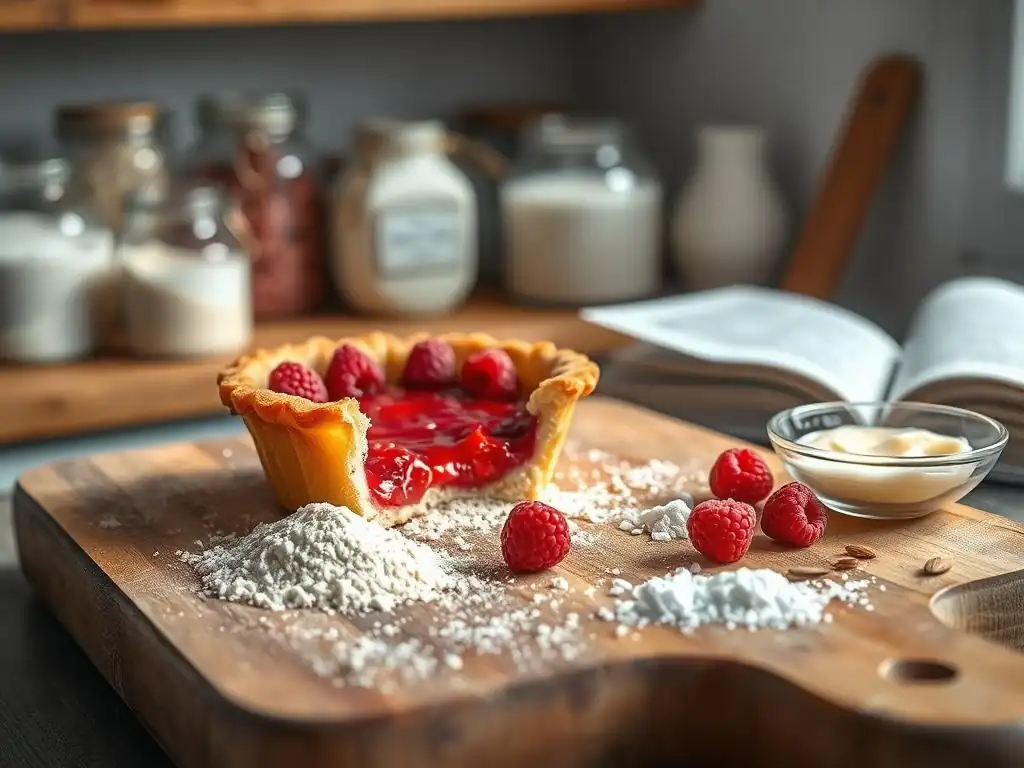
Knowing how to properly store your gluten-free tart shell dough or baked shells is essential for planning ahead and minimizing waste. Proper storage ensures the dough remains workable and the baked shell stays crisp until you're ready to use it. These glutenfree tart shell tips cover both unbaked and baked options.
Whether you're preparing dough in advance or have leftover shells, these simple storage methods will keep them in good condition.
Storing Unbaked Gluten-Free Tart Shell Dough
Unbaked gluten-free tart shell dough can be prepared ahead of time. After mixing and forming into a disc, wrap the dough tightly in plastic wrap, ensuring no air pockets. It can be stored in the refrigerator for up to 3-4 days. This allows you to make the dough a few days before you plan to bake your tart.
For longer storage, the dough can be frozen. Wrap the plastic-wrapped disc again in aluminum foil or place it in a freezer-safe bag. Frozen dough will keep well for about 2-3 months. To use, thaw the dough overnight in the refrigerator before rolling or pressing into the pan.
Storing Baked Gluten-Free Tart Shells
If you blind bake tart shells in advance or have leftover baked shells, proper storage is key to maintaining their crispness. Once completely cooled on a wire rack, store baked gluten-free tart shells in an airtight container at room temperature. They will typically remain crisp for 2-3 days. Avoid refrigerating baked crusts unless they are already filled, as the humidity in the fridge can make them soggy.
For longer storage, baked shells can be frozen. Ensure they are completely cool, then wrap them individually and carefully in plastic wrap, followed by aluminum foil or a freezer-safe bag to prevent freezer burn. Frozen baked shells can be stored for about 1 month. Thaw at room temperature before filling.
Gluten-Free Tart Shell Recipe Ideas to Try
Armed with your new glutenfree tart shell tips and techniques, you're ready to fill them with deliciousness! Here are a couple of classic tart ideas that pair beautifully with a crisp gluten-free crust made from rice and tapioca flours.
These recipes are just starting points; the possibilities for tart fillings are nearly endless, from fruit tarts and custards to savory quiches and chocolate delights.
Classic Lemon Tart with Gluten-Free Shell
A bright, tangy lemon tart is a perfect showcase for a crisp gluten-free shell. The contrast between the smooth, rich lemon curd and the delicate crunch of the crust is simply divine. The acidity of the lemon curd requires a fully blind-baked shell to prevent a soggy bottom.
The process involves making a lemon curd (typically with lemon juice, sugar, eggs, and butter), blind baking the gluten-free tart shell until golden brown and fully cooked, pouring the cooled curd into the baked shell, and chilling until set. Garnish with whipped cream or meringue.
Chocolate Ganache Tart with Gluten-Free Crust
For chocolate lovers, a chocolate ganache tart offers decadent richness against a crisp backdrop. A simple ganache is made by pouring hot heavy cream over chopped chocolate (dark, milk, or white) and stirring until smooth and glossy.
This rich filling is typically poured into a fully blind-baked and cooled gluten-free tart shell. The tart is then chilled until the ganache sets. This tart highlights the texture of the crisp gluten-free crust, providing a perfect counterpoint to the smooth, intense chocolate.
Concluding Thoughts: Baking with Ease Gluten-Free Tart Shells
Mastering the gluten-free tart shell might require a little practice, but with the right knowledge and these glutenfree tart shell tips focusing on rice and tapioca flours, achieving a crisp, delicious result is entirely possible. Each step, from selecting your flours and fats to chilling the dough and blind baking, plays a vital role in the final texture and success of your tart.
Don't be afraid to experiment with ratios and techniques to find what works best for you and your specific flours. Pay attention to the feel of the dough and the cues it gives you.
Embrace the Art of Gluten-Free Tart Baking
Baking, especially gluten-free, is an art that combines science with intuition. By understanding the properties of ingredients like rice and tapioca flours and patiently applying these glutenfree tart shell tips, you can confidently create beautiful and tasty tarts that everyone can enjoy. So, gather your ingredients, embrace the process, and bake with ease!
Frequently Asked Questions
How can I prevent my gluten-free tart shell from becoming soggy?
To avoid a soggy tart shell, ensure you blind bake it thoroughly. Pre-baking the shell until it's lightly golden brown is crucial and use pie weights.
What's the best type of flour to use for a gluten-free tart shell?
A blend of rice and tapioca flour is often ideal for gluten-free tart shells. Rice flour provides structure and tapioca flour adds binding and a slightly chewy texture.
Why is my gluten-free tart shell crumbling?
Crumbling can happen due to lack of binding. Make sure to use a sufficient amount of fat (butter or shortening) and egg or a binder substitute.
How long should I blind bake my gluten-free tart shell?
Blind bake at 350°F (175°C) for approximately 15-20 minutes with pie weights, then remove the weights and bake for another 5-10 minutes until lightly golden brown.
Can I freeze a gluten-free tart shell?
Yes, you can! Fully baked and cooled gluten-free tart shells freeze well. Wrap them tightly in plastic wrap and then foil for optimal preservation and prevent freezer burn.
Final Reflection: The Enduring Allure of a Perfect Gluten-Free Tart Shell
The quest for the ideal gluten-free tart shell is far from over, but the journey itself has revealed a surprising depth of culinary creativity and resilience. Mastering this seemingly simple pastry demands precision, patience, and a willingness to experiment, echoing the broader challenges and rewards of embracing a gluten-free lifestyle. The techniques explored in this article—from careful flour selection to the precise handling of delicate dough—are not just about baking; they represent a commitment to deliciousness and inclusivity in the kitchen.
The impact of gluten-free baking extends far beyond dietary restrictions; it's a testament to human ingenuity and our constant pursuit of culinary perfection. The rise in popularity of gluten-free options reflects a growing awareness of dietary needs and a desire for delicious alternatives. It's a movement that celebrates adaptation and innovation, proving that deliciousness isn't confined by limitations. The best things in life are worth fighting for, and a perfectly crisp gluten-free tart shell is certainly one of them.
(A personal reflection on the challenges and rewards).
Now, it's your turn. Don't be intimidated by the seemingly complex world of gluten-free baking. Take the lessons learned here, experiment with different flours and techniques, and most importantly, embrace the process. The satisfaction of creating a beautiful, flawlessly crisp tart shell, bursting with flavor, is a reward in itself. So, gather your ingredients, roll up your sleeves, and embark on your own gluten-free baking adventure. The perfect tart shell awaits!
Ready to Bake the Crispiest Gluten-Free Tart Shell?
Thanks for joining us on this gluten-free baking adventure! We hope you’ve gained the confidence to create flawlessly crisp tart shells. Now, let's put those tips into action!
- Master the Perfect Crust: Try making your own rice and tapioca flour tart shell today – you'll be amazed at the results! Don't forget to adjust the liquid as needed for the perfect consistency.
- Share Your Success: Show off your beautiful gluten-free tart creation! Share a picture on social media and tag us — we love seeing your baking triumphs.
- Explore Flavor Combinations: What exciting fillings will you pair with your perfectly crisp tart shell? Let your creativity run wild and experiment with different fruits, custards, or savory options.
What delicious adventure will your new gluten-free tart shell take you on?