
Vanilla Extract vs. Vanilla Bean Paste: Which is Best for Your Bake?

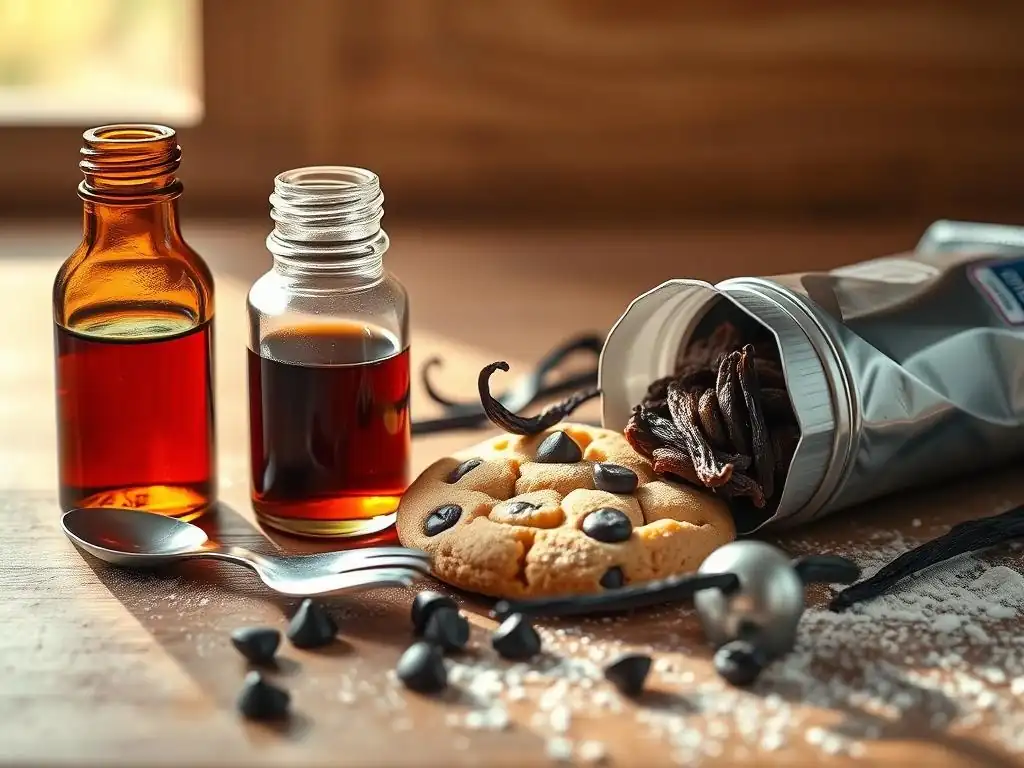
Welcome to BakeWithEase, your partner in crafting delicious creations! Ever wondered if the secret to bakery-level flavor lies beyond vanilla extract? Dive in as we explore the nuanced world of vanilla, specifically unraveling the vanilla bean paste benefits and how they stack up against the classic extract. Discover which champion deserves a place in your pantry, and unlock a new level of flavor sophistication in your pastry and dessert adventures. Let the baking begin!
Vanilla is a cornerstone of baking, adding warmth, depth, and that unmistakable sweet aroma to countless recipes. While pure vanilla extract has long been the standard, vanilla bean paste has gained popularity, offering a different set of characteristics. Understanding the nuances between these two vanilla forms is key to achieving the best results in your kitchen.
- Understanding Vanilla: Extract and Paste Explained
- Vanilla Bean Paste Benefits: Why Choose It?
- Vanilla Extract Benefits: Why It Remains a Baking Staple
- Vanilla Extract vs. Vanilla Bean Paste: A Detailed Comparison Chart
- Choosing the Right Vanilla: Matching to Your Recipe
- Vanilla Bean Paste vs Vanilla Extract: Flavor Impact on Different Baked Goods
- Vanilla Bean Paste Substitutes: When You Run Out
- Storing Vanilla Extract and Vanilla Bean Paste Properly
- Conclusion: Selecting the Best Vanilla for Your Baking Needs
-
Frequently Asked Questions
- What exactly are the benefits of using vanilla bean paste in baking compared to vanilla extract?
- Can I substitute vanilla bean paste for vanilla extract in any recipe, and is there a specific ratio I should follow?
- How does the cost of vanilla bean paste compare to vanilla extract, and is it worth the investment for the average home baker?
- Does vanilla bean paste have a longer shelf life than vanilla extract, and how should it be stored to maintain its quality?
- Are there any specific types of baked goods where vanilla bean paste truly shines, making it a superior choice over vanilla extract?
- Final Reflection: The Sweet Truth About Vanilla
- Unleash Your Inner Baker: Level Up Your Baking!
Understanding Vanilla: Extract and Paste Explained
Before we dive into which vanilla product is best for specific applications, let's clarify what each one is made of and how it's produced. Both originate from the vanilla bean, specifically the cured pod of the vanilla orchid, Vanilla planifolia.
What is Vanilla Extract? A Baker's Essential
Vanilla extract is made by macerating chopped vanilla beans in a solution of alcohol and water. According to US FDA standards, pure vanilla extract must contain a minimum of 35% alcohol by volume and be made from at least 13.35 ounces of vanilla beans per gallon. This extraction process pulls the complex flavor compounds, primarily vanillin, from the beans into the liquid.
The quality of vanilla extract varies depending on the type of vanilla bean used (e.g., Madagascar, Mexican, Tahitian) and the extraction process. High-quality pure vanilla extract offers a clean, potent, and balanced vanilla flavor without adding color or texture to the baked good itself, making it incredibly versatile.
What is Vanilla Bean Paste? A Closer Look
Vanilla bean paste is a concentrated mixture typically made from vanilla extract, ground vanilla bean seeds, and a thickening agent (like a gum or syrup). It's designed to capture both the intense flavor of the extract and the visual appeal of the tiny black specks from the vanilla bean seeds.
Unlike pure extract which is a simple infusion, vanilla bean paste is a more processed product. It offers the convenience of liquid vanilla but with the added bonus of visible vanilla bean flecks, often desired for a gourmet appearance in desserts. The concentration of flavor can vary between brands, but it is generally more potent than standard extract on a volume-to-volume basis.
Vanilla Bean Paste Benefits: Why Choose It?
For many bakers, exploring the advantages of vanilla bean paste opens up new possibilities in texture and presentation. The primary vanilla bean paste benefits revolve around its intense flavor and unique visual contribution to baked goods.
Enhanced Vanilla Flavor Profile with Paste
One of the significant vanilla bean paste benefits is its ability to deliver a more robust and complex vanilla flavor compared to standard extract. Because it contains both the extracted flavor compounds and the actual seeds from the bean, it offers a fuller spectrum of vanilla notes. This intensity makes it particularly effective in recipes where vanilla is the star flavor.
For example, using vanilla bean paste in a simple vanilla panna cotta or crème brûlée allows the pure, deep flavor of the vanilla to shine through without being diluted or masked by other ingredients. Many professional bakers favor it for its ability to impart a rich, lingering vanilla taste that elevates simple desserts into something extraordinary.
Visual Appeal: Vanilla Bean Specks in Your Baking
Beyond flavor, a major advantage and key vanilla bean paste benefit is the visual appeal it adds to finished products. The tiny black seeds, often referred to as "vanilla caviar," are suspended in the paste and distribute throughout your batter, dough, or cream. These visible specks signal the use of real vanilla bean, suggesting quality and artisanal craftsmanship.
Consider a classic vanilla bean ice cream or a simple vanilla glaze on a cake. The presence of these dark specks instantly elevates the perceived quality and aesthetic. This visual cue is highly valued in gourmet baking and professional pastry work, making vanilla bean paste a preferred choice for presentation-focused recipes like custards, cheesecakes, and white cakes.
Ease of Use: Convenience of Vanilla Bean Paste
While whole vanilla beans require splitting and scraping, and extract is a simple pour, vanilla bean paste offers a convenient middle ground. It provides the visual evidence of vanilla bean usage without the slightly more labor-intensive step of preparing whole beans. You simply measure and stir it into your mixture, much like extract.
This ease of use, combined with the significant vanilla bean paste benefits of flavor and visual impact, makes it a very appealing option for home bakers looking to achieve professional-looking and tasting results with minimal fuss. It's particularly handy for recipes where you want the look of real bean but don't want to commit to the higher cost or preparation time of using multiple whole beans.
Vanilla Extract Benefits: Why It Remains a Baking Staple
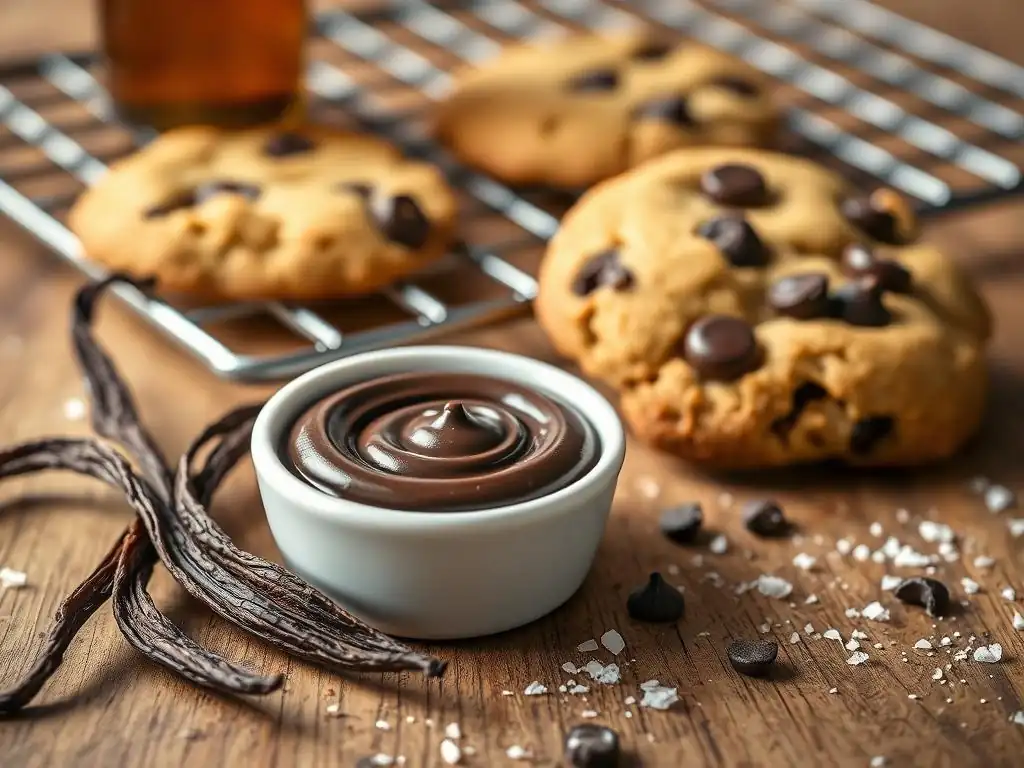
Despite the rise of vanilla bean paste, pure vanilla extract holds its ground as an indispensable ingredient in the baker's pantry. Its long-standing popularity is due to its reliability, accessibility, and cost-effectiveness.
Cost-Effectiveness: Vanilla Extract as a Budget-Friendly Option
Compared to vanilla bean paste or whole vanilla beans, pure vanilla extract is typically the most economical choice. The process of extracting flavor into an alcohol base allows manufacturers to produce it in larger quantities at a lower cost per serving compared to products that incorporate the physical bean material.
A standard bottle of pure vanilla extract, often 4 to 8 ounces, can last through many baking projects, with a typical recipe calling for just 1 to 2 teaspoons. While the initial cost of a large bottle might seem significant, the cost per use is quite low, making it a budget-friendly way to add essential vanilla flavor to a wide range of baked goods.
Versatility: Extract's Wide Range of Applications
Vanilla extract's liquid form and lack of solid particles make it incredibly versatile. It seamlessly integrates into batters, doughs, liquids, and sauces without altering texture or appearance (aside from sometimes adding a slight amber tint depending on the extract's color). This makes it suitable for virtually any recipe requiring vanilla flavor.
From delicate meringues and light sponges where visible specks aren't desired, to robust chocolate cakes and savory sauces where vanilla plays a supporting role, extract performs reliably. Its ability to blend in makes it the go-to choice for recipes where a smooth texture and uniform color are paramount.
Availability: Finding Vanilla Extract Easily
Another key benefit of vanilla extract is its widespread availability. You can find pure vanilla extract in almost any grocery store, supermarket, or baking supply shop around the world. This accessibility ensures that bakers can easily replenish their stock and incorporate vanilla flavor into their recipes whenever inspiration strikes.
This ease of access contrasts somewhat with vanilla bean paste, which, while becoming more common, might still require a trip to a specialty store or online purchase depending on your location. The reliability of finding vanilla extract makes it a dependable staple that bakers can always count on.
Vanilla Extract vs. Vanilla Bean Paste: A Detailed Comparison Chart
Comparing vanilla extract and vanilla bean paste directly helps highlight their differences and strengths. Here's a breakdown of how they stack up against each other across several key factors.
Flavor Intensity: Extract vs. Paste
While both deliver vanilla flavor, vanilla bean paste generally offers a more intense and complex profile due to the inclusion of the bean seeds and its often higher concentration. A typical comparison might find that 1 teaspoon of good quality vanilla bean paste can provide a flavor equivalent to 1.5 to 2 teaspoons of standard pure vanilla extract, though this varies by brand.
Vanilla extract provides a clean, pure vanilla note, primarily focused on the vanillin compound. Paste, however, includes other flavor compounds present in the seeds, adding subtle nuances and depth. For recipes where a pronounced, 'true' vanilla flavor is desired, paste often has the edge.
Texture and Consistency: How They Differ
The most obvious difference is their physical form. Vanilla extract is a thin, pourable liquid, similar to water or alcohol. Its viscosity is very low, allowing it to mix instantly into any batter or liquid.
Vanilla bean paste, on the other hand, is a thick, syrupy substance. Its consistency is more like molasses or a thick syrup, with the suspended vanilla bean seeds giving it a slightly granular texture if examined closely. While it still mixes well into most recipes, its thickness is noticeable compared to extract.
Appearance in Baked Goods: Visual Impact
This is where the two diverge significantly. Vanilla extract leaves no visible trace in baked goods, unless it imparts a slight color change in very pale batters. The final product will have a uniform color and texture.
Vanilla bean paste, due to the presence of the seeds, leaves distinct black or dark brown specks throughout the finished product. This is a deliberate visual effect, often desired in desserts like custards, frostings, and light-colored cakes to indicate the use of real vanilla bean.
Cost Comparison: Which is More Economical?
Generally, vanilla extract is more cost-effective per volume than vanilla bean paste. While prices fluctuate based on vanilla bean market conditions, you can typically purchase a larger quantity of pure vanilla extract for the same price as a smaller jar of vanilla bean paste.
For instance, a 4-ounce bottle of extract might cost around $10-$20, while a 2-ounce jar of high-quality paste might cost $15-$25 or more. When considering the amount needed per recipe, extract usually remains the more budget-friendly option for everyday baking.
Shelf Life: How Long Do They Last?
Both vanilla extract and vanilla bean paste have relatively long shelf lives when stored properly in a cool, dark place away from direct light and heat. Pure vanilla extract, with its high alcohol content (typically 35-40%), can last for years, often improving slightly over time as flavors meld. While it doesn't necessarily "go bad" in a harmful sense, its flavor can diminish slightly after 2-3 years, though it remains usable for much longer.
Vanilla bean paste, while also having a long shelf life (often 1-2 years once opened), might not last quite as indefinitely as pure extract due to its different composition, which includes thickeners and sugars. The flavor and consistency are best maintained within the manufacturer's recommended timeframe after opening.
Choosing the Right Vanilla: Matching to Your Recipe
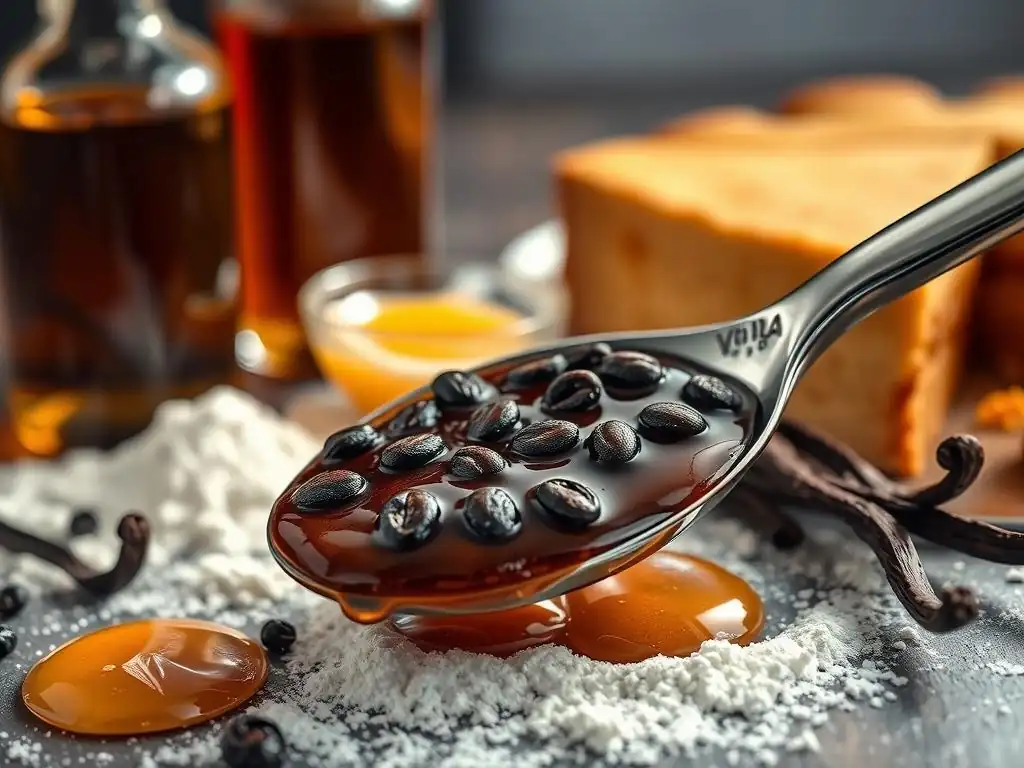
Selecting between vanilla extract and vanilla bean paste often comes down to the specific requirements of your recipe and the desired outcome. Consider the flavor profile, appearance, and texture you want to achieve.
Best Uses for Vanilla Bean Paste in Baking
Vanilla bean paste truly shines in recipes where vanilla is a primary flavor and its visual presence is desired. Its intense flavor and the aesthetic of the bean specks make it ideal for specific applications.
Vanilla Bean Paste for Cakes and Frostings
Using vanilla bean paste in vanilla cakes, white cakes, or butter cakes adds a deeper vanilla note and the coveted specks, elevating a simple cake to a gourmet treat. For instance, incorporating 1.5 teaspoons of vanilla bean paste into a standard 8-inch vanilla layer cake batter not only enhances the flavor but also makes the crumb visually appealing. Similarly, adding it to buttercream or cream cheese frosting creates a luxurious look and taste that pure extract cannot replicate visually.
Enhancing Custards and Creams with Vanilla Paste
Custards, puddings, panna cotta, and pastry creams are classic candidates for vanilla bean paste. The paste distributes the seeds evenly throughout the smooth base, providing both intense flavor and the hallmark speckled appearance. A standard custard recipe calling for 1 vanilla bean can often be substituted with 1.5 to 2 teaspoons of vanilla bean paste, offering similar visual and flavor results with less effort. The paste integrates smoothly into the liquid base during cooking.
Perfecting Ice Cream with Vanilla Bean Specks
Vanilla bean ice cream is perhaps the most iconic use for visible vanilla seeds. Using vanilla bean paste ensures that every scoop has those desirable black specks, indicating rich, authentic vanilla flavor. A typical quart of homemade ice cream base might use 1 to 2 teaspoons of vanilla bean paste, delivering a pronounced flavor and beautiful visual texture that store-bought versions often achieve using expensive whole beans or paste.
Best Uses for Vanilla Extract in Baking
Vanilla extract remains the workhorse for everyday baking due to its versatility, ease of use, and cost-effectiveness. It's perfect for recipes where vanilla plays a crucial supporting role or where a smooth, speck-free appearance is preferred.
Vanilla Extract for Cookies and Quick Breads
In recipes like chocolate chip cookies, sugar cookies, muffins, or quick breads, vanilla extract provides essential background flavor that rounds out the other ingredients. The small amount typically used (often 1 teaspoon per batch of cookies) is sufficient to enhance the overall taste without overpowering it. Its liquid form mixes easily into doughs and batters without affecting their structure or appearance.
Using Extract in Sauces and Glazes
Vanilla extract is ideal for incorporating vanilla flavor into liquid preparations like sauces, glazes, and syrups. Adding a teaspoon or two of extract to a simple sugar glaze for a cake or a fruit sauce adds a subtle layer of flavor without altering the smooth consistency or clear appearance of the sauce. It dissolves instantly and disperses flavor evenly.
Vanilla Extract in Vanilla Layer Cake
While paste works well, vanilla extract is still the standard for many vanilla layer cake recipes, especially those aiming for a pure white crumb in the cake or frosting. Using 2 teaspoons of high-quality pure vanilla extract in a white cake batter provides excellent flavor without adding any color or speckles, maintaining the desired clean aesthetic.
Vanilla Bean Paste vs Vanilla Extract: Flavor Impact on Different Baked Goods
The choice between paste and extract can subtly or significantly alter the final flavor experience depending on the type of baked good and how prominent vanilla is meant to be.
When vanilla bean paste is used in chocolate chip cookies, the vanilla flavor tends to be more upfront and complex. The subtle notes beyond vanillin come through, adding depth that complements the chocolate and butter. The visible specks also enhance the perception of a premium, homemade cookie. A test batch using 1.5 teaspoons of paste instead of 1 teaspoon of extract might yield cookies with a noticeably richer vanilla undertone.
Using standard vanilla extract in chocolate chip cookies results in a classic, familiar flavor profile. The vanilla acts more as a background note, enhancing the overall sweetness and balancing the richness of the chocolate chips and butter without asserting itself too strongly. A recipe using 1 teaspoon of extract will provide that comforting vanilla aroma and taste that is the hallmark of a traditional chocolate chip cookie.
Vanilla Cupcakes with Vanilla Bean Paste: A Flavor Analysis
Vanilla cupcakes made with vanilla bean paste often boast a more intense and authentic vanilla taste. The paste contributes a robust flavor that stands up well, particularly in recipes with a high proportion of butter or sugar. The visible specks throughout the cake crumb and in the frosting make these cupcakes feel more artisanal and special. Using 2 teaspoons of paste in a batch of 12 cupcakes would likely result in a more pronounced vanilla flavor than if extract were used.
Vanilla Cupcakes with Vanilla Extract: A Flavor Comparison
Vanilla cupcakes baked with vanilla extract typically have a clean, sweet vanilla flavor. The extract provides the essential vanilla note that makes the cupcake identifiable, but the flavor is generally less complex than with paste. For bakers prioritizing a bright, straightforward vanilla taste and a speck-free cake crumb, extract is the perfect choice. Using 2 teaspoons of extract in 12 cupcakes provides that classic, reliable vanilla taste.
Vanilla Bean Paste Substitutes: When You Run Out
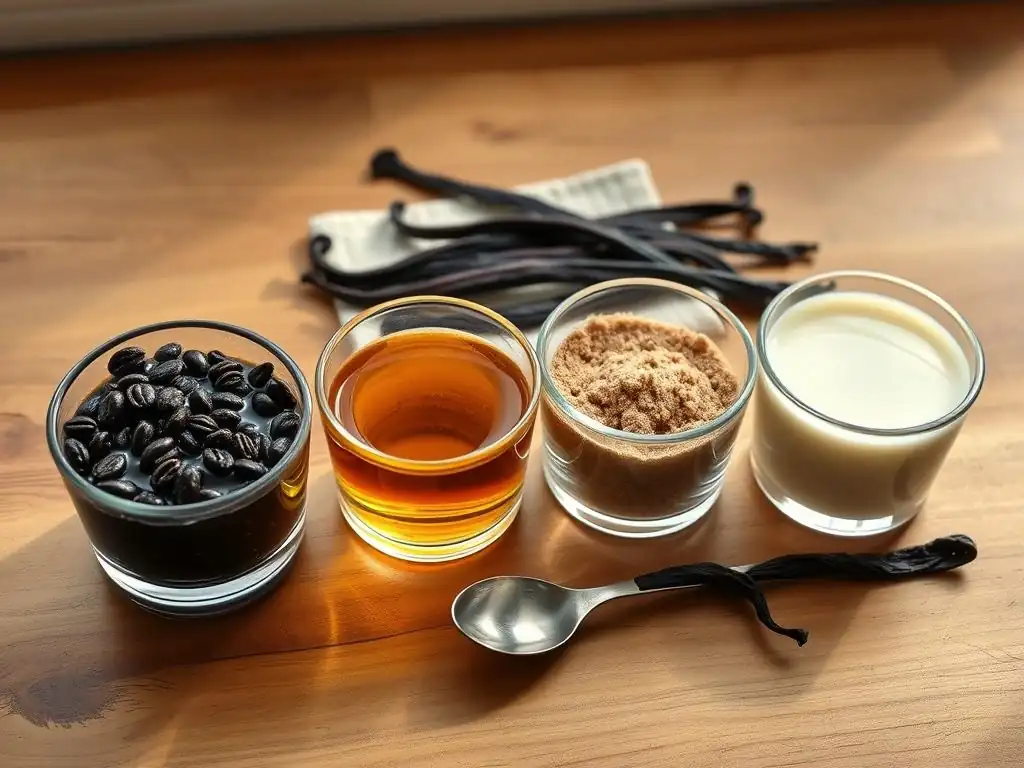
Sometimes you reach for an ingredient only to find your jar or bottle is empty. If you're out of vanilla bean paste, there are a few common substitutes you can use, though the results may vary slightly in flavor or appearance.
Vanilla Extract as a Substitute for Vanilla Bean Paste
The most common substitute for vanilla bean paste is pure vanilla extract. While you won't get the visible specks, you can replace the flavor component. Since paste is typically more concentrated, you'll usually need to use slightly more extract. A good starting ratio is to use 1.5 to 2 times the amount of vanilla extract as the paste called for in the recipe. For example, if a recipe requires 1 teaspoon of vanilla bean paste, use 1.5 to 2 teaspoons of vanilla extract.
Using Vanilla Beans Directly as a Substitute
If you happen to have whole vanilla beans on hand, you can use them to substitute for paste. Split the bean lengthwise with a sharp knife and scrape out the seeds (the "caviar") with the back of the knife. The scraped seeds from one average-sized vanilla bean are roughly equivalent in flavor and visual effect to 1 to 1.5 teaspoons of vanilla bean paste. You can add the seeds directly to your mixture. Note that this option is often more expensive than using paste or extract.
Vanilla Powder: Another Alternative
Vanilla powder, which is finely ground dried vanilla beans, can also serve as a substitute, primarily for flavor. Like paste, it contains the whole bean and offers a complex flavor profile, though it doesn't dissolve as readily as extract or paste and can sometimes leave a fine, powdery texture. As a substitute for paste, start with an equal amount of vanilla powder, adjusting to taste. Keep in mind it will add a brownish tint and texture.
Storing Vanilla Extract and Vanilla Bean Paste Properly
Proper storage is crucial for maintaining the quality and potency of your vanilla products. Both extract and paste benefit from being kept away from environmental factors that can degrade their flavor.
Maintaining the Quality of Your Vanilla Extract
Store pure vanilla extract in a cool, dark place, such as a pantry or cupboard, away from direct sunlight and heat sources like ovens. The alcohol content helps preserve it, but exposure to light and heat can cause the delicate flavor compounds to break down over time. Keep the bottle tightly sealed when not in use to prevent evaporation of the alcohol, which could weaken the flavor concentration. Avoid storing it in the refrigerator, as this is unnecessary and can sometimes cause cloudiness.
Preserving the Flavor of Your Vanilla Bean Paste
Vanilla bean paste should also be stored in a cool, dark place, similar to extract. Ensure the lid is tightly screwed on after each use to prevent the paste from drying out and to protect the flavor from oxidation. While refrigeration is not strictly necessary, some bakers prefer it, especially in warm climates, to maintain consistency and potentially extend shelf life after opening. Always check the manufacturer's recommendations on the label for specific storage instructions.
Conclusion: Selecting the Best Vanilla for Your Baking Needs
Ultimately, the choice between vanilla extract and vanilla bean paste depends on your recipe goals and preferences. For everyday baking where a clean, reliable vanilla flavor is needed without visual impact, and budget is a consideration, pure vanilla extract is an excellent, versatile choice. Its wide availability and long shelf life make it a pantry essential.
However, for recipes where you want a more intense, complex vanilla flavor and the beautiful visual cue of real vanilla bean specks, vanilla bean paste offers significant vanilla bean paste benefits. It's particularly well-suited for custards, creams, ice cream, and light-colored cakes and frostings where its unique qualities can truly shine. While generally more expensive and less widely available than extract, the gourmet results it helps achieve are often worth the investment for special bakes. Many bakers find value in keeping both on hand to have the right vanilla product available for any baking project.
Frequently Asked Questions
What exactly are the benefits of using vanilla bean paste in baking compared to vanilla extract?
Vanilla bean paste offers a more intense vanilla flavor and visible vanilla bean specks. This provides a more premium look and taste to your baked goods.
Can I substitute vanilla bean paste for vanilla extract in any recipe, and is there a specific ratio I should follow?
Yes, vanilla bean paste can generally be substituted 1:1 for vanilla extract. However, because of the stronger flavor, you might consider using slightly less paste, especially in delicate recipes.
How does the cost of vanilla bean paste compare to vanilla extract, and is it worth the investment for the average home baker?
Vanilla bean paste is typically more expensive than vanilla extract. Whether it's "worth it" depends on your budget and desire for a richer vanilla flavor and visual appeal.
Does vanilla bean paste have a longer shelf life than vanilla extract, and how should it be stored to maintain its quality?
The shelf life is similar; both are long when stored properly. Store both in a cool, dark place in an airtight container to prevent evaporation and maintain flavor.
Are there any specific types of baked goods where vanilla bean paste truly shines, making it a superior choice over vanilla extract?
Vanilla bean paste excels in recipes where vanilla is the star, such as vanilla ice cream, custards, and frostings. The visible specks also enhance the presentation of these items.
Final Reflection: The Sweet Truth About Vanilla
The quest for the perfect vanilla flavor is far from over, and the choice between extract and paste significantly impacts the final result of your baking. The subtle nuances in flavor and texture, as explored throughout this article, highlight the importance of understanding your ingredients. Choosing wisely isn't just about taste; it's about elevating your baking to a new level.
The ongoing debate between vanilla extract and vanilla bean paste reflects a broader cultural shift towards appreciating higher-quality ingredients and understanding the impact of those choices. We've moved beyond simply seeking convenience; we're now actively seeking out the best possible flavors and textures. This desire for authenticity resonates deeply with me, as a baker, and I believe it's a testament to our growing appreciation for the artistry of food. The best things in life are simple, but not easy.
This quote perfectly encapsulates the effort involved in crafting truly exceptional baked goods, and the choice of vanilla is a crucial step in that process.
So, reader, I urge you to consider the implications of your next vanilla purchase. Don't just reach for the familiar; explore the possibilities. Experiment with both vanilla extract and vanilla bean paste, noting the subtle differences in your creations. Embrace the journey of discovering the perfect vanilla for your baking style and taste preferences. The reward? Baked goods that are not only delicious but also reflect your commitment to quality and craftsmanship.
Unleash Your Inner Baker: Level Up Your Baking!
Thanks for taking the time to explore the delicious world of vanilla! You've now got the knowledge to choose the perfect vanilla for your next baking masterpiece. Ready to put your newfound expertise to the test?
- Bake something amazing! Try a recipe using your preferred vanilla—vanilla extract or bean paste—and experience the difference firsthand. Don't forget to share your creation!
- Experiment with different recipes. Challenge yourself to use both vanilla extract and bean paste in separate batches of the same recipe to truly understand the flavor nuances.
- Share your baking journey! Tell us about your vanilla baking adventures—what did you bake? What type of vanilla did you use? What did you learn?
So, what incredible flavor will you unlock next?