
Troubleshooting Uneven Ovens: Tips for Consistent Baking Results

Welcome to BakeWithEase, your trusted companion in the delightful world of baking! Tired of uneven oven baking problems ruining your perfect creations? Discover practical solutions and expert advice right here to achieve consistently golden, evenly baked goods every time. Dive in and unlock the secrets to mastering your oven and elevating your baking game!
- Understanding Uneven Oven Baking Problems: Achieving Consistent Results
- Diagnosing the Source of Uneven Heat Distribution
- Solutions for Uneven Oven Baking: Achieve Baking Perfection
- Preventing Future Uneven Baking Problems
- Conclusion: Enjoy Consistent Baking with These Tips
-
Frequently Asked Questions
- How can I tell if my oven is baking unevenly?
- What's the most common cause of uneven oven baking?
- Can using the wrong type of baking pan affect oven evenness?
- Is there a simple fix for uneven oven baking without calling a repair person?
- Does using a baking stone or pizza stone help with uneven baking?
- Final Reflection: Baking Evenly, Living Fully
- Unleash Your Inner Baking Pro: Perfect Results Every Time!
Understanding Uneven Oven Baking Problems: Achieving Consistent Results
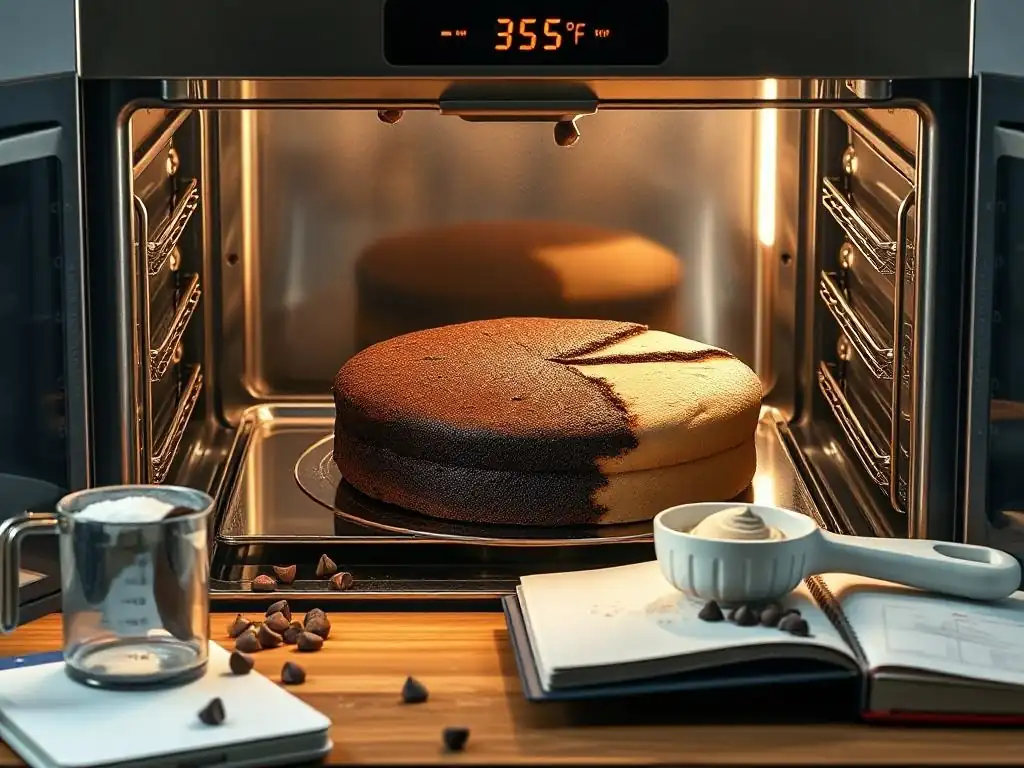
Baking relies on precise temperatures and consistent heat distribution. When your oven isn't heating evenly, it can turn a perfect recipe into a frustrating experiment with burnt edges and undercooked centers. Tackling uneven oven baking problems is key to achieving those beautiful, golden-brown results we all strive for. It's a common issue, affecting many home bakers, but thankfully, there are practical steps you can take to diagnose and fix the problem.
Understanding why your oven might be heating unevenly is the first step. Factors can range from the oven's internal components to how you're using the appliance itself. Identifying the specific cause behind your uneven oven baking can save you time and ingredients, leading you directly to the most effective solution. Let's delve into how to pinpoint the source of these frustrating inconsistencies.
Identifying the Root Cause of Uneven Baking
Uneven oven baking problems often stem from issues with the heating element, thermostat accuracy, or air circulation within the oven cavity. In electric ovens, the heating elements (usually at the bottom and/or top) might not be functioning correctly, leading to hot or cold spots. Gas ovens rely on a burner and igniter assembly, and issues here can also cause temperature fluctuations. Over time, components can degrade, leading to performance issues that manifest as inconsistent baking.
Beyond the core heating mechanism, poor insulation or a faulty door seal can allow heat to escape unevenly, creating significant temperature variations inside. Even something as simple as residual grime or spills on the oven floor or walls can absorb or reflect heat differently, contributing to uneven oven baking. Pinpointing the exact cause requires observation and sometimes a little testing, but understanding these potential culprits is crucial for effective troubleshooting.
Common Signs of Uneven Oven Baking
- Burnt Edges and Pale Centers: This is a classic sign. Cookies might have dark, crisp edges but remain soft and doughy in the middle. Cakes can dome excessively and crack on top while the center is dense or underbaked. This pattern strongly suggests that the heat is concentrating around the perimeter of the baking sheet or pan.
- One Side Cooks Faster: If you notice that items on one side of your oven rack consistently brown or cook faster than those on the other side, it indicates a lateral temperature gradient. This could be due to the placement of the heating element, a draft from a faulty seal, or even the oven's proximity to a cold wall.
- Inconsistent Rise in Cakes and Bread: A loaf of bread that rises beautifully on one end but collapses or remains flat on the other, or a cake that slumps in one corner, points directly to uneven heat. Proper rise requires consistent, even heat throughout the baking process to set the structure uniformly.
Diagnosing the Source of Uneven Heat Distribution
Is Your Oven Thermostat Accurate? Testing and Calibration
A common reason for uneven oven baking problems is an inaccurate thermostat. The temperature displayed on your oven's control panel might not reflect the actual temperature inside the cavity. Over time, thermostats can drift, leading to significant discrepancies. For instance, an oven set to 350°F (175°C) might actually be operating at 325°F (160°C) or even 375°F (190°C), and this variance isn't uniform across the oven.
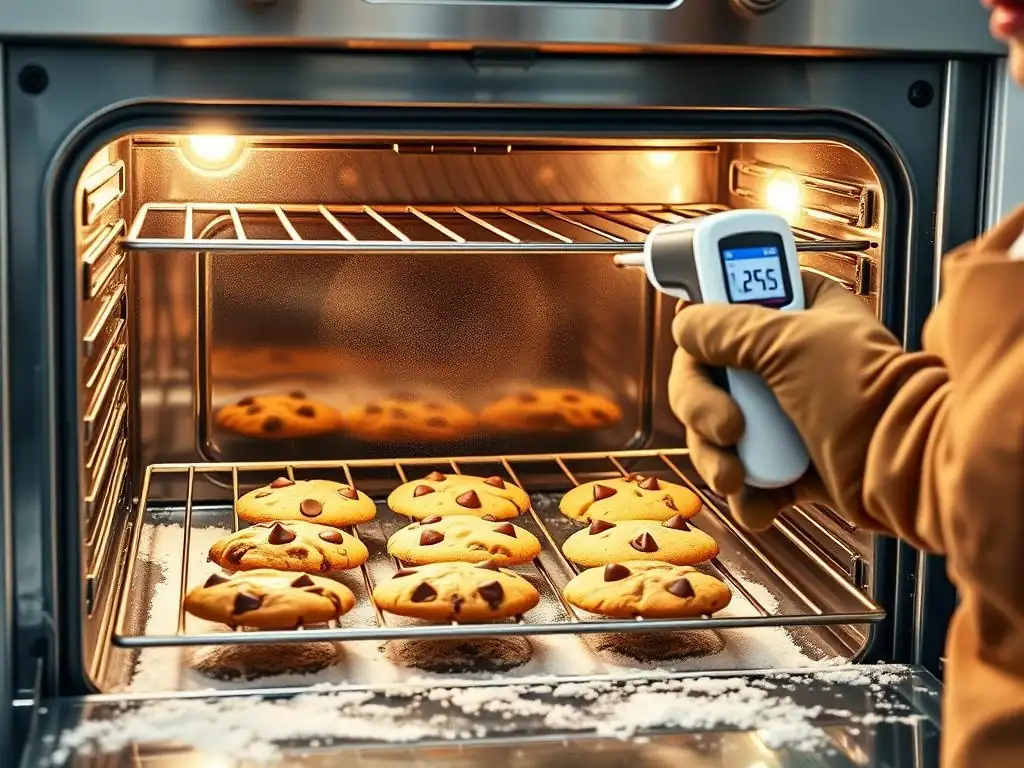
Testing your oven's accuracy is straightforward and essential for consistent baking. You'll need a reliable oven thermometer, preferably one that can hang or stand on a rack. Place it in the center of the oven and preheat to a standard baking temperature, like 350°F (175°C). Let the oven stabilize for at least 20-30 minutes after the preheat indicator turns off, as the initial surge of heat can be misleading. Check the thermometer reading – a difference of more than 15-20°F (around 8-11°C) from the set temperature indicates an accuracy issue that contributes to uneven oven baking problems.
- Using an Oven Thermometer: Place a quality, independent oven thermometer in the center of your oven on the middle rack. Preheat the oven to a common baking temperature, like 350°F (175°C). Wait at least 30 minutes after the oven indicates it has reached temperature to get a stable reading. Note the difference between the set temperature and the thermometer reading. Repeat this test at a different temperature, perhaps 400°F (200°C), to see if the variance is consistent.
- Calibrating Your Oven Thermostat: Many modern ovens allow for thermostat calibration through the control panel settings. Consult your oven's user manual for specific instructions; typically, this involves entering a calibration mode and adjusting the temperature up or down by a certain number of degrees. If your oven doesn't have this feature or the discrepancy is large, a service technician may be needed to calibrate or replace the thermostat.
Oven Placement and Rack Position: Optimizing for Even Baking
Where your oven is located in your kitchen and where you place your baking racks and pans inside can significantly impact heat distribution. Ovens placed against a cold exterior wall might lose heat more readily on that side, creating a persistent cold spot. Similarly, placing an oven too close to other heat sources or in a cramped space can affect its overall performance and contribute to uneven oven baking. Ensuring adequate clearance around the appliance, if possible, can help.
Inside the oven, the position of your baking rack is crucial. Heat often radiates most intensely from the elements at the top and bottom. Using the middle rack is generally recommended for most baking tasks as it places your item equidistant from both heating elements, promoting more even cooking. However, even on the middle rack, crowding the oven with too many items can obstruct airflow and lead to uneven browning and baking.
- The Importance of Proper Oven Placement: Ideally, your oven should be in a location away from direct drafts or extreme temperature changes. Ensure there is proper ventilation around built-in ovens as specified by the manufacturer. While often not easily changed, understanding if external factors might be contributing to uneven oven baking is helpful.
- Experimenting with Rack Positions: For items that require direct heat from one source, like a pizza stone on the bottom rack or broiling on the top, specific positions are necessary. But for general baking, start with the middle rack. If you still experience unevenness, try baking a batch of cookies or a cake using the upper-middle or lower-middle rack to see if the results improve. Note which position works best for your specific oven and recipes.
Air Circulation Issues: Fan Problems and Solutions
Proper air circulation is vital for distributing heat evenly, especially in convection ovens. The fan in a convection oven is designed to circulate hot air throughout the cavity, eliminating hot and cold spots and speeding up cooking times. However, if this fan is malfunctioning or if airflow is blocked, it can be a major source of uneven oven baking problems. Even in conventional ovens, natural convection currents can be disrupted by overcrowding or large baking sheets blocking airflow.
In convection ovens, a faulty fan motor, a bent fan blade, or debris obstructing the fan can prevent hot air from circulating effectively. This results in certain areas receiving significantly more or less heat, leading to frustratingly inconsistent results. Troubleshooting involves checking the fan's operation and ensuring nothing is impeding its movement.
- Checking Your Oven Fan: In a convection oven, listen for the fan when the convection mode is on. You should hear a consistent whirring sound. Visually inspect the fan blades (when the oven is cool and off!) to ensure they are not bent or obstructed by grease or debris. A noisy, grinding, or absent fan indicates a problem.
- Fan-Assisted Ovens vs. Conventional Ovens: Understand whether you have a true convection oven (with a heating element around the fan) or a fan-assisted conventional oven (fan simply circulates existing heat). True convection generally offers better evenness. If you have a conventional oven, unevenness is more likely due to element issues, thermostat problems, or poor rack placement.
- Troubleshooting a Faulty Oven Fan: If you suspect the fan is the issue, ensure the oven is unplugged or the circuit breaker is off. Carefully inspect the fan area for visible obstructions. If the fan doesn't spin or makes unusual noises, the motor may need replacement. This often requires a service technician due to the complexity and safety risks involved.
Solutions for Uneven Oven Baking: Achieve Baking Perfection
Leveling Your Oven: A Simple but Effective Fix
It might sound basic, but an unlevel oven can absolutely contribute to uneven oven baking problems. If your oven is tilted, gravity will cause batters and liquids to pool on the lower side of the pan. While the heat might be relatively even, the contents are not distributed uniformly, leading to one side being thicker and taking longer to cook, while the thinner side cooks faster or even burns. This is particularly noticeable with cakes, casseroles, and sheet pan meals.
Ensuring your oven is perfectly level ensures that whatever you place inside sits flat, allowing heat to interact with the food or batter uniformly. This simple check can often resolve minor unevenness issues without requiring complex repairs. It's a quick troubleshooting step that shouldn't be overlooked when dealing with uneven oven baking.
- Using a Level: Place a standard spirit level on one of your oven racks, positioned horizontally from front to back, and then side to side. Check the bubble to see if it's centered. Repeat this on different racks if your oven has multiple positions. A significant tilt will be immediately obvious.
- Adjusting Oven Feet: Most freestanding ranges and some built-in ovens have adjustable leveling feet at the bottom. With assistance, carefully tilt or pull the oven out slightly to access the feet. Use a wrench or pliers to turn the feet clockwise to lower that corner or counter-clockwise to raise it. Adjust them incrementally, checking with the level after each adjustment, until the oven is perfectly level in both directions.
Utilizing Baking Stones for Even Heat Distribution
A baking stone or steel is a thick slab of ceramic or steel that absorbs and retains heat exceptionally well. When preheated in your oven, it acts as a thermal mass, radiating heat much more evenly than the oven's air or standard metal racks. This consistent, radiant heat transfer from the stone to your baking item can significantly mitigate uneven oven baking problems, especially for items placed directly on or near the stone.
Baking stones are particularly effective for bread and pizza, providing a strong, even heat source from below that helps create a crisp crust and promotes a good rise. However, they can also improve the evenness for other baked goods like cookies (placed on a baking sheet on the stone) or pies, helping to ensure the bottom crust cooks through evenly. Using a stone can help stabilize the oven temperature, reducing fluctuations that contribute to uneven results.
- How Baking Stones Work: The dense material of the stone or steel absorbs a large amount of thermal energy during preheating. When you place food on or near it, this stored heat is transferred directly and consistently. This creates a more stable temperature zone around your baking item compared to relying solely on the fluctuating air temperature and radiant heat from the oven's elements.
- Using a Baking Stone for Bread and Pastries: Place the baking stone on the middle or lower-middle rack before preheating the oven. Allow ample time (45-60 minutes or even longer) for the stone to fully heat up to the target temperature. For bread and pizza, slide the dough directly onto the stone. For pastries or cookies, place the baking sheet directly on the stone.
The Convection Conversion: Mastering Convection Baking
If your oven has a convection setting, utilizing it correctly can be a powerful solution for uneven oven baking problems. Convection uses a fan to circulate hot air, which helps to equalize the temperature throughout the oven cavity and eliminate hot and cold spots. This results in more even browning and faster cooking times compared to conventional baking.
However, simply turning on the convection fan isn't always enough. Because convection cooks more efficiently, you typically need to adjust your standard baking recipes. A common guideline is to reduce the oven temperature by 25°F (around 15°C) when using convection. You may also need to reduce the baking time, often by 10-20%. Mastering convection involves understanding these adjustments and monitoring your baked goods closely as they cook faster.
- Understanding Convection Cooking: Convection ovens use a fan (and sometimes an additional heating element) to move hot air around the oven. This forced air circulation speeds up the cooking process by transferring heat more efficiently to the surface of the food. It helps brown food more evenly and can improve texture, like creating crispier edges on cookies.
- Adjusting Temperature and Time for Convection: As a starting point, reduce the recommended conventional oven temperature by 25°F (15°C). Begin checking for doneness 10-20% earlier than the recipe suggests. For example, if a cake bakes for 30 minutes at 350°F in a conventional oven, try 325°F for 25-27 minutes with convection. Keep notes on your adjustments.
- Best Practices for Convection Baking: Avoid covering items unless specifically instructed, as this can hinder air circulation. Don't overcrowd the oven; allow space for air to flow around pans. Use baking sheets with low sides or no sides to further promote airflow. Some delicate items, like custards or soufflés, may still perform better with conventional heat.
Using Oven Bags for Moist and Even Cooking
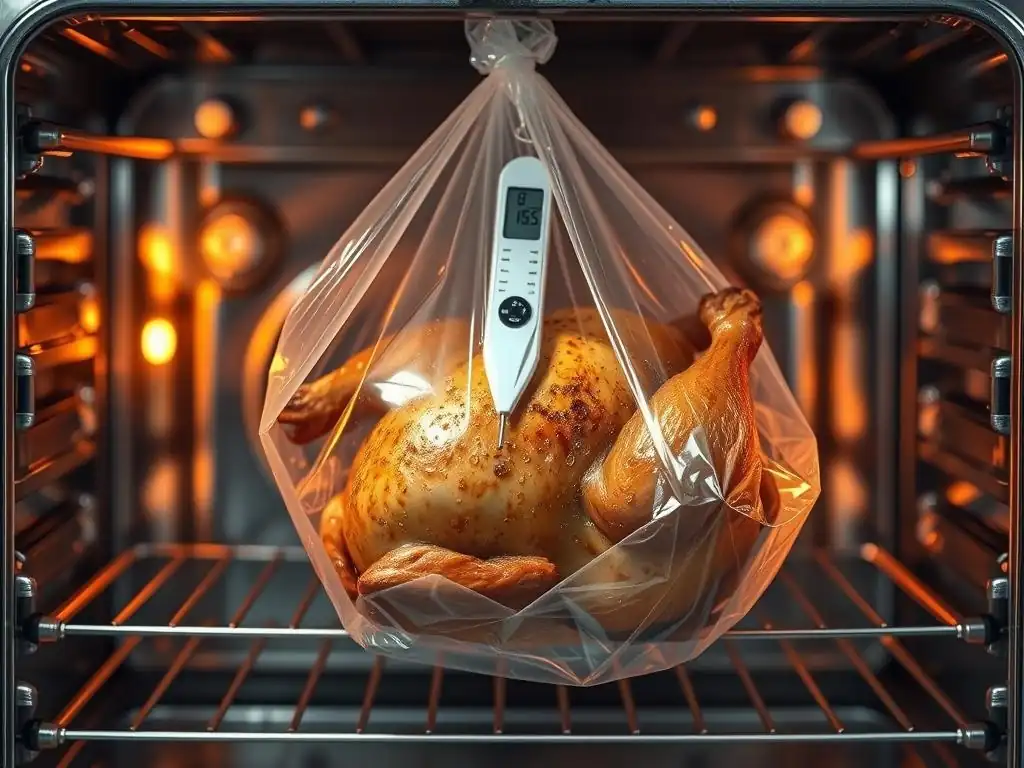
While perhaps less common for traditional baked goods like cakes or cookies, oven bags can be surprisingly effective at promoting even cooking and preventing uneven oven baking problems, especially for larger items like roasts, poultry, or even certain types of bread that benefit from a steamy environment. The bag creates a contained, moist environment that helps cook the food uniformly from all sides by trapping steam and heat.
The consistent, humid heat within the bag helps to prevent outer layers from drying out and cooking too quickly while the inside is still raw. This can be particularly useful in ovens with strong radiant heat that might otherwise scorch surfaces. For some types of rustic bread, an oven bag can mimic the steamy environment of a professional bread oven, leading to a better crust and more even rise.
- Benefits of Oven Bags: They trap moisture, leading to juicier results. They create a mini-environment with more even heat distribution around the food. They can help prevent burning or excessive browning on surfaces exposed to direct radiant heat. They also significantly reduce cleanup.
- How to Use Oven Bags for Cakes, Bread, and Roasts: Ensure you use an oven bag designed for baking and follow the manufacturer's instructions regarding temperature limits. For roasts or poultry, place the item inside the bag with any recommended liquids or vegetables, seal it, and cut a few small vents in the top. For bread, some bakers place the loaf and a small amount of water in the bag to create steam. While not typical for standard cakes, experimenting with a bag for very moist cakes or those prone to dry edges might yield interesting results, though conventional methods are usually preferred.
Investing in a High-Quality Oven for Consistent Baking
Ultimately, if your current oven is old, malfunctioning, or consistently produces uneven results despite troubleshooting, it might be time to consider investing in a newer, higher-quality model designed for even heating. Modern ovens, especially those marketed towards baking enthusiasts, often feature more precise thermostats, multiple heating elements (hidden bake elements for easier cleaning and more even bottoms, for instance), and advanced convection systems that significantly reduce uneven oven baking problems.
Look for features that specifically address heat distribution. Ovens with true European convection (a third heating element around the fan) are known for exceptional evenness. Dual fuel ranges (gas cooktop, electric oven) often boast superior electric ovens for baking due to their dry, consistent heat. While an investment, a reliable oven is the foundation for consistent baking success.
- Features to Look for in an Even-Heating Oven: Prioritize ovens with true convection (sometimes called European or Third-Element Convection). Look for multiple heating elements and descriptions of advanced heat distribution systems. Precise digital thermostats and good insulation (indicated by energy efficiency ratings) are also key. Read reviews focusing on baking performance and reports of uneven oven baking problems.
- Considering Dual Fuel Ranges: Dual fuel ranges pair the responsive temperature control of a gas cooktop with the dry, even heat of an electric oven, which is often preferred for baking delicate items like cakes and pastries. The electric oven typically provides more consistent temperatures throughout the cavity compared to a gas oven, potentially reducing uneven oven baking problems.
Preventing Future Uneven Baking Problems
Regular Oven Cleaning: Maintaining Optimal Performance
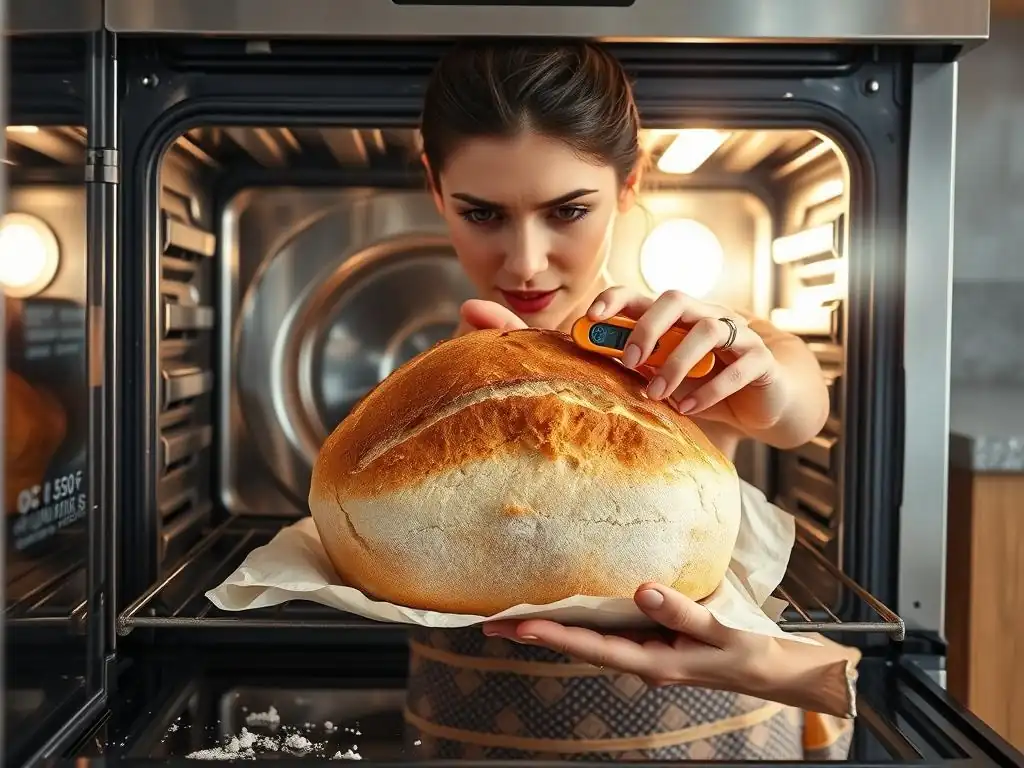
One of the simplest yet most effective ways to prevent uneven oven baking problems is regular and thorough cleaning. Spills, grease buildup, and burnt-on food particles on the oven floor, walls, and ceiling can absorb or deflect heat, creating localized hot and cold spots. A thick layer of grime can also insulate parts of the oven, preventing heat from reaching the cavity effectively.
Keeping your oven clean ensures that heat radiates and circulates as intended by the manufacturer. Pay particular attention to the oven floor and around the heating elements. While self-cleaning cycles are convenient, they can sometimes leave behind residue or stress oven components. Manual cleaning with appropriate oven cleaner and plenty of ventilation is often recommended for a truly spotless result that promotes even heating.
- The Importance of a Clean Oven: A clean oven allows heat to distribute freely and evenly without being absorbed or blocked by grime. It also reduces smoke and odors during baking, which can affect the flavor of your baked goods. Regular cleaning is a fundamental part of maintaining your oven's performance and preventing future uneven oven baking problems.
- Best Oven Cleaning Methods: Consult your oven's manual for recommended cleaning methods. Self-cleaning cycles use very high temperatures to turn grime into ash, but require caution due to fumes. Chemical oven cleaners are effective for stubborn buildup but require good ventilation and careful rinsing. Natural methods using baking soda and vinegar paste are less harsh but may require more effort. Focus on removing all visible residue from the interior surfaces.
Consistent Temperature Monitoring: A Key to Baking Success
Even after troubleshooting and potentially calibrating your oven, ongoing temperature monitoring is crucial for consistent baking. Oven thermostats can fluctuate, and the actual temperature inside the oven can vary throughout the baking cycle. Relying solely on the oven's built-in indicator can lead to unexpected uneven oven baking problems.
Using an independent oven thermometer every time you bake provides real-time feedback on the actual temperature your baked goods are experiencing. This allows you to make minor adjustments as needed, such as slightly increasing or decreasing the set temperature or adjusting baking times based on the true internal reading. This proactive approach helps you catch minor temperature drifts before they ruin your baking.
- Using an Oven Thermometer Regularly: Make it a habit to place an oven thermometer inside whenever you preheat your oven. Check the temperature after the oven has had sufficient time to stabilize (at least 20 minutes post-preheat signal). Note the actual temperature and compare it to your setting. This helps you understand if your oven runs consistently hot or cold and by how much.
- Monitoring Baking Times: Since oven temperatures can vary, use recipe baking times as a guideline rather than a strict rule. Start checking for doneness several minutes before the minimum suggested time. Use visual cues (color, rise, texture) and tools like toothpicks or internal thermometers to determine when your baked goods are truly ready, rather than relying solely on a timer based on a potentially inaccurate oven temperature.
Recipe Adjustments for Your Specific Oven
Every oven is unique, with its own quirks and hot/cold spots, even after addressing major issues. Recognizing and adapting to your specific oven's behavior is a crucial skill for consistent baking, helping you mitigate lingering uneven oven baking problems. This involves understanding where your oven tends to brown fastest or slowest and making minor adjustments to your technique.
Keeping a baking journal can be incredibly helpful here. Note down the recipe, the oven temperature you set, the actual temperature according to your thermometer, the rack position used, the baking time, and the outcome, specifically noting any unevenness. Over time, this journal will reveal patterns specific to your oven, allowing you to proactively adjust recipes and techniques for better results.
- Understanding Your Oven's Quirks: Through observation and consistent monitoring, you'll learn things like "my oven's back-left corner is always hotter" or "items on the lower rack brown much faster on the bottom." This knowledge is power! Use it to rotate pans halfway through baking, shield certain areas with foil, or slightly adjust temperatures or times based on the specific recipe and rack position.
- Keeping a Baking Journal: Dedicate a notebook or digital document to your baking experiments. For each bake, record details like oven temperature (set vs. actual), rack position, pan type, and specific notes on how the item baked – was it even? Where were the hot spots? What adjustments did you make (e.g., rotated pan)? This data builds a profile of your oven, making it easier to predict and counteract uneven oven baking problems in the future.
Conclusion: Enjoy Consistent Baking with These Tips
Tackling uneven oven baking problems might seem daunting, but by systematically diagnosing the cause and implementing the right solutions, you can dramatically improve your baking results. From checking your thermostat's accuracy and optimizing rack placement to utilizing tools like baking stones or mastering convection, there are many strategies at your disposal.
Remember that even small adjustments, like leveling your oven or keeping it meticulously clean, can make a significant difference. By understanding your oven's unique characteristics and consistently monitoring its performance, you'll be well-equipped to achieve more consistent, beautiful, and delicious baked goods every time. Happy baking!
Frequently Asked Questions
How can I tell if my oven is baking unevenly?
You'll likely notice that baked goods are browning or cooking faster on one side or in one area than another. You might see hot spots or consistently have items that are burnt on the bottom.
What's the most common cause of uneven oven baking?
The most common culprit is uneven heat distribution. This can stem from a faulty heating element, inconsistent temperature calibration, or even simply the oven's design.
Can using the wrong type of baking pan affect oven evenness?
Yes, absolutely! Dark-colored pans absorb heat more quickly than light-colored ones, and can lead to uneven browning. Glass pans can also behave differently than metal.
Is there a simple fix for uneven oven baking without calling a repair person?
Try rotating your baking pan halfway through the baking time. This helps to compensate for hot spots and encourages more even browning. Also, ensure nothing is blocking the vents.
Does using a baking stone or pizza stone help with uneven baking?
A baking stone can help to stabilize the oven temperature and distribute heat more evenly. It can also help prevent the bottom of baked goods from burning.
Final Reflection: Baking Evenly, Living Fully
The quest for perfectly baked goods is more than just a culinary pursuit; it's a reflection of our desire for control and consistency in a world often characterized by unpredictability. Uneven oven heating, a seemingly minor appliance malfunction, can symbolize a larger struggle for balance and precision in our lives. Mastering the art of even baking, as explored in this article, offers a surprisingly potent metaphor for navigating life's challenges.
The frustration of a lopsided cake or a burnt corner is a familiar experience for many home bakers, mirroring the unevenness we often encounter in our personal journeys. The subtle nuances of oven temperature, airflow, and rack placement, discussed throughout this piece, highlight the importance of attention to detail and the iterative process of refinement. The greatest glory in living lies not in never falling, but in rising every time we fall.
This quote, often attributed to Nelson Mandela, speaks to the resilience required to overcome obstacles, much like troubleshooting an uneven oven requires patience and persistence.
You, the reader, now possess the knowledge to diagnose and address uneven oven baking. But more importantly, consider how these troubleshooting techniques translate to other areas of your life. Embrace the iterative process of problem-solving, paying close attention to the details, and don't be afraid to adjust your approach until you achieve the desired outcome. Whether it's a perfectly baked cake or a well-balanced life, the journey of refinement is as rewarding as the destination. Now, go forth and bake (and live) evenly!
Unleash Your Inner Baking Pro: Perfect Results Every Time!
Thanks for taking the time to learn about troubleshooting uneven ovens! We hope you now feel empowered to conquer those baking challenges. Ready to take your skills to the next level?
- Master your oven's quirks: Grab a reliable oven thermometer and check your oven's accuracy. This simple step can greatly improve your baking consistency.
- Share your baking triumphs (and struggles!): Join our BakeWithEase community on social media, and share your experiences with uneven ovens. Let's learn from each other!
- Experiment with baking strategies: Try rotating your pans halfway through baking or using a baking stone for more even heat distribution.
What innovative baking solutions have you discovered to tackle uneven oven temperatures? Let's hear them in the comments!