
Deconstructed Desserts Made Easy for Home Bakers

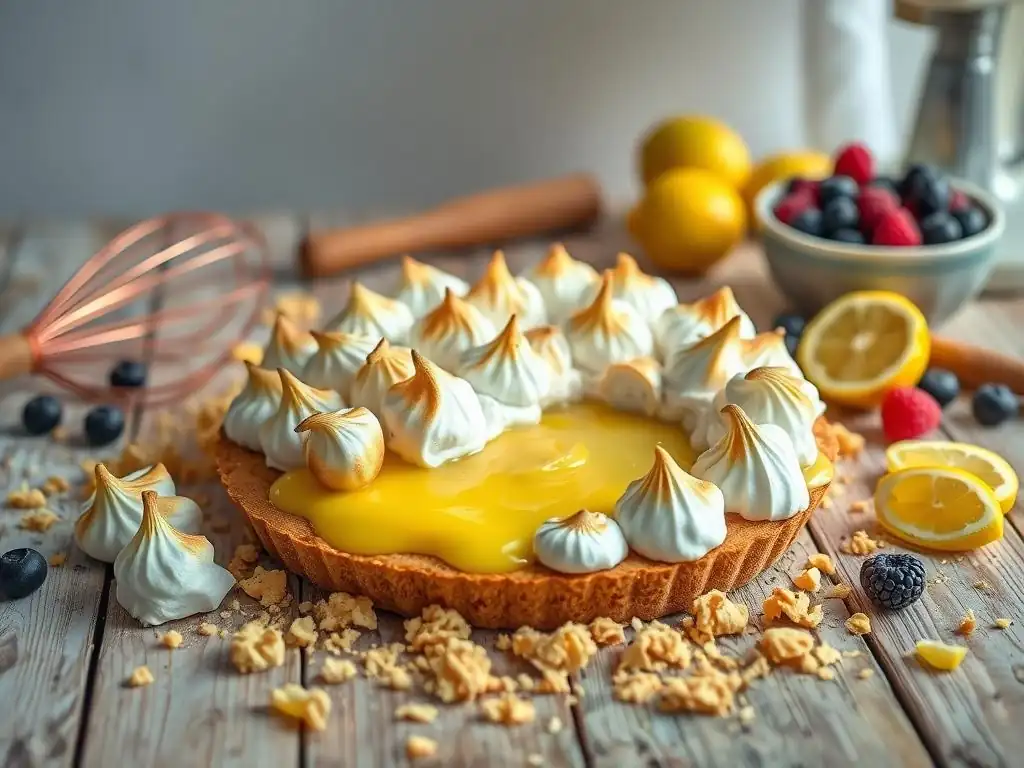
Welcome to BakeWithEase, your kitchen companion for unlocking baking brilliance! Ever dreamed of creating show-stopping desserts without the fuss? This week, we're diving into the delightful world of easy deconstructed dessert recipes. Discover how to reimagine classic flavors with a modern twist, and prepare to impress with desserts that are both beautiful and surprisingly simple. Intrigued? Let's get baking!
- Introduction to Deconstructed Desserts: Baking Elegance Made Simple
- Mastering the Art of Deconstructed Desserts: Essential Techniques
- Easy Deconstructed Dessert Recipes: Beginner-Friendly Options
- Advanced Deconstructed Dessert Recipes: Taking Your Skills Further
- Troubleshooting Common Deconstructed Dessert Baking Issues
- Conclusion: Unleash Your Creativity with Easy Deconstructed Dessert Recipes
-
Frequently Asked Questions
- What exactly is a deconstructed dessert?
- Are deconstructed desserts more difficult to make than traditional desserts?
- What are some common ingredients used in easy deconstructed dessert recipes?
- Can I adapt my existing favorite dessert recipes into deconstructed versions?
- Where can I find simple and reliable deconstructed dessert recipes?
- Final Reflection: The Joy of Deconstructed Simplicity
- Unleash Your Inner Pastry Chef!
Introduction to Deconstructed Desserts: Baking Elegance Made Simple
Deconstructed desserts take the familiar components of a classic sweet treat and present them separately on a plate, often in a more refined or artistic way. Instead of a single slice of cake, you might find dollops of cream, pieces of cake, streaks of sauce, and crumbles scattered thoughtfully. This style allows each element to shine individually, offering a unique textural and flavorful experience with every bite. For home bakers, exploring easy deconstructed dessert recipes opens up a world of elegant plating without requiring complex architectural baking skills.
What are Deconstructed Desserts and Why Bake Them?
A deconstructed dessert is essentially a culinary puzzle where the pieces of a traditional dessert are separated and rearranged. Think of a cheesecake: instead of a full slice, you might have a quenelle of cream cheese filling, a pile of graham cracker crumble, and a berry compote swoosh.
This approach highlights the individual textures and flavors – the creamy filling, the crunchy base, the tangy fruit – making each component a star. Baking deconstructed desserts at home is appealing because it often simplifies the assembly process; you bake or prepare the components separately, which can be less intimidating than constructing a multi-layered cake or a delicate tart shell that needs to hold its shape perfectly.
Furthermore, presenting desserts this way allows for incredible creativity in plating. You become the artist, arranging elements like vibrant fruit sauces, delicate pastry crumbles, or smooth chocolate ganaches on a plate to create a visually stunning final product. It’s a fantastic way to impress guests with minimal stress, offering a sophisticated dining experience right from your own kitchen. Mastering easy deconstructed dessert recipes is a rewarding step for any home baker looking to elevate their presentation skills and explore familiar flavors in a new light.
BakeWithEase's Guide to Simplified Deconstructed Desserts
At BakeWithEase, we believe that elegant desserts should be accessible to everyone, regardless of their baking experience. Our approach to easy deconstructed dessert recipes focuses on breaking down classic favorites into manageable components. We provide clear, step-by-step instructions for each part – be it a simple shortbread crumble, a quick berry compote, or a no-bake mousse – ensuring that even novice bakers can achieve beautiful and delicious results. Our recipes prioritize straightforward techniques and readily available ingredients, removing common barriers to trying more sophisticated-looking desserts.
We guide you through preparing each element separately, highlighting tips for perfect textures and flavors. Then, we offer creative yet simple plating suggestions that don't require professional tools. You'll learn how to create appealing arrangements using spoons, offset spatulas, and even just your hands for sprinkling crumbles. Our easy deconstructed dessert recipes are designed to build confidence, showing you that transforming familiar baked goods into stunning plated creations is entirely achievable in your home kitchen. It's about having fun with food and discovering the joy of making something that looks as incredible as it tastes.
Benefits of Easy Deconstructed Dessert Recipes for Home Bakers
Opting for easy deconstructed dessert recipes offers several distinct advantages for the home baker. Firstly, they significantly reduce the pressure associated with structural integrity. You don't need to worry about a cake layer collapsing or a tart shell cracking when transferring; each component stands alone. This makes the baking process less stressful and more forgiving, which is particularly encouraging for beginners or those trying a new dessert style.
Secondly, deconstructed desserts often allow for mise en place perfection. You can prepare different elements ahead of time – bake the crumble one day, make the sauce the next, whip the cream just before serving. This modular approach breaks down the workload, making it feasible to create elegant desserts even on busy days. Finally, these recipes encourage creativity and personalization. You can easily swap out flavors (lemon curd for passionfruit curd), textures (shortbread crumble for almond biscotti pieces), or garnishes, allowing you to put your own unique spin on classic combinations while mastering easy deconstructed dessert recipes.
Mastering the Art of Deconstructed Desserts: Essential Techniques
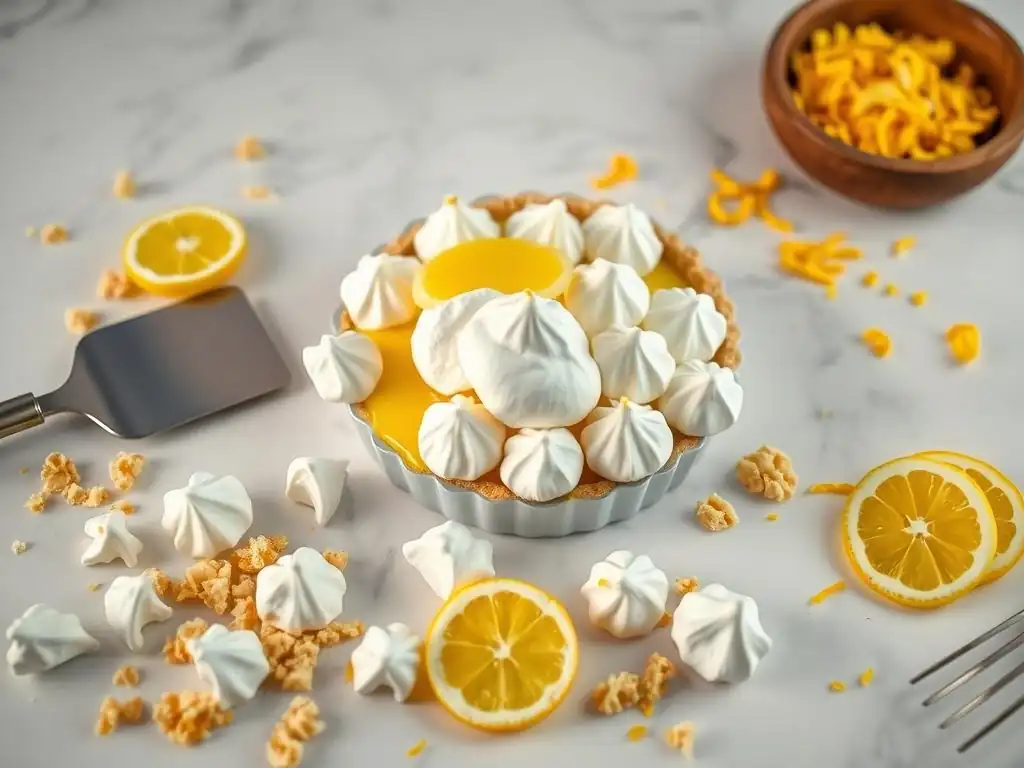
Creating beautiful deconstructed desserts isn't just about separating components; it's about ensuring each piece is perfect and works harmoniously with the others. This section delves into the foundational techniques that will elevate your easy deconstructed dessert recipes from simple preparations to impressive culinary statements. Focusing on ingredient selection, basic plating principles, and thoughtful flavor pairings will set you up for success.
Choosing the Right Ingredients for Deconstructed Dessert Success
The quality of your ingredients is paramount when making deconstructed desserts, as each element is exposed and its flavor is prominent. For instance, if you're making a deconstructed fruit tart, using ripe, in-season fruit will make a significant difference compared to using fruit that is under-ripe or out of season.
A vibrant strawberry compote made with sweet, juicy berries picked at their peak will be far more flavorful than one made with pale, less-flavorful fruit. Aim for the best quality butter, chocolate, and dairy you can afford, as these foundational ingredients contribute significantly to the overall taste and richness of your components like crumbles, sauces, or creams.
Consider the role each ingredient plays in the final composition. Are you aiming for a crisp crumble? Use cold butter and handle the dough minimally. A smooth, glossy sauce? Choose high-quality chocolate or fresh, flavorful fruit. For something like a deconstructed lemon tart, using fresh lemon juice (not bottled) is absolutely essential for that bright, zesty flavor that cuts through the richness. Paying attention to these details ensures that every spoonful of your easy deconstructed dessert recipes is a delightful experience, showcasing the individual brilliance of each carefully chosen ingredient.
Simple Plating Techniques for Visually Stunning Deconstructed Desserts
Plating deconstructed desserts might seem intimidating, but it's often simpler than arranging a traditional slice. The goal is balance and visual interest. Start with a clean plate – white plates often make colors pop. Think about the main components you have: something creamy, something crunchy, something saucy, and maybe a solid piece. Arrange them thoughtfully, not just piling them up. A common technique is to place the main solid component (like a piece of cake or a quenelle of mousse) off-center.
From there, add the other elements. Use a spoon to create a swoosh or a few drops of sauce. Scatter crumble artfully around the main component, perhaps letting some trail off the edge of the plate.
Add small dollops of cream or mousse using two spoons (for quenelles) or simply piping them. Garnish with fresh berries, a mint sprig, or a dusting of powdered sugar. Practicing with easy deconstructed dessert recipes will help you develop an eye for balance and negative space on the plate, turning your dessert into a work of edible art without needing complex tools – sometimes, less is more!
Easy Deconstructed Dessert Recipes: Tips for Flavor Pairing & Texture
Successful deconstructed desserts rely heavily on complementary flavors and contrasting textures. When planning your components, think about classic pairings that work well together. For example, chocolate pairs beautifully with raspberry or orange. Apple is a natural partner for cinnamon and caramel. Lemon cuts through richness, pairing well with creamy elements or sweet berries. Don't be afraid to experiment, but starting with well-loved combinations is a safe bet when tackling easy deconstructed dessert recipes.
Texture is equally important. A plate with only soft components can be monotonous. You need contrast! Pair a smooth, rich chocolate sauce with a crunchy biscuit crumble. Combine a creamy panna cotta with a tart berry compote and a delicate meringue shard. The interplay between creamy, crunchy, smooth, and perhaps chewy elements makes each bite exciting. When developing or adapting easy deconstructed dessert recipes, consciously include components that offer different textures – a crisp element, a smooth element, and a soft or airy element – to create a dynamic and satisfying dessert experience.
Easy Deconstructed Dessert Recipes: Beginner-Friendly Options
Ready to try your hand at creating elegant plated desserts? These beginner-friendly easy deconstructed dessert recipes are perfect starting points. They break down classic favorites into simple components that are easy to prepare and fun to plate, allowing you to build confidence in your deconstructing journey.
Deconstructed Lemon Tart: A Refreshing and Easy Recipe
A classic lemon tart is beloved for its bright, tangy filling and crisp crust. In its deconstructed form, we separate the luscious lemon curd from a buttery shortbread crumble, perhaps adding a dollop of whipped cream or meringue kisses. This approach simplifies the process, as you don't need to worry about blind baking a perfect tart shell that won't crack. It's one of the most approachable easy deconstructed dessert recipes out there.
The beauty of a deconstructed lemon tart lies in highlighting the intense citrus flavor of the curd against the sweet, crumbly texture of the shortbread. Serving the components separately ensures you get a perfect balance of tangy and sweet, smooth and crisp in every spoonful. This recipe is ideal for showcasing the vibrant color of the lemon curd and the rustic texture of the crumble, making for a visually appealing dessert that tastes like sunshine.
Preparing the Lemon Curd for Deconstructed Tart
Making lemon curd from scratch is surprisingly simple and rewarding. You'll need fresh lemon juice (about 120ml from 3-4 lemons), sugar (around 150g), eggs (2 whole eggs plus 2 yolks for richness), and butter (about 80g, cut into cubes). Combine the lemon juice, sugar, and eggs in a heatproof bowl set over a saucepan of simmering water (a double boiler). Whisk continuously until the mixture thickens to a custard-like consistency, which usually takes about 10-15 minutes. Be patient and keep whisking to prevent scrambling.
Once thickened, remove the bowl from the heat and whisk in the cold butter cubes, one at a time, until fully incorporated and the curd is smooth and glossy. Straining the curd through a fine-mesh sieve is an optional but recommended step to ensure a perfectly smooth texture. Let the curd cool slightly, then cover the surface directly with plastic wrap to prevent a skin from forming and chill it in the refrigerator for at least 2-3 hours, or until firm. This chilled, vibrant curd is the tangy heart of your easy deconstructed dessert recipes like this lemon tart.
Creating the Shortbread Crumble for Texture
For the perfect shortbread crumble, you'll need flour (around 200g), sugar (about 100g, a mix of granulated and powdered works well), and cold butter (about 100g, cut into small cubes). You can also add a pinch of salt and perhaps a little lemon zest for extra flavor. In a bowl, rub the cold butter into the flour and sugar using your fingertips until the mixture resembles coarse breadcrumbs or small pebbles. Avoid overworking the dough; you want a crumbly texture, not a solid mass.
Spread the crumble mixture evenly onto a baking sheet lined with parchment paper. Bake in a preheated oven at about 170°C (325°F) for 15-20 minutes, or until golden brown and fragrant. Keep an eye on it, as it can brown quickly. Once baked, let the crumble cool completely on the baking sheet. As it cools, it will become wonderfully crisp. You can break up any larger clumps into smaller pieces. This simple, crunchy component is vital for adding textural contrast to your easy deconstructed dessert recipes like the lemon tart.
Plating the Deconstructed Lemon Tart: A Step-by-Step Guide
Plating your deconstructed lemon tart is where you bring all the simple components together artistically.
- Start with a clean dessert plate.
- Place a generous spoonful or a quenelle of the chilled lemon curd slightly off-center.
- Scatter the cooled shortbread crumble around the curd. You can pile some next to it and sprinkle some more loosely across the plate for a rustic feel.
- Add optional elements: a dollop of whipped cream, a few small meringue kisses, or some fresh berries (like raspberries or blueberries) for color and freshness.
- Finish with a light dusting of powdered sugar or a small sprig of mint.
- \ Ensure the curd is well-chilled for easier handling.\
- \ Don't over-crumble the shortbread; aim for varied sizes.\
- \ Wipe any smudges off the plate before serving.\
Deconstructed Chocolate Lava Cake: An Indulgent Delight
A classic chocolate lava cake is known for its molten center. Deconstructing it allows you to serve the rich, gooey chocolate sauce alongside pieces of moist chocolate cake, perhaps with ice cream or whipped cream. This approach simplifies the timing challenge of baking a perfect lava cake, ensuring you always have that decadent flow of chocolate without the risk of overbaking the center. It’s a fantastic example of an easy deconstructed dessert recipe that delivers maximum indulgence.
By separating the components, you can focus on perfecting each part: baking a small, tender chocolate cake and making a rich, pourable chocolate sauce. This method guarantees that luscious chocolate flow every time, which can be tricky in traditional lava cakes. Paired with a scoop of vanilla ice cream that melts into the warm components, it's a truly satisfying and visually appealing dessert experience that is surprisingly straightforward for home bakers.
Baking Individual Chocolate Cake Components
Instead of one large cake, you'll bake smaller, individual portions that can be easily plated. You can use a standard chocolate cake recipe, but bake it in muffin tins or small ramekins. A simple recipe might use about 150g flour, 200g sugar, 60g cocoa powder, a teaspoon of baking soda, half a teaspoon of baking powder, a pinch of salt, one egg, about 120ml milk, 120ml hot water (or coffee), and 60ml vegetable oil. Whisk the dry ingredients together, then add the wet ingredients and mix until just combined. The batter will be quite liquidy.
Pour the batter into greased and floured muffin tins or ramekins, filling them about two-thirds full. Bake in a preheated oven at around 180°C (350°F) for 20-25 minutes, or until a toothpick inserted comes out clean. The cakes should be moist but fully baked through – you don't need a molten center here, as the 'lava' will be a separate sauce. Let them cool slightly before carefully removing them from the molds. These small cake pieces will form the base of your easy deconstructed dessert recipes like this chocolate lava cake.
Making the Chocolate Sauce: Easy Recipe
The 'lava' component is a simple, rich chocolate sauce. You'll need good quality chocolate (about 100g, chopped), heavy cream (around 100ml), and a tablespoon of butter (optional, for gloss). Heat the cream in a small saucepan over medium heat until it just begins to simmer around the edges. Do not boil.
Remove the cream from the heat and add the chopped chocolate. Let it sit for a minute to soften, then whisk gently until the chocolate is completely melted and the sauce is smooth and glossy. If using, whisk in the butter until incorporated. For a richer flavor, you can add a splash of vanilla extract or a pinch of salt. Keep the sauce warm or gently reheat it just before serving for that signature 'lava' effect. This easy sauce is the key to the decadent nature of this easy deconstructed dessert recipe.
Assembling the Deconstructed Chocolate Lava Cake: Visual Appeal
Assembling the deconstructed chocolate lava cake is all about creating pools and textures.
- Place one or two small chocolate cake components on the plate. You can leave them whole or break them into rustic pieces.
- Pour the warm chocolate sauce generously over and around the cake pieces. Let it pool on the plate.
- Add a scoop of vanilla ice cream or a dollop of whipped cream next to the cake and sauce. The contrast in temperature is key!
- Garnish with chocolate shavings, a sprinkle of cocoa powder, fresh raspberries, or a mint sprig.
- \ Ensure the chocolate sauce is warm but not boiling hot when pouring.\
- \ Place the ice cream just before serving to prevent it from melting too quickly.\
- \ Consider adding a sprinkle of sea salt to the finished plate to enhance the chocolate flavor.\
Deconstructed Strawberry Shortcake: A Classic Reimagined
Strawberry shortcake is a beloved summer dessert. Deconstructing it involves separating the sweet biscuits, fresh strawberries, and whipped cream. This makes for a lighter, more customizable dessert that is perfect for showcasing seasonal berries. It’s a wonderfully simple and refreshing addition to your collection of easy deconstructed dessert recipes.
By serving the components separately, you ensure that the biscuits remain crisp and the whipped cream stays airy until the moment of assembly on the plate. The macerated strawberries release their sweet juices, creating a natural sauce that ties everything together. This deconstructed version allows guests to customize their perfect bite, balancing the sweet biscuit, creamy topping, and juicy fruit according to their preference.
Baking the Biscuit Crumble for Deconstructed Shortcake
For the biscuit component, you'll bake a batch of slightly sweet, tender biscuits and then break them into pieces or crumbles. A simple recipe uses about 250g self-raising flour, 50g cold butter (cut into cubes), 30g sugar, and about 150ml milk or buttermilk. Rub the cold butter into the flour and sugar until it resembles breadcrumbs. Add the milk and mix until a soft dough forms. Don't overwork.
Turn the dough out onto a lightly floured surface, pat it gently to about 2cm thickness, and cut out rounds (or simply cut into squares for ease). Place on a baking sheet and bake in a preheated oven at around 200°C (400°F) for 12-15 minutes, or until golden brown and risen. Once cooled, you can break the biscuits into rustic pieces or pulse them briefly in a food processor for a coarser crumble. This adds that essential bready texture to your easy deconstructed dessert recipes.
Preparing the Macerated Strawberries: Simple Technique
Macerating strawberries is an easy way to bring out their natural sweetness and create a simple sauce. You'll need fresh strawberries (about 400g), hulled and sliced or quartered, and sugar (about 2-4 tablespoons, depending on the sweetness of the berries and your preference). Place the prepared strawberries in a bowl and sprinkle the sugar over them.
Gently toss the strawberries to coat them with sugar. Let them sit at room temperature for at least 20-30 minutes, or in the refrigerator for an hour or two. As they sit, the sugar will draw out the juices from the strawberries, creating a sweet, syrupy liquid. This simple preparation enhances the flavor of the berries and provides a natural sauce element for your deconstructed shortcake, a key component in many easy deconstructed dessert recipes featuring fruit.
Plating the Deconstructed Strawberry Shortcake: Creative Ideas
Plating the deconstructed strawberry shortcake is all about celebrating the fresh ingredients.
- Place a few pieces of the biscuit crumble or broken biscuit on the plate.
- Spoon generous amounts of the macerated strawberries and their juices over and around the biscuit pieces.
- Add a large dollop of freshly whipped cream (sweetened with a little sugar and vanilla) next to the strawberries and biscuit.
- Garnish with a whole strawberry, a mint leaf, or a sprinkle of powdered sugar.
- \ Use very ripe strawberries for the best flavor and juice production.\
- \ Whip the cream just before serving for maximum airiness.\
- \ Consider adding a sprinkle of lemon zest to the macerated strawberries for extra brightness.\
Advanced Deconstructed Dessert Recipes: Taking Your Skills Further
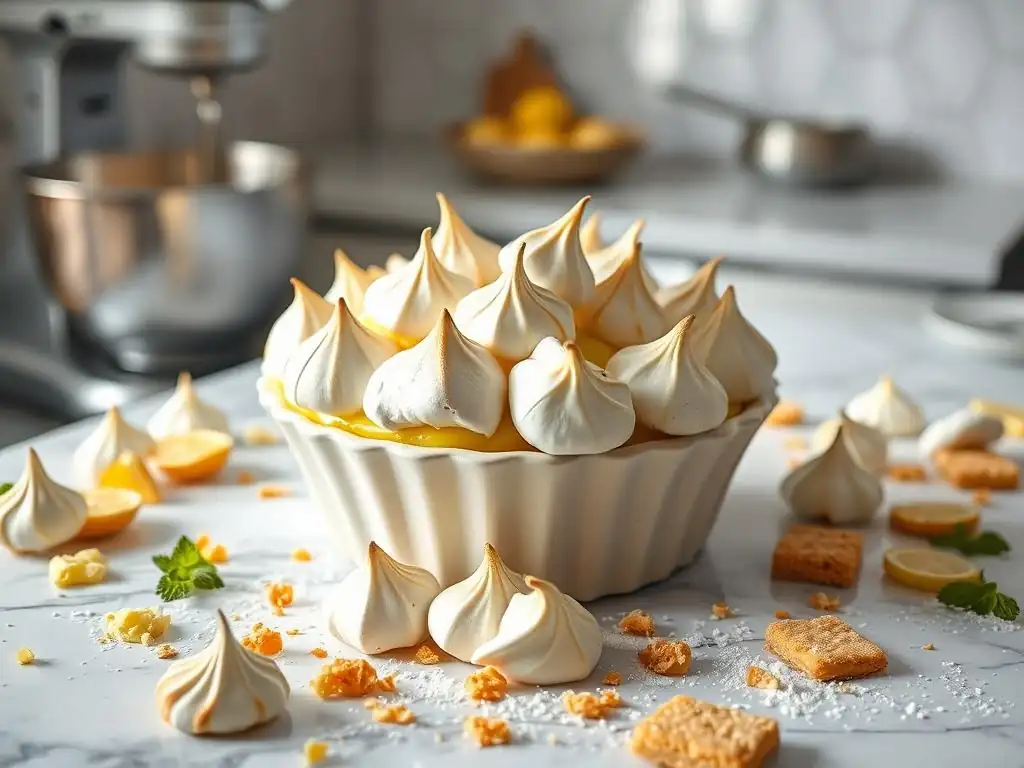
Once you're comfortable with the basics, you can explore more complex flavors and textures with these advanced deconstructed dessert recipes. While they involve a few more steps or components, the principles of separating and reassembling remain the same, allowing you to create truly show-stopping desserts.
Deconstructed Black Forest Gateau: A Sophisticated Twist
Black Forest Gateau is a classic combination of chocolate cake, cherries, and cream. Deconstructing it allows you to focus on perfecting each element – a moist chocolate sponge, a rich cherry compote, stable whipped cream, and delicate chocolate decorations – and then presenting them in an elegant, modern way. This offers a sophisticated take on easy deconstructed dessert recipes.
This deconstructed version retains all the beloved flavors of the original but presents them in a lighter, more refined manner. You can control the amount of each component on the plate, ensuring a perfect balance of flavors and textures. It's an ideal dessert for special occasions, showcasing your baking skills in a visually impressive format.
Baking the Chocolate Sponge for Deconstructed Gateau
For a deconstructed Black Forest, you need a moist but sturdy chocolate sponge. A recipe using about 150g flour, 30g cocoa powder, 1 tsp baking powder, 1/2 tsp baking soda, 175g sugar, 2 eggs, 120ml milk, 60ml vegetable oil, and 120ml hot coffee works well. Whisk dry ingredients, then add wet ingredients (except coffee), mix, then stir in hot coffee. Pour into a small square or round tin (about 20cm) lined with parchment.
Bake at around 170°C (325°F) for 30-35 minutes, or until a skewer comes out clean. Let it cool completely on a wire rack. Once cool, you can cut it into cubes, rectangles, or irregular shapes for plating. You might also soak the cake pieces lightly with cherry syrup (from the compote) or Kirsch for extra flavor, staying true to the original. This forms the base for your easy deconstructed dessert recipes with a sophisticated twist.
Preparing the Cherry Compote: Flavor Enhancement
A vibrant cherry compote is crucial. You'll need fresh or frozen cherries (about 300g, pitted), sugar (about 50-100g, to taste), and a splash of water or cherry juice. Combine cherries and sugar in a saucepan and cook over medium heat, stirring occasionally. The cherries will release their juices.
Simmer for 10-15 minutes, or until the cherries are soft and the liquid has thickened into a syrupy consistency. You can add a teaspoon of cornstarch mixed with a little water towards the end if you prefer a thicker sauce. For authentic Black Forest flavor, stir in a tablespoon or two of Kirsch (cherry brandy) after removing from the heat (optional). Let it cool before serving. This sweet and tart compote is a highlight of this easy deconstructed dessert recipe.
Creating the Chocolate Shavings and Whipped Cream
Classic Black Forest needs chocolate shavings and whipped cream. For shavings, use a bar of good quality dark chocolate. Hold the chocolate bar firmly and use a vegetable peeler or a large knife to shave off curls directly onto a piece of parchment paper or a plate. Alternatively, you can grate the chocolate on a coarse grater for smaller pieces. Chill the shavings slightly so they hold their shape.
For the whipped cream, use cold heavy cream (about 200ml). Whip it in a cold bowl using an electric mixer or whisk until soft or medium peaks form. Add a little powdered sugar (about 20-30g) and a splash of vanilla extract towards the end of whipping, and whisk until just combined and stiff peaks form. Be careful not to over-whip. Keep chilled until ready to plate. These simple components add essential texture and richness to your easy deconstructed dessert recipes.
Assembling the Deconstructed Black Forest Gateau: Elegant Presentation
Plating this deconstructed gateau is about balancing the components and creating visual appeal.
- Place a few pieces of chocolate sponge cake on the plate.
- Spoon generous amounts of the cherry compote next to and slightly over the cake.
- Add dollops or quenelles of the whipped cream.
- Scatter the chocolate shavings over the cream and parts of the plate.
- Garnish with a fresh cherry (if available) or a light dusting of cocoa powder.
- \ Ensure the compote is cooled before plating alongside the cream.\
- \ Use a variety of cake piece sizes for visual interest.\
- \ Don't overcrowd the plate; leave some negative space.\
Deconstructed Apple Crumble: A Comforting Classic Elevated
Deconstructing apple crumble takes the warm, spiced apple filling and the crunchy oat crumble and presents them separately, perhaps with a scoop of vanilla ice cream or custard. This highlights the beautiful contrast between the soft, warm fruit and the crisp, textured topping. It’s a simple yet effective way to present a comforting classic as an elegant plated dessert, fitting perfectly within easy deconstructed dessert recipes.
This method ensures the crumble stays wonderfully crisp until served, avoiding the dreaded soggy topping that can sometimes happen in traditional crumbles. The warm apple filling provides a comforting base, while the cold ice cream adds a delightful temperature contrast. It's a versatile dessert that can be adapted with different fruits and spices, making it a staple for easy deconstructed dessert recipes.
Preparing the Apple Filling with Spices
For the apple filling, you'll need cooking apples (about 4-5 medium, like Bramley or Granny Smith), peeled, cored, and cut into chunks or slices. Toss them with sugar (about 50-80g, adjusting for apple tartness), a tablespoon of flour (to help thicken juices), cinnamon (about 1 teaspoon), and a pinch of nutmeg or mixed spice. You can also add a squeeze of lemon juice to brighten the flavor.
Cook the apple mixture in a saucepan over medium heat with a tablespoon of butter until the apples have softened slightly but still hold their shape, about 10-15 minutes. Alternatively, you can bake the spiced apples in a covered dish in the oven at 180°C (350°F) for about 20-25 minutes until tender. The goal is soft, flavorful apples with some lovely cooking juices, ready for your easy deconstructed dessert recipes.
Making the Oat Crumble Topping: Easy Variation
For the crumble topping, you'll need flour (about 100g), rolled oats (about 50g), brown sugar (about 70g), and cold butter (about 70g, cubed). In a bowl, rub the cold butter into the flour, oats, and brown sugar using your fingertips until you have a crumbly mixture with some larger clumps. For extra flavor, you can add a pinch of salt or a teaspoon of cinnamon.
Spread the crumble mixture onto a baking sheet lined with parchment paper. Bake in a preheated oven at around 180°C (350°F) for 15-20 minutes, or until golden brown and crisp. Let it cool completely. This creates a wonderfully textured, sweet, and buttery topping that provides the essential crunch for your easy deconstructed dessert recipes like this apple crumble.
Serving the Deconstructed Apple Crumble: Warm and Inviting
Serving deconstructed apple crumble is all about the warmth and comfort.
- Spoon generous amounts of the warm spiced apple filling onto the plate.
- Scatter the cooled, crisp oat crumble generously over and around the apples.
- Add a scoop of vanilla ice cream or a ladle of warm custard alongside the apple and crumble.
- Garnish with a sprinkle of cinnamon or a small mint sprig.
- \ Ensure the apple filling is warm when plating for the best contrast with cold ice cream.\
- \ The crumble must be fully cooled to maintain crispness.\
- \ Consider adding a drizzle of caramel sauce for extra indulgence.\
Troubleshooting Common Deconstructed Dessert Baking Issues
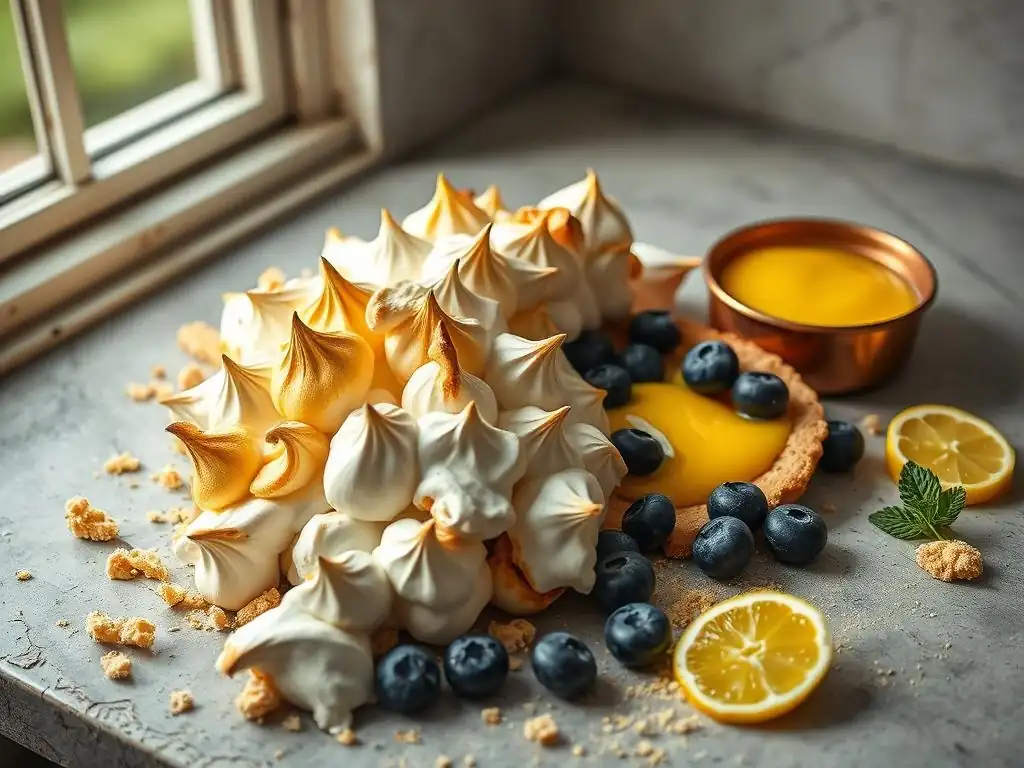
Even with easy deconstructed dessert recipes, minor issues can arise. Knowing how to troubleshoot common problems will help you achieve perfect results every time, ensuring your components are exactly right before they hit the plate.
Avoiding Soggy Crumble: Tips and Tricks
A soggy crumble can ruin the textural contrast of a deconstructed dessert. The primary culprit is moisture from the filling or insufficient baking. To avoid this, ensure your crumble is baked separately on a baking sheet until it is deeply golden brown and feels dry to the touch. Don't underbake it. Baking at a slightly lower temperature for a longer time can also help dry it out properly.
Crucially, always let the crumble cool completely before plating it alongside a warm or moist component like fruit filling or sauce. Plating the crumble only just before serving is key, especially when pairing with warm elements. If you've made the crumble ahead, store it in an airtight container at room temperature to maintain its crispness. Reheating it briefly in a dry pan or oven can also help revive its crunch if needed for your easy deconstructed dessert recipes.
Achieving Perfect Sauce Consistency: Easy Adjustments
Sauces for deconstructed desserts need to have the right consistency – not too thin that they run everywhere, and not too thick that they are pasty. If your sauce (like a fruit compote or chocolate sauce) is too thin, you can thicken it by simmering it longer to reduce the liquid, or by adding a slurry of cornstarch or flour mixed with a little cold liquid and cooking for another minute or two until thickened. Use about 1 teaspoon of starch per cup of liquid as a starting point.
If your sauce is too thick, you can easily thin it out by whisking in a little bit of warm liquid – water, milk, cream, or even fruit juice, depending on the sauce type – until you reach the desired pourable consistency. For chocolate sauces, sometimes gentle reheating is enough to make them fluid again. Practice with easy deconstructed dessert recipes will help you recognize the right consistency.
Maintaining Visual Appeal During Plating: Key Considerations
Keeping your plated deconstructed dessert looking sharp until it reaches the table requires a few considerations. Firstly, temperature is important. Cold components should be well-chilled, and warm components should be served warm, but avoid placing hot items directly against cold ones for too long before serving, as this can cause melting or condensation that ruins the presentation.
Secondly, handle delicate components like meringue shards or chocolate shavings carefully to avoid breakage. Plate them last. If using sauces for swooshes or drips, practice on a spare plate first to get the technique right. Finally, don't over-handle the finished plate; wipe away any smudges immediately before serving. Speed in plating once components are ready is also important for easy deconstructed dessert recipes to look their best.
Conclusion: Unleash Your Creativity with Easy Deconstructed Dessert Recipes
Deconstructed desserts offer a fantastic way for home bakers to explore elegant plating and enjoy familiar flavors in a fresh, exciting format. By breaking down classic recipes into simple, manageable components, you eliminate much of the stress associated with traditional dessert assembly. We've shown that creating stunning deconstructed versions of favorites like lemon tart, chocolate lava cake, strawberry shortcake, Black Forest gateau, and apple crumble is entirely achievable with easy deconstructed dessert recipes.
Recap of Easy Deconstructed Dessert Recipes and Techniques
We've covered the fundamental techniques for success: choosing quality ingredients that make each component shine, mastering simple plating methods to create visual harmony, and understanding how to pair flavors and textures for a dynamic eating experience. We walked through specific easy deconstructed dessert recipes, showing how to prepare components like lemon curd, shortbread crumble, chocolate sauce, biscuit pieces, cherry compote, and oat topping. You've learned how to troubleshoot common issues like soggy crumble or inconsistent sauces, equipping you with the knowledge to tackle these recipes confidently.
Inspiring Home Bakers to Experiment with Deconstructed Desserts
Now that you have the tools and inspiration, we encourage you to experiment! Don't be afraid to adapt these easy deconstructed dessert recipes. Swap out fruits in the compotes, try different types of crumbles or cookies, or experiment with various sauces and creams. Think about your favorite desserts and how you might break them down into their core elements. The beauty of deconstruction is the freedom it gives you to play with presentation and customize flavors. Have fun with it, and enjoy the process of creating beautiful, delicious desserts right in your own kitchen.
Where to Find More Baking Resources on BakeWithEase.com
Ready to continue your baking journey? BakeWithEase.com is packed with resources for bakers of all levels. You'll find step-by-step guides for mastering basic techniques, simple recipes for everyday treats, and inspiration for more ambitious projects. Explore our sections on Pastry and Desserts for more ideas, or dive into specific categories like cakes, cookies, and breads. We're constantly adding new content to help you bake with confidence and creativity. Whether you're perfecting your sourdough or plating your next easy deconstructed dessert recipe, BakeWithEase is here to support you every step of the way.
Frequently Asked Questions
What exactly is a deconstructed dessert?
A deconstructed dessert is a dish where the usual components of a dessert are presented separately rather than assembled. It focuses on highlighting the individual flavors and textures of each element.
Are deconstructed desserts more difficult to make than traditional desserts?
Not necessarily! While the presentation might seem fancy, deconstructed desserts often involve simpler preparation methods for each component. This can actually make them easier for home bakers.
What are some common ingredients used in easy deconstructed dessert recipes?
Common ingredients include fresh fruits, homemade sauces like caramel or chocolate, crispy elements such as crumbled cookies or nuts, and creamy textures like whipped cream or ice cream.
Can I adapt my existing favorite dessert recipes into deconstructed versions?
Absolutely! Think about the key flavors and textures of your favorite dessert and then consider how you can present them individually. For example, a cheesecake could become a graham cracker crumble, cream cheese mousse, and berry compote.
Where can I find simple and reliable deconstructed dessert recipes?
You can find many easy deconstructed dessert recipes right here at BakeWithEase.com. We offer step-by-step guides and tips to help you create stunning and delicious desserts at home.
Final Reflection: The Joy of Deconstructed Simplicity
The art of deconstructed desserts isn't just a culinary trend; it's a gateway to effortless elegance in the home kitchen. This accessible approach to dessert making empowers even the most novice baker to create stunning, sophisticated treats without the intimidation of complex techniques or lengthy recipes. The ease with which you can adapt and personalize these recipes makes them perfect for any occasion, from casual weeknight gatherings to special celebrations.
The beauty of deconstructed desserts lies in their inherent flexibility and the opportunity for creative expression. They allow for a playful exploration of textures and flavors, encouraging experimentation and a deeper understanding of the individual components that make up a classic dessert. This approach resonates deeply with the modern baker, who values both delicious results and a streamlined process. Simplicity is the ultimate sophistication,
as Leonardo da Vinci so eloquently stated, and this perfectly encapsulates the essence of deconstructed baking.
Now, it's your turn to embrace the joy of deconstructed desserts. Don't be afraid to experiment with different flavor combinations, textures, and presentations. Let this newfound freedom inspire you to create your own signature deconstructed masterpiece, tailored to your taste and preferences. The kitchen is your canvas; let your creativity flow and enjoy the sweet rewards of your efforts.
Unleash Your Inner Pastry Chef!
Thanks for joining us on this delicious journey into the world of deconstructed desserts! We hope you've gained some inspiration and confidence to create stunning, yet surprisingly simple, treats at home. Ready to take your baking to the next level?
- Master your first deconstructed dessert: Choose your favorite recipe from the article and give it a try. Don't be afraid to experiment!
- Share your creations: Tag us on social media with your deconstructed dessert masterpieces – we can't wait to see them!
- Explore other innovative baking techniques: Dive deeper into our website for more creative recipe ideas and baking tips.
What unique twist will you add to your next deconstructed dessert?