
Elegant Desserts: The Importance of Negative Space on the Plate

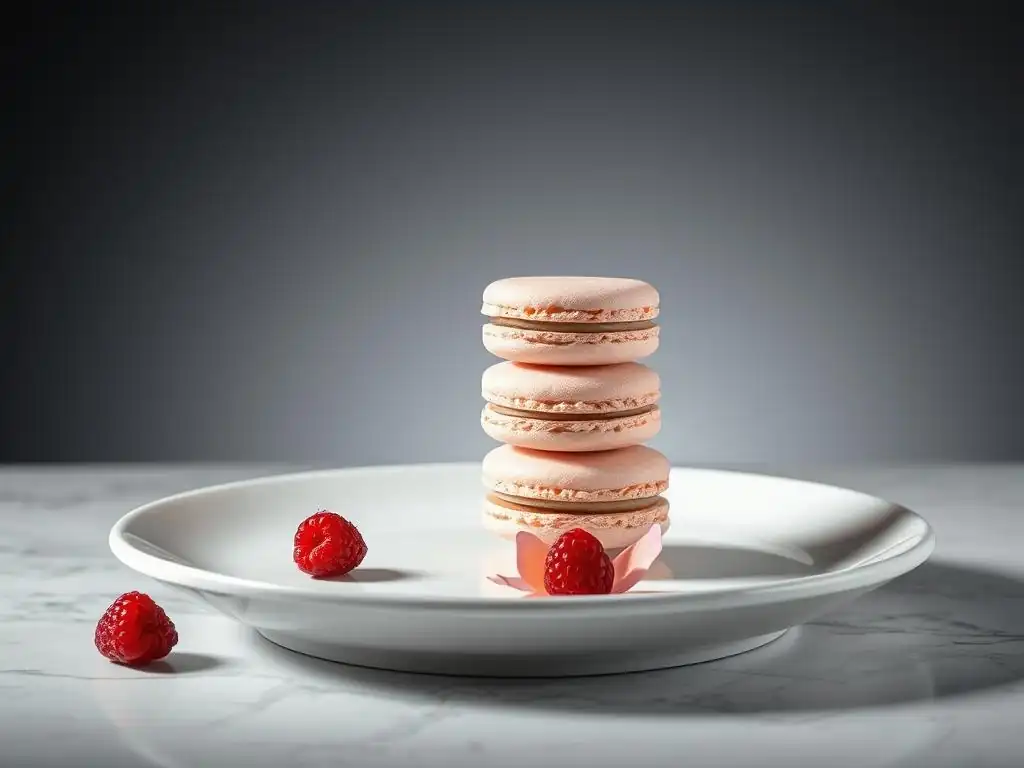
Welcome to BakeWithEase, your baking sanctuary!
Ever wondered how chefs create those breathtakingly beautiful desserts that seem to float on the plate? We're diving into the secrets of elegant desserts and revealing the power of negative space design. Discover how this simple technique can elevate your pastries from delicious to dazzling, creating visual masterpieces that tantalize the eyes as much as the taste buds. Intrigued? Let's explore the art of leaving space...
- BakeWithEase: Elevating Your Pastry Creations Through Design
- Understanding Negative Space in Dessert Plating
- Why Negative Space Matters for Elegant Dessert Presentation
- Techniques for Incorporating Negative Space in Dessert Design
- Elegant Dessert Ideas Featuring Negative Space
- Mastering the Art of Minimalist Dessert Presentation
- Common Mistakes to Avoid When Using Negative Space
- Negative Space: The Secret Ingredient for Stunning Desserts
-
Frequently Asked Questions
- What is negative space in the context of plating elegant desserts?
- Why is negative space important when plating elegant desserts?
- How can I effectively use negative space when plating desserts at home?
- What are some common mistakes to avoid when using negative space in dessert plating?
- Does the type of dessert influence how I use negative space?
- Final Reflection: The Unspoken Elegance of Empty Space
- Unleash Your Inner Pastry Artist: Mastering Negative Space
BakeWithEase: Elevating Your Pastry Creations Through Design
Welcome back, bakers! At BakeWithEase, we're all about making baking accessible and enjoyable, from simple cookies to stunning showstoppers. While flavor is always king, the visual presentation of your dessert is what first captures attention. Think about the exquisite pastries you see in a high-end patisserie – they aren't just delicious; they are beautiful. This visual appeal isn't accidental; it's a result of deliberate design choices, and a crucial element in achieving elegant desserts negative space design.
Moving beyond just stacking ingredients, learning the principles of dessert plating can transform your homemade treats into works of art. It's about creating an experience for the diner even before the first bite. Understanding concepts like balance, color, texture, and perhaps most importantly, negative space, unlocks a new level of sophistication in your baking journey. Let's explore how mastering the art of strategic emptiness on the plate can elevate your elegant desserts negative space design.
Understanding Negative Space in Dessert Plating
What is Negative Space and How Does it Relate to Dessert Presentation?
Negative space, in the context of design, refers to the empty area surrounding and between the subject of an image or layout. In dessert plating, this translates to the unoccupied area on the plate around your food components. It's not just blank space; it's a deliberate part of the composition, acting as a background that helps define and highlight the dessert itself. Imagine a single, perfectly formed scoop of sorbet on a large, white plate – the vast expanse of white surrounding it is the negative space.
This concept is fundamental to creating visual harmony and focus. Without sufficient negative space, a plate can look cluttered and overwhelming, diminishing the perceived value and elegance of the dessert. It allows the eye to rest and appreciate the form, color, and texture of the dessert elements you have painstakingly prepared. Think of it like framing a painting; the frame and the wall around it are essential for presenting the artwork effectively.
The Psychological Impact of Negative Space in Food Design
The use of negative space has a significant psychological impact on how a dessert is perceived. Generous negative space often conveys a sense of luxury, sophistication, and intentionality. It suggests that the dessert is precious and deserves room to breathe, much like a single expensive jewel displayed on velvet. This perception can influence the diner's expectation and enjoyment of the dessert before they even taste it.
In contrast, a plate packed edge-to-edge with food can feel less refined, perhaps more abundant but less artisanal. High-end restaurants frequently utilize significant negative space, often serving smaller portions on larger plates, which contributes to the perception of quality and exclusivity. For instance, a tasting menu dessert might occupy only about 20-30% of the plate's surface area, with the remaining 70-80% being deliberate negative space, reinforcing the idea of a curated, special experience.
Why Negative Space Matters for Elegant Dessert Presentation
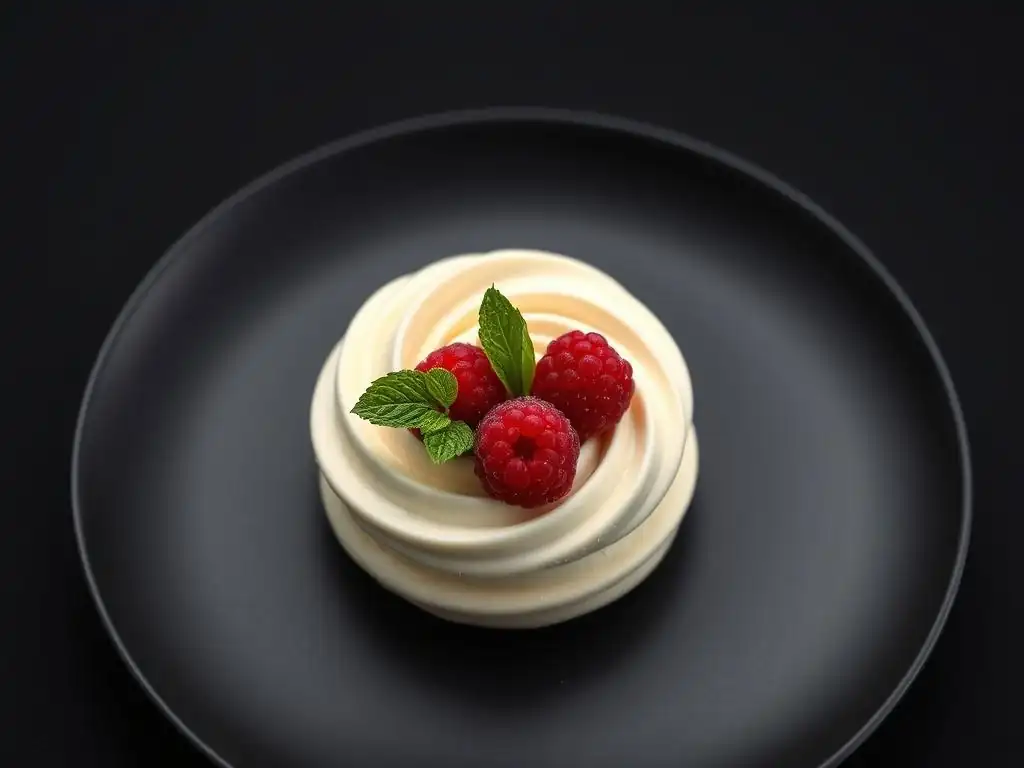
Enhancing Visual Appeal with Strategic Empty Space
Strategic use of negative space is paramount for making elegant desserts visually stunning. It prevents the dessert from looking chaotic and allows each element – a delicate tuile, a vibrant berry coulis swirl, a quenelle of mousse – to stand out and be appreciated. By leaving portions of the plate empty, you create a clean, uncluttered backdrop that draws the viewer's eye directly to the dessert components.
Consider a classic Tiramisu. Instead of serving a large, dense block that fills the bowl, a more elegant presentation might involve a smaller, precisely cut square or rectangle placed slightly off-center on a wide plate, perhaps with a dusting of cocoa and a single chocolate curl. The surrounding empty space makes the shape and texture of the Tiramisu the focal point, enhancing its visual appeal significantly compared to a crowded presentation.
Creating a Sense of Luxury and Sophistication in Dessert Plating
Elegant desserts negative space design inherently communicates a sense of luxury and sophistication. It suggests care, precision, and attention to detail – qualities associated with high-quality craftsmanship. When a dessert is presented with ample room on the plate, it elevates its status from a simple treat to a curated culinary creation.
This effect is evident in fine dining establishments where minimalist plating with significant negative space is the norm. A dessert priced at $18 or $25 often relies on this visual cue to justify its value beyond just ingredients and labor. The spacious presentation signals that this is not just dessert, but an experience, carefully composed and presented for maximum aesthetic impact, contributing directly to the overall elegant desserts negative space design objective.
Directing the Viewer's Eye: Using Negative Space as a Focal Point
Negative space acts as a powerful tool for guiding the viewer's eye across the plate. By strategically placing your dessert elements within the empty space, you can control the visual flow and emphasize specific components. The eye is naturally drawn to the objects within the negative space, allowing you to tell a visual story with your plating.
For example, if you have a central mousse component and a delicate sauce or garnish, the negative space can lead the eye from the main element to the supporting details. A swirl of raspberry coulis trailing off into the empty part of the plate directs attention along its path, adding dynamism and interest. The empty areas provide a visual pathway and prevent the eye from being overwhelmed by too many competing elements simultaneously.
Techniques for Incorporating Negative Space in Dessert Design
Choosing the Right Plate for Optimal Negative Space
The plate itself is the canvas, and its size, shape, and color play a critical role in defining negative space. For elegant desserts negative space design, larger plates are often preferred as they inherently provide more potential empty area around the dessert. A standard dinner plate is typically 10-12 inches in diameter, offering plenty of room even for a moderately sized dessert portion. Shallow bowls or coupe-style plates can also work well, providing a defined boundary while still offering surrounding space.
The color of the plate also impacts how negative space is perceived. White plates are classic because they offer a neutral background that makes the dessert colors pop and clearly define the empty space. Darker plates can create a dramatic contrast, while patterned plates might compete with the dessert for attention, potentially reducing the impact of the negative space. Consider the dessert's colors and textures when selecting your plate to ensure harmony.
Strategic Placement of Dessert Elements for Visual Harmony
Where you place the dessert elements on the plate is key to utilizing negative space effectively. Avoid centering everything rigidly. Placing the main component slightly off-center, perhaps following the rule of thirds (imagining the plate divided into nine equal sections and placing key elements at the intersections), often creates a more dynamic and visually interesting composition.
Think in terms of asymmetry and balance. A tall element on one side can be balanced by a flatter, wider element or a trail of sauce extending into the negative space on the other. Leave generous areas of the plate completely empty. Don't feel the need to fill every corner. A common approach is to group the main dessert components together in one area, allowing the rest of the plate to serve as negative space, perhaps with a small garnish or sauce trail extending outwards.
Using Sauces and Garnishes to Define Negative Space
Sauces and garnishes aren't just for flavor and texture; they are powerful tools for shaping and interacting with negative space. A carefully applied swipe, swirl, or series of dots of sauce can define an area within the negative space or lead the eye through it. The contrast between the sauce and the empty plate surface highlights both the sauce's color and the surrounding emptiness.
Garnishes, such as microgreens, edible flowers, chocolate shards, or crumbled elements, can be placed strategically in the negative space around the main dessert. They should complement the main elements without overcrowding the plate. A single, delicate edible flower placed thoughtfully in an empty corner adds a touch of elegance and color, using the negative space to give it prominence. Avoid scattering garnishes randomly; their placement should be as deliberate as the main dessert components for effective elegant desserts negative space design.
Elegant Dessert Ideas Featuring Negative Space
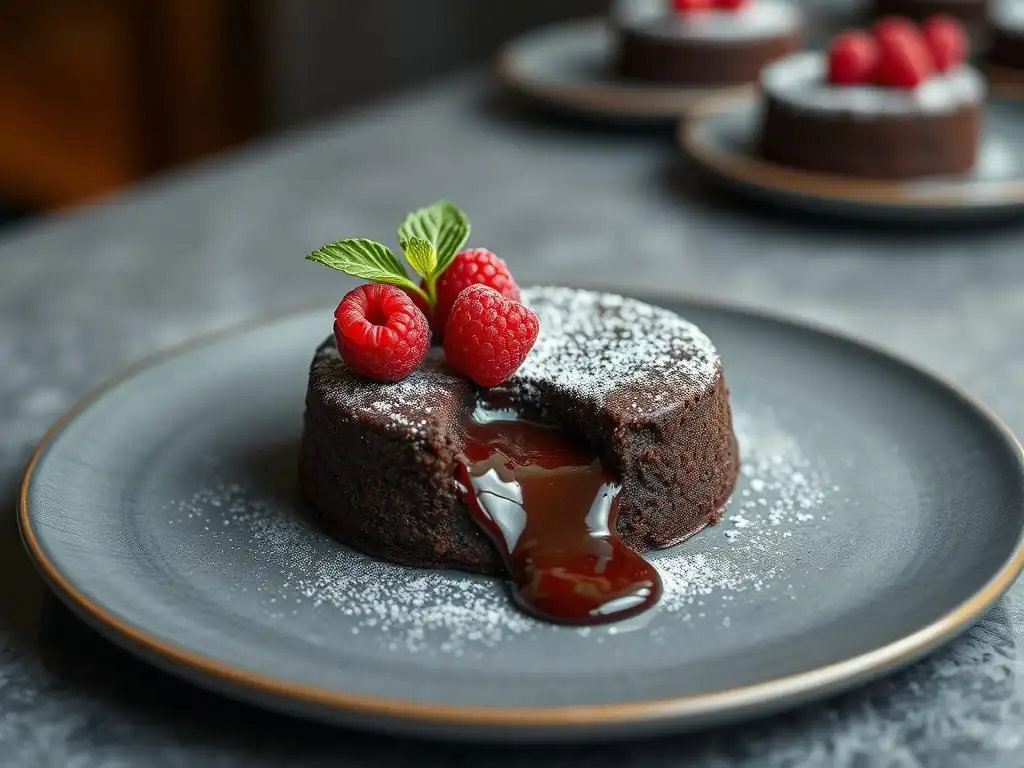
Deconstructed Black Forest Gateau: Cherry Gel, Chocolate Soil, Whipped Cream
A deconstructed Black Forest Gateau is a prime example of how negative space enhances elegance. Instead of a traditional layered cake slice, picture this: a large, white plate with a dollop of stabilized whipped cream near the center. Adjacent to it, a scattering of "chocolate soil" (crumbled chocolate cake or brownie). A vibrant swirl or streak of intense cherry gel or coulis extends into the negative space, perhaps dotted with a few fresh cherries.
This presentation uses the plate's emptiness to isolate and highlight each component's texture and color – the stark white of the cream, the deep brown of the soil, the jewel-red of the cherry elements. The negative space allows each part to be appreciated individually before the diner combines them on their spoon. The total volume of food might be equivalent to a slice of cake, but the visual impact is dramatically different, conveying sophistication through deliberate arrangement and ample empty space.
Lemon Tart with Meringue Kisses: Torched Meringue, Zest, Crème Anglaise Swirl
Consider a classic Lemon Tart elevated through thoughtful plating. A precise slice or individual tartlet is placed on a plate, perhaps slightly off-center. Instead of covering the top entirely with meringue, small "kisses" or peaks of torched meringue are dotted around or alongside the tart. A vibrant yellow swirl of Crème Anglaise or a drizzle of lemon curd is painted onto the negative space.
A sprinkle of bright yellow lemon zest or micro-herbs like mint adds pops of color. The empty areas of the plate provide a clean background that makes the bright yellow, toasted meringue, and white plate contrast beautifully. The negative space allows the eye to focus on the crisp edges of the tart, the glossy meringue peaks, and the smooth texture of the sauce, creating an elegant composition centered around the main dessert item.
Lavender Honey Panna Cotta: Honeycomb, Edible Flowers, Berry Coulis
Panna Cotta's smooth, often pale surface is perfect for contrasting with negative space. Imagine a delicate lavender-infused honey panna cotta unmolded onto a dark or white plate. Alongside it, a few shards of golden honeycomb are placed. A vibrant purple or red berry coulis is artfully swiped or dotted onto the empty plate area, providing a burst of color.
Small, delicate edible flowers (like viola or lavender sprigs) or a sprinkle of bee pollen can be placed thoughtfully in the negative space. The vast empty area surrounding the panna cotta emphasizes its smooth, elegant form and highlights the textures and colors of the accompanying elements. This minimalist approach, relying heavily on negative space, transforms a simple dessert into a visually stunning and elegant presentation.
Mastering the Art of Minimalist Dessert Presentation
Less is More: Simplifying Your Dessert Compositions
The core principle of minimalist dessert presentation, heavily reliant on negative space, is "less is more." This means reducing the number of different components on the plate and focusing on executing the few chosen elements perfectly. Instead of five different sauces, three types of garnish, and multiple dessert components, choose one or two main items and perhaps two complementary sauces or garnishes.
This simplification isn't about being скудный (sparse), but about deliberate selection and precise execution. Each element earns its place on the plate. By limiting the visual information, you allow the diner to fully appreciate the details of what is there. This approach also makes the plating process more manageable and allows you to focus on the quality and placement of each chosen item for maximum impact.
Focusing on High-Quality Ingredients and Flavor Profiles
When you adopt a minimalist plating style that emphasizes negative space, the quality of your ingredients and the strength of your flavor profiles become even more critical. With fewer distractions on the plate, the dessert components themselves are the stars. This means ensuring your mousse is perfectly smooth, your cake is moist, your fruit is ripe and flavorful, and your sauces are vibrant and well-balanced.
The simplicity of the visual design puts the spotlight squarely on the taste experience. If the flavors are weak or the ingredients are subpar, the elegant presentation won't save the dessert. In fact, the clean presentation might even highlight flaws. Therefore, mastering minimalist plating goes hand-in-hand with a commitment to using the best possible ingredients and perfecting your fundamental baking techniques.
Achieving Balance and Harmony Through Deliberate Placement
Achieving balance and harmony in minimalist plating requires deliberate and thoughtful placement of every element. It's not just about filling space; it's about creating a visually pleasing composition using both the positive (dessert) and negative (empty) space. Consider the shape, size, color, and texture of each component and how they relate to each other and the plate.
Think about asymmetrical balance, where different elements of varying visual weight are arranged to feel stable and harmonious. A large main item might be balanced by a trail of sauce extending across the negative space. Consider the flow – how does the eye move around the plate? Use lines (like sauce streaks) or clusters of elements to guide the eye. Practice arranging elements on an empty plate before adding the actual food to visualize the composition and ensure the negative space enhances, rather than detracts from, the dessert.
Common Mistakes to Avoid When Using Negative Space
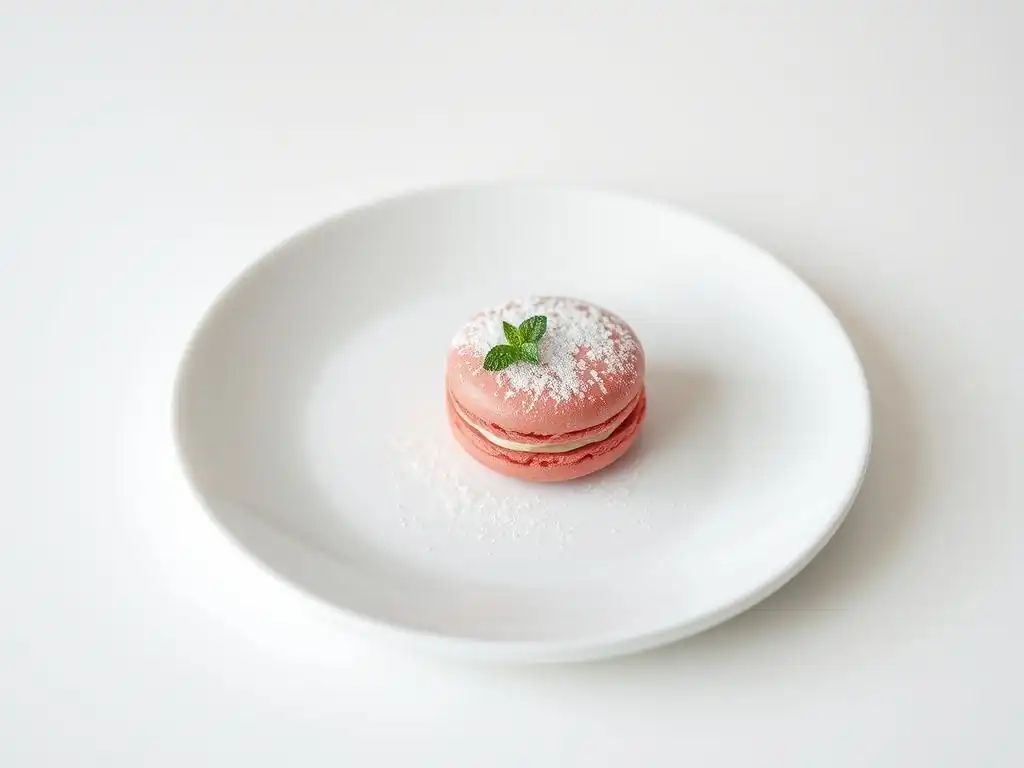
Overcrowding the Plate: The Enemy of Elegant Design
The most common mistake when trying to incorporate negative space is simply not leaving enough of it! Overcrowding the plate defeats the entire purpose of elegant desserts negative space design. This happens when you add too many components, make portions too large for the plate size, or scatter garnishes indiscriminately over the entire surface.
Remember, the goal is to use the empty space to highlight the dessert, not just as leftover room. If the dessert elements spill towards the edges or there's no clear area for the eye to rest, the plate will feel busy and less refined. Aim to have a significant portion of the plate remain empty – perhaps 50% or more, depending on the dessert and plate size.
Ignoring the Plate's Shape and Size
Another pitfall is failing to consider the specific plate you are using. A design that works beautifully on a large, round plate might look awkward on a small square one. The shape and size of the plate dictate the available negative space and influence how elements should be arranged.
For instance, a rectangular plate might lend itself well to linear arrangements or a series of components placed along its length, using the wider areas as negative space. A deep bowl requires a composition that builds upwards or focuses on the center, with negative space created around the rim. Always choose your plate before finalizing your plating design and use its characteristics to your advantage.
Failing to Consider the Color Palette and Texture
While negative space is about emptiness, the colors and textures of the dessert elements themselves are what the negative space highlights. If the colors clash or the textures are monotonous, even perfect negative space won't result in an elegant presentation.
Ensure the colors of your dessert components and any sauces or garnishes are harmonious or provide intentional contrast that is visually appealing. Similarly, incorporate variety in textures – a smooth mousse with a crunchy element, a soft cake with a crisp tuile. The negative space provides the stage, but the actors (your dessert elements) must be visually compelling in their own right to create truly stunning elegant desserts negative space design.
Negative Space: The Secret Ingredient for Stunning Desserts
Transform Your Baking into a Visual Masterpiece
Understanding and utilizing negative space is truly a secret ingredient for transforming your delicious baked goods into visual masterpieces. It's a design principle used by professional chefs and artists alike, and it's accessible to home bakers willing to think beyond just the food itself. By paying attention to what you don't put on the plate, you enhance the beauty and perceived value of what you do put there.
Elevating your elegant desserts negative space design is an exciting step in your baking journey. It allows you to express creativity not just through flavor combinations but through visual artistry. So, the next time you bake, take a moment to consider your "canvas" – the plate – and how you can use the empty areas to make your beautiful dessert shine.
Resources for Further Learning about Dessert Plating and Design
To continue honing your skills in elegant desserts negative space design and overall dessert plating, explore resources like culinary plating guides, food photography tutorials (which often emphasize composition and negative space), and follow professional pastry chefs on social media for inspiration. Practice plating even simple desserts like a scoop of ice cream or a brownie to experiment with different arrangements and plate choices.
- Look for books specifically on food plating techniques.
- Watch online video tutorials demonstrating sauce application methods (swipes, dots, drizzles).
- Experiment with different plate shapes and sizes you already own.
- Try recreating elegant plating styles you admire from photos, focusing on the placement and use of empty space.
- Consider the height and dimension of your dessert elements to add visual interest within the negative space.
By actively studying and practicing, you'll develop an eye for composition and become adept at using negative space to create truly elegant and memorable dessert presentations.
Frequently Asked Questions
What is negative space in the context of plating elegant desserts?
Negative space refers to the empty areas on a plate around the dessert, allowing the eye to focus on the dessert itself and creating a sense of balance. It enhances the visual appeal of the presentation.
Why is negative space important when plating elegant desserts?
It helps create a sense of sophistication and artistry. Using negative space prevents the plate from appearing cluttered and allows each element to stand out. This technique highlights the dessert's unique features.
How can I effectively use negative space when plating desserts at home?
Start with a clean plate and carefully consider the placement of each component. Avoid overcrowding and leave ample space around the dessert. Experiment with different arrangements.
What are some common mistakes to avoid when using negative space in dessert plating?
Overfilling the plate is a frequent error; remember, less is often more. Another mistake is not considering the color and texture of the plate itself, which can impact the overall design. Also, avoiding intentional placement is detrimental.
Does the type of dessert influence how I use negative space?
Yes, different desserts call for different approaches. A delicate pastry might benefit from a larger area of negative space to emphasize its fragility. A rich, dense dessert may require less space to maintain balance.
Final Reflection: The Unspoken Elegance of Empty Space
The art of elegant desserts isn't just about the sweetness; it's about the strategic use of negative space, a powerful design element that elevates a simple treat into a culinary masterpiece. In today's visually-driven world, where Instagram feeds are overflowing with elaborate creations, understanding the power of restraint is more crucial than ever. The intentional use of empty space allows the eye to rest, appreciate the individual components, and ultimately, savor the experience more fully.
The impact of negative space extends beyond the plate; it's a reflection of a broader cultural shift towards minimalism and intentionality. We are increasingly drawn to experiences that are refined and uncluttered, a sentiment echoed in various aspects of design, from architecture to fashion. Less is more,
a phrase often attributed to Mies van der Rohe, perfectly encapsulates the essence of this approach. This principle, applied to dessert plating, results in a presentation that is both visually stunning and deeply satisfying. It's a testament to the power of thoughtful composition and the understanding that sometimes, what's not there speaks volumes.
Consider the impact of negative space in your own culinary creations. Don't be afraid to embrace the empty canvas; let the beauty of your ingredients shine through. Experiment with different arrangements, explore the interplay of textures and colors, and discover the subtle elegance that comes from allowing space to breathe. The next time you plate a dessert, remember the power of restraint, and elevate your culinary artistry to new heights. The result will be a dessert that is not only delicious, but also a truly unforgettable experience.
Unleash Your Inner Pastry Artist: Mastering Negative Space
Thanks for diving into the world of elegant desserts with us! You've now unlocked the secret to elevating your plating—it's all about the negative space. Ready to put your newfound knowledge into practice?
- Craft your masterpiece: Choose your favorite dessert recipe and intentionally incorporate negative space in your plating. Experiment with different arrangements and see how it transforms the look of your creation!
- Share your stunning plates: Show off your newfound skills! Post a picture of your dessert on social media and tag us – we'd love to see your culinary art.
- Challenge a friend: Send this article to a fellow baking enthusiast and see if they can master negative space too. Let's create a community of dessert artists!
What unexpected element will you use to enhance the negative space in your next dessert masterpiece?