
Elevate Your Dessert Game: Easy Plating Ideas

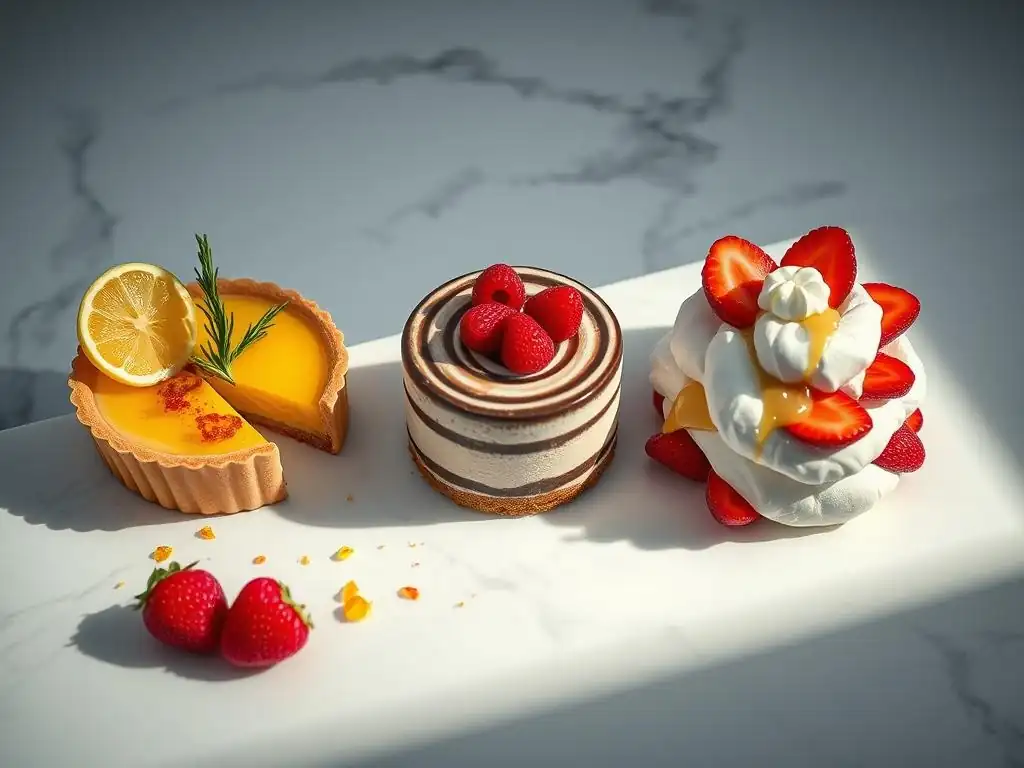
Welcome to BakeWithEase, your kitchen companion for all things baking!
Ever wondered how to transform a simple dessert into a work of art? You've come to the right place. Dive into our guide on beautiful dessert plating techniques and discover how to elevate your creations from delicious to dazzling. Get ready to impress with effortless elegance – let's unlock the secrets to stunning presentations, one plate at a time! Ready to transform your desserts?
- Introduction to Beautiful Dessert Plating Techniques
- Mastering Basic Dessert Plating Techniques for Stunning Results
- Easy Plating Ideas for Different Dessert Types
- Creative Dessert Garnishes for the Perfect Finishing Touch
- Simple Dessert Plating Ideas for Beginners
- Advanced Dessert Plating Techniques for Experienced Bakers
- Conclusion: Transforming Your Desserts with Beautiful Plating Techniques
-
Frequently Asked Questions
- What are some basic principles to keep in mind when plating desserts?
- How can I use sauces effectively for beautiful dessert plating?
- What role do garnishes play in elevating dessert plating?
- Are there any specific tools recommended for professional-looking plating?
- How can I practice and improve my dessert plating skills at home?
- Final Reflection: The Art of the Edible Masterpiece
- Unleash Your Inner Dessert Artist!
Introduction to Beautiful Dessert Plating Techniques
Why Dessert Presentation Matters: Beyond the Taste
While the taste and texture of a dessert are undeniably paramount, the visual presentation plays a crucial role in the overall dining experience. Imagine a perfectly baked chocolate lava cake; its molten center is a delight, but when served simply on a plain plate, it lacks the initial 'wow' factor.
Studies, including research published in the Journal of Sensory Studies, have shown that visual appeal can significantly influence a diner's perception of taste and quality. A beautifully plated dessert doesn't just look good; it can actually make the dessert taste better by setting a positive expectation and engaging multiple senses.
Beautiful dessert plating techniques transform a simple sweet treat into a memorable event. It's about creating anticipation and excitement even before the first bite. For home bakers, mastering these techniques means elevating your creations from everyday treats to special occasion showstoppers. Think about how professional patisseries display their wares – the care taken in arranging slices, adding delicate garnishes, or drizzling sauces is all part of the allure that makes you want to indulge. It demonstrates attention to detail and a passion for the craft, making your baked goods even more impressive for family and friends.
Setting the Stage: Essential Tools for Elegant Dessert Plating
You don't need a professional kitchen's worth of gadgets to start practicing beautiful dessert plating techniques. Many essential tools are likely already in your kitchen drawers. A good set of spoons, for instance, is invaluable for creating swooshes and quenelles (a smooth, oval shape often used for ice cream or mousse). Offset spatulas, large and small, are perfect for moving delicate items, spreading ganache smoothly, or creating textured surfaces. Squeeze bottles with fine tips are excellent for controlled sauce application, allowing for precise lines or dots.
Beyond these basics, consider investing in a few specialized items that can significantly enhance your plating. A small sieve or fine-mesh strainer is essential for dusting powdered sugar or cocoa powder evenly over a dessert. Pastry brushes are useful for applying glazes or egg washes, which can also be used decoratively.
For more intricate designs, small piping bags with various tips, or even just a cone made from parchment paper, can be used for fine details with sauces or melted chocolate. Having the right tools at hand makes executing even simple beautiful dessert plating techniques much easier and more precise.
Mastering Basic Dessert Plating Techniques for Stunning Results
The Art of the Swirl: Creating Visual Interest with Sauces
One of the most classic and effective beautiful dessert plating techniques is the sauce swirl or swoosh. This method adds dynamic movement and color to the plate, guiding the diner's eye across the presentation. To create a simple swoosh, place a dollop of sauce (like raspberry coulis, chocolate ganache, or caramel) slightly off-center on the plate.
Then, using the back of a spoon or a small offset spatula held at an angle, drag it through the sauce in a single, fluid motion, creating an elongated curve. The consistency of the sauce is key; it should be thick enough to hold its shape but thin enough to spread easily.
Experiment with different sauces and techniques to vary the effect. A thicker sauce will create a more defined line, while a thinner one will spread more broadly. You can also try different tools, like a silicone spatula for a wider swipe or even dragging the dessert itself through a pool of sauce. For instance, plating a slice of cheesecake on a plate with a vibrant berry coulis swoosh adds immediate visual flair. This technique works beautifully with nearly any dessert, providing a base for your main element and garnishes while adding a pop of color and flavor.
The Power of the Dot: Strategic Sauce Placement for Impact
Strategic dots of sauce might seem simple, but they are a powerful element in beautiful dessert plating techniques. Placing small, uniform dots around or alongside the dessert adds pops of color and flavor, creating visual rhythm and balance on the plate. You can use a squeeze bottle with a fine tip or a piping bag with a small round tip for precision. The key is consistency in size and spacing, though intentional variations can also be used for effect.
Consider plating a panna cotta. A few strategically placed dots of a contrasting color sauce, like bright green pistachio sauce or vibrant mango puree, around the base can elevate its appearance dramatically. Using multiple types of sauces in dots, perhaps chocolate, caramel, and raspberry, can add complexity and intrigue. This technique is particularly effective for minimalist plating styles, where a few precise elements make a significant impact. It’s a simple yet sophisticated way to incorporate beautiful dessert plating techniques into your repertoire.
Crumb Coating Magic: Adding Texture and Visual Appeal
Incorporating crumbs is an easy yet effective way to add texture, height, and visual interest to your dessert plating. Crushed cookies, nuts, meringue, or even cake scraps can be used to create a base, a border, or small mounds on the plate. This adds an extra layer of texture that contrasts with the smooth surfaces of mousses, creams, or glazes. For example, plating a slice of rich chocolate mousse cake on a bed of finely crushed graham cracker crumbs provides a delightful textural counterpoint.
To use crumbs effectively, ensure they are finely ground for a neat presentation or slightly coarser for a more rustic look. You can sprinkle them directly onto the plate, use a stencil to create shapes, or gently press the sides of a dessert into a pile of crumbs. A popular technique is to create a "line" or "pile" of crumbs off to one side of the main dessert element. This draws the eye and adds dimension. Utilizing crumbs is a straightforward step in beautiful dessert plating techniques that yields impressive results.
Stencil Sensations: Using Stencils for Precise Dessert Decoration
Stencils offer a fantastic way to add intricate and precise patterns to your dessert plating using powdered sugar, cocoa powder, or even fine crumbs. Available in countless shapes and designs, stencils allow you to quickly apply decorative elements that would be difficult or time-consuming to freehand. Simply place the stencil flat on the plate where you want the design, hold it firmly, and gently dust your chosen powder over it using a fine-mesh sieve. Lift the stencil straight up carefully to reveal the design.
This technique is perfect for adding a professional touch to simple desserts like tarts, cakes, or even just a scoop of ice cream. Imagine a plain cheesecake slice dusted with cocoa powder through a floral stencil – it instantly elevates its appearance. You can buy pre-made stencils or even create your own from sturdy paper or plastic. Using a stencil is a straightforward step in mastering beautiful dessert plating techniques, enabling you to add sophisticated decorative flourishes with minimal effort.
Easy Plating Ideas for Different Dessert Types
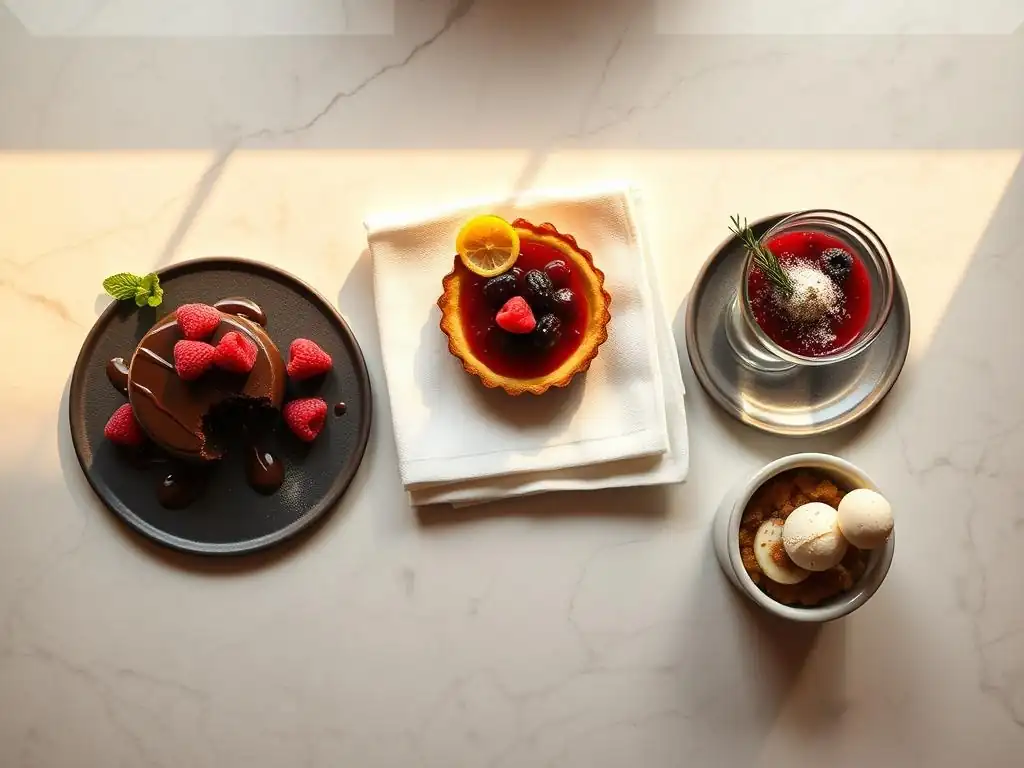
Plating Cakes: Showcasing Layers and Textures
Plating a slice of cake is about highlighting its best features, whether it's the moist crumb, the layers of filling, or the luscious frosting. For a simple slice, the plate itself becomes the canvas. Ensure the slice is clean-cut and stands upright if possible to show off the layers. A common technique is to position the slice slightly off-center to allow space for sauces or garnishes. Consider the color of the plate in relation to the cake; a white plate makes vibrant colors pop, while a darker plate can add drama to lighter desserts.
To enhance a cake slice, add a drizzle or pool of complementary sauce – perhaps a berry coulis for vanilla cake or caramel sauce for chocolate cake. A few fresh berries, a sprinkle of toasted nuts, or a dollop of whipped cream can add height and texture. For a more formal presentation, you might dust the plate with powdered sugar through a stencil before placing the cake. The goal is to make the slice look inviting and delicious, emphasizing its inherent beauty through thoughtful arrangement and simple additions.
Tips for Plating Sliced Cake
When plating sliced cake, precision in cutting is paramount. Use a sharp, warm knife (dip it in hot water and wipe clean between cuts) to get clean edges that show off the layers beautifully. Position the slice on the plate with care, avoiding smears of frosting or crumbs around the base. If the cake is delicate, use an offset spatula to lift and transfer it smoothly. Aim for a balanced composition on the plate, leaving some negative space to avoid a cluttered look.
Consider the height and structure of the cake slice. If it's a sturdy layer cake, standing it up can be very effective. For softer cakes like a sponge or roulade, laying it flat or slightly angled might be more appropriate. Adding a touch of sauce under the cake can help anchor it and prevent it from sliding, while also adding flavor to the first bite. These small details significantly contribute to beautiful dessert plating techniques for cakes.
Creative Cake Garnish Ideas
Garnishes are the finishing touches that elevate plated cake. Fresh fruits like berries, sliced figs, or segments of citrus add color, freshness, and a touch of acidity that can balance the sweetness of the cake. Herbs such as a sprig of mint or a small sprig of rosemary can add an unexpected aromatic element and visual appeal. Edible flowers provide a delicate, elegant touch.
For textural contrast, consider toasted nuts, chocolate shavings or curls, or even a sprinkle of sea salt flakes on top of caramel or chocolate elements. A shard of tempered chocolate or a delicate sugar tuile leaning against the cake slice adds height and a professional flourish. Don't underestimate the power of a simple dusting of powdered sugar or cocoa powder, either directly or through a stencil, to add a final touch of elegance. These creative garnishes are key to mastering beautiful dessert plating techniques for cakes.
Serving cookies doesn't have to mean just putting them on a plate. While a simple stack can be charmingly rustic, beautiful dessert plating techniques can turn even humble cookies into something special. Consider the type of cookie: a delicate shortbread, a chewy chocolate chip, or an intricate decorated cookie. The plating should enhance its characteristics. Instead of a casual pile, arrange cookies thoughtfully in a line, a circle, or overlapping patterns on the plate.
For larger cookies, serve one or two per plate with accompanying elements. A single, perfectly baked cookie with a scoop of ice cream or a dollop of pastry cream turns it into a composed dessert. For smaller cookies like macarons or biscotti, arrange a few in an aesthetically pleasing pattern. Think about color contrast – placing a dark chocolate cookie on a light-colored plate or a vibrant macaron next to a neutral element.
Elevating Simple Cookie Presentation
Even the simplest cookie can be elevated with a few easy plating techniques. A light dusting of powdered sugar over a plain sugar cookie adds a touch of elegance. Serving warm cookies can enhance their aroma and texture; place them carefully on the plate just before serving. Pairing cookies with a complementary sauce or dip, such as a small ramekin of chocolate ganache or a berry coulis, provides an interactive element and extra flavor.
For cookies with interesting textures, like crinkle cookies or those with visible nuts or chocolate chips, ensure these features are visible in the arrangement. A small sprig of mint or a single berry placed next to a cookie adds a pop of color. If serving multiple types of cookies, arrange them to show off their different shapes, colors, and textures. These straightforward steps are part of applying beautiful dessert plating techniques to cookies.
Cookie Crumb Garnishes and Creative Arrangements
Cookie crumbs themselves can be a fantastic garnish. Crushing a cookie (perhaps an extra one that broke) and sprinkling the crumbs around the main cookie adds texture and reinforces the dessert's identity. For example, serving a scoop of ice cream alongside a cookie can be enhanced by scattering cookie crumbs over the ice cream or creating a small "bed" of crumbs on the plate.
Creative arrangements go beyond just lining them up. Try placing cookies vertically if they are sturdy enough, or creating a fan shape with several cookies. Overlapping cookies slightly can add depth to the presentation. For decorated cookies, ensure the most intricate designs are facing upwards and are clearly visible. Using a contrasting element, like a dollop of vibrant lemon curd or a streak of raspberry sauce, alongside the cookie can draw the eye and add flavor complexity, incorporating beautiful dessert plating techniques effectively.
Plating Pastries: Highlighting Flaky Goodness
Pastries, with their often delicate layers and intricate shapes, require plating that respects their structure and highlights their best features. Whether it's a croissant, a Danish, a tartlet, or a mille-feuille, the goal is to showcase that beautiful, flaky, or crisp exterior and tempting filling. When plating, handle pastries gently to avoid crushing those precious layers. Place the pastry on the plate allowing it to be the central focus.
For pastries with visible layers, like a croissant or puff pastry item, ensure the most appealing side is facing the diner. If the pastry has a filling, consider how you can subtly hint at it – perhaps a small dollop of the filling placed artlessly on the plate, or a garnish that relates to the flavor. The plate itself should be clean and uncluttered, allowing the pastry's form and texture to stand out as part of beautiful dessert plating techniques.
Presenting Individual Pastries with Style
Individual pastries like tartlets or éclairs often benefit from a minimalist plating style. Place the pastry slightly off-center or towards one edge of the plate to create visual interest and leave room for accompanying elements. A simple dusting of powdered sugar or a light glaze applied just before serving can enhance their visual appeal. For a tartlet, ensure the crust looks crisp and the filling is smooth or attractively arranged.
Consider adding a small, complementary element. A single perfect berry next to a fruit tartlet, a swirl of chocolate sauce near a chocolate éclair, or a small quenelle of whipped cream can elevate the presentation without overpowering the pastry itself. The key is subtlety and enhancement, using beautiful dessert plating techniques to make the pastry look as delicious as it tastes.
Using Fruit Coulis for Pastry Plating
Fruit coulis is a vibrant and flavorful sauce that pairs exceptionally well with many pastries and is a staple in beautiful dessert plating techniques. Its bright color provides a striking contrast to the often golden-brown or cream tones of pastries. A raspberry or strawberry coulis works wonderfully with cream-filled pastries, cheesecakes, or fruit tarts, adding both visual appeal and a refreshing tartness.
You can use coulis in various ways: a pool at the base of the pastry, a swoosh across the plate, or strategic dots. For a mille-feuille, a few lines of coulis alongside the pastry can highlight its structure. For a simple scone or biscuit, serving it with a small dish of warm fruit coulis alongside adds elegance. The freshness of the fruit sauce balances the richness of the pastry, making for a more complete and appealing dessert experience.
Plating Ice Cream & Frozen Desserts: Preventing the Melt
Plating ice cream and other frozen desserts presents a unique challenge: the clock is ticking! Speed and preparation are key to beautiful dessert plating techniques for frozen treats. Ensure your scoops are firm and well-formed. Work on chilled plates if possible, especially in warm environments, to buy yourself a few extra seconds before the melting begins. Have all your garnishes and sauces ready to go before you even scoop the ice cream.
For a simple scoop, a well-formed sphere is aesthetically pleasing. Use a warm scoop dipped in hot water (and wiped dry) for the cleanest shape. Place the scoop onto the prepared plate quickly. If serving multiple scoops, arrange them attractively, perhaps slightly overlapping or in a line. The focus is on getting it on the plate looking good before it starts to lose its shape.
Quick & Easy Ice Cream Plating Techniques
Speed is essential for ice cream plating. Have your plate ready with any pre-applied sauces (like a base pool or swoosh) or dry garnishes (like crumbs or nuts). Scoop the ice cream swiftly and place it onto the plate. Add any final garnishes like a drizzle of sauce, a sprig of mint, or a single berry immediately. Less is often more when working quickly; focus on one or two impactful additions rather than many small ones.
Consider serving ice cream in a chilled bowl or glass for a more casual yet still appealing presentation. For a composed dessert, place the ice cream scoop last, on top of or alongside a warm element like a brownie or fruit crumble, creating an exciting temperature contrast. Practicing these swift steps is vital for successful beautiful dessert plating techniques with frozen items.
Adding Height and Texture to Frozen Desserts
To make plated ice cream more visually interesting, add elements that provide height and texture. A wafer cookie, a pirouette cookie, or a shard of tempered chocolate standing upright next to the scoop adds vertical dimension. A sprinkle of chopped nuts, granola, or cookie crumbs over the top or around the base provides crucial textural contrast to the smooth, cold ice cream.
Warm sauces, like hot fudge or caramel, not only add flavor but also create appealing rivulets as they melt the surface slightly. A dollop of whipped cream or a quenelle of meringue can add soft height. Pairing ice cream with a slice of cake, a brownie, or fruit crisp adds both height and varied textures, transforming a simple scoop into a more complex and beautiful plated dessert. These additions are key to applying beautiful dessert plating techniques to frozen treats.
Creative Dessert Garnishes for the Perfect Finishing Touch
Fresh Fruit: Adding Color and Flavor
Fresh fruit is one of the most versatile and beautiful garnishes for desserts. Its natural vibrant colors, varied shapes, and refreshing flavors can complement and contrast with the sweetness of baked goods. Berries like raspberries, strawberries, blueberries, and currants are popular choices due to their intense color and small size, making them easy to arrange artfully. Sliced fruits such as kiwi, mango, or citrus segments can create fan shapes or layered patterns.
Using fresh fruit adds a burst of freshness and often a slight acidity that balances rich desserts. A few raspberries scattered around a chocolate cake, a fan of sliced strawberries next to a panna cotta, or segments of orange with a citrus tart not only make the plate look more appealing but also enhance the overall flavor profile. Ensure the fruit is fresh, ripe, and cleanly cut for the best presentation.
Edible Flowers: A Touch of Elegance
Edible flowers bring a delicate beauty and sophisticated touch to dessert plating. Their vibrant or pastel colors and intricate shapes can transform a simple dessert into a work of art. Varieties like pansies, violas, borage flowers, or nasturtiums are commonly used. They add visual appeal without significantly altering the flavor of the dessert, though some do have subtle tastes.
When using edible flowers, ensure they are specifically grown for culinary use and are free from pesticides. Place them strategically on the dessert or around the plate, perhaps nestled next to a dollop of cream or on top of a glaze. Their ephemeral beauty makes the dessert feel special and luxurious, embodying one aspect of beautiful dessert plating techniques. A single, perfectly placed flower can make a strong visual statement.
Chocolate Shavings & Curls: Classic and Versatile
Chocolate shavings, curls, and shards are classic garnishes that add richness and a touch of indulgence to countless desserts. They are easy to make and incredibly versatile. To make shavings, simply run a vegetable peeler along the edge of a block of chocolate. For curls, use a wider peeler or a knife on a slightly softened block of chocolate. Chocolate shards can be made by melting chocolate, spreading it thinly, and breaking it into pieces once set.
These chocolate elements add texture and a familiar, comforting flavor. Sprinkle shavings over a mousse or tiramisu, arrange curls artfully on a cake slice, or lean a chocolate shard against a scoop of ice cream. Using different types of chocolate – dark, milk, or white – can add color contrast. Chocolate garnishes are a go-to for enhancing beautiful dessert plating techniques, adding both visual and gustatory appeal.
Nuts & Seeds: Texture and Visual Appeal
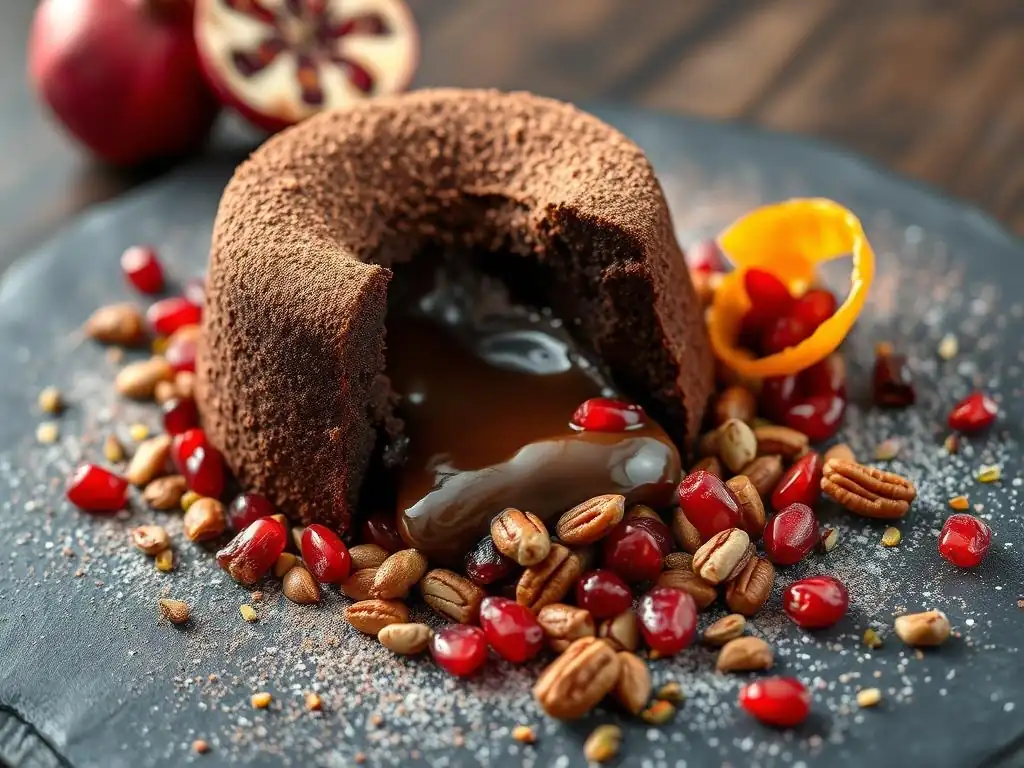
Toasted nuts and seeds are excellent garnishes for adding crunch, flavor, and visual interest. Chopped pistachios offer a vibrant green color, slivered almonds provide delicate flakes, and toasted pecans or walnuts add warm, earthy tones. Seeds like sesame seeds (toasted) or poppy seeds can add tiny pops of texture and visual detail, especially on glazes or icings.
Sprinkle chopped nuts around the base of a dessert, press them into the sides of a cake or cookie, or scatter them over a creamy surface like panna cotta or cheesecake. Toasting nuts enhances their flavor and aroma, making them even better as a garnish. A small pile of toasted nuts next to a dessert element can add height and focus. Incorporating nuts and seeds is a simple yet effective way to use beautiful dessert plating techniques to add dimension.
Herbs: Unexpected and Aromatic
Using fresh herbs as a dessert garnish might seem unconventional, but certain herbs offer wonderful aromatic qualities and visual freshness that can complement sweet flavors beautifully. Mint is perhaps the most common, pairing well with chocolate, fruit, and cream-based desserts. Its bright green color provides a refreshing contrast. Other herbs like basil (especially with berries or citrus), rosemary (with fruit or chocolate), or even thyme can add intriguing depth.
A single sprig of mint placed artfully on the plate, a few small basil leaves scattered over a berry tart, or a candied rosemary sprig leaning against a cake slice can elevate the dessert beyond the ordinary. The aroma of the herb can also enhance the sensory experience. Using herbs thoughtfully is a less common but highly effective method within beautiful dessert plating techniques to surprise and delight diners.
Simple Dessert Plating Ideas for Beginners
The "Less is More" Approach: Embracing Minimalism
For beginners exploring beautiful dessert plating techniques, adopting a "less is more" philosophy is a great starting point. Instead of trying to incorporate many different elements, focus on making one or two components look perfect on the plate. This might mean ensuring your cake slice is cut cleanly and placed precisely, or that your scoop of ice cream is perfectly formed. A single, well-executed element on a clean plate can be far more impactful than a cluttered presentation.
Minimalism focuses on the inherent beauty of the dessert itself. Use ample negative space on the plate. Perhaps add just one type of garnish, like a simple dusting of powdered sugar or a single berry, placed thoughtfully. This approach reduces complexity and allows you to focus on fundamental skills like clean lines, careful placement, and using simple tools effectively. It's a stress-free way to start practicing beautiful dessert plating techniques.
Focus on Color Contrast: Making Your Dessert Pop
One of the easiest ways to make a dessert presentation more appealing is to use color contrast. Place a dark dessert on a light plate, or add a brightly colored garnish to a neutral-toned dessert. A rich chocolate brownie on a stark white plate immediately stands out. A scoop of vanilla ice cream topped with a vibrant red raspberry coulis or fresh berries creates a striking visual.
Think about the colors present in your dessert and how you can use the plate color, sauces, or garnishes to make those colors pop. A green pistachio crumb base for a red berry tart, or a swirl of yellow lemon curd with a purple blueberry muffin, uses color effectively to create visual energy. Focusing on color contrast is a simple yet powerful step in mastering beautiful dessert plating techniques.
Simple Chocolate Lava Cake Plating
A warm chocolate lava cake is a perfect dessert for practicing simple beautiful dessert plating techniques. Its rich, dark color provides a strong base for contrasting elements. Place the cake slightly off-center on the plate. The key is to prepare the plate before the cake is ready, as it needs to be served immediately after baking.
A classic and easy plating for lava cake involves a simple dusting of powdered sugar over the cake (perhaps through a small sieve) and a dollop of whipped cream or a scoop of vanilla ice cream placed next to it. Alternatively, a pool or swoosh of raspberry coulis or cherry sauce on the plate before placing the cake adds a vibrant color contrast and tangy flavor that cuts through the richness. These minimal additions enhance the dessert's appeal without requiring complex skills.
Advanced Dessert Plating Techniques for Experienced Bakers
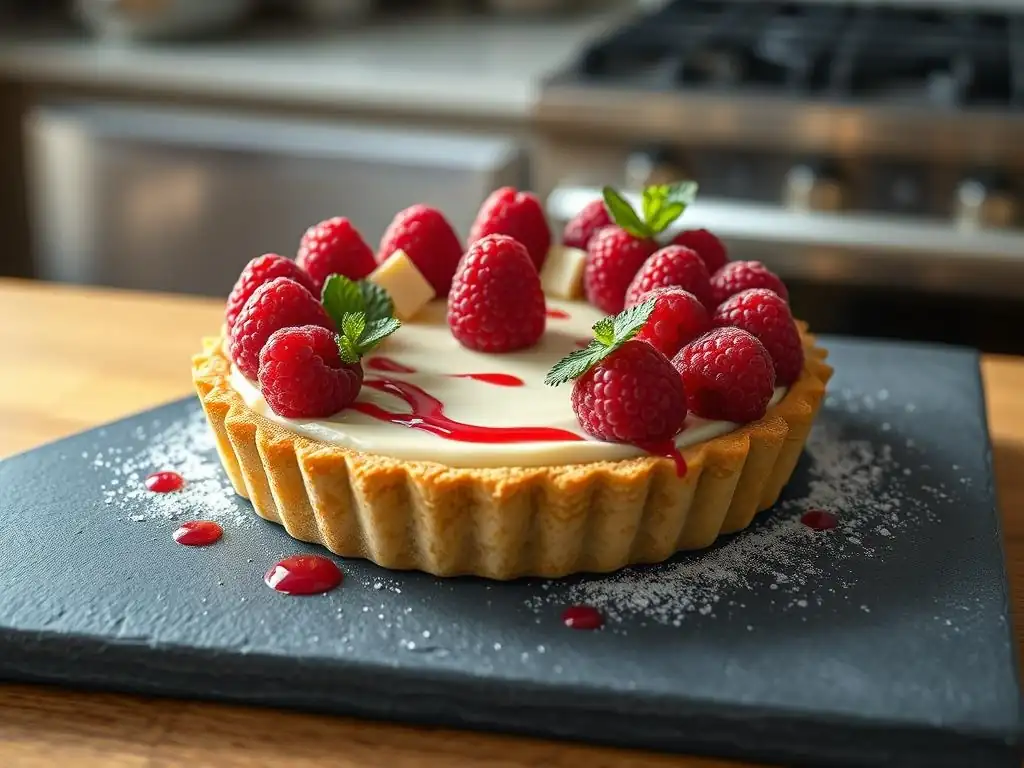
Deconstructed Desserts: A Modern Twist
Deconstructed desserts are a modern plating style where the traditional components of a dessert are presented separately on the plate, often in different forms and textures. Instead of a unified slice of pie, you might have dollops of filling, shards of crust, spheres of flavored gel, and perhaps a related sauce or foam scattered artfully across the plate. This technique highlights individual flavors and textures and creates a dynamic, artistic presentation.
Executing a deconstructed dessert requires a strong understanding of each component and how they relate to the whole, as well as precision in preparing multiple elements. For example, a deconstructed lemon meringue pie might feature lemon curd dots, meringue kisses, buttery crumble representing the crust, and a raspberry coulis. This approach allows for creativity in texture and form, pushing the boundaries of beautiful dessert plating techniques.
Textural Contrasts: Playing with Different Elements
Experienced bakers can elevate their beautiful dessert plating techniques by deliberately incorporating multiple contrasting textures on a single plate. This goes beyond a simple crunchy garnish on a smooth dessert. Think about combining something creamy (mousse, panna cotta) with something crisp (tuile, brittle, meringue shard), something soft (cake, compote) with something airy (foam, meringue), and something smooth (sauce, glaze) with something crumbly (streusel, crushed nuts).
A dessert might feature a slice of moist cake alongside a crisp sugar tuile, a dollop of smooth ganache, a scattering of crunchy nuts, and a light fruit foam. The interplay of these varied textures in each bite makes the dessert more interesting and complex. Mastering textural contrast requires planning and execution of multiple components, adding depth to beautiful dessert plating techniques.
Sphere-Based Plating with Molecular Gastronomy
Incorporating elements from molecular gastronomy, such as spheres created through spherification, can add a truly unique and visually stunning dimension to beautiful dessert plating techniques. These techniques allow you to create small, liquid-filled spheres that burst in the mouth, adding surprising flavors and textures. Common examples include fruit juice spheres, balsamic vinegar spheres, or even flavored syrup spheres.
Using a spherification kit, you can create these delicate pearls and strategically place them on the plate alongside your main dessert. Imagine a scoop of vanilla bean ice cream garnished with bright red raspberry spheres that pop with flavor, or a chocolate dessert accented with small coffee-flavored spheres. While requiring specialized ingredients and techniques, these molecular elements can transform dessert plating into a cutting-edge culinary art form.
Conclusion: Transforming Your Desserts with Beautiful Plating Techniques
Final Thoughts on Elevating Your Dessert Presentation
Mastering beautiful dessert plating techniques is an incredibly rewarding skill that allows you to transform your baked goods from delicious treats into truly memorable culinary experiences. It's about more than just making food look pretty; it's about enhancing the perceived value, engaging the senses, and adding that final touch of artistry that shows care and passion. Whether you're a beginner focusing on simple garnishes and clean lines or an experienced baker exploring complex deconstructions, there's always room to grow and experiment.
Start simple with techniques like sauce swooshes or strategic dots, and gradually introduce more complex elements like multiple textures or advanced garnishes. Pay attention to color, height, balance, and negative space on the plate. Practice makes perfect, and each attempt will teach you more about what works visually and how to handle delicate components. By dedicating a little extra effort to presentation, you unlock a new level of creativity and impress everyone who enjoys your sweet creations. Embrace the art of beautiful dessert plating techniques and watch your desserts reach new heights!
Frequently Asked Questions
What are some basic principles to keep in mind when plating desserts?
Consider color contrast, height, and the rule of odds. Aim for balance and visual appeal, ensuring the plate isn't too crowded or empty.
How can I use sauces effectively for beautiful dessert plating?
Use sauces to create artistic swirls or lines. Avoid flooding the plate; instead, use them sparingly to add flavor and visual interest.
What role do garnishes play in elevating dessert plating?
Garnishes add texture and visual appeal. Use fresh fruit, herbs, chocolate shavings, or edible flowers to complement the dessert.
Are there any specific tools recommended for professional-looking plating?
Squeeze bottles allow for precise sauce application. Offset spatulas help with smooth frosting, and tweezers are great for delicate garnishes.
How can I practice and improve my dessert plating skills at home?
Start with simple recipes and focus on one plating technique at a time. Experiment with different arrangements and take pictures to track your progress.
Final Reflection: The Art of the Edible Masterpiece
The pursuit of beautiful dessert plating isn't merely about aesthetics; it's about elevating the entire dining experience. A thoughtfully plated dessert transforms a simple treat into a moment of mindful indulgence, a celebration of both flavor and artistry. In a world increasingly dominated by visual stimulation, the ability to present food beautifully holds a unique power to connect with others and enhance personal enjoyment.
The impact of visually appealing food extends far beyond the individual plate. It influences our cultural perception of food, shaping trends and inspiring creativity in kitchens worldwide. From the meticulously crafted pastries of renowned chefs to the carefully arranged desserts shared on social media, the desire to create visual masterpieces is undeniable. Food is symbolic of love when words are inadequate.
- Alan D. Wolfelt. This quote highlights the emotional connection we forge with food, a connection that is amplified when presentation is given its due consideration. The simple act of arranging a dessert beautifully can transform a casual meal into a special occasion, fostering connection and creating lasting memories.
Now, consider your own dessert creations. What small changes can you make to elevate their visual appeal? Perhaps it's a simple garnish, a strategic use of negative space, or a thoughtful choice of serving dish. Don't underestimate the power of presentation; it's an invitation to savor each bite with intention and appreciation. Embrace the artistry of plating, and discover the joy of transforming everyday desserts into edible works of art. Let your creativity flourish, and share the beauty of your culinary creations with the world.
Unleash Your Inner Dessert Artist!
Thanks for joining us on this delicious journey into the world of dessert plating! We hope you've discovered some simple yet stunning ways to elevate your baking. Ready to transform your creations from good to gorgeous?
- Master the art of plating: Practice the techniques we discussed – from using negative space to adding height and texture – and see how your desserts take on a whole new level of visual appeal. This is your chance to truly own your dessert presentation!
- Share your creations: Show us your plated masterpieces! Tag us on social media (we'd love to see your work) and share your plating progress. Let's build a vibrant community of dessert artists together.
- Experiment with different styles: Don't be afraid to try new things! Take inspiration from our ideas, but let your own creativity guide you. What unexpected combinations or techniques will you explore next?
What's your favorite plating technique, and which dessert will you be showcasing first? Let us know in the comments!