
Seasonal Berries: Plating Elegant Fruit Desserts

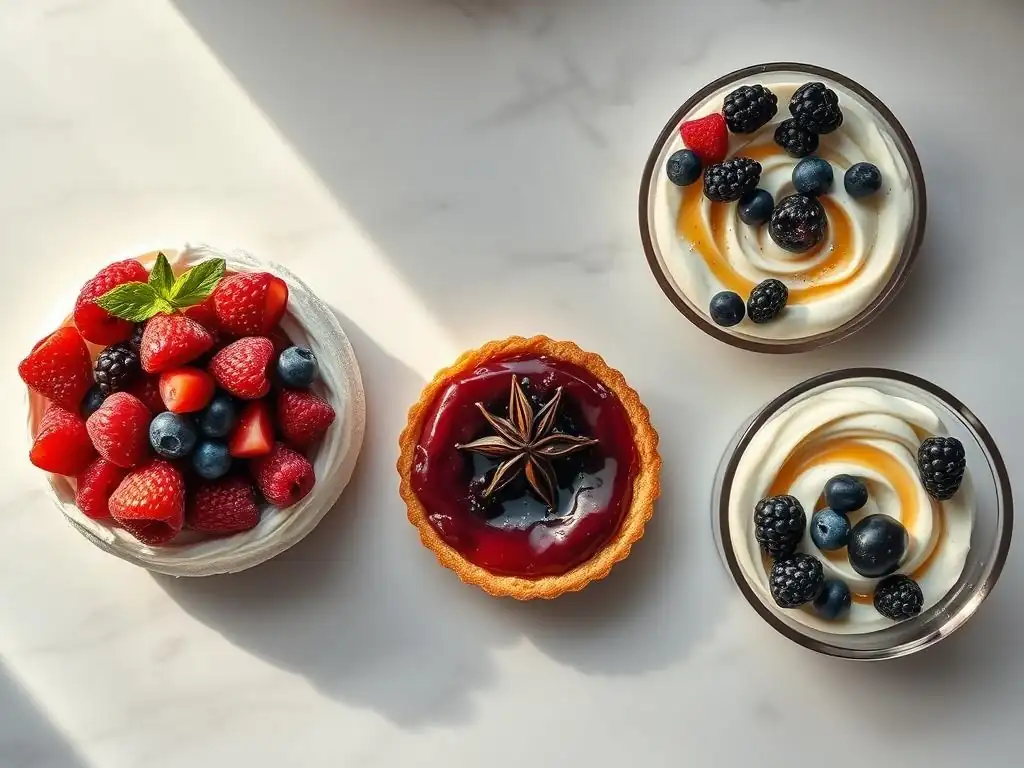
Welcome to BakeWithEase, your haven for all things baking! Ever dreamt of creating show-stopping desserts with minimal fuss? This season, unlock the secrets to crafting elegant and delicious berry desserts that are surprisingly easy. Prepare to be inspired, as we dive into simple techniques and vibrant flavors, transforming seasonal berries into unforgettable sweet treats. Curious to learn more? Let's get baking!
- Seasonal Berries: Plating Elegant Fruit Desserts for BakeWithEase
- Discover Easy Berry Dessert Recipes for Elegant Plating
-
Understanding Seasonal Berries for Baking
- The Importance of Fresh, Seasonal Berries in Desserts
- Spring's Berry Bounty: Strawberries, Raspberries, and Baking Ideas
- Summer Berry Sensations: Blueberries, Blackberries, and Dessert Inspiration
- Autumn's Berry Treasures: Cranberries, Elderberries for Unique Flavors
- Winter's Berry Options: Acai Berries, Gooseberries and Creative Uses
-
Mastering Basic Berry Dessert Techniques
- Preparing Berries for Elegant Desserts: Washing and Cutting Techniques
- Creating Berry Purees: Blending berries until smooth and straining for seedless texture.
- Making Berry Coulis: Simmering berries with sugar and lemon juice, then straining for a vibrant sauce.
- Berry Compotes: Simmering berries with spices and a sweetener for a warm and flavorful topping.
- Plating Techniques for Stunning Berry Desserts
- Easy Berry Dessert Recipes: Step-by-Step Guides
- Tips for Achieving Professional-Looking Berry Plated Desserts
- Elevate Your Baking: Advanced Berry Dessert Ideas
-
Frequently Asked Questions
- What makes a berry dessert considered "easy" according to BakeWithEase?
- What types of berries are best suited for elegant dessert plating, according to the Seasonal Berries: Plating Elegant Fruit Desserts article?
- Does BakeWithEase offer substitutions for berries if a specific type isn't available?
- Are the "easy berry dessert recipes" on BakeWithEase suitable for people with dietary restrictions (e.g., gluten-free, vegan)?
- What are some basic techniques BakeWithEase recommends for enhancing the presentation of berry desserts?
- Final Reflection: The Enduring Sweetness of Simple Berries
- Unleash Your Inner Pastry Chef!
Seasonal Berries: Plating Elegant Fruit Desserts for BakeWithEase
Discover Easy Berry Dessert Recipes for Elegant Plating
Creating beautiful, restaurant-quality desserts at home might seem daunting, but with the right techniques and a focus on fresh, seasonal ingredients, it's entirely achievable. Berries, with their vibrant colors, diverse flavors, and natural sweetness, are the perfect foundation for elegant plated desserts that are surprisingly easy to master.
Whether you're a beginner baker or looking to impress guests, incorporating seasonal berries into your creations offers endless possibilities for both taste and visual appeal. This guide will walk you through selecting the best berries, mastering basic preparation methods, and employing simple yet effective plating techniques to transform easy berry dessert recipes into stunning culinary art.
Focusing on easy berry dessert recipes allows you to build confidence in the kitchen while producing impressive results. We'll explore how using peak-season berries not only enhances flavor but also provides that natural beauty that elevates a simple dish. From quick compotes to layered parfaits, the principles of elegant plating can be applied to even the most straightforward recipes. Get ready to explore the world of berries and discover how effortless it can be to plate desserts that look as incredible as they taste, making every occasion feel special with a touch of homemade elegance.
Understanding Seasonal Berries for Baking
The Importance of Fresh, Seasonal Berries in Desserts
Using fresh, seasonal berries is paramount for achieving the best flavor and texture in your baked goods and plated desserts. Berries picked at their peak ripeness offer a sweetness, juiciness, and aromatic intensity that simply cannot be replicated by out-of-season or frozen alternatives. When berries are in season, they are typically more readily available, often less expensive, and have traveled shorter distances, resulting in a lower environmental impact and a higher nutritional value.
For example, a pint of local strawberries in June will likely be far sweeter and more fragrant than strawberries flown in during December. This peak flavor is crucial for easy berry dessert recipes where the fruit is the star ingredient.
Beyond flavor, the texture of seasonal berries is also superior. They are firmer, plump, and hold their shape better when cooked or used fresh, which is essential for appealing plating. Incorporating seasonal variations naturally guides your baking throughout the year, offering exciting new ingredients to work with every few months.
Embracing the seasonality of ingredients like berries connects you more deeply with the rhythm of nature and ensures you're using the freshest possible components for your elegant plated desserts. Consider how a vibrant red strawberry in spring differs from a deep purple blackberry in summer – each brings a unique character to your easy berry dessert recipes.
Spring's Berry Bounty: Strawberries, Raspberries, and Baking Ideas
Springtime brings the delightful arrival of strawberries and raspberries, two beloved berries perfect for light and fresh dessert creations. Strawberries, often associated with the start of warmer weather, offer a sweet, slightly acidic flavor and a soft texture. In the United States, peak strawberry season typically runs from April to June, with California and Florida being major producers, contributing billions of pounds annually.
Their versatility makes them ideal for everything from simple shortcakes and tarts to elegant panna cotta toppings. Raspberries, with their delicate structure and intensely sweet-tart taste, usually follow closely, hitting their stride from late spring into summer.
For easy berry dessert recipes in spring, think about showcasing the natural beauty of these fruits. A simple strawberry tart with a light cream filling, requiring minimal cooking of the berries, allows their fresh flavor to shine.
Raspberry coulis, made by simmering fresh raspberries with a touch of sugar and lemon, provides a vibrant sauce for cheesecakes or chocolate desserts. Even just macerating sliced strawberries with a sprinkle of sugar for 15-20 minutes brings out their juices and enhances their sweetness, creating a simple yet elegant topping for ice cream or yogurt, proving that easy berry dessert recipes can be incredibly satisfying.
Summer Berry Sensations: Blueberries, Blackberries, and Dessert Inspiration
Summer is the true prime time for a wide variety of berries, including the ever-popular blueberries and blackberries. Blueberries, known for their deep blue-purple hue and sweet, slightly tangy taste, are incredibly versatile in baking. Peak season for blueberries in North America is typically from June to August, with states like Maine and Michigan being major producers, often yielding over 100 million pounds each annually. They hold their shape well when baked, making them perfect for muffins, pies, crumbles, and cobblers. Their natural pectin also helps thicken fillings.
Blackberries, larger and tarter than raspberries, often ripen slightly later in the summer, usually from July to September. Their deep, inky color and robust flavor pair wonderfully with ingredients like lemon, apple, and chocolate. For easy berry dessert recipes featuring summer berries, consider a simple blueberry crumble topped with a buttery oat streusel, or a quick blackberry compote to serve over pound cake. Layered desserts like parfaits, combining fresh blueberries and blackberries with yogurt or whipped cream, offer a refreshing no-bake option that's both easy and visually appealing.
Autumn's Berry Treasures: Cranberries, Elderberries for Unique Flavors
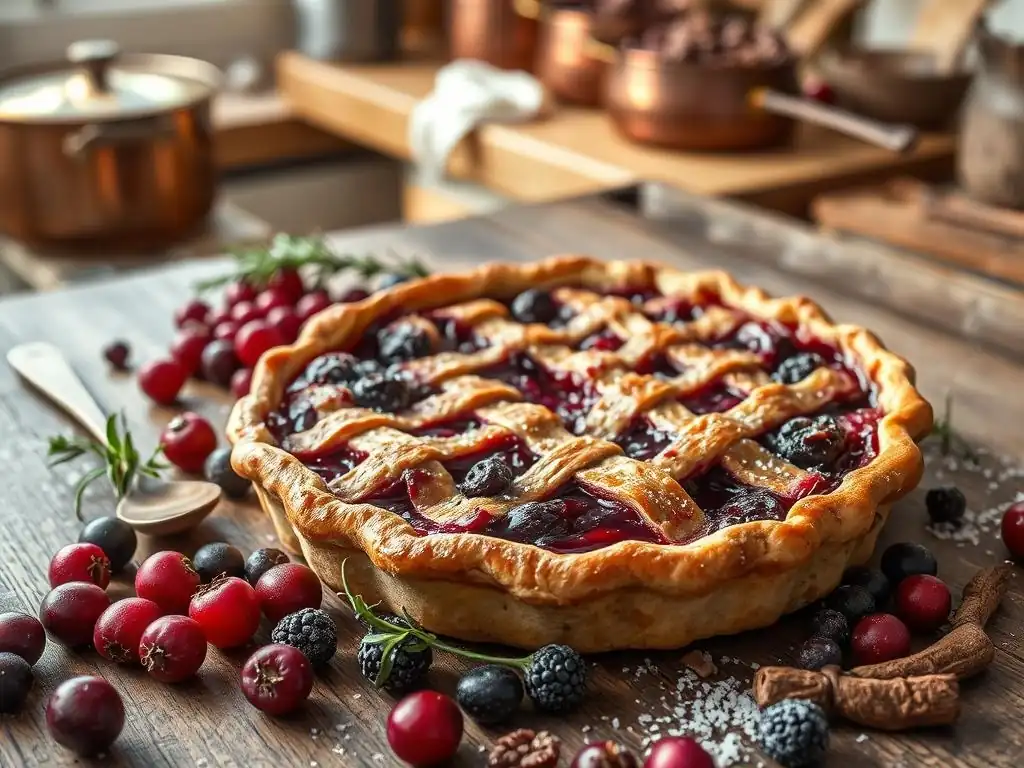
As the leaves change, autumn introduces berries with more tart and complex flavor profiles, such as cranberries and elderberries. Cranberries are perhaps the most well-known autumnal berry, with their peak harvest occurring from September to November. These tart, bright red berries are famously used in sauces and relishes, but they also lend themselves beautifully to baked goods, especially when paired with sweeter fruits or warming spices. Major cranberry-producing states like Wisconsin and Massachusetts harvest hundreds of millions of pounds, primarily for processing, but fresh cranberries are readily available during the season.
Elderberries, less common in mainstream baking but gaining popularity, are small, dark purple-black berries that typically ripen in late summer to early autumn. They must be cooked before consumption and are often used in syrups, jams, and pies, valued for their unique, slightly earthy flavor and potential health benefits.
For easy berry dessert recipes in autumn, a simple cranberry upside-down cake offers a festive treat, the tartness of the cranberries balancing the sweet cake. A quick elderberry compote, perhaps flavored with cinnamon and star anise, can be a unique topping for panna cotta or served alongside roast meats, showcasing the versatility of these less conventional berries.
Winter's Berry Options: Acai Berries, Gooseberries and Creative Uses
While winter isn't peak season for many common berries in temperate climates, some options remain available, often in frozen or preserved forms, or from regions with different growing seasons. Acai berries, native to the Amazon region, are typically consumed as frozen pulp and are available year-round. Known for their deep purple color and earthy, slightly chocolatey flavor, they are most often used in smoothie bowls and frozen desserts, offering a taste of the tropics during colder months.
Gooseberries, though often ripening in late spring or early summer, can sometimes be found frozen or preserved for use in winter. These tart, green or red berries are excellent in pies, crumbles, and fools, pairing well with elderflower or ginger. While fresh options may be limited, winter encourages creativity with preserved berries or exploring fruits from other climates.
Consider using frozen blueberries or raspberries in baked goods like scones or muffins, or creating a vibrant acai sorbet as a refreshing contrast to rich winter dishes. Even simple berry jams or preserves made earlier in the year can form the basis of easy berry dessert recipes during winter, providing a burst of summer flavor when fresh options are scarce.
Mastering Basic Berry Dessert Techniques
Preparing Berries for Elegant Desserts: Washing and Cutting Techniques
Properly preparing your berries is the crucial first step to creating elegant plated desserts. Always wash berries gently just before use to remove any dirt or debris. Washing too far in advance can cause them to absorb excess water, becoming mushy and losing flavor. Use a colander and rinse them under cool, running water, or give them a quick soak in a bowl of water, then lift them out gently. Pat them dry thoroughly with paper towels or a clean kitchen towel, as excess moisture can dilute flavors and prevent desired textures, like achieving a nice caramelization if roasting.
Cutting techniques depend on the type of berry and how it will be used. For strawberries, hulling (removing the green cap) can be done with a paring knife or a specialized huller. They can then be sliced, quartered, or left whole depending on the recipe and desired aesthetic. Raspberries and blackberries are delicate and best used whole or gently broken apart. Blueberries are almost always used whole. For elegant plating, uniformity in cutting can be important – aim for similarly sized slices or pieces when using strawberries or larger berries to create a clean, professional look on the plate.
Creating Berry Purees: Blending berries until smooth and straining for seedless texture.
Berry purees are a fundamental component in many elegant desserts, providing intense color and flavor. Making a berry puree is simple: start with fresh or thawed frozen berries (thawed berries often release more liquid, making blending easier). Place the berries in a blender or food processor. For every cup of berries, you might add a tablespoon or two of water, lemon juice, or a simple syrup if you want to sweeten it slightly – this helps with blending and adjusts consistency. Blend until completely smooth.
For a truly elegant, smooth texture, especially with seedy berries like raspberries or blackberries, straining is essential. Place a fine-mesh sieve over a bowl and pour the blended puree into it. Use a spatula or the back of a spoon to push the mixture through the sieve, leaving the seeds and any fibrous material behind. This strained puree can be used in mousses, ice creams, sauces, or as a vibrant base layer on a plate, offering a clean and refined element to your easy berry dessert recipes.
Making Berry Coulis: Simmering berries with sugar and lemon juice, then straining for a vibrant sauce.
A berry coulis is essentially a slightly thickened, often sweetened berry puree that serves as a classic sauce for plated desserts. It's incredibly easy to make and adds a burst of color and flavor. To make a basic coulis, combine fresh or frozen berries (about 2 cups) with sugar (start with 1/4 cup, adjust to taste) and a squeeze of lemon juice (about 1 tablespoon) in a small saucepan. The lemon juice brightens the berry flavor and helps balance the sweetness.
Heat the mixture over medium heat, stirring occasionally, until the berries break down and the sugar dissolves. This usually takes about 5-10 minutes. Once the berries are soft and have released their juices, remove from the heat. For a smooth coulis, strain the mixture through a fine-mesh sieve into a clean bowl, pressing on the solids to extract as much liquid and pulp as possible. Discard the seeds and solids. The resulting coulis should be a vibrant, pourable sauce perfect for drizzling, swirling, or pooling on a plate to complement your easy berry dessert recipes.
Berry Compotes: Simmering berries with spices and a sweetener for a warm and flavorful topping.
Berry compote is a delightful, slightly chunkier sauce or topping made by gently simmering berries with sugar and often spices or other flavorings. Unlike a coulis, a compote retains the shape of the berries, offering a different texture. It's incredibly versatile and perfect for warm desserts or as a rustic yet elegant accompaniment. Start with fresh or frozen berries (about 2 cups). Combine them in a saucepan with a sweetener like sugar, maple syrup, or honey (start with 1/4 cup, adjust to taste) and a liquid like water, orange juice, or wine (about 2-3 tablespoons).
Optional flavorings can include a pinch of cinnamon, a star anise, a vanilla bean, or a strip of lemon zest. Heat the mixture over medium-low heat, bringing it to a gentle simmer. Cook for 10-15 minutes, stirring occasionally, until the berries have softened and released some of their juices, and the liquid has slightly thickened.
Some berries will break down, while others will remain whole. Remove from heat and let it cool slightly. Compotes can be served warm or at room temperature and are fantastic over pancakes, waffles, yogurt, ice cream, or alongside cakes and tarts, adding a cozy, flavorful element to easy berry dessert recipes.
Plating Techniques for Stunning Berry Desserts
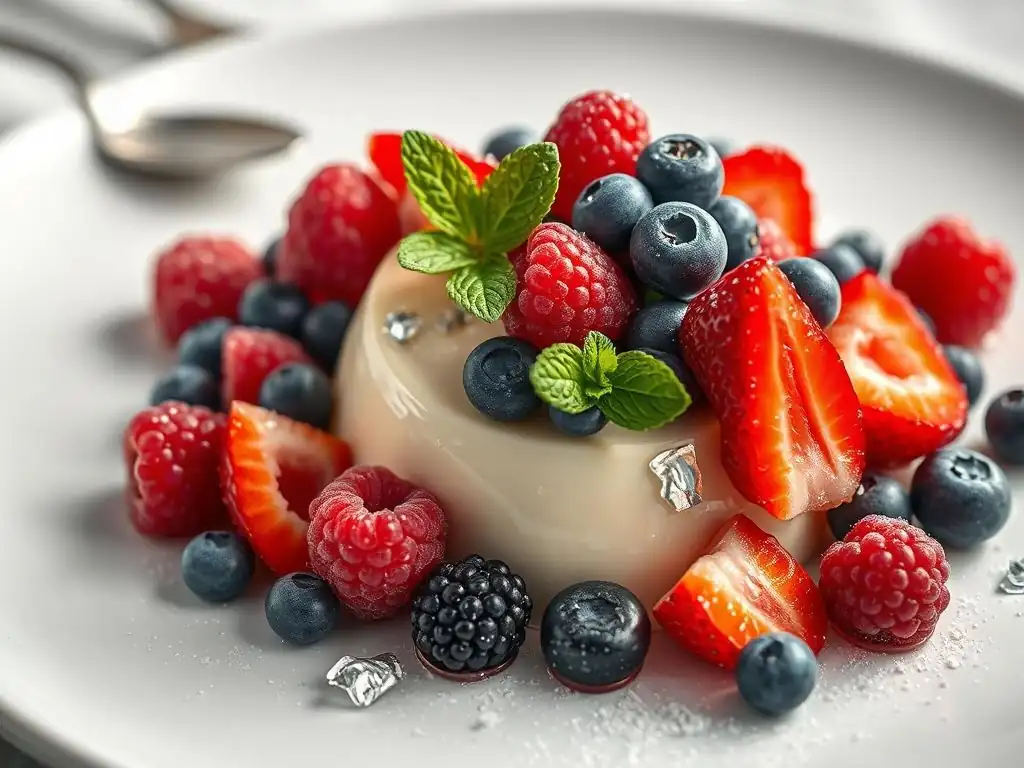
Choosing the Right Plate: Color, Shape, and Size Considerations
The plate is the canvas for your dessert, and choosing the right one significantly impacts the final presentation. White plates are a classic choice because they make the vibrant colors of berries and sauces pop, creating a clean and elegant backdrop. Dark plates, like black or slate, can also be stunning, making light-colored elements like creams or meringues stand out dramatically against the dark berries. Consider the overall color scheme of your dessert when selecting the plate color.
Shape matters too. Round plates are traditional and versatile, while square or rectangular plates can lend a modern, structured feel. Bowls are perfect for layered desserts like parfaits or trifles, showcasing the different components. The size of the plate is also crucial; it should be large enough to comfortably arrange the dessert elements without looking crowded, but not so large that the dessert appears lost. Leaving some negative space on the plate is key to elegant plating, allowing each component to have visual breathing room and drawing the eye to the dessert itself.
Mastering the Art of Sauce Swirls: Creating Visual Appeal
Sauce swirls and drizzles are one of the easiest ways to add a touch of artistry to your plated desserts, instantly elevating easy berry dessert recipes. Berry coulis or puree is perfect for this technique due to its smooth, vibrant nature. There are several ways to create appealing sauce patterns. You can simply drizzle the sauce randomly over the dessert or plate using a spoon. For more control, use a squeeze bottle or a piping bag with a fine tip.
To create a swirl, place a dollop or line of sauce on the plate and drag the back of a spoon through it in a curved motion. For a more intricate design, place several dots of sauce in a line or circle and drag a toothpick or skewer through them in a single motion.
Another popular technique is creating a "smear" by placing a spoonful of thicker sauce or puree on the plate and dragging the back of the spoon across it in a swooping motion. Practice on a spare plate first to get a feel for the consistency of your sauce and the movement required.
Using Berry Placement for Visual Balance and Height
Where and how you place the berries and other dessert components on the plate is key to achieving visual balance and interest. Avoid simply piling everything in the center. Think about arranging elements in a way that guides the viewer's eye across the plate. Asymmetrical arrangements often look more dynamic and less static than perfectly symmetrical ones. Consider the "rule of thirds," mentally dividing your plate into a grid and placing key elements off-center.
Adding height to your dessert makes it more visually appealing and professional. This can be achieved by stacking components (like layers in a deconstructed dessert or piling berries slightly), using a mold to create a distinct shape, or leaning elements against each other. For instance, fanned strawberry slices or a small stack of deconstructed shortcake components topped with a dollop of cream and berries create vertical interest. Even with easy berry dessert recipes, mindful placement turns a simple dish into a deliberate composition.
Garnishing with Fresh Herbs and Edible Flowers
Garnishes add the final touch of color, freshness, and sophistication to plated desserts. For berry desserts, fresh herbs like mint, basil, or lemon balm are excellent choices. A few small, vibrant mint leaves can provide a refreshing contrast to the sweetness of the berries and add a pop of green. Basil pairs surprisingly well with strawberries and raspberries, offering a slightly peppery, aromatic note. Lemon balm provides a delicate citrusy scent.
Edible flowers add a touch of whimsical elegance. Pansies, violas, borage flowers (which have a slight cucumber taste), or nasturtiums (with a peppery kick) can add beautiful colors and delicate textures. Ensure any flowers used are specifically grown for culinary purposes and are free of pesticides. Place garnishes thoughtfully – a single sprig of mint or a few scattered petals can enhance the visual appeal without overwhelming the main dessert, making your easy berry dessert recipes look professionally finished.
Adding Textural Elements: Crumble, Meringue, and More
Texture is just as important as flavor and appearance in creating a memorable dessert experience. Adding contrasting textures makes each bite more interesting. For berry desserts, elements like a buttery crumble or streusel topping provide a satisfying crunch against the softness of the fruit and cream. Toasted nuts or seeds offer a similar textural contrast and a nutty flavor dimension.
Crisp elements like meringue shards, a delicate tuile cookie, or even a sprinkle of granola can add height and a crisp bite. Consider a sprinkle of coarse sugar for sparkle and a slight crunch, or some popped quinoa for a surprising, light crispness. Even something as simple as a few fresh, firm berries alongside a compote adds textural variation. Incorporating these elements ensures your easy berry dessert recipes engage multiple senses, moving beyond just taste and sight.
Easy Berry Dessert Recipes: Step-by-Step Guides
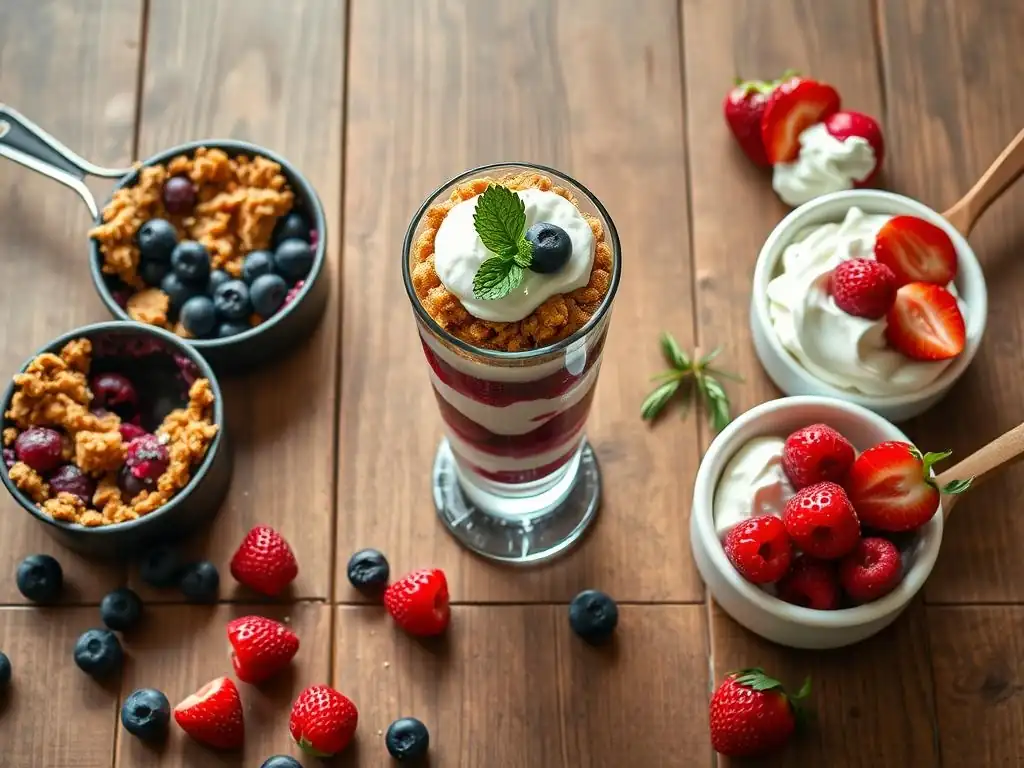
Recipe 1: Elegant Raspberry Tartlets with Almond Cream
These elegant tartlets combine a crisp pastry shell with a smooth almond cream and fresh raspberries, perfect for showcasing beautiful fruit. This recipe makes about 6-8 small tartlets.
Ingredient List for Raspberry Tartlets
- For the Tart Shells:
- 1 1/4 cups all-purpose flour
- 1/2 cup cold unsalted butter, cut into cubes
- 1/4 cup powdered sugar
- 1/4 teaspoon salt
- 1 large egg yolk
- 2-3 tablespoons ice water
- For the Almond Cream (Frangipane):
- 1/2 cup unsalted butter, softened
- 1/2 cup granulated sugar
- 1 large egg
- 1/2 teaspoon vanilla extract
- 1 cup almond flour (ground almonds)
- 1 tablespoon all-purpose flour
- For the Topping:
- 1 1/2 - 2 cups fresh raspberries
- Optional: Powdered sugar for dusting, fresh mint leaves
Step-by-Step Instructions for Tartlet Preparation
- Prepare the Tart Dough: In a food processor, pulse the flour, cold butter, powdered sugar, and salt until the mixture resembles coarse crumbs. Add the egg yolk and pulse until combined. Gradually add ice water, one tablespoon at a time, pulsing until the dough just comes together. Do not overmix.
- Chill the Dough: Gather the dough into a disc, wrap tightly in plastic wrap, and chill in the refrigerator for at least 30 minutes.
- Form the Tart Shells: On a lightly floured surface, roll the dough about 1/8 inch thick. Cut out circles large enough to fit into your tartlet molds (about 3-4 inches in diameter for 2.5-3 inch molds). Gently press the dough into the molds, trimming any excess. Prick the bottom of each shell several times with a fork. Chill the lined molds for another 15 minutes.
- Blind Bake (Optional but recommended): Preheat oven to 375°F (190°C). Line tart shells with parchment paper or foil and fill with pie weights or dried beans. Bake for 15-20 minutes until edges are lightly golden. Remove weights and parchment/foil and bake for another 5-10 minutes until the bottom is set and lightly colored. Let cool completely.
- Prepare the Almond Cream: In a medium bowl, cream together the softened butter and granulated sugar until light and fluffy. Beat in the egg and vanilla extract. Stir in the almond flour and all-purpose flour until just combined.
- Fill and Bake the Tartlets: Spoon or pipe the almond cream into the cooled, blind-baked tart shells, filling them about two-thirds full. Smooth the top.
- Bake with Almond Cream: Bake in the preheated oven (375°F / 190°C) for 20-25 minutes, or until the almond cream is puffed, set, and golden brown. Let cool completely on a wire rack.
- Add Raspberries: Once tartlets are completely cool, arrange fresh raspberries on top of the almond cream.
Plating Suggestions for Raspberry Tartlets
Place one or two tartlets slightly off-center on a dessert plate. Dust lightly with powdered sugar using a fine-mesh sieve for an elegant finish. Add a few fresh mint leaves alongside the tartlet for color contrast and freshness. Optional: Drizzle a small amount of raspberry coulis (see technique above) on the plate around the tartlet, creating a simple swirl or a few dots.
Recipe 2: Simple Blackberry and Lemon Parfaits
Parfaits are incredibly easy to assemble and offer a beautiful layered presentation, perfect for showcasing summer blackberries. This recipe makes 2-3 parfaits.
Ingredient List for Blackberry Lemon Parfaits
- 1 1/2 cups fresh blackberries
- 2 tablespoons granulated sugar (adjust to taste)
- 1 tablespoon fresh lemon juice
- 1 cup Greek yogurt (plain or vanilla)
- 1/2 cup heavy cream, whipped to soft peaks (or use more yogurt for a lighter version)
- 1/4 cup granola or crushed cookies (like shortbread or graham crackers)
- Optional: Lemon zest for garnish, extra blackberries
Step-by-Step Instructions for Parfait Assembly
- Prepare the Blackberry Compote: In a small saucepan, combine 1 cup of the blackberries with sugar and lemon juice. Heat over medium-low heat, stirring occasionally, until berries soften and release juices, about 8-10 minutes. Some berries should remain whole. Let cool completely.
- Prepare the Cream Mixture: In a bowl, gently fold the whipped cream into the Greek yogurt until just combined. Be careful not to deflate the whipped cream. (If using only yogurt, skip this step).
- Assemble the Parfaits: Choose clear glasses or jars for assembly to showcase the layers. Start with a layer of granola or crushed cookies at the bottom (about 1-2 tablespoons per glass).
- Add Layers: Spoon a layer of the yogurt/cream mixture over the granola. Follow with a layer of the cooled blackberry compote. Add a few fresh blackberries.
- Repeat Layers: Continue layering yogurt/cream mixture, blackberry compote, and fresh blackberries until the glass is full, ending with a layer of the cream mixture or fresh berries on top.
- Chill: Chill the parfaits for at least 15-20 minutes before serving to allow flavors to meld.
Plating Suggestions for Blackberry Lemon Parfaits
Serve parfaits in clear glasses or jars to highlight the distinct layers. Top the final layer with a few fresh blackberries and a sprinkle of lemon zest for color and aroma. Place the glass on a small plate or coaster. Optional: Add a small sprig of mint or a single edible flower on top for an extra touch of elegance.
Recipe 3: Deconstructed Strawberry Shortcake with Balsamic Glaze
This deconstructed take on a classic offers a modern, elegant presentation while keeping the familiar flavors. The balsamic glaze adds a sophisticated twist. This recipe serves 2-3.
Ingredient List for Deconstructed Strawberry Shortcake
- For the Shortcake Component:
- 1 cup all-purpose flour
- 2 tablespoons granulated sugar
- 1 1/2 teaspoons baking powder
- 1/4 teaspoon salt
- 3 tablespoons cold unsalted butter, cut into cubes
- 1/2 cup milk
- For the Strawberries:
- 2 cups fresh strawberries, hulled and sliced
- 1-2 tablespoons granulated sugar (adjust to sweetness of berries)
- 1 tablespoon balsamic vinegar (good quality)
- For the Cream:
- 1 cup heavy cream
- 2 tablespoons powdered sugar
- 1/2 teaspoon vanilla extract
Step-by-Step Instructions for Shortcake Components
- Prepare the Shortcake: Preheat oven to 425°F (220°C). In a bowl, whisk together the flour, sugar, baking powder, and salt. Cut in the cold butter using a pastry blender or your fingers until the mixture resembles coarse crumbs. Add the milk and stir just until the dough comes together. Do not overmix.
- Bake the Shortcake: Drop spoonfuls of dough onto a baking sheet lined with parchment paper. For deconstruction, you can make smaller, irregular shapes rather than traditional biscuits. Bake for 12-15 minutes, or until golden brown and cooked through. Let cool slightly.
- Prepare the Strawberries: In a medium bowl, gently toss the sliced strawberries with sugar and balsamic vinegar. Let sit for 10-15 minutes to macerate and develop a glaze.
- Prepare the Whipped Cream: In a cold bowl using cold beaters, whip the heavy cream until soft peaks form. Add the powdered sugar and vanilla extract and continue whipping until medium peaks form. Be careful not to over-whip.
Plating Suggestions for Deconstructed Strawberry Shortcake
Break the baked shortcake into rustic pieces. Place a few pieces on the plate. Spoon some of the macerated strawberries and their balsamic glaze alongside the shortcake pieces. Add dollops or quenelles (using two spoons) of the whipped cream around the plate. Use some of the balsamic glaze from the strawberry bowl to create a drizzle or swipe on the plate. Garnish with a fresh strawberry slice or a small basil leaf.
Tips for Achieving Professional-Looking Berry Plated Desserts
Using Stencils for Precise Sauce Designs
Stencils offer a simple way to add intricate patterns to your plated desserts using powdered sugar, cocoa powder, or even a thin layer of a contrasting sauce or puree. While you can buy professional stencils, you can also make your own by cutting shapes out of food-safe plastic or paper. To use a stencil with powdered sugar or cocoa, place the stencil flat on the plate where you want the design, then lightly dust over it using a fine-mesh sieve. Carefully lift the stencil straight up to reveal the pattern.
For sauce designs, this technique is slightly trickier and works best with thicker purees or sauces. You can spread a thin layer of sauce over the stencil or use a squeeze bottle with a fine tip to trace the pattern. This technique requires a steady hand and some practice, but it allows you to incorporate geometric shapes, logos, or delicate lace-like patterns onto your plate, adding a truly professional touch to easy berry dessert recipes.
Creating Berry Towers and Vertical Presentations
Adding height is a key principle in elegant plating, making your dessert more visually dynamic. Creating "towers" or stacking components is an effective way to achieve this. For berry desserts, this could involve layering elements like cake pieces, cream, and berries within a ring mold to create a neat stack, then carefully lifting the mold before serving. Alternatively, you can freeform stack ingredients, leaning components against each other for support.
Consider using firmer elements as a base. For example, a piece of shortcake or a small biscuit can serve as the foundation for layers of whipped cream and macerated strawberries, piled upwards. A mini tartlet shell could be filled and then topped with a small pyramid of berries. Even simple elements like fanned strawberry slices or a vertical shard of meringue can add height and visual interest, transforming flat, easy berry dessert recipes into impressive vertical compositions.
Balancing Sweetness and Acidity in Berry Desserts
Berries naturally range from very sweet (like ripe strawberries) to quite tart (like cranberries or underripe raspberries). Balancing this inherent acidity with sweetness is crucial for a harmonious dessert flavor. When creating easy berry dessert recipes, always taste your berries first and adjust the amount of added sugar accordingly. Tart berries often require more sugar to be palatable, while very sweet berries might need less, or could benefit from an acidic counterpoint.
Incorporating elements like lemon juice, lime juice, or balsamic vinegar (as in the deconstructed shortcake recipe) can brighten flavors and cut through richness or excessive sweetness. Dairy components like cream, yogurt, or mascarpone also help to balance acidity and add richness. Don't be afraid to use a pinch of salt, even in sweet dishes, as it enhances and balances flavors. A well-balanced berry dessert allows the fresh, natural taste of the fruit to shine without being overwhelmed by sugar or being excessively sour.
The Importance of Temperature Contrast in Dessert Plating
Temperature contrast adds another layer of interest to plated desserts, engaging the palate in a more dynamic way. Combining warm and cold elements in the same dish creates a delightful sensation. For example, a warm berry compote served alongside a scoop of cold vanilla ice cream or a chilled panna cotta is a classic and effective pairing. The warmth of the compote releases its aromas and softens the cold element, while the cold provides a refreshing counterpoint to the cooked fruit.
Consider serving a slightly warm shortcake or crumble with cold whipped cream or ice cream, or placing a chilled berry mousse on a plate with a warm berry sauce. Even subtle temperature differences, like serving a dessert at room temperature with a very cold garnish, can make a difference. Thinking about temperature layers along with flavor and texture layers elevates the overall dining experience and makes your elegant plated desserts even more memorable.
Elevate Your Baking: Advanced Berry Dessert Ideas
Berry Infusions: Adding Depth to Creams and Sauces
Infusing liquids with berry flavor is a simple yet effective way to add depth and complexity to dessert components like creams, custards, and sauces. This technique involves steeping fresh or frozen berries in a warm liquid, allowing their flavor and color to transfer. For instance, you can infuse milk or cream for panna cotta, crème brûlée, or pastry cream by gently heating the liquid with berries (about 1/2 cup of berries per cup of liquid), letting it steep off the heat for 15-30 minutes, then straining out the solids.
Another approach is to infuse simple syrups or alcohols. A raspberry-infused simple syrup can be used to sweeten whipped cream or brush onto cake layers. Vodka or rum infused with strawberries or blueberries can add a boozy berry kick to sauces or served alongside the dessert. This method extracts the pure essence of the berry, resulting in a more sophisticated and nuanced flavor profile in your easy berry dessert recipes and beyond.
Berry Espumas: Light and Airy Dessert Elements
Espumas, or culinary foams, are a modern dessert technique that adds a light, airy texture and concentrated flavor. A berry espuma can be made using a siphon canister and nitrous oxide chargers, typically by combining a berry puree or juice with a liquid base (like cream or water) and a stabilizer (like gelatin or agar-agar). The mixture is warmed to activate the stabilizer, chilled, then charged in the siphon.
A strawberry espuma, for example, could be made by blending strawberries, straining, warming with a little sugar and bloomed gelatin, chilling, and then siphoning. This creates a light, flavorful foam that can be piped onto a plate as a garnish or served as a main component, offering a playful and ethereal contrast to denser elements on the plate. While requiring specific equipment, mastering espumas adds a truly professional dimension to your berry dessert repertoire.
Berry Ice Creams and Sorbets: Refreshing Dessert Options
Homemade berry ice creams and sorbets are refreshing and intensely flavorful ways to incorporate seasonal fruit into desserts, offering a chilling contrast to other elements. Ice cream typically involves a custard base or simply cream and sugar, churned with berry puree or small pieces of fruit. Sorbet, on the other hand, is dairy-free, made from fruit puree, sugar, and water, churned to a smooth, icy consistency.
A vibrant raspberry sorbet or a creamy blueberry ice cream can be served as a standalone dessert or as a component on a plated dish. Imagine a scoop of homemade strawberry ice cream melting slightly into a warm piece of chocolate cake, or a quenelle of tart cranberry sorbet placed alongside a rich cheesecake. Making these frozen treats at home allows you to control the sweetness and maximize the fresh berry flavor, providing a perfect cool element for elegant berry dessert recipes.
Frequently Asked Questions
What makes a berry dessert considered "easy" according to BakeWithEase?
An easy berry dessert from BakeWithEase typically involves minimal steps, readily available ingredients, and short preparation times, making it perfect for beginner bakers.
What types of berries are best suited for elegant dessert plating, according to the Seasonal Berries: Plating Elegant Fruit Desserts article?
The article likely emphasizes fresh, seasonal berries like raspberries, blueberries, strawberries, and blackberries, chosen for their vibrant colors and appealing textures when plated.
Does BakeWithEase offer substitutions for berries if a specific type isn't available?
Yes, BakeWithEase usually provides substitution suggestions in their recipes, recommending similar berries or other fruits based on flavor profile and texture.
Are the "easy berry dessert recipes" on BakeWithEase suitable for people with dietary restrictions (e.g., gluten-free, vegan)?
BakeWithEase often includes variations or modifications to their recipes to accommodate common dietary restrictions. Check the recipe notes for gluten-free or vegan adaptations.
What are some basic techniques BakeWithEase recommends for enhancing the presentation of berry desserts?
The website probably suggests techniques like creating layered desserts, using contrasting colors and textures, and incorporating simple garnishes like mint leaves or edible flowers for an elegant presentation.
Final Reflection: The Enduring Sweetness of Simple Berries
The vibrant hues and delicate sweetness of seasonal berries aren't just fleeting summer pleasures; they represent a timeless connection to nature's bounty and the enduring power of simple elegance in the kitchen. These easy berry dessert recipes, explored throughout this article, offer more than just delicious treats; they provide a pathway to mindful eating and creative expression, accessible to everyone.
The joy of transforming fresh, locally-sourced berries into delightful desserts has profoundly impacted my own approach to cooking and entertaining. It's a reminder that the most exquisite flavors often come from the simplest ingredients, requiring minimal fuss. Simplicity is the ultimate sophistication.
– Leonardo da Vinci. This quote perfectly encapsulates the spirit of these recipes, highlighting the beauty found in uncomplicated preparations that allow the natural sweetness of the berries to shine.
Now, I invite you to step away from the screen and into your kitchen. Consider the seasonal berries available in your area – perhaps a plump strawberry, a juicy raspberry, or a sweet blueberry – and let their vibrant colors and natural sweetness inspire your next culinary adventure. Don't be afraid to experiment, to adapt these recipes to your own tastes, and to share the joy of these simple, yet elegant, desserts with those you love. The enduring sweetness of these berries extends far beyond the palate; it's a celebration of connection, creativity, and the simple pleasures of life.
Unleash Your Inner Pastry Chef!
Thanks for joining us on this delicious journey into the world of seasonal berry desserts! We hope you've gained some inspiration and new techniques to elevate your baking game. Now it's time to put your newfound knowledge into practice.
- Craft your masterpiece: Choose your favorite berry and try one of the elegant plating techniques we explored. Share your creation with us – we’d love to see it!
- Experiment with flavor combinations: Don't be afraid to get creative! Try pairing your berries with unexpected ingredients – what delicious combinations can you discover?
- Spread the berry love: Share this article with your friends and fellow baking enthusiasts – let's inspire a berry dessert revolution!
What unexpected berry flavor combination will you try next? Let us know in the comments!