
Techniques for Elegant Dessert Sauces & Coulis

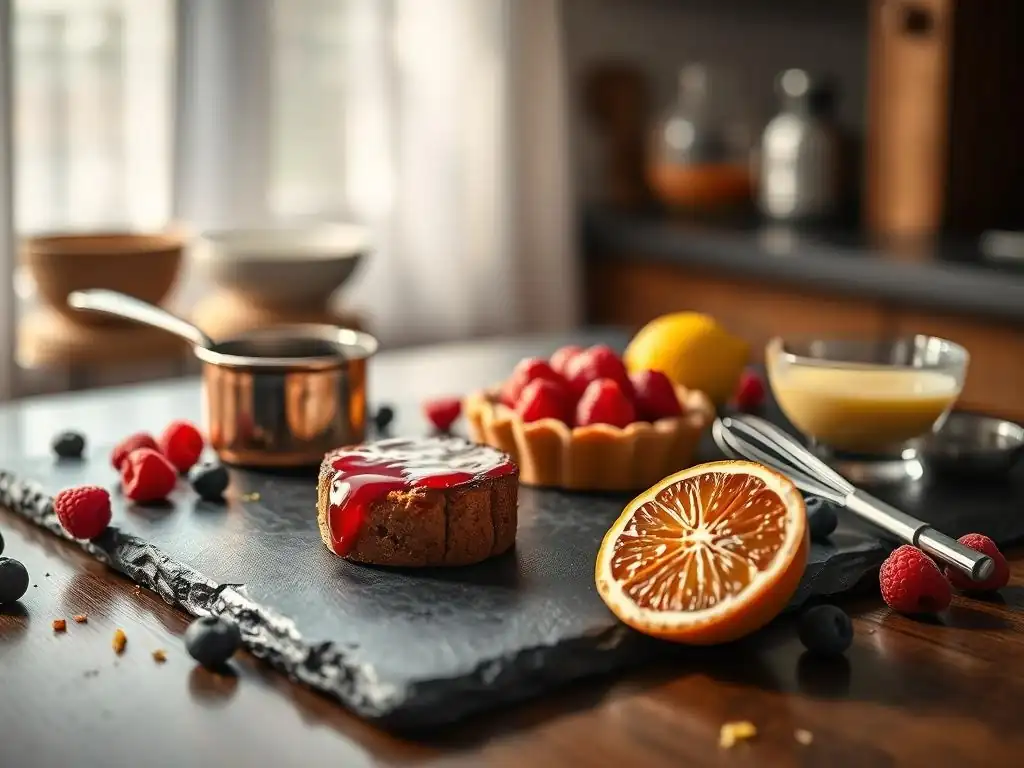
Welcome to BakeWithEase, where baking becomes a joy, not a chore! Ever wondered how to transform a simple dessert into a culinary masterpiece? Our latest article unlocks the secrets to crafting elegant dessert sauce recipes that will elevate your pastry creations to a whole new level. Discover the techniques and tips for creating luscious sauces and vibrant coulis that will tantalize taste buds and leave your guests craving more. Intrigued? Let's dive in!
- Techniques for Elegant Dessert Sauces & Coulis: BakeWithEase Guide
- Mastering Elegant Dessert Sauces: An Introduction
- Essential Equipment and Ingredients for Dessert Sauces
- Classic Dessert Sauce Recipes & Techniques
- Fruit Coulis: Fresh and Vibrant Dessert Sauces
- Advanced Dessert Sauce Techniques
- Plating Techniques with Dessert Sauces & Coulis
- Storing and Reheating Dessert Sauces
- Troubleshooting Common Dessert Sauce Issues
- Elegant Dessert Sauce Recipes: The BakeWithEase Conclusion
-
Frequently Asked Questions
- What exactly is a dessert sauce or coulis, and what makes it "elegant"?
- What are some basic techniques for creating smooth and lump-free dessert sauces?
- Can I use frozen fruit to make dessert sauces, and will it affect the final result?
- What are some common ingredients used to flavor dessert sauces beyond just sugar?
- How can I properly store leftover dessert sauce to maintain its quality and flavor?
- Final Reflection: The Enduring Allure of the Elegant Dessert Sauce
- Unleash Your Inner Pastry Chef: Craft Exquisite Sauces!
Techniques for Elegant Dessert Sauces & Coulis: BakeWithEase Guide
Mastering Elegant Dessert Sauces: An Introduction
Elevate Your Plated Desserts with Exquisite Sauces
Transforming a simple dessert into a culinary masterpiece often hinges on the finishing touches, and elegant dessert sauces are paramount among these. A well-executed sauce doesn't just add moisture or sweetness; it introduces complexity, enhances flavor profiles, and provides a crucial element of visual appeal that elevates the entire dish.
Think of how a plain slice of cake is instantly sophisticated with a drizzle of glossy chocolate ganache or how a scoop of panna cotta becomes vibrant with a swirl of bright raspberry coulis. These liquid companions provide balance, contrast, and a touch of luxury, making each bite a more dynamic and memorable experience.
Mastering techniques for creating these sauces is an essential skill for any baker looking to venture into plated desserts or simply make their home baking feel more professional. From understanding the correct temperature for tempering eggs in a crème anglaise to knowing how to achieve that perfect amber color in a caramel, each technique contributes to the sauce's final texture, flavor, and stability. By focusing on quality ingredients and precise methods, you can consistently produce sauces that not only taste incredible but also look stunning, proving that elegant dessert sauce recipes are within reach for every BakeWithEase baker.
Why Dessert Sauces Matter: Flavor, Texture, and Visual Appeal
Dessert sauces play a multifaceted role that goes far beyond just adding extra sweetness. Flavor-wise, they can provide a counterpoint to the main dessert – a tart berry coulis cuts through the richness of a cheesecake, while a warm caramel sauce complements the spice of an apple tart. They can also enhance existing flavors, like a vanilla bean sauce accentuating the notes in a fruit crumble. The interaction of flavors creates a more complex and satisfying taste experience.
Texture is another critical contribution. A creamy vanilla bean sauce adds a luxurious mouthfeel to a firm terrine, a crisp cookie benefits from the smooth liquidity of a chocolate sauce, and a light mousse gains depth from the slight graininess of a fruit coulis (if not strained). These textural contrasts prevent the dessert from feeling monotonous.
Visually, sauces provide color, shine, and form on the plate. A vibrant red coulis or a deep brown chocolate sauce adds a pop of color, while techniques like swirling, dotting, or pooling create artistic patterns that make the dessert visually appealing and professional. These elements combined are why mastering elegant dessert sauce recipes is key to stunning presentations.
Essential Equipment and Ingredients for Dessert Sauces
Must-Have Tools for Perfect Sauce Consistency
Achieving the desired consistency for your elegant dessert sauces requires a few key pieces of equipment. A good quality, heavy-bottomed saucepan is crucial as it distributes heat evenly, preventing scorching, especially when making caramel or delicate custards like crème anglaise. Saucepans ranging from 1-quart to 2-quart capacity are usually sufficient for most home baking needs. A sturdy whisk is indispensable for incorporating ingredients smoothly, preventing lumps, and encouraging emulsification in sauces like ganache or tempering eggs for crème anglaise.
Additionally, precision tools like a heatproof rubber spatula for scraping down the sides of the pan and a fine-mesh sieve are essential. The sieve is particularly important for achieving that perfectly smooth texture in fruit coulis, removing seeds or pulp, and also for straining out any potential scrambled egg bits from a crème anglaise or infused spices from a sauce base.
For certain sauces or coulis, an immersion blender or a regular blender can help create a very smooth, uniform texture quickly, especially when dealing with solid ingredients like fruit or chocolate. A reliable instant-read thermometer is also invaluable for recipes requiring specific temperatures, such as caramel (aiming for roughly 235-240°F / 118-120°C for a pourable sauce) or crème anglaise (cooked to about 170-175°F / 77-79°C).
Key Ingredients for Flavorful Dessert Sauces: A Baker's Pantry
The foundation of truly elegant dessert sauce recipes lies in the quality of your ingredients. For chocolate sauces, using high-quality chocolate with a good percentage of cocoa butter (like a couverture chocolate with 60-70% cocoa solids) will yield a richer flavor and glossier finish than using chocolate chips or compound chocolate. The difference in taste and texture is significant. Dairy is another cornerstone: heavy cream (with at least 30% fat) is essential for rich ganaches, caramels, and crème anglaise, providing necessary fat for body and luxurious mouthfeel.
Sugar is fundamental, but the type matters. Granulated sugar is standard for caramels and many sauces, melting smoothly. Brown sugar can add depth and a hint of molasses flavor to caramel or butterscotch sauces.
Fresh fruit, ripe and in season when possible, is best for vibrant coulis, though high-quality frozen fruit can be a good substitute, especially for berries. Vanilla is a classic flavor enhancer; using a real vanilla bean scraped of its seeds provides a far more complex and aromatic flavor than extract, particularly in vanilla bean sauce (crème anglaise). Other staples like good quality butter (preferably unsalted), eggs (specifically yolks for crème anglaise), and perhaps some citrus (lemon or lime juice) for balancing sweetness in fruit sauces round out the essential pantry for creating exquisite dessert sauces.
Classic Dessert Sauce Recipes & Techniques
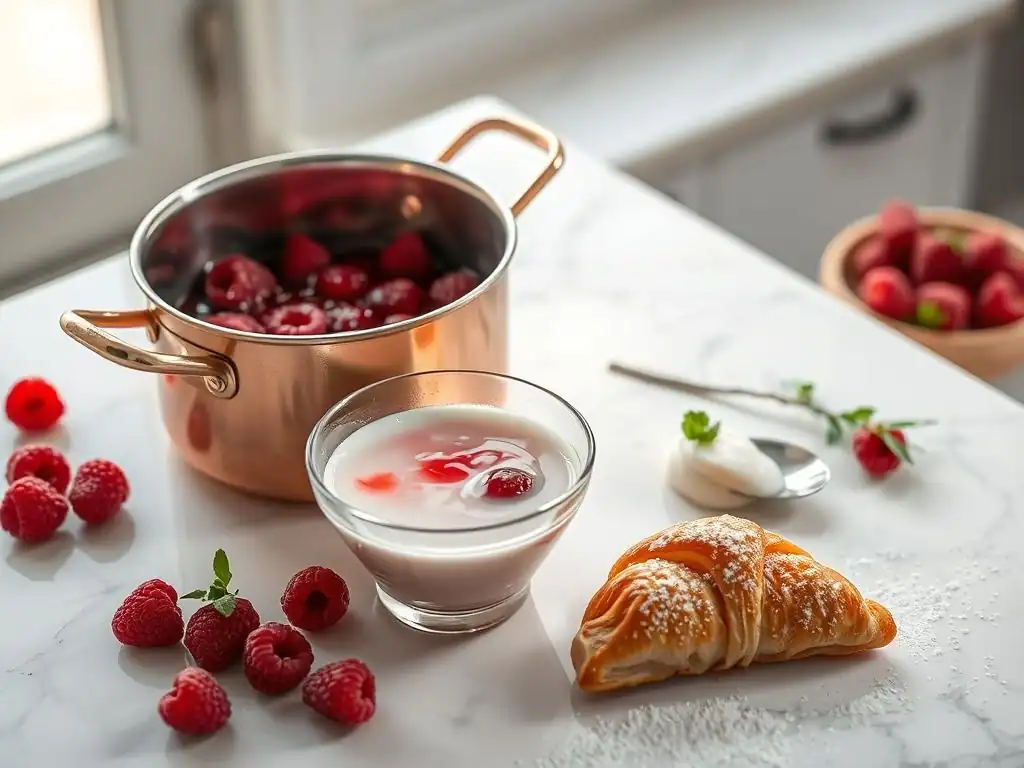
Chocolate Dessert Sauce: Rich, Decadent, and Versatile
A staple in elegant dessert sauce recipes, chocolate sauce offers unparalleled richness and versatility. From a simple drizzle over ice cream to a sophisticated mirror glaze, its applications are endless. The most common and perhaps most elegant form is a classic chocolate ganache sauce.
Making a Classic Chocolate Ganache Sauce
A classic ganache is surprisingly simple, requiring just two main ingredients: chocolate and cream. The key is the ratio, which dictates the consistency. For a pourable sauce perfect for drizzling over desserts, a common ratio is equal parts chocolate and hot cream by weight (1:1). To make it, finely chop your chocolate and place it in a heatproof bowl.
Heat heavy cream in a saucepan over medium heat until it just begins to simmer around the edges – do not boil vigorously. Pour the hot cream over the chopped chocolate, ensuring all the chocolate is submerged. Let it sit undisturbed for 5-10 minutes to allow the heat from the cream to melt the chocolate.
After resting, gently whisk the mixture starting from the center and working outwards in concentric circles. This slow, gentle motion helps the fat in the chocolate and the cream emulsify into a smooth, glossy sauce. Avoid aggressive whisking, which can incorporate air and lead to a dull finish. Continue whisking until the mixture is completely smooth and homogenous. For extra flavor, a pinch of salt or a splash of vanilla extract can be whisked in at the end.
Tips for a Smooth and Glossy Chocolate Sauce
Achieving that enviable smooth and glossy finish on your chocolate sauce requires attention to detail. First, use high-quality chocolate specifically designed for melting; chocolate chips often contain stabilizers that prevent them from melting smoothly. Chop the chocolate finely and uniformly to ensure it melts evenly. Ensure the cream is hot enough to melt the chocolate but not boiling, as excessive heat can seize the chocolate.
When emulsifying, be patient and gentle. If the ganache looks like it's separating (oily or grainy), it might be too hot or too cold, or the emulsion has broken. A common fix is to whisk in a tablespoon of warm milk or cream, or even a tiny amount of warm melted butter, very slowly while gently whisking.
Overheating ganache after it's made can also cause it to break; reheat gently over a double boiler or in short bursts in the microwave on low power, stirring frequently. For extra shine, a small amount of corn syrup or glucose can be added with the cream.
Caramel Sauce: Sweet, Buttery, and Irresistible
Caramel sauce, with its rich, buttery, and slightly toasted flavor, is a perennial favorite in elegant dessert sauce recipes. It pairs beautifully with everything from apple pie to cheesecakes and ice cream. Mastering the technique of caramelization is key.
Achieving the Perfect Caramel Color and Consistency
Caramel is made by heating sugar until it melts and caramelizes. There are two main methods: wet caramel (sugar dissolved in water before heating) and dry caramel (heating sugar alone). The dry method is often preferred by professionals for its intense flavor but requires careful monitoring as it can burn easily. For home bakers, the wet method is often more forgiving.
Heat sugar and water in a saucepan over medium heat, stirring initially to dissolve the sugar. Once dissolved, stop stirring and let it boil. You can gently brush down sugar crystals from the sides of the pan with a wet pastry brush to prevent crystallization.
Watch the color change carefully. It will go from clear syrup to pale yellow, then amber, and finally deep amber. This color development is crucial for flavor; a pale caramel is simply sweet, while a deep amber caramel has complex, slightly bitter notes.
Once the desired color is reached (aim for a rich amber, like aged whiskey), carefully and slowly whisk in warm heavy cream (be cautious, it will bubble up violently). Whisk in softened or cold butter until melted and smooth. Cooking the caramel to a specific temperature can help control consistency; for a pourable sauce, aiming for around 235-240°F (118-120°C) before adding dairy is a good target.
Variations: Salted Caramel Sauce and More
Once you've mastered the basic caramel technique, it's easy to create delicious variations for your elegant dessert sauce recipes. Salted caramel is incredibly popular and simple to make; just whisk in flaky sea salt (like Maldon) at the end after adding the butter and cream. The amount of salt can vary based on preference, but starting with about 1/2 teaspoon per cup of sauce is a good guideline. Taste and add more if needed.
Other variations include adding flavorings. A splash of bourbon or rum whisked in at the end adds a sophisticated depth. Spices like cinnamon, cardamom, or a pinch of cayenne can be infused into the cream before heating or added directly to the finished sauce. Coffee extract or instant coffee granules can create a mocha-caramel. Always add flavorings carefully and taste as you go to achieve the desired balance.
Vanilla Bean Sauce (Crème Anglaise): Custardy Elegance
Crème Anglaise, or English cream, is a light pouring custard that serves as a classic elegant dessert sauce. Its silky texture and delicate vanilla flavor make it a perfect accompaniment to warm cakes, fruit desserts, and puddings. It relies on tempered egg yolks for its richness and thickness.
Tempering Eggs for a Silky Smooth Vanilla Sauce
The key to a smooth crème anglaise without scrambled eggs is proper tempering. In a saucepan, gently heat milk and/or cream with a scraped vanilla bean (or extract) until it's hot but not boiling. While the milk heats, whisk egg yolks and sugar in a separate bowl until pale and slightly thickened. This process is sometimes called 'ribbon stage'.
Once the dairy is hot, slowly ladle a small amount (about 1/4 cup) of the hot liquid into the egg yolk mixture while whisking constantly. This gradually warms the yolks without cooking them. Continue adding hot liquid, about a ladleful at a time, whisking continuously, until you've incorporated about half of the hot dairy into the yolks. This tempered mixture can then be poured back into the saucepan with the remaining hot dairy.
Troubleshooting Common Crème Anglaise Problems
Cooking crème anglaise requires patience and gentle heat. Cook the mixture over low to medium-low heat, stirring constantly with a wooden spoon or heatproof spatula. The sauce is ready when it thickens just enough to coat the back of a spoon (this is known as "nappe" consistency). It should not be thick like pudding. Using an instant-read thermometer, the target temperature is typically between 170-175°F (77-79°C). Do not let the sauce boil, as this will curdle the egg yolks.
If the sauce does curdle slightly (you'll see small grainy bits), immediately remove it from the heat and quickly strain it through a fine-mesh sieve. Sometimes, a quick blitz with an immersion blender can help smooth out minor curdling, but severely scrambled eggs cannot be fully salvaged. If the sauce is too thin after reaching the correct temperature, it cannot be thickened further by cooking without risking curdling.
Strain it and perhaps serve it as a thinner sauce, or gently whisk in a tiny amount of cornstarch slurry (cornstarch mixed with cold liquid) and heat very gently to thicken slightly, being extremely careful not to overheat. If it's too thick, whisk in a little cold milk or cream.
Fruit Coulis: Fresh and Vibrant Dessert Sauces
Fruit coulis offer a burst of fresh flavor and vibrant color, making them ideal elegant dessert sauces, especially for lighter desserts or those needing a tart counterpoint. They are typically uncooked or minimally cooked, preserving the fruit's natural brightness.
Raspberry Coulis: A Burst of Berry Flavor
Raspberry coulis is perhaps the most classic fruit coulis, loved for its intense berry flavor and beautiful ruby color. It's wonderfully versatile, pairing well with chocolate, vanilla, lemon, and cheese-based desserts.
Simple Raspberry Coulis Recipe
Making a simple raspberry coulis is incredibly easy. You'll need fresh or frozen raspberries, sugar, and potentially a squeeze of lemon juice. Combine about 1-2 cups of raspberries with 1-3 tablespoons of granulated sugar (adjust sugar based on the sweetness of the berries and your preference). If using frozen berries, let them thaw slightly first. For a little brightness and balance, add about 1 teaspoon of fresh lemon juice.
Place the ingredients in a blender or food processor. Blend until completely smooth. You can taste and adjust sweetness or acidity at this stage. For a slightly thicker coulis, you can gently heat the mixture in a small saucepan for a few minutes, but avoid boiling to maintain fresh flavor.
Straining for a Seedless, Smooth Coulis
The key to an elegant, silky-smooth raspberry coulis is straining out the seeds. Place a fine-mesh sieve over a bowl. Pour the blended raspberry mixture into the sieve. Use a rubber spatula or the back of a spoon to gently push the mixture through the sieve, leaving the seeds behind. This process can take a few minutes, requiring some pressure.
Continue pushing until only the seeds and any coarse pulp remain in the sieve. Discard the solids. The resulting liquid is a smooth, vibrant coulis ready to be used. This technique is vital for creating a refined texture that enhances the elegance of your dessert presentation.
Mango Coulis: Tropical Sunshine on a Plate
Mango coulis brings tropical sweetness and a sunny yellow hue to elegant dessert sauce recipes. It's fantastic with coconut desserts, lime tarts, or vanilla ice cream.
Using Fresh or Frozen Mango for Coulis
You can use either fresh or frozen mango for coulis, though ripe fresh mango typically offers the best flavor. If using fresh mango, choose ripe fruits that yield slightly to gentle pressure and have a sweet aroma. Peel the mangoes, remove the pit, and cut the flesh into chunks. If using frozen mango chunks, they are convenient and available year-round. Allow frozen mango to thaw slightly before blending for a smoother consistency.
Combine the mango chunks in a blender. You may need to add a splash of water, orange juice, or a neutral syrup to help it blend into a smooth puree, especially if the mango is very fibrous or if using frozen. Start with just a tablespoon or two and add more only if necessary.
Balancing Sweetness and Acidity in Mango Coulis
Mangoes vary greatly in sweetness depending on the variety and ripeness. To create a balanced mango coulis for your elegant dessert sauce recipes, you'll likely need to adjust the sweetness. Add sugar or a little simple syrup gradually and taste as you go. Just a tablespoon or two might be sufficient for very ripe mangoes, while less ripe ones may need more.
Equally important is balancing the sweetness with acidity. Mango can be quite sweet, and a squeeze of fresh lime or lemon juice is essential to brighten the flavor and prevent it from tasting flat or cloying. Start with about half a teaspoon of citrus juice per cup of mango puree and add more until the flavor tastes vibrant and balanced. For the smoothest texture, you can strain mango coulis through a fine-mesh sieve after blending, especially if the mango was slightly fibrous, although it's often smooth enough not to require straining.
Advanced Dessert Sauce Techniques
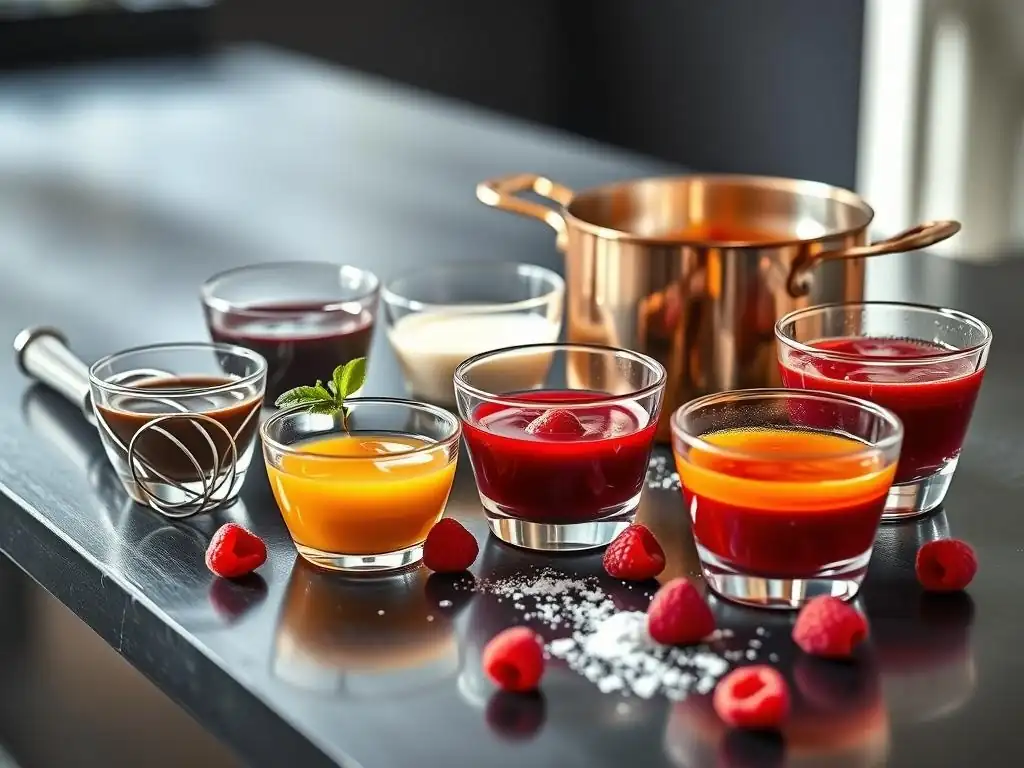
Infusing Flavors into Dessert Sauces
Elevate your elegant dessert sauce recipes beyond the basic by infusing them with aromatic flavors. This adds complexity and a unique touch to classic sauces.
Using Herbs, Spices, and Citrus Zest
Infusing flavors from herbs, spices, or citrus zest is a simple yet impactful technique. For sauces based on milk or cream (like crème anglaise or a cream base for caramel), you can gently heat the dairy with ingredients like a cinnamon stick, star anise, cardamom pods, fresh mint leaves, lavender buds, or citrus zest (ensure only the colored part, not the bitter white pith, is used). Let the mixture steep off the heat for 15-30 minutes to allow the flavors to infuse. Then, strain the dairy before proceeding with the sauce recipe.
For fruit coulis, citrus zest can be blended directly with the fruit, or spices like ginger or chili can be added in small amounts for a subtle kick. Chocolate sauces pair well with a surprising range of flavors; you can steep dried chilies or coffee beans in the cream before making the ganache, or whisk in finely minced fresh rosemary or thyme into the finished warm sauce and let it steep briefly before straining. The key is to infuse gently and strain thoroughly to maintain a smooth texture.
Incorporating Alcohol for Sophisticated Flavors
Alcohol can add depth and sophistication to elegant dessert sauce recipes. It can be added in small quantities to finished sauces or reduced first to mellow the alcohol bite and concentrate flavor. For instance, a splash of Grand Marnier or Cointreau is a classic addition to chocolate ganache, enhancing its richness. Bourbon or rum can be whisked into warm caramel sauce for a boozy kick. Kirsch works well with cherry coulis, and a fortified wine like Port or Madeira can be reduced into a syrup base for fruit or even chocolate sauces.
If adding alcohol to a warm sauce, be aware it might thin it slightly. If you want to reduce the alcohol content and intensify the flavor, you can simmer the alcohol in a small saucepan until it's reduced by half or more before adding it to your sauce. Add alcohol cautiously, tasting as you go, as too much can overpower the other flavors.
Emulsification: Creating Stable and Luxurious Sauces
Emulsification is a key principle behind many smooth and stable elegant dessert sauce recipes, particularly those containing both fat and water-based liquids that don't naturally mix. Understanding this process helps prevent sauces from separating.
Understanding Emulsification Principles
An emulsion is a stable mixture of two liquids that don't typically mix, like oil and water. This stability is achieved by breaking one liquid into tiny droplets dispersed throughout the other, often with the help of an emulsifier. In dessert sauces, common emulsifiers include lecithin found naturally in egg yolks (as in crème anglaise) or the fat molecules in chocolate and cream (as in ganache). Gentle, consistent whisking helps create and maintain this dispersion of fat droplets within the liquid phase.
When an emulsion breaks, the fat and liquid separate, resulting in a greasy or oily sauce. This can happen if the temperature is too high or too low, if ingredients are added too quickly, or if there isn't enough emulsifier relative to the liquids. Recognizing a broken emulsion is the first step to fixing it, which often involves re-emulsifying by slowly whisking in a small amount of warm liquid or an emulsifying agent.
Emulsifying Butter into Dessert Sauces
Incorporating butter into warm sauces, often at the end of cooking, is a common technique to add richness, gloss, and smoothness. This is a form of emulsification. In classic French cooking, this technique is called "monter au beurre," which involves whisking cold, cubed butter into a warm sauce off the heat. The cold butter melts slowly, and the action of whisking helps emulsify the fat into the sauce, creating a velvety texture and a beautiful sheen without making it greasy.
For dessert sauces like caramel or some fruit reductions, softened or cold butter can be whisked in after the main cooking is done. The key is to whisk continuously as the butter melts and incorporates. If the sauce is too hot, the butter fat might just melt and sit on top. If it's too cool, the butter won't fully incorporate. Finding the right temperature and whisking technique is essential for a stable, buttery finish.
Thickening Dessert Sauces: Achieving the Right Consistency
The consistency of an elegant dessert sauce is crucial for both plating and how it interacts with the dessert. Sauces can be thickened in several ways, depending on the desired result.
Using Cornstarch, Arrowroot, or Reduction
Common thickeners for dessert sauces include starches like cornstarch or arrowroot. Cornstarch is a popular choice and provides a clear, glossy finish. To use it, create a slurry by mixing cornstarch with an equal part of cold liquid (water, juice, milk) until smooth. Whisk this slurry into your simmering sauce and cook gently for a minute or two until thickened. Cornstarch thickens as it heats, reaching its full potential near boiling (around 200°F / 93°C).
Arrowroot is another starch thickener that creates a very clear sauce and is good for fruit-based coulis or sauces that won't be boiled vigorously, as excessive heat can break it down. Like cornstarch, it's used as a slurry but is typically added towards the end of cooking off the heat or over very low heat, as it thickens at a lower temperature (around 140°F / 60°C).
Reduction is a technique where the sauce is simmered gently to evaporate excess liquid, concentrating flavors and naturally thickening the sauce. This method is excellent for fruit purees or wine-based sauces and yields a very flavorful, albeit sometimes less predictable, consistency.
Avoiding Lumps and Over-Thickening
Preventing lumps when using starch thickeners is key. Always make a smooth, lump-free slurry before adding it to the hot sauce. Add the slurry gradually while whisking the hot sauce constantly to ensure it incorporates evenly. If using reduction, simply simmer the sauce uncovered until it reaches the desired consistency. Remember that many sauces, especially those thickened with starch or containing high amounts of gelatin (like in fruit pulp), will continue to thicken as they cool.
To avoid over-thickening, add thickeners incrementally. For starch slurries, start with a smaller amount than you think you need, whisk it in, let it cook for a minute, and check the consistency. If it's still too thin, add a little more slurry. For reduction, periodically check the consistency by dipping a spoon and seeing how it coats the back. If a sauce does become too thick, you can often thin it by whisking in a small amount of warm liquid (milk, cream, water, or juice) until the desired consistency is reached.
Plating Techniques with Dessert Sauces & Coulis
Creating Visually Stunning Dessert Presentations
Elegant dessert sauce recipes are not just about taste and texture; they are fundamental to creating visually stunning plated desserts. The way a sauce is applied can transform a simple dessert into a work of art. Thinking about color, contrast, and negative space on the plate is essential.
Consider the plate as your canvas. A white plate often makes vibrant sauces and coulis pop. Decide whether the sauce will serve as a base, a swirl around the dessert, or decorative elements on the plate. The consistency of the sauce is crucial here; a thick sauce is good for dots or spreading, while a thinner sauce is better for drizzles or pools. Planning the sauce placement before putting the main dessert elements down is often helpful.
Sauce Placement: Swirls, Dots, and Drizzles
There are numerous techniques for applying sauces to create elegant presentations.
- Pooling: Pouring a circle or irregular shape of sauce directly onto the plate before placing the dessert on top or slightly off-center. This creates a base layer of flavor and color.
- Swirling: Pouring a small amount of sauce and then using the back of a spoon to spread or drag it across the plate in a sweeping or circular motion. A teardrop or comma shape is achieved by placing the spoon in the sauce and pulling it outwards.
- Dots: Using a squeeze bottle or spoon to place uniform dots of sauce around or on the dessert. Multiple colors or types of sauces can be used for visual interest.
- Drizzling: Letting the sauce fall from a spoon or squeeze bottle in thin streams over the dessert or plate. Random drizzles can add an artistic, abstract feel. Controlled straight lines or crosshatching can create a more structured look.
Using squeeze bottles with fine tips allows for precise lines and dots, while spoons are better for pools and swirls. Practice makes perfect when it comes to consistent placement and achieving clean lines or shapes.
Complementary Textures and Colors
The sauce should complement not only the flavor but also the texture and color of the main dessert components. A smooth, glossy chocolate sauce provides a textural contrast to a crisp tuile or crunchy crumble. A light, slightly textured raspberry coulis offers a refreshing counterpoint to a rich, creamy panna cotta.
Visually, use color to create impact. A bright red raspberry coulis stands out against a white vanilla dessert. A deep brown chocolate sauce contrasts beautifully with a light-colored cake or fruit. Consider using multiple sauces or coulis on one plate to add layers of color and flavor, such as a pool of vanilla bean sauce with swirls of raspberry coulis. The goal is to create a harmonious yet visually dynamic plate that enhances the overall dining experience, showcasing the elegance of your dessert sauce recipes.
Storing and Reheating Dessert Sauces
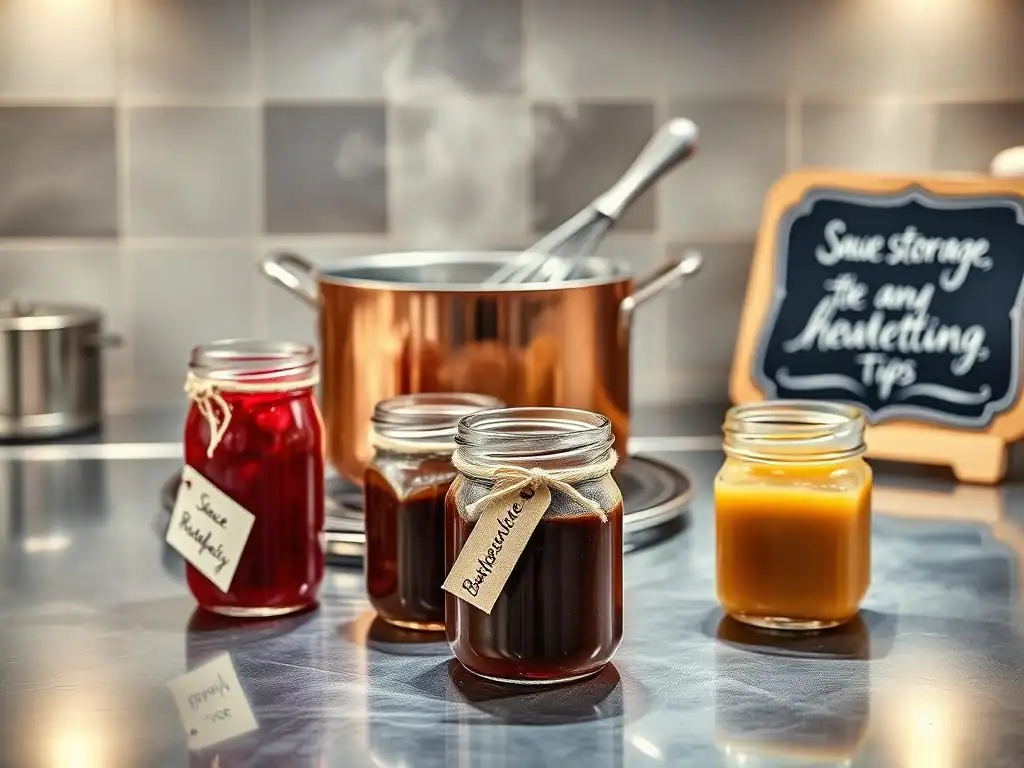
Proper Storage for Optimal Freshness
Proper storage is essential to maintain the quality, flavor, and texture of your elegant dessert sauces and coulis. Once cooled completely, sauces should be transferred to clean, airtight containers. Glass jars or plastic containers with tight-fitting lids are ideal. Ensure the container is appropriate for the volume of sauce to minimize air exposure.
Different types of sauces have varying shelf lives in the refrigerator. Crème anglaise, being custard-based with eggs and dairy, is the most perishable and should be used within 2-3 days. Fruit coulis typically last 3-5 days. Caramel sauce and chocolate ganache sauce tend to last longer, often up to 1-2 weeks due to their higher sugar and fat content, which acts as a preservative.
Always label your containers with the date the sauce was made. For longer storage, many sauces (especially fruit coulis and some caramels) can be frozen for several months in freezer-safe containers or bags. Thaw them in the refrigerator before reheating.
Gentle Reheating Methods to Maintain Quality
When it's time to use your stored elegant dessert sauces, gentle reheating is crucial to prevent separation, scorching, or changes in texture. Avoid high heat. The best method for most sauces (chocolate, caramel, vanilla bean) is to reheat them gently over a double boiler (a bowl set over a pot of simmering water). Stir frequently until the desired temperature and consistency are reached.
Alternatively, sauces can be reheated in a saucepan over very low heat, stirring constantly. Be extremely vigilant to prevent scorching the bottom, especially with caramel or chocolate. Microwaving is also an option, but use very low power settings (e.g., 30-50%) and reheat in short bursts (15-30 seconds), stirring thoroughly between each burst. This prevents overheating and potential separation. Fruit coulis can often be served chilled or at room temperature, but if reheating is desired, use gentle heat as well.
Troubleshooting Common Dessert Sauce Issues
Even experienced bakers encounter issues with elegant dessert sauces. Knowing how to troubleshoot common problems can save your sauce and your dessert.
Sauce Too Thick? Easy Fixes
If your sauce, particularly one thickened with starch or reduced, becomes too thick upon cooling or reheating, it's usually an easy fix. Simply whisk in a small amount of warm liquid. The type of liquid should match the sauce base: milk or cream for dairy-based sauces like ganache, caramel, or crème anglaise; water or fruit juice for fruit coulis.
Add the liquid a tablespoon at a time while gently whisking the sauce over low heat or in a double boiler. Continue adding liquid and stirring until the sauce reaches your desired pourable or drizzling consistency. Be patient and add gradually to avoid making it too thin.
Sauce Too Thin? Solutions for Perfect Consistency
A sauce that is too thin can be more challenging but is often fixable. For sauces that rely on reduction (like many fruit sauces or wine reductions), simply return the sauce to a clean saucepan and simmer gently uncovered. The liquid will evaporate, concentrating the flavors and thickening the sauce. Stir occasionally to prevent sticking.
For sauces like crème anglaise or fruit coulis where further reduction might alter the fresh flavor or risk curdling, a starch slurry (cornstarch or arrowroot mixed with cold liquid) can be used. Make a small slurry (start with 1 teaspoon starch + 1 teaspoon cold liquid), bring the thin sauce back to a gentle simmer (or just below for arrowroot), whisk in the slurry, and cook for a minute or two until thickened. Remember that sauces thickened with starch will thicken more as they cool.
Sauce Separating? Understanding Emulsification Issues
Separation, often seen as an oily layer or grainy texture, indicates a broken emulsion. This can happen with ganache, caramel, or sometimes even crème anglaise (though crème anglaise separation often looks more like curdling). Causes include overheating, cooling too quickly, or incorrect ratios.
For a separated chocolate ganache or caramel, try whisking in a tablespoon of warm milk or cream, very slowly, one teaspoon at a time, while gently whisking the sauce over a double boiler. The added liquid can sometimes help re-emulsify the fats. For crème anglaise that has slightly separated (short of full-blown scrambled eggs), straining it and gently reheating might help, or a quick pulse with an immersion blender might work for very minor separation, but it's not guaranteed. Prevention is key with emulsions: use the correct temperatures, whisk gently, and avoid drastic temperature changes.
Elegant Dessert Sauce Recipes: The BakeWithEase Conclusion
Elevate Your Baking with these Simple Techniques
Mastering the techniques for creating elegant dessert sauces and coulis is a rewarding step for any baker looking to enhance their repertoire. From the velvety richness of a classic chocolate ganache to the bright tang of a raspberry coulis and the creamy sophistication of a vanilla bean sauce, these liquid accompaniments transform ordinary desserts into extraordinary culinary experiences. We've explored essential tools, key ingredients, classic recipes, advanced flavor infusions and emulsification, and crucial troubleshooting tips.
By practicing these methods – achieving the perfect caramel color, tempering eggs gently, straining coulis for silkiness, or mastering sauce plating techniques – you gain the ability to add layers of flavor, texture, and visual appeal to everything you bake. These elegant dessert sauce recipes are not just additions; they are integral components that elevate the entire dish, demonstrating care and skill. We encourage you to experiment, find your favorites, and use these techniques to make your plated desserts truly unforgettable, bringing a touch of professional elegance to your BakeWithEase kitchen.
Frequently Asked Questions
What exactly is a dessert sauce or coulis, and what makes it "elegant"?
A dessert sauce or coulis is a sweetened sauce used to enhance desserts. "Elegant" refers to the refined flavor profiles and visually appealing textures that elevate the dessert experience.
What are some basic techniques for creating smooth and lump-free dessert sauces?
The keys are proper ingredient preparation, such as finely chopping fruit or using strained purees, and gradual heating while constantly stirring to prevent lumps from forming.
Can I use frozen fruit to make dessert sauces, and will it affect the final result?
Yes, you can use frozen fruit! However, be aware that it might release more liquid, so you may need to adjust the cooking time or add a thickener like cornstarch.
What are some common ingredients used to flavor dessert sauces beyond just sugar?
Common flavor enhancers include citrus zest or juice, vanilla extract, spices like cinnamon or nutmeg, and even a touch of liqueur or flavored extracts for an extra layer of complexity.
How can I properly store leftover dessert sauce to maintain its quality and flavor?
Store it in an airtight container in the refrigerator. Most dessert sauces will keep for 3-5 days. Ensure it's cooled completely before refrigerating.
Final Reflection: The Enduring Allure of the Elegant Dessert Sauce
The art of crafting an elegant dessert sauce is more than just a culinary skill; it's a testament to the power of thoughtful detail and the transformative effect of a perfectly balanced flavor profile. In a world increasingly focused on speed and convenience, taking the time to create a truly exceptional sauce elevates the simplest dessert into a memorable experience. This careful attention to detail, as explored throughout this article, remains strikingly relevant in today's culinary landscape, where authenticity and craftsmanship are increasingly valued.
The influence of elegant dessert sauces extends far beyond the individual plate; they represent a commitment to culinary artistry and a celebration of the sensory experience. They are the final flourish, the unexpected delight that lingers on the palate long after the last bite. As renowned chef Jacques Pépin once said, Cooking is at its best a form of love. When you cook for someone, you're giving them a piece of yourself.
This sentiment perfectly encapsulates the essence of creating a truly elegant sauce – it's an act of generosity, a sharing of passion and skill.
Now, consider the techniques and recipes explored within this article. Don't just passively read them; actively engage with them. Experiment with different flavor combinations, refine your techniques, and most importantly, allow yourself to be inspired. The journey of mastering the art of the elegant dessert sauce is a continuous one, filled with discovery and delight. Embrace the challenge, and you will find that the rewards – both in terms of culinary skill and the joy of sharing your creations – are immeasurable.
Unleash Your Inner Pastry Chef: Craft Exquisite Sauces!
Thanks for taking the time to explore the world of elegant dessert sauces and coulis with us! You've now unlocked the secrets to creating truly unforgettable flavor combinations. Ready to put your new skills to the test?
- Master your first signature sauce: Choose your favorite recipe from the article and create it today. Taste the difference fresh ingredients make!
- Share your culinary creation: Post a picture of your masterpiece on social media and tag us – we'd love to see what you've made! Use #BakeWithEaseSauces.
- Experiment with unexpected flavor pairings: Try combining ingredients you wouldn't normally think of – you might discover your next favorite sauce!
What unexpected flavor combination will you try first to elevate your dessert game?