
Beyond the Plate: Serving Elegant Desserts Effortlessly

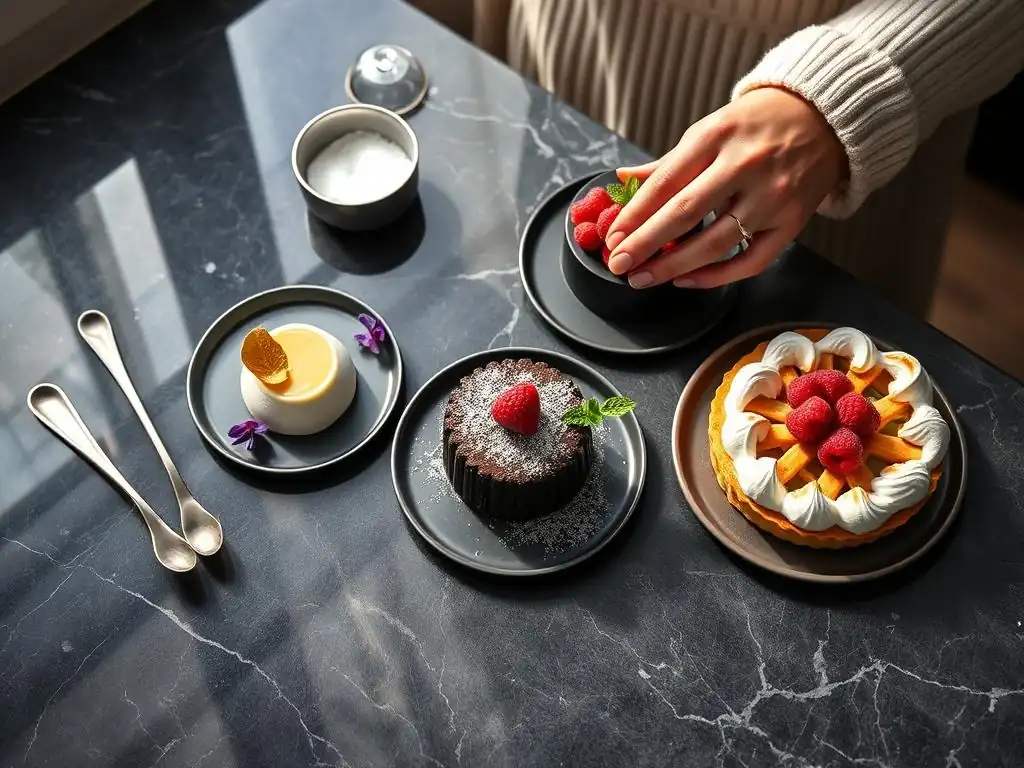
Welcome to BakeWithEase, your guide to creating unforgettable moments, one delicious dessert at a time! Ever wondered how to elevate your homemade treats from simple sweets to stunning presentations? This article dives deep into Elegant Desserts Serving Tips, unveiling secrets to transform your pastry creations into edible works of art. Prepare to impress your guests (and yourself!) with techniques that are both beautiful and surprisingly easy. Let's get started and discover the magic of presentation!
- Beyond the Plate: Serving Elegant Desserts Effortlessly - BakeWithEase
- Introduction: Elevating Your Dessert Presentation with BakeWithEase
- Key Elements of Elegant Dessert Serving
-
Elegant Desserts Serving Tips for Stunning Presentations
- Tip #1: The Power of Sauce: Adding Flavor and Visual Interest
- Tip #2: Garnishing Like a Pro: Elevating Your Dessert's Aesthetics
- Tip #3: The Art of Texture: Balancing Soft and Crunchy Elements
- Tip #4: Height and Dimension: Creating Visually Appealing Layers
- Tip #5: Simplicity is Key: Avoiding Overcrowding the Plate
- Simple Yet Elegant Dessert Ideas to Impress Your Guests
- Mastering Elegant Dessert Presentation: Common Mistakes to Avoid
- Advanced Techniques for Dessert Plating
- Conclusion: BakeWithEase and the Art of Elegant Dessert Serving
-
Frequently Asked Questions
- What are some simple ways to elevate the presentation of my desserts?
- How do I choose the right serving dishes for different types of desserts?
- What are some easy garnishes I can use to make my desserts look more sophisticated?
- How can I transport elegant desserts without ruining their presentation?
- What are some tips for serving desserts at a dinner party to create a memorable experience?
- Final Reflection: The Enduring Elegance of Effortless Dessert
- Unleash Your Inner Pastry Chef!
Beyond the Plate: Serving Elegant Desserts Effortlessly - BakeWithEase
Introduction: Elevating Your Dessert Presentation with BakeWithEase
Mastering the Art of Plated Desserts for Home Bakers
Transforming a delicious dessert into a visually stunning creation might seem like a skill reserved for professional pastry chefs. However, with a little guidance and practice, home bakers can absolutely master the art of plating to elevate their sweet treats. It's about understanding a few fundamental principles and applying simple techniques that make a significant difference in how your dessert is perceived and enjoyed. Think of it as framing your culinary artwork – the right presentation enhances the beauty and appeal of the dessert itself.
At BakeWithEase, our goal is to demystify baking and make it accessible and enjoyable for everyone. This extends beyond just mixing ingredients and baking; it includes presenting your finished product beautifully. Learning how to plate elegantly can turn a simple cookie or cake slice into a showstopper, perfect for impressing guests or simply adding a touch of personal flair to your everyday baking. It's a skill that builds confidence and creativity in the kitchen.
Why Dessert Presentation Matters: Creating a Memorable Experience
The visual appeal of food plays a crucial role in how we experience it. Before the first bite, our eyes are already assessing and anticipating the flavors. A beautifully plated dessert engages the senses immediately, building excitement and enhancing the overall enjoyment. It shows care, attention to detail, and effort, making the dining experience feel special and memorable for both the baker and the guest.
Consider the difference between a scoop of ice cream in a bowl versus the same ice cream served with a drizzle of sauce, a sprinkle of crumble, and a fresh berry on a carefully chosen plate. The latter feels more intentional, more sophisticated, and frankly, more delicious. Investing a little time in presentation elevates the perceived value of your dessert, turning a simple end to a meal into a highlight. Mastering these elegant desserts serving tips can truly set your baking apart.
Key Elements of Elegant Dessert Serving
Choosing the Right Dessert Plates for Visual Appeal
Selecting the appropriate plate is the foundation of elegant dessert serving. The plate acts as the canvas for your edible masterpiece. Consider the size; standard dessert plates typically range from 6 to 8 inches in diameter. Using a plate that is too large can make your dessert look sparse and lonely, while one that is too small can make it appear cluttered and overwhelming. A good rule of thumb is to leave some negative space around your dessert components.
The color and material of the plate also significantly impact the presentation. White plates are popular for their versatility, making vibrant colors pop and intricate details stand out. Darker plates, like slate or black, can create dramatic contrast, particularly with light-colored desserts or sauces. Textured or patterned plates can add interest but be mindful that they don't distract from the dessert itself. Ultimately, the plate should complement, not compete with, your creation.
Selecting the Perfect Dessert Components: Texture, Flavor, and Color
An elegant dessert is a symphony of elements working together harmoniously. When planning your dessert, think beyond just the main component (like a cake or tart). Consider how different textures will interact – the crunch of a crumble against the creaminess of a mousse, or the crispness of a tuile complementing a soft ganache. Aim for at least two contrasting textures on the plate.
Flavor balance is equally critical. Pair sweet elements with something tart (like a berry coulis with chocolate), bitter (a coffee element with caramel), or salty (a pinch of sea salt on caramel). Color is your visual palette; use naturally vibrant ingredients like fresh berries, edible flowers, or colorful sauces to add life to the plate. A monochromatic dessert can be elegant, but often a pop of contrasting color provides visual interest and hints at flavor pairings.
Essential Tools for Elegant Plating: Creating a Professional Finish
While you don't need a professional kitchen's worth of gadgets, a few key tools can significantly improve your plating precision. Squeeze bottles are invaluable for controlled sauce application, allowing you to create dots, lines, or swirls with ease. Offset spatulas, both large and small, are perfect for spreading sauces smoothly, lifting delicate components, and cleaning plate edges.
Fine-tipped tweezers are surprisingly useful for placing small garnishes like microgreens, edible flowers, or delicate sugar work precisely where you want them. A pastry bag with various tips can be used for piping creams, mousses, or meringues neatly. Lastly, a clean cloth or paper towel is essential for wiping any drips or smudges from the plate edge before serving, ensuring a clean and professional look.
Elegant Desserts Serving Tips for Stunning Presentations
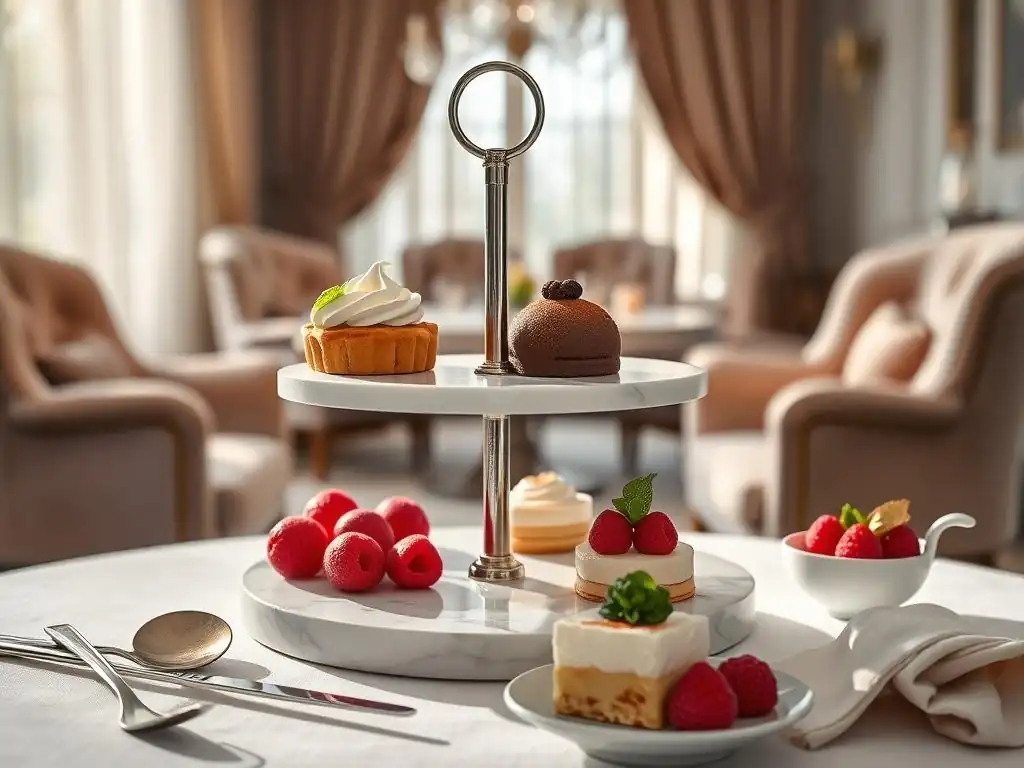
Tip #1: The Power of Sauce: Adding Flavor and Visual Interest
Sauces are perhaps one of the easiest yet most impactful ways to elevate your dessert presentation. They add moisture, flavor, and a vibrant splash of color to the plate. A simple coulis made from fresh berries can transform a slice of cheesecake, while a rich chocolate ganache or a salted caramel sauce can add decadence to almost any dessert. The key is controlled application – a little goes a long way in adding visual appeal without drowning the dessert.
Think about the flavor profile of your dessert and choose a sauce that complements it. For instance, a lemon tart pairs wonderfully with a raspberry coulis for a sweet-tart contrast, or a chocolate cake with a coffee or caramel sauce. Preparing sauces ahead of time simplifies the plating process on serving day. These elegant desserts serving tips often start with mastering fundamental components like sauces.
Creating Delicious Dessert Sauces from Scratch
Making dessert sauces from scratch allows you to control the flavor, sweetness, and consistency. A basic fruit coulis involves simmering fruit (like 2 cups of berries) with a small amount of sugar (perhaps 1/4 cup, adjusted to taste) and a splash of lemon juice until softened, then pureeing and straining for a smooth texture. A simple ganache is made by pouring hot cream (say, 1/2 cup) over chopped chocolate (about 4 oz) and stirring until smooth.
Caramel sauce requires cooking sugar until it caramelizes, then carefully whisking in butter and cream. The consistency is key for plating; you want a sauce that is pourable but not too thin, thick enough to hold its shape somewhat but not gloopy. Practice makes perfect, and having a few go-to sauce recipes in your repertoire will significantly enhance your elegant desserts serving tips.
Sauce Placement Techniques for Maximum Impact
How you place the sauce on the plate is as important as the sauce itself. A simple and elegant technique is a swipe or smear across the plate using the back of a spoon or an offset spatula. Another common method is creating dots or pools of sauce around or beneath the main dessert component using a squeeze bottle. You can also create concentric circles or more intricate patterns.
Consider the movement you want to create on the plate. A swipe leads the eye across the dessert, while strategically placed dots can frame it or add pops of color. Don't be afraid to experiment with different techniques. Remember to leave ample negative space on the plate; the sauce should enhance the dessert, not dominate the entire surface.
Tip #2: Garnishing Like a Pro: Elevating Your Dessert's Aesthetics
Garnishes are the finishing touches that add sophistication and visual interest to your plated dessert. They provide pops of color, texture, and sometimes, a hint of complementary flavor. However, the key to elegant garnishing is restraint. An overcrowded plate with too many garnishes looks messy and detracts from the main event.
Think of garnishes as jewelry for your dessert – they should enhance its beauty without overwhelming it. The best garnishes are fresh, relevant to the dessert's flavor profile, and add something visually or texturally. Mastering these elegant desserts serving tips involves understanding how to use garnishes strategically.
Selecting the Right Garnishes: Fruits, Herbs, and Chocolate
Fresh fruits, especially berries, are classic garnishes for their vibrant color and natural sweetness or tartness. A single perfect raspberry or a few slices of strawberry can brighten a plate. Fresh herbs like mint or basil can add a surprising burst of freshness and a beautiful green contrast, particularly with fruit-based desserts.
Chocolate can be used in various forms: elegant curls shaved from a chocolate bar, delicate tempered chocolate shards, or simple chocolate shavings. Edible flowers add a touch of delicate beauty. Consider adding a textural garnish like a sprinkle of toasted nuts, granola, or a delicate cookie crumb to provide crunch. The garnish should ideally offer a hint of the flavors found within the dessert or a complementary one.
Garnishing Techniques: From Simple to Sophisticated
Simple garnishing techniques include placing a few berries artfully around the dessert, scattering a sprinkle of crumble, or leaning a delicate cookie against a mousse or cake. For a slightly more sophisticated look, you can create chocolate curls using a vegetable peeler on the side of a chocolate bar or temper chocolate to create shards or piped designs.
Piping small rosettes of cream or meringue adds height and elegance. Dusting with powdered sugar or cocoa powder through a stencil can create intricate patterns on the plate or directly on the dessert surface. Remember to place garnishes with precision, using tweezers if needed, and ensure they look intentional, not randomly scattered.
Tip #3: The Art of Texture: Balancing Soft and Crunchy Elements
One of the most satisfying aspects of a great dessert is the interplay of textures. A dessert that is uniformly soft or uniformly crunchy can be monotonous. Pairing contrasting textures creates interest and makes each bite more exciting. This balance is a core component of elegant desserts serving tips.
Aim to include at least two distinct textures on your plate. If your main dessert is soft and creamy, like a panna cotta or mousse, introduce a crunchy element. If it's something with more structure, like a tart or cake, add something smooth and yielding.
Incorporating Textural Contrast in Your Desserts
Consider adding a layer of crunch to a soft dessert with elements like a brittle shard, a sprinkle of toasted nuts or seeds, a cookie crumb base, or a delicate tuile cookie. Conversely, if your dessert has a firm texture, like a dense cake or tart, accompany it with a smooth element like a fruit puree, a dollop of whipped cream, or a rich ganache.
Even within a single component, you can layer textures. For example, a parfait can layer creamy yogurt or mousse with crunchy granola and soft fruit. A chocolate lava cake, soft and molten inside, is often paired with a scoop of ice cream (creamy) and maybe a few roasted nuts (crunchy).
Achieving Perfect Texture Combinations
Achieving perfect texture combinations involves careful planning during the recipe development or selection stage. If you're adapting a recipe, think about what textures are present and what could be added. For instance, if making a simple chocolate pudding, consider serving it with a side of crisp shortbread cookies or a sprinkle of cocoa nibs for crunch.
When plating, ensure the textures remain distinct until the moment of serving. For example, keep crunchy elements like crumbles or brittle separate until just before plating to prevent them from becoming soggy from moist components like sauces or creams. This attention to detail ensures that the intended textural contrast is enjoyed by the diner.
Tip #4: Height and Dimension: Creating Visually Appealing Layers
Flat desserts can sometimes look uninteresting. Adding height and dimension to your plating creates visual interest and makes the dessert appear more dynamic and professional. Think vertically as well as horizontally on the plate. This focus on dimension is vital for achieving elegant desserts serving tips that truly impress.
Even simple desserts can be given height. A slice of cake can be served standing up or layered with cream. Mousse can be piped into elegant shapes. Utilizing different components to build upward transforms a flat presentation into a captivating structure.
Techniques for Adding Height to Your Dessert Presentation
One common technique is stacking components. A simple stack of pancakes or cookies can be elevated with cream or fruit between layers. Mousse or panna cotta can be set in individual glasses or molds that naturally provide height. Piping whipped cream, meringue, or mousse onto the dessert adds volume and shape.
Leaning elements against the main dessert, such as a chocolate shard, a cookie, or a piece of brittle, also adds vertical lines and dimension. Consider using molds or ring cutters to shape components cleanly, making them easier to stack or arrange with structure.
Building Layered Desserts for a Stunning Effect
Layered desserts, like parfaits or trifles, are inherently dimensional and visually appealing. They allow you to showcase different colors, textures, and components in clear layers. Building these in transparent glasses or dishes enhances their visual impact.
When building layers on a plate, consider using a ring mold to keep components contained and structured while you build upward with alternating textures and flavors. Once the structure is complete, the mold can be carefully lifted away, leaving a clean, layered tower. Practice with different consistencies to ensure your layers hold their shape.
Tip #5: Simplicity is Key: Avoiding Overcrowding the Plate
While adding sauces, garnishes, and height is important, the most crucial elegant desserts serving tip is often restraint. An overcrowded plate looks chaotic and unprofessional. There should be enough space around the dessert components for the eye to rest – this is known as negative space.
Think of the plate as a frame. The negative space around the dessert helps to highlight the beauty and arrangement of the elements within the frame. A minimalist approach can often be the most elegant, focusing on perfect execution of just a few components rather than piling on everything you can think of.
Understanding Negative Space in Dessert Plating
Negative space is the empty area on the plate. It's not just blank space; it's an active part of the composition. It gives the dessert room to "breathe" and allows the viewer's eye to focus on the artful arrangement of the components. A plate with sufficient negative space feels balanced and sophisticated.
Aim to place your dessert and its accompanying elements towards one side or slightly off-center, rather than directly in the middle. This asymmetrical placement often feels more dynamic and allows for intentional use of negative space. Avoid filling the entire plate from edge to edge.
The Power of Minimalist Dessert Presentation
Sometimes, the most elegant presentation is the simplest. A single, perfectly formed dessert item placed on a clean plate with just one or two complementary elements – a delicate sauce swipe and a single garnish, for example – can be incredibly impactful. This minimalist approach requires confidence in the quality and appearance of the dessert itself.
A single scoop of vibrant sorbet in a beautiful bowl, a perfectly formed chocolate truffle on a small plate, or a simple slice of cake with a dusting of powdered sugar can be profoundly elegant if executed flawlessly. Focus on the quality of the dessert and the precision of the few elements you choose to include.
Simple Yet Elegant Dessert Ideas to Impress Your Guests
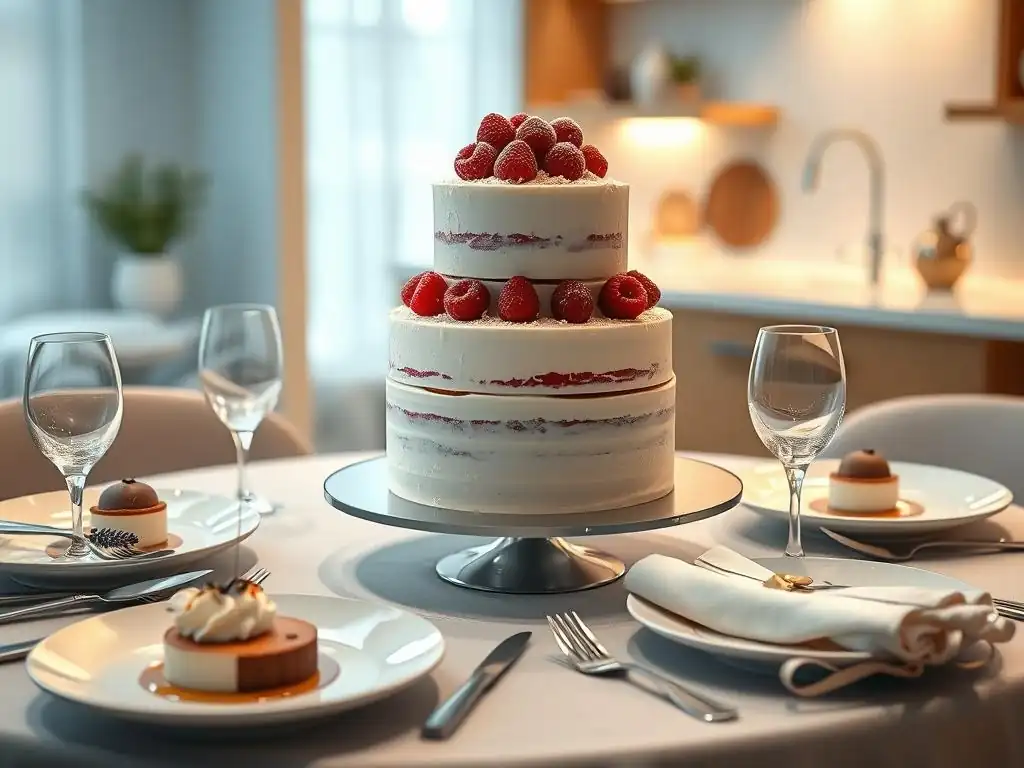
Chocolate Lava Cake with Raspberry Coulis: Warm Indulgence with a Tangy Accent
This classic dessert is inherently elegant due to its dramatic molten center. The deep, rich chocolate flavor is intensely satisfying. Serving it warm enhances the "lava" effect.
Pairing the warm chocolate with a vibrant, slightly tart raspberry coulis provides a beautiful color contrast (dark brown and bright red) and a refreshing flavor balance that cuts through the richness of the chocolate. A simple dusting of powdered sugar or a fresh mint leaf can complete this elegant presentation.
Lemon Tart with Meringue Swirls: A Zesty Delight with a Light and Airy Finish
A lemon tart offers a bright, zesty flavor profile and a smooth, creamy texture. The golden-yellow filling is visually appealing on its own.
Adding swirls of toasted meringue on top provides a beautiful contrast in both color (light brown/white against yellow) and texture (light, airy, and slightly crisp against smooth). The torched meringue also adds a subtle caramelized flavor note. Serve on a simple white plate to let the colors shine.
Berry Parfait with Almond Crumble: Layers of Freshness and Crunchy Texture
Parfaits are naturally elegant when served in clear glasses, showcasing the beautiful layers. This dessert combines fresh, vibrant fruit with creamy elements and a crunchy topping.
Layering mixed berries (strawberries, blueberries, raspberries) with yogurt, whipped cream, or a light mousse creates stunning color variations. Adding an almond crumble between layers and on top provides a delightful crunch that contrasts with the softness of the fruit and cream, resulting in a refreshing and visually appealing dessert.
Mastering Elegant Dessert Presentation: Common Mistakes to Avoid
Overdoing the Garnish: Less is Often More
A common mistake when trying to create elegant desserts is adding too many garnishes. While garnishes enhance the presentation, an excessive amount can make the plate look cluttered and distract from the dessert itself.
Instead of using five different types of garnishes, choose one or two that truly complement the dessert's flavor and appearance. For instance, a drizzle of sauce and a single, perfectly placed berry is often more impactful than a scatter of nuts, chocolate shavings, whipped cream dollops, and fruit all at once. Focus on quality and intentional placement over quantity.
Ignoring Flavor Pairings: Ensuring a Harmonious Taste Experience
Presentation should enhance the eating experience, not just be about looks. Using garnishes or sauces that clash with the dessert's flavor profile is a significant error. For example, pairing a delicate vanilla panna cotta with a heavy, savory balsamic glaze might look interesting but could create an unpleasant flavor combination.
Always consider how the added elements will taste with the main dessert. The visual elements – colors, textures, shapes – should ideally provide clues about the flavors the diner is about to experience. Ensure that every component on the plate serves a purpose, both visually and gastronomically.
Using the Wrong Plate Size: Creating a Balanced Composition
As mentioned earlier, the plate size is crucial for creating a balanced composition. Using a plate that is too large can make a modest dessert look insignificant, like a tiny island in a vast ocean. This dilutes the visual impact and elegance.
Conversely, cramming a large dessert onto a small plate makes it look messy and unrefined, leaving no room for artful arrangement of sauces or garnishes, and eliminating valuable negative space. Take a moment to select a plate size that allows your dessert and its accompanying elements to be the focal point while still providing ample breathing room around them.
Advanced Techniques for Dessert Plating
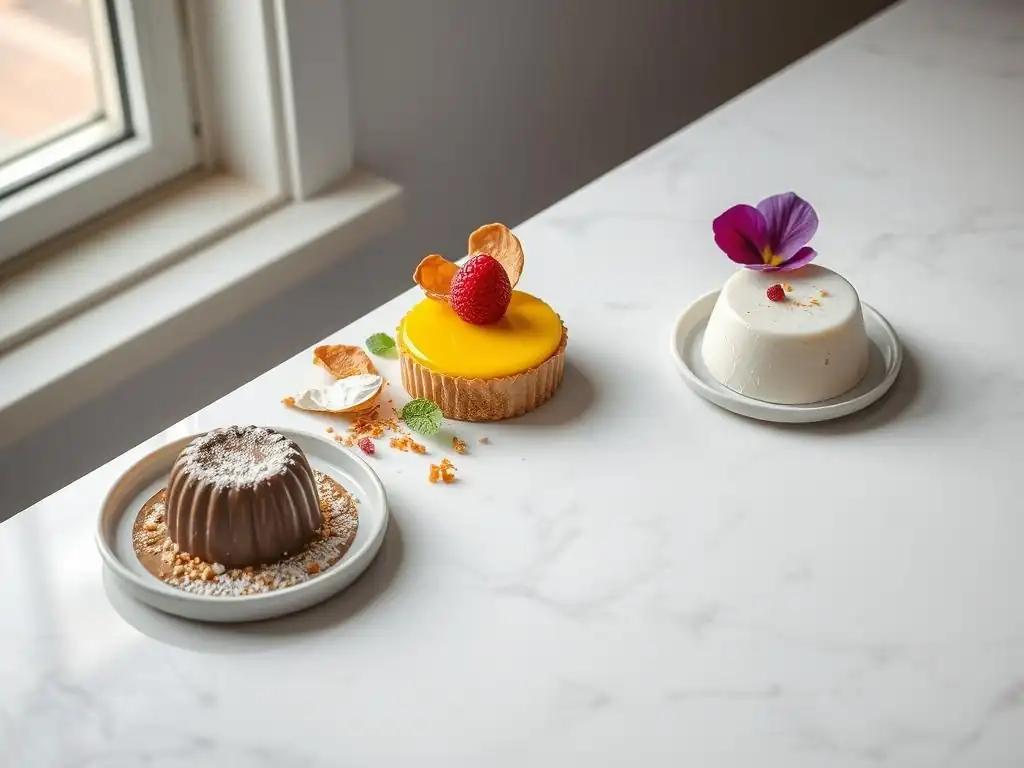
Working with Stencils for Intricate Designs
Stencils offer a way to add intricate and professional-looking patterns using powdered sugar, cocoa powder, or edible glitter. You can place a stencil directly on the plate and dust over it to create a design as a base for your dessert, or place it on top of a finished dessert like a cake or tart to add a pattern to its surface.
Choose food-safe stencils in patterns that complement your dessert's theme or shape. Hold the stencil firmly in place and use a fine-mesh sieve or shaker to lightly and evenly apply the powder. Carefully lift the stencil straight up to reveal the design. Practice on a spare plate first to get the technique right.
Creating Sugar Decorations for a Touch of Elegance
Pulled or blown sugar, isomalt decorations, or spun sugar nests can add a breathtaking touch of elegance and artistry to a dessert plate. These techniques require practice and caution (working with very hot sugar), but the results can be stunning, adding height, shine, and delicate structure.
Spun sugar involves drizzling fine threads of caramelized sugar to create a delicate, airy nest. Isomalt can be melted, colored, and molded or pulled into various shapes like shards, spheres, or intricate sculptures. These decorations are often very fragile and should be added to the plate just before serving.
Utilizing Edible Flowers for Natural Beauty
Edible flowers add a delicate, natural beauty and a pop of color to dessert plating. Varieties like violas, pansies, nasturtiums, or borage have subtle flavors that don't overpower the dessert. They bring a touch of freshness and sophistication.
Ensure you are using flowers specifically grown to be edible and are free from pesticides. Use them sparingly – a single perfect blossom or a few small petals strategically placed can elevate the presentation significantly. They work particularly well with light, fresh, or floral-flavored desserts.
Conclusion: BakeWithEase and the Art of Elegant Dessert Serving
Transforming Simple Desserts into Culinary Masterpieces
Learning elegant desserts serving tips is a rewarding journey that allows you to transform even simple baked goods into stunning culinary experiences. It's about paying attention to detail, understanding basic design principles, and practicing techniques like strategic saucing, thoughtful garnishing, balancing textures, and adding dimension. At BakeWithEase, we believe anyone can achieve beautiful results with the right guidance.
By focusing on quality ingredients and applying these presentation techniques, you elevate your baking from delicious to unforgettable. These skills build confidence in the kitchen and allow you to express your creativity in new ways. Sharing a beautifully plated dessert with friends and family adds an extra layer of joy to the experience.
Resources for Further Exploration in Dessert Plating Techniques
To continue honing your elegant desserts serving tips, explore online tutorials and videos specifically focused on plating techniques. Look for examples from professional pastry chefs to inspire you. Experiment with different sauces, garnishes, and plating arrangements with desserts you bake from BakeWithEase recipes. Keep practicing, and soon you'll find yourself instinctively knowing how to make every dessert look as incredible as it tastes. The journey of mastering elegant dessert presentation is an ongoing one, full of delicious possibilities.
Frequently Asked Questions
What are some simple ways to elevate the presentation of my desserts?
Elevate dessert presentation by focusing on plating techniques, using garnishes like fresh fruit or chocolate shavings, and choosing elegant serving ware.
How do I choose the right serving dishes for different types of desserts?
Consider the dessert's texture and temperature. Use chilled plates for cold desserts and footed bowls for layered creations. White or neutral colored dishes showcase the dessert best.
What are some easy garnishes I can use to make my desserts look more sophisticated?
Fresh berries, a dusting of powdered sugar, a drizzle of chocolate sauce, or a sprig of mint are easy and elegant garnishes. Consider edible flowers for a special touch.
How can I transport elegant desserts without ruining their presentation?
Use containers with secure lids and compartments to prevent movement. For delicate items, consider using individual boxes or cupcake carriers.
What are some tips for serving desserts at a dinner party to create a memorable experience?
Dim the lights, offer a dessert wine pairing, and present the dessert with a short, engaging description. Consider a personalized touch like a small handwritten note.
Final Reflection: The Enduring Elegance of Effortless Dessert
The art of elegant dessert presentation isn't about complexity; it's about thoughtful intention. In a world increasingly focused on instant gratification, the ability to create a visually stunning and delicious dessert with ease remains a powerful skill, impacting everything from intimate gatherings to grand celebrations. This simple act of thoughtful presentation elevates the entire dining experience, transforming a meal into a truly memorable occasion.
The pursuit of effortless elegance in dessert-making reflects a broader cultural shift towards mindful consumption and appreciation for the details. We're moving beyond the mere satisfaction of hunger to a deeper engagement with the sensory experience of food. This resonates deeply with me, as I've witnessed firsthand how a beautifully presented dessert can spark joy and conversation, fostering connection and creating lasting memories. The details are not the details. They make the design.
- Charles Eames. This quote perfectly encapsulates the essence of elegant dessert presentation: it's in the careful consideration of every element, from the plating to the garnish, that true artistry emerges.
Now, I invite you to consider your own approach to dessert. Don't be intimidated by the perceived complexity; instead, embrace the power of simplicity and intention. Experiment with different plating techniques, explore the beauty of fresh, seasonal ingredients, and most importantly, allow yourself to enjoy the process. The next time you serve dessert, remember that elegance isn't about extravagance, but about thoughtful presentation and the joy it brings. Let your desserts tell a story, and let that story be one of effortless grace and delicious delight.
Unleash Your Inner Pastry Chef!
Thanks for joining us on this delicious journey into elegant dessert creation! We hope you've discovered some new techniques and inspiration to elevate your baking game. Ready to put your newfound skills to the test?
- Master a new dessert: Choose one recipe from the article and try it out this week. Share your baking triumph (or hilarious mishap!) on social media using #BakeWithEase!
- Explore our recipe archive: Dive deeper into our collection of easy-to-follow recipes and discover more delightful dessert possibilities.
- Challenge yourself: Adapt one of the featured recipes by substituting an ingredient or adding a unique twist. Show us your creative flair!
What incredible dessert creation will you bake next?