
Simple Plated Cheesecake: Elevating a Favorite

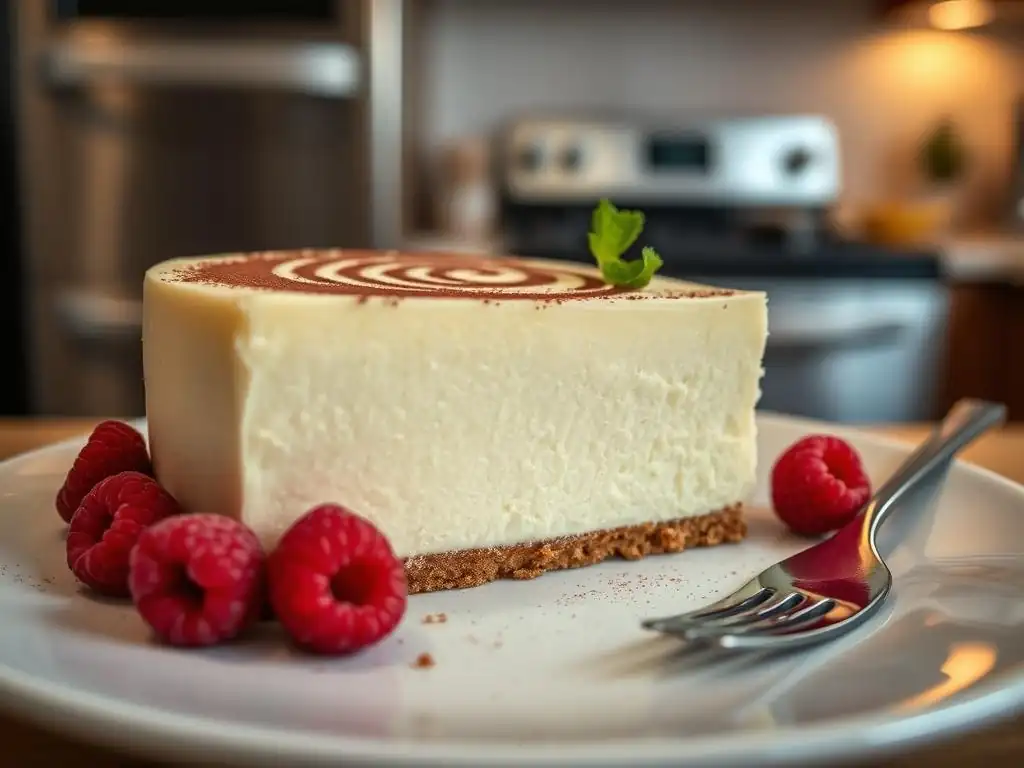
Welcome to BakeWithEase, where baking becomes a joy, not a chore! Ever dreamed of creating a restaurant-worthy dessert at home? Our latest guide reveals the secrets to an easy plated cheesecake recipe, turning a simple favorite into an elegant masterpiece. Prepare to impress – let's unlock the art of effortless baking together!
- Classic New York Cheesecake: A Plated Dessert
- Introduction to Elegant Cheesecake Plating
- The Foundation: Baking a Perfect New York Cheesecake
- Plating Techniques for a Sophisticated Dessert
- Advanced Plating: Elevating the Cheesecake Experience
- Tips for Success: Achieving a Flawless Presentation
- Cheesecake Variations: Expanding Your Dessert Options
- Conclusion: Mastering the Art of Plated Cheesecake
-
Frequently Asked Questions
- What exactly is a "plated" cheesecake, and how does it differ from a regular cheesecake?
- Is the "Simple Plated Cheesecake" recipe on BakeWithEase suitable for beginner bakers?
- What are some key tips for achieving a smooth and creamy cheesecake filling, as highlighted in the recipe?
- What kind of garnishes and sauces are recommended for enhancing the plated cheesecake presentation?
- Can the plated cheesecake components be prepared in advance for easier assembly later?
- Final Reflection: The Enduring Allure of Simple Elegance
- Unlock Your Inner Cheesecake Master!
Classic New York Cheesecake: A Plated Dessert
Introduction to Elegant Cheesecake Plating
Plating a dessert is like dressing it up for a special occasion. While a classic New York cheesecake is undeniably delicious on its own, presenting it with thoughtful touches transforms it from a simple slice into an elegant culinary experience. This guide will walk you through the steps to elevate your cheesecake, making it visually stunning and even more delightful to eat. Whether you're working with an easy plated cheesecake recipe or a complex family favorite, the principles of presentation remain key.
Elevating your cheesecake presentation isn't just about making it look pretty; it enhances the entire dessert experience. A well-plated dessert engages multiple senses – sight, smell, and anticipation – before the first bite. It allows you to control the flavor profile by adding complementary sauces and textures, offering guests a multi-dimensional taste sensation. Mastering these techniques means you can take even a straightforward cheesecake and turn it into a showstopper worthy of a fine dining table.
Mastering Cheesecake Presentation: A Chef's Guide
Chefs understand that the plate is a canvas, and every element placed upon it tells a story. For cheesecake, this means considering composition, color, texture, and negative space. A common approach is to place the cheesecake slice slightly off-center, creating visual interest and leaving room for accompanying elements like sauces and garnishes. Professional kitchens often use squeeze bottles for precise sauce application, creating swirls, dots, or clean lines that guide the eye across the plate. A simple swipe of sauce across the plate before placing the cheesecake can also add a touch of sophistication.
Achieving a professional look involves attention to detail, even when starting with an easy plated cheesecake recipe. For instance, ensuring clean edges on your cheesecake slice is paramount; using a sharp knife dipped in hot water between cuts helps achieve this. Thinking about height is another trick; leaning the slice slightly or stacking elements can add dimension.
Consider the rule of odds – arranging garnishes in groups of three or five can be more visually appealing than even numbers. Remember, the goal is balance – the additions should complement, not overwhelm, the star of the show: the creamy cheesecake itself.
The Foundation: Baking a Perfect New York Cheesecake
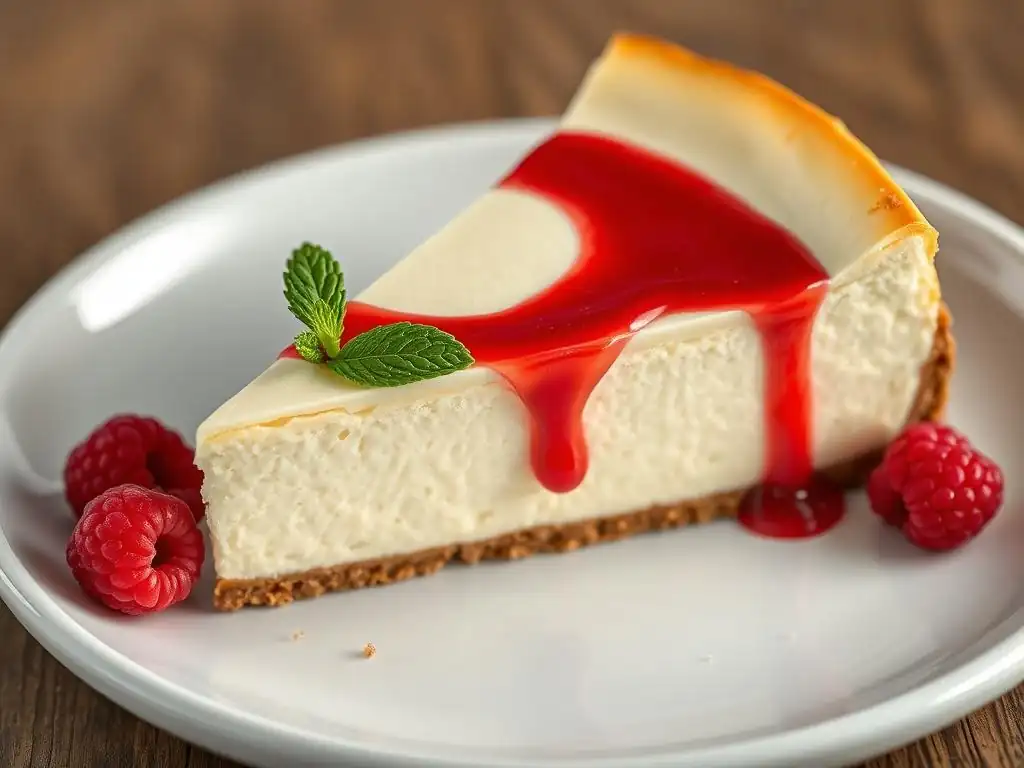
Before you can plate an elegant dessert, you need a beautifully baked cheesecake as your base. A classic New York cheesecake is known for its dense, smooth, and creamy texture, achieved through specific ingredients and baking methods. Getting this foundation right is crucial, as cracks, uneven textures, or a soggy crust can detract from even the most exquisite plating.
Essential Ingredients for Authentic New York Cheesecake
The heart of an authentic New York cheesecake lies in high-quality, full-fat cream cheese. Typically, a standard recipe for a 9-inch cheesecake uses about 32 ounces of cream cheese. It's essential that the cream cheese is softened to room temperature; this helps prevent lumps and ensures a smooth, uniform batter. Using cold cream cheese is a common pitfall that results in a less desirable texture.
Beyond cream cheese, other key ingredients play vital roles. Granulated sugar provides sweetness and contributes to the texture. Eggs, usually around 4-5 large ones for a 9-inch cake, bind the mixture and provide richness; like cream cheese, they should be at room temperature. Sour cream or heavy cream, often about 1/2 to 1 cup, adds moisture and a slight tang, enhancing the classic flavor profile and contributing to that signature creaminess. A touch of vanilla extract (around 1-2 teaspoons) is essential for flavor.
Baking Instructions: Achieving a Smooth and Creamy Texture
Achieving that signature smooth and creamy texture without cracks is the mark of a well-baked New York cheesecake. The most recommended method involves using a water bath (bain-marie). This technique surrounds the cheesecake pan with hot water during baking, creating a humid environment that helps the cheesecake cook gently and evenly. The steam prevents the top from drying out and cracking prematurely, while the consistent temperature ensures the center cooks through without curdling the edges.
The baking time and temperature are also critical. A common temperature is around 325°F (160°C). Baking too hot can cause the cheesecake to rise too quickly and then fall, leading to cracks and a less dense texture.
The total baking time for a 9-inch cake can range from 60 to 75 minutes, sometimes longer, depending on your oven. The cheesecake is done when the edges are set but the center still has a slight wobble – it will continue to cook and firm up as it cools. Overbaking is a common mistake that results in a dry, crumbly texture instead of smooth creaminess.
Preparing the Graham Cracker Crust
The graham cracker crust provides a pleasant textural contrast to the smooth filling. To make it, combine finely crushed graham cracker crumbs (typically about 1 ½ cups) with melted butter (around 6-8 tablespoons) and a tablespoon or two of sugar. Press this mixture firmly into the bottom and slightly up the sides of a greased springform pan. Baking the crust for about 8-10 minutes at 350°F (175°C) before adding the filling helps it set and prevents it from becoming soggy from the moisture in the cheesecake batter.
Crafting the Cream Cheese Filling
Making the filling is straightforward, but technique is important. Start by beating the softened cream cheese on medium speed until it is completely smooth and free of lumps – this might take several minutes. Gradually add the sugar, scraping down the sides of the bowl frequently. Beat in the sour cream or heavy cream and vanilla. Finally, add the room-temperature eggs one at a time, mixing on low speed just until each egg is incorporated. Overmixing after adding the eggs can incorporate too much air, which can lead to cracks during baking.
Baking and Cooling for Optimal Texture
Once the filling is ready, pour it over the pre-baked crust in the springform pan. Prepare your water bath by placing the springform pan inside a larger pan (like a roasting pan) and carefully pouring hot water into the larger pan until it comes about halfway up the sides of the springform pan. Bake at 325°F (160°C) until the edges are set and the center is slightly jiggly.
After baking, turn off the oven, prop the door open slightly, and let the cheesecake cool inside the oven for about an hour. This slow cooling process is crucial for preventing cracks. Then, remove it from the water bath and cool completely on a wire rack before chilling it in the refrigerator for at least 4 hours, preferably overnight, to allow it to fully set.
Plating Techniques for a Sophisticated Dessert
Once your perfectly baked cheesecake is chilled and ready, the fun of plating begins. Think of plating as adding the finishing touches that enhance both the visual appeal and the flavor experience of your dessert. Even with an easy plated cheesecake recipe, thoughtful arrangement can make a significant difference.
Selecting the Ideal Plate for Visual Impact
The plate serves as the stage for your dessert, and its choice can dramatically impact the presentation. Consider the color of your cheesecake and accompanying elements; a white plate is a classic choice as it provides a neutral background that makes colors pop. However, black or colored plates can also be used for dramatic effect, especially with contrasting sauce colors. The size of the plate is also important; an 8-10 inch plate is standard for a single dessert portion, providing enough space to arrange elements without crowding but not so much that the dessert looks lost.
The shape of the plate can also influence the composition. Round plates are traditional and versatile, allowing for circular arrangements or off-center placements. Square or rectangular plates offer more structured layout possibilities, lending themselves well to linear sauce drizzles or geometric arrangements of garnishes. Ultimately, the ideal plate complements the style of your plating – whether you're aiming for a classic, minimalist, or abstract look.
Sauce Pairing: Complementing the Cheesecake's Richness
A well-chosen sauce is perhaps the most impactful element in plated cheesecake. It adds moisture, flavor, and a pop of color, cutting through the richness of the cream cheese. The key is to select a sauce that complements the cheesecake's flavor profile without overpowering it. Think about balancing sweetness, acidity, and richness.
Applying the sauce can be a creative step. A simple drizzle over the slice is classic. A swirl on the plate before placing the cheesecake adds elegance. Multiple dots or swooshes can create modern, artistic patterns. Using a squeeze bottle allows for precision, whether drawing thin lines or creating controlled pools of sauce. Consider the consistency of your sauce – it should be thick enough to hold its shape somewhat but fluid enough to spread or drizzle easily.
Raspberry Coulis: A Tart and Fruity Counterpoint
Raspberry coulis is a perennially popular choice for cheesecake, and for good reason. Made from blended and strained fresh or frozen raspberries, often with a touch of sugar and lemon juice, it offers a vibrant red color and a bright, slightly tart flavor. This acidity beautifully cuts through the rich, creamy texture of the cheesecake, providing a refreshing contrast that cleanses the palate.
Dark Chocolate Ganache: A Decadent Indulgence
For chocolate lovers, a rich dark chocolate ganache is an irresistible pairing. Made by heating heavy cream and pouring it over chopped dark chocolate, then stirring until smooth, ganache offers deep, intense chocolate flavor and a luxurious texture. Its richness complements the cheesecake's creaminess, creating a truly decadent experience. A ganache can be drizzled, dolloped, or even used as a base layer on the plate.
Salted Caramel Sauce: Balancing Sweet and Savory
Salted caramel sauce provides a sophisticated balance of sweet and savory notes. Made by caramelizing sugar and then adding butter, cream, and sea salt, it offers a warm, complex flavor profile. The hint of salt enhances both the sweetness of the caramel and the subtle tang of the cheesecake. This sauce pairs particularly well with nutty or chocolate garnishes, adding another layer of flavor complexity to the easy plated cheesecake recipe presentation.
Garnishing Ideas for a Stunning Presentation
Garnishes are the final decorative elements that add color, texture, and sometimes, extra flavor to your plated cheesecake. They should be chosen thoughtfully to enhance the overall aesthetic and taste experience. Aim for garnishes that are fresh, visually appealing, and easy to eat alongside the cheesecake.
Placement is key for garnishes. They can be placed directly on the cheesecake slice, scattered artfully around the plate, or arranged alongside the sauce. Consider height and dimension – layering or propping up garnishes can make the plate look more dynamic. Don't overcrowd the plate; a few well-placed garnishes are more effective than a pile.
Fresh Raspberries and Blueberries
Fresh berries, particularly raspberries and blueberries, are classic cheesecake garnishes. Their vibrant colors (red and blue) provide a beautiful contrast against the white or pale yellow of the cheesecake. Their slightly tart, juicy flavor also complements the richness. A small cluster of berries placed next to the cheesecake or nestled in a swirl of sauce adds freshness and visual appeal.
Candied Orange Zest
Candied orange zest offers a burst of bright citrus flavor and a chewy texture. Made by simmering orange peel in sugar syrup, it provides both sweetness and a slight bitterness that pairs well with creamy desserts. A few thin strands of candied zest scattered over the cheesecake or plate add a touch of elegance and a pop of sunny color.
White Chocolate Shavings
White chocolate shavings add a delicate sweetness and a lovely visual texture. Using a vegetable peeler or sharp knife to create thin curls from a block of white chocolate provides a sophisticated garnish. Scattered lightly over the top of the cheesecake or plate, they resemble delicate snowflakes and offer a subtle hint of chocolate flavor.
Toasted Almonds
Toasted almonds, sliced or slivered, provide a satisfying crunch and a warm, nutty flavor that complements many cheesecake variations, especially those with caramel or chocolate sauces. Toasting the almonds brings out their flavor and aroma. A small pile of toasted almonds placed near the cheesecake or sprinkled over a sauced area adds important textural contrast.
Advanced Plating: Elevating the Cheesecake Experience
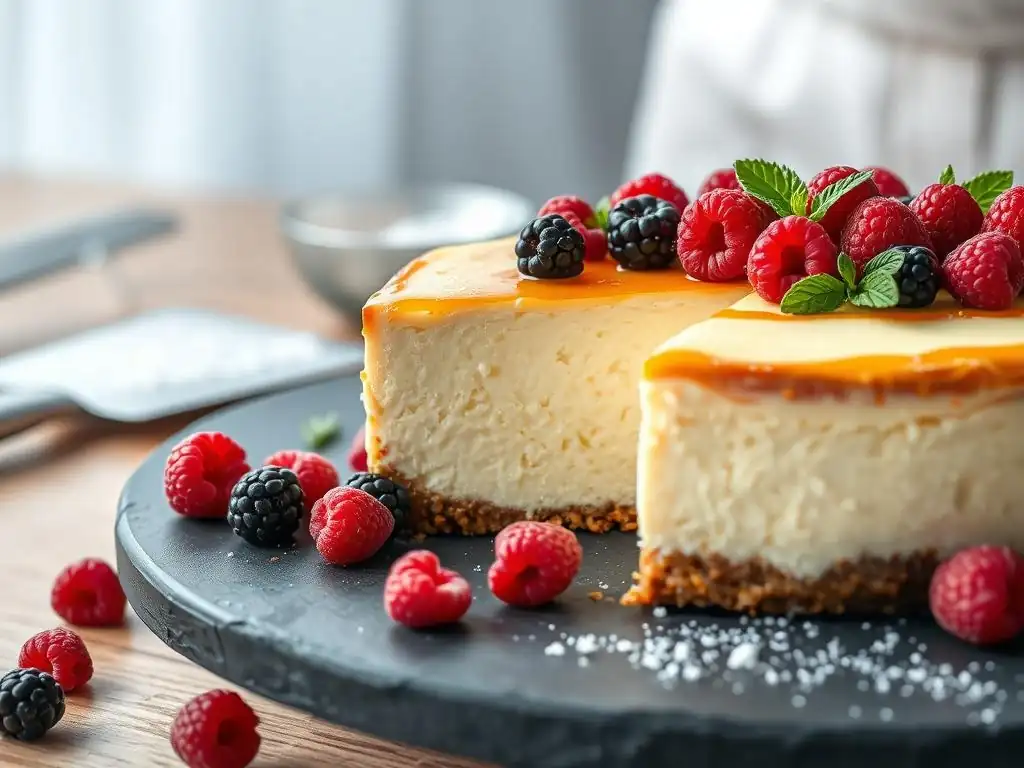
Once you're comfortable with basic plating, you can explore more advanced techniques to make your easy plated cheesecake recipe truly stand out. These methods focus on adding layers of texture, dimension, and refined color palettes.
Textural Contrast: Adding Depth and Complexity
Texture is just as important as flavor and color in a plated dessert. A good plated dish offers a variety of textures that engage the palate. For cheesecake, which is inherently smooth and creamy, adding crunchy or chewy elements provides a delightful contrast that makes each bite more interesting.
Think about elements that can be added alongside or on the cheesecake. A crumbly component, a crispy element, or something chewy can elevate the experience. These textural additions also provide opportunities for visual interest, adding different shapes and forms to the plate.
Graham Cracker Crumble
Beyond the crust, reserving some graham cracker crumble (perhaps mixed with a little extra butter and sugar, or even toasted) and scattering it artfully on the plate or over the sauce adds a direct link back to the cheesecake's foundation while providing a satisfying crunch. This is a simple yet effective way to enhance textural contrast.
Torched Meringue
A dollop of Italian or Swiss meringue, lightly torched, adds a pillowy, airy texture and a beautiful caramelized color. The soft, marshmallow-like interior and slightly crisp, browned exterior provide a wonderful contrast to the dense cheesecake. Meringue can be piped onto the cheesecake slice or placed alongside it on the plate.
Achieving Height and Dimension
Adding height and dimension to your plate makes the dessert appear more dynamic and professional. Flat plates can look static, but incorporating vertical elements or arranging components in layers draws the eye upwards and makes the presentation more dramatic.
This doesn't mean building a towering structure; even subtle height differences can be effective. Think about how the cheesecake slice sits on the plate, how garnishes are arranged, or if any components are stacked.
Strategically Placed Fruit Arrangements
Instead of simply scattering berries, arrange them in a small pile or cluster that has a bit of height. You could also use larger fruits like sliced strawberries, fanned out slightly, leaning against the cheesecake slice. This adds both color and a sense of dimension.
Using Ring Molds for Precise Portions
For individual, unbaked or chilled cheesecakes (like no-bake versions), using a ring mold to set the cheesecake mixture creates a perfectly round, clean-edged portion. This uniform shape provides a strong base for building height with toppings or placing the cheesecake precisely on a sauced plate.
Color Palette: Enhancing Visual Appeal
Color is one of the first things a diner notices. A well-chosen color palette can make a dessert look inviting and appetizing. For cheesecake, the base is typically a neutral cream or white, providing a perfect canvas for adding pops of color through sauces and garnishes.
Consider the overall mood you want to convey. Bright, vibrant colors like red and blue berries or green mint sprigs suggest freshness. Rich, deep colors like dark chocolate or caramel evoke warmth and indulgence.
Utilizing Contrasting Colors
Using colors that are opposite each other on the color wheel creates a vibrant, high-contrast presentation. For a white or cream cheesecake, vibrant red (raspberry coulis), deep blue (blueberries), or bright green (mint leaves) offer strong visual appeal that makes the dessert pop.
Creating a Monochromatic Scheme
Alternatively, you can create a sophisticated look using a monochromatic or analogous color scheme. For example, pairing the cream cheesecake with shades of brown from caramel sauce, toasted nuts, and chocolate shavings creates a warm, cohesive, and elegant presentation that is subtle yet visually rich.
Tips for Success: Achieving a Flawless Presentation
Even with an easy plated cheesecake recipe, attention to detail before and during plating makes a significant difference in the final result.
Preventing Cracks in Your Cheesecake
Preventing cracks starts with the baking process. Ensure all cold ingredients like cream cheese and eggs are at room temperature before mixing. Do not overmix the batter once the eggs are added. Always use a water bath during baking. After baking, cool the cheesecake slowly in the turned-off oven with the door ajar for at least an hour before transferring it to a cooling rack. Finally, chill it thoroughly, ideally overnight, before attempting to slice it. A cracked cheesecake can still be plated, but a smooth top is visually ideal.
Optimizing Preparation for Efficient Plating
"Mise en place" – having everything in its place – is key to smooth plating, especially when serving multiple portions. Prepare all your sauces, garnishes, and any other components before you start assembling the plates. Have your plates ready and clean. This allows you to focus on the creative process of arranging the elements rather than scrambling to chop nuts or make a sauce last minute. This preparation makes creating an easy plated cheesecake recipe presentation truly effortless when it's time to serve.
Maintaining a Clean and Professional Aesthetic
A clean plate is non-negotiable. Before serving, quickly wipe the edges of the plate with a clean cloth or paper towel to remove any drips or smudges of sauce or crumbs. Ensure garnishes are neatly placed, not scattered haphazardly. Use tools like spoons, squeeze bottles, or even tweezers for precise placement of smaller items. A clean, sharp knife is essential for cutting neat slices of cheesecake – dip it in hot water and wipe clean between each cut.
Cheesecake Variations: Expanding Your Dessert Options
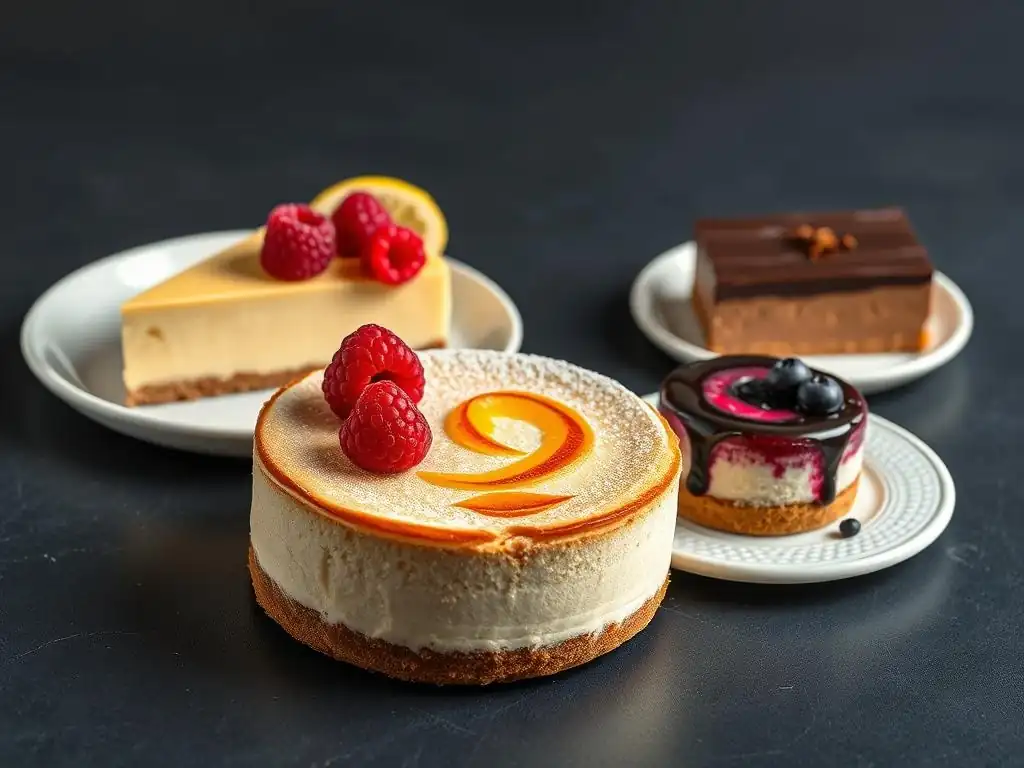
The principles of elegant plating can be applied to many different types of cheesecake, not just the classic New York style. Exploring variations allows you to experiment with different flavor profiles and textures, opening up new plating possibilities.
Individual Cheesecakes with Varied Toppings
Baking or setting cheesecake in individual ramekins or ring molds simplifies plating considerably. Each portion is already formed, requiring only the addition of sauces and garnishes on or around the mini cake. This format is perfect for offering a variety of toppings – perhaps one with raspberry coulis and fresh berries, another with chocolate ganache and shavings, and a third with salted caramel and toasted nuts, allowing guests to choose or try multiple options from your easy plated cheesecake recipe repertoire.
Deconstructed Cheesecake with Sauce Swirls
A deconstructed cheesecake presents the components separately on the plate. This might involve a dollop of creamy cheesecake filling (perhaps stabilized with gelatin for shape), a pile of graham cracker crumble, dots or swooshes of sauce, and scattered garnishes. This modern approach allows for creative arrangement and emphasizes the individual textures and flavors of the dessert's elements.
Seasonal Variations: Maple Pecan Cheesecake for Autumn
Embracing seasonal flavors provides wonderful opportunities for unique cheesecake variations and plating. For autumn, a maple pecan cheesecake offers warm, inviting flavors. The cheesecake itself might be flavored with maple syrup, and the crust could incorporate chopped pecans. Plating could involve a maple caramel sauce, toasted pecans, and perhaps a sprinkle of cinnamon or a small dollop of whipped cream. This ties the dessert to the time of year, making it feel special and appropriate.
Conclusion: Mastering the Art of Plated Cheesecake
Elevating a classic New York cheesecake through thoughtful plating is a rewarding process that transforms a delicious dessert into a memorable experience. By focusing on key elements like plate selection, complementary sauces, artful garnishes, and textural contrast, you can turn even an easy plated cheesecake recipe into a sophisticated presentation. Remember the importance of a well-baked foundation, meticulous preparation, and maintaining a clean aesthetic.
As you practice these techniques, you'll gain confidence in expressing your creativity on the plate, delighting your guests with not just incredible flavor, but also stunning visual appeal. Mastering the art of plated cheesecake is a skill that will serve you well for any special occasion or simply for the joy of making everyday desserts extraordinary.
Frequently Asked Questions
What exactly is a "plated" cheesecake, and how does it differ from a regular cheesecake?
A plated cheesecake emphasizes presentation and individual servings. Instead of a single large cheesecake, it's deconstructed and artfully arranged on a plate with sauces and garnishes.
Is the "Simple Plated Cheesecake" recipe on BakeWithEase suitable for beginner bakers?
Yes! BakeWithEase focuses on making baking accessible. The recipe emphasizes easy-to-find ingredients and step-by-step instructions, making it perfect for beginners.
What are some key tips for achieving a smooth and creamy cheesecake filling, as highlighted in the recipe?
The recipe likely emphasizes using room temperature ingredients and avoiding over-mixing to prevent air bubbles, leading to a smoother texture.
What kind of garnishes and sauces are recommended for enhancing the plated cheesecake presentation?
BakeWithEase likely suggests options like fresh berries, chocolate sauce, or a fruit coulis to add visual appeal and complementary flavors.
Can the plated cheesecake components be prepared in advance for easier assembly later?
Absolutely! The cheesecake filling and any accompanying sauces can be made ahead of time. This allows for stress-free assembly and plating just before serving.
Final Reflection: The Enduring Allure of Simple Elegance
The art of plated desserts, once confined to high-end restaurants, is now surprisingly accessible. A beautifully plated cheesecake, far from being an intimidating feat, can be a delightful expression of creativity and care, even for the home baker. This article demonstrated that achieving stunning results doesn't require complex techniques or obscure ingredients; simplicity, executed with precision, holds the key.
The enduring appeal of cheesecake lies not just in its creamy texture and rich flavor, but in its ability to evoke feelings of comfort and celebration. It's a dessert that transcends generations, a blank canvas for personal expression. A dessert should be a moment of pure joy, a small escape from the everyday.
This sentiment perfectly captures the spirit of this article – to elevate the familiar into something extraordinary, something memorable. The act of plating, of thoughtfully arranging each element, adds a layer of intentionality, transforming a simple dessert into a small work of art.
Now, I invite you to consider your own culinary landscape. What simple dish, what familiar comfort food, could you elevate with a touch of thoughtful presentation? Don't be afraid to experiment, to play with textures and colors, to find your own unique style. The journey of creating beautiful and delicious food is a rewarding one, and the simple plated cheesecake is just the beginning. Embrace the elegance of simplicity, and let your creativity shine.
Unlock Your Inner Cheesecake Master!
Thanks for joining us on this creamy, dreamy journey into the world of plated cheesecakes! We hope you’ve gained some delicious inspiration and newfound confidence in your baking abilities. Ready to take the next step?
- Master the art of plated perfection: Try out our recipe today, experimenting with different fruit toppings or flavored crusts. Share your creations with us – we can't wait to see your stunning results!
- Elevate your dessert game: Explore our other cheesecake recipes on the BakeWithEase website for even more flavor combinations and techniques.
- Spread the cheesecake love: Share this recipe with friends and family who deserve a slice of happiness.
So, what incredible flavor combination will you create next?