
Edible Flowers & How to Use Them for Elegant Plating

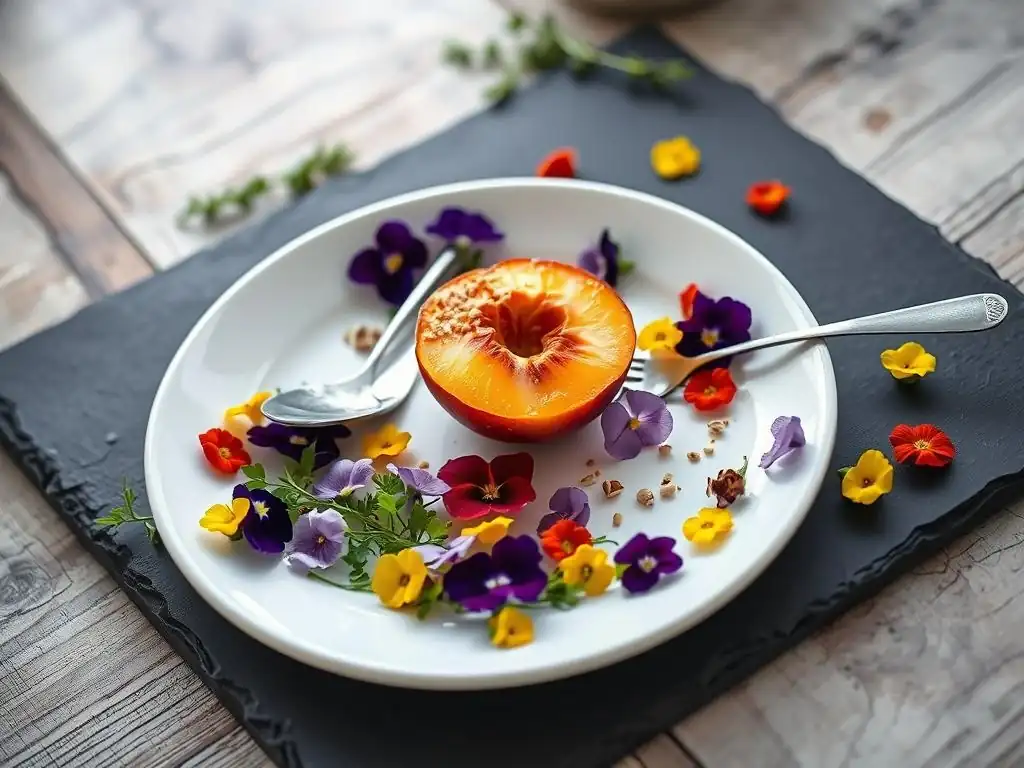
Welcome to BakeWithEase, where we transform baking dreams into delicious realities! Ever wondered how to elevate your desserts from simple to stunning? Discover the secret weapon of pastry chefs: edible flowers. This article will guide you through an edible flowers elegant plating recipe, unlocking a world of visual and flavorful possibilities. Get ready to transform your pastries and desserts into edible works of art, leaving your guests captivated and craving more!
- Edible Flowers for Dessert Plating: A Guide
- Introduction to Edible Flowers in Dessert Plating
- Selecting Edible Flowers for Plated Desserts
- Preparing Edible Flowers for Plating
- Plating Techniques with Edible Flowers: Recipes
- Tips for Working with Edible Flowers
- Conclusion: Elevating Desserts with Edible Flowers
- Frequently Asked Questions
- Final Reflection: Blooming Beauty on the Plate – A Culinary and Artistic Endeavor
- Unleash Your Inner Floral Artist: Elevate Your Dishes!
Edible Flowers for Dessert Plating: A Guide
Introduction to Edible Flowers in Dessert Plating
The Growing Popularity of Edible Flowers in Pastry
Edible flowers have blossomed from a niche ingredient into a celebrated element in modern pastry and dessert design. Their rise in popularity is evident in high-end restaurants, artisanal bakeries, and even home kitchens, reflecting a broader trend towards incorporating natural, visually stunning components into food.
Over the last decade, chefs and home bakers alike have increasingly turned to edible flowers not just for garnish, but as integral parts of a dish's aesthetic and sometimes, its flavor profile. This growing interest is fueled by a desire for unique sensory experiences and the visual appeal that flowers bring to social media platforms like Instagram, where beautifully plated desserts thrive.
The appeal extends beyond aesthetics; using edible flowers for elegant plating connects diners to nature and seasonality. As awareness of sustainable and locally sourced ingredients grows, so does the appreciation for ingredients like edible blooms cultivated specifically for culinary use.
This movement has led to increased availability, with many specialty growers now providing a diverse range of safe, flavorful flowers to markets and suppliers. The versatility of edible flowers means they can complement a simple sugar cookie or elevate a complex layered cake, making them a favorite tool for adding a touch of sophistication and natural beauty to any sweet creation.
Enhancing Desserts with Edible Flowers: Benefits Explored
Incorporating edible flowers into desserts offers a myriad of benefits, primarily centered around elevating the sensory experience. Visually, they provide vibrant splashes of color, delicate shapes, and unique textures that instantly transform a simple dessert into a work of art. A plain panna cotta, for example, becomes infinitely more appealing with a scattering of colorful pansies or a single, perfectly placed borage flower. This visual enhancement is crucial for creating memorable desserts, especially in the context of edible flowers elegant plating recipe concepts, where presentation is key.
Beyond aesthetics, some edible flowers contribute subtle flavors and aromas that can complement or contrast with the dessert's main components. Lavender adds a fragrant, slightly floral note to creams or shortbread, while nasturtiums offer a peppery kick that can balance sweetness. Using edible flowers also adds a layer of sophistication, suggesting care and attention to detail in the preparation.
Furthermore, they can provide a delicate textural contrast, such as the crispness of a candied viola petal against a smooth mousse. These combined benefits make edible flowers a powerful tool for any baker looking to create truly exceptional and memorable plated desserts.
Flavor Profiles of Common Edible Flowers
While often chosen for their visual appeal, many edible flowers possess distinct flavor profiles that can significantly enhance a dessert. It's important to understand these nuances to select flowers that complement your sweet creation. For instance, roses typically offer a heady, perfumed sweetness, varying slightly by variety, often pairing well with vanilla, raspberry, or lychee. Violets and pansies tend to have a mild, slightly sweet, sometimes grassy flavor, making them versatile garnishes that don't overpower delicate flavors.
Other flowers bring more pronounced tastes. Nasturtiums are known for their surprising peppery, slightly mustard-like bite, which can provide an interesting contrast to rich chocolate or creamy desserts. Borage flowers offer a cool, cucumber-like freshness, perfect for balancing rich or fruity dishes. Lavender provides a potent, aromatic floral flavor that requires careful use to avoid tasting soapy, but when balanced, it adds a sophisticated note to baked goods or custards. Understanding these profiles is essential when developing an edible flowers elegant plating recipe, ensuring the bloom contributes positively to the overall taste experience, not just the look.
Safety Guidelines: Identifying and Sourcing Edible Flowers
Safety is paramount when working with edible flowers. Not all flowers are safe to eat, and some common ornamental varieties are toxic. It is absolutely crucial to use only flowers specifically identified as edible. Never consume flowers from florists, nurseries, or garden centers unless they are explicitly labeled for culinary use, as they may have been treated with pesticides or other chemicals not safe for consumption. Similarly, avoid flowers growing wild unless you are an expert in plant identification and are certain they haven't been sprayed or contaminated.
The safest approach is to source edible flowers from reputable suppliers who specialize in culinary-grade blooms or to grow them yourself organically. Look for suppliers who can confirm their flowers are grown without pesticides or harmful chemicals. When buying, inspect the flowers for freshness and signs of damage. Growing your own allows complete control over the process, ensuring they are organic and harvested at peak freshness. Always wash edible flowers gently before use, even if organically grown, to remove any dirt or insects. Remember, when considering edible flowers elegant plating recipe ideas, safety is the foundational step before creativity.
Selecting Edible Flowers for Plated Desserts
Popular Edible Flowers for Dessert Decoration
Pansies: Delicate Beauty and Mellow Flavor
Pansies (Viola x wittrockiana) are perhaps one of the most popular choices for dessert decoration due to their wide range of vibrant colors and charming 'faces'. Available in shades of purple, yellow, blue, red, and bi-colors, they offer incredible visual versatility for edible flowers elegant plating recipe applications. Their petals are thin and delicate, making them easy to place and beautiful when pressed onto icing or arranged around a plate.
Flavor-wise, pansies are very mild, often described as slightly sweet or grassy. This subtle taste means they rarely interfere with the flavors of the dessert itself, making them an ideal garnish for almost any sweet dish, from light mousses to rich chocolate cakes. Their availability is generally good from spring through fall in many climates, and they can even be grown indoors. A small pansy placed artfully on top of a cupcake or a scattering of mini pansies around a fruit tart adds instant elegance without culinary risk.
Violets: Sweet Aroma and Vibrant Color
Violets (Viola odorata) are smaller than pansies but pack a punch with their intense purple or occasionally white colors and distinct sweet, perfumed aroma. These petite blooms are perfect for adding splashes of vibrant color and a delicate fragrance to plated desserts. Their size makes them ideal for scattering, using in clusters, or sugaring for extra sparkle.
The flavor of violets is subtly sweet and floral, echoing their scent. This makes them a natural fit for desserts featuring berry flavors, vanilla, or light citrus. They are particularly famous for being candied or crystallized, transforming them into sparkling, jewel-like garnishes that last longer and provide a delightful sugary crunch. Violets typically bloom in early spring, making them a seasonal delight, though candied versions are available year-round.
Roses: Classic Elegance and Fragrant Appeal
Roses (Rosa species) are the epitome of classic elegance and romance, and their petals are widely used in culinary applications, particularly desserts. While all roses are technically edible, those specifically grown for culinary use (like Damask or Cabbage roses) often have the best flavor and aroma and are guaranteed pesticide-free. Rose petals come in a vast spectrum of colors, offering rich visual potential for edible flowers elegant plating recipe designs.
The flavor of rose petals varies by variety but is generally a sweet, highly fragrant floral note. They pair beautifully with flavors like raspberry, pistachio, vanilla, and cardamom. Rosewater, made from distilled rose petals, is a common ingredient, but using the fresh or candied petals adds texture and direct visual appeal. Ensure petals are removed from the bitter white base before use. Roses are typically available from late spring through fall, depending on the climate.
Lavender: Aromatic and Sophisticated Touch
Culinary lavender (Lavandula angustifolia) is renowned for its intense, soothing aroma and distinct floral-herbaceous flavor. While not a typical 'flower' garnish in the same way as pansies or violets, the small florets from the flower spike are frequently used to infuse flavor or are scattered sparingly for visual and aromatic effect. Its signature purple hue adds a sophisticated touch to desserts.
Lavender's flavor is potent and requires careful use; too much can taste overwhelming or soapy. It pairs exceptionally well with honey, lemon, berries, and cream. Small amounts can be added to shortbread dough, infused into simple syrups for cakes, or sprinkled over creamy desserts. Its aromatic quality makes it a powerful tool for enhancing the overall sensory experience of a plated dessert. Lavender typically blooms in summer.
Nasturtiums: Peppery Zest and Bold Color
Nasturtiums (Tropaeolum majus) are a favorite among chefs for their striking, vibrant colors – yellows, oranges, and reds – and their surprising peppery flavor. Unlike many other edible flowers used primarily for sweetness or mildness, nasturtiums offer a distinct, slightly spicy kick reminiscent of watercress or radish. This bold flavor profile makes them interesting candidates for desserts where a contrast is desired.
While their peppery taste might seem unusual for sweets, nasturtiums can be a fascinating addition to desserts featuring chocolate, citrus, or even certain fruits like mango or pineapple. Their bright colors make them visually impactful, whether a whole flower is used as a focal point or petals are scattered. Nasturtiums are generally easy to grow and bloom prolifically from spring until the first frost, offering a sustained source of color and zest for edible flowers elegant plating recipe creations.
Borage: Cucumber-like Flavor and Blue Hue
Borage (Borago officinalis), also known as starflower, boasts beautiful star-shaped blue flowers (occasionally pink) and a refreshing, mild flavor often described as cucumber-like. These delicate blue blooms are particularly stunning against white or light-colored desserts, adding a unique cool tone.
Their subtle, refreshing flavor makes borage flowers an excellent garnish for fruit salads, sorbets, panna cottas, or cheesecakes. They provide a cooling counterpoint to richer or sweeter elements. Borage is relatively easy to grow and blooms throughout summer, providing a consistent supply of these charming blue stars perfect for adding a touch of unexpected freshness and visual appeal to plated desserts.
Considerations for Choosing Edible Flowers
Flavor Pairing with Dessert Components
Selecting the right edible flower involves more than just visual appeal; considering how its flavor interacts with the dessert is crucial for a harmonious outcome. A lavender floret on a delicate lemon tart, for example, can enhance the citrus notes, while a peppery nasturtium might clash unless specifically intended for contrast. Think about the dominant flavors in your dessert – vanilla, chocolate, fruit, spice, cream – and choose a flower whose flavor profile complements or provides an interesting, pleasant counterpoint.
For instance, mild-flavored flowers like pansies, violas, or borage are safe bets for most desserts as they add visual appeal without significantly altering the taste. More potent flowers like lavender or rose require careful consideration and often work best when their flavor is echoed elsewhere in the dish (e.g., rose petals on a rose-flavored panna cotta). When planning an edible flowers elegant plating recipe, experiment with small amounts to test the flavor compatibility before committing.
Color and Visual Appeal
Color is arguably the most immediate impact edible flowers have on dessert plating. They can introduce vibrant hues, soft pastels, or deep tones that enhance the overall aesthetic. Consider the color palette of your dessert and choose flowers that create a pleasing contrast or complement. Bright yellow or orange nasturtiums pop against dark chocolate, while delicate pink rose petals look stunning on a white mousse.
Think about the mood you want to create: vibrant and playful with a mix of pansy colors, romantic with classic red rose petals, or elegant and sophisticated with delicate blue borage. The shape and size of the flower also matter – smaller florets can be scattered, while larger blooms or petals might serve as a focal point. Utilizing the natural beauty of edible flowers is key to achieving truly edible flowers elegant plating recipe presentations.
Texture and Structure
The texture and structure of edible flowers also play a role in plating. Delicate petals like those of pansies or violas lie flat or gently curve, seamlessly integrating with smooth surfaces like ganache or cream. Sturdier petals, like those from roses, can hold their shape better and add a bit more substance. Candied or crystallized flowers offer a distinct crisp or crunchy texture that can provide a pleasant contrast to soft desserts.
Consider how the flower will hold up on the dessert. Some delicate blooms might wilt quickly on a warm surface, so they are best added just before serving. The structure of the flower can also influence placement – a full pansy face is perfect as a central element, while individual lavender florets are better scattered or used in lines. Understanding these properties helps ensure your edible flowers elegant plating recipe maintains its beauty until it reaches the table.
Availability and Seasonality
The availability of edible flowers can vary significantly depending on location, season, and sourcing method. While some flowers like pansies might be available for extended periods or even year-round from specialty growers, others like violets or elderflowers are strictly seasonal. Planning your dessert menu around the natural availability of flowers can ensure you are using the freshest, most vibrant blooms.
If a specific flower is crucial to your edible flowers elegant plating recipe but out of season, consider using preserved forms like candied or crystallized flowers, or dried versions for infusions (though dried flowers are rarely used for visual plating). Checking with local farmers' markets or specialty culinary suppliers can give you the best sense of what's currently available and at its peak quality.
Preparing Edible Flowers for Plating
Gentle Washing and Drying
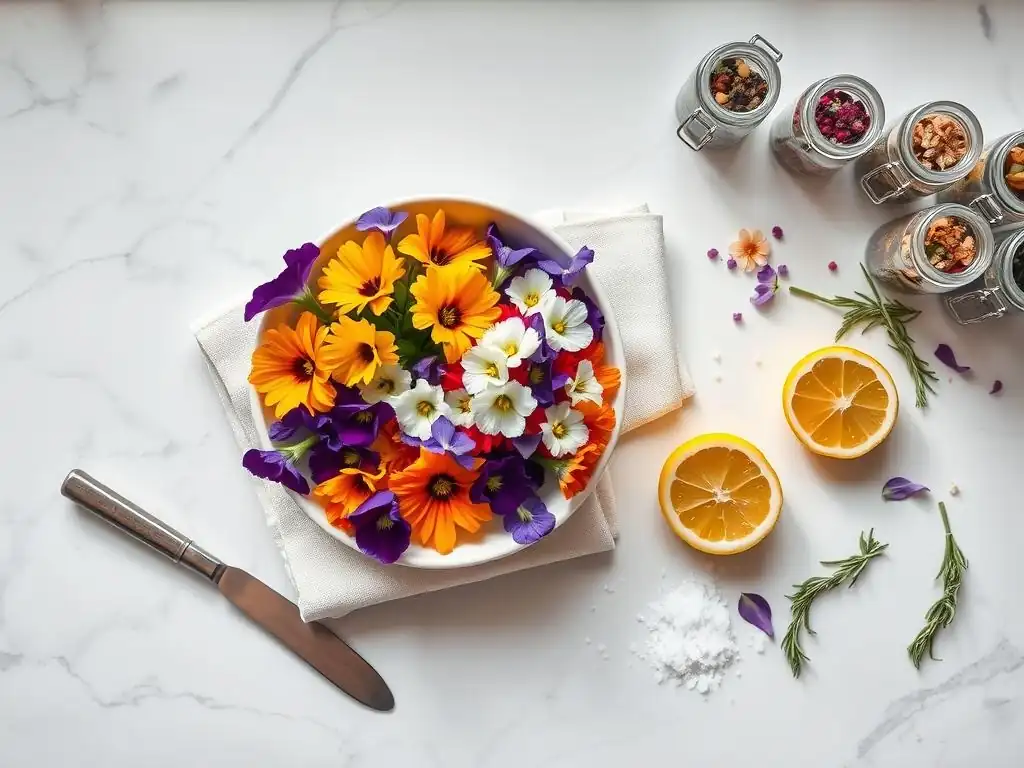
Proper preparation is essential to ensure edible flowers are safe and look their best on your plated desserts. The first step is always gentle washing. Even if sourced organically, flowers can harbor dirt, small insects, or pollen. Fill a bowl with cool water and gently swish the flowers in the water. Avoid holding them under a running tap, as this can damage the delicate petals.
After washing, carefully remove the flowers from the water and place them on paper towels or a clean cloth to air dry. You can gently pat them dry with another paper towel, being careful not to crush them. Ensuring they are completely dry is crucial, especially if placing them on surfaces like chocolate or sugar, as moisture can cause issues. For best results, handle the flowers minimally and by the stem or base whenever possible.
Storing Edible Flowers for Freshness
Edible flowers are highly perishable and should ideally be used as soon as possible after harvesting or purchasing. However, if you need to store them for a short period, proper technique can help maintain their freshness. The best way to store most edible flowers is in an airtight container lined with a damp paper towel.
Arrange the flowers in a single layer within the container, or layer them gently separated by damp paper towels. Seal the container and store it in the refrigerator. Most delicate flowers will last for 2-3 days stored this way. Hardier blooms like rose petals might last slightly longer. Inspect them daily and remove any that show signs of wilting or spoilage to prevent it from spreading. Proper storage ensures your blooms are vibrant and ready for your edible flowers elegant plating recipe.
Candied Edible Flowers
Candying is a classic technique used to preserve edible flowers and turn them into beautiful, sparkling garnishes that have a delightful sugary crunch. This process involves coating the flower in a thin layer of sugar, often using egg white as an adhesive. Candied flowers are perfect for adding texture and a touch of vintage elegance to cakes, pastries, and plated desserts.
Candying Recipe
Here is a simple method for candying edible flowers:
- Ingredients:
- Fresh, dry edible flowers (e.g., violets, pansies, rose petals)
- 1 fresh egg white (or meringue powder/aquafaba for vegan)
- Superfine sugar (caster sugar)
- Small, clean paintbrush
- Parchment paper or wax paper
- Instructions:
- Gently whisk the egg white until slightly frothy, but not stiff. If using meringue powder, follow package directions to make a thin paste. Aquafaba can be used similarly.
- Hold a flower by the stem or base. Using the paintbrush, carefully paint a thin, even layer of egg white over all surfaces of the petals, front and back. Ensure complete coverage.
- Hold the flower over a plate of superfine sugar and gently sprinkle sugar over all the egg-white-coated surfaces until fully covered. You can also gently dip the flower into the sugar, but sprinkling often yields a more delicate coat.
- Carefully transfer the sugared flower to a sheet of parchment or wax paper set on a wire rack.
- Repeat with remaining flowers.
- Allow the candied flowers to dry completely at room temperature for 24-48 hours, or until hard and brittle. Drying time depends on humidity.
- Store dried candied flowers in an airtight container in a cool, dry place away from direct sunlight. They can last for several weeks.
This technique transforms delicate blooms into sturdy, sparkling decorations perfect for any edible flowers elegant plating recipe.
Crystallized Edible Flowers
Crystallizing edible flowers is a very similar process to candying, often using the terms interchangeably. However, sometimes 'crystallizing' specifically refers to coating just the petals in sugar solution or using a slightly different technique that results in a more crystalline sugar appearance. The goal remains the same: preserving the flower's beauty with a sugary shell.
Crystallizing Technique
A common 'crystallizing' approach uses a simple sugar syrup instead of egg white and dry sugar, sometimes resulting in a slightly different texture or clarity.
- Ingredients:
- Fresh, dry edible flowers
- 1 part water
- 2 parts granulated sugar
- Parchment paper
- Instructions:
- Make a simple syrup by heating water and sugar in a saucepan until the sugar dissolves. Let it cool slightly but keep it warm.
- Hold a flower by the stem. Dip the entire flower into the warm sugar syrup, ensuring all petals are coated.
- Carefully remove the flower, letting excess syrup drip off.
- Place the flower on parchment paper.
- Optional: While still wet, you can sprinkle with superfine sugar for extra sparkle.
- Allow to dry completely on the parchment paper for 24-48 hours until brittle.
- Store in an airtight container.
This method can give a slightly glassier finish depending on the sugar concentration and drying conditions. Both candying and crystallizing are excellent ways to prepare flowers for edible flowers elegant plating recipe applications where durability and sparkle are desired.
Edible Flower Infusions for Flavor
Beyond visual garnish, edible flowers can infuse subtle or pronounced flavors into various dessert components. This is particularly useful for flowers with strong aromas or flavors like lavender, rose, elderflower, or even chamomile. Infusions can be made into liquids like milk, cream, simple syrups, or even melted butter.
To infuse, gently heat the liquid with the edible flowers (ensure they are clean and pesticide-free). For example, adding a tablespoon of culinary lavender florets to cream while heating it for a panna cotta base. Let the flowers steep off the heat for 10-20 minutes (or longer for stronger flavor), then strain the liquid before proceeding with your recipe. This method allows the flavor of the flower to become an integrated part of the dessert, adding depth and complexity that complements the visual plating with fresh or candied flowers.
Plating Techniques with Edible Flowers: Recipes
Visual Balance in Dessert Plating
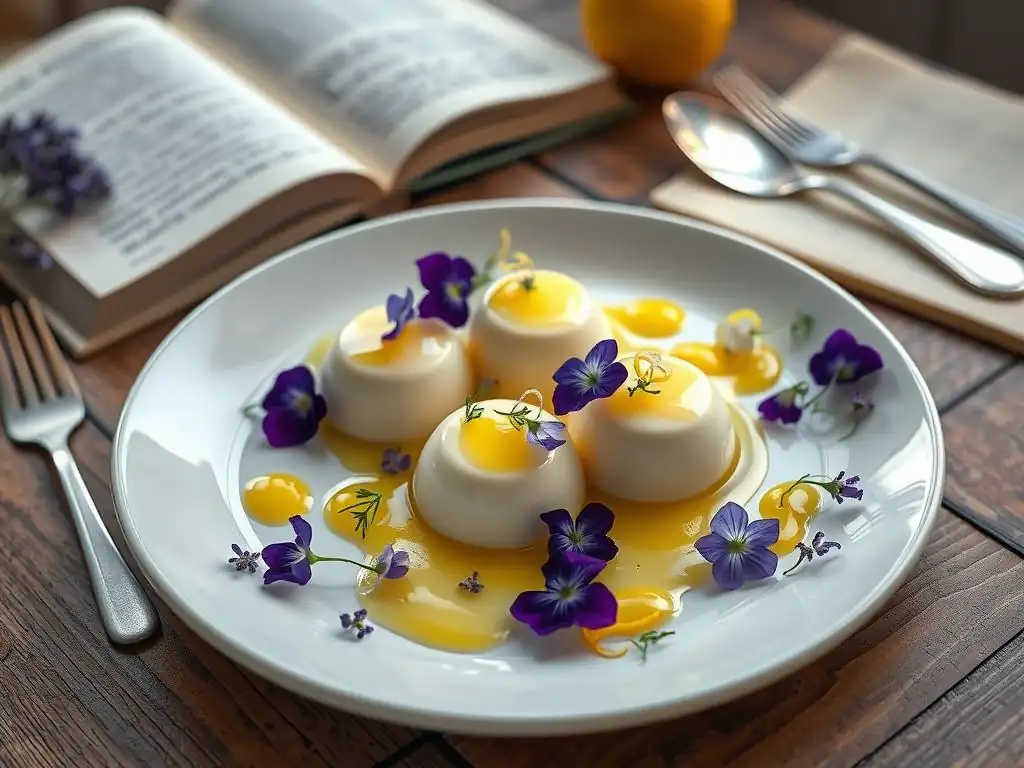
Achieving visual balance is key to elegant dessert plating with edible flowers. Balance doesn't necessarily mean symmetry, but rather ensuring that the elements on the plate feel harmonious and intentional. Consider the size, shape, and color of your dessert components and the flowers you are using. A large bloom might be too overpowering on a small tartlet, while tiny florets could get lost on a large plate.
Use the flowers to complement the dessert, not hide it. Think about negative space on the plate – the empty areas are just as important as the areas with food. Strategically placed flowers can guide the eye across the plate and enhance the overall composition. For an edible flowers elegant plating recipe, consider placing flowers where they naturally draw attention to a specific texture, color, or height element of the dessert.
Focal Points with Edible Flowers
Edible flowers are excellent for creating focal points on a dessert plate. A single, perfectly formed pansy placed atop a scoop of sorbet, or a cluster of vibrant violas nestled beside a slice of cake, can immediately draw the eye and elevate the presentation. Choose a flower or a small group of flowers that stand out in color or shape against the dessert itself.
The focal point should feel deliberate, not random. It can be placed centrally, off-center following the rule of thirds, or used to highlight a specific feature of the dessert, like the peak of a meringue or the edge of a ganache swirl. Using a candied flower for a focal point also adds texture and sparkle, making it even more prominent in your edible flowers elegant plating recipe presentation.
Enhancing Presentation with Color and Texture
Edible flowers are unparalleled in their ability to add vibrant color and interesting texture to dessert plating. A dessert that might otherwise be monochromatic or limited in color can burst to life with the addition of red nasturtium petals, blue borage stars, or a medley of colorful pansies. Use color to create contrast or harmony with the dessert's components – bright yellow flowers against a dark chocolate backdrop, or soft pink petals alongside a berry compote.
Texture comes from the flowers themselves (delicate petals, sturdy blooms) or from how they are prepared (crisp candied flowers). Placing a few candied violas next to a smooth panna cotta provides a delightful textural contrast. Scattering fresh, delicate petals around a plate adds a sense of lightness and organic beauty. Integrating these elements thoughtfully is central to creating an edible flowers elegant plating recipe that appeals to multiple senses.
Symmetry vs. Asymmetry in Flower Placement
When plating with edible flowers, you can choose to employ symmetry or asymmetry depending on the desired aesthetic. Symmetrical plating often involves mirroring elements on either side of a central line or arranging flowers in a perfectly balanced pattern around a dessert. This approach tends to feel classic, formal, and ordered. For example, placing three equally spaced candied flowers in a line next to a rectangular tart.
Asymmetrical plating, on the other hand, involves arranging elements in a less formal, more dynamic way. Flowers might be clustered to one side, trail off a plate edge, or be scattered organically. This approach often feels more modern, artistic, and natural. For many edible flowers elegant plating recipe designs, asymmetry can feel more effortless and visually interesting, mimicking how flowers might fall naturally. Neither approach is inherently better; the choice depends on the specific dessert and the overall style you wish to convey.
Recipes Featuring Edible Flowers
While detailed, step-by-step recipes are beyond the scope here, we can explore how edible flowers are incorporated into specific dessert types for elegant plating.
Lavender Honey Panna Cotta with Crystallized Violets
This dessert uses edible flowers in two ways: flavor infusion and visual garnish. The panna cotta base is infused with culinary lavender during the heating process, providing a subtle, aromatic note that complements the honey. The plating involves unmolding the set panna cotta and arranging a few delicate crystallized violets on top and scattered around the plate.
- Plating Focus: The smooth, pale surface of the panna cotta provides a perfect canvas for the vibrant, sparkling purple violets. The contrast in color and texture (creamy vs. crisp) is key. Placing a few violets directly on top draws the eye, while scattering others creates an elegant, slightly asymmetric frame. This is a prime example of an edible flowers elegant plating recipe where the bloom contributes both flavor and significant visual impact.
Rose Petal Crème brûlée with Candied Rose Petals
Here, rosewater is typically used to flavor the crème brûlée custard, infusing it with classic rose aroma. After torching the sugar top to create a crisp crust, the dessert is plated with candied rose petals.
- Plating Focus: The warm, caramelized sugar crust of the crème brûlée is a beautiful base for the delicate, sparkling candied rose petals. A few carefully placed petals, perhaps cascading slightly off the edge or clustered in one corner, add color, texture, and reinforce the rose flavor profile. The contrast between the hard sugar crust, the creamy custard beneath, and the crisp candied petals creates a multi-sensory experience central to this edible flowers elegant plating recipe.
Pansy-Adorned Chocolate Tart
A rich, dark chocolate tart provides a dramatic backdrop for the vibrant colors of pansies. The tart shell is filled with ganache or chocolate filling, and once set, the pansies are arranged on top.
- Plating Focus: The smooth, dark surface of the chocolate offers maximum contrast for the bright yellows, purples, and blues of the pansies. Whole pansies or individual petals can be arranged in patterns, clustered for impact, or scattered artistically. Placing pansies along the edge or in a corner of the tart creates visual interest without covering the entire surface. This simple application highlights the power of pansies in creating an edible flowers elegant plating recipe purely through color and shape.
Elderflower and Lemon Cake
This light, fragrant cake incorporates elderflower syrup or cordial for flavor. Plating involves the cake slice or individual cake with fresh elderflowers (if in season) or other complementary blooms.
- Plating Focus: The delicate white or pale yellow of the cake and any accompanying glaze or cream provides a soft background. Fresh elderflower clusters (if safe and edible variety is used) can be placed alongside, or other small, delicate flowers like borage or violas can be used. A sprinkle of lemon zest and a few small blue borage flowers around the plate enhance both the citrus and floral notes visually, creating a light, airy feel for this edible flowers elegant plating recipe.
Tips for Working with Edible Flowers
Avoiding Common Mistakes
Working with edible flowers is relatively straightforward, but a few common pitfalls can derail your elegant plating efforts.
- Mistake 1: Using non-edible or chemically treated flowers. Always source culinary-grade blooms.
- Mistake 2: Not washing flowers properly. Gentle washing is essential.
- Mistake 3: Placing wet flowers on desserts. Ensure flowers are dry to prevent wilting or affecting textures.
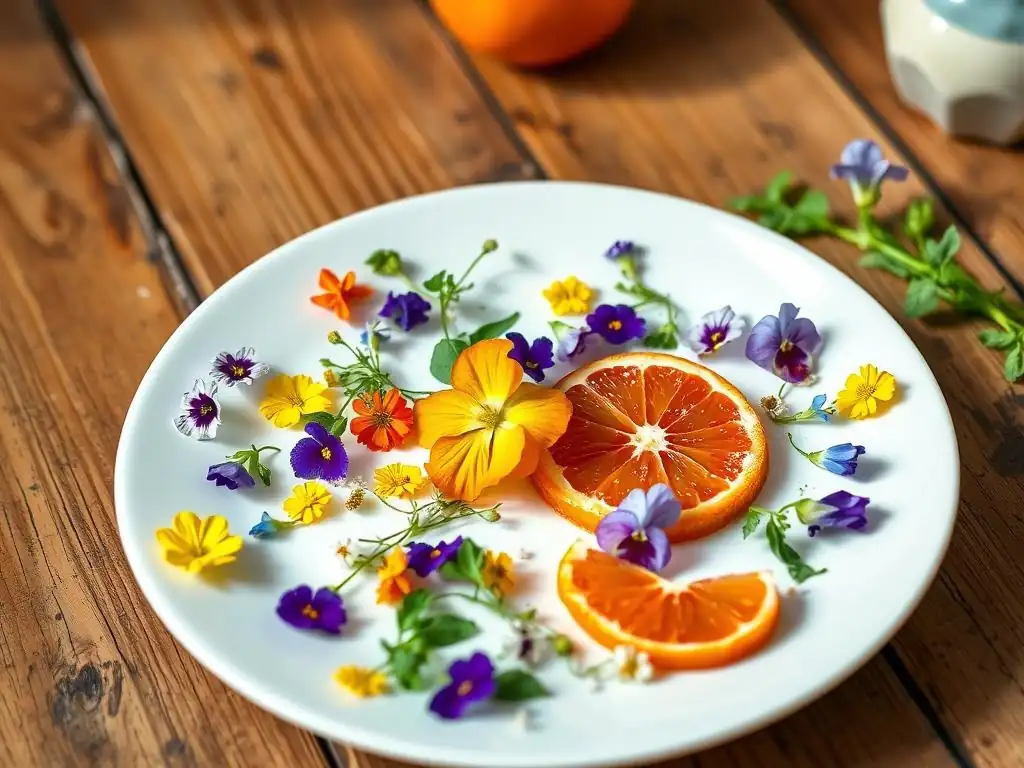
- Mistate 4: Overcrowding the plate. Too many flowers can look messy rather than elegant. Use them sparingly for maximum impact.
- Mistake 5: Adding flowers too early. Add delicate fresh flowers just before serving to prevent wilting. Candied flowers are more durable.
Maximizing Visual Impact
To maximize the visual impact of edible flowers, consider the following:
- Color Contrast: Use flowers whose colors pop against the dessert's background.
- Shape and Size: Match the scale of the flower to the dessert. Use diverse shapes for visual interest.
- Placement: Think about composition – focal points, scattering, or creating lines/patterns.
- Layering: Layer petals or different flower types for depth.
- Lighting: Consider how the light will hit the flowers when served. Candied flowers sparkle under light.
Pairing with Dessert Elements
Successful edible flowers elegant plating recipe design involves thoughtful pairing.
- Match flower flavors to dessert flavors (e.g., rose with raspberry, lavender with honey).
- Use delicate flowers on delicate desserts (mousses, panna cotta).
- Use sturdier or candied flowers on robust desserts (cakes, tarts).
- Consider temperature – some flowers wilt on warm desserts.
Sourcing Quality Flowers
Quality sourcing is non-negotiable.
- Buy from reputable culinary edible flower suppliers.
- Look for organic or naturally grown certification.
- If growing yourself, use organic practices and ensure positive identification.
- Inspect flowers for freshness, vibrancy, and lack of damage or pests upon arrival.
Creative Plating Ideas
Get creative with your edible flowers elegant plating recipe designs:
- Create a 'garden' effect by clustering various small flowers and herbs.
- Use petals to form abstract shapes or lines.
- Press flowers into frosting or fondant for a seamless look.
- Float delicate flowers or petals on liquid elements like sauces or soups.
- Combine fresh and candied flowers for mixed textures and sparkle.
[ ] Source culinary-grade edible flowers.
[ ] Gently wash and dry flowers.
[ ] Plan dessert components.
[ ] Consider flavor pairings.
[ ] Sketch plating design ideas.
[ ] Prepare candied/crystallized flowers if desired.
[ ] Plate dessert just before serving.
[ ] Add fresh edible flowers for garnish.
Conclusion: Elevating Desserts with Edible Flowers
Incorporating edible flowers into your dessert plating is a simple yet profoundly effective way to elevate your creations from delicious treats to stunning works of art. They offer unparalleled visual appeal, adding vibrant colors, delicate shapes, and unique textures that capture attention and delight the senses. Whether you're a seasoned pastry chef or a home baking enthusiast, mastering the use of edible flowers elegant plating recipe techniques opens up a world of creative possibilities.
By understanding the flavor profiles of different blooms, adhering to safety guidelines, and employing thoughtful plating strategies, you can transform even the simplest dessert into a memorable culinary experience. From the subtle elegance of a few scattered violets to the dramatic impact of candied rose petals, edible flowers provide that extra touch of sophistication that makes a dessert truly unforgettable. Embrace the beauty of nature and let edible flowers inspire your next plated masterpiece.
Frequently Asked Questions
What are edible flowers and where can I find them?
Edible flowers are safe-to-eat blooms that can add flavor and visual appeal to your dishes. You can find them at some specialty grocery stores, farmers markets, or even grow your own.
How do I prepare edible flowers for use in a recipe?
Carefully wash and dry the flowers to remove any dirt or insects. Remove the pistils and stamens as they can sometimes be bitter or cause allergic reactions.
What types of dishes can I use edible flowers in?
Edible flowers are incredibly versatile! They can be used in salads, desserts, drinks, and as a garnish on plated dishes to add a touch of elegance.
Are all flowers safe to eat?
No! It's crucial to only consume flowers that are specifically identified as edible. Some flowers are toxic and can cause serious health problems.
How do edible flowers enhance elegant plating in a recipe?
Edible flowers add color, texture, and a touch of sophistication to your dishes. They can elevate a simple dessert or salad into a visually stunning masterpiece.
Final Reflection: Blooming Beauty on the Plate – A Culinary and Artistic Endeavor
The art of edible flower plating isn't merely a fleeting trend; it's a vibrant expression of culinary creativity that continues to blossom in the modern food landscape. From Michelin-starred restaurants to home kitchens, the delicate beauty and subtle flavors of edible flowers are transforming the way we experience food, elevating even the simplest dishes to works of art. This careful attention to detail, to the visual symphony on the plate, speaks to a deeper appreciation for both the artistry and the nourishment food provides.
The impact of edible flowers extends beyond the purely aesthetic. They represent a connection to nature, a celebration of seasonal bounty, and a commitment to sustainable practices. Food is symbolic of love when words are inadequate.
– Alan D. Wolfelt. This quote perfectly encapsulates the emotional resonance edible flowers bring to the dining experience. They add a layer of meaning, transforming a meal into a more mindful and memorable occasion, a testament to the power of thoughtful presentation. The increasing popularity of foraging and home gardening further underscores this growing appreciation for the natural world and its culinary gifts.
Consider the possibilities: Imagine the joy of crafting a dish adorned with vibrant pansies, the subtle sweetness of nasturtiums adding a surprising zest, or the delicate fragrance of lavender enhancing a dessert. You, too, can harness the power of edible flowers to elevate your culinary creations. Don't be afraid to experiment, to explore the diverse palette of colors, textures, and flavors these botanical wonders offer. Let your creativity bloom, and transform your meals into edible masterpieces that delight both the eye and the palate.
Unleash Your Inner Floral Artist: Elevate Your Dishes!
Thanks for exploring the delightful world of edible flowers with us! We hope you've discovered new ways to add beauty and flavor to your culinary creations. Ready to transform your plates?
- Embrace the bloom: Start experimenting with edible flowers in your next dish. Even a single sprinkle can make a world of difference!
- Share your floral flair: Show us your beautiful creations! Post a picture of your edible flower masterpiece on social media and tag us – we’d love to see your culinary artistry.
- Deepen your knowledge: Explore more about specific edible flowers and their unique flavor profiles—there's a whole universe of floral possibilities waiting to be discovered!
What edible flower will you feature in your next culinary masterpiece?