
Master Simple Plating Techniques for Stunning Desserts

Welcome to BakeWithEase, your culinary companion on the journey to baking brilliance!
Ever wondered how to transform a simple dessert into a work of art? Dive in and discover our secrets to beautiful dessert plating techniques. Unleash your inner artist and learn how to elevate your creations from delicious to dazzling. Prepare to impress with plating tips that are surprisingly simple, yet undeniably impactful. Let's get started!
- Introduction to Elegant Dessert Plating for Home Bakers
- Essential Tools for Dessert Plating Success
-
Mastering Basic Dessert Plating Techniques
- The Art of the Dot: Creating Visual Interest with Sauces
- Sauce Swirls and Streaks: Adding Movement to Your Plate
- Crumb Scatter: A Simple Technique for Texture and Visual Appeal
- Using Stencils for Precise and Professional-Looking Desserts
- The Power of Height: Building Vertical Appeal in Your Dessert Plating
- Simple Dessert Plating Ideas for Various Desserts
- Choosing the Right Plate for Your Dessert
- Garnishing for Impact: The Finishing Touches
- Tips for Achieving Professional-Looking Dessert Plates at Home
- Troubleshooting Common Dessert Plating Mistakes
- Conclusion: Unleash Your Creativity with Simple Plating
- Frequently Asked Questions
- Final Reflection: The Art of the Edible Masterpiece
- Elevate Your Dessert Game: Plate Like a Pro!
Introduction to Elegant Dessert Plating for Home Bakers
Elevate Your Baking: The Power of Beautiful Dessert Presentation
Baking is an art form, and while the taste is paramount, the visual presentation of your delicious creations can transform a simple treat into a memorable experience. Mastering beautiful dessert plating techniques isn't just for professional chefs; it's an accessible skill that home bakers can easily adopt.
Think about your favorite bakery or restaurant dessert – often, it's the thoughtful arrangement, the delicate sauce swirl, or the sprinkle of vibrant color that first captures your attention. This initial visual appeal sets the stage for the enjoyment of the flavors and textures you've worked so hard to perfect in the kitchen.
Elevating your baking through elegant presentation demonstrates care and attention to detail, making your homemade desserts feel truly special. Whether you're serving a simple chocolate chip cookie or a layered cake, applying even just one or two easy plating techniques can significantly enhance its visual impact. It's about creating an experience that delights the eyes as much as the palate, turning everyday baking into an opportunity for artistic expression right on the plate.
Why Plating Matters: From Good to Gourmet with Ease
Plating isn't merely decoration; it's a crucial element of the overall dining experience. A well-plated dessert can actually influence how people perceive its taste. Studies have shown that visually appealing food is often judged as more delicious. For the home baker, this means that by investing a little extra time in presentation, you can make your already tasty treats seem even more impressive and gourmet, all without changing the recipe itself. It's about making your hard work shine.
Furthermore, thoughtful plating allows you to tell a story with your dessert. You can highlight key ingredients, showcase different textures, or emphasize the dessert's theme. For example, plating a seasonal berry tart with fresh berries and a light cream dollop clearly communicates its freshness and flavor profile. It transforms a simple dessert into a polished dish that looks like it came straight from a high-end patisserie. These beautiful dessert plating techniques are your secret weapon to impressing friends and family.
Essential Tools for Dessert Plating Success
Must-Have Plating Utensils for Beginners
Getting started with beautiful dessert plating techniques doesn't require a massive investment in specialized equipment. Several basic tools commonly found in most kitchens, or easily acquired, are fundamental. A few small spoons, particularly those with narrow tips, are indispensable for drizzling sauces or placing small garnishes precisely. Offset spatulas, even small ones about 10-15 cm long, are perfect for spreading sauces thinly or lifting delicate items.
Another incredibly useful tool is a squeeze bottle, like the kind used for condiments. These allow for controlled application of sauces, making dots, lines, and swirls much easier to achieve than with a spoon. Tweezers, specifically culinary tweezers (which are longer and more precise than eyebrow tweezers! ), are invaluable for arranging small, delicate garnishes like microgreens, edible flowers, or berry slices with precision. Start with these basics, and you'll be well on your way to creating visually appealing desserts.
Budget-Friendly Plating Equipment: Create Stunning Desserts Without Breaking the Bank
You don't need a professional kitchen setup to practice beautiful dessert plating techniques. Many effective tools can be found cheaply or even repurposed. For instance, instead of fancy plating spoons, you can use the back of a regular spoon to create a 'smear' or 'swoosh' with sauce. A simple zip-top bag with a corner snipped off makes an excellent, disposable piping bag for controlled sauce application or creating small dollops of cream or ganache.
Everyday items can also be surprisingly useful. A fine-mesh sieve is perfect for dusting powdered sugar or cocoa powder evenly over a dessert or plate. Even a fork can be used to create simple drag patterns through sauces or soft elements on the plate. Look around your kitchen; you likely have several items that can be creatively adapted for plating purposes, proving that stunning dessert presentation is achievable on any budget.
Mastering Basic Dessert Plating Techniques
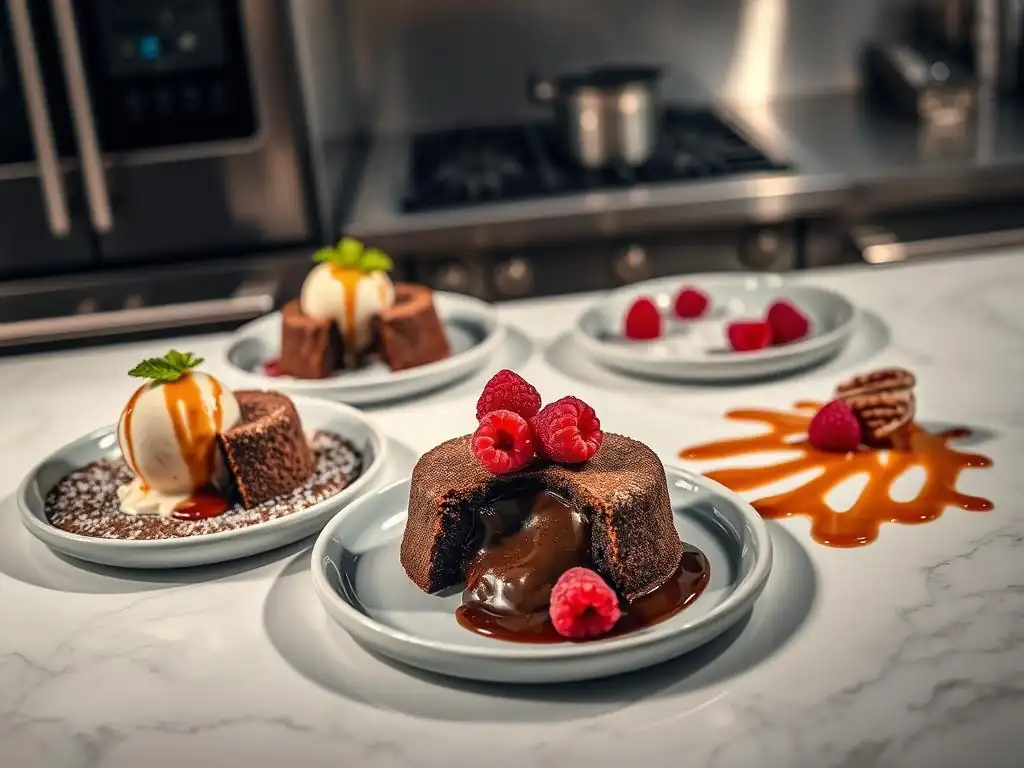
The Art of the Dot: Creating Visual Interest with Sauces
One of the simplest yet most effective beautiful dessert plating techniques is the art of the dot. Using a squeeze bottle or a small spoon, you can place uniform or varied-sized dots of sauce around or on your dessert. This technique adds pops of color and flavor, guiding the eye across the plate. For example, placing small dots of bright raspberry coulis around a slice of dark chocolate cake provides a vibrant contrast and visual rhythm.
To execute clean dots, ensure your sauce is smooth and of a consistent, slightly thick but pourable consistency. Practice on a spare plate first. With a squeeze bottle, hold it perpendicular to the plate and apply even pressure, lifting straight up. With a spoon, scoop a small amount of sauce and gently tap or pour it onto the plate, controlling the size by the amount of sauce and the height you pour from. Aim for consistency if you want a uniform look, or vary the sizes for a more playful feel.
Sauce Swirls and Streaks: Adding Movement to Your Plate
Adding movement to your plate with sauce swirls or streaks is another fundamental of beautiful dessert plating techniques. A classic method is the 'swoosh': place a dollop of sauce on the plate and use the back of a spoon or a small offset spatula to drag it across the plate in a curved motion. This creates an elegant, elongated shape that adds dynamic energy. A chocolate sauce swoosh beneath a vanilla panna cotta, for instance, provides a beautiful visual contrast and flavor pairing.
Alternatively, you can create parallel lines or a simple swirl pattern using a squeeze bottle. For lines, draw straight or slightly curved lines across the plate. For a swirl, start in the center or edge and draw a spiral outwards. Ensure your sauce is not too thin, or it will spread uncontrollably. Practicing the motion a few times before plating your final dessert helps achieve smooth, confident lines or swirls.
Crumb Scatter: A Simple Technique for Texture and Visual Appeal
Adding texture is key to engaging the diner, and a simple crumb scatter is an easy way to achieve this visually and texturally. This technique involves scattering crushed cookies, nuts, streusel, or even cake crumbs onto the plate. The irregular shapes and varied sizes of the crumbs provide visual interest and a delightful crunch when eaten with the dessert. Scattering buttery shortbread crumbs around a fruit tart adds both texture and complementary flavor.
To scatter crumbs effectively, you can simply pinch them between your fingers and sprinkle them over a portion of the plate. For more control, you can hold a small amount in a spoon and tap the spoon gently to release the crumbs. Aim to scatter over a specific area, perhaps along a sauce streak or in a corner, rather than covering the entire plate. This keeps the plating clean and intentional, enhancing the overall beautiful dessert plating techniques you're employing.
Using Stencils for Precise and Professional-Looking Desserts
Stencils are a fantastic tool for adding precise, professional-looking patterns to your desserts or plates using powdered sugar, cocoa powder, or even fine spice blends like cinnamon. They allow you to create intricate designs that would be difficult to achieve freehand, instantly elevating the perceived skill level of your plating. A simple star or heart stencil dusted with cocoa powder over a scoop of vanilla ice cream can make it look instantly more sophisticated.
To use a stencil, place it gently but firmly on the surface you wish to decorate. Then, using a fine-mesh sieve or a small shaker, lightly dust the powder over the stencil. Tap off any excess gently before carefully lifting the stencil straight up to reveal the design. Ensure the surface beneath the stencil is dry, or the powder may clump. Stencils are an easy way to incorporate beautiful dessert plating techniques with minimal effort and maximum impact.
The Power of Height: Building Vertical Appeal in Your Dessert Plating
Adding height to your dessert plating creates a sense of drama and sophistication, making the dish more dynamic and visually interesting. Instead of spreading everything flat on the plate, think about stacking elements or using components that naturally have height. A tower of profiteroles, a slice of cake standing upright, or a scoop of ice cream perched atop a cookie all add vertical dimension.
To build height successfully, ensure the base is stable. For example, if stacking cookies, use a small dab of ganache or frosting as 'glue' between layers. When plating a cake slice, lean it against a stable element like a scoop of cream or a few berries. Components like meringue kisses, ladyfingers, or even carefully placed fruit slices can be used to build upwards. Remember not to overdo it; a little height goes a long way in creating stunning dessert presentation.
Simple Dessert Plating Ideas for Various Desserts
Plating Cakes: Showcasing Slices with Style
Plating a slice of cake goes beyond just putting it on a plate. To showcase its layers and texture, consider placing the slice slightly off-center. Lean it against a complementary element like a dollop of whipped cream, a scoop of ice cream, or a cluster of fresh berries. This angle reveals the interior of the cake, highlighting your baking skill.
Surround the cake slice with simple accents. A drizzle of fruit coulis or chocolate sauce can be swirled around the plate or applied as dots. A sprinkle of toasted nuts, chocolate shavings, or fresh fruit pieces can add texture and color. For a classic look, place a quenelle of cream or scoop of ice cream alongside the slice. For instance, plating a vibrant red velvet cake slice with a cream cheese frosting quenelle and a scattering of red berry coulis dots creates a visually harmonious and appealing presentation.
Even simple cookies can be transformed with beautiful dessert plating techniques. Instead of just stacking them, arrange them thoughtfully on the plate. A few cookies can be fanned out, overlapped slightly, or placed in a line. Consider using cookies of different shapes or sizes together for visual variety.
Add simple accompanying elements. A small bowl or dollop of dipping sauce (like chocolate ganache or a caramel dip) placed next to the cookies invites interaction. A dusting of powdered sugar, a sprinkle of edible glitter, or a few strategically placed chocolate chips or nuts can enhance their appeal. For example, arranging a mix of round shortbread and decorated sugar cookies on a plate with a small dish of chocolate sauce turns a casual snack into a delightful plated dessert.
Plating Tarts and Pies: Highlighting Textures and Flavors
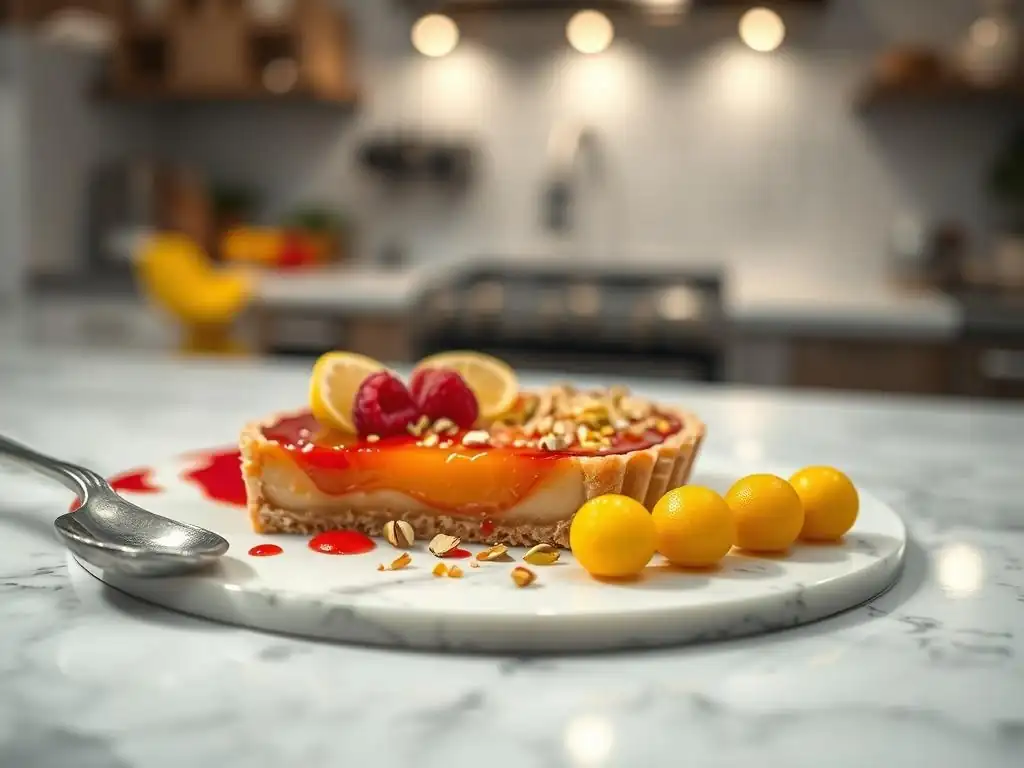
Tarts and pies often have beautiful tops or intricate fillings that should be highlighted during plating. When serving a slice, ensure the cut is clean to show off the layers or filling. Place the slice on the plate so the best angle is facing the diner. A fruit tart slice can be angled to show the colorful fruit filling, while a pie slice can reveal its flaky crust and dense filling.
Accompanying elements should complement the tart or pie's flavors and textures. A scoop of ice cream or a dollop of whipped cream is a classic pairing. Sauces like a berry coulis for fruit tarts or a caramel sauce for pecan pie can be drizzled over the slice or swirled on the plate.
Adding a sprinkle of the tart's crust crumbs or chopped nuts provides extra texture. Plating a slice of apple pie with a scoop of vanilla ice cream and a light caramel drizzle is a simple yet effective way to use beautiful dessert plating techniques to enhance a classic.
Plating Ice Cream and Frozen Desserts: Keeping it Cool and Beautiful
Plating ice cream and frozen desserts requires speed to prevent melting, but beautiful dessert plating techniques are still very achievable. The key is to have all your elements ready before you scoop. Use a warmed scoop for clean, smooth scoops of ice cream or sorbet. Place the scoop (or scoops) on the chilled plate quickly.
Surround the frozen element with garnishes that won't melt instantly. Cookie crumbs, chopped nuts, fresh fruit, or pieces of brittle work well. Sauces can be drizzled over the ice cream or, preferably, pooled on the plate before the ice cream is added. For example, creating a pool of warm chocolate sauce on the plate and quickly placing a scoop of mint chocolate chip ice cream on top, then scattering a few chocolate shavings and a mint sprig, creates a stunning and fast presentation.
Choosing the Right Plate for Your Dessert
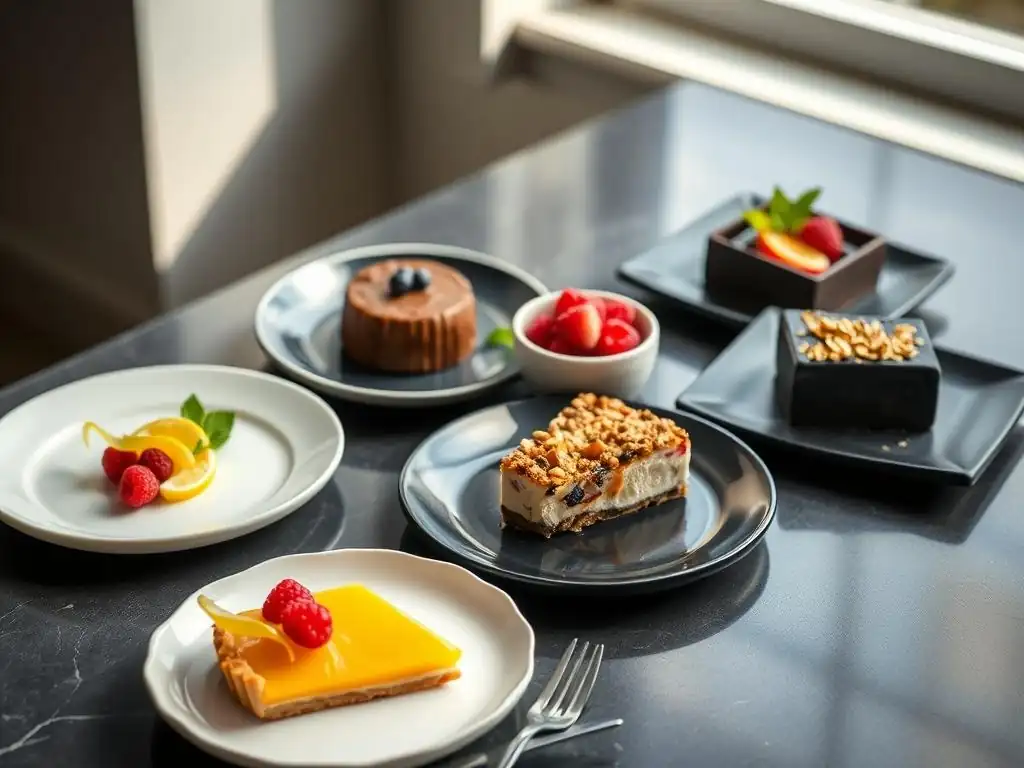
Plate Size and Shape: Considerations for Visual Harmony
The plate itself is the canvas for your beautiful dessert plating techniques, and its size and shape significantly impact the final presentation. Generally, using a plate that is slightly larger than the dessert allows for negative space, which is crucial for creating a clean, uncluttered look. Too small a plate will make the dessert feel cramped, while an excessively large plate can make a small dessert look insignificant.
Consider the shape of the dessert when choosing the plate shape. A round dessert often looks great on a round or square plate, providing either harmony or contrast. A linear dessert might work well on a rectangular plate. Approximately 60-70% of the plate should remain empty, providing breathing room for the dessert and any accompanying sauces or garnishes. This negative space helps the plated dessert stand out and allows the eye to focus on the artistry.
Color and Texture: Selecting Plates that Complement Your Dessert
The color and texture of your plate can enhance or detract from your dessert. White plates are a classic choice because they provide a neutral background that makes the colors of the dessert and its garnishes pop. They are versatile and work with virtually any dessert. However, don't shy away from colored or textured plates if they complement the dessert's theme or colors.
For example, a dark chocolate dessert might look stunning on a light-colored or subtly textured plate that provides contrast. A vibrant fruit dessert could be enhanced by a plate with a rim color that picks up one of the fruit's hues. Consider the overall aesthetic you want to create; a rustic dessert might suit a stoneware plate, while an elegant pastry might call for fine china or a sleek glass plate. The plate should frame, not compete with, your beautiful dessert plating techniques.
Material Matters: Understanding Plate Materials and Their Impact on Presentation
The material of your plate can also influence the perception of the dessert. Porcelain and bone china offer a refined, elegant feel, perfect for delicate pastries and formal presentations. Stoneware and earthenware can lend a rustic, handmade charm, suitable for comforting pies or artisanal cookies. Glass plates offer a modern, clean look, and clear glass can be interesting if there are elements beneath the dessert or on a lower layer.
Consider the weight and feel of the plate as well; a substantial plate can make a dessert feel more significant. For cold desserts like ice cream, a chilled ceramic or glass plate can help slow down melting, a practical aspect of beautiful dessert plating techniques. Conversely, for warm desserts, a plate that retains heat slightly can be beneficial. Choose materials that align with the dessert's character and the desired dining experience.
Garnishing for Impact: The Finishing Touches
Edible Flowers: Adding Natural Beauty and Flavor
Edible flowers are a simple yet incredibly effective way to add a touch of natural beauty and vibrant color to your plated desserts. They provide delicate visual appeal and, depending on the type, can add subtle floral or herbaceous notes. Pansies, violas, nasturtiums, and borage are popular choices, each offering unique colors and shapes. A few small pansies scattered around a lemon tart add immediate elegance and a pop of purple and yellow.
Ensure you are using flowers specifically grown to be edible and are free from pesticides. Place them on the dessert or plate using tweezers for precision. Their delicate nature means they should be added just before serving. A single, perfectly placed bloom can elevate a simple dessert dramatically, making them a key element in beautiful dessert plating techniques.
Fresh Herbs: Aromatic and Visual Enhancement
Fresh herbs might seem unconventional for desserts, but they can add surprising depth of flavor and refreshing visual contrast. Mint is a classic choice, pairing well with chocolate, fruit, and cream-based desserts. A few small mint leaves placed near a chocolate lava cake provide a burst of green against the dark chocolate and a fresh aroma. Other herbs like basil (surprisingly good with strawberries), rosemary (with citrus or chocolate), or thyme (with stone fruits) can also be used creatively.
Choose small, vibrant sprigs or individual leaves. Like edible flowers, place them intentionally using tweezers. The aroma of fresh herbs can enhance the overall sensory experience of the dessert. Using herbs adds a sophisticated, often unexpected, element to your beautiful dessert plating techniques.
Chocolate Decorations: Creating Elegant Accents
Chocolate offers endless possibilities for creating elegant and delicious garnishes. Simple techniques include making chocolate shavings by running a knife or vegetable peeler along a block of chocolate, or creating chocolate curls using a chocolate bar slightly softened at room temperature. Melted chocolate can be piped into abstract shapes or simple designs like lattices or swirls onto parchment paper, allowed to set, and then placed on the dessert.
For instance, creating a few delicate chocolate curls to place atop a slice of tiramisu adds texture and reinforces the chocolate theme. A small piece of tempered chocolate bark with inclusions like nuts or dried fruit can also serve as a beautiful and tasty garnish. Chocolate decorations are a versatile way to add professional flair using beautiful dessert plating techniques.
Fruit Purees and Coulis: Adding Flavor and Visual Appeal
Fruit purees and coulis (strained fruit purees) are not only delicious sauces but also fantastic garnishes that add vibrant color and fresh flavor. They can be used to create dots, swirls, or streaks on the plate, or simply spooned alongside the dessert. A bright red raspberry coulis adds a stunning contrast to white or brown desserts like panna cotta or chocolate cake.
Ensure your puree or coulis is smooth and of a consistency that allows for controlled application. It should be thick enough to hold its shape in dots or lines but thin enough to drizzle smoothly. Using multiple colors of coulis, like a swirl of yellow mango and red strawberry, can create dynamic, colorful patterns. These flavorful sauces are integral to many beautiful dessert plating techniques, providing both visual punch and essential taste harmony.
Tips for Achieving Professional-Looking Dessert Plates at Home
Practice Makes Perfect: Experiment and Refine Your Techniques
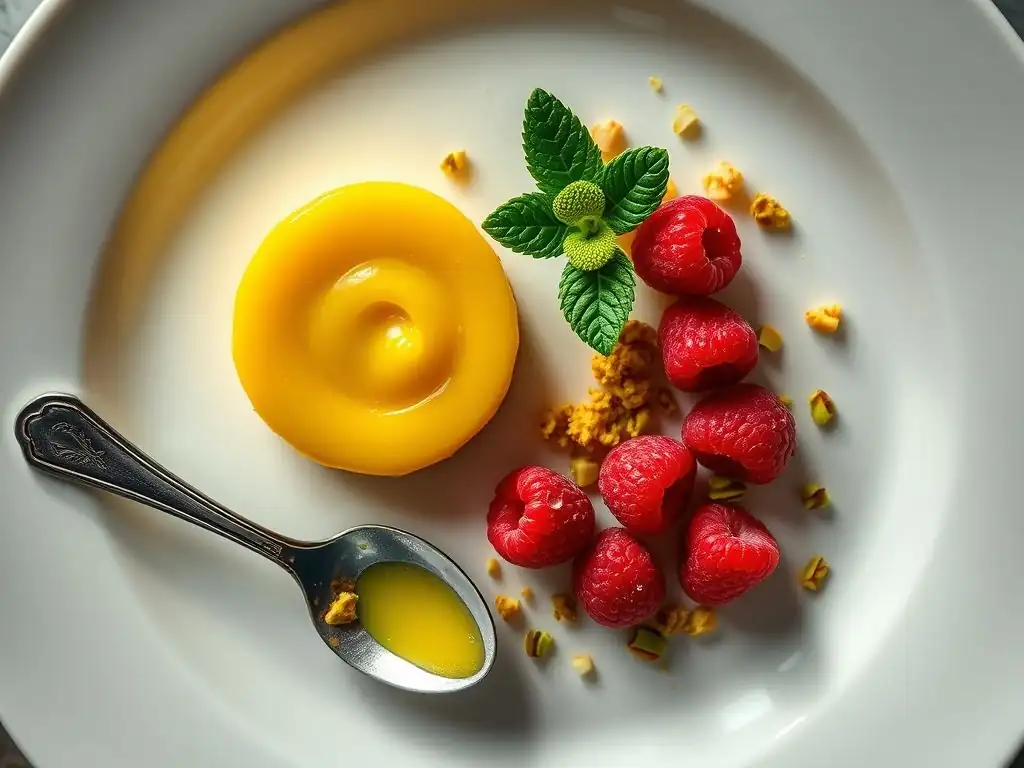
Achieving beautiful dessert plating techniques takes practice. Don't expect perfection on your first try. Start by experimenting with one or two techniques on a simple dessert. Try making dots and swirls with different sauces, or practice scattering crumbs evenly. Use spare plates or even paper plates for practice runs before working on your final dessert.
Take note of what works and what doesn't. Perhaps your sauce is too thin for dots, or your crumb scatter is too messy. Adjust your technique or the consistency of your components and try again. The more you practice, the more confident and skilled you will become, and soon, creating stunning dessert presentation will feel natural. Dedicating just 15-20 minutes to practice can make a significant difference.
Less is More: Avoid Overcrowding the Plate
One of the most common plating mistakes is putting too much on the plate. An overcrowded plate looks messy and detracts from the beauty of the dessert itself. Remember the principle of negative space – leaving ample room around the dessert allows it to be the star and makes the presentation look clean and professional.
Focus on placing elements intentionally rather than randomly filling the space. Choose just one or two sauce techniques, a couple of complementary garnishes, and the main dessert component. For example, instead of dots, swirls, crumbs, and multiple types of garnishes, perhaps use a sauce swoosh, the main dessert, and one type of garnish like a few berries or a mint sprig. This minimalist approach is often key to achieving elegant and beautiful dessert plating techniques.
Consider Color and Contrast: Creating Visual Harmony
Think about the colors of your dessert and how they interact with the plate and garnishes. Creating contrast is often key to making elements stand out. A light-colored dessert benefits from a dark sauce or a vibrant garnish. A dark dessert pops against a light plate or with brightly colored fruit. Aim for a balanced color palette that is visually appealing.
Consider not just color but also tone and saturation. A rich, dark chocolate ganache provides a different kind of contrast than a bright red strawberry coulis. Use color to guide the eye and highlight different aspects of the dessert. Thoughtful use of color is fundamental to creating beautiful dessert plating techniques that are visually harmonious and exciting.
Focus on Cleanliness: A Polished Plate Elevates the Presentation
A clean plate is absolutely essential for professional-looking dessert plating. Smudges, drips, or fingerprints on the rim or the empty space of the plate can ruin an otherwise beautiful presentation. Before serving, take a moment to inspect the plate from all angles.
Keep a clean cloth or paper towel handy while plating to wipe away any stray drips immediately. If using powdered sugar or cocoa stencils, be careful not to disturb the clean areas of the plate. A pristine white plate with a perfectly placed dessert and clean garnishes speaks volumes about the care and precision taken in its creation, making your beautiful dessert plating techniques truly shine.
Troubleshooting Common Dessert Plating Mistakes
Avoiding Soggy Elements: Maintaining Texture Integrity
A common challenge in beautiful dessert plating techniques is preventing elements like cookie crumbs, pastry crusts, or delicate garnishes from becoming soggy, especially when paired with sauces or moist desserts. To maintain texture integrity, add crunchy elements like crumbs or nuts just before serving.
If using a sauce beneath a pastry item like a tart slice, consider creating a barrier. A thin layer of chocolate or a slightly thicker sauce can sometimes prevent moisture migration. Alternatively, simply place the crunchy element on a part of the plate away from any sauces or moist components. Timing is crucial; assemble elements prone to sogginess at the very last moment.
Preventing Sauce Bleeding: Tips for Clean and Defined Lines
Sauce bleeding occurs when a sauce spreads uncontrollably or colors bleed into each other, resulting in messy, undefined lines or dots. This is often due to the sauce being too thin or the plate being too warm. To prevent bleeding, ensure your sauces are reduced or thickened to the correct consistency – think slightly thicker than maple syrup for drizzles, or like yogurt for dots.
Using chilled plates can also help sauces set faster and maintain their shape. If layering sauces, ensure the first layer is slightly set or chilled before adding the next. For dots, apply them with a quick, clean motion, lifting straight up. For lines, draw them confidently without hesitating. Practicing sauce consistency and application technique is key to mastering beautiful dessert plating techniques with clean lines.
Balancing Flavors and Textures: Creating a Harmonious Dining Experience
While focusing on beautiful dessert plating techniques, don't forget that the visual presentation should complement the flavors and textures of the dessert, not just exist for show. Every element on the plate should have a purpose, contributing to the overall taste and textural experience. Pairing a rich, smooth chocolate mousse with crunchy cookie crumbs and a tart berry coulis provides a delightful interplay of textures and flavors.
Avoid adding garnishes or sauces that clash with the main dessert's profile. A mint sprig might not work with a caramel apple pie, for example. Taste test your components together. The goal is to create a harmonious bite that is enhanced by each element on the plate. Successful beautiful dessert plating techniques integrate flavor, texture, and visual appeal seamlessly.
Conclusion: Unleash Your Creativity with Simple Plating
From Beginner to Pro: Transforming Your Desserts with Beautiful Dessert Plating Techniques
Embarking on the journey of mastering beautiful dessert plating techniques is an exciting way to elevate your home baking. It's about adding that extra touch of care and artistry that transforms a delicious dessert into a truly memorable experience. As we've explored, you don't need expensive tools or years of training to start. Simple techniques like creating sauce dots, swirls, or streaks, scattering crumbs, and using basic garnishes can make a significant difference.
By practicing these beautiful dessert plating techniques, experimenting with different arrangements, and paying attention to detail like cleanliness and color contrast, you'll find yourself growing in confidence and skill. Each dessert becomes an opportunity to express your creativity on a plate. So grab your spoons, squeeze bottles, and a few simple garnishes, and start practicing these accessible techniques. You'll be amazed at how quickly you can transform your home-baked goods into stunning, professional-looking desserts that delight everyone lucky enough to enjoy them.
Frequently Asked Questions
How important is plating when presenting desserts?
Plating is crucial because it significantly impacts the overall dining experience. A beautifully plated dessert enhances the perceived taste and elevates the presentation. It can transform a simple dessert into a work of art.
What are some basic elements of dessert plating?
Basic elements include creating height and dimension, using contrasting colors and textures, and incorporating sauces and garnishes strategically. Also consider negative space to draw attention to the dessert itself.
What simple sauces can I use to enhance my dessert plating?
Consider using fruit purees, chocolate sauce, or caramel sauce. They add visual appeal and complementary flavors. Drizzling, swirling, or creating dots are effective techniques.
Where can I find inspiration for dessert plating ideas?
Websites like Pinterest, Instagram, and BakeWithEase.com offer visual inspiration. Experiment with different styles and adapt them to your own desserts for a unique touch.
What are some common mistakes to avoid when plating desserts?
Avoid overcrowding the plate, using too many contrasting elements, and neglecting the overall balance of flavors and textures. Less is often more in elegant dessert plating.
Final Reflection: The Art of the Edible Masterpiece
The pursuit of beautiful dessert plating isn't merely about aesthetics; it's about elevating the entire dining experience. A thoughtfully plated dessert transforms a simple treat into a moment of artistry, a culmination of flavors and textures that engages all the senses. In a world increasingly focused on visual stimulation, mastering these techniques offers a powerful way to connect with others and express your creativity.
The impact of presentation on our perception of food is undeniable. From the humble beginnings of arranging fruit on a plate to the intricate designs seen in high-end restaurants, the evolution of dessert plating reflects our evolving relationship with food as both sustenance and art. The details are not the details. They make the design.
- Charles Eames. This quote perfectly encapsulates the importance of seemingly small details in creating a truly stunning dessert presentation. The careful consideration of color, texture, and negative space elevates the entire dish, transforming it from something merely edible to something truly memorable.
Now, it's your turn to take the reins. Don't be afraid to experiment, to play with different techniques, and to develop your own unique style. Consider the story you want to tell with your dessert plating – what emotions do you want to evoke?
What elements of the dessert itself do you want to highlight? By embracing the principles outlined in this article and allowing your creativity to flourish, you can transform even the simplest dessert into a breathtaking edible masterpiece. The journey of mastering dessert plating is a continuous one, filled with learning, experimentation, and the immense satisfaction of creating something beautiful and delicious.
Elevate Your Dessert Game: Plate Like a Pro!
Thanks for joining us on this delicious journey into the art of dessert plating! We hope you've gained some simple yet impactful techniques to transform your creations. Ready to take your plating skills to the next level?
- Master your signature dessert plate: Choose one dessert you make regularly and practice the plating techniques we discussed. Experiment with different arrangements and garnishes until you find your perfect presentation.
- Share your masterpiece: Snap a photo of your beautifully plated dessert and share it on social media using #BakeWithEasePlating – let’s inspire each other!
- Challenge yourself: Try a new dessert recipe from our website and apply your newly acquired skills. See how much your presentation improves!
What’s your favorite plating trick, and which dessert are you eager to elevate with these techniques?