
Unlocking the Magic of Traditional Fruitcake (Made Easy!)

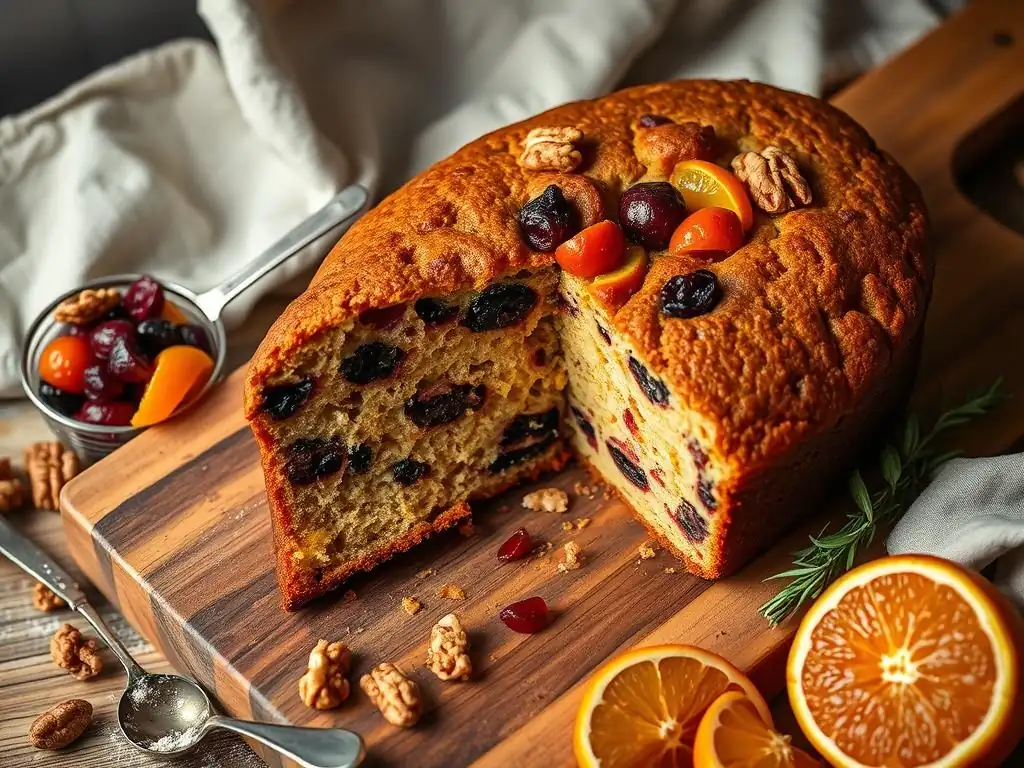
Welcome to BakeWithEase, your guide to delicious homemade baking! Curious about tackling a classic? You've landed in the right place. Forget the intimidating recipes of the past – discover our easy traditional fruitcake recipe for beginners and unlock the secrets to a moist, flavorful holiday treat. Intrigued? Let's get baking!
- Perfecting the Classic Fruitcake: A Beginner's Guide
- Grandma's Secret Fruitcake Recipe: Simplified for Modern Bakers
- Why This Fruitcake Recipe Works: Simple Steps, Delicious Results
- Essential Ingredients for Exceptional Fruitcake
-
Step-by-Step: Baking Your Fruitcake Masterpiece
- Step 1: Soaking the Fruit: Enhancing Flavor and Moisture
- Step 2: Creaming Butter and Sugar: Achieving Lightness and Air
- Step 3: Adding Eggs and Molasses: Richness and Depth
- Step 4: Combining Dry and Wet: Gentle Incorporation
- Step 5: Folding in Fruit and Nuts: Even Distribution
- Step 6: Preparing the Pan: Preventing Sticking
- Step 7: Baking to Perfection: Low and Slow
- Tips and Tricks for Flawless Fruitcake Baking
- Storing and Aging: Developing Richer Flavors
- Serving and Enjoying Your Fruitcake
- Variations on the Classic Recipe
- Enjoy Your Homemade Fruitcake!
-
Frequently Asked Questions
- What makes BakeWithEase's traditional fruitcake recipe "easy" for beginners?
- What are the key ingredients that make a traditional fruitcake unique?
- How long does the "Easy Traditional Fruitcake Recipe for Beginners" take to prepare and bake?
- Can I customize the fruits and nuts in BakeWithEase's easy fruitcake recipe?
- How long can a traditional fruitcake made using BakeWithEase's recipe be stored for?
- Final Reflection: The Enduring Allure of a Simple Fruitcake
- Unleash Your Inner Baker: Craft the Perfect Fruitcake!
Perfecting the Classic Fruitcake: A Beginner's Guide
Grandma's Secret Fruitcake Recipe: Simplified for Modern Bakers
Fruitcake often gets a bad rap, but a truly easy traditional fruitcake recipe beginners can master is a holiday treasure. Forget the dense, dry bricks of popular culture; this version is moist, flavorful, and surprisingly simple to make, even if you've never baked a fruitcake before. It's the kind of recipe that brings warmth to your kitchen and joy to your table, proving that this classic can be accessible and delicious.
Making an easy traditional fruitcake recipe beginners will love starts with understanding the fundamentals and using quality ingredients. This guide breaks down the process into manageable steps, focusing on techniques that ensure success every time. We'll demystify the aging process and show you how simple it is to achieve that rich, complex flavor profile fruitcake is known for, without needing decades of baking experience.
Why This Fruitcake Recipe Works: Simple Steps, Delicious Results
This specific recipe is designed with the novice baker in mind, simplifying traditional methods without sacrificing authenticity or taste. By focusing on clear instructions and common baking techniques, it removes the intimidation factor often associated with fruitcake. The ingredient list is straightforward, and the steps are logical, building confidence as you go.
The success of this easy traditional fruitcake recipe beginners can rely on lies in its balance. It uses a generous, but not overwhelming, amount of fruit and nuts, a moist batter base, and a gentle baking process. The emphasis on soaking the fruit beforehand is a game-changer, ensuring the cake remains succulent. Following these steps carefully will yield a fruitcake that is a far cry from the doorstop jokes and instead becomes a sought-after holiday treat.
Understanding Fruitcake: A Baker's Introduction
Fruitcake is a cake made with candied or dried fruit, nuts, and spices, and optionally soaked in spirits. Its origins are ancient, with early versions tracing back to Roman times, involving pomegranate seeds, pine nuts, and raisins mixed into barley mash. Over centuries, it evolved, incorporating spices from the East and eventually becoming a staple of holiday celebrations in many cultures, particularly during Christmas. Despite its long history, many people have only encountered mass-produced versions, leading to a perception of it being heavy or unappealing.
A key characteristic of traditional fruitcake, and what this easy traditional fruitcake recipe beginners guide aims to deliver, is its longevity and ability to age. Unlike many cakes meant to be eaten fresh, fruitcake often improves over time as the flavors meld and the cake absorbs moisture from the fruit and any added spirits. This aging process, sometimes lasting weeks or even months, is integral to developing the rich, complex taste profile that true fruitcake aficionados cherish. Understanding this aging potential is part of appreciating the tradition behind this festive bake.
Achieving Moistness: The Key to Unforgettable Fruitcake
Moistness is arguably the most critical factor in a successful fruitcake, preventing it from becoming dry and crumbly. This recipe tackles dryness head-on by emphasizing several key techniques. First, the quantity of dried fruit used is substantial, and soaking this fruit before adding it to the batter is paramount. Soaking allows the fruit to plump up, hydrating it and preventing it from drawing moisture out of the cake during baking. Using hot liquid, like strong tea or juice, for soaking can significantly improve the fruit's hydration compared to using cold liquid.
Furthermore, the batter itself is formulated to be rich and moist. This typically involves a higher ratio of butter and sugar compared to some other cake types, along with the inclusion of ingredients like molasses or brown sugar, which add both flavor and moisture. Baking at a low temperature for an extended period is also crucial. A typical baking temperature for fruitcake might be around 140-150°C (275-300°F). This gentle heat allows the cake to cook through slowly without drying out the edges or the interior, ensuring an evenly moist result from center to crust.
Essential Ingredients for Exceptional Fruitcake
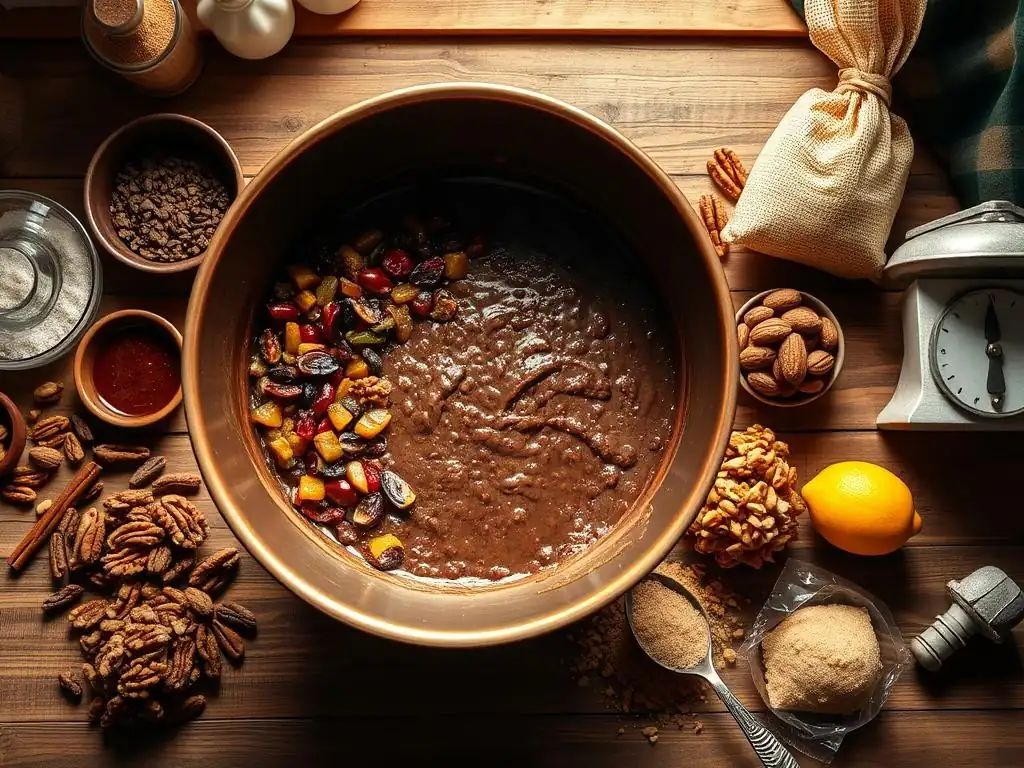
Crafting an easy traditional fruitcake recipe beginners can master starts with selecting the right ingredients. The quality and combination of fruit, nuts, and spices are what give fruitcake its distinctive character. Don't be afraid to experiment with proportions within reason, but understanding the role of each component is key to achieving the desired flavor and texture.
Dried Fruit Selection: Balancing Flavors and Textures
The heart of any fruitcake is, of course, the fruit. A good mix provides layers of flavor and texture. Common choices include raisins (dark and golden), currants, sultanas, glacé cherries, candied citrus peel (lemon and orange), and sometimes dried apricots or figs. Aim for a total weight of dried fruit that is roughly equal to or slightly more than the weight of the flour in the recipe – for example, if using 250g flour, you might use 500g to 750g of mixed fruit.
Variety is important; combining small fruits like currants with larger pieces like glacé cherries creates visual appeal and textural contrast. Ensure your fruit is fresh and not overly dry before soaking, as this will impact how well it plumps up. Avoiding pre-mixed "fruitcake mix" can give you better control over the quality and types of fruit included, allowing you to tailor the easy traditional fruitcake recipe beginners version to your preference.
Nut Choices: Complementing the Fruit's Sweetness
Nuts add a delightful crunch and richness that balances the sweetness of the dried fruit. Popular choices include walnuts, pecans, almonds (sliced or slivered), and sometimes hazelnuts. Like the fruit, using a mix of nuts can enhance the complexity. Ensure nuts are fresh; stale nuts can impart an off-flavor to the entire cake.
The quantity of nuts is flexible, but a good starting point is usually around 100g to 200g for a standard loaf-sized cake. Chopping nuts into pieces roughly the same size as the larger dried fruit pieces helps ensure even distribution throughout the batter. Toasting nuts lightly before adding them can enhance their flavor significantly, bringing out their natural oils and aroma.
Alcohol Infusion: Rum, Brandy, or Sherry?
Alcohol is a traditional component in many fruitcakes, serving multiple purposes: it adds flavor, helps preserve the cake, and contributes to moisture, especially during the aging process. Dark rum, brandy, and sherry are classic choices, each lending a distinct character. Dark rum provides warmth and sweetness, brandy offers a sophisticated depth, and sherry contributes a nutty, slightly drier note.
The amount of alcohol used varies; some recipes call for soaking the fruit in alcohol, while others add it to the batter or pour it over the baked cake for aging ("feeding"). For an easy traditional fruitcake recipe beginners version, soaking the fruit in a measured amount (e.g., 100-150ml) is a simple way to incorporate it. If you prefer an alcohol-free cake, fruit juice like orange, apple, or cranberry juice can be used for soaking instead.
Flour Selection: Achieving the Right Structure
For most easy traditional fruitcake recipe beginners, using standard all-purpose flour is perfectly suitable. It provides the necessary structure to hold the heavy fruit and nut mixture without making the cake tough. While cake flour would result in a lighter crumb, it might not adequately support the weight of the inclusions. Whole wheat flour can be used for a portion of the flour for added nuttiness and fiber, but using only whole wheat can make the cake too dense.
Accuracy in measuring flour is important. Too much flour can lead to a dry cake, while too little can result in a cake that collapses. Using the 'spoon and level' method (lightly spooning flour into a measuring cup and leveling off the top) is more accurate than scooping directly from the bag. Sifting the flour is often recommended to aerate it and remove any lumps, contributing to a slightly lighter batter.
Spice Blends: Creating Warm, Festive Aromas
Spices are crucial for giving fruitcake its characteristic warm, festive aroma and flavor. Common spices include cinnamon, nutmeg, cloves, allspice, and sometimes ginger or mace. Ground spices are typically used, and ensuring they are fresh makes a significant difference in the final taste. Spices that have been sitting in the pantry for years lose their potency.
A typical spice blend for a fruitcake might include 1-2 teaspoons of ground cinnamon, 1/2 - 1 teaspoon of ground nutmeg, and smaller amounts (1/4 - 1/2 teaspoon) of ground cloves and allspice. These spices complement the sweetness of the fruit and the richness of the nuts and batter. Some recipes also include a pinch of salt, which enhances all the flavors in the cake.
Step-by-Step: Baking Your Fruitcake Masterpiece
Baking an easy traditional fruitcake recipe beginners can follow is a process that involves several distinct stages. Each step is designed to contribute to the final texture, flavor, and appearance of the cake. Taking your time and following the instructions carefully will ensure a successful outcome.
Step 1: Soaking the Fruit: Enhancing Flavor and Moisture
This is a crucial first step for achieving a moist fruitcake. Combine your chosen mix of dried fruits and candied peel in a bowl. Pour your soaking liquid (alcohol or fruit juice, heated slightly if using juice or tea) over the fruit. Ensure the fruit is fully submerged or at least well-coated.
Let the fruit soak for a minimum of several hours, or preferably overnight. As the fruit absorbs the liquid, it will plump up and become soft and juicy. This prevents the fruit from absorbing moisture from the cake batter during baking, which is a common cause of dry fruitcake. Some recipes even recommend soaking for several days, stirring occasionally.
Step 2: Creaming Butter and Sugar: Achieving Lightness and Air
Creaming butter and sugar together is a fundamental baking technique that incorporates air into the batter, contributing to a lighter texture. In a large mixing bowl, beat softened butter with sugar (usually a mix of granulated and brown sugar) until the mixture is light, fluffy, and pale in color. This process typically takes 5-10 minutes with an electric mixer.
Using butter that is at room temperature (softened but not melted) is essential for successful creaming. Cold butter won't cream properly, and melted butter will result in a greasy, dense cake. The air pockets created during creaming expand in the oven, helping the cake rise.
Step 3: Adding Eggs and Molasses: Richness and Depth
Eggs bind the ingredients together and add richness. Add eggs one at a time to the creamed butter and sugar mixture, beating well after each addition until fully incorporated. If the mixture looks slightly curdled, don't worry; it will come together once the dry ingredients are added.
Molasses (dark or blackstrap) is often included in traditional fruitcake recipes for its deep color and distinct flavor. It also helps keep the cake moist. Add the molasses along with the last egg, beating until just combined. This step adds another layer of complexity to the flavor profile of the easy traditional fruitcake recipe beginners are making.
Step 4: Combining Dry and Wet: Gentle Incorporation
In a separate bowl, whisk together the flour, spices, baking powder (if used, though many traditional recipes rely on eggs for leavening), and salt. Gradually add the dry ingredients to the wet ingredients, mixing on low speed or by hand until just combined. Avoid overmixing at this stage, as this can develop the gluten in the flour and lead to a tough cake.
The batter will be quite thick at this point, which is normal for fruitcake. Ensure there are no pockets of dry flour visible. The aim is to create a cohesive base that can hold the heavy fruit and nut mixture without collapsing.
Step 5: Folding in Fruit and Nuts: Even Distribution
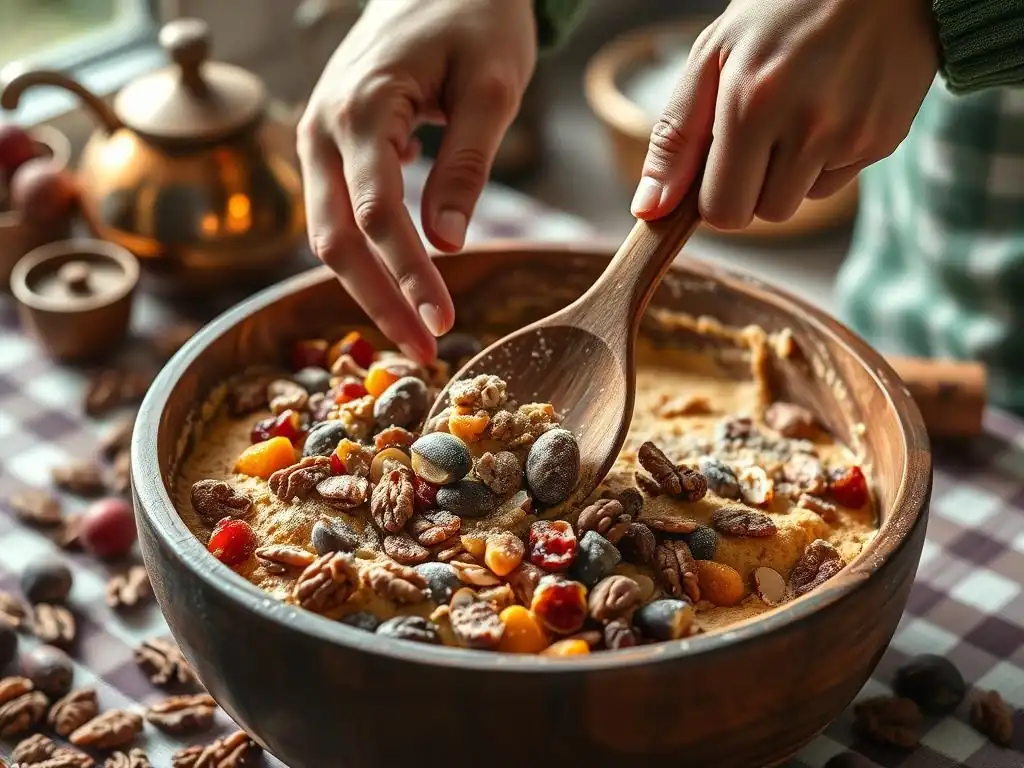
Drain any excess liquid from the soaked fruit (reserve the liquid for feeding the cake later if desired). Toss the soaked fruit and chopped nuts with a tablespoon or two of the measured flour; this helps prevent them from sinking to the bottom of the cake during baking.
Gently fold the floured fruit and nuts into the batter using a spatula or wooden spoon. Mix just until the fruit and nuts are evenly distributed throughout the batter. Overmixing will cause the fruit to break down and the nuts to become greasy. Ensure every spoonful of batter contains a good mix of inclusions.
Step 6: Preparing the Pan: Preventing Sticking
Fruitcakes are dense and bake for a long time, making them prone to sticking. Proper pan preparation is crucial. Grease your baking pan (a loaf pan or round cake pan is common) generously with butter or baking spray. Then, line the bottom and sides with parchment paper, leaving some overhang on the sides to make lifting the cake out easier.
For added protection, especially for longer baking times, you can double-line the pan or wrap the outside of the pan with brown paper or newspaper tied with string. This insulates the cake and helps prevent the edges from drying out or burning before the center is cooked.
Step 7: Baking to Perfection: Low and Slow
Preheat your oven to a low temperature, typically between 140°C and 150°C (275°F and 300°F). Place the prepared cake pan in the center of the preheated oven. The baking time will be long, often ranging from 2 to 4 hours depending on the size and depth of the cake.
Bake until a skewer inserted into the center of the cake comes out clean. If the top of the cake starts to brown too quickly, cover it loosely with aluminum foil. Baking low and slow ensures the cake cooks through evenly without drying out, which is essential for achieving a moist easy traditional fruitcake recipe beginners outcome.
Tips and Tricks for Flawless Fruitcake Baking
Even with an easy traditional fruitcake recipe beginners can follow, a few extra tips can elevate your baking game and help you avoid common pitfalls. These small details can make a big difference in the final result.
- Use Room Temperature Ingredients: Ensure butter and eggs are at room temperature for proper emulsification and texture.
- Don't Overmix: Overmixing develops gluten, leading to a tough cake. Mix only until ingredients are just combined.
- Cool Cake in Pan: Allow the cake to cool in the pan for at least 30 minutes before transferring to a wire rack; this helps it set and prevents breakage.
Maintaining Moisture: Preventing Dryness
One of the biggest fears when baking fruitcake is ending up with a dry result. Beyond soaking the fruit and baking low and slow, there are other techniques to maintain moisture. After baking, while the cake is still warm, you can brush the top with a tablespoon or two of your reserved soaking liquid or fresh alcohol.
Once the cake is cool, wrap it tightly. Using a layer of parchment paper followed by a layer of plastic wrap or aluminum foil prevents moisture loss. Storing the cake in an airtight container further protects it from drying out. Some bakers also wrap the cake in cheesecloth soaked in alcohol, replacing the cheesecloth periodically.
Ensuring Even Baking: Temperature Control
Uneven baking can lead to a cake that is dry on the edges but undercooked in the center. Precise temperature control is key. Use an oven thermometer to verify your oven's actual temperature; many ovens run hotter or cooler than the dial indicates.
If you notice one side of the cake browning faster, rotate the pan halfway through the baking time. As mentioned earlier, wrapping the outside of the pan with a baking strip (a damp cloth strip specifically designed for this purpose) or homemade insulation like brown paper can help the edges bake more slowly, allowing the center to catch up.
Troubleshooting: Addressing Common Baking Issues
- Cake sinking in the middle: This can be caused by underbaking, opening the oven door too early, or too much leavening (though less common in dense fruitcakes). Ensure you bake until a skewer comes out clean and avoid disturbing the cake during the first two-thirds of baking time.
- Fruit sinking to the bottom: This usually happens if the fruit wasn't tossed in flour before adding to the batter or if the batter is too thin. Ensure the fruit is floured and the batter consistency is correct.
- Top cracking excessively: While some cracking is normal, excessive cracking can indicate the oven temperature is too high or the batter is too dry. Try lowering the temperature slightly or ensuring ingredients were measured accurately.
Here's a quick troubleshooting checklist:
- [ ] Check oven temperature with an external thermometer.
- [ ] Ensure fruit was floured before adding to batter.
- [ ] Avoid opening oven door during early baking.
- [ ] Verify ingredient measurements, especially liquids.
Storing and Aging: Developing Richer Flavors
Part of the magic of an easy traditional fruitcake recipe beginners can make is its ability to transform over time. Storing and aging your fruitcake allows the flavors to deepen and meld, resulting in a more complex and delicious cake than one eaten immediately.
The Aging Process: Enhancing Depth
Aging fruitcake is a tradition that significantly enhances its flavor profile. During aging, the spices become more integrated, the fruit's flavors become more concentrated, and if alcohol is used, it permeates the cake, adding moisture and complexity. A minimum aging period of two weeks is often recommended, but many bakers age their fruitcakes for a month or even several months.
The ideal aging environment is a cool, dark place, such as a pantry or cellar. Consistent temperature is more important than a specific temperature, but around 10-18°C (50-65°F) is generally suitable. Avoid storing it in the refrigerator unless you live in a very warm climate, as the cold can dry it out.
Storage Techniques: Maintaining Freshness
Proper storage is key to successful aging and preventing your fruitcake from drying out or molding. Once the cake is completely cool, wrap it tightly in at least two layers of plastic wrap or aluminum foil. Some traditional methods involve wrapping in cheesecloth soaked in alcohol (see below).
Store the wrapped cake in an airtight container. This multi-layered approach prevents air exposure, which causes staleness and dryness. Check on the cake periodically, especially during longer aging periods, to ensure it remains moist and shows no signs of spoilage.
Alcohol Feeding: Enhancing Flavor Over Time
If your fruitcake includes alcohol, "feeding" it during the aging process is a popular technique to keep it moist and enhance the flavor. Every week or two, unwrap the cake and prick the top several times with a skewer. Spoon a tablespoon or two of your chosen spirit (rum, brandy, or sherry) over the top, allowing it to soak in.
Rewrap the cake tightly after feeding. The cake gradually absorbs the alcohol, distributing flavor and moisture throughout. For an easy traditional fruitcake recipe beginners might be making for the first time, feeding is optional but highly recommended for the best results. The amount of alcohol used for feeding is usually small, adding depth without making the cake overly boozy.
Serving and Enjoying Your Fruitcake
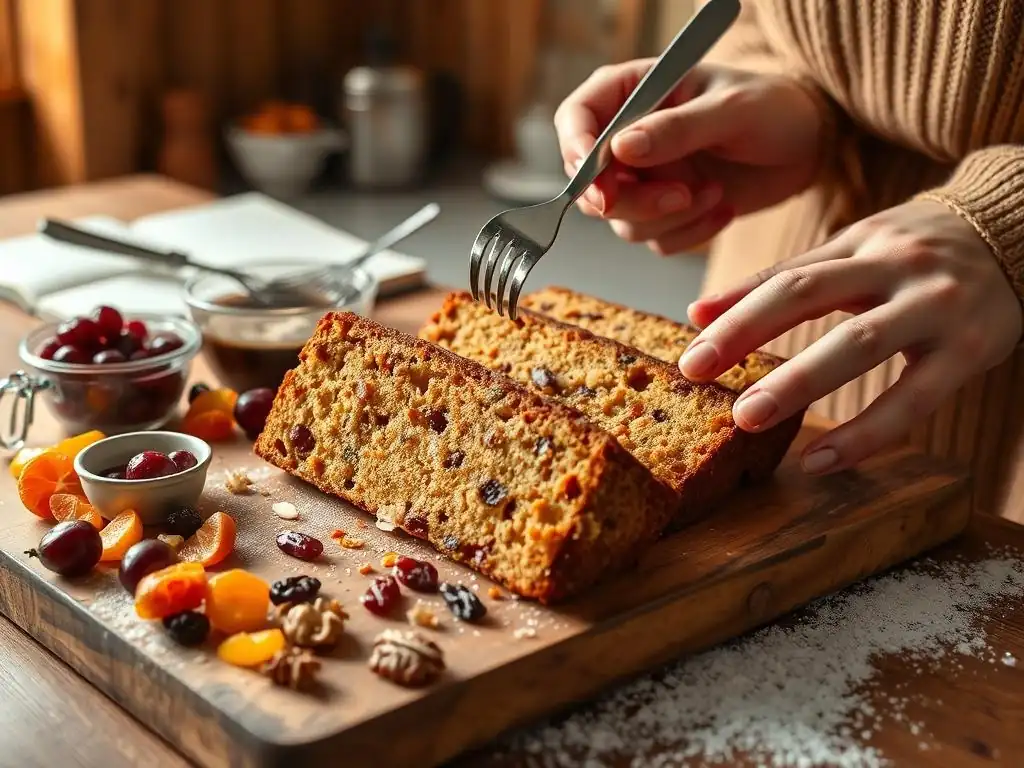
After waiting patiently for your easy traditional fruitcake recipe beginners creation to age, the final step is enjoying it! Serving fruitcake is part of the holiday tradition, and presentation can make it even more special.
Presentation: Slicing and Garnishing for Appeal
Fruitcake is best served in thin slices. Use a sharp knife to get clean cuts. For a festive touch, you can garnish the serving plate or the cake itself. Simple garnishes like a sprig of holly (for decoration only, not edible! ), a dusting of powdered sugar, or a few extra glacé cherries or nuts can enhance its visual appeal.
Some people like to warm fruitcake slices slightly before serving, which can enhance the aroma and soften the texture slightly. Be cautious not to overheat, as this can dry it out. A few seconds in a microwave or a gentle warm-up in a low oven is sufficient.
Pairing Suggestions: Complementary Flavors
Fruitcake pairs wonderfully with a variety of beverages. Traditionally, it's served with tea or coffee. If your cake contains alcohol, it complements a small glass of the same spirit used in the cake (rum, brandy, or sherry).
For a non-alcoholic pairing, try serving it with a glass of sparkling cider or a rich hot chocolate. The dense, rich nature of the cake also makes it a good match for creamy cheeses, such as mascarpone or cream cheese, or even a dollop of clotted cream, which provides a lovely textural and flavor contrast.
Variations on the Classic Recipe
While this guide focuses on an easy traditional fruitcake recipe beginners version, the beauty of fruitcake lies in its adaptability. Once you've mastered the basic technique, feel free to experiment with variations.
Gluten-Free Adaptation: Using Alternative Flours
Adapting a traditional fruitcake to be gluten-free is relatively straightforward. Simply substitute the all-purpose flour with a good quality gluten-free all-purpose flour blend. Look for blends that contain a mix of flours and starches, such as rice flour, sorghum flour, tapioca starch, and potato starch, often with added xanthan gum for structure.
You'll typically use a 1:1 substitution by weight or volume, depending on the specific blend's instructions. The rest of the easy traditional fruitcake recipe beginners process, including soaking fruit and baking low and slow, remains the same. The texture might be slightly different, but you can still achieve a delicious and moist gluten-free fruitcake.
Alcohol-Free Version: Substituting Fruit Juices
As mentioned earlier, making an alcohol-free fruitcake is simple. Instead of soaking the fruit in rum, brandy, or sherry, use fruit juice. Orange juice, apple juice, or cranberry juice are excellent choices that complement the fruit and spices.
You can also use strong brewed tea as a soaking liquid. For the "feeding" process during aging, continue to use fruit juice instead of alcohol. The cake will still benefit from the aging process, allowing the flavors to meld and deepen, resulting in a wonderfully moist and flavorful cake suitable for everyone.
Chocolate Infusion: A Modern Twist
For a modern twist on the easy traditional fruitcake recipe beginners might explore, consider adding chocolate. This can be done in a few ways:
- Add 50-100g of chopped dark chocolate or chocolate chips to the batter along with the fruit and nuts.
- Replace a small amount of the flour (e.g., 20-30g) with unsweetened cocoa powder for a subtle chocolate flavor throughout the cake.
- Drizzle or glaze the cooled, aged fruitcake with melted dark chocolate.
Chocolate adds a layer of bitterness and richness that pairs surprisingly well with the dried fruit and spices, creating a decadent variation on the classic.
Enjoy Your Homemade Fruitcake!
Baking your own fruitcake is a rewarding experience, especially when you follow an easy traditional fruitcake recipe beginners can confidently tackle. From soaking the fruit to the patient process of aging, each step contributes to a final product that is rich in flavor, moist in texture, and steeped in tradition. Share it with loved ones, savor it with a warm drink, and celebrate the festive season with this truly special bake.
Frequently Asked Questions
What makes BakeWithEase's traditional fruitcake recipe "easy" for beginners?
Our recipe focuses on simplified steps and easy-to-find ingredients, eliminating complicated techniques often found in traditional recipes. We also provide clear, step-by-step instructions to guide beginners.
What are the key ingredients that make a traditional fruitcake unique?
Traditional fruitcake relies on a blend of dried fruits, like raisins, currants, and candied peel, soaked in alcohol for flavor and preservation. Spices such as cinnamon, nutmeg, and cloves also contribute to its characteristic taste.
How long does the "Easy Traditional Fruitcake Recipe for Beginners" take to prepare and bake?
The preparation time is relatively short, around 30-45 minutes. However, the baking time is longer, typically 2-3 hours, depending on the oven and size of the cake.
Can I customize the fruits and nuts in BakeWithEase's easy fruitcake recipe?
Yes, you can! Feel free to substitute your favorite dried fruits and nuts while keeping the overall quantity similar to the original recipe. This allows for personalized flavor profiles.
How long can a traditional fruitcake made using BakeWithEase's recipe be stored for?
When properly stored in an airtight container and occasionally "fed" with alcohol, a traditional fruitcake can last for several months. This makes it a great make-ahead holiday treat.
Final Reflection: The Enduring Allure of a Simple Fruitcake
The seemingly humble fruitcake, a symbol of holiday tradition for generations, is experiencing a resurgence, proving that classic recipes, when made accessible, can captivate a new audience. This isn't just about a delicious dessert; it's about reclaiming the joy of creating something meaningful with your own hands, a connection to the past that resonates deeply in our increasingly fast-paced world.
The enduring appeal of fruitcake lies not only in its rich flavor and festive nature, but also in the shared experience it fosters. It's a recipe passed down through families, a tangible link to heritage and memories. The process of making it, from carefully selecting the ingredients to the slow, deliberate baking, becomes a meditative act, a welcome respite from the constant demands of modern life. The best things in life are simple,
a sentiment perfectly encapsulates the magic of this seemingly uncomplicated treat. Its simplicity allows for creativity and personalization, making each fruitcake a unique reflection of the baker's own touch.
Now, it's your turn. Don't let the perceived complexity of traditional fruitcake intimidate you. This article has provided you with the tools to unlock its magic, to create a delicious and meaningful dessert that you can share with loved ones. Take the leap, gather your ingredients, and experience the satisfaction of baking a fruitcake – a testament to tradition, a celebration of simplicity, and a delicious gift to yourself and others. Embrace the process, and let the aroma of warm spices and candied fruit fill your home with the spirit of the season.
Unleash Your Inner Baker: Craft the Perfect Fruitcake!
Thanks for joining us on this fruity adventure! We hope you discovered the secrets to baking a delicious and surprisingly easy fruitcake. Now it's time to put your newfound skills to the test.
- Bake your masterpiece! Use the recipe and tips from this article to create your own unforgettable fruitcake. Let your creativity shine – experiment with different spices or glazes!
- Share your creation! Snap a picture of your finished fruitcake and post it on social media, tagging #BakeWithEaseFruitcake. We'd love to see your baking magic!
- Discover more baking delights: Explore our other recipes and baking tips on BakeWithEase.com – there's a whole world of deliciousness waiting for you!
So, what unique twist will you add to your next fruitcake? Let us know in the comments below!