
Festive GlutenFree Christmas Baking Ideas

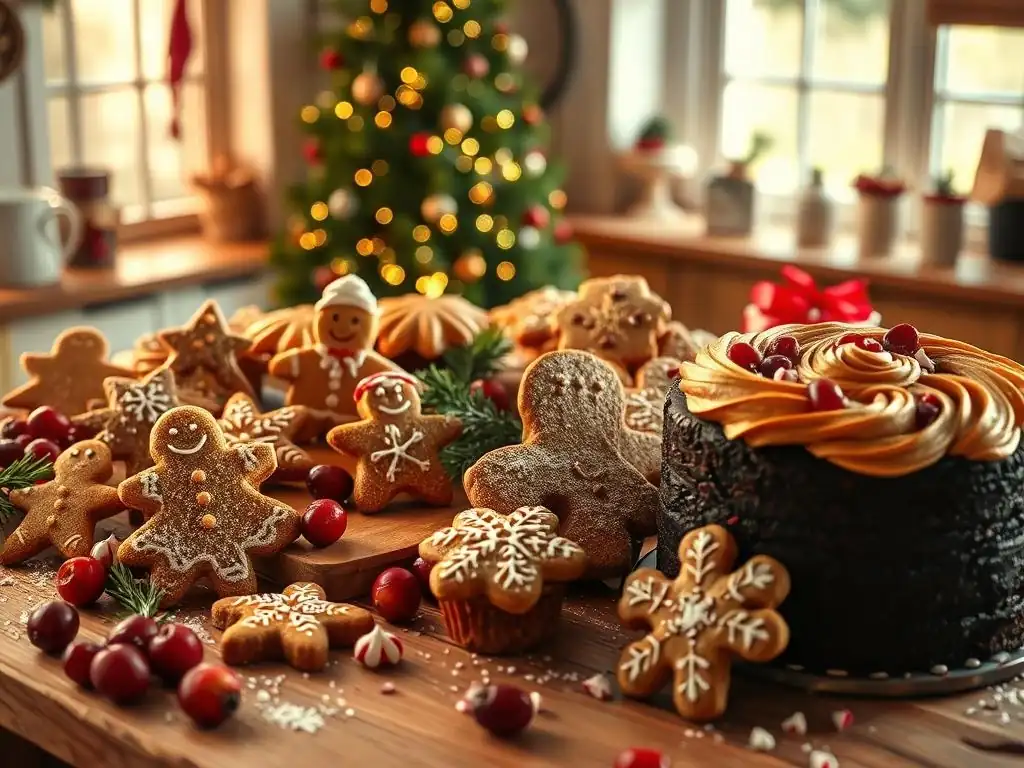
Welcome to BakeWithEase, your trusted companion in the delightful world of baking! Are you dreaming of a Christmas filled with delicious, worry-free treats? This year, embrace the magic of the season with our collection of Festive GlutenFree Christmas Baking Ideas. We've unlocked the secrets to creating irresistibly festive pastries and desserts that everyone can enjoy. Curious to discover how to bake gluten-free delights that taste just as amazing as the originals? Let's get started!
- Festive Gluten-Free Christmas Baking Ideas from BakeWithEase
- Introduction: Gluten-Free Christmas Baking Made Joyful
- Delicious Gluten-Free Christmas Cookie Recipes
- Gluten-Free Christmas Cakes and Desserts
- Gluten-Free Christmas Bread and Pastry Ideas
- Tips for Successful Gluten-Free Christmas Baking
- Conclusion: Enjoy a Delicious Gluten-Free Christmas with BakeWithEase
-
Frequently Asked Questions
- What makes a Christmas baking recipe truly "gluten-free"?
- Can I substitute regular flour for gluten-free flour in any Christmas baking recipe?
- Where can I find reliable gluten-free flour blends for Christmas baking?
- What are some popular gluten-free ingredients to use in Christmas baking?
- Are gluten-free Christmas baking recipes more difficult to execute than traditional ones?
- Final Reflection: The Joy of Gluten-Free Festive Baking
- Unleash Your Inner Baker: Festive Gluten-Free Treats Await!
Festive Gluten-Free Christmas Baking Ideas from BakeWithEase
Introduction: Gluten-Free Christmas Baking Made Joyful
Embrace Gluten-Free Holiday Baking with BakeWithEase
The holiday season is synonymous with warm kitchens filled with the aroma of freshly baked goods. For those navigating gluten sensitivities or celiac disease, this joy shouldn't be diminished. BakeWithEase is here to transform your kitchen into a haven for delightful gluten-free Christmas baking, proving that you don't need gluten to create festive, mouthwatering treats. Our mission is to provide accessible, reliable gluten-free Christmas baking recipes that deliver on taste and texture, ensuring everyone can partake in the holiday sweetness.
Embarking on gluten-free Christmas baking can feel daunting at first, but with the right guidance and recipes, it becomes an incredibly rewarding experience. Imagine biting into a perfectly crisp gluten-free shortbread or a soft, spicy gingerbread cookie, knowing it's safe and delicious for everyone at your table. BakeWithEase simplifies the process, offering clear instructions and helpful tips tailored specifically for gluten-free ingredients, making your holiday baking not just possible, but truly joyful.
Why Choose Gluten-Free Christmas Treats? Dietary needs, improved digestion, and deliciousness for everyone.
Choosing gluten-free options for your holiday spread caters beautifully to guests with specific dietary requirements, such as those with celiac disease or non-celiac gluten sensitivity. An estimated 1 in 100 people worldwide have celiac disease, and many more choose to avoid gluten for various health reasons. Offering delicious gluten-free Christmas baking recipes ensures inclusivity, allowing everyone to enjoy the festive treats without worry or discomfort.
Beyond accommodating specific needs, many people find that reducing or eliminating gluten can lead to improved digestion and reduced bloating, especially during a season often filled with rich foods. Furthermore, modern gluten-free baking techniques and high-quality flour blends mean that these treats are no longer a compromise on taste or texture. They can be just as, if not more, delicious and satisfying than their conventional counterparts, proving that gluten-free Christmas treats are a wonderful choice for everyone at your holiday gathering.
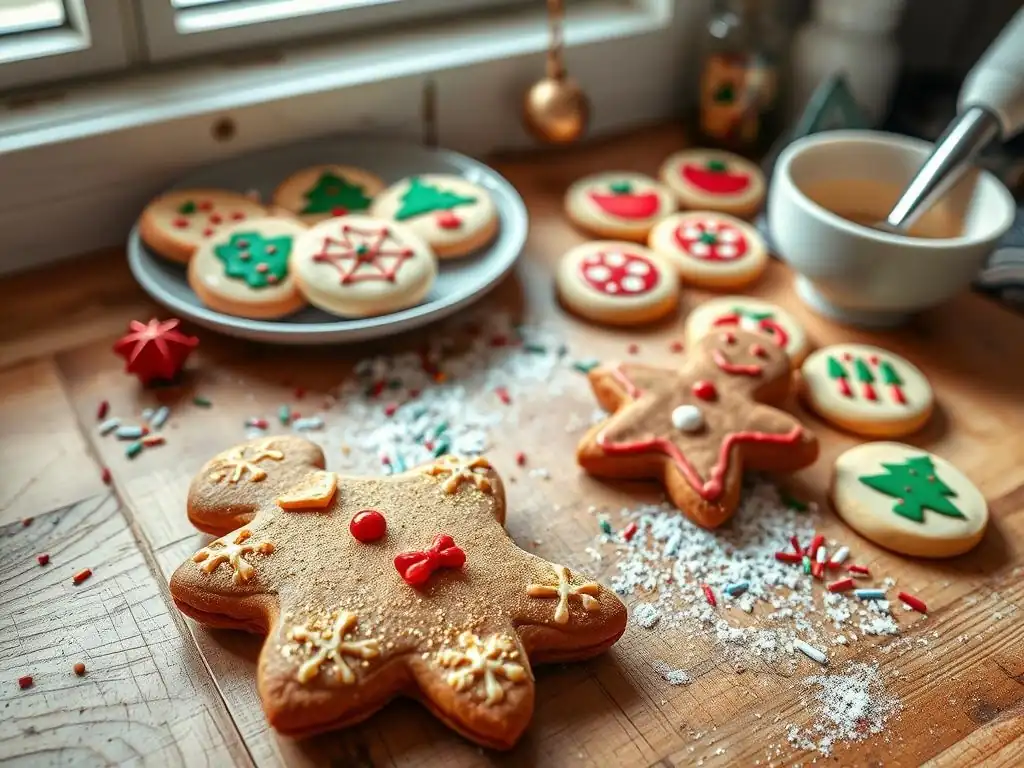
Gluten-free shortbread is a quintessential Christmas cookie, known for its buttery richness and simple elegance. Achieving the perfect crumbly yet tender texture without gluten requires careful ingredient selection and technique. Typically, a good gluten-free shortbread relies on a blend of gluten-free flours, often incorporating rice flour and tapioca starch, combined with a generous amount of cold butter and a touch of sugar. The key is minimal handling of the dough to prevent toughness, a principle even more critical in gluten-free baking.
These classic cookies are incredibly versatile and hold their shape well during baking, making them ideal for cutting into festive shapes like stars, trees, or simple fingers. Baking at a moderate temperature, around 300-325°F (150-160°C), for a longer period, usually 20-25 minutes depending on thickness, helps them bake evenly and develop that signature melt-in-your-mouth texture without browning too much. Cooling completely on the baking sheet is also crucial to prevent breakage.
Easy Gluten-Free Shortbread Cookie Recipe
Crafting easy gluten-free shortbread cookies begins with selecting a reliable gluten-free all-purpose flour blend, ideally one formulated for pastry or cookies. A common ratio involves roughly 2 parts gluten-free flour blend to 1 part butter and 0.5 parts sugar by weight. For instance, using 200 grams of flour blend, 100 grams of cold, cubed butter, and 50 grams of granulated or confectioners' sugar works beautifully. Creaming the butter and sugar until just combined, then gently mixing in the flour until a dough forms is the standard method.
Once the dough comes together, avoid overworking it. Pat it into a disc, wrap tightly, and chill for at least 30 minutes. This chilling period is vital as it solidifies the butter, which helps the cookies maintain their shape and contributes to flakiness. Roll the chilled dough out to about 1/2 inch thickness on a lightly floured surface (using gluten-free flour) and cut out shapes. Bake on a parchment-lined baking sheet at 325°F (160°C) until pale golden around the edges, typically 20-25 minutes. Let them cool on the sheet for at least 10 minutes before moving.
Shortbread Cookie Flavor Variations: Lavender, Lemon, or Chocolate Chip
While classic shortbread is divine on its own, infusing it with different flavors adds a delightful twist to your gluten-free Christmas baking repertoire. For a delicate floral note, add about 1-2 teaspoons of culinary lavender buds, finely chopped, to the dry ingredients. The subtle aroma and flavor pair wonderfully with the buttery base. Another popular variation is lemon shortbread; incorporate the zest of one large lemon into the butter and sugar mixture for a bright, citrusy kick that cuts through the richness.
Chocolate chip shortbread is a crowd-pleaser. Simply fold about 1/2 cup of mini chocolate chips or chopped dark chocolate into the dough towards the end of mixing. Ensure the chocolate is specifically labeled gluten-free if catering to strict dietary needs. Other variations could include adding finely chopped rosemary for an unexpected savory-sweet profile, or dipping half the cooled cookie in melted chocolate and decorating with festive sprinkles. These variations make gluten-free shortbread a versatile canvas for holiday creativity.
Gluten-Free Gingerbread People: A Festive Tradition
Gingerbread people are a beloved symbol of Christmas, and creating a gluten-free version that is both delicious and holds its shape can be a rewarding challenge. The key to successful gluten-free gingerbread lies in the right balance of gluten-free flours, binders like xanthan gum or psyllium husk, and the perfect blend of spices and molasses. A typical dough includes a mix of sorghum, rice, and tapioca flours, spices like ginger, cinnamon, and cloves, molasses for color and moisture, and butter and sugar for richness.
The texture of gluten-free gingerbread dough needs to be firm enough to roll and cut without crumbling excessively, yet soft enough to produce a tender cookie after baking. Achieving this often involves chilling the dough thoroughly, sometimes for several hours or even overnight. Baking time is also crucial; around 10-12 minutes at 350°F (175°C) for average-sized cookies usually results in a cookie that is set but still slightly soft in the center, preventing them from becoming too hard or brittle once cooled.
Tips for Perfect Gluten-Free Gingerbread Dough that Holds its Shape
Creating gluten-free gingerbread dough that maintains its shape during baking starts with the ingredient ratios. Using slightly more gluten-free flour blend relative to wet ingredients than a traditional recipe can help. Incorporating a binder, such as 1/2 teaspoon of xanthan gum or 1 teaspoon of psyllium husk powder per cup of gluten-free flour blend used in the recipe, provides structure that gluten would normally offer. Creaming the butter and sugar well, then beating in the molasses and egg before adding dry ingredients ensures a smooth base.
After mixing, the dough will likely be soft. Chilling is non-negotiable for rolling and cutting. Wrap the dough tightly in plastic wrap and refrigerate for at least 2 hours, or until firm. When ready to roll, work with half the dough at a time, keeping the rest chilled. Roll the dough between two sheets of parchment paper to prevent sticking and make transferring cut shapes to the baking sheet much easier. Roll to about 1/4 inch thickness for sturdy cookies. Bake on parchment-lined sheets, ensuring cookies are spaced about 1 inch apart.
Gingerbread People Icing and Decoration Techniques
Decorating gluten-free gingerbread people is where the real fun begins! A simple royal icing made from confectioners' sugar, meringue powder (ensure it's gluten-free), and water is ideal as it dries hard, creating a smooth, durable surface for decorations. For a softer, non-drying icing, a glaze made just from confectioners' sugar and milk or lemon juice works well, though it won't allow for intricate piping. Food coloring can be added to create a festive palette.
Piping bags with fine tips are excellent for outlining and adding details like eyes, mouths, and buttons. For flooding large areas, use a slightly thinner consistency of icing. Edible decorations like sprinkles, gluten-free candies, or edible glitter can be pressed into the wet icing. For a rustic look, simply dust the cooled cookies with confectioners' sugar using a sieve. Letting the icing dry completely before stacking or storing is essential to prevent smudging; this can take several hours, or even overnight, depending on humidity.
Gluten-Free Peanut Butter Blossoms: A Christmas Favorite
Gluten-free peanut butter blossoms are a beloved part of many holiday cookie platters, instantly recognizable by the chocolate kiss pressed into the center of a soft, chewy peanut butter cookie. Adapting this classic to be gluten-free is straightforward, primarily involving substituting wheat flour with a suitable gluten-free blend. The high proportion of peanut butter in the recipe naturally contributes to moisture and tenderness, making the transition smoother than with some other cookie types.
A typical gluten-free peanut butter blossom recipe includes creamy peanut butter, sugar, an egg, leavening agents like baking soda, and a gluten-free flour blend. Some recipes might also include butter or shortening for added richness and texture. The dough is usually rolled into small balls, about 1 inch in diameter, then rolled in granulated sugar before baking. The signature chocolate kiss is pressed into the center immediately after the cookies come out of the oven while they are still soft.
Making Soft and Chewy Gluten-Free Peanut Butter Blossoms
To achieve soft and chewy gluten-free peanut butter blossoms, pay attention to ingredient ratios and baking time. Using a blend of brown sugar and granulated sugar helps retain moisture, contributing to chewiness. Ensure your peanut butter is creamy, not natural or oily, as the consistency is crucial for the dough. Baking at 350°F (175°C) for approximately 8-10 minutes is usually sufficient. The cookies should look slightly underdone in the center when you remove them from the oven; they will continue to set as they cool.
Pressing the chocolate kiss into the center right away is key. The warmth of the cookie melts the bottom of the kiss slightly, helping it adhere firmly. Don't press too hard, or you might crack the cookie. Allow the cookies to cool on the baking sheet for a few minutes before transferring them to a wire rack to cool completely. This allows them to firm up enough to handle without breaking.
Variations: Different Flavored Kisses & Sprinkles
While the classic milk chocolate kiss is traditional, experimenting with different flavored chocolate kisses can add a fun twist to your gluten-free peanut butter blossoms. Consider using dark chocolate kisses for a richer flavor, white chocolate kisses for a sweeter profile, or even peppermint-flavored kisses for an extra festive touch. Ensure any flavored kisses meet gluten-free requirements if necessary.
Beyond the chocolate, rolling the cookie dough balls in different coatings before baking offers simple variations. Instead of just granulated sugar, try rolling them in a mix of sugar and cinnamon, or even festive colored sprinkles for extra holiday cheer. Adding a pinch of ground ginger or cinnamon to the cookie dough itself can also subtly enhance the flavor profile, making these gluten-free Christmas baking recipes even more exciting.
Gluten-Free Christmas Cakes and Desserts
Gluten-Free Chocolate Peppermint Cake: A Rich and Festive Delight
A rich gluten-free chocolate peppermint cake is a showstopper for any Christmas celebration. The combination of deep chocolate and cool peppermint is a classic holiday pairing. Adapting a traditional chocolate cake recipe to be gluten-free involves replacing wheat flour with a suitable gluten-free blend, often one containing a mix of starches and whole grain flours like brown rice or sorghum. Cocoa powder provides the chocolate flavor, while peppermint extract brings the festive minty note.
Achieving a moist, tender crumb in gluten-free chocolate cake requires careful attention to liquid ratios and baking time. Gluten-free flours absorb liquid differently than wheat flour, sometimes requiring slightly more liquid or a longer resting period for the batter. Baking at a moderate temperature, typically 325-350°F (160-175°C), helps prevent the cake from drying out. Using ingredients like sour cream, yogurt, or oil can also contribute significantly to moisture.
Adapting Traditional Chocolate Cake to Gluten-Free
When converting a traditional chocolate cake recipe to gluten-free, the most critical substitution is the flour. A high-quality gluten-free all-purpose flour blend that includes a binder (like xanthan gum) is usually the easiest starting point. If the blend doesn't contain a binder, add about 1 teaspoon per cup of flour blend. A common ratio might involve substituting 1:1 by volume or weight, though some recipes may need slight adjustments. For instance, if a recipe calls for 2 cups (240g) of wheat flour, start with 240g of your gluten-free blend.
Adding a bit of extra moisture or fat can also improve texture. Consider swapping some butter for oil, or adding a few tablespoons of sour cream or Greek yogurt. Ensure all other ingredients, like baking powder, cocoa powder, and extracts, are certified gluten-free if required. Baking temperature and time may need slight adjustment; check for doneness with a toothpick inserted into the center – it should come out with moist crumbs, not wet batter.
Gluten-Free Chocolate Peppermint Frosting Options
Complementing a gluten-free chocolate peppermint cake requires a frosting that is equally delicious and festive. A classic choice is a smooth buttercream flavored with peppermint extract. Ensure the confectioners' sugar used is gluten-free (some brands can contain anti-caking agents derived from wheat) and use pure peppermint extract, not imitation. For a batch using about 1 cup of butter, you might need 4-5 cups of confectioners' sugar, 1/4 cup milk or cream, and about 1/2 to 1 teaspoon of peppermint extract, adjusted to taste.
Another popular option is a rich chocolate ganache, made simply from melted gluten-free chocolate and hot heavy cream. A ratio of 1:1 chocolate to cream by weight (e.g., 8 ounces chocolate to 8 ounces cream) creates a pourable ganache, while a 2:1 ratio yields a thicker, spreadable frosting once cooled. Adding a few drops of peppermint extract to the warm cream before pouring over the chocolate infuses it with flavor. Decorate with crushed gluten-free candy canes for extra crunch and visual appeal.
Gluten-Free Pavlova with Cranberry Compote: A Showstopping Dessert
Gluten-free pavlova is an elegant and naturally gluten-free dessert that makes a stunning centerpiece for a Christmas table. It consists of a crisp meringue shell with a soft, marshmallowy interior, typically topped with whipped cream and fruit. Since meringue is made from whipped egg whites and sugar, it is inherently gluten-free. The challenge lies in baking the meringue correctly to achieve the desired texture without cracks or deflation.
A typical pavlova uses egg whites, granulated or superfine sugar, a touch of cornstarch (which is gluten-free) for tenderness, and a splash of vinegar or lemon juice for stability. Baking is done at a low temperature, often around 250°F (120°C), for a long time, sometimes up to 90 minutes, followed by cooling completely inside the oven with the door ajar. This slow drying process creates the characteristic crisp exterior and soft interior.
Making a Light and Airy Gluten-Free Meringue
Creating a light and airy gluten-free meringue for pavlova starts with separating egg whites carefully, ensuring no trace of yolk is present, as fat will prevent the whites from whipping properly. Use room temperature egg whites, as they whip to a greater volume than cold ones. Whip the egg whites on medium speed until soft peaks form. Then, gradually add the sugar, a tablespoon at a time, whipping continuously on high speed until stiff, glossy peaks form and the sugar is completely dissolved – you shouldn't feel grittiness when rubbing a little meringue between your fingers.
Once stiff peaks are achieved, gently fold in the cornstarch and vinegar or lemon juice. The cornstarch helps create the marshmallowy center, while the acid stabilizes the meringue. Spoon or pipe the meringue onto a parchment-lined baking sheet, shaping it into a large circle or individual nests, leaving an indentation in the center for the filling. Bake as directed, then cool completely in the oven to prevent cracking.
Assembling and Decorating Your Gluten-Free Pavlova
Assembling your gluten-free pavlova involves topping the cooled meringue shell just before serving to prevent the meringue from becoming soggy. Start with a generous layer of freshly whipped cream. For a large pavlova using 4-6 egg whites, you'll likely need about 2 cups of heavy cream, whipped with a tablespoon or two of sugar and a splash of vanilla extract until soft peaks form.
The classic Christmas topping is a vibrant cranberry compote. A simple compote can be made by simmering 2 cups of fresh or frozen cranberries with 1/2 cup sugar, 1/4 cup water or orange juice, and a pinch of cinnamon or orange zest until the cranberries burst and the mixture thickens, usually about 10-15 minutes. Let it cool completely before spooning it over the whipped cream. Garnish with fresh mint sprigs or a dusting of confectioners' sugar for a festive look. This makes for stunning gluten-free Christmas baking recipes that impress.
Gluten-Free Eggnog Custard: A Classic Reinvented
Eggnog is a staple of the Christmas season, and transforming its rich, creamy flavor into a gluten-free custard offers a delightful dessert option. This gluten-free eggnog custard captures all the warmth and spice of the traditional drink in a spoonable, comforting form. It relies on eggs, sugar, milk, cream, and the signature eggnog spices like nutmeg and cinnamon, all naturally gluten-free ingredients.
The key to a successful custard is gentle cooking to prevent the eggs from scrambling. This is typically done by cooking the mixture over low heat or in a double boiler, stirring constantly, until it thickens enough to coat the back of a spoon, reaching a temperature around 175°F (80°C). Avoiding boiling is crucial. Once thickened, it's often strained for extra smoothness and then chilled to set.
The Secret to a Smooth and Creamy Gluten-Free Eggnog Custard
Achieving a smooth and creamy gluten-free eggnog custard depends on several factors. Firstly, tempering the eggs is essential. Whisk the egg yolks (or whole eggs) with the sugar and spices until pale and slightly thickened. Gently heat the milk and cream mixture (about 2 cups milk to 1 cup cream is a good ratio) until it's steaming but not boiling. Slowly pour a small amount of the hot milk mixture into the egg mixture while whisking constantly – this raises the temperature of the eggs gradually without cooking them too quickly.
Once the eggs are tempered, pour the mixture back into the saucepan with the remaining milk/cream. Cook over low heat, stirring with a wooden spoon or spatula, until the custard thickens. The moment it coats the back of the spoon, remove it from the heat.
Straining the custard through a fine-mesh sieve into a clean bowl removes any potential cooked egg bits, ensuring a silky texture. Stir in a splash of vanilla extract or rum extract for added flavor. Cover the surface directly with plastic wrap to prevent a skin from forming and chill thoroughly, ideally for at least 4 hours.
Serving Suggestions and Nutmeg Garnish
Gluten-free eggnog custard is best served chilled. It can be portioned into individual ramekins or serving glasses for an elegant presentation. Before serving, a sprinkle of freshly grated nutmeg is the classic and essential garnish, enhancing the signature eggnog flavor. A light dusting of cinnamon can also be added.
For extra indulgence, top the custard with a dollop of whipped cream or a sprinkle of gluten-free cinnamon sugar. Consider serving alongside gluten-free shortbread fingers or a gluten-free biscotti for dipping. A small amount of rum or brandy can be stirred into the chilled custard just before serving for an adult version. This comforting dessert is a perfect, naturally gluten-free way to enjoy the taste of eggnog.
Gluten-Free Christmas Bread and Pastry Ideas
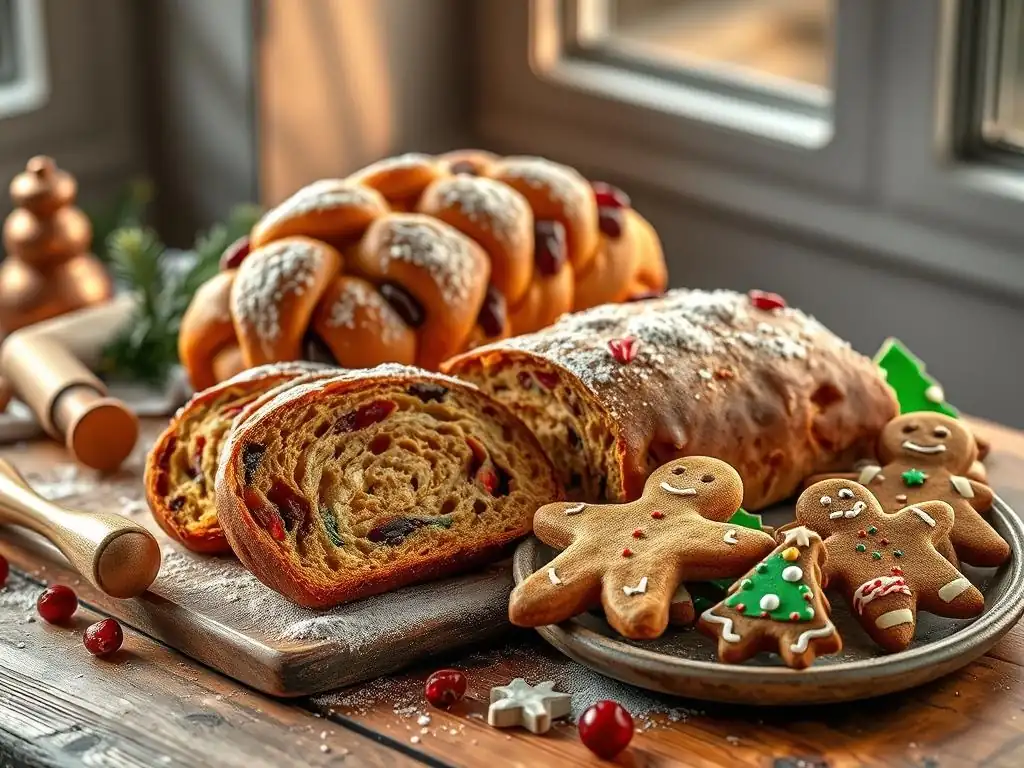
Gluten-Free Cranberry Orange Scones: A Festive Holiday Treat
Gluten-free cranberry orange scones are a delightful addition to a Christmas morning brunch or an afternoon tea. The combination of tart cranberries and bright orange zest is wonderfully festive. Adapting scones to be gluten-free requires a careful hand and the right flour blend to achieve that desired flaky, tender crumb. A mix of gluten-free flours like rice, sorghum, and tapioca starch, often with a binder, works well.
The technique for gluten-free scones is similar to traditional ones: cut cold butter into the dry ingredients until it resembles coarse meal, then add wet ingredients just until the dough comes together. Overmixing is the enemy of flakiness in any scone, and even more so in gluten-free baking. Baking at a relatively high temperature, around 400-425°F (200-220°C), helps them rise quickly and develop a golden crust.
Baking a Flaky and Flavorful Gluten-Free Scone
To bake flaky and flavorful gluten-free cranberry orange scones, start with very cold butter cut into small cubes. Use about 1/2 cup (1 stick) of cold butter per 2 cups of gluten-free flour blend. Quickly cut the butter into the flour using a pastry blender, fork, or your fingertips until the mixture resembles coarse crumbs with some pea-sized pieces of butter remaining. This is crucial for creating steam pockets during baking, resulting in flakiness. Add sugar, baking powder, salt, dried cranberries (about 1/2 cup), and orange zest (from one orange) to the dry mixture.
In a separate bowl, whisk together wet ingredients like milk or buttermilk (about 3/4 cup) and an egg. Pour the wet ingredients into the dry ingredients and mix with a fork or spatula just until a shaggy dough forms. Turn the dough onto a lightly floured surface (using gluten-free flour) and gently pat it into a disc about 1 inch thick. Cut into wedges or use a biscuit cutter. Place scones on a parchment-lined baking sheet and bake at 400°F (200°C) for 18-22 minutes, or until golden brown and risen.
Scone Glaze Variations: Orange Zest, Maple Syrup
While delicious plain, gluten-free cranberry orange scones are wonderful with a simple glaze. An easy option is a powdered sugar glaze flavored with orange zest or juice. Whisk together about 1 cup of confectioners' sugar with 2-3 tablespoons of fresh orange juice or milk and a teaspoon of orange zest until smooth and drizzling consistency is reached. Drizzle over the warm or cooled scones.
For a warmer, autumnal flavor that still fits the Christmas theme, a maple syrup glaze is excellent. Combine about 1/2 cup of confectioners' sugar with 2-3 tablespoons of maple syrup and a splash of milk or water until smooth. This glaze pairs beautifully with the cranberry and orange flavors. Ensure any extracts or flavorings used in glazes are gluten-free.
Gluten-Free Christmas Morning Sticky Buns
Starting Christmas morning with warm, gooey gluten-free sticky buns is a truly special treat. Adapting yeasted sweet rolls to be gluten-free requires a different approach than quick breads like scones, focusing on developing structure and tenderness without gluten. This often involves using a blend of gluten-free flours that includes starches and potentially a small amount of protein flour, combined with binders like psyllium husk or xanthan gum to mimic the elasticity of gluten.
The process typically involves activating yeast in warm liquid, mixing with the dry ingredients to form a dough, allowing a rise time (though gluten-free doughs may not double in size like wheat dough), filling and shaping the rolls, and then baking. The sticky part comes from a rich caramel sauce, often containing butter, brown sugar, and pecans, poured into the bottom of the baking pan before the rolls are placed on top.
Soft and Gooey Gluten-Free Sticky Buns
To make soft and gooey gluten-free sticky buns, the dough needs careful handling and the right ingredients. Using a gluten-free bread flour blend or a custom blend with a higher protein gluten-free flour (like sorghum or millet) can help. Incorporating a binder, such as 1-2 teaspoons of psyllium husk powder or xanthan gum per cup of flour blend, is crucial for structure and elasticity. Using warm milk (about 105-115°F or 40-46°C) to activate the yeast is standard.
After mixing the dough, which might be stickier than wheat dough, a single rise is often sufficient for gluten-free sweet rolls. Let the dough rise in a warm place for about 45-60 minutes. Roll the dough gently into a rectangle on a lightly floured surface (using gluten-free flour) or between parchment paper. Spread with a filling of butter, brown sugar, and cinnamon, then roll tightly into a log. Slice into individual buns, about 1 to 1.5 inches thick.
Pecan Caramel Topping for Gluten-Free Sticky Buns
The signature sticky topping is made by melting butter (about 1/2 cup or 1 stick) with brown sugar (about 1 cup) and often corn syrup or honey (a few tablespoons) in a saucepan. Stir until the sugar dissolves and the mixture is smooth. This caramel sauce is then poured into the bottom of the baking pan. A generous layer of pecans (about 1 cup), chopped, is typically scattered over the caramel sauce.
Place the cut gluten-free sticky bun slices on top of the pecan caramel mixture in the pan. Allow the buns to rest for about 15-20 minutes before baking. Bake at around 350-375°F (175-190°C) for 25-35 minutes, or until golden brown and cooked through. Once baked, immediately invert the pan onto a serving platter to let the gooey caramel and pecans cascade over the buns. Serve warm.
Gluten-Free Apple Crumble Tart: A Festive Dessert Staple
A gluten-free apple crumble tart is a comforting and festive dessert, perfect for a Christmas gathering. It combines a tender gluten-free pastry crust with a warm, spiced apple filling and a buttery, crumbly topping. Making a good gluten-free tart crust requires a blend of flours that yields a flaky texture without being too fragile, often incorporating rice flour, sorghum flour, and starches, along with a binder.
The apple filling is naturally gluten-free, typically consisting of sliced apples tossed with sugar, cinnamon, nutmeg, and sometimes a thickener like cornstarch or tapioca starch. The crumble topping uses the same principle as the crust's flour blend, cut with cold butter and sugar, but mixed to form distinct crumbs rather than a cohesive dough. Baking brings it all together into a delicious, textural dessert.
Homemade Gluten-Free Apple Crumble Filling
Creating a delicious homemade gluten-free apple crumble filling starts with choosing the right apples. A mix of sweet and tart varieties, like Granny Smith and Honeycrisp, provides the best flavor balance. You'll need about 6-8 medium apples, peeled, cored, and sliced about 1/4 inch thick. Toss the sliced apples in a large bowl with sugar (about 1/2 cup, adjusted to apple sweetness), ground cinnamon (1-2 teaspoons), a pinch of nutmeg, and a tablespoon or two of lemon juice to prevent browning and brighten the flavor.
To ensure the filling isn't too watery, especially important when baking with gluten-free crusts which can become soggy, add a thickener. Two tablespoons of cornstarch or tapioca starch tossed with the apples will absorb the juices released during baking. For extra richness, you can also add a tablespoon of butter cut into small pieces and dotted over the filling before adding the crumble topping.
Baking Perfect Gluten-Free Crumble Topping
A perfect gluten-free crumble topping should be buttery, slightly sweet, and form distinct crumbs that crisp up beautifully in the oven. It's essentially a mixture of gluten-free flour blend, sugar, and cold butter, sometimes with the addition of oats (ensure they are certified gluten-free) or nuts. For a standard tart, use about 1 cup of gluten-free flour blend, 1/2 cup of granulated or brown sugar, and 1/2 cup (1 stick) of very cold butter.
Combine the flour and sugar in a bowl. Cut the cold butter into small cubes and use your fingertips, a pastry blender, or a food processor to cut the butter into the dry ingredients until the mixture resembles coarse crumbs, with some larger clumps desired for texture. Avoid overmixing, as you want crumbs, not a dough. Sprinkle the crumble evenly over the prepared apple filling in the gluten-free tart crust. Bake the tart at around 375°F (190°C) for 40-50 minutes, or until the crust is golden, the filling is bubbly, and the crumble topping is crisp and golden brown.
Tips for Successful Gluten-Free Christmas Baking
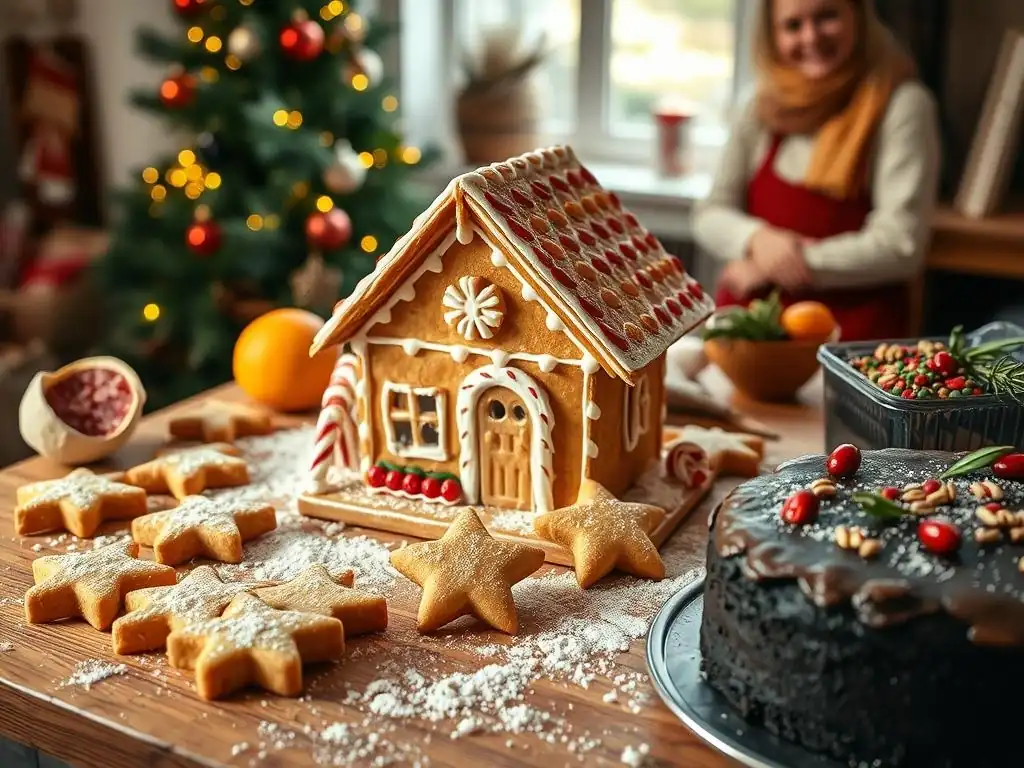
Essential Gluten-Free Baking Ingredients
Successful gluten-free Christmas baking starts with stocking your pantry with the right ingredients. Beyond standard baking staples like sugar, eggs, butter, and leavening agents (ensure baking powder is aluminum-free and certified gluten-free), the most crucial component is the gluten-free flour blend. Having a reliable all-purpose gluten-free blend on hand is key for many recipes. Additionally, specific ingredients like psyllium husk or xanthan gum are vital binders in many gluten-free formulations, providing structure and elasticity that gluten normally would.
Other essential ingredients might include various starches like tapioca starch, potato starch, or cornstarch, which are often used in blends to improve texture and tenderness. Different gluten-free flours like almond flour, coconut flour, sorghum flour, or brown rice flour offer distinct flavors and textures and are used in specific recipes or custom blends. Having a selection allows for greater versatility in your gluten-free Christmas baking recipes.
Best Gluten-Free Flour Blends for Christmas Baking
Selecting the best gluten-free flour blend can significantly impact the outcome of your Christmas bakes. For recipes like cookies, cakes, and muffins, an all-purpose gluten-free flour blend containing a mix of rice flour, sorghum flour, tapioca starch, and potato starch, along with a binder like xanthan gum, is often recommended. Brands like Bob's Red Mill 1-to-1 Baking Flour or King Arthur Baking Gluten-Free All-Purpose Flour are popular and formulated to substitute 1:1 for wheat flour in many recipes.
For yeasted breads or rolls, some bakers prefer blends specifically designed for bread or incorporating a higher proportion of protein-rich gluten-free flours or adding extra binder. Experimentation is sometimes necessary to find the blend that works best with your favorite gluten-free Christmas baking recipes, as different blends can yield slightly different results depending on their composition. Pay attention to whether the blend already contains a binder or if you need to add it separately.
Using Psyllium Husk in Gluten-Free Recipes
Psyllium husk, particularly psyllium husk powder, is an increasingly popular binder in gluten-free baking, especially for yeasted goods like breads and sticky buns. When mixed with liquid, psyllium husk forms a gel-like substance that provides structure, elasticity, and helps with moisture retention, mimicking some of the properties of gluten. It can result in a less crumbly texture and better rise in gluten-free breads compared to using only xanthan gum.
When using psyllium husk powder, a typical ratio is about 1-2 tablespoons per cup of gluten-free flour blend, often mixed with the dry ingredients, though some recipes might call for blooming it in liquid first. It's important to follow the specific recipe's instructions regarding psyllium husk quantity and method, as using too much can result in a gummy or dense texture, while too little won't provide sufficient binding.
Troubleshooting Common Gluten-Free Baking Problems
Gluten-free baking can sometimes present unique challenges compared to traditional baking. Common issues include gummy textures, dense results, or baked goods that crumble easily. Understanding the reasons behind these problems can help you troubleshoot and achieve better results in your gluten-free Christmas baking endeavors. Often, these issues relate to the lack of gluten's structure and elasticity.
For instance, a gummy texture is often caused by using too much binder (like xanthan gum or psyllium husk), too much starch, or insufficient baking time or temperature. Dense results can stem from using a flour blend that is too heavy, not enough leavening, or insufficient mixing/kneading (for yeasted doughs, though overmixing is also possible). Crumbling is usually a sign of insufficient binder, not enough moisture, or overbaking.
Avoiding Gummy Textures
To avoid gummy textures in your gluten-free Christmas baking, ensure you are using the correct amount of binder as specified in the recipe. If you are adapting a recipe, start with the recommended amount (e.g., 1/2 teaspoon xanthan gum per cup of flour for cakes, 1 teaspoon for cookies, 1-2 teaspoons for breads) and adjust in future attempts if needed. Ensure your gluten-free flour blend is balanced, not overly reliant on starches.
Proper baking temperature and time are also critical. Baking at the correct temperature ensures the starches gelatinize and set properly. Undercooking can leave starches raw and result in a gummy interior. For cakes and quick breads, check for doneness with a toothpick; for cookies, look for golden edges. Allowing baked goods to cool properly can also improve texture as they finish setting.
Ensuring Proper Rising in Gluten-Free Bakes
Achieving good rise in gluten-free baked goods, particularly cakes, muffins, and breads, requires careful attention to leavening and dough structure. Ensure your baking powder and baking soda are fresh and stored properly. Gluten-free batters and doughs often benefit from slightly more chemical leaveners than traditional recipes. For yeasted breads, confirm your yeast is active by proofing it in warm liquid with a pinch of sugar before adding it to the dough.
The binder (xanthan gum or psyllium husk) plays a vital role in trapping the gases produced by leavening agents, allowing the bake to rise. Ensure you are using the correct amount. For yeasted doughs, adequate (but not excessive) hydration is important, as is sufficient mixing to allow the binder to develop its structure. Some gluten-free bread recipes benefit from a longer, slower rise or even a second rise. Baking at the correct temperature helps the structure set before the gases escape.
Storing Your Gluten-Free Christmas Treats
Proper storage is key to maintaining the freshness and quality of your gluten-free Christmas baking creations throughout the holiday season. Gluten-free baked goods can sometimes dry out more quickly than those made with wheat flour. The best storage method varies depending on the type of treat.
- Cookies: Once completely cooled, store gluten-free cookies in airtight containers at room temperature. Separating layers with parchment paper can prevent sticking. Most cookies will stay fresh for 3-5 days. For longer storage, many gluten-free cookies freeze well for up to 2-3 months; thaw at room temperature.
- Cakes: Store cooled gluten-free cakes in an airtight container at room temperature for 2-3 days. If frosted with a perishable frosting (like cream cheese or whipped cream), refrigerate and bring to room temperature before serving for best texture. Cakes can also be frozen, either whole or sliced, wrapped tightly in plastic wrap and then foil, for up to 2-3 months.
- Breads and Pastries: Gluten-free quick breads (like scones or muffins) are best stored in airtight containers at room temperature for 2-3 days. Yeasted breads or sticky buns can be stored in airtight containers for 1-2 days. For longer storage, most gluten-free breads and pastries freeze exceptionally well. Wrap tightly to prevent freezer burn and thaw at room temperature or gently warm before serving.
Keeping Cookies, Cakes, and Breads Fresh
To maximize freshness, always ensure baked goods are completely cooled before storing, as trapping warmth creates condensation that can lead to sogginess or spoilage. Use airtight containers or wrap tightly with plastic wrap or foil to minimize exposure to air, which causes staling.
For gluten-free cookies that might dry out quickly, adding a slice of gluten-free bread to the container can help keep them soft by sharing moisture. For sticky buns or yeasted rolls, gently reheating them in a microwave for a few seconds or in a warm oven can revive their soft, gooey texture. Following these storage tips will help you enjoy your delicious gluten-free Christmas baking recipes for as long as possible.
Conclusion: Enjoy a Delicious Gluten-Free Christmas with BakeWithEase
Baking gluten-free for Christmas opens up a world of delicious possibilities, ensuring that everyone can share in the festive joy and indulge in sweet treats. From classic cookies and elegant desserts to comforting breads and pastries, adapting your favorite holiday recipes or discovering new gluten-free Christmas baking recipes has never been easier with the guidance and resources available. Embracing gluten-free baking allows you to create inclusive, delightful treats that cater to dietary needs without sacrificing flavor or texture.
This holiday season, let go of the worry and dive into the rewarding process of gluten-free Christmas baking. The smiles of loved ones enjoying a safe and delicious treat are the best reward. With the right ingredients, techniques, and a little practice, your kitchen can become a source of wonderful gluten-free holiday memories.
We love seeing what you create in your kitchens! Share photos of your festive gluten-free Christmas baking masterpieces on Instagram and tag us @BakeWithEase. Whether it's your perfectly decorated gingerbread people, a stunning pavlova, or a batch of gooey sticky buns, inspire others in the gluten-free baking community. Your successful bakes are a testament to how delicious and achievable gluten-free holiday treats can be!
Seeing your creativity and success fuels our passion for providing the best gluten-free Christmas baking recipes and tips. Join the conversation, ask questions, and connect with fellow baking enthusiasts. Let's spread the joy of delicious, inclusive holiday baking together!
More Gluten-Free Baking Recipes on BakeWithEase.com
This article is just a taste of the many gluten-free Christmas baking recipes and resources available to you. Explore BakeWithEase.com for an extensive collection of gluten-free recipes covering everything from everyday essentials to special occasion bakes. Find detailed guides on gluten-free flours, troubleshooting tips, and step-by-step instructions for mastering various techniques.
Whether you're looking for more gluten-free cookie recipes, cake ideas, bread baking tutorials, or savory gluten-free options, BakeWithEase.com is your comprehensive resource. We are constantly adding new content to help you bake with confidence and ease, regardless of dietary restrictions. Happy baking and happy holidays!
Frequently Asked Questions
What makes a Christmas baking recipe truly "gluten-free"?
A recipe is gluten-free when it uses alternative flours like almond, rice, or tapioca flour instead of wheat flour, and avoids ingredients with hidden gluten, such as some baking powders.
Can I substitute regular flour for gluten-free flour in any Christmas baking recipe?
No, a direct substitution rarely works. Gluten-free flours have different binding properties and require adjustments to the liquid and other ingredients in the recipe.
Where can I find reliable gluten-free flour blends for Christmas baking?
Many supermarkets and online retailers offer pre-mixed gluten-free flour blends specifically formulated for baking. Look for blends labeled as "all-purpose" or "baking blend" for best results.
What are some popular gluten-free ingredients to use in Christmas baking?
Popular ingredients include almond flour for rich textures, coconut flour for moisture, and tapioca starch for binding. Psyllium husk is also a good binding agent.
Are gluten-free Christmas baking recipes more difficult to execute than traditional ones?
Not necessarily! While gluten-free baking requires understanding the properties of different flours, many recipes are just as easy to follow as traditional ones, especially with clear instructions.
Final Reflection: The Joy of Gluten-Free Festive Baking
The demand for delicious and inclusive holiday treats is higher than ever, and gluten-free baking is no longer a niche pursuit but a vital part of ensuring everyone can enjoy the festive season. This means that creating joyful, celebratory experiences around food extends beyond simply taste; it's about accessibility and shared moments. The recipes explored in this article demonstrate that gluten-free baking can be both incredibly rewarding and surprisingly simple.
The shift towards more inclusive food practices, driven by dietary needs and a growing awareness of allergies, has profoundly impacted the culinary landscape. We've moved beyond simply substituting ingredients; we're now seeing innovative techniques and recipes that celebrate the unique qualities of gluten-free flours and ingredients. This evolution reflects a broader societal shift towards inclusivity and understanding. Food is symbolic of love when words are inadequate.
- Alan D. Wolfelt. This sentiment rings especially true during the holidays, a time when sharing food strengthens bonds and creates lasting memories.
Now, as you prepare for your own festive baking, I encourage you to embrace the challenge and the joy of creating something special. Don't be afraid to experiment with different flours and techniques, and most importantly, share the delicious results with loved ones. Let this Christmas be a celebration not only of tradition but also of inclusivity and the power of delicious, gluten-free treats to bring people together. The recipes in this article are just a starting point; let your creativity flourish and make this holiday season truly memorable.
Unleash Your Inner Baker: Festive Gluten-Free Treats Await!
Thanks for joining us on this delicious journey into gluten-free Christmas baking! We hope you've discovered some inspiring ideas to make this holiday season extra special. Now it's time to get baking!
- Bake your favorite gluten-free Christmas treat: Choose one recipe that excites you most and get started! Don't be afraid to experiment with flavors and decorations.
- Share your creations: Tag us on social media (@BakeWithEase - replace with your actual social media handle) and show us your festive masterpieces! Let's inspire each other.
- Challenge yourself with a new technique: Did you see a decorating method you'd like to try? This year, embrace the learning process and have some fun!
So, what festive gluten-free creation will you conquer first? Let's hear about your baking adventures in the comments below!