
The Intriguing History of Pumpkin Spice

Welcome to BakeWithEase, your kitchen companion on a journey through the delightful world of baking! Ever wondered how that iconic autumn flavor came to be? Dive into the intriguing history of pumpkin spice and discover its surprising origins. Prepare to be amazed – this seasonal staple has a story richer than you might think! Let's uncover the secrets behind this beloved blend, and perhaps even inspire your next baking masterpiece.
- A Deep Dive into Pumpkin Spice: More Than Just a Latte
- The Origins of Pumpkin Spice: Beyond the Latte
- The Pre-Latte Era: Pumpkin Spice in American Baking
- The Birth of the Pumpkin Spice Latte (PSL): A Coffee Revolution
- The Evolution of Pumpkin Spice: From Latte to Everything
- Pumpkin Spice Ingredients: What's Really in It?
- The Cultural Impact of Pumpkin Spice
- Pumpkin Spice Latte History: Controversy and Criticism
- Pumpkin Spice Recipes: Beyond the Latte - Bake With Ease Style
- The Future of Pumpkin Spice: Trends and Innovations
- Frequently Asked Questions
- Final Reflection: The Enduring Allure of Pumpkin Spice
- Unlock the Secrets of Pumpkin Spice!
A Deep Dive into Pumpkin Spice: More Than Just a Latte
Pumpkin spice. The very phrase evokes images of crisp autumn leaves, cozy sweaters, and, for many, a warm, comforting beverage. While the modern association is often dominated by the ubiquitous pumpkin spice latte, the history of this beloved flavor profile stretches back far further than its coffee shop fame. It's a blend of spices with roots in ancient trade routes, culinary traditions, and eventually, a uniquely American baking staple. Understanding the full scope of pumpkin spice history reveals a fascinating journey from exotic imports to a seasonal sensation.
This article will explore the rich past of the spices that make up the blend, trace their arrival and integration into Western, particularly American, cuisine, and finally delve into the relatively recent, yet explosive, history of the pumpkin spice latte. We'll uncover how this specific combination of flavors became so deeply intertwined with the fall season and examine its cultural impact, controversies, and future trends. Prepare for a journey through centuries of flavor, leading right up to today's pumpkin spice phenomenon.
The Origins of Pumpkin Spice: Beyond the Latte
Before it was a latte flavor, pumpkin spice was simply a collection of highly prized spices. The individual components – cinnamon, ginger, nutmeg, and clove – each boast their own extensive histories, originating in different parts of the world and traveling across vast distances through ancient trade networks. Their arrival in Europe and eventually the Americas was a testament to global exploration and commerce.
These spices were initially valued not just for their flavor but also for perceived medicinal properties and as status symbols due to their rarity and cost. The journey of these spices from distant lands to becoming common household ingredients is a significant part of culinary history, paving the way for the development of flavor blends like the one we now associate with pumpkin and the pumpkin spice latte history.
Early Uses of Pumpkin Spice Ingredients
The spices central to the pumpkin spice blend – cinnamon, ginger, nutmeg, and clove – have been used for thousands of years in various cultures. Cinnamon, sourced primarily from Sri Lanka and parts of Southeast Asia, was traded as early as 2000 BC, reaching Egypt where it was used for embalming and religious ceremonies. Ancient Romans valued it highly, sometimes even burning it at funerals.
Ginger, originating in Southeast Asia, was cultivated in China and India in ancient times and was one of the first spices to be exported along the Silk Road. It was used in both cooking and traditional medicine across Asia, the Middle East, and eventually Europe. Nutmeg and clove both hail from the Moluccas Islands (the "Spice Islands") in Indonesia.
Nutmeg was a fiercely guarded secret by Dutch traders for centuries, while cloves were also highly sought after for culinary and medicinal purposes, with evidence suggesting their use in China over 2,000 years ago. These spices were integral to flavor profiles long before the concept of a unified "pumpkin spice" existed.
The Spice Trade and the Rise of Pumpkin Spice Flavors
The global spice trade was a transformative force in history, connecting distant continents and driving exploration and conquest. Arab traders initially controlled the routes for spices like cinnamon and ginger for centuries. Later, European powers like the Portuguese, Dutch, and English competed fiercely for control of the sources of nutmeg and clove in the Spice Islands, leading to wars and monopolies.
The high cost and limited availability of these spices meant they were initially only accessible to the wealthy elite in Europe and the Americas. They were used sparingly, often in dishes designed to showcase status.
As trade routes expanded and became more efficient, and as cultivation spread to other regions, the prices gradually decreased, making these flavors more accessible to a wider population. This increased availability was crucial for the eventual widespread use of these spices in everyday baking and cooking, laying the groundwork for combinations that would later become known as pumpkin spice and influence the pumpkin spice latte history.
The Pre-Latte Era: Pumpkin Spice in American Baking

While the individual spices had long histories, their specific combination became particularly prominent in American cuisine, especially in the context of baking. As pumpkins became a significant crop in North America, particularly after European settlement, they were incorporated into various dishes. Sweetened pumpkin custards and pies became popular ways to utilize the gourd.
It was in these early American kitchens that the classic blend of spices began to solidify as the perfect complement to the sweet, earthy flavor of pumpkin. Cookbooks from the colonial era onwards show a clear preference for using cinnamon, ginger, nutmeg, and sometimes clove or allspice in pumpkin-based desserts, establishing a flavor profile that predates the modern pumpkin spice latte history by centuries.
Pumpkin Pie Spice: A Baking Staple is Born
The concept of a pre-mixed "pumpkin pie spice" blend emerged as baking became more common and home cooks sought convenience. Instead of measuring out individual spices, commercial blends offered a consistent and easy way to achieve the desired flavor for pumpkin pie. While it's difficult to pinpoint the exact first instance of a commercial blend, they became increasingly popular throughout the 20th century.
Major spice companies began marketing specific "Pumpkin Pie Spice" mixes, typically containing cinnamon, ginger, nutmeg, and allspice or clove. These blends reflected the traditional spice combinations used in homemade pumpkin pies for generations. The widespread availability of these pre-mixed spices solidified the association of this particular flavor profile with pumpkin desserts and the autumn season in the American consciousness.
Amelia Simmons' "American Cookery" and Early Spice Blends
One of the earliest and most significant American cookbooks, "American Cookery" by Amelia Simmons, published in 1796, provides a window into early American baking practices and spice usage. This book contained two recipes for "Pompkin Pudding" (an early form of pumpkin pie). Both recipes called for a combination of spices that closely mirrors today's pumpkin spice blend.
Simmons' recipes specifically listed "allspice, ginger and grated orange-peel, and wine," and another mentioned "molasses, all-spice and ginger." While not an exact match for every modern blend (nutmeg and clove weren't explicitly listed in these specific pudding recipes, though they were common spices used elsewhere in the book and in other contemporary recipes), the inclusion of allspice and ginger with pumpkin demonstrates the very early roots of this flavor pairing in American cooking. This historical context is crucial when discussing the long pumpkin spice latte history, showing the spice blend's foundation was built in the colonial kitchen.
The Birth of the Pumpkin Spice Latte (PSL): A Coffee Revolution
For centuries, pumpkin spice remained primarily a baking flavor, synonymous with pies, muffins, and cookies, particularly during the fall holidays. Its transformation into a global beverage phenomenon began much more recently, spearheaded by a major coffeehouse chain. This event would irrevocably change the trajectory of pumpkin spice's cultural significance.
The creation of the Pumpkin Spice Latte marked a pivotal moment, taking a traditional, homey flavor and elevating it to a trendy, highly anticipated seasonal offering. The success of the PSL demonstrated the immense market potential for this flavor beyond the baking aisle and ignited a cultural craze that continues to grow year after year, shaping the modern pumpkin spice latte history.
Starbucks and the Creation of the PSL
The Pumpkin Spice Latte, or PSL as it quickly became known, was officially launched by Starbucks in the fall of 2003. The idea emerged from a team in Seattle tasked with developing a new seasonal drink following the success of winter holiday beverages. They explored various fall flavors, including chocolate and caramel, but the team noted the enduring popularity of pumpkin pie during the season.
After developing and testing several concepts, including serving actual pumpkin pie slices alongside coffee, they landed on a liquid formulation capturing the essence of pumpkin pie spices. The initial recipe did not contain actual pumpkin puree, relying solely on the spice blend and flavorings. The drink was first tested in just a couple of dozen stores in Washington D.C. and Vancouver, B.C., in the fall of 2003 before rolling out nationwide the following year. Its immediate success surprised even the company itself, quickly becoming their most popular seasonal beverage launch to date.
Why the PSL Became a Phenomenon
Several factors contributed to the meteoric rise of the Pumpkin Spice Latte. Firstly, it tapped into a powerful sense of nostalgia and comfort associated with fall and holiday baking. The familiar flavors of cinnamon, nutmeg, and clove evoked warm, positive memories for many consumers. Secondly, its limited seasonal availability created anticipation and a sense of urgency, driving demand each autumn.
Starbucks' extensive marketing efforts, coupled with the rise of social media in the mid-2000s, played a crucial role. Customers began sharing their PSL experiences online, turning the drink into a cultural touchstone and a signal that fall had officially arrived. The combination of a comforting, nostalgic flavor, smart seasonal marketing, and a powerful brand name propelled the PSL from a new menu item to a global phenomenon, selling millions of cups annually and fundamentally altering the pumpkin spice latte history.
The Evolution of Pumpkin Spice: From Latte to Everything
The unprecedented success of the Pumpkin Spice Latte demonstrated the enormous consumer appetite for this flavor beyond traditional baked goods. This opened the floodgates for a massive expansion of pumpkin spice into virtually every food and beverage category imaginable. What started as a coffee drink quickly morphed into a seasonal flavor profile applied to an astonishing array of products.
This expansion solidified pumpkin spice's status as the definitive flavor of autumn in many parts of the world. Food manufacturers and retailers eagerly jumped on the trend, creating a "pumpkin spice season" that now starts earlier each year, flooding shelves with limited-edition items ranging from snacks to household goods. The pumpkin spice latte history directly spurred this widespread market saturation.
Pumpkin Spice Flavored Foods: Expanding the Palette
Following the PSL's success, food manufacturers realized that the pumpkin spice flavor was a powerful marketing tool for fall. The market quickly saw an explosion of pumpkin spice flavored products. This went far beyond coffee and traditional pies.
Consumers could suddenly find pumpkin spice in everything from breakfast cereals (like Pumpkin Spice Cheerios or Special K Pumpkin Spice) and yogurt to cookies (Oreos, shortbreads), ice cream, and even potato chips and hummus. While some products incorporated actual pumpkin puree, many relied solely on the spice blend flavoring to evoke the familiar taste of fall. This rapid diversification showed the incredible versatility and market appeal of the flavor combination.
Pumpkin Spice: A Seasonal Sensation
The annual return of the Pumpkin Spice Latte and the subsequent wave of pumpkin spice products has created a distinct "pumpkin spice season" that typically begins in late August or early September and lasts through Thanksgiving. This seasonality is a key part of the flavor's appeal, generating excitement and anticipation each year.
Retailers strategically launch their pumpkin spice offerings around the same time, reinforcing the connection between the flavor and the start of autumn. This concentrated seasonal availability contributes to its status as a limited-time treat, making it feel special and desirable. The cultural phenomenon surrounding pumpkin spice is now deeply tied to the changing seasons, making it a flavorful marker of fall's arrival.
Pumpkin Spice Ingredients: What's Really in It?
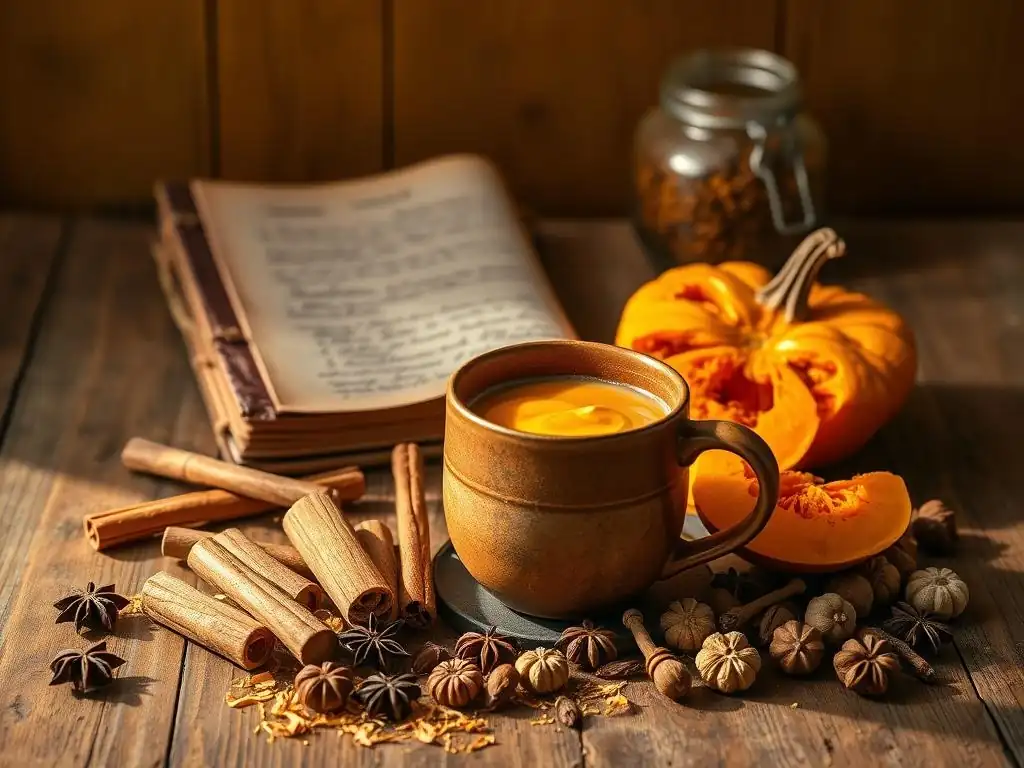
At its core, pumpkin spice is a simple blend of common baking spices. While commercial mixes and individual recipes might have slight variations, the foundational components remain consistent, drawing directly from the spices historically used in pumpkin pies. Understanding these key ingredients is essential to appreciating the flavor profile that has captured so many palates and shaped the pumpkin spice latte history.
These spices are chosen for their warm, aromatic, and slightly pungent qualities, which complement the sweetness of pumpkin and other fall flavors beautifully. Their individual characteristics combine to create a complex and comforting taste that is instantly recognizable as "pumpkin spice."
The Classic Pumpkin Spice Blend: Cinnamon, Ginger, Nutmeg, and Clove
The traditional pumpkin spice blend typically consists of four main spices:
- Cinnamon: Often the most dominant spice, providing warmth, sweetness, and a familiar aroma.
- Ginger: Adds a zesty, slightly peppery kick that brightens the blend.
- Nutmeg: Offers a warm, slightly sweet, and pungent note.
- Clove: Provides an intense, aromatic, and slightly medicinal flavor that should be used sparingly so it doesn't overpower the others.
Many blends also include Allspice, which confusingly is a single berry (from the Pimenta dioica tree) that tastes like a combination of cinnamon, clove, and nutmeg, further enhancing the core flavor profile. The exact ratios of these spices can vary widely between manufacturers and homemade recipes, leading to subtle differences in flavor intensity and balance.
Variations and Regional Differences in Pumpkin Spice
While the core spices remain consistent, there are variations in pumpkin spice blends. Some recipes might omit clove if its intensity is not desired, while others might add mace (the outer covering of the nutmeg seed, offering a slightly more delicate flavor than nutmeg itself). Ground cardamom is sometimes included for an extra layer of warmth and aroma, particularly in more gourmet or international-inspired versions.
Regional preferences can also influence how pumpkin spice is perceived or used. While the blend is most strongly associated with American fall baking, similar spice combinations are found in traditional recipes from other cultures, though perhaps not specifically tied to pumpkin. The ratios in commercial blends might also be adjusted based on market research or specific product applications, subtly altering the classic taste profile.
The Cultural Impact of Pumpkin Spice
Beyond its status as a flavor, pumpkin spice has become a significant cultural phenomenon, particularly in the United States and increasingly in other countries. It's more than just a taste; it's an experience, a signifier of a season, and a subject of both fervent adoration and playful mockery. Its widespread presence reflects and influences consumer trends, marketing strategies, and even seasonal traditions.
The annual return of pumpkin spice items is widely anticipated and discussed, generating buzz across social media and traditional media outlets. This cultural resonance highlights the power of food and flavor to create shared experiences and mark the passage of time, solidifying its unique place in modern consumer culture, influenced heavily by the pumpkin spice latte history.
Pumpkin Spice and the Fall Season Connection
The link between pumpkin spice and the fall season is now deeply ingrained. For many, the appearance of pumpkin spice products signals the official end of summer and the arrival of autumn. This connection is reinforced by retailers who launch their seasonal lines alongside other fall-themed merchandise.
The flavors themselves – warm, spicy, and comforting – align perfectly with the cozy, nesting feelings associated with cooler weather, changing leaves, and upcoming holidays like Halloween and Thanksgiving. This strong seasonal tie-in is a major driver of the pumpkin spice craze, making it feel like a necessary part of the autumn experience, much like apple picking or wearing sweaters.
The Psychology Behind the Pumpkin Spice Craze
The intense popularity of pumpkin spice can be partly explained by psychological factors. Nostalgia plays a significant role; the flavors evoke memories of childhood, holidays, and home baking. This creates a powerful emotional connection that makes the flavor inherently comforting and appealing.
The limited-time availability also triggers a psychological principle called scarcity, increasing the perceived value and desirability of pumpkin spice products. The anticipation built throughout the year culminates in the excitement of its return. Furthermore, participating in the pumpkin spice trend can be a form of social signaling, a way to connect with others who share the same seasonal enthusiasm, amplified by social media sharing.
Pumpkin Spice Latte History: Controversy and Criticism

Despite its immense popularity, the pumpkin spice phenomenon, particularly the latte, has not been without its share of controversy and criticism. As with any widely popular trend, scrutiny often follows, leading to discussions about ingredients, authenticity, and even the commercialization of a seasonal feeling.
These criticisms, while sometimes lighthearted, point to broader consumer concerns about food sourcing, artificial ingredients, and the often-hyped nature of seasonal products. Understanding these points of contention adds another layer to the complex pumpkin spice latte history and its cultural footprint.
The "Artificial" Flavor Debate
One of the most common criticisms leveled against some commercial pumpkin spice products, including early versions of the PSL, was the use of artificial flavorings to mimic the taste of the spices or even pumpkin itself. Consumers became more aware and concerned about artificial ingredients in their food and beverages.
Starbucks, for example, responded to this feedback in 2015 by updating its PSL recipe to include real pumpkin puree and removing artificial caramel coloring. This change was largely seen as a positive step by consumers who preferred more natural ingredients. The debate highlights a broader trend towards transparency and authenticity in the food industry.
The Absence of Actual Pumpkin in Some Products
Perhaps the most frequent point of contention surrounding pumpkin spice is the fact that many products labeled as such contain little to no actual pumpkin. The flavor profile is derived solely from the spice blend (cinnamon, nutmeg, ginger, clove), not the gourd itself.
While this is less of an issue in traditional pumpkin pie, where pumpkin is the primary ingredient, it became a point of criticism for products like coffee, cereals, or snacks that marketed a "pumpkin" flavor based purely on the spices. This led to some consumer confusion and jokes about the "pumpkin-less" nature of many pumpkin spice items, underscoring the fact that "pumpkin spice" has evolved to represent a flavor blend rather than a flavor derived from pumpkin.
Pumpkin Spice Recipes: Beyond the Latte - Bake With Ease Style
At BakeWithEase.com, we believe the true magic of pumpkin spice lies in its ability to transform simple baked goods into comforting, autumnal treats. While the pumpkin spice latte history is fascinating, the flavor's origins are in the kitchen, specifically in baking. Using this warm, aromatic blend in your own recipes is a rewarding experience.
Moving beyond the coffee cup, pumpkin spice is incredibly versatile in baking. It pairs beautifully with pumpkin puree, of course, but also with apples, chocolate, cream cheese, and nuts. Here are a couple of ideas to get you started with incorporating this classic flavor into your baking repertoire, keeping things easy and delicious.
Homemade Pumpkin Spice Blend Recipe
Making your own pumpkin spice blend allows you to customize the ratios to your preference, ensuring you get the perfect balance of warmth and spice for your baking. It's also a great way to ensure you're using fresh, high-quality spices.
A simple base recipe for a homemade blend might look something like this:
- 4 parts Ground Cinnamon
- 2 parts Ground Ginger
- 1 part Ground Nutmeg
- 1 part Ground Clove
- (Optional: 1 part Ground Allspice)
Combine the desired amounts of each spice in a small jar and shake well to mix. For example, you could use 4 tablespoons of cinnamon, 2 tablespoons of ginger, 1 tablespoon of nutmeg, and 1 tablespoon of clove. Store in an airtight container in a cool, dark place. This blend is perfect for adding to pies, muffins, breads, and more.
Elevating a classic like chocolate chip cookies with pumpkin spice is a fantastic way to infuse fall flavor into a familiar treat. Imagine soft, chewy cookies filled with melty chocolate chips, underscored by the warm notes of cinnamon, ginger, nutmeg, and clove.
To adapt a standard chocolate chip cookie recipe, you would typically whisk 1-2 teaspoons of your homemade or store-bought pumpkin spice blend into the dry ingredients (flour, baking soda/powder, salt). The amount can be adjusted based on how prominent you want the spice flavor to be. The spices pair wonderfully with both milk and dark chocolate chips, creating a delightful contrast of sweet, rich, and warm flavors. It's a simple yet effective way to bring the essence of pumpkin spice into everyday baking, proving its versatility beyond the latte.
The Future of Pumpkin Spice: Trends and Innovations
What does the future hold for pumpkin spice? While its status as a fall staple seems secure, the market continues to evolve, with new products and applications emerging each year. The innovation spurred by the pumpkin spice latte history shows no signs of slowing down, as brands look for new ways to capture consumer interest during the autumn season.
Expect to see continued experimentation with different formats, flavor combinations, and even unexpected applications. The trend towards unique coffee experiences and savory uses suggests that pumpkin spice might continue to push boundaries beyond its traditional sweet realm.
Pumpkin Spice Cold Brew and Creamers
As cold brew coffee has grown in popularity, so too have pumpkin spice variations tailored to this brewing method. Pumpkin Spice Cold Brew offers a smoother, less acidic take on the classic flavor compared to the hot latte. This caters to consumers who prefer cold coffee beverages year-round.
Additionally, the market has seen a proliferation of pumpkin spice coffee creamers. These allow consumers to add the flavor to their coffee at home, offering a convenient alternative to visiting a coffee shop. These products demonstrate how the core pumpkin spice flavor is being adapted to different beverage trends and consumption habits.
Pumpkin Spice and Savory Applications
While less common than sweet applications, there's growing interest in using pumpkin spice flavors in savory dishes. The individual spices – cinnamon, ginger, clove, nutmeg – are already used in savory cooking in various global cuisines (think curries, rubs for meat, or spiced vegetable dishes).
Experimentation with pumpkin spice in rubs for pork or chicken, in autumn-themed sauces or glazes, or even in roasted vegetable dishes is a niche but emerging trend. While it may not reach the same level of popularity as the sweet treats or beverages, it shows the potential for the spice blend to transcend its dessert-centric reputation and explore new culinary territories, adding another chapter to the ongoing story that began with the pumpkin spice latte history.
Frequently Asked Questions
What is the origin of the pumpkin spice flavor profile?
The flavor profile isn't actually that old! It initially emerged as a blend of spices marketed for pumpkin pie filling in the early 20th century. The spices typically include cinnamon, nutmeg, ginger, and cloves.
How did pumpkin spice become associated with the latte?
The association took off in 2003 when Starbucks introduced the Pumpkin Spice Latte (PSL). This beverage captured the fall spirit and quickly became a seasonal sensation, driving the popularity of the flavor.
Is there actual pumpkin in a Pumpkin Spice Latte?
Initially, Starbucks' PSL did not contain any real pumpkin! However, in 2015, they added real pumpkin puree to the recipe, responding to consumer demand for more authentic ingredients.
What are some popular baked goods featuring pumpkin spice?
Beyond the latte, pumpkin spice is widely used in baked goods like pumpkin bread, muffins, pies, and cookies. BakeWithEase.com offers many simple and delicious recipes for these treats!
Where can I find easy recipes to experiment with pumpkin spice baking?
BakeWithEase.com is your go-to resource! We provide step-by-step guides and easy-to-find ingredient lists, catering to bakers of all skill levels, so you can master pumpkin spice baking with ease.
Final Reflection: The Enduring Allure of Pumpkin Spice
The ubiquitous aroma of pumpkin spice isn't just a fleeting autumnal trend; it's a testament to the enduring power of nostalgia and cleverly crafted marketing. This seemingly simple flavor profile has woven itself into the fabric of modern autumnal celebrations, transforming a humble spice blend into a multi-million dollar industry. Its impact extends far beyond the simple beverage, influencing everything from candles and home decor to clothing and even pet treats.
The journey of pumpkin spice, from its humble beginnings in early American kitchens to its current global dominance, reveals much about our collective desire for comforting traditions and the skillful manipulation of consumer desires. Nostalgia is not just about remembering the past; it's about creating a sense of belonging in the present.
This quote perfectly encapsulates the emotional connection we forge with the pumpkin spice flavor profile, a connection skillfully cultivated by brands and embraced by consumers seeking a sense of warmth and familiarity in an increasingly fast-paced world.
Consider the impact of this seemingly simple spice blend on your own life. Do you associate pumpkin spice with specific memories, people, or feelings? What role does this manufactured tradition play in your autumnal celebrations? I encourage you to reflect on this, not just as a consumer, but as a participant in the ongoing narrative of pumpkin spice. Embrace the season, savor the flavors, and perhaps even consider the fascinating history behind the spice that has captured the hearts (and taste buds) of millions.
Unlock the Secrets of Pumpkin Spice!
Thanks for taking the time to explore the fascinating world of pumpkin spice with us! We hope you discovered new appreciation for this autumnal favorite. Ready to put your newfound knowledge into action?
- Bake your own pumpkin spice masterpiece! Try our award-winning recipe for Pumpkin Spice Latte Muffins – the perfect blend of comfort and creativity.
- Share your pumpkin spice creations with the BakeWithEase community on social media – tag us @BakeWithEase and inspire others!
- Challenge yourself to experiment with pumpkin spice in unexpected ways – what unusual dish could you imagine it enhancing?
What innovative pumpkin spice recipe will you create next?