
Secret Weapons: MustHave Tools Every Baker Needs (and Wants!)

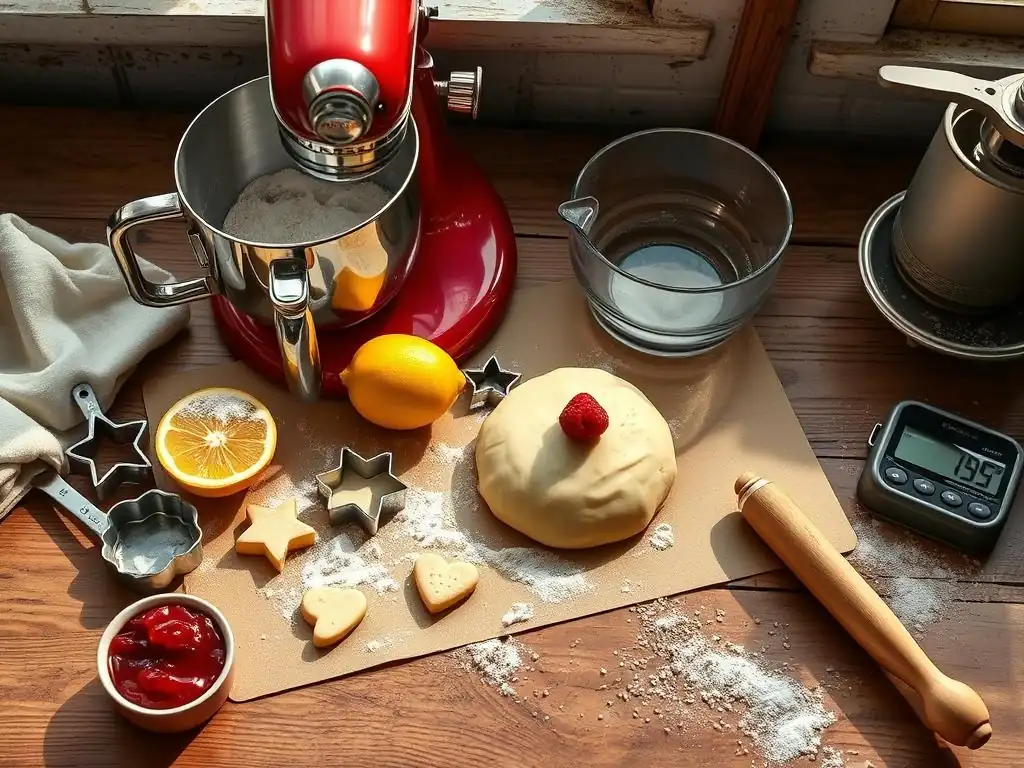
Welcome to BakeWithEase, your kitchen companion for unlocking baking brilliance! Ever wondered if you're truly equipped to conquer that challenging recipe? This article dives deep into the best baking tools for beginners, revealing the must-have essentials that will transform your baking journey. Discover the "secret weapons" that will elevate your creations from good to gourmet and why having the right tool can make all the difference. Curious to know what these are? Let's get started!
- Level Up Your Baking Game: Essential Baking Tools for Beginners and Beyond
- The Foundation: Indispensable Baking Tools Every Beginner Needs
- Beyond the Basics: Tools That Will Take Your Baking to the Next Level
- The Specialist Arsenal: Tools for Specific Baking Adventures
- Choosing the Right Tools: Considerations for Beginner Bakers
- Final Thoughts: Equipping Your Kitchen for Baking Success
-
Frequently Asked Questions
- What are the essential baking tools for someone just starting out?
- Where can I find recipes specifically designed for using these basic baking tools?
- What kind of mixing bowl is best for a beginner baker?
- Are there any tools that can make measuring ingredients easier and more accurate?
- How important is it to invest in expensive baking tools when I'm first learning?
- Final Reflection: The Sweet Science of Baking, One Tool at a Time
- Unleash Your Inner Baker: Level Up Your Baking Game!
Level Up Your Baking Game: Essential Baking Tools for Beginners and Beyond
Embarking on the baking journey is exciting, filled with the promise of delicious aromas and delightful treats. But to truly master the craft and achieve consistent, mouth-watering results, having the right equipment is just as important as following the recipe. Think of your kitchen tools as your secret weapons, transforming raw ingredients into culinary masterpieces. Whether you're just starting out and looking for the best baking tools for beginners or you're a seasoned pro aiming to refine your techniques, investing in quality equipment is a game-changer.
This guide will walk you through the essential baking tools that form the backbone of any baker's kitchen, from foundational items that make starting out a breeze to specialized gear that opens up new avenues of creativity. We'll delve into why each tool is important, how it elevates your baking, and what to look for when making your selections. Getting the right gear from the start can save you time, reduce frustration, and significantly improve the quality of your baked goods, making the learning process much more rewarding and enjoyable.
The Foundation: Indispensable Baking Tools Every Beginner Needs
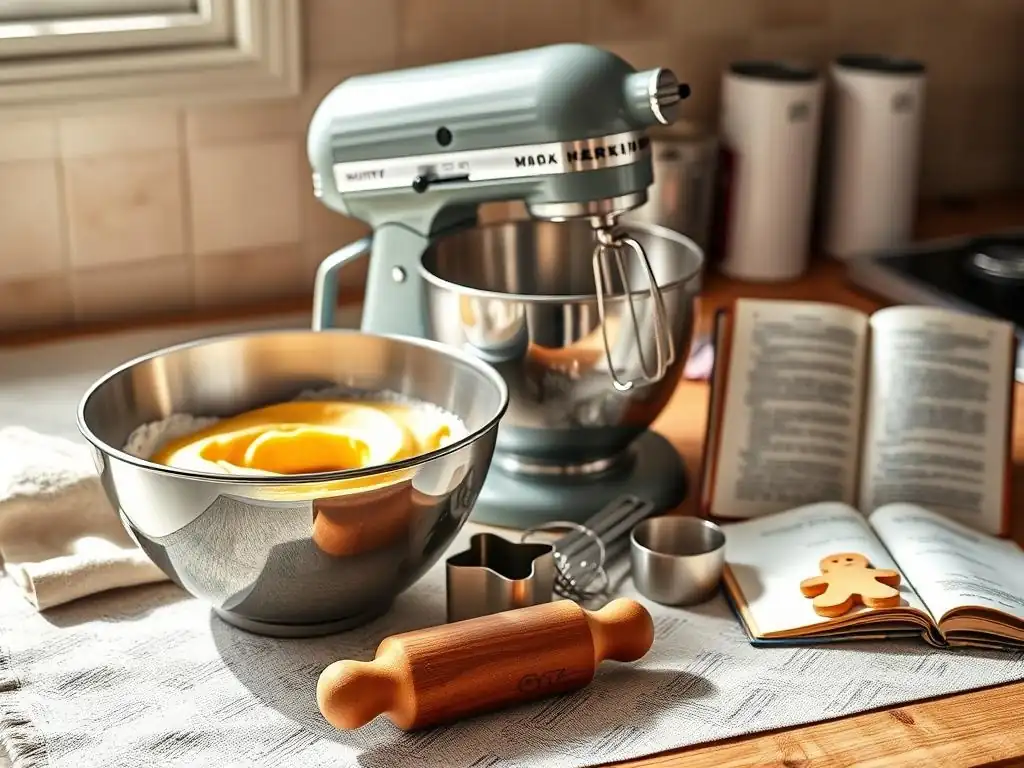
1. Stand Mixer: The Baking Powerhouse
A stand mixer is often considered the cornerstone of a serious baker's kitchen, and while it's an investment, its impact on efficiency and results is undeniable. For tasks like kneading dough for bread, whipping meringue until stiff peaks form, or creaming butter and sugar until light and fluffy, a stand mixer performs these labor-intensive jobs quickly and consistently, freeing up your hands and ensuring uniform texture throughout your batter or dough. Many models come with various attachments, like dough hooks, whisk attachments, and paddle attachments, each designed for specific tasks, further expanding the mixer's versatility.
For example, a typical 5-quart stand mixer can handle dough for about 4 loaves of bread or mix batter for a dozen batches of cookies with ease. The powerful motor maintains a consistent speed, which is crucial for developing gluten in bread dough or achieving the right aeration in cakes.
While a hand mixer can suffice for smaller tasks, a stand mixer is invaluable for larger quantities, stiffer doughs, or when recipes require prolonged mixing times, dramatically reducing prep time and physical effort, making it one of the best baking tools for beginners who want to tackle more ambitious recipes.
2. Digital Kitchen Scale: Precision for Perfect Results
While measuring cups and spoons are standard, a digital kitchen scale is truly a baker's secret weapon for accuracy. Baking is a science, and precise measurements are key to consistent outcomes. Measuring ingredients by weight, rather than volume, eliminates variations caused by how tightly flour is packed into a cup or how much liquid clings to measuring spoons. For instance, a cup of all-purpose flour can weigh anywhere from 120 grams to 150 grams depending on how it's scooped and leveled, a potential difference of 25% that can significantly alter the texture of your cake or bread.
Using a digital scale ensures you use the exact amount specified in the recipe, leading to more reliable results every time. Most digital scales measure in grams, ounces, pounds, and milliliters, often with precision down to 0.1 gram or 0.01 ounce. This level of accuracy is particularly important for sensitive recipes like macarons, pastries, or high-hydration bread doughs where small deviations can lead to failure. Investing in a reliable digital scale is a relatively inexpensive way to dramatically improve your baking consistency, making it an essential item among the best baking tools for beginners focused on mastering the fundamentals.
3. Measuring Cups and Spoons: The Baking Basics, Elevated
Even with a digital scale, a good set of measuring cups and spoons remains fundamental in any baking kitchen. They are essential for measuring liquids like milk, water, and oil by volume, and convenient for quickly portioning ingredients like sugar, salt, baking soda, and spices. Look for sets made from durable materials like stainless steel, which won't stain or retain odors like plastic can, and ensure they have clearly marked measurements that won't fade over time. A standard set typically includes cups ranging from 1/4 cup to 1 cup and spoons from 1/8 teaspoon to 1 tablespoon.
For dry ingredients measured by volume, remember the "scoop and level" method: gently scoop the ingredient into the cup and level off the excess with a straight edge, avoiding packing it down (unless the recipe specifically instructs you to). For liquids, place the measuring cup on a flat surface and read the measurement at eye level. While weighing is preferred for dry ingredients like flour for maximum accuracy, measuring cups and spoons are still indispensable for many tasks and recipes, especially those developed using volume measurements. They are foundational items and among the most basic baking tools for beginners.
Beyond the Basics: Tools That Will Take Your Baking to the Next Level
4. Silicone Baking Mats: Non-Stick Magic for Easy Cleanup
Silicone baking mats, often known by brand names like Silpat, are a fantastic upgrade from parchment paper and a boon for easy cleanup. Made from food-grade silicone reinforced with fiberglass mesh, these mats provide an inherently non-stick surface that can withstand high temperatures, typically up to 450°F (230°C). They are perfect for baking cookies, pastries, roasted vegetables, or anything else that might stick to a baking sheet. The non-stick property means you often don't need to grease the pan, resulting in healthier baked goods and significantly less scrubbing afterwards.
Beyond their non-stick capabilities, silicone mats promote even heat distribution, which can help prevent bottoms from burning while the tops finish baking. They are also reusable, making them an environmentally friendly and cost-effective option compared to disposable parchment paper or aluminum foil. A standard half-sheet pan (18x13 inches) fits a mat measuring approximately 16.5x11.5 inches, providing a large surface area for baking. These mats are durable and can last for hundreds or even thousands of uses if cared for properly, proving to be a worthwhile addition to your collection of baking tools.
5. Offset Spatula: The Secret to Smooth Frosting
An offset spatula might seem like a simple tool, but it's indispensable for anyone who decorates cakes, cupcakes, or pastries. Its defining feature is the bend in the handle, which keeps your hand elevated and away from the surface of the cake or pastry as you spread frosting, ganache, or glazes.
This design allows for smooth, even coverage and precise application, whether you're applying a thin crumb coat or a thick layer of buttercream. They come in various sizes, from small ones (around 4-6 inches) perfect for cupcakes and small details to larger ones (8-12 inches) ideal for frosting the sides and tops of larger cakes.
Using an offset spatula provides control and leverage that a straight spatula or knife simply can't match. It allows you to easily navigate around the edges of a cake, create sharp corners, or even lift delicate items like cookies from a baking sheet. For instance, achieving a perfectly smooth top on a layer cake becomes significantly easier with a large offset spatula used with a gentle, sweeping motion. It's a relatively inexpensive tool that makes a huge difference in the finished appearance of your baked goods, elevating them from homemade to professional-looking.
6. Bench Scraper: Your Dough's Best Friend
A bench scraper, also known as a dough scraper or bench knife, is a simple but incredibly versatile tool for any baker working with dough. Typically made of stainless steel with a sturdy handle, it has a straight, sharp edge that is perfect for dividing portions of dough cleanly and efficiently on a work surface. Whether you're making bread, rolls, or pastries, a bench scraper allows you to portion dough without tearing or stretching it, which can disrupt the gluten structure you've worked hard to develop.
Beyond dividing dough, a bench scraper is invaluable for scraping sticky dough or batter from your work surface, making cleanup much faster and easier. It can also be used to scoop up chopped ingredients like nuts or chocolate chips and transfer them to your mixing bowl, or even to smooth the sides of a cake before frosting.
A standard bench scraper is usually around 6 inches wide, providing a comfortable grip and ample surface area for scraping and dividing. Its multi-functional utility makes it an essential, low-cost item among the best baking tools for beginners tackling yeasted doughs or sticky batters.
The Specialist Arsenal: Tools for Specific Baking Adventures
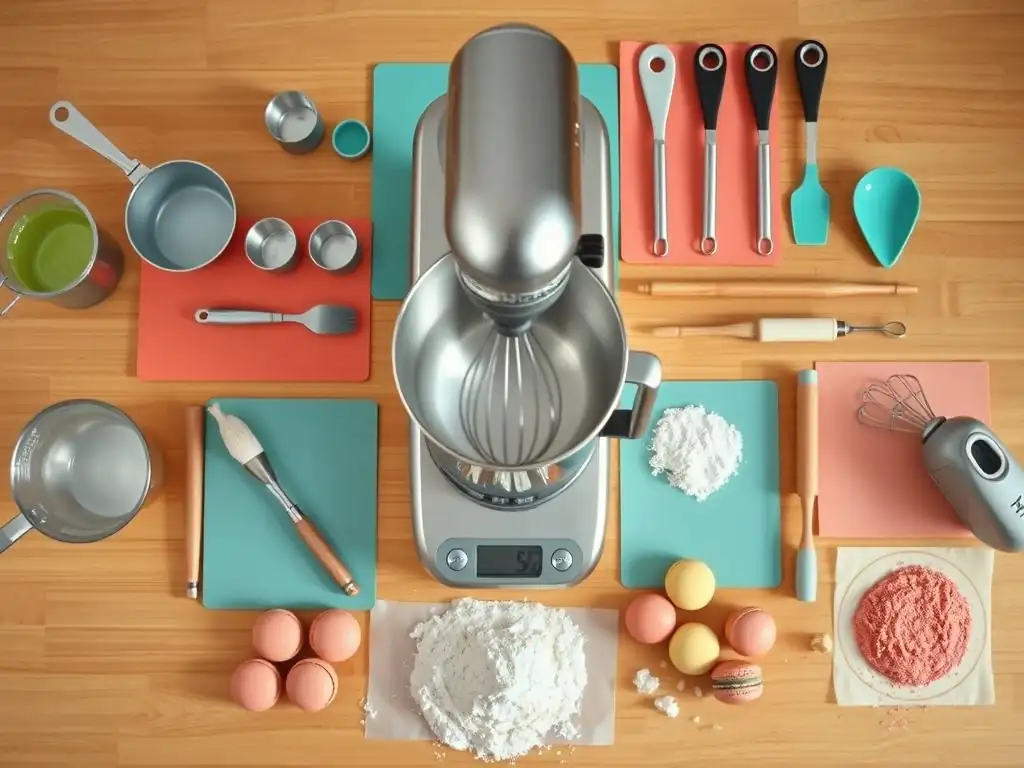
7. Sourdough Starter Jar: Cultivating Flavor
For bakers venturing into the world of sourdough, a dedicated sourdough starter jar is more than just a container; it's a home for a living, breathing culture. While you can technically use any jar, a purpose-designed starter jar often features straight sides for easy measurement of the starter's growth (often doubling or tripling in volume), a wide mouth for effortless feeding and stirring, and sometimes markings to track progress. Clear glass is preferred so you can observe the activity, like bubbles forming and the rise and fall of the starter.
Maintaining a healthy sourdough starter requires regular feeding with flour and water, typically in a 1:1:1 ratio by weight (starter:water:flour). A good jar makes this process cleaner and more efficient. Some jars even come with breathable lids or loose-fitting covers that allow gases produced by fermentation to escape while preventing contaminants from entering. Having a dedicated jar helps keep your starter vigorous and ready for baking, providing the necessary leavening and complex flavor profile characteristic of authentic sourdough bread.
8. Pastry Blender: For Flaky Perfection
A pastry blender is a simple, handheld tool specifically designed for cutting cold butter or shortening into flour when making pastry dough, biscuits, or scones. It typically consists of several curved metal wires or blades attached to a handle. The goal is to break the cold fat into small, pea-sized pieces distributed throughout the flour. When these pieces of fat melt during baking, they create pockets of steam, which results in the desirable flaky texture in baked goods like pie crusts and biscuits.
Using a pastry blender is much more efficient and effective than using your fingers, which can melt the cold fat prematurely due to body heat. It allows you to incorporate the fat quickly while keeping it cold, which is crucial for developing flakiness.
For example, a classic pie crust recipe often calls for cutting 1/2 cup (about 113g) of cold butter into 1.5 cups (about 180g) of flour until the mixture resembles coarse meal with some larger pea-sized pieces. A pastry blender makes achieving this specific texture much easier and more consistent than other methods, ensuring your pastries turn out light and flaky every time.
Choosing the Right Tools: Considerations for Beginner Bakers
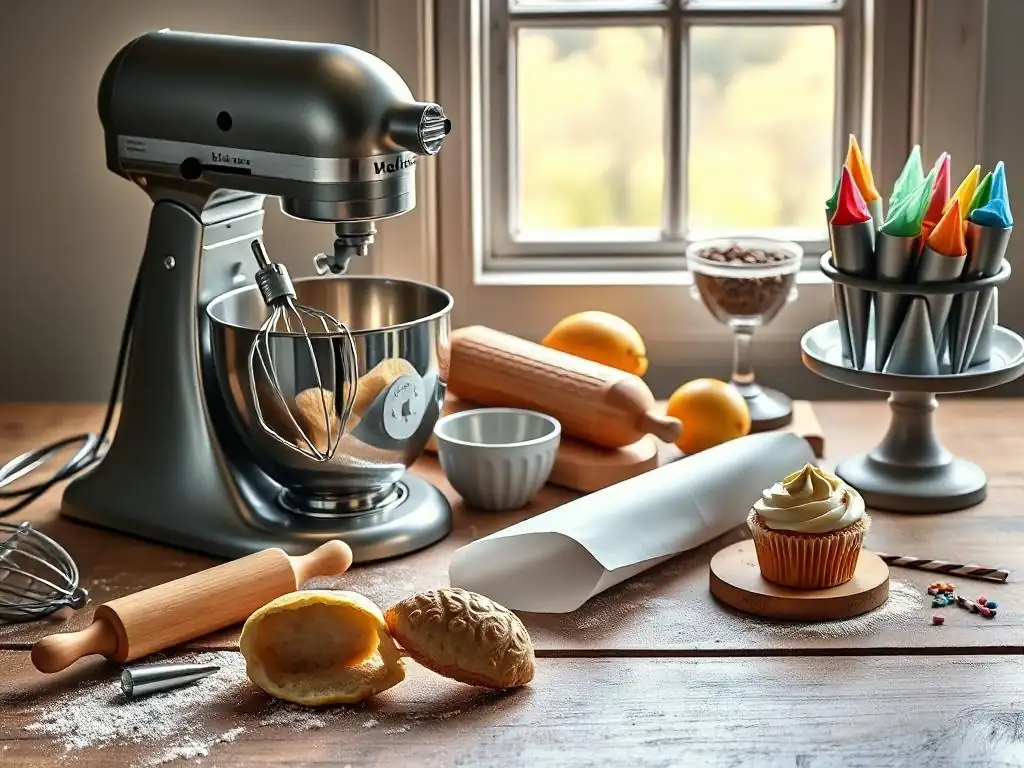
When selecting the best baking tools for beginners, it's wise to start with the essentials and build your collection gradually. Prioritize quality over quantity; a few well-made tools will serve you better in the long run than a drawer full of flimsy gadgets. Consider the types of baking you're most interested in – if you love making bread, a stand mixer and bench scraper might be higher priorities than if you primarily bake cookies and cakes.
Look for tools made from durable, food-safe materials like stainless steel, silicone, and sturdy plastics. Read reviews to gauge performance and longevity. Think about storage space in your kitchen and choose tools that fit comfortably. Remember, the goal is to equip yourself with tools that make baking easier, more enjoyable, and lead to better results, encouraging you to keep practicing and exploring new recipes.
Final Thoughts: Equipping Your Kitchen for Baking Success
Building your collection of baking tools is an exciting part of the journey. Starting with a few essential items like a digital scale, measuring cups and spoons, and perhaps a good set of mixing bowls and baking pans provides a solid foundation. As you gain confidence and explore different types of baking, you can gradually add more specialized tools like a stand mixer, silicone mats, or a pastry blender.
Having the right equipment, from the most basic baking tools for beginners to more advanced gadgets, truly empowers you in the kitchen. These tools aren't just implements; they are extensions of your hands, helping you achieve precision, efficiency, and beautiful results. Invest wisely, care for your tools, and enjoy the process of creating delicious baked goods from scratch. Happy baking!
Frequently Asked Questions
What are the essential baking tools for someone just starting out?
Beginners should focus on getting a good quality mixing bowl, a measuring cup and spoon set, and a basic baking sheet. These will form the foundation for most recipes.
Where can I find recipes specifically designed for using these basic baking tools?
BakeWithEase.com offers a wide range of simple recipes perfect for beginners. They focus on using easy-to-find ingredients and straightforward instructions.
What kind of mixing bowl is best for a beginner baker?
A stainless steel mixing bowl is a great choice because it's durable, easy to clean, and doesn't react with acidic ingredients. Consider a medium-sized bowl to start.
Are there any tools that can make measuring ingredients easier and more accurate?
Absolutely! A digital kitchen scale is highly recommended for precise measurements, especially in baking. However, a good set of measuring cups and spoons is perfectly adequate to begin with.
How important is it to invest in expensive baking tools when I'm first learning?
It's not necessary to buy expensive tools when starting. Focus on quality over quantity and prioritize the essential items. You can always upgrade later as your skills improve.
Final Reflection: The Sweet Science of Baking, One Tool at a Time
The pursuit of the perfect bake is a journey, not a destination, and the right tools are your trusty companions along the way. From the humble whisk to the precision of a digital scale, the equipment we choose significantly impacts the outcome of our culinary creations. This isn't just about achieving technical perfection; it's about unlocking the joy and satisfaction of baking.
The impact of readily available, high-quality baking tools is undeniable. It's democratized the art, allowing anyone with a passion to participate, regardless of prior experience. Baking is at once child's play and adult joy. And cooking is all that and a whole lot more.
- Alma Flor Ada. This quote perfectly encapsulates the accessibility and profound satisfaction that good tools can bring to the baking process. The tools discussed in this article aren't just about efficiency; they represent a gateway to creativity and self-expression through the medium of delicious baked goods.
Now, consider your own baking journey. What tools have been your steadfast allies? Which ones are you eager to add to your collection? Don't be afraid to experiment, to find the tools that best suit your style and ambitions. The kitchen is your laboratory, and each bake is an opportunity to learn, grow, and most importantly, to savor the sweet rewards of your efforts. Embrace the process, and let the joy of baking fill your home with warmth and delicious aromas.
Unleash Your Inner Baker: Level Up Your Baking Game!
Thanks for taking the time to explore the world of essential baking tools with us! We hope you've discovered some new favorites (and maybe a few unexpected gems!) to elevate your baking adventures.
Ready to transform your kitchen and create even more delicious treats? Here's how:
- Prioritize your must-haves: Start with one tool from the list that most excites you – whether it's that fancy stand mixer or a simple, yet crucial, bench scraper. Order it today and experience the difference!
- Share your baking journey: Tell us (and the BakeWithEase community!) which tools you're adding to your collection. We'd love to see photos of your baking triumphs!
- Explore our other guides: Discover more baking secrets and inspiring recipes on our website; we're constantly adding new content to help you master every aspect of baking.
What’s the one baking tool you're most excited to try next? Let us know in the comments!