
The Secret to Perfectly Baked Drop Cookies

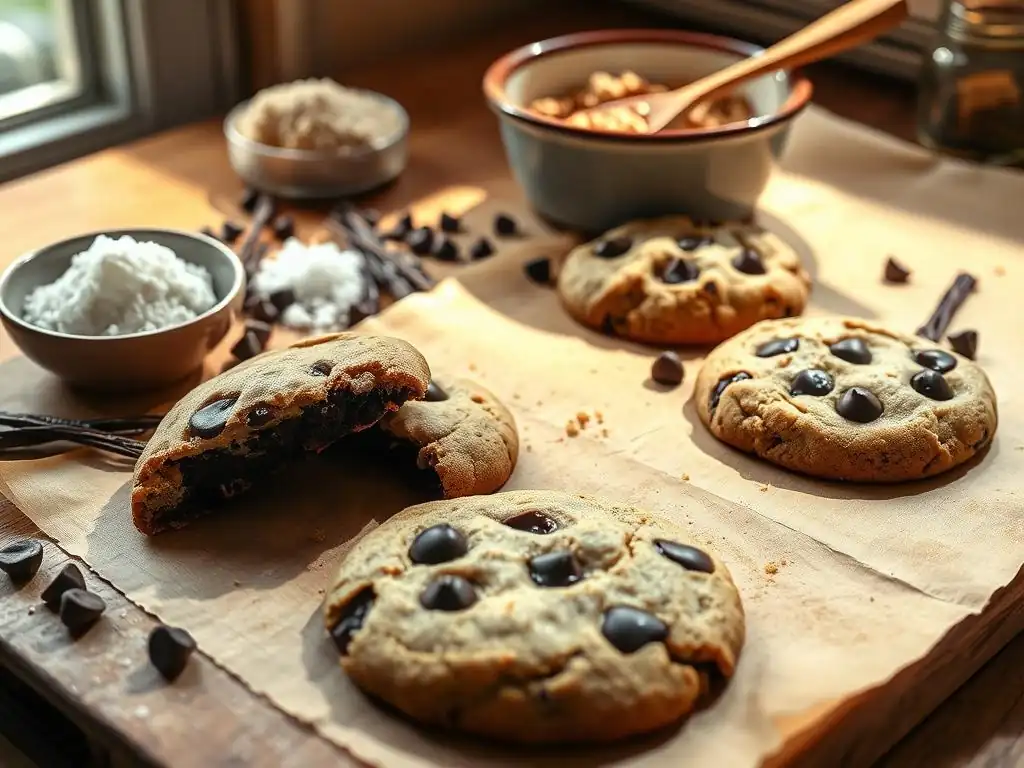
Welcome to BakeWithEase, your trusted companion in the delightful world of baking! Ever wondered what the secret is to achieving perfectly baked drop cookies every single time? You're in the right place. We're about to unveil the secrets behind that golden-brown perfection, one delicious drop at a time. Get ready to elevate your baking game, even if you're just starting out! Intrigued? Let's dive in and discover how to bake cookies that are irresistible!
- Mastering Chocolate Chip Cookies: A Comprehensive Guide
- Introduction: Baking the Perfect Chocolate Chip Cookie at Home
- Understanding the Fundamentals: The Science of Chocolate Chip Cookies
- Achieving Chocolate Chip Cookie Perfection: The Baking Process Explained
- The Perfect Chocolate Chip Cookie Recipe: A Detailed Guide
- Beyond the Basics: Advanced Chocolate Chip Cookie Techniques
- Conclusion: Your Journey to Perfect Chocolate Chip Cookies Starts Now
- Frequently Asked Questions
- Final Reflection: The Enduring Allure of the Perfectly Baked Drop Cookie
- Unlock Your Inner Baker: Master the Art of the Drop Cookie!
Welcome, fellow baking enthusiasts! Are you ready to unlock the secrets to creating the most delectable chocolate chip cookies you've ever tasted? These aren't just any cookies; we're talking about achieving that perfect balance of chewy centers and crisp edges, that rich, buttery flavor, and those gooey pockets of melted chocolate. Mastering the chocolate chip cookie is a fundamental step for anyone wanting to bake perfectly baked drop cookies consistently.
This guide will take you through the entire process, from understanding the science behind the ingredients to troubleshooting common issues. By the end, you'll have the knowledge and confidence to bake perfectly baked drop cookies that will impress everyone you share them with. Get ready to transform simple ingredients into baking magic right in your own kitchen!
Chocolate chip cookies hold a special place in the hearts of many. They are the quintessential comfort food, evoking feelings of nostalgia and warmth. Their universal appeal lies in their simplicity and the delightful combination of textures and flavors they offer when they are perfectly baked drop cookies.
Beyond their emotional connection, chocolate chip cookies are a fantastic baking staple because they teach fundamental techniques applicable to countless other recipes. Understanding how ingredients interact in this classic dough provides a solid foundation for mastering other types of perfectly baked drop cookies and beyond. They are accessible, relatively quick to make, and incredibly rewarding, making them the perfect starting point for beginners and a comforting go-to for experienced bakers.
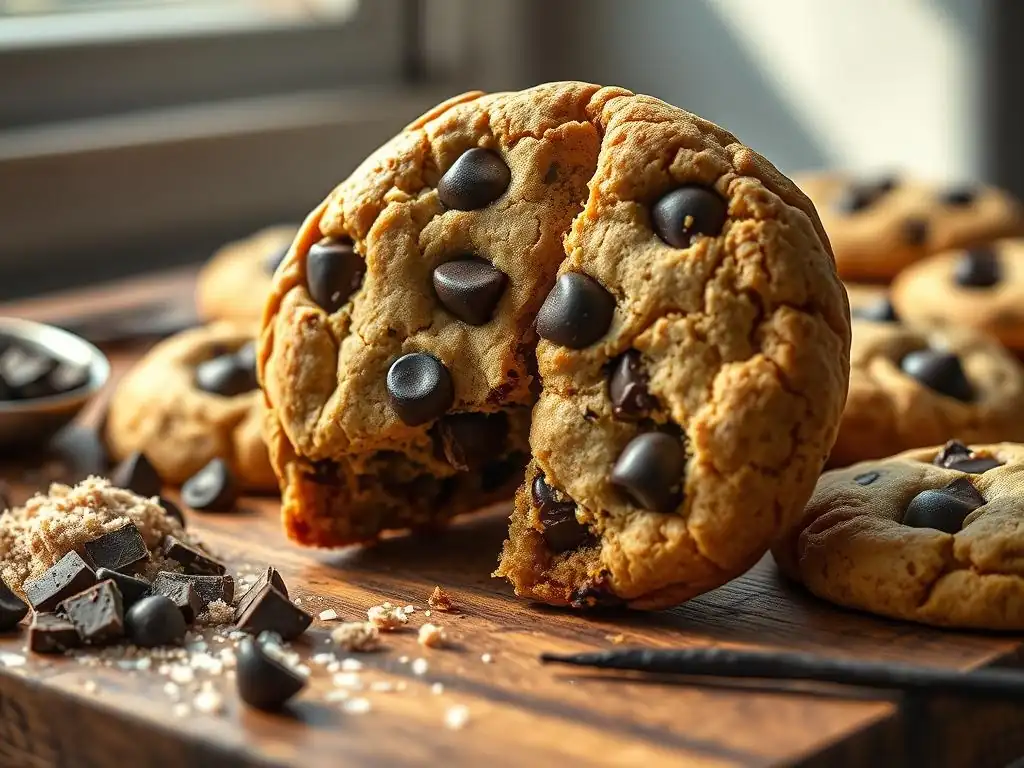
At its core, a chocolate chip cookie is a type of drop cookie. This means the dough is formed by simply "dropping" or spooning portions onto a baking sheet before baking. What sets it apart are the key ingredients: flour, sugar (often a mix of granulated and brown), butter, eggs, leavening (usually baking soda), vanilla, and, of course, chocolate chips. The goal is typically a cookie that spreads during baking, resulting in a disc-like shape with varying textures depending on the recipe and baking method.
Achieving perfectly baked drop cookies like chocolate chip cookies relies heavily on the interaction of these ingredients during the baking process. The moisture content, the ratio of fat to flour, the type of sugar used, and the leavening agents all play critical roles in determining the final texture, spread, and flavor of the cookie. Understanding these fundamentals is the first step towards consistent, delicious results.
Every ingredient in a perfectly baked drop cookies recipe plays a vital role. Think of them as team members, each contributing something unique to the final product. Let's break down the function of the stars in our chocolate chip cookie recipe.
Getting these components right and understanding how they work together is crucial for mastering perfectly baked drop cookies. Small adjustments in ingredient ratios or preparation can lead to vastly different outcomes in texture and flavor.
Flour Selection: Choosing the Right Flour for Texture
Flour provides the structure for our perfectly baked drop cookies. Most standard chocolate chip cookie recipes call for all-purpose flour, which has a moderate protein content, typically ranging from 10% to 12%. This protein forms gluten when mixed with liquid, creating a network that gives the cookie its shape and chewiness.
Using flour with a higher protein content, like bread flour (around 12-14%), will result in a chewier, potentially tougher cookie due to increased gluten development. Conversely, using a lower protein flour, such as cake flour (around 7-9%), will lead to a softer, more delicate cookie that might spread more. For a classic perfectly baked drop cookies recipe, all-purpose flour provides the ideal balance of structure and tenderness. It's crucial to measure flour correctly, preferably by weight (1 cup is approximately 120-125 grams), as scooping directly from the bag can result in too much flour, leading to dry, dense cookies.
Sugar's Role: Granulated vs. Brown Sugar for Flavor and Chew
Sugar does more than just sweeten our perfectly baked drop cookies. Granulated sugar contributes to crispness and encourages spread. When heated, granulated sugar melts and then recrystallizes as the cookie cools, creating that desirable crisp edge.
Brown sugar, on the other hand, contains molasses, which adds moisture, chewiness, and a rich, caramel-like flavor. Light brown sugar contains about 8% molasses, while dark brown sugar contains about 10%. Using a higher ratio of brown sugar to granulated sugar will result in a softer, chewier cookie with less spread, which is often desired in a perfectly baked drop cookies recipe. The combination of both sugars provides the best of both worlds: a crisp edge with a chewy center, a hallmark of many favorite chocolate chip cookies.
Fat Choices: Butter vs. Shortening for Flavor and Spread
Fat, typically butter, is essential for flavor, tenderness, and spread in perfectly baked drop cookies. Butter is prized for its rich, creamy flavor and contributes to browning, giving cookies those lovely golden edges. Butter also contains water (around 15-18%), which turns to steam during baking and helps with leavening and spread.
Shortening (like vegetable shortening) is 100% fat and has a higher melting point than butter. Using shortening results in less spread and a softer, more uniformly textured cookie. Some recipes call for a combination of butter and shortening to get the best of both worlds: the flavor of butter and the tenderness and controlled spread of shortening, helping achieve perfectly baked drop cookies with consistent shape. Using softened butter (not melted) is key for creaming properly and incorporating air.
Egg Functionality: Binding, Moisture, and Structure
Eggs serve multiple functions in a perfectly baked drop cookies recipe. They act as a binder, holding the ingredients together. The proteins in eggs contribute to the cookie's structure as they coagulate during baking. Eggs also add moisture and richness to the dough.
A standard large egg weighs about 50-60 grams. Using whole eggs provides both moisture (from the white) and richness (from the yolk). Some recipes call for an extra egg yolk to increase richness and chewiness, as the yolk contains fat and emulsifiers. Using only egg whites would result in a drier, crispier cookie with less flavor. Ensuring eggs are at room temperature helps them emulsify better with the butter and sugar mixture, leading to a smoother, more uniform dough for perfectly baked drop cookies.
Leavening Agents: Baking Soda vs. Baking Powder for Rise and Texture
Leavening agents are what make cookies rise and spread. Baking soda is a common leavener in chocolate chip cookies. It requires an acid to activate (like the brown sugar or molasses in the recipe) and produces carbon dioxide gas. Baking soda promotes spread and contributes to browning, especially on the edges, which is desirable in many perfectly baked drop cookies.
Baking powder is a double-acting leavener, meaning it produces gas when mixed with liquid and again when heated. It provides more lift upwards compared to baking soda, resulting in thicker, puffier cookies with less spread. Some perfectly baked drop cookies recipe variations use both baking soda and baking powder to achieve a specific balance of spread and puffiness. The amount and type of leavening agent significantly impact the final texture of your cookies.
Baking perfectly baked drop cookies is a process, and each step contributes to the final result. Following a clear, step-by-step guide ensures consistency and helps avoid common pitfalls. Let's walk through the typical flow of creating chocolate chip cookie dough.
From the initial creaming to adding the final mix-ins, precision and technique matter. Paying attention at each stage sets you up for success in baking perfectly baked drop cookies.
Creaming Butter and Sugar: Incorporating Air for Lightness
The first crucial step in many perfectly baked drop cookies recipe is creaming the softened butter and sugar together. This process isn't just about mixing; it's about incorporating air into the fat. As the paddle or whisk beats the mixture, tiny air pockets are trapped within the butter.
Creaming should take several minutes, typically 3 to 5 minutes on medium speed with an electric mixer, or longer by hand. The mixture should become significantly lighter in color and fluffy in texture. These trapped air pockets expand during baking, contributing to the cookie's rise and creating a tender texture. Insufficient creaming will result in denser cookies with less spread, while over-creaming can sometimes lead to excessive spread. Aim for a light, airy mixture for perfectly baked drop cookies.
Incorporating Eggs and Vanilla: Emulsification and Flavor
Once the butter and sugar are properly creamed, the eggs and vanilla extract are added. It's best to add eggs one at a time, mixing well after each addition until it is fully incorporated before adding the next. This allows the egg to emulsify properly with the butter mixture, creating a smooth, cohesive dough.
Vanilla extract adds a crucial layer of flavor that complements the chocolate and butter beautifully in perfectly baked drop cookies. Ensure you're using pure vanilla extract for the best taste. Mixing these wet ingredients thoroughly but gently ensures they are evenly distributed, contributing to the overall moisture and flavor profile of the cookie dough.
Dry Ingredients: Proper Mixing Techniques
The dry ingredients – flour, salt, and leavening agents (baking soda/powder) – are typically whisked together in a separate bowl before being added to the wet ingredients. This ensures that the salt and leavening are evenly distributed throughout the flour, preventing pockets of unmixed ingredients.
When combining the wet and dry ingredients, the key is to mix just until they are combined. Overmixing develops gluten, which can result in tough, dense cookies. Use a spatula or mix on low speed with a mixer, stopping as soon as no dry streaks of flour are visible. This usually takes less than a minute after the last addition of flour. Gently folding in the dry ingredients is essential for tender, perfectly baked drop cookies.
Adding Chocolate Chips: Choosing Quality and Quantity
The final step in preparing the dough for perfectly baked drop cookies is adding the star ingredient: the chocolate chips! The type and quality of chocolate you use can significantly impact the final flavor. Semi-sweet chocolate chips are classic, but feel free to experiment with milk chocolate, dark chocolate, or even chopped chocolate bars for varying melt points and intensities.
Fold the chocolate chips into the dough gently using a spatula or on very low mixer speed. Mix just until they are evenly distributed. Using high-quality chocolate with a cocoa content you enjoy will elevate your perfectly baked drop cookies from good to outstanding. Don't be shy with the quantity, but follow the recipe's recommendation for the best dough consistency.
Baking the dough requires attention to detail. Even a perfectly baked drop cookies recipe can yield inconsistent results if the baking process isn't managed correctly. Here are some tips for achieving uniformity and ideal texture every time.
Consistency in these steps is what separates good cookies from perfectly baked drop cookies. Pay attention to these details, and you'll see a noticeable improvement in your baking outcomes.
Portioning: Using a Cookie Scoop for Uniformity
For perfectly baked drop cookies that bake evenly and look professional, uniform portioning is essential. Using a cookie scoop (or disher) is the easiest and most consistent way to achieve this. Scoops come in various sizes; a 1.5 or 2-tablespoon scoop is standard for medium-sized cookies.
Scooping ensures that each cookie on the baking sheet is roughly the same size and weight. This means they will bake at the same rate, preventing some from being overdone while others are underbaked. Uniform size is a hallmark of perfectly baked drop cookies and helps guarantee predictable results with each batch.
Chilling Dough: Controlling Spread and Enhancing Flavor
Chilling the cookie dough is one of the most impactful steps for achieving perfectly baked drop cookies with great texture and flavor. As the dough chills, the fat solidifies, which helps control spread during baking, resulting in thicker cookies.
More importantly, chilling allows the flavors to meld and deepen. The flour hydrates more fully, and enzymatic reactions can occur, breaking down proteins and starches into more flavorful compounds. While chilling for 30 minutes is better than none, chilling for 24 to 72 hours can dramatically improve both flavor and texture. Chilled dough also handles better when scooping.
Oven Temperature: Achieving Even Baking and Browning
Accurate oven temperature is critical for perfectly baked drop cookies. Most recipes call for 350°F (175°C). However, oven temperatures can vary significantly from the setting. Using an oven thermometer is highly recommended to ensure your oven is heating accurately.
An oven that is too hot can cause cookies to spread too quickly and burn on the bottom before the center is cooked. An oven that is too cool will result in excessive spread and pale cookies. Baking at the correct, consistent temperature ensures even baking throughout the cookie, leading to that desirable balance of crisp edges and a soft center found in perfectly baked drop cookies.
Baking Time: Monitoring Color and Texture
Baking time is less about the clock and more about visual cues. Typical baking times for a standard-sized chocolate chip cookie at 350°F range from 8 to 12 minutes. Look for cookies that are golden brown around the edges but still appear slightly soft and pale in the center.
Cookies continue to set as they cool on the baking sheet for a few minutes after being removed from the oven. Pulling them out when the centers look slightly underdone is often the key to chewy perfectly baked drop cookies. Overbaking is a common mistake that leads to hard, dry cookies. Monitor your cookies closely, especially the first batch, as baking time can vary based on cookie size, dough temperature, and oven characteristics.
Even with a great perfectly baked drop cookies recipe, things can sometimes go wrong. Understanding why problems occur is the first step to fixing them. Here are some common issues and how to address them.
Don't get discouraged if your first batch isn't perfect. Baking is a science and an art! Use these tips to diagnose and correct issues, and you'll be baking perfectly baked drop cookies in no time.
Flat Cookies: Addressing Spread and Sugar Levels
Problem: Your cookies spread too much and are very thin. Possible Causes: Butter was too soft or melted; too much butter or sugar relative to flour; oven temperature is too low; not enough flour; dough wasn't chilled; baking soda is too active (needs acid); over-creaming butter and sugar.
Solutions: Ensure butter is softened, not melted. Use the specified amount of flour, measuring accurately (preferably by weight). Chill the dough for at least 30 minutes, or ideally 24+ hours. Check your oven temperature with a thermometer to ensure it's not running cool. Reduce creaming time slightly. If using only baking soda, ensure there's enough acidic ingredient (like brown sugar or buttermilk if used). Adjusting the ratio of brown sugar (more chew, less spread) to granulated sugar (more spread, more crisp) can also help control flatness in perfectly baked drop cookies.
Dry Cookies: Increasing Moisture and Fat Content
Problem: Your cookies are crumbly and dry. Possible Causes: Too much flour; not enough fat or sugar; overbaking.
Solutions: Measure flour accurately, perhaps slightly reducing the amount if you suspect over-measurement. Ensure the correct amounts of butter and sugar are used as they contribute moisture and tenderness. Bake the cookies for less time, removing them when the edges are golden but the centers are still slightly soft. Adding an extra egg yolk can also increase richness and moisture, leading to softer perfectly baked drop cookies.
Hard Cookies: Avoiding Overbaking and Gluten Development
Problem: Your cookies are hard and tough, not chewy or tender. Possible Causes: Overmixing the dough after adding flour; overbaking; too little fat or too much flour.
Solutions: Mix the dry ingredients into the wet ingredients only until just combined, avoiding prolonged mixing which develops tough gluten. Bake for the minimum recommended time, watching for visual cues rather than relying solely on a timer. Ensure accurate measurement of fat and flour. Increasing the ratio of brown sugar to granulated sugar can also help, as brown sugar contributes moisture and chewiness, resulting in softer perfectly baked drop cookies.
Unevenly Baked Cookies: Oven Calibration and Air Circulation
Problem: Some cookies on the sheet are browner than others; cookies on different sheets bake differently. Possible Causes: Hot spots in your oven; overcrowding the baking sheet; not rotating the baking sheet during baking.
Solutions: Use an oven thermometer to check for accuracy and hot spots. If your oven has significant hot spots, you may need to adjust baking times or placement. Avoid overcrowding the baking sheets; leave enough space (at least 2 inches) between cookies for proper air circulation. Rotate the baking sheet halfway through the baking time to ensure even exposure to heat. Using good quality, light-colored baking sheets can also help prevent bottoms from browning too quickly, contributing to evenly perfectly baked drop cookies.
Ingredients List: Precise Measurements for Success
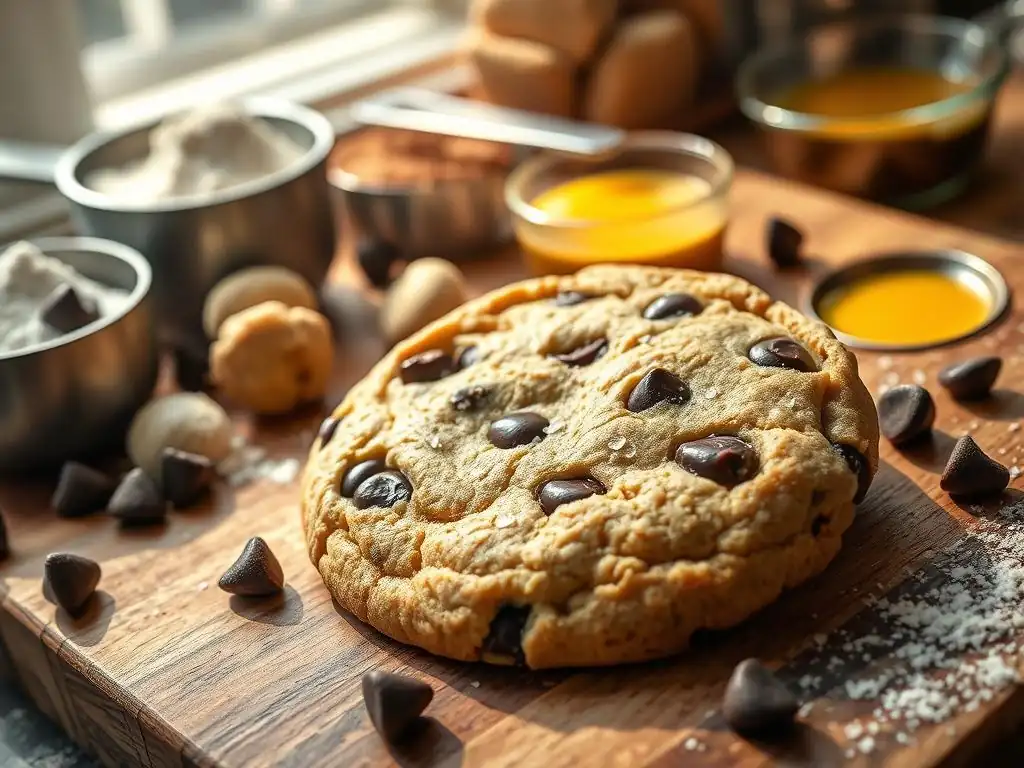
Here is a perfectly baked drop cookies recipe for classic chocolate chip cookies, designed for reliability and delicious results. Precise measurements are key, so using a kitchen scale is recommended for the most consistent outcomes.
- 1 cup (227g) Unsalted Butter, softened but cool to the touch
- ¾ cup (150g) Granulated Sugar
- ¾ cup (160g) Packed Light Brown Sugar
- 2 large Eggs (approx. 100-120g total), room temperature
- 1 teaspoon Pure Vanilla Extract
- 2 ¼ cups (270g) All-Purpose Flour
- 1 teaspoon Baking Soda
- ½ teaspoon Fine Sea Salt
- 2 cups (approx. 340g) Chocolate Chips (semi-sweet or your preference)
Step-by-Step Instructions: From Dough Preparation to Baking
Follow these steps carefully to bake these perfectly baked drop cookies:
- Cream Butter and Sugar: In a large bowl, cream the softened butter, granulated sugar, and brown sugar together using an electric mixer on medium speed until light and fluffy, about 3-5 minutes. Scrape down the sides of the bowl as needed.
- Add Eggs and Vanilla: Add the eggs one at a time, mixing well after each addition until fully incorporated. Stir in the vanilla extract.
- Combine Dry Ingredients: In a separate medium bowl, whisk together the flour, baking soda, and salt.
- Add Dry to Wet: Gradually add the dry ingredients to the wet ingredients, mixing on low speed or by hand with a spatula just until combined and no dry streaks of flour remain. Do not overmix.
- Fold in Chocolate Chips: Stir in the chocolate chips until evenly distributed throughout the dough.
- Chill Dough (Optional but Recommended): Cover the bowl with plastic wrap and refrigerate the dough for at least 30 minutes, or preferably 24-72 hours, for improved flavor and texture.
- Preheat Oven and Prepare Baking Sheets: Preheat your oven to 350°F (175°C). Line baking sheets with parchment paper.
- Portion Dough: Use a 1.5 or 2-tablespoon cookie scoop to portion uniform balls of dough onto the prepared baking sheets, spacing them about 2 inches apart.
- Bake: Bake one sheet at a time in the preheated oven for 8-12 minutes, or until the edges are golden brown and the centers are still slightly soft.
- Cool: Let the cookies cool on the baking sheet for 5-10 minutes before carefully transferring them to a wire rack to cool completely.
Variations and Customizations: Make It Your Own!
This perfectly baked drop cookies recipe is a fantastic base for experimentation. Once you've mastered the classic, feel free to play with variations to suit your taste.
- Task List for Customizing:
- [ ] Try different types of chocolate (milk, dark, white, chunks).
- [ ] Add nuts (walnuts, pecans) or other mix-ins (toffee bits, sprinkles).
- [ ] Adjust the sugar ratio for more or less chewiness/crispness.
- [ ] Top with flaky sea salt before baking.
Double Chocolate Chip Cookies: Enhancing Chocolate Intensity
For serious chocolate lovers, turning this into a double chocolate chip cookie recipe is simple. Reduce the all-purpose flour slightly and add unsweetened cocoa powder to the dry ingredients. For example, you could use 2 cups (240g) all-purpose flour and ¼ cup (20g) unsweetened cocoa powder.
You can also use a mix of different types of chocolate chips (like semi-sweet and dark) or even add white chocolate chips for contrast. This variation results in perfectly baked drop cookies with a deeper, more intense chocolate flavor in the dough itself.
Salted Chocolate Chip Cookies: Balancing Sweetness with Salt
A sprinkle of flaky sea salt on top of your chocolate chip cookies before or immediately after baking is a simple way to elevate their flavor profile. The salt crystals provide a delightful textural contrast and, more importantly, enhance the sweetness of the cookie and the richness of the chocolate.
Just a small pinch, perhaps 1/4 teaspoon of flaky sea salt per cookie, is enough to make a significant difference. This simple addition transforms standard perfectly baked drop cookies into a more sophisticated treat, balancing the sweetness with a hint of salinity.
Walnut Chocolate Chip Cookies: Adding Texture and Nutty Flavor
Adding chopped nuts, such as walnuts or pecans, introduces a pleasant crunch and nutty flavor that pairs wonderfully with chocolate. Fold about 1 cup (approx. 100-120g) of chopped nuts into the dough along with the chocolate chips.
Ensure the nuts are roughly chopped into pieces that are not too large, so they distribute evenly and don't make the cookies fall apart. The addition of nuts creates perfectly baked drop cookies with an extra layer of texture and a classic flavor combination that many people love.
Exploring Different Chocolate Types and Flavors
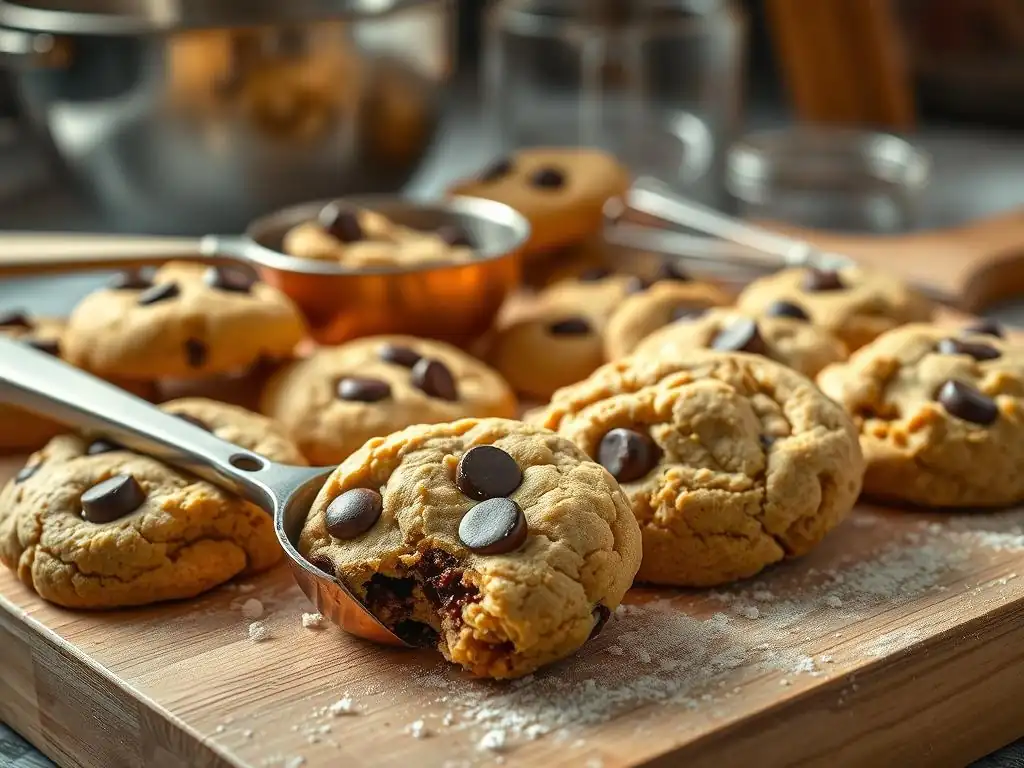
While semi-sweet chocolate chips are traditional, don't be afraid to explore the world of chocolate! Using chopped chocolate bars instead of chips can result in puddles of melted chocolate throughout the cookie, as bar chocolate often contains more cocoa butter and melts more smoothly than chips (which contain stabilizers to hold their shape).
Consider using dark chocolate (with 60-70% cocoa content) for a more intense, less sweet cookie, or bittersweet chocolate (70%+ cocoa) for a truly grown-up flavor. Milk chocolate chips will yield a sweeter, creamier chocolate experience. Mixing different types of chocolate in one batch adds complexity and ensures your perfectly baked drop cookies are exactly to your liking.
Chocolate chip cookies are beautiful in their rustic simplicity, but you can add simple decorations if you like. One easy method is to press a few extra chocolate chips onto the top of each dough ball before baking; this ensures visible chocolate on the surface of your perfectly baked drop cookies.
For a bit more flair, you could drizzle cooled cookies with melted white chocolate or milk chocolate. A sprinkle of festive sprinkles or edible glitter can also add a touch of fun for special occasions. Keep it simple to maintain the classic charm of the chocolate chip cookie.
Proper storage is key to keeping your perfectly baked drop cookies fresh and delicious. Once completely cooled, store cookies in an airtight container at room temperature for up to 3-5 days. If they start to lose softness, you can place a slice of bread in the container with them; the cookies will absorb moisture from the bread.
Cookie dough can be refrigerated for up to a week or frozen for up to 3 months. To freeze dough, scoop portions onto a baking sheet, freeze until solid, then transfer to a freezer-safe bag or container. Baked cookies can also be frozen for up to 3 months; cool completely, then store in a freezer-safe container, separating layers with parchment paper. Thaw at room temperature. Proper storage ensures you can enjoy your perfectly baked drop cookies long after they're baked.
You now have a comprehensive guide to baking perfectly baked drop cookies, using the beloved chocolate chip cookie as our example. We've explored the science of the ingredients, walked through the essential steps, provided troubleshooting tips, shared a reliable recipe, and even touched on variations and storage.
Armed with this knowledge, you are ready to embark on your own chocolate chip cookie baking adventure. Don't be afraid to start, and remember that practice makes perfect. Each batch is a learning opportunity, bringing you closer to mastering these classic perfectly baked drop cookies.
There's nothing quite like the aroma of fresh-baked chocolate chip cookies filling your home. The moment they come out of the oven, warm and slightly gooey, is incredibly rewarding. Whether you share them with loved ones or savor them yourself, take a moment to appreciate the delicious result of your efforts.
You've learned the techniques and tips for baking perfectly baked drop cookies. Now, go forth and bake! Enjoy the process, enjoy the delicious outcome, and enjoy sharing your wonderful homemade chocolate chip cookies.
Frequently Asked Questions
Drop cookies are a type of cookie that is made by dropping spoonfuls of dough onto a baking sheet. They are typically soft and chewy, making them a favorite among many bakers.
To achieve perfectly baked drop cookies, pay attention to your oven temperature and use a timer. Chilling the dough before baking can also help maintain the shape and texture.
The essential ingredients for drop cookies include flour, sugar, butter, eggs, and baking soda. You can also add mix-ins like chocolate chips or nuts to enhance flavor.
Generally, drop cookies should be baked for 10 to 12 minutes. However, it's important to keep an eye on them, as baking times can vary depending on the oven and the size of the cookies.
Absolutely! You can customize drop cookies by adjusting ingredients or adding various flavors such as vanilla, spices, or different types of chocolate. Experimenting can lead to exciting new creations!
The pursuit of the perfect drop cookie transcends mere baking; it's a journey into the heart of comfort, nostalgia, and the simple joys of homemade goodness. In a world increasingly dominated by fast food and convenience, the act of meticulously crafting a batch of warm, melt-in-your-mouth cookies remains a powerful antidote to the hurried pace of modern life. This article has explored the nuances of achieving that perfect bake, from the precise measurements of ingredients to the subtle art of recognizing the ideal baking time.
The impact of a perfectly baked cookie extends far beyond the individual experience. It's a shared pleasure, a symbol of connection, and a testament to the enduring power of simple recipes to bring people together. A cookie is a small act of love, a gesture of kindness, a moment of pure joy.
This sentiment, though not directly from a baking expert, perfectly encapsulates the emotional resonance of a well-executed cookie recipe. From childhood memories to holiday traditions, the humble drop cookie holds a special place in our collective cultural narrative.
Now, I invite you to take what you've learned and embark on your own baking adventure. Don't be afraid to experiment, to adjust the recipe to your own tastes, and to savor the process as much as the final product. The journey to the perfect drop cookie is as rewarding as the destination itself. Remember the details we've discussed, but most importantly, remember the joy it brings. So, preheat your oven, gather your ingredients, and let the magic begin!
Thanks for joining us on this delicious journey into the world of perfect drop cookies! We hope you've gained valuable insights and are ready to create some truly amazing treats. Now, let's put those tips into action:
- Bake a batch of your favorite drop cookies today! Use the techniques you learned here to achieve that perfect texture and golden-brown finish. Experiment with different flavors and add-ins – the possibilities are endless!
- Share your baking masterpiece on social media and tag us @BakeWithEase – we’d love to see your creations!
- Explore our other baking guides on BakeWithEase.com for more tips and recipes to level up your baking game.
What unique twist will you add to your next batch of drop cookies to make them truly your own?