
Packaging That Pops: Simple Ways to Make Your Baked Goods Irresistibly Sellable

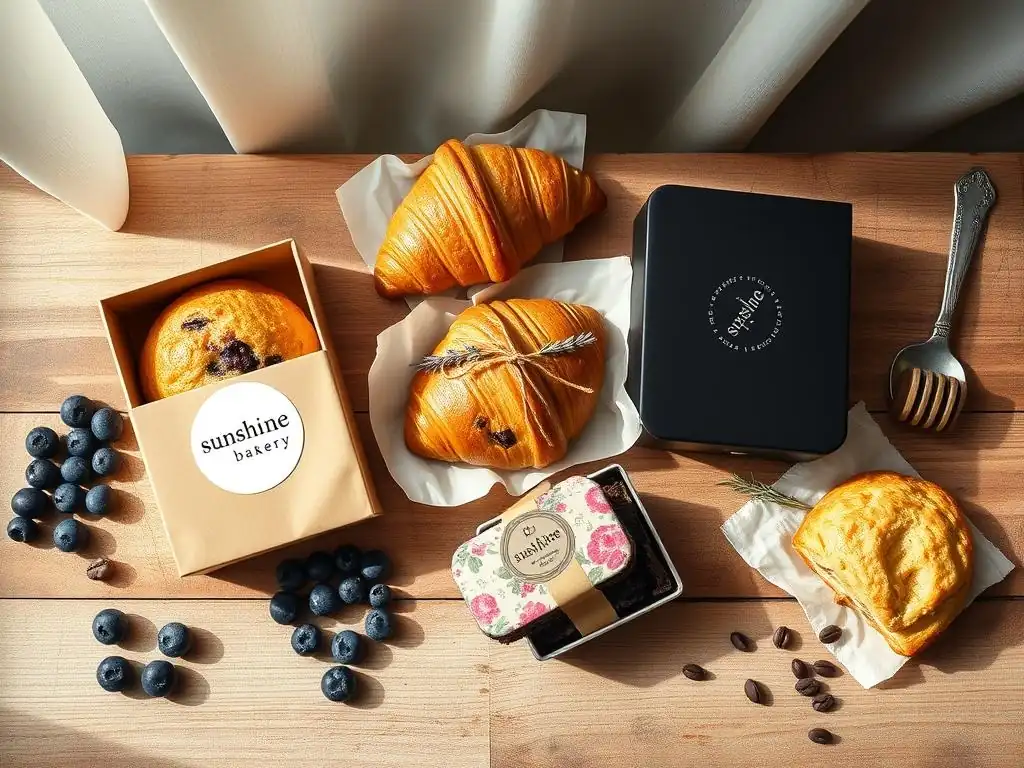
Welcome to BakeWithEase, your companion on the delightful journey of baking! Are you ready to transform your delicious creations into irresistible treasures? This week, we're diving deep into the world of attractive packaging for baked goods, exploring how presentation can elevate your home baking business. Discover simple yet effective ways to make your treats fly off the shelves and capture hearts – and wallets! Intrigued? Let's unwrap the secrets to packaging that truly pops!
- Artisan Bread Packaging: Elevating Your Loaves for Market
- Introduction: The Impact of Packaging on Artisan Bread Sales
- Key Elements of Effective Artisan Bread Packaging
- Packaging Ideas for Artisan Bread
- Cost-Effective Packaging Solutions for Small Bakeries
- Packaging for Farmers Markets and Online Orders
- Legal Requirements for Artisan Bread Packaging
- Conclusion: Packaging as an Extension of Your Artisan Bread
-
Frequently Asked Questions
- What are some simple and cost-effective ways to make baked goods packaging more attractive?
- Why is attractive packaging important for selling baked goods?
- What kind of information should I include on my baked goods packaging?
- How can I choose packaging that best protects my baked goods?
- Where can I find affordable and attractive packaging supplies for my baked goods?
- Final Reflection: The Enduring Power of Presentation
- Unleash Your Inner Baker: Make Your Treats Fly Off the Shelves!
Artisan Bread Packaging: Elevating Your Loaves for Market
Introduction: The Impact of Packaging on Artisan Bread Sales
Why Packaging Matters for Your Artisan Bread Business
In the competitive world of baked goods, especially artisan bread, your product's journey from oven to customer involves a critical step often overlooked by new bakers: packaging. Attractive packaging for baked goods isn't just about protecting your loaf; it's your first, and sometimes only, chance to make a compelling impression. Think of packaging as the handshake before the taste test. It sets expectations, communicates quality, and can significantly influence a customer's decision to buy. A well-packaged loaf suggests care, craftsmanship, and attention to detail – qualities inherent in good artisan baking.
Beyond initial appeal, effective packaging preserves the bread's quality, ensuring the customer experiences your loaf at its best. For instance, using a breathable bag helps maintain that perfect crust, while a sealed option might extend the interior's softness. Studies, albeit often focused on larger retail, suggest that consumers are willing to pay a premium, sometimes 10-20% more, for products they perceive as higher quality, and packaging plays a huge role in shaping that perception.
Therefore, investing thought and effort into your packaging design is not merely an expense but a strategic investment in your brand and sales potential. Creating truly sellable packaging is key to standing out at a busy market or online store.
Communicating Quality: The Visual Appeal of Your Loaf
The visual appeal of your artisan bread packaging is paramount in conveying the quality within. Before a customer can smell the sourdough tang or feel the weight of the loaf, they see the package. This visual interaction needs to tell a story about your bread. Is it rustic and traditional? Modern and minimalist? The design elements you choose – colors, fonts, materials, and how the bread is presented – all contribute to this narrative. For example, using natural, earthy tones and textures can evoke a sense of wholesome, handmade goodness, aligning perfectly with the artisan ethos.
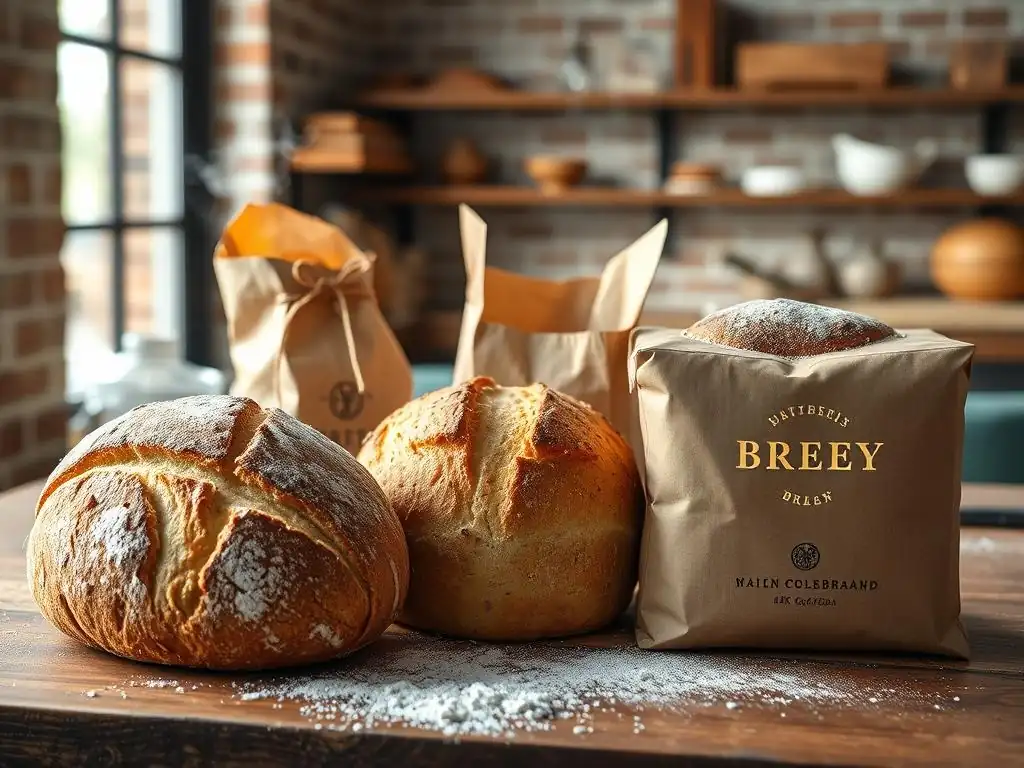
Consider a loaf wrapped simply in butcher paper tied with twine. This minimalist approach, while cost-effective, communicates authenticity and focuses attention directly on the bread's natural beauty – its shape, its crust, the dusting of flour. This type of attractive packaging for baked goods speaks volumes about confidence in the product itself. Conversely, a loaf in a branded paper bag with a window allows the customer to see the enticing crust while still providing branding. Whatever the style, consistency in your visual branding across all your packaging reinforces your identity and builds recognition, making your delicious bread instantly identifiable.
Key Elements of Effective Artisan Bread Packaging
Choosing the Right Packaging Materials for Artisan Bread
Selecting the appropriate materials for your artisan bread packaging is a crucial decision that impacts freshness, presentation, and cost. Different materials offer distinct advantages depending on your bread type, target market, and desired shelf life. The primary goals are to protect the loaf during transport, maintain its quality (especially the crust and crumb texture), and present it attractively. Materials range from simple paper and linen to more technical plastic films. The choice often balances breathability (to preserve crust crispness) with moisture retention (to keep the crumb soft).
For example, a crusty sourdough benefits from packaging that allows some air circulation to prevent the crust from becoming soft and rubbery, while a softer sandwich loaf might need more moisture barrier to stay fresh longer. The cost of materials can vary significantly, from perhaps $0.05-$0.15 for a basic paper bag to $0.50-$1.00 or more for a high-quality linen bag or specialty film. Understanding the properties of each material and how they interact with your specific bread is vital for creating truly effective and appealing packaging.
Linen Bags: Breathability and Rustic Appeal
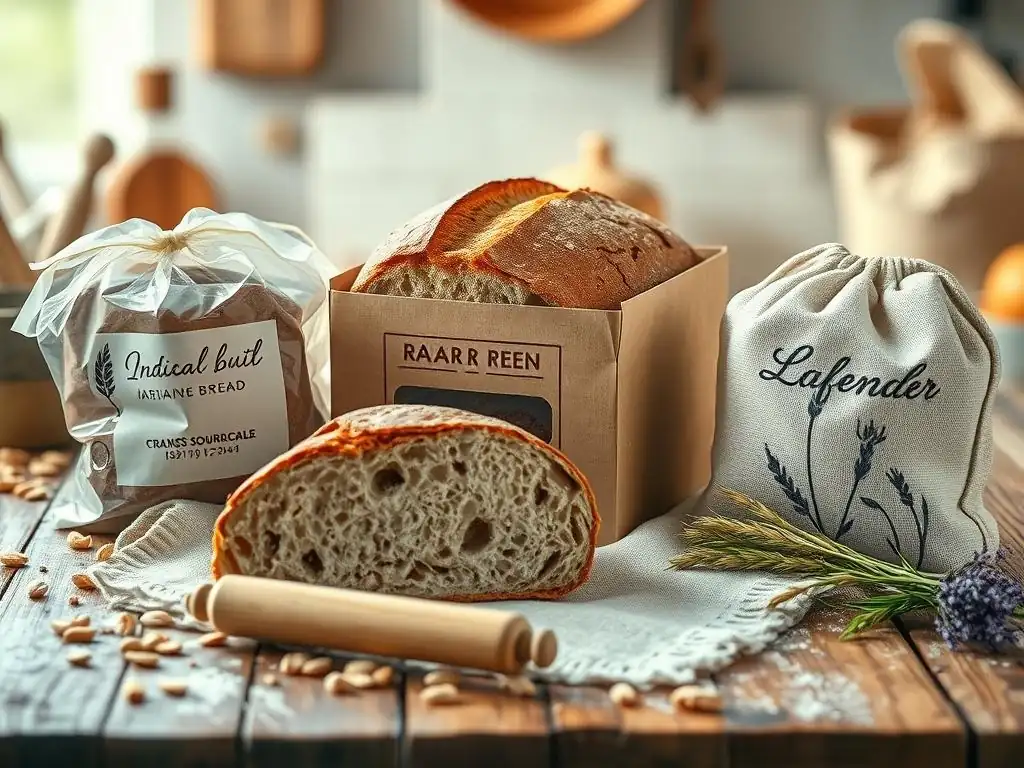
Linen bags are a popular choice for artisan bread due to their excellent breathability and strong aesthetic appeal. Made from natural fibers, they allow air to circulate freely around the loaf, which is ideal for maintaining the crispness of a well-baked crust, particularly in sourdough or baguettes. This breathability helps prevent moisture buildup, which can quickly turn a beautiful crust soggy. Beyond their functional benefits for crusty breads, linen bags exude a rustic, traditional, and high-quality feel that resonates well with the artisan image.
Using a linen bag elevates the perceived value of your bread, often positioning it as a premium product. While the initial cost per bag (potentially $2-$5 or more depending on size and branding) is higher than paper or plastic, they can be marketed as reusable, adding an eco-friendly selling point that appeals to environmentally conscious consumers. Some bakeries even offer a small discount on future purchases when customers return with their linen bag, encouraging reuse and building customer loyalty. This investment in packaging can justify a higher price point for your loaf, contributing to better margins.
Paper Bags with Windows: Showcasing the Crust
Paper bags, particularly those with a clear window, offer a practical and visually appealing packaging solution for artisan bread. The paper provides a good balance of protection and breathability, while the window allows customers to see the attractive crust and shape of the loaf without opening the package. This transparency is a powerful selling tool, as sight is a primary sense influencing food purchases. A well-baked, visually appealing loaf displayed through a window is often irresistible.
These bags are typically more affordable than linen, often costing between $0.10 and $0.30 per bag depending on size, paper quality, and whether they are printed. They are also relatively easy to brand with stamps, stickers, or custom printing. While not as breathable as pure linen, paper bags with windows often use specialty papers or small windows to manage moisture transfer effectively for many types of artisan loaves. They strike an excellent balance between cost, functionality, and the ability to create attractive packaging for baked goods, making them a staple for many home and small-scale bakeries.
Design Considerations: Reflecting Your Brand and Bread Style
The design of your artisan bread packaging is where your brand personality truly shines. It's not just about slapping a logo on a bag; it's about creating a cohesive visual identity that reflects the quality, care, and unique character of your bread and your business. Every element, from the colors and typography to any imagery used, contributes to the overall impression. Does your design convey the traditional, time-honored techniques of sourdough baking, or the modern, innovative approach to flavor combinations?
Consistency in your design elements across all your packaging materials – whether it's bags, labels, or even twist ties – is crucial for building brand recognition. When customers see your distinctive packaging, they should immediately associate it with your delicious bread. This kind of thoughtful, attractive packaging for baked goods helps build trust and encourages repeat business. Spending time developing a clear brand identity and translating it into your packaging design is an investment that pays dividends in customer loyalty and market presence.
Typography: Conveying Tradition and Craftsmanship
The fonts you choose for your packaging typography play a significant role in communicating the essence of your artisan bread. A rustic, slightly irregular font might suggest handmade quality and traditional methods, reminiscent of old bakery signs. In contrast, a clean, modern sans-serif font could position your bread as contemporary and innovative. The size and placement of text, such as your bakery name, bread type, and ingredients, also impact readability and overall aesthetic.
Consider using a primary font for your bakery name or logo that embodies your core brand identity, and perhaps a secondary, highly legible font for details like ingredients or weight. For a traditional sourdough, using a serif font with slightly distressed edges can evoke history and craftsmanship. For a seed-and-nut loaf, a clean, approachable sans-serif might feel more appropriate. Typography is a subtle yet powerful tool in creating appealing packaging that tells your brand's story effectively.
Imagery: Highlighting Ingredients and Baking Process
Incorporating imagery into your artisan bread packaging can add depth and visual interest, further communicating the quality and appeal of your product. This imagery could range from simple illustrations of wheat stalks or sourdough starter bubbles to more detailed depictions of your baking process or key ingredients. Highlighting ingredients, such as specific grains, seeds, or fruits used in a loaf, can appeal to customers interested in the provenance and composition of their food.
For example, packaging for a rye bread might feature an illustration of rye stalks or grains, reinforcing its core ingredient. Packaging for a sourdough could show a stylized depiction of the long fermentation process or the characteristic crumb structure. Even abstract patterns inspired by the swirling of dough or the texture of a floured surface can add a layer of visual sophistication. Used thoughtfully, imagery enhances the attractive packaging for baked goods, providing customers with visual cues about the flavor, texture, and quality they can expect.
Packaging Ideas for Artisan Bread
Simple Wraps: Showcasing the Loaf's Natural Beauty
Sometimes, the most effective packaging is the simplest. Minimalist wraps allow the natural beauty of your artisan loaf to be the star. This approach works particularly well for breads with stunning crusts, unique shapes, or visible inclusions like seeds or herbs. By using minimal material, you reduce cost and waste while focusing the customer's attention directly on the product itself. This method often suggests confidence in the bread's appearance and quality.
Simple wraps are also incredibly versatile and can be adapted with different ties, labels, or stamps to reflect various bread types or seasonal offerings. They evoke a sense of authenticity and handmade quality, aligning perfectly with the artisan ethos. While they may offer less protection from crushing than a box or sturdier bag, they are excellent for direct sales at markets where the bread is likely to be consumed relatively quickly. Creating appealing packaging through simplicity is often the most elegant solution.
Butcher Paper: A Classic and Functional Choice
Butcher paper is a classic, cost-effective, and highly functional material for simply wrapping artisan bread. Its sturdy nature provides a decent protective layer while still allowing some breathability, which is beneficial for maintaining a crisp crust. The neutral color of unbleached butcher paper provides a clean backdrop that makes the bread's color and texture pop. It's also incredibly easy to work with, allowing for quick wrapping, especially during busy market days.
A simple wrap of butcher paper secured with twine or tape is instantly recognizable and evokes a sense of traditional baking. It's also highly customizable; you can easily stamp your logo directly onto the paper or attach a branded sticker or label. The cost of butcher paper is typically very low, perhaps $0.01-$0.05 per wrap depending on the size of the loaf and paper used, making it an excellent option for small bakeries looking for attractive packaging for baked goods on a budget.
Twine and Herbs: Adding a Touch of Elegance
Elevating a simple wrap can be achieved with small, elegant touches like using twine instead of tape and adding a sprig of fresh herbs. Twine, whether simple jute or colored string, adds a rustic and handmade feel to the packaging. It's a small detail, but it contributes significantly to the overall aesthetic and perceived quality. Using different colors of twine can even subtly indicate different types of bread.
Adding a sprig of fresh herbs, such as rosemary or thyme, tucked under the twine, provides a delightful visual and aromatic element. This works particularly well for breads that incorporate those herbs, reinforcing the flavor profile and adding a touch of natural beauty. This simple addition costs minimal (a few cents per sprig if bought in bulk or grown yourself) but adds a significant "wow factor," transforming basic packaging into something memorable and highly appealing. It's a perfect example of how small details create attractive packaging for baked goods.
Bread Bags: Protecting Freshness and Shelf Life
Bread bags, available in various materials like paper, plastic, or compostable films, are essential for protecting the loaf and extending its shelf life, especially for breads that need to retain moisture or are sold through channels requiring more robust packaging. Bags offer better protection against environmental factors like humidity or dryness compared to open wraps. They are also easier for customers to transport and store the bread in.
Choosing the right type of bread bag depends on your specific needs. Do you prioritize crust crispness, or is keeping the crumb soft for several days more important? Plastic bags, for instance, are excellent at preventing moisture loss, keeping soft loaves fresher longer, but can soften a crust quickly. Paper bags offer more breathability. Many specialty bread bags are designed with micro-perforations or specific materials to balance moisture retention and breathability. Investing in good quality bags is key to ensuring your delicious bread reaches the customer in optimal condition, contributing to overall customer satisfaction.
Gusseted Bags: Accommodating Various Loaf Sizes
Gusseted bags are a highly practical choice for packaging artisan bread as they feature expandable sides (gussets) that allow them to accommodate loaves of varying shapes and sizes. This flexibility means you don't necessarily need a different bag size for every single loaf variation, simplifying your inventory and purchasing. The gussets also help the bag stand up or sit neatly, making for attractive display at markets or in delivery boxes.
These bags are commonly available in paper, plastic, or compostable materials. A paper gusseted bag with a window is a very popular option for artisan loaves, providing visibility and some breathability. Plastic gusseted bags offer better moisture retention for softer breads. Their cost is generally reasonable, ranging from $0.15 to $0.40 per bag depending on material and size. Their versatility makes them a staple for bakeries producing a range of loaf dimensions, ensuring you have appropriate and appealing packaging readily available.
Resealable Bags: Maintaining Crust and Texture
For artisan breads intended to be consumed over several days, resealable bags offer a significant advantage by helping maintain the desired crust and texture after the initial opening. While a freshly baked loaf is always best, allowing customers to easily re-seal the packaging helps slow down the staling process and keeps the crust from becoming either too hard or too soft prematurely. This enhances the customer's experience over the life of the loaf.
Resealable features can include a simple zip-top closure or an adhesive strip. These are often found on plastic or specialty film bags. While potentially slightly more expensive than non-resealable options (adding perhaps $0.05-$0.10 to the cost per bag), the added convenience and freshness benefit can be a strong selling point, particularly for larger loaves or those sold to customers who may not finish the bread in one sitting. Offering resealable packaging contributes to customer satisfaction and reinforces the value of your high-quality artisan bread.
Cost-Effective Packaging Solutions for Small Bakeries
Bulk Purchasing: Reducing Packaging Costs
One of the most effective ways for a small home bakery to manage packaging costs is through bulk purchasing. Buying packaging materials in larger quantities significantly reduces the per-unit cost compared to buying small packs. While the initial outlay is higher, the savings over time can be substantial. For example, buying 1,000 paper bags might cost $150-$200, whereas buying them in packs of 50 could cost $25-$35 per pack, totaling $500-$700 for the same quantity.
Identify your most used packaging items – perhaps paper bags, labels, or twine – and calculate your estimated usage over a few months. Then, research suppliers who offer bulk discounts. Many online packaging suppliers or local restaurant supply stores offer bulk options. Ensure you have adequate storage space before buying in bulk. This strategy allows you to acquire attractive packaging for baked goods at a lower cost per item, improving your overall profitability.
Minimalist Design: Focusing on Functionality and Aesthetics
Adopting a minimalist design approach for your packaging is not only aesthetically pleasing but also inherently cost-effective. Instead of elaborate, multi-component packaging, focus on simple, functional materials enhanced by thoughtful, minimal branding. A single, high-quality material like butcher paper or a simple paper bag can serve as the base, requiring less material overall.
Minimalist design often relies on clean lines, ample negative space, and one or two key design elements like a well-placed logo or a simple stamp. This reduces printing costs associated with complex graphics and requires fewer different packaging components to stock. The focus shifts to the quality of the material and the product itself, creating sophisticated and appealing packaging without a high price tag.
Stamped Logos: A Simple Branding Solution
A custom stamp is an incredibly affordable and effective way to brand minimalist artisan bread packaging. Instead of paying for custom printed bags or labels in large quantities, you can purchase plain paper bags, wraps, or labels and stamp your logo or bakery name onto them. A good quality custom rubber stamp might cost $30-$70, and ink pads are inexpensive. The cost per impression is negligible.
Stamping adds a handmade, authentic touch that complements the artisan ethos perfectly. It's also flexible – you can stamp different areas depending on the loaf or packaging style. It requires a little extra labor time compared to pre-printed materials, but the cost savings, especially for a small bakery, are significant. This simple technique allows you to create branded, attractive packaging for baked goods without a large upfront investment.
Kraft Paper Labels: Affordable and Customizable
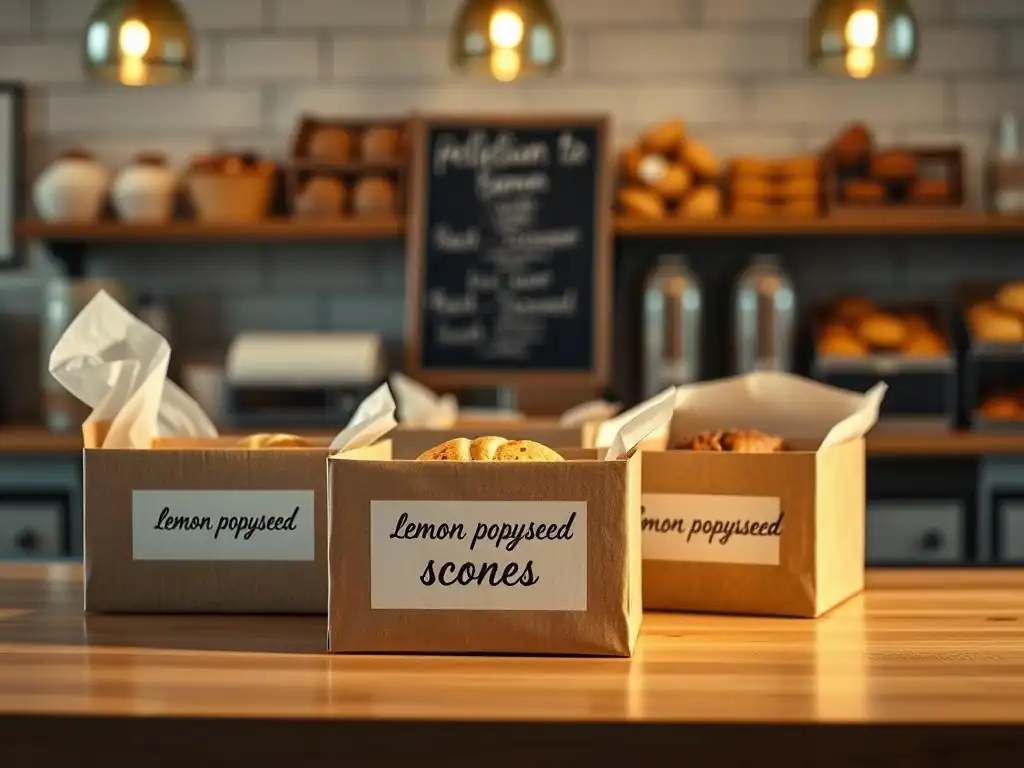
Kraft paper labels are another cost-effective and versatile option for branding artisan bread packaging. Available in various sizes and shapes, these labels can be purchased blank and printed on using a standard home or office printer, or handwritten for an even more personal touch. Kraft paper's natural, earthy texture pairs well with the artisan aesthetic.
These labels are perfect for adding your logo, bread name, ingredients, weight, or even a short message. Compared to custom-printed labels ordered from a professional printer, printing or writing on blank kraft labels yourself is significantly cheaper, costing maybe $0.02-$0.05 per label depending on size and ink use. They can be applied to paper bags, butcher paper wraps, or even linen bags. This allows you to create customized, informative, and appealing packaging on demand, keeping costs low.
Packaging for Farmers Markets and Online Orders
Sturdy Bags for Transport: Preventing Damage
When selling artisan bread at farmers markets or fulfilling online orders, the packaging needs to be robust enough to withstand transport without damaging the loaf. While attractive packaging for baked goods is important, it must also be functional in transit. At a farmers market, loaves might be placed in customers' shopping bags alongside other items. For online orders, they endure sorting and shipping processes.
Using sturdy paper bags, perhaps with reinforced bottoms or handles, can help protect the loaf's shape and crust from minor bumps and pressures. For online shipping, packaging inside the shipping box needs to prevent the loaf from being crushed or tossed around. Consider using slightly thicker paper or adding a layer of padding, like crumpled paper, around the loaf within the outer shipping container. The goal is to ensure the customer receives their bread looking as perfect as it did when it left your bakery.
Insulated Packaging: Maintaining Warmth or Freshness
Depending on the selling channel and distance, you might need to consider packaging that helps maintain the bread's temperature. For farmers markets, especially in cooler weather, customers love receiving a loaf that is still slightly warm from the oven. Wrapping it in a few layers of butcher paper or placing it in a thicker paper bag can help retain some warmth for a short period.
For online orders, especially those traveling longer distances or in varying climates, insulated packaging becomes more important. While keeping bread hot during shipping is difficult and often unnecessary, maintaining a stable temperature can help preserve freshness. This might involve using insulated mailers or lining shipping boxes with insulating materials. While adding cost (potentially $1-$3 per shipment), it ensures the bread's quality upon arrival, which is crucial for customer satisfaction and repeat business in the online sphere.
Clear Labeling: Providing Essential Information
Regardless of the sales channel, clear and comprehensive labeling on your artisan bread packaging is non-negotiable. Customers need to know exactly what they are buying. This includes the specific name of the bread (e.g., "Country Sourdough," "Walnut Rye"), the weight of the loaf, and essential contact information for your bakery.
For online orders, labeling is even more critical as the customer cannot ask questions in person. Include handling or storage instructions (e.g., "Store at room temperature," "Slice and freeze for later"). A clear, easy-to-read label not only fulfills practical needs but also adds a professional touch to your attractive packaging for baked goods. Ensure the label is securely attached and printed clearly.
Legal Requirements for Artisan Bread Packaging
Ingredient Lists and Nutritional Information
As a food producer, even on a small scale, you have legal obligations regarding the information provided on your packaging. In most regions, you are required to list all ingredients in descending order by weight. This is crucial for customers with allergies, dietary restrictions, or specific ingredient preferences. Be precise and include all components, including starters or specific types of flour.
Nutritional information is often required if you make any nutritional claims about your bread (e.g., "low fat," "high fiber"). While not always mandatory for small businesses selling directly to consumers (regulations vary by location and scale), providing this information voluntarily builds trust and caters to health-conscious customers. If you are unsure about the specific requirements in your area, consult local food safety regulations. Providing accurate information is a key part of responsible and professional packaging.
Weight and Measurement Labeling
Accurately stating the weight of your artisan bread on the packaging is a legal requirement in most places. Customers need to know exactly how much product they are purchasing. The weight should be measured after baking and cooling, before packaging. Using a calibrated scale is essential for accuracy.
The weight should be clearly printed on the label or packaging in appropriate units (e.g., grams or ounces). For example, a label might state "Net Wt 800g" or "Net Wt 1.75 lb". Ensuring consistent loaf sizes and accurate measurement is important for fair pricing and customer satisfaction. Clear weight labeling is a fundamental aspect of professional and legally compliant packaging.
Conclusion: Packaging as an Extension of Your Artisan Bread
Effective artisan bread packaging is far more than just a container; it is an integral part of your product and an extension of your brand. It protects your beautiful loaves, preserves their quality, communicates your bakery's identity, and ultimately helps persuade customers to choose your bread from a crowded market. From selecting the right materials like breathable linen or practical paper with windows, to incorporating thoughtful design elements like appropriate typography and appealing imagery, every decision contributes to creating truly attractive packaging for baked goods.
Whether you opt for simple, cost-effective wraps enhanced with twine and herbs, or invest in specialized bags for freshness, your packaging should reflect the care and quality that goes into your baking. Remember the legal requirements for labeling ingredients and weight. By viewing packaging not as an afterthought but as a vital marketing tool and quality guarantor, you can significantly enhance your artisan bread's appeal and boost your sales, ensuring your delicious creations find the appreciative homes they deserve.
Adapting Packaging to Seasonal Offerings
Adapting your artisan bread packaging to reflect seasonal themes or special offerings is a fantastic way to create excitement and encourage impulse buys. Simple changes can make a big impact. For example, using red and green twine during the holidays, incorporating autumn-themed stamps or labels in the fall, or adding a sprig of lavender to packaging for a springtime herb loaf.
This doesn't require a complete overhaul of your standard packaging. Often, it's just a matter of changing the color of a tie, adding a small themed sticker, or using a limited-edition stamp. This creates a sense of novelty and makes your products feel fresh and current. For instance, for a pumpkin sourdough in October, you might use an orange ribbon or a label with a small pumpkin illustration. These small, seasonal tweaks to your attractive packaging for baked goods keep your brand engaging and responsive to the calendar.
- \[ ] Write down your bakery's name.
- \[ ] Describe a specific type of bread you sell.
- \[ ] Explain how you package this bread.
- \[ ] Mention a positive customer reaction or comment about your packaging.
- \[ ] Note any specific material or design element that seems to resonate most with customers.
- \[ ] Consider sharing a photo (in your mind, as we can't use images here!) of your favorite packaging design.
Frequently Asked Questions
What are some simple and cost-effective ways to make baked goods packaging more attractive?
Consider using kraft paper boxes with a custom sticker or ribbon. This is both affordable and provides a rustic, appealing look. You can also use clear cellophane bags to showcase the product, adding a simple tag.
Why is attractive packaging important for selling baked goods?
Attractive packaging creates a positive first impression, enticing customers to purchase. It also communicates the quality and care put into your baking, making it more desirable than competing products.
What kind of information should I include on my baked goods packaging?
At a minimum, include the name of the product, a list of ingredients (especially allergens), and the date it was baked. Adding a small logo or brand name helps with brand recognition.
How can I choose packaging that best protects my baked goods?
Consider the type of baked good. Delicate items like cookies need rigid containers to prevent breakage, while breads might benefit from breathable bags to maintain crust quality. Prioritize food-safe materials.
Where can I find affordable and attractive packaging supplies for my baked goods?
Look for wholesale suppliers online or at local restaurant supply stores for bulk discounts. Craft stores and online marketplaces like Etsy also offer a variety of unique and customizable options for a more personalized touch.
Final Reflection: The Enduring Power of Presentation
The way we present our baked goods is not merely about aesthetics; it's a crucial element in their success. A visually appealing package can transform a simple treat into a memorable experience, directly impacting sales and building a loyal customer base. In today's competitive market, where consumers are bombarded with choices, standing out is paramount, and attractive packaging is the key that unlocks that potential.
The impact of beautiful packaging extends far beyond the immediate sale. It shapes brand perception, creating an emotional connection with the customer. It's about more than just containing the product; it's about communicating a story, a feeling, a promise of quality and deliciousness. As the saying goes, People eat with their eyes first,
and this holds especially true for the enticing world of baked goods. This principle, deeply ingrained in our cultural understanding of food and presentation, continues to drive innovation and creativity in the packaging industry. I've personally witnessed the transformative power of thoughtfully designed packaging, seeing how a simple upgrade can dramatically boost sales and customer satisfaction.
Consider the impact of your own packaging choices. Are you fully leveraging the power of presentation to showcase your delicious creations? I challenge you to take a fresh look at your packaging strategy. Experiment with different materials, colors, and designs.
Think about the overall experience you want to create for your customers – from the moment they see your product on the shelf to the moment they savor the last bite. By investing in attractive and functional packaging, you are not just selling baked goods; you are selling an experience, a feeling, a piece of joy. Let your packaging pop, and watch your business flourish.
Unleash Your Inner Baker: Make Your Treats Fly Off the Shelves!
Thanks for taking the time to explore the world of irresistible baked goods packaging! You've learned how the right presentation can truly elevate your creations. Now it's time to put that knowledge into action.
- Design and print your first batch of custom packaging: This is your key step! Use the ideas from the article to create something truly unique and reflective of your brand.
- Share your creations – and your packaging! Post photos on social media and tag BakeWithEase – we'd love to see your amazing results!
- Start planning your next bake sale or market appearance: With your new packaging, you'll be ready to wow potential customers.
Ready to transform your baking business from good to great? What’s the first step you’ll take to create packaging that truly pops?