
Building Your Brand Identity: More Than Just a Logo for Your Home Bakery

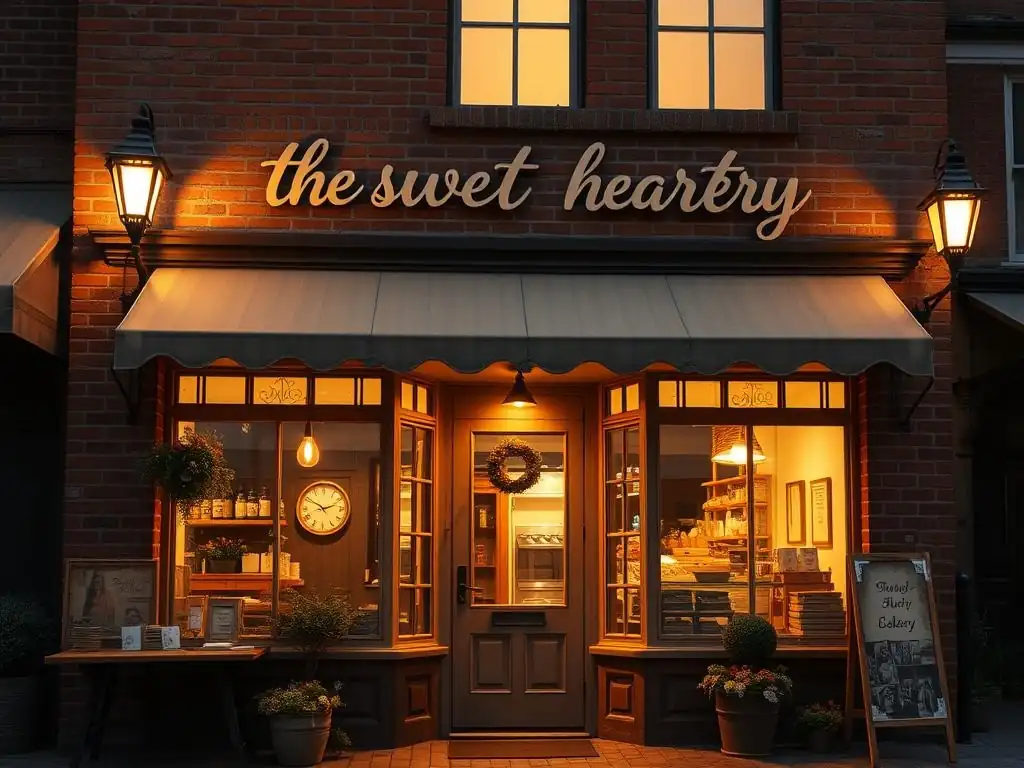
Welcome to BakeWithEase, where turning your passion for baking into a thriving reality begins! Ever wondered if your Home Bakery Brand Identity is truly resonating with your customers? It's more than just a logo; it's the essence of your delicious creations. Discover the secrets to crafting a memorable and authentic brand that sets you apart, drawing customers in and leaving them craving more. Let's unlock the potential of your baking business, one irresistible detail at a time...
- Building Your Home Bakery Brand Identity
- Key Elements of a Successful Brand Identity
- Steps to Develop Your Brand Identity
- Measuring Brand Identity Success
- Brand Identity Examples
- Avoiding Common Branding Mistakes
-
Frequently Asked Questions
- What exactly is a home bakery brand identity, and why is it important?
- What are the key elements I should consider when developing my home bakery brand identity?
- How can I create a visual identity (logo, colors, fonts) that reflects my home bakery brand?
- How do I communicate my brand identity through my packaging and marketing materials?
- Besides visual elements, what else contributes to a strong home bakery brand identity?
- Final Reflection: The Enduring Power of Authentic Brand Identity
- Unleash Your Bakery's Brand Power!
Building Your Home Bakery Brand Identity
Why a Strong Brand Identity Matters
Building a robust home bakery brand identity is far more than just having a pretty logo; it's about creating a memorable experience and fostering trust with your customers. In a crowded market, where many home bakers offer delicious goods, your brand is what sets you apart. It communicates your unique value proposition, connects with your ideal audience on an emotional level, and builds recognition that leads to repeat business and referrals. Think of it as the personality of your bakery – what people think and feel when they hear your name or see your packaging.
A well-defined home bakery brand identity simplifies marketing efforts and justifies pricing. When customers understand and connect with your brand, they are often willing to pay a premium for the experience and quality associated with it. For instance, a bakery emphasizing artisanal, locally-sourced ingredients might command higher prices than one focused on budget-friendly options, provided its brand identity effectively communicates that superior value. A strong brand helps you attract the right customers – those who appreciate what makes your bakery special – rather than just competing on price alone.
Defining Your Unique Selling Proposition (USP)
Your Unique Selling Proposition (USP) is the core of your home bakery brand identity. It's that one thing (or a combination of things) that makes your bakery stand out from the competition and makes you the best choice for your target customer. To define your USP, consider what you do exceptionally well, what specific need you fulfill for your customers, and what makes your approach different. Are you the only local baker specializing in authentic French macarons?
Do you use unique, heirloom recipes passed down through generations? Is your focus on allergy-friendly options like gluten-free or vegan baking? Pinpointing this distinct advantage is crucial.
Identifying your USP requires looking inward at your skills and passions, and outward at the market and your potential customers' needs. It's not enough to say your cakes "taste good"; almost all home bakers aim for that. Your USP needs to be specific and benefit-oriented.
For example, instead of "We make delicious cookies," a USP might be "We bake nostalgic, chewy chocolate chip cookies using only organic butter and local eggs, just like grandma used to make, delivered fresh to your door." This clearly defines the product, highlights quality ingredients, evokes emotion, and specifies a service. This clarity will guide every aspect of your home bakery brand identity.
Key Elements of a Successful Brand Identity

1. Logo Design
Choosing Colors and Fonts
The colors and fonts you choose for your home bakery logo significantly influence how your brand is perceived. Colors evoke specific emotions: warm tones like reds and oranges can stimulate appetite and convey energy or comfort, while earthy tones like browns and greens might suggest natural ingredients or rustic charm. Blues and pastels can communicate freshness or elegance.
A bakery specializing in vibrant custom cakes might use playful, bright colors, whereas a sourdough bread bakery might opt for more muted, earthy tones. Research suggests that color alone can account for up to 85% of the reason people buy a particular product, emphasizing their importance in your home bakery brand identity.
Typography also plays a vital role in setting the tone. Script fonts can convey a sense of handmade quality, elegance, or tradition, perfect for artisanal pastries or wedding cakes. Sans-serif fonts often feel modern, clean, and approachable, suitable for a minimalist or contemporary brand.
Serif fonts can lend a sense of history, reliability, or sophistication. Pairing fonts effectively – perhaps a decorative font for the bakery name and a clean, readable font for taglines or details – creates visual harmony. For a home bakery, ensuring the chosen fonts are readable even on small items like labels is critical for maintaining a consistent home bakery brand identity.
Logo Variations and Usage Guidelines
A strong home bakery brand identity benefits from having multiple versions of its logo. This includes a primary logo (the main version with the name and icon), a secondary logo (perhaps a horizontal layout or a version with a tagline), a logo mark or icon (just the symbol, without text), and a wordmark (just the text of the name).
Having these variations ensures your logo works across different applications, from a large banner at a market stall to a tiny profile picture on social media or a small sticker on packaging. For example, the full logo might be used on your website header, while the icon is perfect for a social media profile picture or a favicon.
Establishing simple usage guidelines, even for a home bakery, helps maintain consistency. These guidelines don't need to be complex; they can simply specify minimum size requirements for readability, acceptable color variations (e.g., full color, black, white), and spacing around the logo. Consistency is key to building recognition for your home bakery brand identity. Using the wrong logo version or stretching/distorting it can dilute your brand's professional appearance and make it harder for customers to recognize you instantly across different platforms. Aim for uniformity in how your logo appears everywhere your customers might encounter it.
2. Brand Voice and Messaging
Defining Your Target Audience
Understanding precisely who you are trying to reach is foundational to defining your home bakery brand identity and messaging. Are you baking for busy parents needing convenient, kid-friendly treats? Are you targeting health-conscious individuals looking for gluten-free or vegan options? Or are you aiming for food enthusiasts seeking gourmet, artisanal baked goods for special occasions? Each of these groups has different needs, preferences, and ways they like to be communicated with. Failing to identify your target audience means your messaging will likely be too general and won't resonate deeply with anyone specific.
Once you've identified your target audience, delve deeper into their demographics (age, location, income) and psychographics (interests, values, lifestyle, challenges). For example, if targeting busy parents, your brand voice might be friendly, helpful, and emphasize convenience ("Save time with our ready-to-go cupcake packs!").
If targeting gourmet enthusiasts, your voice might be more sophisticated, focusing on quality ingredients and baking techniques ("Experience the delicate layers of our authentic French croissants, crafted with imported butter."). Tailoring your language, tone, and the benefits you highlight directly impacts how effectively your home bakery brand identity connects with the people most likely to become loyal customers.
Communicating Your Values and Story
Your home bakery's story and values are powerful tools for building an authentic brand identity and forging an emotional connection with customers. People often buy from small businesses because they feel a personal connection or align with the brand's ethos. Share why you started baking, what inspires you, or the journey behind your signature recipe. Is there a family history?
A passion for using sustainable practices? A commitment to supporting local farmers? These narratives make your bakery more than just a place to buy sweets; they make it relatable and memorable. Studies show that consumers are 64% more likely to purchase from a brand if they share values with it.
Communicate these values and story consistently through your messaging across all platforms. Use your website's "About Us" page, share behind-the-scenes glimpses on social media, or include a small printed story card with your packaging. If using organic flour is a core value, talk about why that's important to you and the benefits it brings to the baked goods. If you donate a portion of profits to a local charity, highlight this as part of your brand's community involvement. This transparency and authenticity build trust and strengthen your home bakery brand identity, turning casual buyers into engaged fans.
3. Packaging Design
Packaging Materials and Sustainability
Packaging for a home bakery serves a critical function beyond just holding the baked goods; it's a tangible extension of your brand identity. The choice of materials impacts both the product's protection and the customer's perception. Common options include cardboard boxes for cakes and pastries, paper bags for cookies or bread, and clear cellophane bags for visibility. Consider the type of baked goods – delicate items need sturdy support, while bread might benefit from breathable paper. The quality of the material itself communicates value; a flimsy box feels less premium than a sturdy, well-constructed one.
Increasingly, customers value sustainability. Offering packaging made from recycled, recyclable, or compostable materials can be a significant part of your home bakery brand identity, especially if targeting environmentally conscious consumers. Using kraft paper boxes, biodegradable window films, or compostable greaseproof liners shows commitment. While these options might have a slightly higher cost (perhaps 5-10% more per unit compared to standard materials), they can resonate strongly with a target audience willing to support businesses with similar values. Clearly indicating that your packaging is eco-friendly through a small icon or message reinforces this brand element.
Branded Labels and Stickers
Custom labels and stickers are an incredibly cost-effective way for a home bakery to reinforce its brand identity on packaging. They allow you to prominently display your logo, bakery name, and contact information on plain boxes, bags, or containers. Beyond branding, labels are essential for providing necessary information such as ingredients (crucial for allergens), best-before dates, and storage instructions. A well-designed label is clean, readable, and visually consistent with your overall brand aesthetic, using your chosen fonts and colors.
Labels and stickers can also add personality or convey specific messages. A small "Baked with Love" sticker, a handwritten-style note thanking the customer, or a label indicating a specific flavor or limited edition item all contribute to the overall customer experience and strengthen the home bakery brand identity. You can order custom stickers online in various shapes, sizes, and finishes (like matte or glossy) to match your brand's style. Using a consistent label design across all your products creates a professional and cohesive look that customers will start to recognize instantly.
4. Online Presence
Website or Online Store
In today's digital age, having an online presence is almost non-negotiable for a home bakery building its brand identity, even if sales are primarily local. A simple website or online store serves as your bakery's digital storefront. It's a central place where customers can find essential information: your menu, pricing, how to order, contact details, and your location or delivery area. More importantly, it's a platform to showcase your baked goods with high-quality photos and tell your brand story, reinforcing your unique value proposition and personality. Even a basic one-page site is better than none.
Your website or online store should visually align with your overall home bakery brand identity, using your logo, color palette, and fonts consistently. The language used should reflect your brand voice. For example, if your brand is warm and friendly, the website copy should feel approachable and inviting. If it's elegant and sophisticated, the tone should match. A well-designed, easy-to-navigate site builds credibility and makes ordering convenient for customers, enhancing their overall brand experience. Data suggests that roughly 88% of consumers research online before making a purchase, highlighting the importance of a functional web presence.
Social Media Marketing
Social media platforms like Instagram, Facebook, and Pinterest are powerful tools for a home bakery to build brand awareness and engage with its audience. Baking is highly visual, making platforms like Instagram ideal for showcasing your beautiful creations through photos and videos. Consistently posting high-quality content that reflects your brand aesthetic helps build recognition and attract followers interested in your specific style of baking. Aiming for a consistent posting schedule, perhaps 3-5 times per week, helps maintain visibility.
Social media is also where you can interact directly with customers, respond to comments and messages, run contests, and share behind-the-scenes glimpses of your baking process – all of which reinforce your home bakery brand identity. Use your brand voice in captions and replies. Share customer testimonials or photos. Platforms like Facebook can be used to announce specials, take orders, or create a community group. Maintaining a consistent visual style (e.g., using the same photo filters, background styles) and tone across your social media feeds strengthens your brand's identity and makes your content instantly recognizable to your followers.
Steps to Develop Your Brand Identity
Step 1: Market Research & Niche Identification
The first step in developing your home bakery brand identity is thorough market research. This involves understanding the local baking landscape: who are your potential competitors? What are they offering? What are their strengths and weaknesses? Are there gaps in the market? For example, you might find several bakeries selling traditional cakes but none specializing in vegan or allergen-free options, or perhaps no one is offering late-night cookie delivery. This research helps you identify opportunities and understand what customers in your area are looking for and currently getting (or not getting).
Simultaneously, you need to identify your niche. Based on your research, your skills, and your passions, what specific area will your home bakery focus on? Will it be decorated sugar cookies, artisanal sourdough bread, gluten-free cupcakes, or perhaps custom celebration cakes?
Defining a niche helps you target a specific audience and tailor your offerings and messaging directly to them. Trying to bake everything for everyone often results in a weak, unfocused brand identity. Specializing allows you to become known as the expert in your niche, making your marketing efforts much more effective and helping you build a strong home bakery brand identity around that specialization.
Step 2: Defining Brand Values and Personality
Once you know who you are serving and what you are specializing in, the next step is to define the core values and personality of your home bakery. What is most important to you in your business? Is it quality ingredients, traditional techniques, creativity, customer happiness, sustainability, or community involvement? List the 3-5 values that will guide your decisions and actions. These values are the foundation of your brand culture and what you want to communicate to your customers. For instance, if "quality" is a key value, you'll emphasize premium ingredients and meticulous processes in your messaging.
Next, describe your brand's personality as if it were a person. Is your bakery brand friendly and approachable, elegant and sophisticated, fun and whimsical, rustic and cozy, or modern and clean? This personality should align with your niche and target audience. A bakery specializing in children's birthday cakes might have a playful, energetic personality, while one focusing on wedding cakes might be more refined and trustworthy. Defining this personality helps ensure consistency in your brand voice, visual style, and overall customer experience, contributing significantly to your home bakery brand identity.
Step 3: Creating a Visual Identity
With your niche, target audience, values, and personality defined, you can move on to creating the visual elements of your home bakery brand identity. This is where your logo, color palette, and typography come to life. Start by brainstorming logo concepts that reflect your bakery's name, niche, and personality. Consider working with a designer, even for a simple logo, as a professional touch can make a big difference in perceived quality. As noted earlier, think about the emotions and associations colors and fonts evoke and how they align with your brand.
Develop a consistent color palette (usually 3-5 main colors) and select 2-3 fonts (one for headings, one for body text, and perhaps an accent font) that you will use across all your branding materials. These elements should be used consistently on your logo, website, social media graphics, packaging labels, business cards, and any other customer touchpoints. Maintaining this visual consistency is paramount for building recognition and a professional home bakery brand identity. Create a simple style guide for yourself outlining these elements.
Step 4: Developing Brand Messaging and Tone

This step involves translating your brand values, personality, and USP into written and spoken communication. Your brand messaging is what you want to convey about your bakery – the key benefits of your products, what makes you different, and the overall feeling you want customers to have. Your brand tone is how you convey it – is it warm and conversational, informative and expert, playful and fun, or elegant and reserved? This should directly reflect the personality you defined in Step 2.
Develop key phrases or taglines that encapsulate your USP and brand essence. Write descriptions for your products that highlight their unique qualities and benefits, using your defined tone. For example, instead of "Chocolate Cake," if your USP is rich, indulgent treats with high-quality ingredients, your messaging might be "Our signature Belgian Chocolate Indulgence Cake: layers of moist dark chocolate cake paired with a velvety smooth ganache, crafted with ethically sourced cocoa for an unparalleled dessert experience."
Apply this tone and messaging to your website copy, social media captions, email newsletters, and even how you talk to customers at pickup. Consistent messaging is vital for a strong home bakery brand identity.
Step 5: Implementation Across All Touchpoints
The final step is to consistently apply your newly developed home bakery brand identity across every single point where a customer might interact with your business. This includes your packaging (boxes, bags, labels, stickers), your online presence (website, social media profiles, online store), your marketing materials (business cards, flyers), and even your email signature or how you answer the phone. Every touchpoint is an opportunity to reinforce your brand.
Ensure your logo is used correctly according to your guidelines. Use your defined color palette and fonts consistently in all designs. Maintain your brand voice and tone in all written communication, from social media posts to customer service emails. This level of consistency builds trust and makes your home bakery brand identity instantly recognizable and memorable. It requires diligence, but consistent implementation is what brings your brand to life and makes it effective in attracting and retaining customers.
Measuring Brand Identity Success
Tracking Brand Awareness
Measuring the success of your home bakery brand identity can be done through various means, starting with tracking brand awareness. While you won't have sophisticated marketing analytics like large corporations, you can gauge how familiar people are becoming with your bakery. Pay attention to how customers found you – are more people mentioning word-of-mouth referrals or seeing you on social media? Actively ask new customers how they heard about you; tracking these answers over time can show if your branding efforts are increasing visibility.
Social media provides some quantitative data. Monitor metrics like follower growth, engagement rates (likes, comments, shares) on your posts, and the reach of your content. An increase in engagement or mentions indicates that your brand is resonating with your audience and becoming more visible. You can also run simple polls on social media asking followers if they recognize your logo or associate specific qualities with your bakery. While not precise, these methods offer valuable insights into whether your home bakery brand identity is gaining traction.
Monitoring Customer Feedback
Customer feedback is an invaluable resource for understanding how your home bakery brand identity is being received. Beyond comments on the taste or quality of your baked goods, pay attention to what customers say about their overall experience. Do they comment on your packaging design? Do they mention feeling a connection to your brand story? Do they describe your bakery's personality in a way that aligns with your intentions (e.g., "your service felt so friendly and personal," or "your packaging was so elegant")?
Actively solicit feedback through follow-up emails, comment sections on your website or social media, or simply by chatting with customers during pickups or deliveries. Encourage reviews on platforms like Google My Business or Facebook, and read them carefully not just for product quality but for mentions of the branding elements. Positive comments about your brand experience indicate that your home bakery brand identity is effectively communicating your desired message and values, while negative or confused feedback might signal areas needing adjustment.
Analyzing Sales and Website Analytics
While sales figures are primarily a measure of business performance, they can also indirectly reflect the success of your home bakery brand identity. An increase in repeat customers, for instance, often signifies that people not only enjoyed your product but also had a positive overall brand experience that made them want to return. Similarly, if a significant portion of your new business comes from referrals, it suggests that your brand identity is memorable and positive enough for customers to recommend you to others.
If you have a website or online store, analyze basic website analytics. Look at the source of your traffic (e.g., direct visits, social media referrals, searches). An increase in direct visits might indicate growing brand recognition. Track conversion rates (visitors who place an order) and bounce rates. While many factors influence these metrics, a cohesive, professional home bakery brand identity contributes to a positive online experience, which can positively impact these numbers. Seeing growth in these areas can be a strong indicator that your branding efforts are contributing to business success.
Brand Identity Examples

Case Study 1: Gluten-Free Bakery
Consider a hypothetical home bakery called "The Flourless Haven," specializing exclusively in gluten-free baked goods. Their target audience is individuals with celiac disease, gluten intolerance, or those simply choosing a gluten-free lifestyle, who are often wary of cross-contamination and seek delicious alternatives to traditional baked goods. The USP is providing safe, consistently delicious, and creative gluten-free treats that don't compromise on taste or texture.
The Flourless Haven's home bakery brand identity revolves around trust, safety, and deliciousness. Their logo might use clean fonts and a color palette featuring calming blues and natural greens, suggesting health and reliability. Packaging would prominently feature clear "Certified Gluten-Free" (or similar) labeling. Their brand voice is reassuring, knowledgeable about dietary needs, and enthusiastic about the joy of baking.
On social media, they share photos of their tempting treats alongside educational content about gluten-free ingredients. They might see a 20% higher engagement rate on posts featuring testimonials from customers who felt safe and satisfied with their products compared to generic product posts. This focus on safety and taste builds a loyal customer base willing to pay a premium for guaranteed gluten-free quality.
Case Study 2: French Pastries
Imagine a home bakery named "Le Petit Four," focusing on authentic French pastries like croissants, pain au chocolat, and éclairs. Their target audience is individuals seeking sophisticated, high-quality treats for indulgence, special occasions, or a taste of European elegance. Their USP is using traditional French techniques and premium ingredients (like imported butter) to create pastries comparable to those found in a Parisian patisserie.
Le Petit Four's home bakery brand identity emphasizes elegance, quality, and tradition. Their logo might feature a delicate script font and perhaps a simple, classic icon like a whisk or a stylized pastry, using a color palette of muted gold, cream, and deep navy or burgundy. Packaging could involve elegant boxes, perhaps tied with ribbon, using custom labels with a refined design.
Their brand voice is sophisticated, passionate about the craft of baking, and perhaps uses subtle French terms. They might find that customers perceive their pastries as being of higher value, potentially supporting a price point 10-15% above competitors offering more generic baked goods, simply due to the strength of their elegant and authentic home bakery brand identity conveyed through their branding. They might track online reviews where customers specifically mention the "beautiful packaging" or "feeling transported to Paris."
Avoiding Common Branding Mistakes
Inconsistency
One of the most detrimental mistakes for a home bakery brand identity is inconsistency. This occurs when your brand elements – your logo, colors, fonts, messaging, and tone – are not used uniformly across all customer touchpoints. For example, if your logo appears slightly different on your business card than it does on your social media profile, or if your website uses a formal tone while your Instagram captions are very casual, it creates confusion. Customers won't build a clear, reliable image of your brand in their minds.
Inconsistency dilutes recognition and professionalism. If your packaging labels use one set of colors, your website uses another, and your social media features random graphics, your home bakery brand identity feels fragmented and unprofessional. It signals a lack of attention to detail, which customers might subconsciously (or consciously) associate with the quality of your baked goods. Maintaining a simple style guide and double-checking that every piece of communication or packaging aligns with your defined brand elements is crucial to building a strong, cohesive brand.
Neglecting Target Audience
Another common pitfall is developing a home bakery brand identity based purely on personal preference without considering the target audience. While your brand should reflect your passion, it must ultimately resonate with the people you want to sell to.
Creating a brand identity that appeals to you but not to your ideal customer is like baking a cake flavor you love but nobody else wants to buy. For instance, if you're targeting health-conscious clients seeking low-sugar options, using bright, sugary-sweet visuals and playful messaging might not attract them as effectively as a clean, informative brand identity emphasizing natural ingredients and benefits.
Failing to understand your audience means your branding efforts might miss the mark entirely. Your logo might not appeal to them, your messaging might not speak to their needs or desires, and your chosen social media platforms might not be where they spend their time. Before finalizing any element of your home bakery brand identity, revisit your target audience profile and ask: "Does this resonate with them? Does this communicate value to them? Does this feel authentic to them?" Basing your decisions on audience insights rather than just personal taste is key to building a brand that connects and converts.
Failing to Adapt
Finally, some home bakeries make the mistake of treating their brand identity as a static entity, set in stone from day one. While consistency is vital, a successful brand identity must also be capable of evolving. The market changes, customer preferences shift, and your own business may grow, expand its offerings, or find a slightly different niche over time. A brand identity that doesn't adapt can start to feel outdated or no longer accurately represent the business.
This doesn't mean you need to completely overhaul your home bakery brand identity frequently, but be open to refinement. Perhaps your initial logo feels a bit amateurish after a few years, or your brand voice needs to mature as you move into corporate catering.
Maybe your commitment to sustainability has grown, and you need to incorporate that more prominently into your messaging and visuals. Regularly reviewing your brand identity (perhaps annually) and being willing to make thoughtful, strategic adjustments ensures it remains relevant, fresh, and accurately reflects your evolving home bakery business, keeping it strong and appealing to current and future customers.
Frequently Asked Questions
What exactly is a home bakery brand identity, and why is it important?
A home bakery brand identity is the overall perception of your business. It's important because it helps you stand out from the competition and build customer loyalty.
What are the key elements I should consider when developing my home bakery brand identity?
Consider your target audience, your unique selling proposition (what makes you different), and your brand personality (e.g., rustic, modern, classic). These elements guide your visual identity and messaging.
How can I create a visual identity (logo, colors, fonts) that reflects my home bakery brand?
Choose a logo, color palette, and font that align with your brand personality and appeal to your target audience. Ensure your visual elements are consistent across all platforms.
How do I communicate my brand identity through my packaging and marketing materials?
Use consistent branding on all packaging, labels, and marketing materials. Highlight your unique selling proposition and brand story to connect with customers.
Besides visual elements, what else contributes to a strong home bakery brand identity?
Customer service, the quality of your baked goods, and your overall reputation are crucial. Consistent excellence in these areas reinforces your brand identity and builds trust.
Final Reflection: The Enduring Power of Authentic Brand Identity
Building a strong brand identity for your home bakery is not merely about creating a pretty logo; it's about crafting a compelling narrative that resonates deeply with your customers and fuels sustainable growth. The current market is saturated with delicious baked goods, making a unique brand identity more crucial than ever for standing out and attracting loyal clientele. Without a clear sense of self, your home bakery risks getting lost in the digital noise, failing to connect with the audience that truly appreciates your craft.
The impact of a well-defined brand identity extends far beyond initial sales. It shapes customer perception, fosters brand loyalty, and ultimately dictates the long-term success of your business. It's about creating an emotional connection, a feeling that transcends the simple act of purchasing a loaf of bread. This connection is what builds community and fosters word-of-mouth marketing, arguably the most valuable asset for any small business. Your brand is what people say about you when you're not in the room.
This quote highlights the importance of consistent messaging and authentic representation across all aspects of your business, from your online presence to the in-person experience.
Now, consider your own home bakery. What unique story are you telling? What values do you embody? What makes your baked goods truly special? Take some time to reflect on these questions. Don't just bake; build a brand. Invest in crafting a compelling narrative that speaks to your passion, your values, and the unique experience you offer your customers. By doing so, you'll not only build a thriving business but also create something truly meaningful and lasting – a legacy built on deliciousness and authentic connection.
Unleash Your Bakery's Brand Power!
Thanks for taking the time to explore the world of brand building for your home bakery! We hope you now feel equipped with the knowledge to create a truly memorable business. Ready to put this into action?
- Craft your unique brand story: Spend the next hour outlining the heart of your bakery—what makes it special, what your values are, and the experience you want to create for your customers. This is the foundation of everything else!
- Refine your visual identity: Consider experimenting with different color palettes and fonts to better reflect your brand story. Try creating a mood board to visualize your perfect brand aesthetic.
- Share your progress! Tell us about your biggest takeaway from this article – what’s one thing you’re most excited to implement?
What's the one element of your brand story that you're most passionate about sharing with the world?