
Boxed Up & Priced Right: Factoring in Packaging Costs

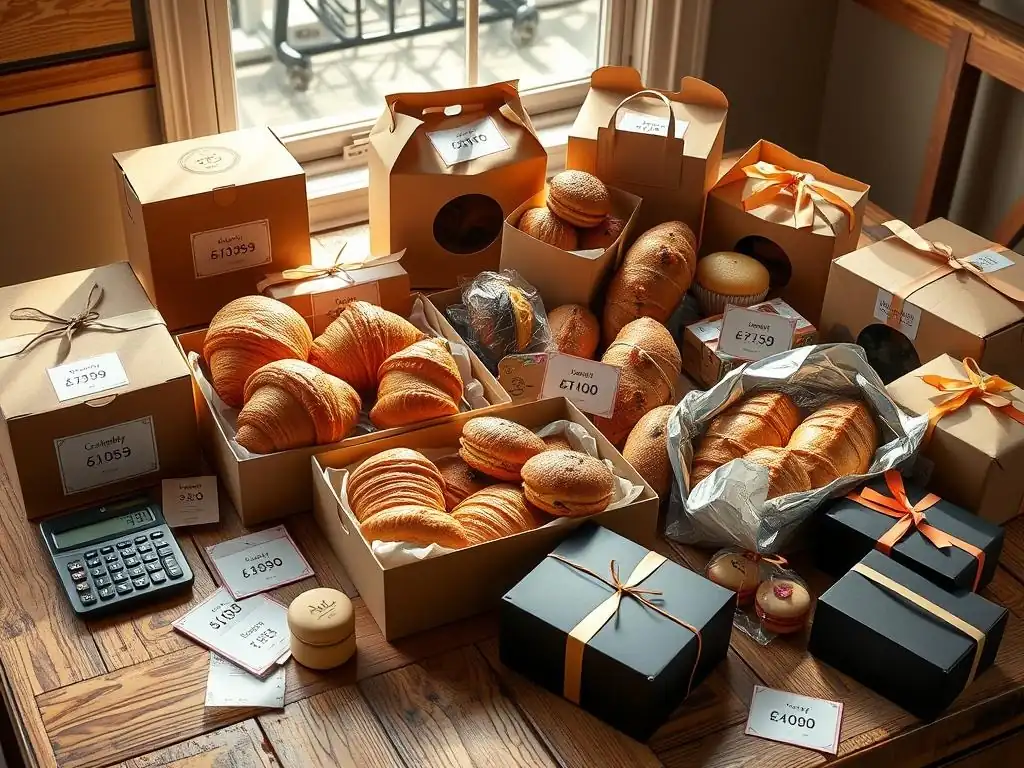
Welcome to BakeWithEase, your trusted guide to the sweet and savory world of baking! Are you ready to transform your passion into profit? This week, we're diving deep into a crucial aspect of running a home baking business: understanding and managing packaging costs for bakery goods. But how do you balance aesthetics with affordability? Read on to discover essential strategies and insights that will keep your baked creations beautifully presented without breaking the bank, and learn how to nail the perfect packaging price point.
- Optimizing Packaging Costs for a Thriving Bakery Business
- Understanding Packaging Costs in Your Bakery
- Calculating Your Bakery Packaging Material Costs
- Incorporating Packaging Costs into Your Pricing Strategy
- Strategies for Reducing Packaging Expenses for Your Bakery
- Communicating Packaging Value to Customers
- Long-Term Considerations for Bakery Packaging
- Mastering Bakery Pricing: Packaging as a Key Ingredient for Success
-
Frequently Asked Questions
- How do I determine the actual cost of my bakery packaging?
- What are the most cost-effective packaging options for bakery goods?
- How can I reduce packaging waste and save money at the same time?
- Should I include the cost of packaging directly in the price of my bakery goods?
- What are some creative ways to make my packaging stand out without significantly increasing costs?
- Final Reflection: The Unsweetened Truth About Packaging Costs
- Unlock Your Baking Business's Profit Potential!
Optimizing Packaging Costs for a Thriving Bakery Business
Understanding Packaging Costs in Your Bakery
Why Packaging Costs Matter for Bakery Profitability
Packaging is far more than just a vessel for your delicious baked goods; it's a critical component of your overall business expenses and directly impacts your bottom line. For a home bakery, where margins can be tight, overlooking or underestimating packaging costs can significantly erode potential profits. Think of a batch of a dozen cookies: the ingredients might cost you $2.00, your time (labor) could be valued at $3.00, but the box, tissue paper, sticker, and ribbon might add another $1.50.
If you price the cookies at $8.00, your gross profit before packaging is $3.00, but after accounting for packaging, it drops to $1.50. This example highlights how packaging, representing nearly 19% of the total cost of goods sold in this simplified scenario, can make a substantial difference in profitability.
Moreover, transparently understanding your packaging costs for bakery goods allows you to make informed decisions about pricing, product presentation, and marketing. Customers often associate packaging quality with the quality of the product inside. Investing in appropriate packaging can justify a higher price point, but you need to know exactly how much that investment is costing you per item. Without this clarity, you might be unknowingly selling products at a loss or missing opportunities to optimize spending. Effective management of bakery packaging costs is fundamental to building a sustainable and profitable home baking business.
Common Packaging Expenses in Bakeries
Running a bakery business, even a small one from home, involves a variety of packaging expenses that go beyond just the box or bag holding the product. These costs can be categorized into several areas, each contributing to the final expense per item sold. The most obvious costs include the primary containers like cake boxes, cupcake carriers, bread bags, cookie boxes, and pastry sleeves. The material, size, and style of these items greatly influence their cost; for instance, a standard white cake box might cost $0.80 to $1.50, while a custom-printed or specialty box could easily exceed $3.00.
Beyond the primary container, there are numerous secondary and tertiary packaging costs. Secondary costs include items used to enhance presentation or provide information, such as labels with ingredients and branding, stickers, ribbons, tissue paper, and decorative elements. A roll of branded stickers might seem cheap individually, perhaps $0.05 per sticker, but used on every item, this adds up.
Tertiary costs are those related to getting the product to the customer, especially for deliveries or shipping. This includes sturdy shipping boxes, packing peanuts, bubble wrap, tape, and thermal liners for temperature-sensitive items. A single shipping box with protective materials could add $5.00 to $10.00 or more per order, significantly impacting the overall packaging costs for bakery goods, particularly for online sales.
Calculating Your Bakery Packaging Material Costs
Identifying All Packaging Components: A Comprehensive List
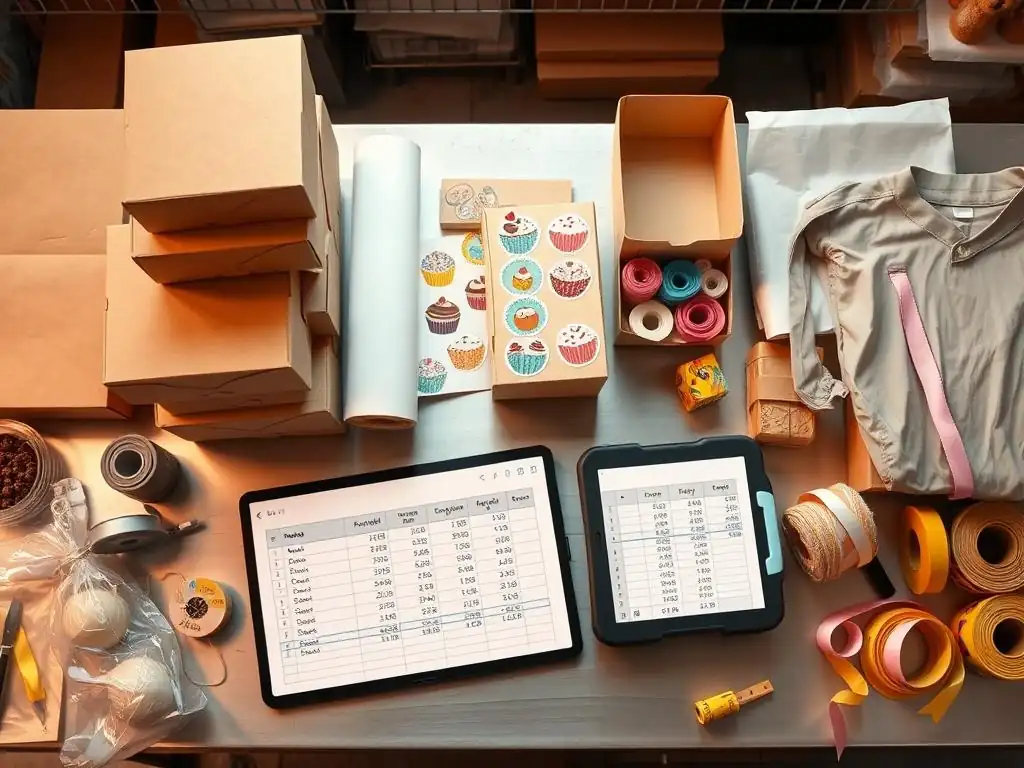
To accurately calculate your bakery packaging material costs, you must first create a comprehensive list of every single item used to package your baked goods, from the moment they leave the cooling rack until they reach the customer's hands. This requires a detailed look at each product you offer and how it is typically packaged.
- **Primary Packaging:** The direct container for the baked good.
    - #### Primary Packaging: Boxes, Wraps, and Containers
        This category includes the immediate layer of packaging that holds the product. For a small bakery, this might be a cardboard box for a cake, a clear plastic clamshell for pastries, paper bags for bread, or small boxes or bags for individual cookies or macarons. The type of product dictates the primary packaging needed – a delicate tart requires more protection than a sturdy loaf of bread.
        For example, a standard 9-inch cake box might cost around $1.20, while a pack of 50 clear pastry containers could average $0.40 per container. Individual cookie bags might be as low as $0.05 each, whereas specialty macaron boxes with inserts could be $0.50 to $1.00 per box. The cost here is heavily influenced by material (cardboard, plastic, paper), size, and any structural requirements like inserts or windows.

    - #### Secondary Packaging: Labels, Stickers, and Decorative Elements
        Secondary packaging enhances the primary container and provides branding or information. This includes product labels (listing ingredients, allergens, weight), branding stickers with your logo, decorative elements like ribbons, twine, tissue paper used to line boxes, and custom tags. These elements add to the aesthetic appeal and professionalism of your packaging.
        A roll of 1000 custom stickers might cost $50-$100, breaking down to $0.05-$0.10 per sticker. Ingredient labels printed in-house might cost pennies ($0.02-$0.05) each for ink and paper, while professionally printed labels cost more but offer higher quality. Ribbons can range from $0.10 to $0.50 or more per item depending on length and material. Tissue paper might add another $0.05-$0.10 per box. These costs, though small individually, accumulate quickly.

    - #### Tertiary Packaging: Shipping Boxes and Protective Materials
        Tertiary packaging is used for transportation, especially for deliveries or shipping. This includes the outer box used to ship multiple items or a single fragile one, protective internal packaging like bubble wrap, packing peanuts, crinkle paper, or air pillows, and sealing materials like packing tape. For temperature-sensitive items like cakes with buttercream, insulated liners and ice packs also fall into this category.
        A standard shipping box (e.g., 12x10x8 inches) might cost $1.50-$3.00 depending on strength and source. Packing peanuts or bubble wrap can add $0.50-$1.00 per shipment. Insulated liners and ice packs for shipping can be quite costly, potentially adding $3.00 to $8.00 or more per package, significantly increasing the overall packaging costs for bakery goods being shipped long distances.

- **Consumables:** Items used in the packaging process but not part of the final package given to the customer (e.g., tape used to seal bulk boxes before individual packaging).
- **Tools/Equipment:** While not a per-item cost, consider the initial investment in tools like label printers, heat sealers, or specific packaging jigs if they are significant. (Note: Focus primarily on *material* costs for this section as per the structure).
Determining the Unit Cost of Each Packaging Item
Once you have your comprehensive list, the next step in calculating your bakery packaging costs is to determine the cost per unit for each item on that list. This involves looking at how you purchase supplies (e.g., in bulk, in small packs) and dividing the total cost by the number of individual units you receive. For example, if you buy a case of 200 cake boxes for $240, the unit cost is $240 / 200 = $1.20 per box. Similarly, if a roll of 500 stickers costs $40, the unit cost is $40 / 500 = $0.08 per sticker.
This calculation needs to be done for every item: boxes, bags, wrappers, labels, stickers, ribbons, tissue paper, shipping boxes, bubble wrap (cost per foot or per bag divided by estimated usage per package), ice packs, etc. Keep a spreadsheet or detailed list. Track the total cost of the supply purchase (including any shipping or taxes) and the exact quantity of usable units within that supply. This granular approach ensures you capture the true expense of each component that contributes to the overall packaging costs for bakery goods.
Accounting for Waste and Spoilage in Packaging Calculations
It's crucial to account for waste and spoilage when calculating your bakery packaging costs, as not every piece of packaging material you purchase will end up on a sellable product. Packaging can be damaged during delivery, storage (e.g., crushed boxes, sticky labels), or during the packaging process itself (e.g., misapplied stickers, torn tissue paper). If you purchase 100 cake boxes but typically lose 5 due to damage or errors, your effective unit cost is higher than the simple purchase price divided by 100.
A practical way to account for this is to estimate a waste percentage based on your experience. If you find that about 5% of your packaging supplies are unusable, you would increase your calculated unit cost by 5%. Using the cake box example: if the purchase price unit cost is $1.20, and you estimate 5% waste, your adjusted unit cost becomes $1.20 * 1.05 = $1.26 per box.
This slightly higher figure provides a more realistic picture of your true packaging costs for bakery goods and helps prevent underpricing your products. Regularly reviewing your actual waste levels will allow you to refine this percentage over time for greater accuracy.
Incorporating Packaging Costs into Your Pricing Strategy
Pricing Models for Baked Goods
Selecting the right pricing model is vital for a profitable bakery, and packaging costs must be a core consideration within that model. Common pricing approaches include cost-plus pricing, value-based pricing, and competitive pricing. Cost-plus is often used by new businesses; it involves calculating the total cost of producing an item (ingredients + labor + packaging + overhead) and adding a desired profit margin. For example, if a cake costs $15 to make (including packaging) and you want a 40% profit margin, the selling price would be $15 / (1 - 0.40) = $25.00.
Value-based pricing sets prices based on the perceived value to the customer, which can be influenced by factors like quality, uniqueness, and yes, the presentation provided by the packaging. If your packaging is particularly high-end or adds significant convenience (like individual servings), you might be able to command a higher price regardless of the exact cost breakdown.
Competitive pricing involves setting prices based on what competitors charge, but this requires knowing your own costs (including packaging) to ensure you can compete profitably. Regardless of the model, accurately knowing your bakery packaging costs is non-negotiable for setting prices that ensure sustainability.
How Packaging Impacts Perceived Value and Price Point
Packaging plays a significant role in how customers perceive the value of your baked goods, directly influencing the price point they might be willing to accept. High-quality, attractive, and functional packaging can elevate a simple cookie into a gourmet treat or a standard cake into a special occasion centerpiece. Consider the difference between a cookie simply placed in a plain paper bag versus one presented in a custom-stamped box, nestled in tissue paper, and tied with a ribbon. The latter suggests a higher level of care, quality, and luxury, justifying a higher price.
Customers are often willing to pay more for products that look professional, are easy to transport, and feel like a gift. Packaging that protects the product well, keeps it fresh, and is aesthetically pleasing adds tangible and intangible value. For instance, a sturdy cake box prevents damage, a resealable cookie bag maintains freshness, and beautiful branding reinforces your bakery's image.
These benefits translate into perceived value, allowing you to potentially set a higher price point than if you used minimal or generic packaging. Understanding the impact of packaging on perceived value helps you decide if investing more in packaging is worthwhile for your target market and pricing strategy, directly affecting your overall bakery packaging costs relative to revenue.
Calculating Total Production Cost: Ingredients + Labor + Packaging
To set a profitable price for your baked goods, you must accurately calculate the total production cost per item. This isn't just ingredients; it's a sum of the three primary variable costs: ingredients, labor, and packaging. Total Production Cost Per Unit = Ingredient Cost Per Unit + Labor Cost Per Unit + Packaging Cost Per Unit
Let's break this down using a hypothetical example of a single cupcake:
- Ingredient Cost: Sum of the cost of flour, sugar, eggs, butter, milk, flavoring, frosting, sprinkles, etc., divided by the number of cupcakes made in the batch. If a batch of 24 cupcakes has $6.00 in ingredient costs, the ingredient cost per cupcake is $6.00 / 24 = $0.25.
- Labor Cost: Estimate the time it takes to make one cupcake (mixing, baking, cooling, frosting). If it takes 5 minutes of your time per cupcake and you value your time at $20/hour ($0.33/minute), the labor cost is 5 minutes * $0.33/minute = $1.65.
- Packaging Cost: This is where your detailed calculation from the previous section comes in. If one cupcake is placed in a single cupcake container ($0.40), gets a sticker ($0.08), and is placed in a carrier box with tissue paper for four ($0.50 carrier box / 4 cupcakes + $0.05 tissue / 4 cupcakes = $0.125 + $0.0125 = $0.1375), the packaging cost per cupcake is approximately $0.40 + $0.08 + $0.1375 = $0.6175.
In this example, the total production cost per cupcake is $0.25 (ingredients) + $1.65 (labor) + $0.6175 (packaging) = $2.5175. Knowing this figure is essential. If you were to sell this cupcake for $3.00, your gross profit would be only about $0.48, before accounting for overhead like utilities, insurance, marketing, etc. This highlights how significant packaging costs for bakery goods can be, sometimes rivaling or even exceeding ingredient costs, and underscores the necessity of accurate calculation for setting a viable selling price.
Strategies for Reducing Packaging Expenses for Your Bakery
Sourcing Affordable Bakery Packaging Supplies
Reducing packaging costs for bakery goods doesn't mean sacrificing quality or presentation, but it does require smart sourcing. Buying in bulk is almost always cheaper per unit than buying small quantities. Check restaurant supply stores, online wholesale packaging suppliers, or even local printing companies for boxes and labels. Compare prices from multiple vendors before committing to a supplier. Sometimes, slight variations in size or material from a different supplier can lead to significant cost savings without compromising function.
Consider collaborating with other local home bakers to place larger bulk orders together to meet minimum order requirements or achieve higher discount tiers. For example, ordering 1000 standard cookie boxes might get you a price of $0.30 each, whereas ordering only 100 might cost $0.50 each. Over time, that $0.20 difference per box adds up substantially. While striking a balance between cost and storage space is necessary for a home business, strategic bulk purchasing of frequently used items is a key strategy for lowering your overall bakery packaging costs.
Bulk Buying Discounts for Packaging Materials
Bulk buying is one of the most effective ways to lower the unit cost of your bakery packaging supplies. Suppliers typically offer tiered pricing based on the quantity ordered. The more you buy, the lower the price per item.
For instance, a supplier might offer small pastry boxes at $0.60 each for quantities under 100, $0.45 each for 100-500 units, and $0.35 each for quantities over 500. If you regularly use several hundred of these boxes per month, buying 500 or more at once can save you a considerable amount ($0.25 per box compared to buying in batches of 100).
Before investing heavily in bulk, analyze your sales volume and storage capacity. You don't want to tie up too much capital or space in supplies that won't be used quickly. However, for staple items like standard cake boxes, cupcake inserts, or frequently used bag sizes, buying in bulk is a straightforward path to reducing your packaging costs for bakery goods. Many online packaging suppliers list their bulk pricing tiers clearly, making it easy to see the potential savings.
Exploring Eco-Friendly and Cost-Effective Packaging Options
Eco-friendly packaging is increasingly popular with consumers, and while some sustainable options can be more expensive, others can be surprisingly cost-effective or offer a good balance of cost and value. For instance, simple paper bags for bread or cookies might be cheaper than plastic containers and are easily recyclable. Using plain cardboard boxes that customers can easily recycle or compost might be less expensive than coated or specialty printed boxes.
Look into options like using less material overall (e.g., a simple band around a loaf instead of a full bag, if permissible) or choosing materials like recycled paperboard. Sometimes, the perceived value of being environmentally conscious allows you to maintain your price point even if the packaging cost is similar or slightly higher than conventional options, effectively making the eco-friendly choice "cost-effective" in terms of market positioning. Research suppliers specializing in sustainable packaging, as they may offer competitive pricing on items like compostable containers or biodegradable wraps, helping to manage your bakery packaging costs while appealing to eco-conscious customers.
Optimizing Packaging Design for Efficiency and Cost Savings
Smart packaging design isn't just about aesthetics; it's also about efficiency and cost savings. Can you use a standard-sized box for multiple products? Can you design a label that fits on different container sizes? Reducing the need for custom sizes or shapes can lower manufacturing costs for the supplier and potentially your purchase price. For example, using a modular system where different inserts fit into a few standard box sizes can be more cost-effective than stocking unique boxes for every single product variation.
Another aspect of optimizing design is minimizing material usage where appropriate. Is a large box necessary for a small item? Can a single piece of packaging serve multiple functions? Streamlining your packaging designs can lead to lower material costs per item. Furthermore, packaging that is easy and quick to assemble reduces labor time during the packaging process, contributing to overall cost efficiency, though this doesn't directly reduce the material packaging costs for bakery goods themselves.
Minimizing Waste Through Proper Storage and Handling
Reducing waste is a direct way to lower your bakery packaging costs. Packaging supplies, especially paper and cardboard, can be easily damaged by moisture, pests, or improper handling. Store all packaging materials in a clean, dry area away from potential spills or contaminants. Keep boxes flat until ready for use to prevent crushing. Protect labels and stickers from humidity and extreme temperatures that can affect the adhesive or print quality.
Implement a system for using older stock first (first-in, first-out) to prevent materials from sitting unused for too long and becoming damaged or obsolete. Train anyone helping with packaging on proper handling techniques to minimize errors like using the wrong size box or damaging containers during assembly. By minimizing the percentage of unusable packaging materials, you ensure that more of what you pay for actually makes it onto a product, directly reducing your effective packaging costs for bakery goods.
Communicating Packaging Value to Customers
Highlighting the Benefits of Quality Packaging
Customers appreciate packaging that is functional, attractive, and reflects the quality of the product inside. Don't hesitate to subtly highlight the benefits of your packaging. For instance, you might mention that your cake boxes are sturdy and designed for safe transport, or that your cookie bags are heat-sealed for maximum freshness. If you use eco-friendly packaging, definitely make a point of mentioning it on your website, social media, or a small card included with the order, as this is a significant value-add for many consumers.
Think about the customer experience from the moment they receive the package. Easy-to-open boxes, packaging that keeps different flavors separate, or containers that double as serving dishes all add value.
While you don't need to list packaging costs explicitly on the receipt (unless required by law or specific platform), you can frame your packaging as part of the premium experience you offer. This helps justify the overall price point, making your investment in packaging seem less like just a cost and more like a feature that benefits the customer, indirectly impacting how your packaging costs for bakery goods are perceived relative to the product's value.
Transparency in Pricing: Including Packaging Costs
While you don't need to break down the cost of each sticker, being transparent about how your pricing reflects quality can build customer trust. You can explain that your prices reflect the use of high-quality ingredients and careful packaging to ensure the product arrives fresh and beautiful. For shipping orders, clearly outlining shipping and handling fees (which include tertiary packaging costs) is essential. Customers understand that getting a fragile item across town or country requires robust packaging, and they expect to pay for it.
For local deliveries or pick-ups, the packaging cost is often simply built into the product price. However, if you offer different packaging options (e.g., a basic box vs. a deluxe gift-wrapped option), clearly state the additional cost for the upgraded packaging. This transparency helps customers understand what they are paying for and appreciate the value of the packaging choices you offer, ensuring there are no surprises and that your packaging costs for bakery goods are factored into a price the customer understands.
Long-Term Considerations for Bakery Packaging
Sustainable Packaging Options and Their Impact on Cost
Looking ahead, sustainable packaging is becoming less of a niche preference and more of a consumer expectation. While some eco-friendly materials like compostable plastics can be more expensive upfront than traditional options, their cost is decreasing as demand grows and technology improves. Investing in sustainable packaging can be a long-term strategy to attract and retain environmentally conscious customers, potentially allowing for a higher price point that offsets some of the increased material cost.
Furthermore, some sustainable practices, like using simpler, recyclable materials or encouraging customers to return reusable containers (if feasible for your business model), could potentially lower costs in the long run compared to complex, disposable options. Research the availability and cost of sustainable packaging options in your area and consider piloting them for specific products. Evaluating the long-term impact on both your packaging costs for bakery goods and your brand image is key to making informed decisions about sustainability.
Adapting Packaging to Seasonal and Holiday Baking Needs
Seasonal changes and holidays often present opportunities for special packaging, but they can also significantly impact your bakery packaging costs if not planned carefully. Custom holiday-themed boxes, ribbons, or tags can be more expensive than standard year-round supplies. While special packaging can boost sales and perceived value during peak seasons like Christmas or Valentine's Day, it's important to budget for these increased costs.
Buy seasonal packaging strategically based on anticipated demand to avoid overstocking or running out. Look for versatile options that can be adapted slightly for different occasions (e.g., a standard box with interchangeable holiday stickers or ribbons). Planning your seasonal packaging needs well in advance can sometimes secure better pricing or lead times from suppliers, helping you manage the fluctuating packaging costs for bakery goods throughout the year.
Reviewing and Adjusting Packaging Costs Regularly
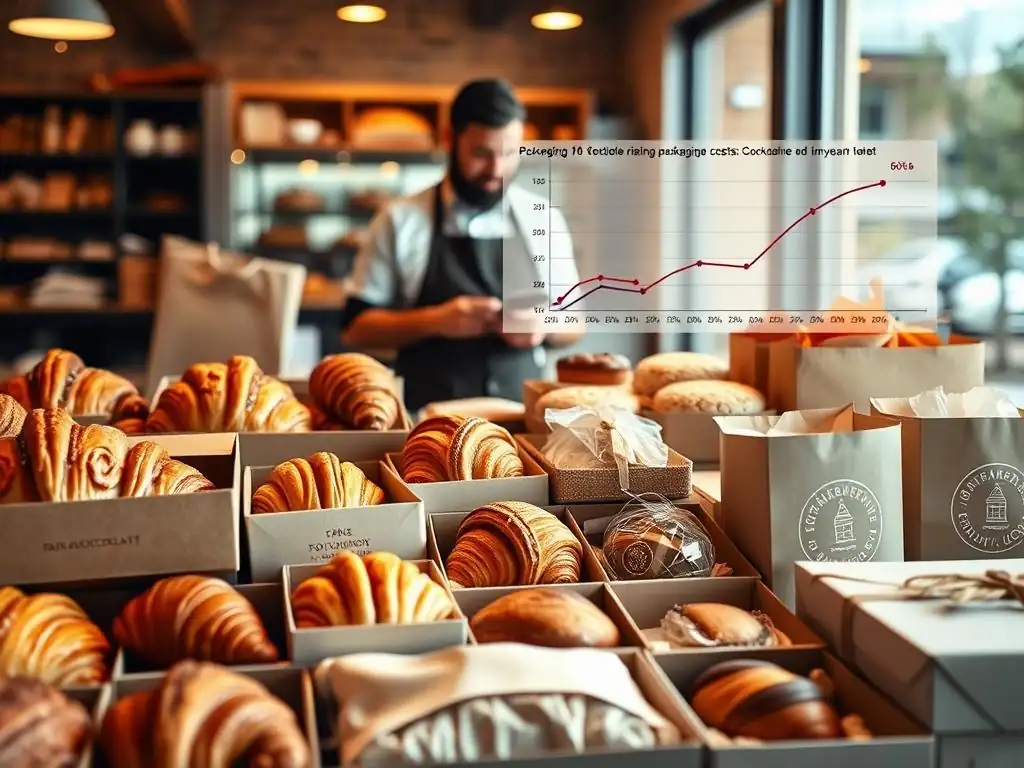
The cost of packaging materials can fluctuate due to changes in raw material prices, manufacturing costs, or supplier pricing. It's crucial to review your packaging costs for bakery goods regularly, perhaps quarterly or at least annually. Revisit your unit cost calculations for each item and update them based on your latest invoices. Track your waste percentage to see if it has changed.
If you notice that specific packaging costs have risen significantly, explore alternative suppliers or materials. If your sales volume has increased, re-evaluate whether you can now benefit from higher bulk order discounts. Regularly analyzing your packaging expenses ensures that your pricing remains accurate and profitable and helps you identify opportunities to optimize spending or adjust your strategies for managing packaging costs for bakery goods effectively over time.
Mastering Bakery Pricing: Packaging as a Key Ingredient for Success
Balancing Cost, Quality, and Presentation in Your Packaging Choices
Ultimately, mastering your bakery packaging costs is about finding the right balance between cost, quality, and presentation. The cheapest packaging might compromise the product's safety or freshness, leading to unhappy customers and wasted goods. The most luxurious packaging might be prohibitively expensive, eating away at your profits. The goal is to choose packaging that adequately protects your product, aligns with your brand image and target market, provides a positive customer experience, and is factored into a profitable price point.
This balance is dynamic and may shift as your business grows or as costs change. Continuously evaluating your packaging choices against these three factors – cost, quality, and presentation – ensures that your packaging is not just an expense, but a strategic investment that contributes to the success and profitability of your home bakery business. Your packaging costs for bakery goods should be a conscious decision, not an afterthought.
Staying Competitive in the Baking Market with Smart Packaging Strategies
In a competitive market, smart packaging strategies can differentiate your bakery and help you stand out. Understanding and controlling your bakery packaging costs allows you to make strategic decisions. If your costs are low due to efficient sourcing and minimal waste, you might have more flexibility in pricing or the ability to invest in slightly higher-quality packaging for a premium feel without drastically increasing prices.
Conversely, if your packaging costs are high, you need to ensure the value provided by that packaging justifies a higher price point. Stay informed about packaging trends, new materials, and supplier options. By actively managing your packaging costs for bakery goods and integrating packaging strategically into your product and pricing decisions, you position your home bakery for greater competitiveness and long-term success. Packaging is indeed a key ingredient – not just in the final product presentation, but in the recipe for a thriving business.
Frequently Asked Questions
How do I determine the actual cost of my bakery packaging?
You need to consider all associated costs. This includes the price of the boxes themselves, plus things like labels, tape, and any decorative elements. Don't forget to factor in shipping costs if you order supplies online.
What are the most cost-effective packaging options for bakery goods?
Generally, bulk purchasing of standard-sized boxes will be more economical. Also consider eco-friendly options like recycled cardboard which can sometimes be cheaper and appeal to environmentally conscious customers.
How can I reduce packaging waste and save money at the same time?
Offer customers a small discount if they bring their own reusable containers. This reduces your packaging spend and promotes eco-friendliness, attracting more customers!
Should I include the cost of packaging directly in the price of my bakery goods?
Yes, you absolutely need to. Packaging is a business expense, and that cost needs to be factored into your pricing strategy to ensure profitability. Ignoring this can lead to losses.
What are some creative ways to make my packaging stand out without significantly increasing costs?
Focus on simple, elegant designs that can be achieved with minimal materials. Use custom stamps with your logo instead of expensive printed boxes. A nice ribbon or twine can add a touch of class.
Final Reflection: The Unsweetened Truth About Packaging Costs
The rising cost of packaging is no longer a whisper in the bakery industry; it's a roar that demands attention. Ignoring this crucial element can mean the difference between profit and loss, especially in a market increasingly sensitive to both price and sustainability. This article has explored the multifaceted nature of bakery packaging costs, from material selection to logistical considerations, highlighting the need for strategic planning and informed decision-making.
The impact of packaging choices extends far beyond the bottom line; it shapes consumer perception, brand identity, and even environmental responsibility. Packaging is the silent salesperson,
a wise baker once told me, and the truth of that statement resonates deeply. From the elegant presentation of a wedding cake to the practical functionality of a daily bread loaf, packaging communicates quality, value, and brand story. The choices we make, therefore, are not merely financial decisions but also crucial marketing and ethical ones.
Now, it's your turn. Consider your own bakery's packaging strategy. Are you maximizing efficiency while minimizing waste? Are you communicating your brand's values through your packaging choices? Take the time to analyze your current practices, explore innovative and sustainable alternatives, and build a packaging strategy that not only protects your product but also strengthens your brand and contributes to a more responsible future. The sweet taste of success often depends on the careful consideration of even the smallest details, and your packaging is far from small.
Unlock Your Baking Business's Profit Potential!
Thanks for diving into the world of packaging costs with us! We hope you now have a clearer understanding of how to factor these expenses into your baking business's pricing strategy. Ready to take your bakery to the next level?
- Master your pricing: Download our free Pricing Calculator Worksheet (available via email signup on our website) to instantly analyze your packaging costs and ensure profitable pricing on all your delicious creations. This is your single most impactful step!
- Explore sustainable options: Research eco-friendly packaging alternatives. What innovative and cost-effective solutions could you implement? Share your discoveries in the comments below!
- Join our community: Connect with other bakers in our online forum to discuss packaging strategies, sourcing tips, and more!
So, what creative packaging solution are you most excited to explore for your next bake sale or order? Let's hear it in the comments!