
Common Pitfalls When Starting a Home Bakery (And How to Steer Clear)


Welcome to BakeWithEase, your trusted guide to the wonderful world of baking! Are you dreaming of turning your passion for baking into a thriving home business? This article dives deep into the most common home bakery starting mistakes, revealing the hidden traps that can derail your delicious dreams. Discover invaluable insights and practical strategies to avoid these pitfalls and set your home bakery up for sweet success. Eager to learn the secrets to a successful start? Let's get baking!
- Introduction: Avoiding Common Home Bakery Starting Mistakes
- Mistake #1: Inadequate Market Research Before Launching Your Home Bakery
- Mistake #2: Poor Financial Planning for Your Home Baking Business
- Mistake #3: Ignoring Food Safety and Regulations in Your Home Bakery
- Mistake #4: Ineffective Marketing and Branding Strategies for Your Home Bakery
- Mistake #5: Underestimating the Time Commitment of a Home Baking Business
- Mistake #6: Not Investing in Quality Baking Equipment and Ingredients
- Mistake #7: Poor Customer Service Practices in Your Home Bakery
- Conclusion: Setting Up Your Home Bakery For Success
-
Frequently Asked Questions
- What is the most common mistake new home bakeries make regarding pricing?
- How important is market research before launching a home bakery?
- What are some common legal considerations overlooked by home bakeries?
- Why is branding and marketing important for a home bakery's success?
- What role does proper planning play in avoiding home bakery startup mistakes?
- Final Reflection: Baking Your Dreams, Not Your Mistakes
- Unleash Your Inner Baker: Take the Next Step!
Introduction: Avoiding Common Home Bakery Starting Mistakes
Embarking on the journey of starting a home bakery is incredibly exciting. The aroma of fresh bread, the joy of decorating a cake, and the satisfaction of creating delicious treats for others – it's a dream for many. However, like any business venture, building a successful home bakery comes with its own set of challenges.
Many enthusiastic bakers fall into common traps that can hinder their growth or even lead to their business crumbling before it truly takes off. Recognizing these frequent home bakery starting mistakes is the first crucial step toward building a resilient and thriving business from your kitchen.
This article will walk you through some of the most significant pitfalls new home bakery owners encounter, from overlooking essential market research to underestimating the sheer time commitment involved. By understanding these potential stumbling blocks and learning how to proactively address them, you can significantly increase your chances of success. Think of this as your guide to navigating the early stages with confidence, helping you avoid those common home bakery starting mistakes and bake your way to a sustainable and profitable business.
Mistake #1: Inadequate Market Research Before Launching Your Home Bakery
One of the most significant home bakery starting mistakes is jumping into production without a clear understanding of the market you intend to serve. Passion for baking is essential, but it's not enough on its own. Thorough market research helps you identify opportunities, understand customer needs, and position your bakery for success right from the start. Skipping this step often leads to creating products that don't sell or trying to compete in an already saturated niche without a unique selling proposition.
Failing to research your local market and potential customer base can leave you guessing about what products are in demand and who is willing to buy them. A baker in a suburban area might find high demand for custom birthday cakes, while someone near a business district might have more success with grab-and-go pastries or corporate catering. Without this insight, you might invest heavily in ingredients and equipment for products that simply don't resonate with your neighbors or local community, making this a critical home bakery starting mistake to avoid.
Ignoring Local Demand for Baked Goods
Many aspiring home bakers assume that because they love baking a certain item, others will automatically want to buy it. While your signature sourdough or artisanal cookies might be fantastic, if your local community already has several well-established bakeries offering similar products at competitive prices, you might struggle to gain traction. Ignoring specific local trends or unmet needs is a common pitfall.
For instance, is there a demand for gluten-free or vegan options that aren't readily available? Is there a need for beautifully decorated custom cakes for special occasions, or are people looking for simple, delicious everyday treats? Understanding these nuances is vital.
Real-world examples highlight this point. A home baker in a small town might find that offering unique holiday-themed cookie boxes is a huge hit, selling out weeks in advance because local options are limited. Conversely, setting up shop in a city neighborhood already boasting three popular bakeries might require a much more niche offering, perhaps focusing solely on French macarons or specialized bread, to stand out. Data, even anecdotal from local community groups or surveys, can reveal preferences – perhaps 60% of surveyed residents expressed interest in locally-sourced ingredient baked goods, guiding your product development.
Failing to Identify Your Target Customer
Knowing who you are baking for is just as important as knowing what to bake. A frequent home bakery starting mistake is trying to appeal to everyone. Are you targeting busy parents looking for convenient school snacks? Are you aiming for corporate clients needing catering for meetings? Or are you focused on individuals celebrating special events with custom orders? Each group has different needs, price sensitivities, and preferred ways of ordering and receiving goods. Without a defined target customer, your marketing efforts will be scattered and ineffective.
Consider the difference between targeting budget-conscious students versus affluent families planning elaborate parties. Your product range, pricing, packaging, and marketing language will vary significantly. If your target is local cafes, your focus might be on wholesale production of consistent, high-quality muffins or scones. If it's busy professionals, offering subscription boxes of healthy breakfast bars could be a winner. Researching demographics, income levels, and lifestyle habits in your area helps paint a clear picture of your ideal customer, allowing you to tailor your offerings and avoid a major home bakery starting mistake.
Overlooking Competitor Analysis in the Baking Market
Understanding your competition isn't about copying them; it's about identifying gaps, understanding pricing norms, and finding ways to differentiate your home bakery. Many new bakers make the home bakery starting mistake of not looking closely at who else is selling baked goods in their area, whether they are other home bakers, local cafes, or commercial bakeries. What are they selling? What are their prices? What do customers seem to like or dislike about them? This analysis helps you determine if your proposed products and pricing are competitive and where you can offer something unique.
For instance, if local bakeries charge an average of $3.50 for a standard cupcake, pricing yours at $5.00 without a clear reason (like premium ingredients or unique designs) might deter customers. Conversely, if competitors consistently receive feedback about slow service or limited customization options, you can position your home bakery on providing exceptional customer service and highly personalized orders. Analyze their online presence, read customer reviews, and even visit their establishments if possible. This intelligence is invaluable for positioning your home bakery effectively and avoiding a common home bakery starting mistake.
Mistake #2: Poor Financial Planning for Your Home Baking Business

Passion alone doesn't pay the bills. One of the most critical home bakery starting mistakes is neglecting the financial side of the business. Many new bakers underestimate costs, fail to track income and expenses, and don't price their products correctly. This can quickly lead to running at a loss, even if you're selling your baked goods regularly. Proper financial planning is the backbone of a sustainable business, ensuring you can cover costs, pay yourself, and potentially reinvest for growth.
Ignoring financial realities turns a beloved hobby into a stressful endeavor. Without a clear financial picture, you can't make informed decisions about pricing, production volume, or future investments. It's easy to get caught up in the excitement of baking and selling, but overlooking budgeting, cost tracking, and profit analysis is a surefire way to encounter significant home bakery starting mistakes down the line. Taking the time to set up a simple financial system from day one is paramount.
Underestimating Startup Costs for a Bakery
Starting a home bakery might seem inexpensive compared to a brick-and-mortar shop, but there are still significant initial costs that are often underestimated. These can include obtaining necessary licenses and permits (which can range from $50 to several hundred dollars depending on location and regulations), purchasing or upgrading essential equipment (like a powerful stand mixer, commercial-grade pans, or specialty tools), initial ingredient stock, packaging materials, marketing materials, and potentially insurance. Many new bakers only account for ingredients and maybe one or two pieces of equipment, overlooking the cumulative cost of everything needed to operate legally and efficiently.
For example, a high-quality stand mixer can cost $300-$600, a good set of baking sheets might be $100, and initial packaging supplies could easily add up to $150-$200. Ingredient costs for a varied initial stock can also be substantial. A common home bakery starting mistake is thinking you can just use your existing kitchen setup without any upgrades or specific business-related purchases. Creating a detailed list of all potential startup expenses, researching their actual costs, and having a buffer for unexpected items is crucial for avoiding this pitfall.
Neglecting to Track Expenses and Profit Margins
Once your home bakery is operational, diligent tracking of every expense and all income is non-negotiable. A common home bakery starting mistake is failing to keep meticulous records. This includes the cost of every ingredient used in each batch, packaging costs, utilities attributable to the business (even if estimated), marketing expenses, and any other overheads. Without this tracking, you have no real understanding of how much it actually costs you to produce each item. Consequently, you can't accurately calculate your profit margin per product or overall.
Using a simple spreadsheet, accounting software, or even a dedicated notebook to record every purchase and sale is essential. Knowing that a batch of cookies cost you $8 in ingredients and packaging and sold for $20 gives you a clear $12 gross profit before considering labor and overhead. If you don't track this, you might think you're making money because cash is coming in, but you could actually be losing money on every sale without realizing it. This lack of visibility is a major home bakery starting mistake that prevents informed decision-making and profitability.
Insufficient Pricing Strategy for Your Baked Goods
Pricing your baked goods is often one of the trickiest aspects for new home bakers, and making mistakes here is a significant pitfall. Many fall into the trap of underpricing their products, either because they're unsure of their worth, are trying to be the cheapest option, or simply haven't calculated their costs correctly. Your pricing must cover all your costs – ingredients, packaging, utilities, labor (your time! ), and leave room for profit. A common home bakery starting mistake is only factoring in ingredient costs when setting prices.
A robust pricing strategy considers not just ingredient and overhead costs, but also your time (which should be valued), the market rate for similar high-quality products, and what your target customer is willing to pay. A simple formula is (Cost of Ingredients + Cost of Packaging + Estimated Labor Cost + Overhead Allocation) x Markup Percentage = Price. If a cake costs you $25 in materials and takes 3 hours to make, and you value your time at $20/hour, your base cost is $25 + ($20/hr * 3 hrs) = $85.
Selling that cake for $50 means you are losing money! Researching competitor pricing (as mentioned earlier) is also key, but your price must first and foremost reflect your own costs and value. Avoiding this crucial home bakery starting mistake is vital for long-term financial health.
Mistake #3: Ignoring Food Safety and Regulations in Your Home Bakery
Operating a home bakery means you are producing food for public consumption, and this comes with serious responsibilities regarding food safety and adhering to local regulations. A dangerous home bakery starting mistake is to overlook or ignore these legal and safety requirements.
Depending on where you live (state, county, or even city), there are often specific "Cottage Food Laws" that permit selling certain foods made in a home kitchen, but they come with strict rules regarding types of food allowed, labeling, sales locations, and gross sales limits. Operating outside of these regulations can lead to fines, forced closure, or even legal issues if someone gets sick.
Beyond legal compliance, maintaining impeccable food safety standards is paramount for the health of your customers and the reputation of your business. Foodborne illness outbreaks can happen easily if proper protocols aren't followed, and even one incident can devastate a small business. Prioritizing food safety isn't just a legal requirement; it's an ethical one that builds trust with your customers. Ignoring this aspect is a critical home bakery starting mistake with potentially severe consequences.
Operating Without Proper Permits and Licenses
The specific permits and licenses required for a home bakery vary significantly by location. In many places in the United States, Cottage Food Laws allow the sale of "non-potentially hazardous" foods (like baked goods that don't require refrigeration) made in a home kitchen without needing a full commercial kitchen license. However, you often still need to register your business, obtain a food handler's permit or certification, comply with specific labeling requirements (including allergens and stating it was made in a home kitchen), and adhere to sales channel restrictions (e.g., direct to consumer, farmers markets, online).
Making the home bakery starting mistake of assuming you can just start selling without checking your local laws is risky. For example, California's Cottage Food Operations law requires registration or a permit, specific labeling, and limits annual gross sales. New York has similar, but distinct, requirements. Researching your specific state and county health department regulations is the absolute first step before selling anything. Contacting your local small business administration or health department can provide clarity on the exact steps needed to operate legally and avoid a major home bakery starting mistake.
Neglecting Food Handling and Storage Best Practices
Even with proper permits, food safety relies heavily on daily practices. Ignoring best practices in food handling and storage is a serious home bakery starting mistake. This includes maintaining proper hygiene (frequent handwashing, clean surfaces and equipment), controlling temperatures (correctly cooling and storing items that require refrigeration), preventing cross-contamination (using separate cutting boards for allergens, keeping raw ingredients away from finished products), and using fresh, properly stored ingredients. Your home kitchen becomes a commercial production space when you're baking for customers, and standards must be higher than for personal use.
Imagine the potential for a food safety issue: using eggs that are past their prime, not cooling custard filling quickly enough, or cross-contaminating a gluten-free product with wheat flour residue. These aren't just minor errors; they can cause illness and severely damage your reputation. Implementing a strict cleaning schedule, using food-grade storage containers, monitoring ingredient expiration dates, and potentially getting a food handler's certification course (like ServSafe) are essential steps to prevent this critical home bakery starting mistake.
Failing to Implement Allergen Awareness Protocols
With increasing numbers of people having food allergies and sensitivities, failing to have clear allergen awareness protocols is a significant and potentially dangerous home bakery starting mistake. Common allergens include wheat, dairy, eggs, nuts (tree nuts and peanuts), soy, and sesame. Even if your product doesn't contain a specific allergen as an ingredient, cross-contamination can occur if you use the same equipment or workspace for different products without thorough cleaning.
Customers need to trust that you take their allergies seriously. This means clearly listing all ingredients on your labels (often a legal requirement under Cottage Food Laws), being transparent about potential cross-contamination risks (e.g., "Made in a kitchen that also processes nuts"), and having strict cleaning procedures between batches, especially when dealing with common allergens. Refusing orders you cannot safely fulfill due to allergen concerns is better than risking a customer's health. Educating yourself on common allergens and developing clear, repeatable protocols to manage them is crucial to avoid this serious home bakery starting mistake and build customer trust.
Mistake #4: Ineffective Marketing and Branding Strategies for Your Home Bakery

You can bake the most delicious treats in the world, but if nobody knows about your home bakery, you won't sell anything. A common home bakery starting mistake is focusing solely on the baking itself and neglecting the vital tasks of marketing and branding. In a crowded market, simply existing isn't enough; you need to actively promote your business, build a recognizable brand, and connect with potential customers. Without effective marketing, even the best home bakery can struggle to find its footing.
Many new home bakers underestimate the time and effort required for marketing. They might post a few pictures on their personal social media and hope for the best. However, successful businesses require a more deliberate approach. Developing a clear brand identity, establishing an online presence, and actively engaging with your audience are fundamental steps that are often overlooked, leading to a significant home bakery starting mistake.
Lack of a Clear Brand Identity
Your brand is more than just your logo; it's the overall impression your home bakery makes on customers. It encompasses your bakery's name, logo, visual style (colors, fonts), the quality and presentation of your products, your customer service, and the story behind your business. A common home bakery starting mistake is not developing a clear, consistent brand identity from the outset. This makes it difficult for customers to remember you, understand what makes you unique, or feel a connection to your business.
Think about successful food brands – they often evoke specific feelings or associations. Are you aiming for a rustic, homemade feel, or a modern, sophisticated vibe? Is your focus on indulgence, health-conscious options, or nostalgia? Defining your brand helps you make consistent decisions about everything from your packaging and website design to the tone of your social media posts. A strong brand identity helps you stand out from other home bakeries and makes you more memorable to potential customers, helping you avoid this key home bakery starting mistake.
In today's digital age, having a strong online presence is almost non-negotiable for a home bakery. A major home bakery starting mistake is not leveraging social media and other online platforms effectively. Most customers will look for you online, check out your products, and read reviews before placing an order. Simply having a Facebook page isn't enough; you need to actively post engaging content, interact with your audience, and potentially use platforms like Instagram (highly visual for baked goods! ), a simple website, or an online ordering system.
Showcasing high-quality photos and videos of your baked goods is crucial on platforms like Instagram. Sharing behind-the-scenes glimpses of your process adds a personal touch. Running targeted ads (even small budgets) can reach potential customers in your local area.
Using online marketplaces or setting up an Etsy shop can also expand your reach. Neglecting these tools or using them inconsistently is a significant home bakery starting mistake that limits your visibility and growth potential. For example, a home baker who consistently posts mouth-watering photos on Instagram might see a 50% increase in inquiries compared to one who only posts sporadically.
Failing to Gather Customer Feedback and Reviews
Understanding what your customers think is invaluable for improving your products and services, yet failing to actively seek and utilize feedback is a common home bakery starting mistake. Customer reviews, whether positive or negative, provide insights into what you're doing well and where you need to improve. Happy customers can become your best advocates, while addressing concerns from unhappy customers can turn a negative experience into a positive one and prevent the same issue from recurring.
Encourage customers to leave reviews on your social media pages, Google My Business profile (if applicable), or send you direct feedback. Respond to comments and messages promptly and professionally. Use feedback to refine your recipes, adjust your pricing, improve your packaging, or enhance your ordering process. For instance, if several customers mention that a specific cookie is too sweet, you might adjust the sugar content. Actively listening to your customers builds loyalty and helps you refine your offerings, preventing this significant home bakery starting mistake and ensuring your home bakery evolves based on real-world input.
Mistake #5: Underestimating the Time Commitment of a Home Baking Business
Many people start a home bakery thinking it will be a fun, flexible way to earn some extra money. While it can be incredibly rewarding, a very common home bakery starting mistake is severely underestimating the amount of time and energy required to run it successfully. Baking is often only a fraction of the work; you also have to handle sourcing ingredients, planning production schedules, packaging, marketing, customer communication, deliveries or pickups, cleaning, and managing finances. What might start as a few hours a week can quickly balloon into a full-time commitment, especially as orders increase.
The reality of running a home bakery is that it often involves early mornings, late nights, and working weekends, particularly around holidays or peak seasons. Failing to anticipate this workload can lead to burnout, decreased quality, and neglecting other important aspects of life. Recognizing the true time commitment involved is crucial for setting realistic expectations and avoiding this significant home bakery starting mistake.
Burning Out from Overwork and Long Hours
The passion that drives you to start a home bakery can also lead you down the path of overwork. Taking on too many orders, not setting boundaries, and trying to do everything yourself are common contributors to burnout. This is a frequent home bakery starting mistake among enthusiastic beginners. Working 12+ hours a day, seven days a week, is not sustainable long-term, even if you love what you do. Burnout can manifest as exhaustion, loss of passion, decreased creativity, and increased mistakes in baking or business management.
It's important to set realistic production limits based on your capacity and time. Learn to say no to orders if you are already fully booked. Schedule downtime for yourself. Automation where possible (like using online ordering forms) can save time. Recognize the signs of burnout early – persistent fatigue, irritability, feeling overwhelmed – and take steps to mitigate them. Avoiding this key home bakery starting mistake requires actively managing your workload and prioritizing your well-being.
Neglecting Work-Life Balance
When your business is based in your home, the lines between work life and personal life can easily blur. Another common home bakery starting mistake is letting the demands of the business completely take over your personal time, family commitments, and relaxation. Your kitchen, which is also your personal space, becomes a constant workspace, making it hard to switch off. This can strain relationships and lead to resentment towards the business you once loved.
Establishing clear boundaries is essential. Set specific working hours and try to stick to them. Designate a specific area in your kitchen or home for business operations if possible, even if it's just a dedicated shelf for business supplies. Schedule time off and communicate this to your customers (e.g., "Closed for vacation August 1-7"). Prioritizing personal time and relationships is not a luxury; it's a necessity for long-term sustainability and avoiding this significant home bakery starting mistake. A balanced life fuels your creativity and energy for the business.
Failing to Delegate or Outsource Tasks Effectively
As your home bakery grows, you might find yourself overwhelmed by tasks that aren't directly related to baking, such as managing social media, updating your website, handling customer emails, or even doing deliveries. A common home bakery starting mistake is trying to be a one-person show indefinitely. While you start that way, recognizing when you need help and being willing to delegate or outsource certain tasks is crucial for growth and preventing burnout.
Could a family member help with packaging or deliveries during busy periods? Could you hire a local teenager for a few hours a week to manage social media posts? Could you use a delivery service for orders outside your immediate neighborhood? While cost is a factor, the time freed up allows you to focus on core tasks like baking and business strategy, which can ultimately lead to increased revenue. Thinking strategically about which tasks can be delegated or outsourced, even on a small scale, is vital for scaling your home bakery and avoiding this growth-stifling home bakery starting mistake.
Mistake #6: Not Investing in Quality Baking Equipment and Ingredients
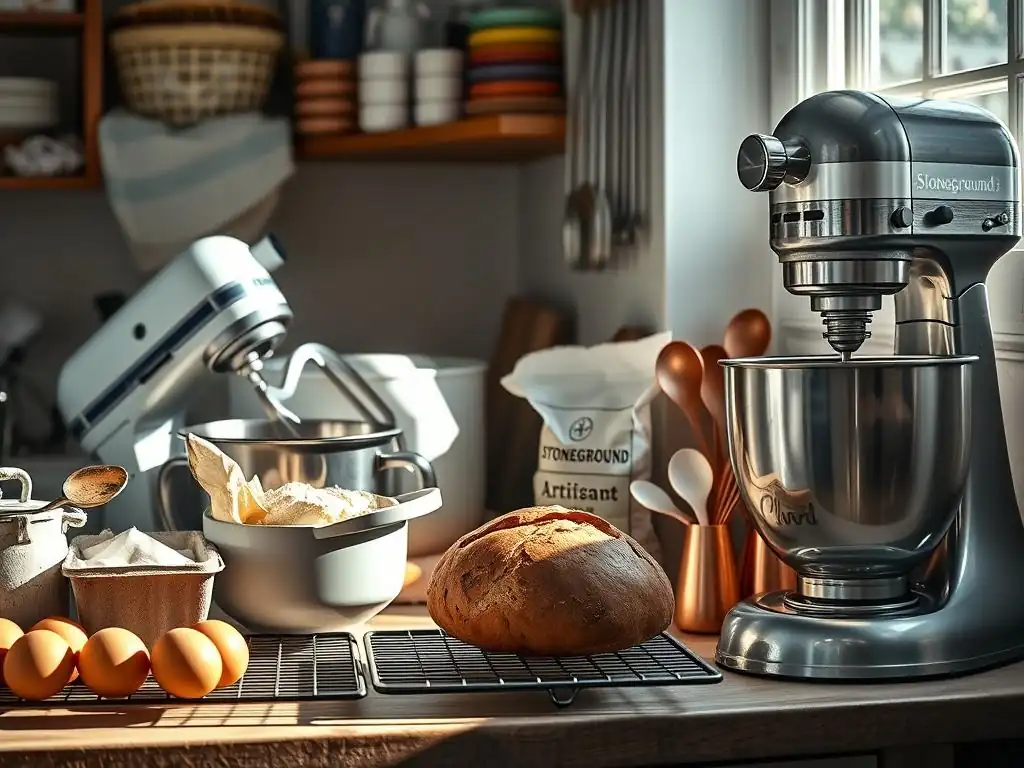
The quality of your final product is directly tied to the quality of the tools and ingredients you use. A significant home bakery starting mistake is cutting corners on essential equipment or opting for the cheapest ingredients available. While it might seem like a way to save money initially, it can negatively impact the taste, texture, appearance, and consistency of your baked goods, ultimately hurting your reputation and customer satisfaction.
Customers who choose a home bakery often do so because they expect a higher quality, more artisanal product than what they might find in a large supermarket. Delivering on this expectation requires using ingredients that taste great and equipment that performs reliably. Skimping here is a false economy that can lead to dissatisfied customers and hinder repeat business, making it a crucial home bakery starting mistake to avoid.
Using Inferior Ingredients to Cut Costs
Ingredients are the foundation of your baked goods. Using low-quality flour, cheap chocolate, artificial flavorings, or older spices can dramatically affect the taste and overall quality of your final product. While premium ingredients often cost more upfront, they typically yield superior results that customers can taste and appreciate. A common home bakery starting mistake is prioritizing the lowest possible ingredient cost over the impact on flavor and quality.
For example, using high-quality butter with a higher fat content will result in flakier pastries and richer cookies than using a lower-fat spread. Using real vanilla extract versus imitation vanilla makes a noticeable difference in delicate baked goods. While you don't necessarily need the most expensive ingredients for every item, identifying where quality matters most for your signature products is key. Researching and sourcing good quality ingredients, perhaps buying in bulk from reputable suppliers as you grow, is an investment in your product quality and helps avoid this major home bakery starting mistake.
Neglecting Essential Baking Tools and Equipment
While you don't need a commercial kitchen's worth of equipment to start, certain tools are essential for consistent, high-quality results and efficient production. Relying on worn-out tools, using incorrect equipment for specific tasks, or lacking key items is a common home bakery starting mistake. This can lead to inconsistent baking, wasted ingredients, and increased production time.
Investing in essentials like accurate kitchen scales (measuring by weight is crucial for consistent baking), reliable oven thermometers (home ovens can vary widely in temperature), high-quality baking pans, good mixing bowls, and proper measuring tools is necessary. As you grow, investing in a second stand mixer or a proofing box might become essential to handle increased volume. While costly upfront, quality equipment pays for itself in reliability, consistency, and efficiency, helping you avoid this significant home bakery starting mistake and produce professional results.
Failing to Maintain Equipment Properly
Even the best equipment won't perform well if it's not properly maintained. Neglecting to clean and care for your baking tools and appliances is a common home bakery starting mistake that can lead to decreased efficiency, equipment failure, and potential hygiene issues. Dirty pans can cause sticking, uncalibrated scales can lead to inaccurate measurements, and neglected mixers can break down unexpectedly, halting production.
Establish a regular cleaning schedule for all your equipment. Follow manufacturer instructions for care and maintenance of larger appliances like mixers and ovens. Store tools properly to prevent damage. Regularly check the accuracy of your scales and thermometers. Proactive maintenance extends the life of your equipment, ensures it performs optimally, and prevents costly breakdowns or quality issues. Making maintenance a routine part of your operations helps you avoid this preventable home bakery starting mistake.
Mistake #7: Poor Customer Service Practices in Your Home Bakery
Delicious baked goods will bring customers to your door the first time, but excellent customer service is what keeps them coming back and turns them into loyal advocates. A significant home bakery starting mistake is underestimating the importance of providing a positive and memorable customer experience. In a home bakery setting, customers often value the personal connection and attention to detail that might be missing from larger establishments. Failing to provide friendly, reliable, and responsive service can quickly sour a customer relationship.
Poor communication, ignoring feedback, being unreliable with orders, or lacking warmth in interactions can undo the goodwill generated by your delicious products. Word-of-mouth is powerful, especially for local businesses, and negative experiences can spread quickly. Prioritizing customer satisfaction is not just good business; it's essential for building a sustainable home bakery and avoiding this critical home bakery starting mistake.
Ignoring Customer Complaints and Concerns
No business is perfect, and eventually, you may receive a customer complaint or concern. A major home bakery starting mistake is to dismiss or ignore negative feedback. While it can be difficult to hear criticism, especially when you've put your heart into your baking, complaints are opportunities to learn and improve. Ignoring them can escalate the situation, lead to negative reviews, and make the customer feel undervalued.
Address complaints promptly, politely, and professionally. Listen actively to understand the issue. Apologize sincerely if you made a mistake and offer a fair resolution, such as a refund, replacement, or discount on a future order. Use the feedback to identify systemic issues in your process. For example, if multiple customers complain about a cookie being too hard, there might be an issue with your recipe or baking time. Handling complaints gracefully can sometimes turn an unhappy customer into a loyal one, making it crucial to avoid this detrimental home bakery starting mistake.
Failing to Provide Prompt and Reliable Service
Reliability is key to building trust with customers. A common home bakery starting mistake is being inconsistent with order fulfillment, delivery/pickup times, or communication. Customers rely on you to deliver their order as promised, especially for special occasions like birthdays or events. Late orders, incorrect items, or failure to communicate delays can cause frustration and disappointment.
Establish clear ordering deadlines, production timelines, and pickup/delivery windows. Communicate these clearly to customers upfront. If unforeseen circumstances cause a delay, inform the customer as soonously as possible and apologize for the inconvenience. Be responsive to inquiries – aim to answer emails or messages within a reasonable timeframe, perhaps within 24 hours during business days. Providing consistent, reliable service builds confidence and helps you avoid this significant home bakery starting mistake.
Lack of Personalization and Engagement with Customers
One of the unique advantages of a home bakery is the ability to offer a personal touch that larger bakeries cannot. A common home bakery starting mistake is treating customers like just another transaction instead of building relationships. Engaging with your customers, remembering their preferences, and adding personal touches can significantly enhance their experience and foster loyalty.
Remembering a customer's favorite flavor, asking about the event they are ordering for, including a handwritten thank you note with their order, or engaging with their comments on social media are all ways to personalize the experience. Building a community around your home bakery through social media engagement, email newsletters, or even hosting occasional local pickup events can strengthen customer relationships. This personal connection is a powerful differentiator and helps you avoid the home bakery starting mistake of being seen as impersonal.
Conclusion: Setting Up Your Home Bakery For Success
Starting a home bakery is a fulfilling endeavor, but it requires more than just baking skills. By being aware of and actively avoiding the common home bakery starting mistakes discussed above – from neglecting market research and financial planning to overlooking food safety, marketing, time management, quality control, and customer service – you lay a much stronger foundation for your business.
Success in the home baking world comes from a blend of baking talent, smart business practices, and a genuine connection with your customers. Take the time to plan thoroughly, understand the legal requirements, manage your finances diligently, market your unique brand, set realistic expectations for your time, invest wisely in quality, and prioritize providing an exceptional customer experience. By proactively addressing these potential pitfalls, you can navigate the early stages of your home bakery journey with confidence, build a loyal customer base, and turn your passion for baking into a thriving and sustainable business.
Frequently Asked Questions
What is the most common mistake new home bakeries make regarding pricing?
New home bakeries often underprice their goods, failing to account for ingredients, labor, and overhead. This can lead to unsustainable profits and eventual closure.
How important is market research before launching a home bakery?
Market research is crucial to understand your target audience and competition. Without it, you risk offering products with low demand or facing saturation.
What are some common legal considerations overlooked by home bakeries?
Many home bakeries neglect food safety regulations and licensing requirements. It's essential to research and comply with all local and state laws to avoid fines or shutdowns.
Why is branding and marketing important for a home bakery's success?
Branding and marketing help you stand out from the competition and attract customers. A strong brand creates customer loyalty, which is vital for long-term success.
What role does proper planning play in avoiding home bakery startup mistakes?
A well-defined business plan helps anticipate challenges and allocate resources effectively. It also provides a roadmap for growth and profitability.
Final Reflection: Baking Your Dreams, Not Your Mistakes
The allure of crafting delicious treats from your own kitchen is undeniable, but the path to a successful home bakery is paved with more than just flour and sugar. Many aspiring bakers stumble upon unexpected challenges, often due to overlooking crucial details in the initial planning stages. This article highlighted common pitfalls, from neglecting proper licensing and food safety regulations to underestimating the true costs and time commitment involved. Ignoring these realities can lead to disappointment and even failure, but understanding them empowers you to build a thriving and sustainable business.
The journey of starting a home bakery is a deeply personal one, reflecting not only entrepreneurial spirit but also a passion for sharing culinary creations. It's a testament to the power of turning a hobby into a livelihood, a testament to the human desire to connect with others through the simple pleasure of good food. The best things in life are homemade.
This sentiment rings truer than ever in the context of the growing home bakery movement, where authenticity and personal connection are highly valued. The impact extends beyond individual success; it contributes to the vibrant tapestry of local economies and food cultures.
Now, it's your turn. Reflect on the challenges and opportunities discussed within this article. Consider which pitfalls resonate most with your own aspirations, and how you can proactively avoid them. Don't let fear of failure stifle your creativity; instead, use this knowledge as a springboard to build a home bakery that not only thrives financially but also brings you immense personal satisfaction. Embrace the journey, learn from your mistakes, and bake your dreams into reality.
Unleash Your Inner Baker: Take the Next Step!
Thanks for taking the time to explore the common pitfalls of starting a home bakery! We hope you gained valuable insights to help you avoid costly mistakes and build a successful baking business. Now it’s time to put that knowledge into action.
- Develop your signature recipe: This is your key to standing out. What unique treat will you become known for? Start perfecting it today!
- Craft a simple business plan: Even a basic outline can help you clarify your goals and anticipate challenges. Think about pricing, marketing, and your ideal customer.
- Share your baking journey: Connect with other home bakers! Share your progress and ask questions. This can create invaluable support and even business opportunities.
Ready to turn your baking passion into a thriving venture? What’s the first step you’ll take to build your dream home bakery?