
Packaging That Pops: Making Your Home Bakery Items Irresistible

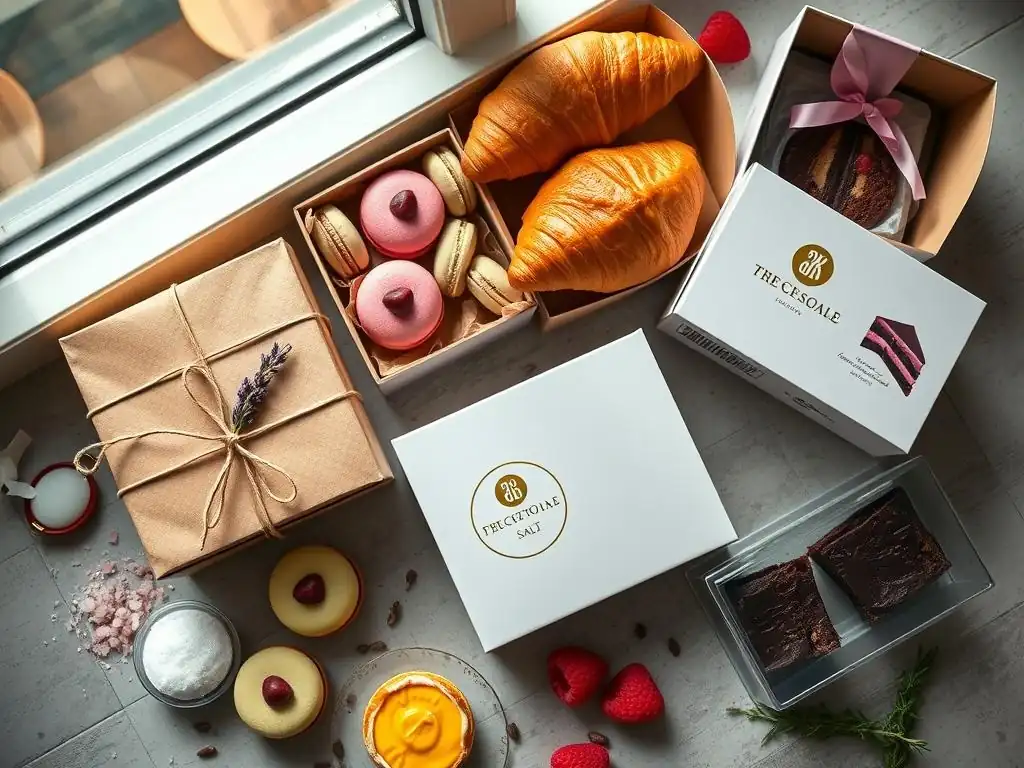
Welcome to BakeWithEase, your trusted guide to a sweeter life! Are you ready to transform your delicious creations into unforgettable gifts or irresistible offerings? This week, we're diving into the world of beautiful bakery packaging ideas. Discover how the right presentation can elevate your home baking from simple treats to treasured delights, and unlock the secrets to making your home bakery items truly pop. Curious to learn how to make that first impression as unforgettable as your flavors? Let's get started!
Introduction: The Power of Bakery Packaging
When you're pouring your heart into baking delicious treats from your home kitchen, the journey doesn't end when they come out of the oven. How you present your baked goods is just as important as how they taste. Beautiful bakery packaging is the first interaction a customer has with your product, acting as a silent salesperson that communicates quality, care, and attention to detail.
It transforms a simple cookie or loaf of bread into a special gift or a coveted indulgence. Think about receiving a beautifully wrapped present versus one in a plain bag – the presentation immediately elevates the perceived value and excitement.
Creating a lasting impression through packaging is crucial for a home bakery looking to stand out. Your packaging should reflect your brand identity, whether it's rustic and charming, modern and minimalist, or vibrant and fun. Consistent use of colors, fonts, and logos across all your packaging elements helps build brand recognition.
For example, if your brand uses a pastel color scheme and delicate floral designs, carrying these elements onto your cookie boxes or cake carriers reinforces your brand every time a customer sees your product. This attention to detail makes your treats instantly recognizable and memorable, encouraging repeat business and word-of-mouth referrals.
Understanding Your Target Audience and Branding
Identifying who your ideal customer is forms the foundation of your packaging design strategy. Are you selling artisanal sourdough to foodies who appreciate natural materials and a rustic look? Or perhaps cheerful cupcakes for children's parties, requiring bright colors and playful designs?
Knowing your audience dictates everything from the style of the packaging to the price point of the materials you choose. For instance, a bakery focusing on high-end custom cakes might invest in sturdy, elegant boxes with magnetic closures, while a cookie seller at a local market might opt for more cost-effective but still charming clear bags tied with ribbon. Understanding your customer's preferences helps you create beautiful bakery packaging ideas that resonate directly with them.
Reflecting your brand identity through packaging design is key to creating a cohesive and professional look. Your logo, color palette, typography, and overall aesthetic should be consistently applied. If your brand is whimsical and uses handwritten fonts and cheerful illustrations, your packaging should mirror this. Conversely, a brand emphasizing organic ingredients and simplicity might use kraft paper boxes and simple string. This consistency across all touchpoints – from your social media presence to your product packaging – builds trust and reinforces your brand story, making your beautiful bakery packaging ideas an integral part of your marketing.
Choosing the Right Packaging Materials for Your Baked Goods
Selecting the appropriate packaging materials is a critical step, balancing aesthetics with functionality and safety. Eco-friendly bakery packaging options are increasingly popular with consumers and can be a strong selling point for your business. Materials like recyclable paperboard, compostable plant-based films, or bags made from recycled content show your commitment to sustainability.
For example, using boxes made from 10% post-consumer recycled content or offering customers the option to return cleaned jars for a discount on future purchases are tangible ways to implement eco-friendly practices. While these options might sometimes have a slightly higher upfront cost, they can attract environmentally conscious customers.
Ensuring food safety is paramount when choosing packaging materials. All materials that come into direct contact with your baked goods must be food-grade and free from harmful chemicals. This means using papers, plastics, or films specifically manufactured for food contact. For instance, standard printer paper should never be used to wrap food directly due to inks and bleaches. Look for certifications or indications on supplier websites that confirm materials are food-safe. Additionally, the packaging should protect the product from contamination during transport and handling, maintaining its freshness and quality from your kitchen to the customer's hands.
Standout Strategies for Unique Bakery Packaging
Adding custom stickers and labels is one of the simplest yet most effective ways to elevate plain packaging and incorporate beautiful bakery packaging ideas. A well-designed sticker with your logo and contact information instantly brands a simple cellophane bag or a plain box. You can easily order custom stickers online in various shapes and sizes, often for just a few cents per sticker in moderate quantities.
For example, a home baker selling cookies might use round stickers to seal cookie bags, while a baker specializing in loaves might use rectangular labels on bread bags detailing the type of bread and ingredients. This small detail makes your packaging look professional and memorable.
Incorporating ribbons and twine adds a touch of elegance, charm, or rustic appeal to your bakery packaging. A simple box tied with a satin ribbon in your brand color feels more luxurious, while a kraft paper bag tied with natural jute twine gives a wholesome, artisanal vibe.
Ribbons and twine are relatively inexpensive but significantly enhance the perceived value and visual appeal of your treats. For instance, tying a small bundle of biscotti with a festive ribbon for a holiday sale or using striped baker's twine to secure a cookie box lid adds a delightful visual element that customers appreciate.
Specific Packaging Ideas for Different Baked Goods
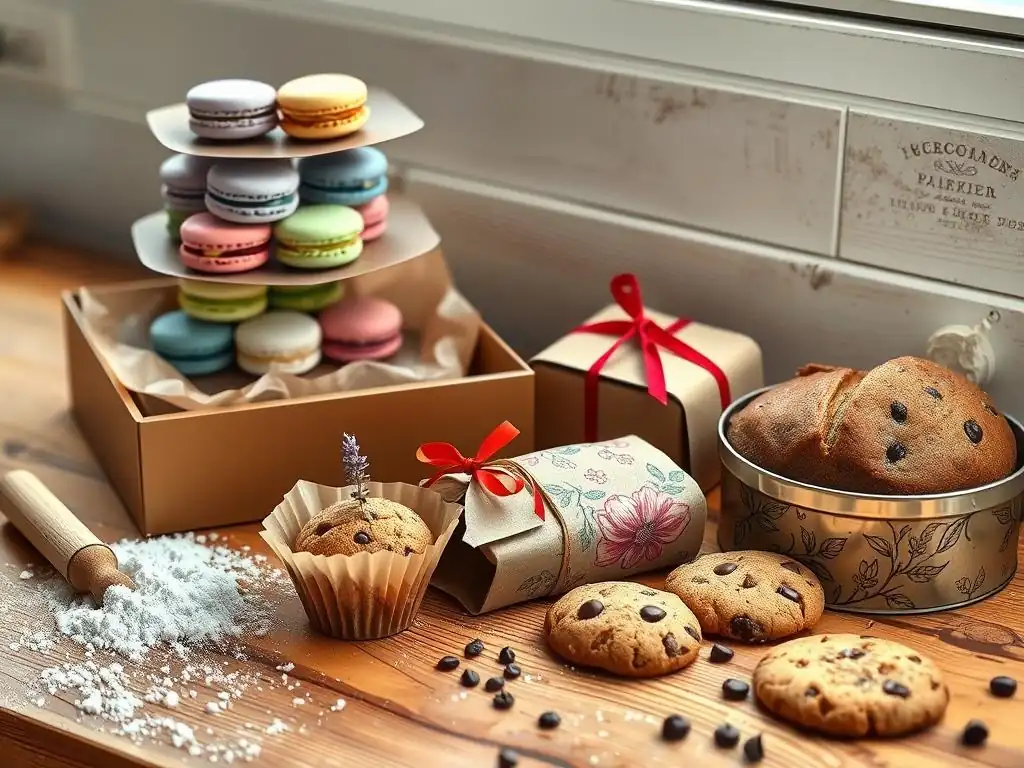
Packaging ideas for cookies often focus on maintaining their crispness or chewiness while preventing breakage. Individual wrapping in food-safe cellophane or heat-sealable bags keeps single cookies fresh, while stacking them in sturdy boxes with parchment paper dividers protects them during transport. For example, a popular method for selling decorated sugar cookies is placing each cookie in a clear heat-sealed bag before arranging them in a windowed box, allowing the beautiful decoration to be seen while ensuring freshness and hygiene. For drop cookies, small paper bags or clear containers work well, perhaps with a decorative label or ribbon.
Cake packaging ideas need to prioritize protection while showcasing the design. Sturdy cake boxes are essential, often with inserts to prevent the cake from sliding. For smaller cakes or cupcakes, individual containers or boxes with cavities secure each item.
A common practice for layer cakes is using a box slightly larger than the cake board, providing ample space for frosting and decorations without smudging. For instance, a 6-inch cake might require an 8-inch box. Windowed boxes are excellent for cupcakes and decorated cakes, allowing customers to admire the product without opening the package, which is perfect for beautiful bakery packaging ideas focused on presentation.
Bread packaging ideas aim to preserve the crust while keeping the interior fresh. Paper bags are often preferred for crusty loaves as they allow air circulation, preventing the crust from becoming soggy. Bags with a small window let customers see the loaf.
Softer breads, like challah or brioche, might benefit from food-safe plastic bags to retain moisture. For artisanal loaves, a simple paper bag tied with twine, perhaps with a small tag detailing the bread type and baking date, offers a rustic, appealing look. Some bakers use reusable cloth bags as an eco-friendly option, offering a discount when customers bring them back.
DIY Bakery Packaging: Adding a Personal Touch
Simple and affordable DIY packaging projects can add a unique, personal touch to your home bakery items. This doesn't mean sacrificing professionalism; it means getting creative with readily available or inexpensive materials. For instance, stamping plain paper bags with your logo using a custom stamp, or hand-tying ribbons in a specific style. Another idea is creating custom tags from cardstock using a punch and writing thank you notes by hand. These small handmade elements signal care and attention to detail, making your beautiful bakery packaging ideas feel even more special and personal.
Upcycling materials for unique and eco-friendly packaging is another avenue for DIY creativity. Clean glass jars can be perfect for packaging items like granola, cookie mixes, or even mini cheesecakes. Decorate the jars with fabric lids secured with rubber bands and twine, or use custom labels. For instance, small jam jars can be repurposed for individual portions of pudding or mousse. Even cardboard boxes can be transformed by covering them with decorative paper or fabric. While upcycling requires careful cleaning and ensuring food safety, it can lead to truly unique and sustainable packaging solutions.
Adding handmade elements, even if the base packaging is purchased, significantly enhances the appeal. This could be a handwritten note tucked into a box, a hand-drawn illustration on a tag, or a carefully tied bow. These small touches make the customer feel valued and create a memorable unboxing experience. Imagine receiving a box of cookies with a small, hand-folded origami crane inside, or a loaf of bread wrapped with a tag featuring a charming, hand-stamped design. These handmade flourishes are part of the beautiful bakery packaging ideas that make your home bakery stand out.
Finding Affordable and High-Quality Packaging Suppliers
Finding reliable sources for your beautiful bakery packaging supplies is essential for consistency and cost-effectiveness. Online resources offer a vast selection of packaging materials, from basic boxes and bags to specialized containers and decorative elements. Websites specializing in bakery supplies or general packaging often have competitive prices and bulk discounts. When ordering online, pay close attention to material descriptions, dimensions, and reviews from other customers to ensure quality. Consider ordering samples if possible before committing to a large purchase, especially for custom items or new suppliers.
Local suppliers, such as restaurant supply stores or craft stores, can also be good sources for basic packaging like boxes, parchment paper, and bags. Buying locally allows you to see the products in person, potentially negotiate prices for larger orders, and build relationships with suppliers. Supporting local businesses can also be a selling point for your home bakery, aligning with a community-focused brand image. While local options might have a smaller selection than online giants, they can be convenient for last-minute needs or testing different materials.
Wholesale options are ideal for home bakeries with a consistent volume of sales, as buying in bulk significantly reduces the per-unit cost of packaging. Many online suppliers offer wholesale pricing tiers based on order quantity. For example, buying 500 cookie boxes at once will cost considerably less per box than buying 50. Research different suppliers' minimum order quantities and pricing structures to find the most cost-effective options for your needs. Planning your purchases and stocking up on frequently used items through wholesale channels is a smart business strategy for managing packaging costs.
Tips for Negotiating Prices and Building Relationships with Suppliers
Effective supply chain management is crucial for controlling costs in your home bakery business. This includes managing inventory levels to avoid overstocking or running out of essential packaging materials. Negotiating prices, especially with local or smaller online suppliers, can sometimes be possible, particularly as your order volume increases. Be prepared to discuss your estimated monthly or quarterly needs and inquire about potential discounts for bulk orders or loyal customers. Having a clear understanding of market prices for different materials will strengthen your negotiation position.
Strategies for reducing packaging costs don't always involve direct negotiation. Consider standardizing your packaging as much as possible to buy fewer different types of materials in larger quantities. For example, using one size of box that can be adapted for different products with inserts or different decorative elements. Explore alternative materials that might be less expensive but still meet your quality and aesthetic standards. Building strong relationships with your suppliers, whether online or local, can also lead to benefits like being informed about sales, new products, or even receiving small discounts over time due to your consistent business.
Food Labeling Requirements: What You Need to Know
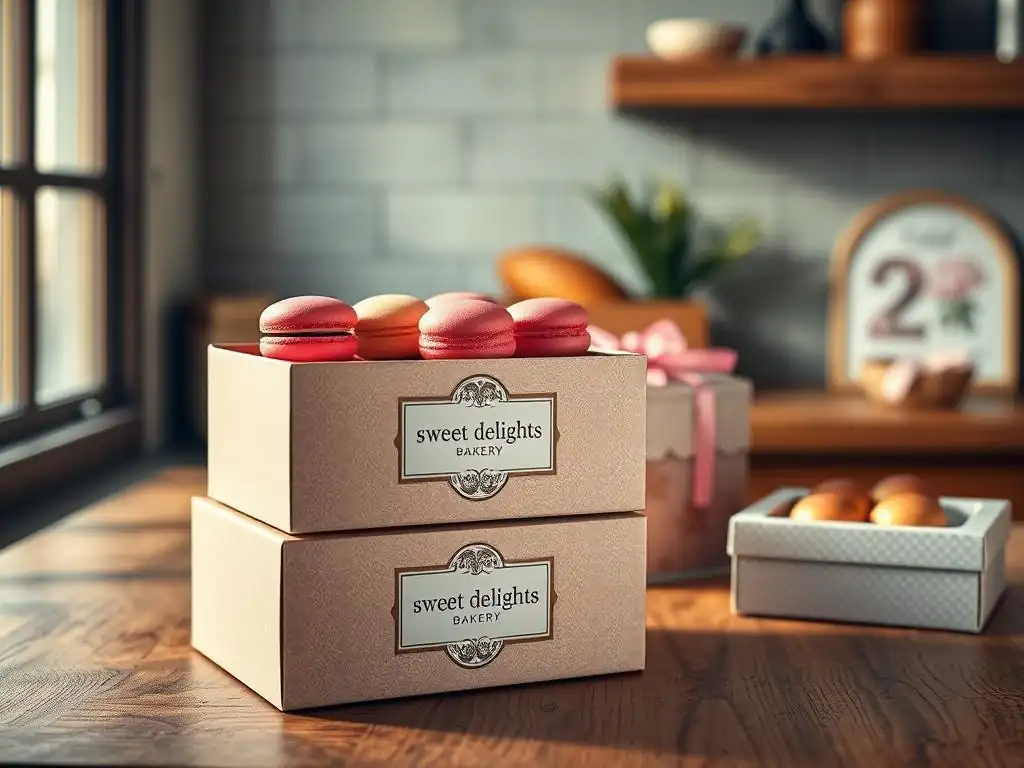
Understanding food labeling requirements is a critical legal consideration for selling baked goods from home. Regulations vary by location (state, county, or city), but typically require listing ingredients in descending order by weight, identifying common allergens (like wheat, milk, eggs, soy, nuts), and including your business name and address. For example, a label for chocolate chip cookies might start with "Ingredients: Enriched Flour (Wheat Flour, Niacin, Reduced Iron, Thiamine Mononitrate, Riboflavin, Folic Acid), Butter (Cream, Salt), Brown Sugar,..." followed by other ingredients and then a clear "Contains: Wheat, Milk, Eggs."
Meeting local regulations for food packaging is non-negotiable. Some cottage food laws might have specific rules about how products are labeled, such as requiring a statement that the product was made in a home kitchen not subject to commercial inspection. It's essential to research the specific requirements in your area. Failure to comply can result in fines or prevent you from legally selling your products. Resources like your local health department or small business administration can provide guidance on specific labeling laws.
Ensuring compliance means actively checking and updating your labels as ingredients or recipes change. If you switch brands of chocolate chips or use a different type of flour, you need to verify the ingredient list is still accurate. Allergens must be clearly identified, often in bold text or listed separately under a "Contains:" statement. Accurate and compliant labeling protects your customers and your business, demonstrating professionalism and adherence to food safety standards.
Safe Handling and Storage: Communicating Best Practices to Customers
While you ensure your baked goods are handled and stored properly in your kitchen, it's important to communicate best practices to your customers so they can maintain the quality and safety of the product after purchase. Including simple instructions on your packaging or a separate card enhances the customer experience and helps prevent issues like spoilage or staleness. For instance, advising customers to store cookies in an airtight container at room temperature or recommending that a cake be refrigerated if it contains perishable fillings.
Information for preventing food spoilage helps customers enjoy your treats at their best. This might include a "Best By" or "Consume Within" date or a recommendation on how long the product is expected to stay fresh under proper storage conditions. For example, "For best quality, store bread in a cool, dry place and consume within 3-4 days" or "Refrigerate immediately upon arrival and consume within 5 days." Clear instructions like these demonstrate your commitment to quality and customer satisfaction, ensuring your beautiful bakery packaging ideas are complemented by guidance on enjoying the product safely.
Conclusion: Elevate Your Home Bakery with Stunning Packaging
Investing in beautiful bakery packaging is truly a worthwhile investment for any home baker looking to grow their business. It's not just about aesthetics; it's a fundamental part of your branding, marketing, and customer experience. Thoughtful, well-designed packaging protects your delicious creations, communicates your brand's story, and makes your products instantly more appealing and giftable. It's the final touch that transforms a wonderful baked good into a truly special purchase, leaving a lasting positive impression on your customers.
Creating a memorable experience for your customers is what truly sets a home bakery apart, and packaging plays a starring role. From the moment they receive your beautifully packaged treats to the joy of unboxing them, the packaging contributes significantly to their overall satisfaction. It shows that you care about every detail, from the quality of your ingredients to the presentation of the final product. These beautiful bakery packaging ideas contribute to the overall perception of value and encourage customers to return and recommend your business.
BakeWithEase is here to be your partner in baking success, guiding you from perfecting your recipes to presenting them beautifully. Mastering baking techniques is just the beginning; understanding the power of stunning packaging elevates your passion into a thriving business. By implementing thoughtful and beautiful bakery packaging ideas, you not only protect and showcase your delicious work but also create an unforgettable brand experience that keeps customers coming back for more.
- Introduction: The Power of Bakery Packaging
- Understanding Your Target Audience and Branding
- Choosing the Right Packaging Materials for Your Baked Goods
- Standout Strategies for Unique Bakery Packaging
- Specific Packaging Ideas for Different Baked Goods
- DIY Bakery Packaging: Adding a Personal Touch
- Finding Affordable and High-Quality Packaging Suppliers
- Tips for Negotiating Prices and Building Relationships with Suppliers
- Food Labeling Requirements: What You Need to Know
- Safe Handling and Storage: Communicating Best Practices to Customers
- Conclusion: Elevate Your Home Bakery with Stunning Packaging
- What are some cost-effective beautiful bakery packaging ideas for a home bakery?
- How can I ensure my bakery packaging is food-safe and maintains the freshness of my baked goods?
- What are some eco-friendly alternatives for bakery packaging that align with sustainable practices?
- How can I personalize my bakery packaging to reflect my brand and create a memorable experience for customers?
- What are some creative ways to package specific baked goods, like delicate pastries or intricately decorated cakes?
Frequently Asked Questions
What are some cost-effective beautiful bakery packaging ideas for a home bakery?
Consider using kraft paper bags with personalized stamps or stickers. You can also use recycled boxes tied with twine for a rustic look. These options are both affordable and visually appealing.
How can I ensure my bakery packaging is food-safe and maintains the freshness of my baked goods?
Always use food-grade materials like parchment paper or wax paper as a liner. Consider airtight containers or bags to prevent staleness and maintain optimal flavor and texture.
What are some eco-friendly alternatives for bakery packaging that align with sustainable practices?
Opt for biodegradable bags or boxes made from recycled materials. You can also use compostable labels and avoid excessive plastic packaging to minimize environmental impact.
How can I personalize my bakery packaging to reflect my brand and create a memorable experience for customers?
Add a handwritten note or a custom-designed sticker with your bakery's logo. Use ribbons or twine in your brand colors and consider adding a small, complimentary treat as a surprise.
What are some creative ways to package specific baked goods, like delicate pastries or intricately decorated cakes?
Use individual cupcake containers with clear lids to protect delicate pastries. For cakes, use sturdy boxes with cake boards and consider adding a window to showcase the decoration.
Final Reflection: The Enduring Allure of Beautifully Wrapped Treats
The art of beautiful bakery packaging isn't just about aesthetics; it's about crafting an experience that elevates your product from a simple baked good to a cherished gift. In today's saturated market, where consumers are bombarded with choices, the visual appeal of your packaging can be the deciding factor in whether your delectable creations find their way into a customer's cart – or someone else's. This is more than just marketing; it's about creating a lasting impression.
The impact of thoughtfully designed packaging extends far beyond the initial purchase. It speaks to a commitment to quality and care, reflecting the passion poured into each baked item. This resonates deeply with customers, fostering loyalty and word-of-mouth marketing that's invaluable. As Coco Chanel famously said, Fashion is what you buy. Style is what you do with it.
This applies equally to bakery packaging; it's not just about the pretty box, but how that box enhances the overall experience and reflects your brand's unique personality. It's about creating a memorable unboxing experience that leaves a lasting positive impression.
So, consider this your call to action. Don't just bake delicious treats; design an experience. Think beyond the functional; explore textures, colors, and materials that reflect your brand's essence. Experiment with different packaging styles, from rustic charm to modern elegance, to find the perfect match for your baked goods. Remember, the visual presentation is the first impression – make it count. Let your packaging be a testament to the love and care you put into your creations, and watch your bakery flourish.
Unleash Your Inner Pastry Chef: Take Your Baking to the Next Level!
Thanks for taking the time to explore the world of irresistible baked goods packaging! We hope you've discovered some new ideas to elevate your home bakery. Ready to turn those delicious creations into a truly unforgettable experience?
- Design your dream packaging: Grab a pen and paper (or open your favorite design app!) and sketch out some packaging ideas based on the tips and tricks we shared. Think about colors, fonts, and materials that reflect your brand's unique personality. This is your chance to get creative!
- Source unique packaging materials: Explore local craft stores or online marketplaces for unique boxes, bags, and ribbons that will make your baked goods stand out. Don't be afraid to think outside the box—literally!
- Share your creations: Show off your stunning new packaging and delicious treats on social media! Use #BakeWithEase to connect with our community and inspire other bakers.
What's the first step you'll take to transform your packaging and wow your customers?