
Pricing for the Market vs. Online: Different Strategies for Different Channels

Welcome to BakeWithEase, your partner in all things baking!
Ever wondered if your online bakery pricing strategies are truly maximizing your profits? Navigating the world of online sales requires a different approach than traditional brick-and-mortar pricing. We'll uncover the key distinctions in this article, exploring effective techniques to ensure your delicious creations are as profitable as they are irresistible. Ready to bake up success? Let's get started!
- Artisan Bread Bakery: Pricing Strategies for Farmers Markets vs. Online Store
- Pricing Strategies for Selling at Farmers Markets
- Online Bakery Pricing Strategies: Setting Prices for E-Commerce
- Comparing Farmers Market and Online Pricing: A Side-by-Side Analysis
- Tailoring Your Pricing Approach: Combining Farmers Market and Online Sales
- Optimizing Your Pricing for Long-Term Success
- Conclusion: Mastering Pricing for Market and Online Success
-
Frequently Asked Questions
- How does online bakery pricing differ from pricing in a physical store?
- What are some key factors to consider when setting prices for an online bakery?
- What are some common online bakery pricing strategies?
- How can I determine the optimal price point for my online baked goods?
- How important is it to factor in shipping costs when setting online bakery prices?
- Final Reflection: Bridging the Gap Between Brick-and-Mortar and Online Bakery Pricing
- Unlock Your Baking Business's Full Potential!
Artisan Bread Bakery: Pricing Strategies for Farmers Markets vs. Online Store
The Importance of Channel-Specific Pricing for Bakeries
Setting the right price for your baked goods is crucial for profitability, but it's not a one-size-fits-all approach, especially when selling through different channels. An effective pricing strategy needs to account for the unique costs, customer expectations, and competitive environments of each sales channel. For a home-based artisan bakery selling both at local farmers markets and through an online store, this means developing distinct pricing models that reflect the realities of selling face-to-face versus shipping across distances.
Ignoring the differences between these channels can lead to significant financial challenges. If you price your online bread the same as your market bread without accounting for shipping and packaging, you'll likely lose money on every online sale. Conversely, if you price your market bread too high based on online costs, you might deter local customers. A tailored approach ensures you cover costs, remain competitive, and maximize revenue potential from each channel, forming a robust online bakery pricing strategies framework.
Key Differences: Farmers Market vs. Online Bakery Operations
Operating at a farmers market involves direct interaction with customers, immediate cash flow, and the ability to sell items that might not ship well, like delicate pastries or warm bread straight from the oven. Costs typically include stall fees, transportation, and labor for setup and sales. The customer experience is tactile and personal, often driven by impulse buys and the desire for local goods.
An online bakery operates in a digital space, requiring a website, potentially e-commerce platform fees, and significant investment in packaging and shipping logistics. While reach is theoretically global, the customer experience is digital until the product arrives. Costs include transaction fees, online marketing, website maintenance, and the substantial expense of getting a fragile, perishable product safely to the customer's door. These operational differences fundamentally impact the cost structure and, therefore, the viable pricing strategies for each channel.
Pricing Strategies for Selling at Farmers Markets

Calculating Costs for Farmers Market Bread Sales
Understanding your costs is the bedrock of any successful pricing strategy. For farmers market sales, this involves breaking down expenses specific to baking and selling at the market. This cost analysis helps determine the minimum price needed to break even before applying profit margins.
Ingredient Costs and Labor for Market Sales
Start by calculating the cost of ingredients per loaf. A standard sourdough loaf might require $0.75-$1.50 in flour, water, salt, and starter maintenance, depending on the quality and type of flour used (e.g., organic or specialty grains will cost more). Then, factor in your labor. If it takes you 20 minutes of hands-on time to mix, shape, and bake one loaf (excluding proofing time), and you value your time at $20 per hour, that's approximately $6.67 in labor per loaf. So, the base production cost before overhead might be around $7.42 to $8.17 per loaf.
Market Stall Fees and Transportation Expenses
Beyond production, you have market-specific costs. Farmers market stall fees can range widely, from $30 to $150 or more for a single day, depending on the market's size and location. If your average daily sales volume is 30 loaves, a $90 stall fee adds $3 per loaf to your cost. Transportation costs, including gas and wear-and-tear on your vehicle for getting to and from the market, also need to be estimated and factored in per market day, then divided by the number of loaves you expect to sell.
Farmers Market Pricing Strategies: Maximizing Profitability
Pricing at the farmers market is often influenced by local competition, perceived value of artisan goods, and the direct connection with the baker.
Competitive Pricing at Farmers Markets: Sourdough vs. Baguette
Observe what other bakers are charging for similar products. If typical artisan sourdough loaves sell for $6-$8 at your market, pricing yours at $10 might be too high unless you can clearly demonstrate superior quality or unique ingredients. Simpler items like baguettes might command a lower price, perhaps $4-$5, reflecting lower ingredient and labor costs compared to a large, long-fermented sourdough. Your price needs to be competitive while still reflecting the quality and care put into your bread.
Premium Pricing for Unique Market Breads: Olive Bread, Seeded Loaves
For specialty loaves, like an olive-rosemary sourdough or a dense seeded rye, you can often command a premium price. These unique offerings differentiate you from competitors and appeal to customers looking for something special. If your standard sourdough is $7, an olive bread might be priced at $9 or $10, justifying the higher cost through unique ingredients and perceived value. Highlight the special ingredients or the complex process involved to support the higher price point.
Psychological Pricing Tactics for Market Stalls: "3 for $10" Deals
Using psychological pricing can encourage larger purchases. Instead of selling small items like rolls individually at $3 each, offer a deal like "4 rolls for $10." For loaves, while "3 for $18" on a $7 loaf might seem like a discount, it encourages a customer to buy three loaves instead of one, increasing your immediate sales volume and revenue per transaction. These tactics can help move more product during a limited market day.
Online Bakery Pricing Strategies: Setting Prices for E-Commerce
Pricing for online sales introduces a different set of challenges and opportunities, heavily influenced by shipping logistics and the broader digital marketplace. Developing effective online bakery pricing strategies requires careful consideration of these factors.
Calculating Costs for Online Bread Sales
Selling online adds significant costs beyond production, primarily related to getting the product safely to the customer's door and managing the online platform. These must be built into your online pricing strategy.
Packaging and Shipping Costs for Online Orders
Packaging for shipping needs to protect the bread from damage and moisture, which costs more than a simple paper bag used at a market. Expect to spend $2-$4 per loaf on boxes, wrapping, and cushioning materials. Shipping is often the largest variable cost. Sending a loaf across a few states might cost $10-$20 or more via standard carriers, depending on weight and distance. Offering expedited shipping adds further cost. You must decide whether to absorb some of this cost, offer flat-rate shipping, or pass the full cost onto the customer.
Website Fees, Marketing Costs, and Online Transaction Fees
Operating an online store involves website hosting fees (e.g., $20-$50/month), e-commerce platform fees (which can be a monthly fee plus a percentage of sales, like 2.9% + $0.30 per transaction), and online marketing expenses (e.g., social media ads, email marketing software). If your average online order value is $30, a 3% transaction fee is $0.90, plus $0.30, totaling $1.20 per order just for the transaction. These overheads need to be distributed across your online sales volume when determining your cost per item sold online.
Online Pricing Strategies: Driving Sales and Profit
Online pricing needs to account for the higher costs while remaining attractive in a competitive digital landscape. Your online bakery pricing strategies should reflect the convenience and reach you offer.
Value-Based Pricing for Online Bakery Products: Emphasizing Quality Ingredients
Given the higher costs of selling online, you often need to charge more per loaf than at a market. Justify this higher price by emphasizing the value: premium ingredients, the convenience of home delivery, and the quality of a truly artisan product. If your market sourdough is $7, the online price might be $10-$12. Use detailed product descriptions to highlight the long fermentation, organic flour, or unique flavor profile that warrants the price. Customers buying online often prioritize quality and convenience over the lowest price.
Dynamic Pricing for Online Baked Goods Based on Demand: Holiday Specials
Online platforms allow for flexible pricing. You can implement dynamic pricing based on demand or seasonality. For example, during holidays like Thanksgiving or Christmas, you might introduce special festive loaves (e.g., cranberry pecan sourdough) and price them slightly higher due to increased demand and specialty ingredients. You could also offer limited-time discounts to drive sales during slower periods or promotions for new customers.
Subscription Model Pricing for Online Bakeries: Weekly Bread Delivery
A popular online strategy is offering subscription services. Customers commit to weekly or bi-weekly delivery of bread. You can offer a slight discount on the per-loaf price for subscribers (e.g., 10% off) in exchange for predictable recurring revenue and simplified logistics (baking consistent quantities). This model benefits both the baker (steady income) and the customer (convenience and slight saving), fitting well within advanced online bakery pricing strategies.
Comparing Farmers Market and Online Pricing: A Side-by-Side Analysis
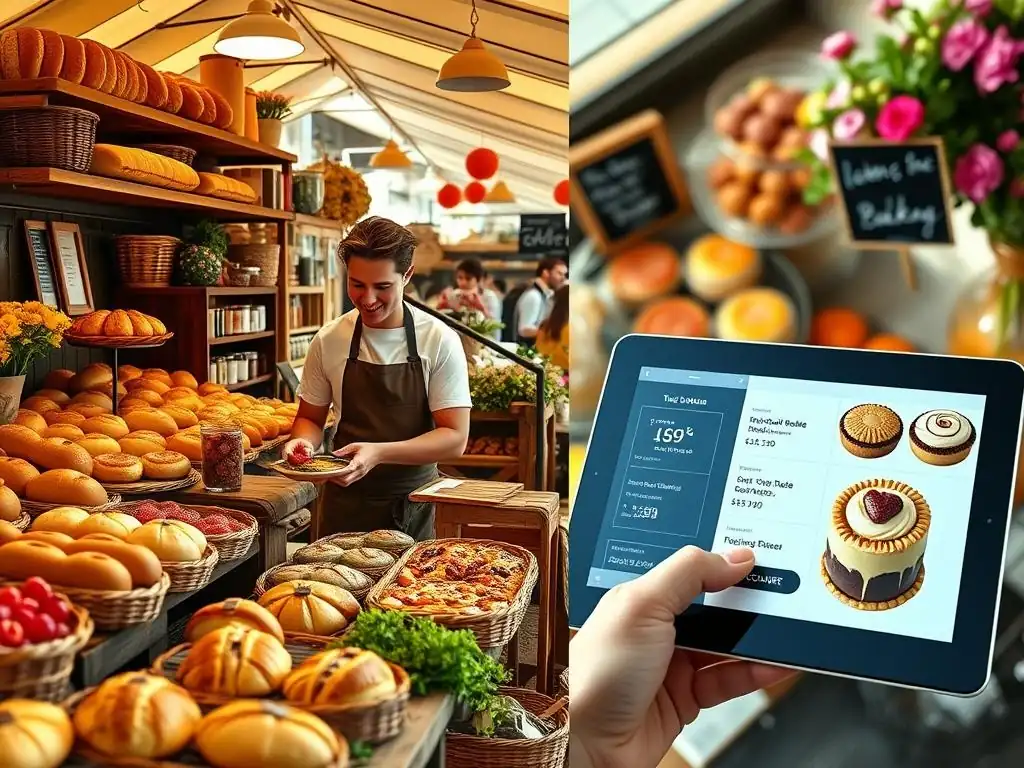
Comparing the two channels highlights their inherent trade-offs and informs how best to integrate them into your overall business model.
Farmers Market Pricing Advantages: Direct Customer Interaction and Immediate Sales
Lower overhead per sale: No shipping or complex packaging costs.Immediate cash flow: Get paid right away, no waiting for online payments to process or transfers to clear.Opportunity for upselling: Can easily suggest complementary items or talk about your process.Build local community: Direct connection fosters loyalty.Flexibility: Can react quickly to demand or weather conditions.
Online Pricing Advantages: Wider Reach and Scalability
Larger potential customer base: Not limited by geographic location of the market.24/7 sales: Customers can order anytime.Scalability: Can potentially handle much larger order volumes if logistics are in place.Detailed product presentation: Can use photos, videos, and extensive descriptions.Data collection: Easier to track customer behavior and preferences.
Farmers Market Pricing Disadvantages: Limited Reach and Weather Dependency
Geographic limitation: Only reach people who visit that specific market.Time commitment: Requires physical presence for several hours.Weather dependent: Sales can fluctuate drastically with weather.Limited display space: Cannot showcase your full range easily.
Online Pricing Disadvantages: Shipping Complications and Increased Competition
High shipping costs: Can make products expensive for customers far away.Packaging challenges: Ensuring product arrives intact and fresh.Increased competition: Competing with bakeries globally, not just locally.Customer service complexities: Handling shipping issues, delays, or damaged goods remotely.Technical requirements: Need a functioning website and payment system.
Tailoring Your Pricing Approach: Combining Farmers Market and Online Sales
Successfully integrating both channels involves leveraging the strengths of each to support the other, creating synergistic online bakery pricing strategies.
Offering Exclusive Products for Each Channel: Market-Only Rye Bread
Create excitement by offering products unique to each channel. A very delicate pastry or a specific quick bread might be sold only at the farmers market because it doesn't ship well. Conversely, a specific flavored sourdough or a line of smaller, shippable bread rolls might be exclusive to your online store. This encourages customers to visit both channels for different needs and experiences.
Using Market Sales to Promote Your Online Bakery: Business Cards & Samples
Your farmers market stall is a prime marketing opportunity for your online store. Have business cards with your website address and a QR code readily available. Offer samples of breads that are available both online and at the market, mentioning that customers can get their favorites delivered. You could even run a market-specific promotion code for a discount on their first online order (e.g., MARKETFAN10).
Leveraging Online Channels to Drive Traffic to Market Stalls: Pre-Order Pickups
Use your website or social media to announce your market schedule and allow customers to pre-order specific items for pickup at the market. This guarantees sales, reduces waste, and ensures customers get exactly what they want, especially for popular items that sell out quickly. You can use your online presence to build anticipation for market days.
Optimizing Your Pricing for Long-Term Success
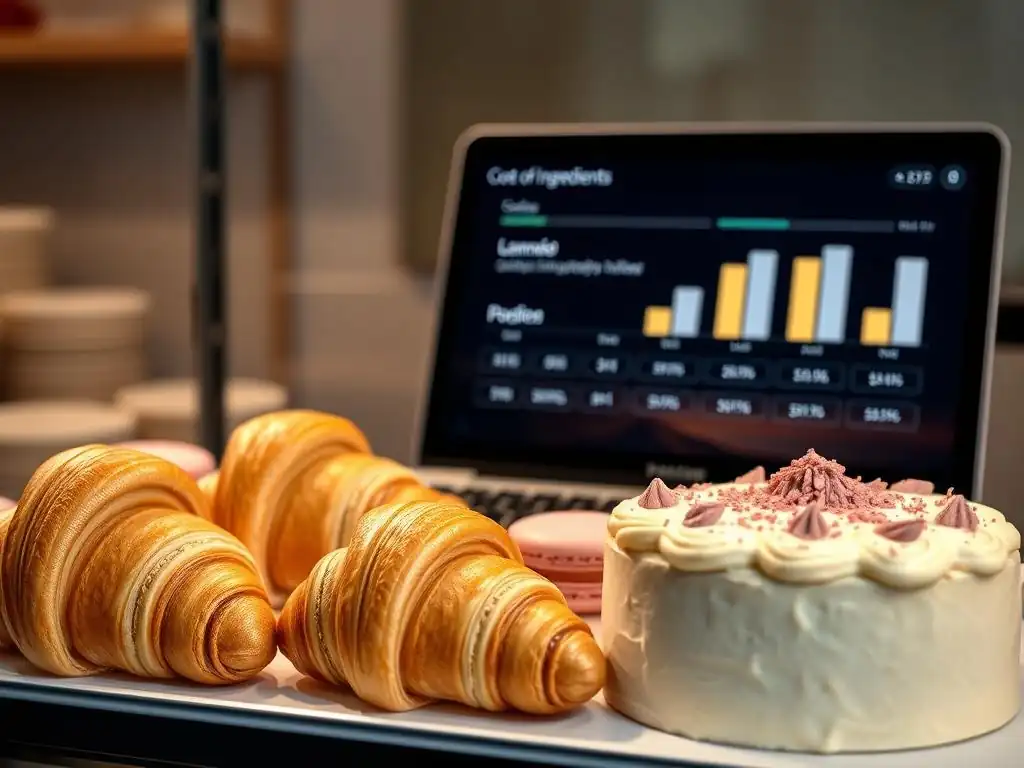
Pricing isn't a static decision; it requires ongoing monitoring and adjustment to ensure sustained profitability and growth.
Tracking Sales Data and Customer Feedback
Regularly analyze your sales data from both channels. Which products sell best where? What is your average transaction value online vs. at the market? Pay attention to customer feedback regarding pricing. Are customers at the market balking at a price? Are online customers abandoning carts due to shipping costs? Use this data to inform necessary price adjustments.
- [ ] Track weekly sales volume by product and channel.
- [ ] Calculate average revenue per customer for each channel.
- [ ] Monitor customer comments about pricing or value.
Adjusting Pricing Based on Seasonal Trends and Ingredient Costs
Ingredient costs fluctuate throughout the year. If the price of organic flour or specialty seeds increases significantly, you may need to slightly adjust your prices to maintain margins. Similarly, demand for certain baked goods might be seasonal (e.g., holiday breads), allowing for temporary price increases. Stay aware of these trends and be prepared to make small, calculated adjustments.
Conducting a Regular Pricing Audit for Your Bakery Business
Schedule a formal review of your pricing strategy at least once or twice a year. Re-calculate your costs, analyze market competition (both local and online), and assess the perceived value of your products. Are your online bakery pricing strategies still effective? Are your market prices competitive? This audit ensures your pricing remains aligned with your business goals and market realities.
Conclusion: Mastering Pricing for Market and Online Success
Successfully pricing your artisan bread across farmers market and online channels requires a nuanced approach. By understanding the unique costs, customer behaviors, and competitive landscapes of each, you can develop distinct yet complementary pricing strategies. Whether calculating ingredient costs for a market loaf or factoring in complex shipping for an online order, attention to detail is key. Regularly reviewing your numbers, listening to your customers, and being willing to adapt your online bakery pricing strategies will pave the way for long-term profitability and allow your passion for baking to thrive as a sustainable business.
Frequently Asked Questions
How does online bakery pricing differ from pricing in a physical store?
Online pricing requires consideration of factors like shipping costs and digital marketing expenses, which are less relevant in a physical store. Therefore, online prices may need adjustments to remain competitive and profitable.
What are some key factors to consider when setting prices for an online bakery?
Consider ingredient costs, labor, packaging and shipping, marketing expenses, and competitor pricing. A crucial element is also the perceived value of your baked goods.
What are some common online bakery pricing strategies?
Common strategies include cost-plus pricing, competitive pricing, and value-based pricing. The best strategy depends on your target market, brand positioning, and product differentiation.
How can I determine the optimal price point for my online baked goods?
Analyze your costs, research competitor pricing, and consider conducting market research to understand customer price sensitivity. A/B testing different price points can also help determine the sweet spot for maximizing profits.
How important is it to factor in shipping costs when setting online bakery prices?
Shipping costs are extremely important. You can choose to include shipping in the price, charge a separate fee, or offer free shipping above a certain order value. Clearly communicating shipping costs is crucial for transparency and customer satisfaction.
Final Reflection: Bridging the Gap Between Brick-and-Mortar and Online Bakery Pricing
The digital revolution has irrevocably altered the landscape of the baking industry, forcing businesses to adopt nuanced pricing strategies that cater to both physical and online marketplaces. Ignoring this crucial distinction can lead to missed opportunities and ultimately, financial instability. The success of any bakery, whether solely online or with a physical storefront, hinges on understanding and effectively implementing these distinct pricing models.
The impact of online platforms on pricing is profound, shifting the balance of power from solely the baker to a more competitive, customer-driven market. This necessitates a deeper understanding of consumer behavior online, including the influence of reviews, social media, and the ease of comparison shopping. Price is what you pay. Value is what you get.
- Warren Buffett. This quote perfectly encapsulates the challenge: online bakeries must not only offer competitive prices but also demonstrate exceptional value through quality ingredients, superior customer service, and a unique brand identity.
Now, it's your turn. Consider your own bakery, or even your favorite local bakery. How do their pricing strategies reflect the differences between their online and in-person sales? What adjustments could they make to optimize their pricing for each channel, maximizing profitability while maintaining customer loyalty? Take the insights from this article and apply them to your own business or your understanding of the market. The future of baking lies in the intelligent adaptation to the ever-evolving digital landscape, and your understanding of pricing is the key to unlocking its potential.
Unlock Your Baking Business's Full Potential!
Thanks for taking the time to explore the nuances of pricing your baked goods for different sales channels! You now have a clearer understanding of how to optimize your profits, whether selling at the farmers market or online. Let's put this knowledge into action:
- Craft your ideal pricing strategy: Take the key insights from this article and develop a detailed pricing plan tailored to your bakery, considering your costs, target customers, and sales channels. This is the most important step toward maximizing your earnings.
- Share your pricing wins (or challenges!): Join our vibrant baking community on social media and share your experiences—what pricing strategies have worked best for you? What adjustments are you planning to make?
- Experiment and refine: Remember, pricing is an ongoing process. Don’t hesitate to test different approaches and track your results to continually improve your strategy for long-term success.
Ready to bake your way to greater profitability? What’s the first pricing adjustment you’ll make to your baking business?