
Differentiate Your Dough: How to Stand Out in a Crowded Market

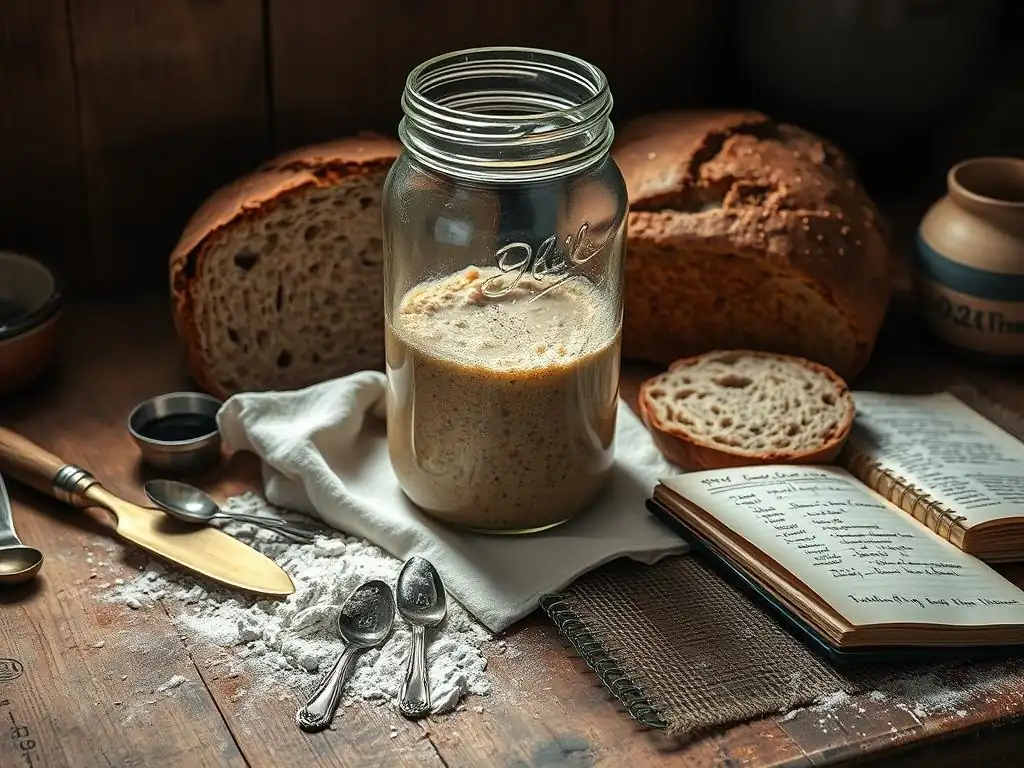
Welcome to BakeWithEase, where we believe everyone can bake like a pro!
Are you ready to differentiate your dough and elevate your baking game? In today's article, we're diving into the world of home baking businesses, offering insights on how to stand out. But first, let's ensure your foundational element is rock solid: discover essential sourdough starter maintenance tips that will guarantee consistent, delicious results. Intrigued? Read on to unlock the secrets to a thriving baking venture and make your mark in the world of artisan bread!
- Mastering the Art of Artisanal Bread: Standing Out in a Crowded Market
-
Frequently Asked Questions
- How often should I feed my sourdough starter according to BakeWithEase?
- What is the ideal consistency of a sourdough starter after feeding, as described on BakeWithEase?
- What are some signs that my sourdough starter needs more frequent feedings, according to BakeWithEase?
- BakeWithEase mentions using discard sourdough. What are some uses for sourdough discard?
- What temperature does BakeWithEase recommend for storing my sourdough starter?
- Final Reflection: The Ever-Rising Dough of Differentiation
- Unleash Your Baking Brilliance!
Mastering the Art of Artisanal Bread: Standing Out in a Crowded Market
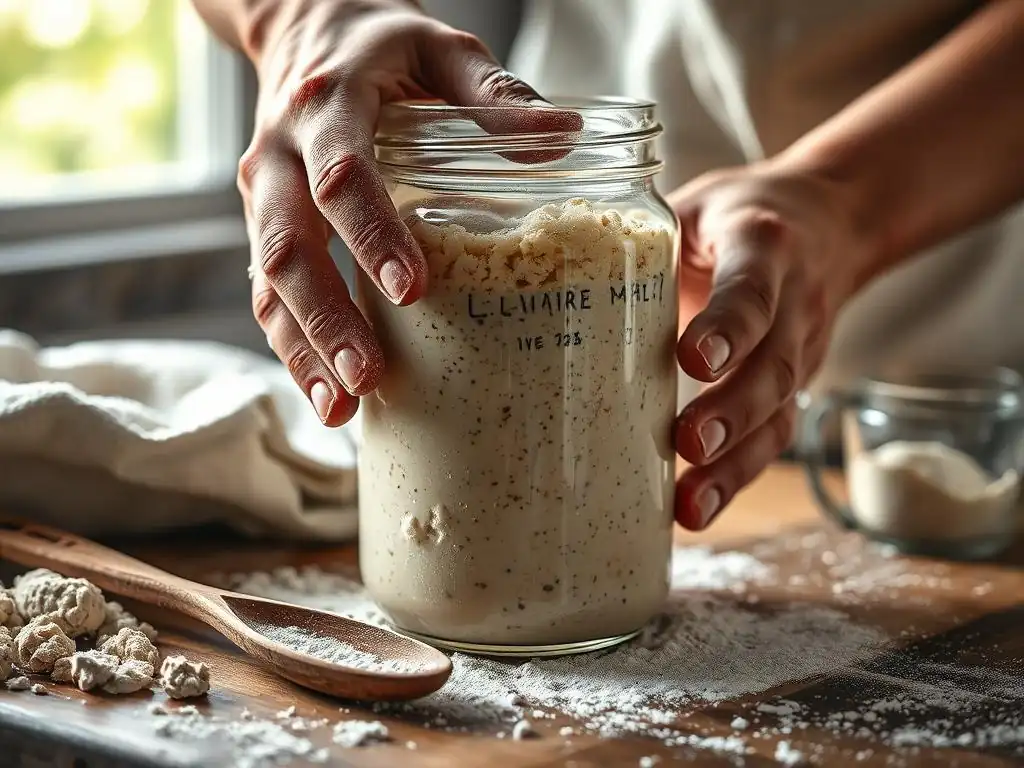
The Flour & Fire Bakery: Elevating Baking in a Competitive Market
In the bustling world of local food businesses, standing out requires more than just baking good bread. It demands a deep understanding of your craft, a commitment to quality, and a clear identity that resonates with customers. Consider a hypothetical example: The Flour & Fire Bakery, operating in a mid-sized city already home to several established bakeries and grocery stores selling artisan-style loaves.
Instead of competing on price or sheer volume, Flour & Fire decided to focus intensely on quality, technique, and storytelling. They specialize in naturally leavened breads, particularly sourdough, emphasizing the slow fermentation process and the use of heritage grains sourced from regional farms. This focus allowed them to carve out a niche, attracting customers willing to pay a premium for bread made with exceptional care and ingredients.
The success of The Flour & Fire Bakery wasn't just about having a great recipe; it was about mastering the foundational elements of artisanal baking and communicating that mastery. A cornerstone of their operation is the health and vitality of their sourdough starter, which is over five years old and contributes significantly to the unique flavor profile of their bread. They follow strict sourdough starter maintenance tips, feeding it twice daily with specific ratios of flour and water, ensuring it's always at peak activity before mixing dough.
This meticulous care, while perhaps unseen by the customer, directly impacts the consistent quality, rise, and crust development of their loaves, distinguishing them from competitors who might use commercial yeast or less rigorous processes. Their dedication to these practices, including diligent sourdough starter maintenance tips, forms the authentic backbone of their brand.
Frequently Asked Questions
How often should I feed my sourdough starter according to BakeWithEase?
BakeWithEase recommends feeding your starter at least once a day if kept at room temperature. If refrigerated, feeding can be reduced to once a week. This ensures the yeast remains active.
What is the ideal consistency of a sourdough starter after feeding, as described on BakeWithEase?
According to BakeWithEase, a well-fed starter should have a pancake batter consistency. It should be smooth and pourable, not too thick or watery.
What are some signs that my sourdough starter needs more frequent feedings, according to BakeWithEase?
If your starter isn't doubling in size after feeding, or if it smells strongly of acetone (like nail polish remover), it needs more frequent feedings as stated on BakeWithEase. This indicates underfed yeast.
BakeWithEase mentions using discard sourdough. What are some uses for sourdough discard?
BakeWithEase suggests using discard sourdough in recipes like pancakes, waffles, or crackers. It adds a unique flavor and texture without requiring active yeast.
What temperature does BakeWithEase recommend for storing my sourdough starter?
BakeWithEase recommends storing your starter at room temperature (around 70-75°F) for active use, or in the refrigerator (around 40°F) to slow down fermentation for less frequent feeding.
Final Reflection: The Ever-Rising Dough of Differentiation
The art of sourdough baking, once a niche hobby, has exploded in popularity, creating a fiercely competitive market. This means that simply possessing a bubbly starter isn't enough anymore; true success lies in differentiating your craft, your brand, and your approach to this beloved bread. The tips and techniques explored in this article – from meticulous starter maintenance to innovative flavor profiles – are not just about perfecting the sourdough itself, but about cultivating a unique identity within a crowded field.
The journey of a sourdough baker, much like the fermentation process itself, is a continuous evolution. It's a testament to patience, precision, and a willingness to experiment. The impact of this dedication extends beyond the kitchen; it reflects a broader cultural shift towards artisanal goods and a renewed appreciation for slow, mindful processes. The best things in life are worth waiting for,
and this rings especially true for the rewards of nurturing a thriving sourdough starter and building a successful baking business around it.
Now, consider your own "starter." What unique ingredients do you bring to your chosen field? What are the subtle nuances that set you apart? This article has provided tools and inspiration, but the true magic lies in your hands. Embrace the challenge of differentiation, nurture your unique skills, and watch your own "dough" rise to new heights. The world awaits your distinctive flavor.
Unleash Your Baking Brilliance!
Thanks for taking the time to discover fresh ways to elevate your baking business! We hope you gained valuable insights into differentiating your offerings in today's competitive market. Now it's time to put that knowledge into action.
- Craft your unique selling proposition (USP): This is your key to standing out. Identify what makes your baking truly special and communicate it clearly to your customers.
- Revamp your online presence: Refresh your website or social media with compelling visuals and a clear brand story that embodies your USP.
- Engage with your baking community: Share your newly crafted USP and invite feedback – you might be surprised by the connections you make!
Ready to bake your way to success? What's the first step you'll take to solidify your unique brand identity?