
Cozy Up Your Kitchen: Baking with Cloves and Lemon

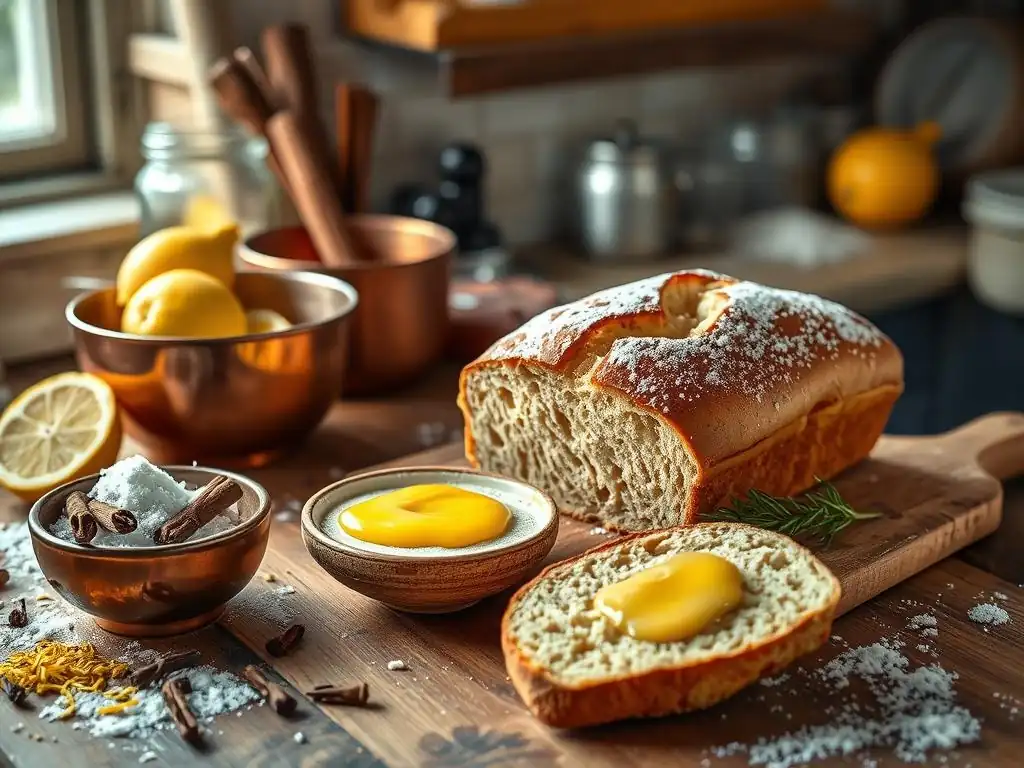
Welcome to BakeWithEase, your haven for all things baking!
Craving that warm, comforting feeling only freshly baked goods can provide? Dive into the delightful world of seasonal baking with us. Today, we're exploring the irresistible combination of zesty lemon and aromatic cloves. Get ready to unlock the secrets to creating easy clove lemon baked goods that will tantalize your taste buds and fill your home with an enchanting aroma. But what makes this pairing so special? Read on to discover the perfect balance of flavors and techniques that will elevate your baking game!
- Cozy Up Your Kitchen: Baking with Cloves and Lemon with BakeWithEase
- Introduction to Winter Baking: Clove and Lemon Delights
- Why Clove and Lemon are Perfect for Winter Baking
- Easy Clove Lemon Baked Goods Recipes for Winter
- Baking Tips for Perfect Clove and Lemon Flavors
- Storing Your Clove and Lemon Baked Goods
- Variations and Substitutions for Clove and Lemon Recipes
- Conclusion: Enjoying the Flavors of Easy Clove Lemon Baked Goods This Winter
-
Frequently Asked Questions
- What makes clove and lemon a good pairing for baked goods?
- Are clove and lemon baked goods difficult to make?
- Can I substitute fresh lemon juice with bottled lemon juice?
- What types of baked goods are best suited for clove and lemon flavors?
- Where can I find easy-to-follow recipes for clove and lemon baked goods?
- Final Reflection: The Enduring Comfort of Clove and Lemon
- Unleash Your Inner Baker: Spice Up Your Life!
Cozy Up Your Kitchen: Baking with Cloves and Lemon with BakeWithEase
Introduction to Winter Baking: Clove and Lemon Delights
Winter calls for cozy kitchens filled with warm aromas. There's something uniquely comforting about pulling a freshly baked treat from the oven when the weather outside is chilly. At BakeWithEase, we believe that mastering winter baking is all about embracing seasonal flavors, and the combination of rich spices and bright citrus is a true classic. This article will guide you through creating delightful easy clove lemon baked goods that will warm your home and your heart.
This guide is designed for bakers of all levels, ensuring that whether you're a complete novice or looking to expand your repertoire, you can create delicious results. We'll explore why cloves and lemon are a match made in heaven for winter, provide simple, step-by-step recipes, and share essential tips for achieving perfect flavors every time. Get ready to fill your kitchen with the inviting scents of the season using readily available ingredients and straightforward techniques, making your baking journey truly easy and enjoyable.
Embrace the Flavors of Winter: Spices and Citrus in Baking
Winter baking is traditionally associated with warming spices like cinnamon, nutmeg, ginger, and of course, cloves. These spices evoke feelings of comfort and festivity, their deep, earthy notes creating a sense of warmth against the cold backdrop of the season. They pair beautifully with fruits, nuts, and sugars, forming the foundation for many beloved winter desserts and breads. Think of classic gingerbread, spiced apple pies, or festive fruitcakes – all relying heavily on this aromatic spice palette.
Complementing these warming spices, citrus fruits like lemons, oranges, and grapefruits come into their peak season during winter in many regions. Their bright, acidic, and refreshing notes provide a vibrant contrast to the richness of spices and baked goods. Lemon, in particular, offers a clean, zesty punch that can lift heavy flavors, add moisture, and provide a beautiful tang. The combination of warm spices and bright citrus creates a complex and balanced flavor profile, perfect for cutting through the richness often found in winter treats and adding a cheerful note to easy clove lemon baked goods.
BakeWithEase: Your Guide to Easy & Delicious Baking
BakeWithEase is dedicated to making baking accessible and enjoyable for everyone. We understand that sometimes the thought of baking can feel daunting, but our philosophy is centered around simplicity and clear guidance. We break down recipes into easy-to-follow steps, explain techniques clearly, and offer tips that help you achieve success without unnecessary complexity. Our goal is to empower you to create delicious baked goods with confidence, turning potential kitchen stress into a relaxing and rewarding activity.
Our platform offers a wealth of resources, from beginner basics to more advanced explorations, all presented with a focus on ease. We curate recipes that use common ingredients and don't require specialized equipment, ensuring that you can get started with minimal fuss. For instance, the easy clove lemon baked goods recipes we'll share here are designed with the home baker in mind, requiring standard kitchen tools and techniques. You'll find that with BakeWithEase, creating impressive and flavorful treats is not only possible but genuinely simple and fun.
Why Clove and Lemon are Perfect for Winter Baking
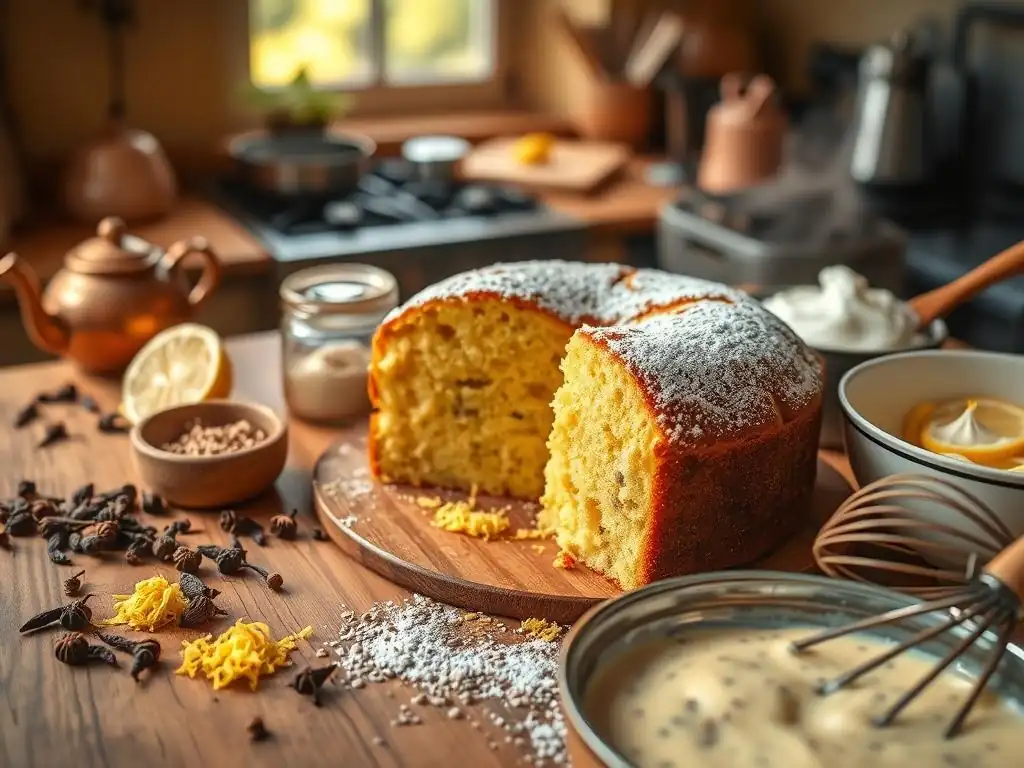
The pairing of clove and lemon might seem unexpected at first glance, but it's a classic combination found in various culinary traditions, particularly in winter beverages and baked goods. Cloves offer a pungent, slightly sweet, and warming flavor, while lemon provides a sharp, tangy, and aromatic zest. Together, they create a dynamic contrast that is both comforting and invigorating, perfectly capturing the essence of the winter season. This synergy makes them ideal candidates for creating memorable and delicious easy clove lemon baked goods.
Consider the traditional mulled wine or spiced cider, where cloves are a key component, often enhanced by citrus peels. This familiar flavor profile translates beautifully into baking. The clove provides the deep, grounding warmth, while the lemon cuts through the richness, brightens the overall taste, and adds a fragrant lift. This balance prevents the baked goods from being too heavy or one-dimensional, resulting in treats that are both satisfyingly cozy and delightfully refreshing – a perfect balance for winter indulgence.
The Aromatic Warmth of Cloves in Baked Goods
Cloves possess one of the most distinctive and potent aromas in the spice world, largely due to the compound eugenol. This compound gives cloves their characteristic warm, pungent, slightly sweet, and woody notes. When used in baking, even a small amount of clove can infuse the entire kitchen with its inviting fragrance, instantly creating a cozy atmosphere. It pairs exceptionally well with sweet doughs, fruits like apples and pears, and other warming spices, forming the backbone of many traditional winter flavors.
In baked goods, cloves contribute a deep, resonant warmth that lingers on the palate. They provide a counterpoint to sweetness and can enhance the overall complexity of a recipe. For example, adding a pinch of ground clove to a simple sugar cookie dough transforms it into something much more intriguing. When developing easy clove lemon baked goods, the clove provides the essential winter spice element, a comforting anchor for the bright citrus notes to play against, ensuring the final product feels truly seasonal and inviting.
Brightening Winter Days: The Zesty Refreshment of Lemon
Lemon is a powerhouse of flavor, primarily concentrated in its zest, which contains aromatic oils, and its juice, which provides acidity. In winter, when fresh, vibrant flavors can feel scarce, lemon offers a burst of sunshine. Its bright, clean, and tangy profile cuts through the richness of butter and sugar commonly found in baked goods, preventing them from tasting heavy or cloying. The high acidity also interacts with leavening agents, contributing to a lighter texture in some recipes.
The versatility of lemon in baking is immense. It can be used to infuse syrups, flavor glazes, add moisture to cakes, or provide a tangy contrast in tarts and cookies. Its refreshing quality is particularly welcome during the colder months, offering a palate cleanser and a cheerful counterpoint to warming spices. When creating easy clove lemon baked goods, the lemon element provides essential brightness and zest, ensuring the treats are not just warm and spicy but also delightfully vibrant and refreshing, a perfect antidote to gloomy winter days.
The Perfect Pairing: Clove and Lemon Baking Combination
The magic of the clove and lemon pairing lies in their complementary contrast. Cloves bring the deep, resonant warmth and slightly exotic spice, while lemon contributes vibrant acidity, fragrant zest, and refreshing brightness. When combined thoughtfully in baking, these two flavors create a complex profile that is greater than the sum of its parts. The warmth of the clove is lifted and brightened by the lemon, while the sharp acidity of the lemon is mellowed and grounded by the spice.
Consider a simple pound cake: adding just clove would make it warm but potentially heavy; adding just lemon would make it bright but perhaps too sharp. Combining them, however, results in a cake that is both comforting and invigorating, with layers of flavor that unfold with each bite. This balance is key to creating truly memorable easy clove lemon baked goods. The interplay between the deep spice and the bright citrus ensures the treats are neither overwhelmingly spicy nor excessively sour, but rather a harmonious blend perfect for the season.
Easy Clove Lemon Baked Goods Recipes for Winter
Ready to try this delightful flavor combination? Here are three straightforward recipes for easy clove lemon baked goods that are perfect for home bakers. These recipes are designed with simplicity in mind, using common ingredients and techniques you can easily master. Get ready to fill your kitchen with incredible aromas!
These recipes have been tested and tweaked to ensure they deliver maximum flavor with minimum fuss. Whether you're craving a quick scone for breakfast, a lovely cake for dessert, or simple cookies to share (or not! ), these options provide a fantastic entry point into baking with clove and lemon. Follow the steps carefully, and you'll be enjoying delicious homemade treats in no time.
Recipe 1: Clove and Lemon Scones - A Quick & Easy Treat
Scones are wonderfully forgiving and quick to make, making them an ideal vehicle for trying out new flavor combinations like clove and lemon. These scones are tender and buttery with a hint of spice and a bright citrus lift. They are perfect for a cozy winter breakfast or afternoon tea. Making easy clove lemon baked goods like these scones is a great way to start your baking journey with this flavor profile.
This recipe yields approximately 8-10 scones and takes about 25-30 minutes from start to finish, including baking time. It's a much faster alternative to yeast-leavened breads but offers a similar level of comfort and satisfaction. The simple technique of cutting cold butter into dry ingredients is key to achieving their light, tender texture.
Ingredients for Clove and Lemon Scones
- 2 cups all-purpose flour
- 1/4 cup granulated sugar
- 2 teaspoons baking powder
- 1/4 teaspoon salt
- 1/2 teaspoon ground cloves
- Zest of 1 large lemon
- 1/2 cup (1 stick) cold unsalted butter, cut into small cubes
- 3/4 cup cold buttermilk (or milk with 1 tsp lemon juice added)
- Optional: 1 tablespoon lemon juice for glaze
Step-by-Step Baking Instructions: Clove and Lemon Scones
- Preheat your oven to 400°F (200°C). Line a baking sheet with parchment paper.
- In a large bowl, whisk together the flour, sugar, baking powder, salt, ground cloves, and lemon zest. Ensure the ingredients are well combined.
- Cut the cold butter into the dry ingredients using a pastry blender, fork, or your fingertips until the mixture resembles coarse crumbs with some pea-sized pieces of butter remaining. This step is crucial for tender scones.
- Pour in the cold buttermilk (or milk mixture). Stir gently with a fork until the dough just comes together. Do not overmix; a slightly shaggy dough is fine.
- Turn the dough out onto a lightly floured surface. Gently pat or lightly roll the dough into a circle or rectangle about 3/4 inch thick.
- Cut the dough into wedges or squares using a sharp knife or biscuit cutter. For classic wedge shapes, cut a circle in half, then quarters, then eighths.
- Place the scones onto the prepared baking sheet, leaving a little space between them.
- Bake for 15-18 minutes, or until the scones are golden brown and puffed up.
- Let cool slightly on the baking sheet before transferring to a wire rack. If desired, whisk 1 tablespoon lemon juice with 1/2 cup powdered sugar to make a simple glaze and drizzle over warm scones. These easy clove lemon baked goods are best enjoyed warm.
Recipe 2: Lemon Clove Bundt Cake - A Winter Baking Showstopper
A Bundt cake is always impressive, yet this recipe for a Lemon Clove Bundt Cake is surprisingly straightforward, making it an excellent example of easy clove lemon baked goods. The density of a Bundt cake holds moisture well, and the fluted pan ensures even baking and a beautiful presentation. This cake is infused with both lemon zest and juice, complemented by the warm notes of ground cloves.
This cake is perfect for serving at gatherings or simply enjoying a slice with tea or coffee. It typically serves 10-12 people. The use of both butter and oil contributes to a tender crumb and moist texture, ensuring the cake stays delicious for several days if stored correctly. Baking time is usually around 50-60 minutes depending on your oven.
Bundt Cake Ingredients: Lemon and Clove Infusion
- 2 3/4 cups all-purpose flour
- 1 teaspoon baking soda
- 1/2 teaspoon baking powder
- 1/2 teaspoon salt
- 1 teaspoon ground cloves
- 1/2 teaspoon ground cinnamon (optional, but complements clove)
- 1/2 cup (1 stick) unsalted butter, softened
- 1/2 cup vegetable oil or other neutral oil
- 1 3/4 cups granulated sugar
- 3 large eggs
- 1 teaspoon vanilla extract
- Zest of 2 large lemons
- 1/4 cup fresh lemon juice
- 1 cup buttermilk (or milk with 1 tbsp lemon juice added)
- For Glaze (Optional): 1 1/2 cups powdered sugar, 2-3 tablespoons lemon juice
Baking the Perfect Lemon Clove Bundt Cake
- Preheat your oven to 350°F (175°C). Grease and flour a 10-12 cup Bundt pan thoroughly, ensuring all crevices are coated to prevent sticking.
- In a medium bowl, whisk together the flour, baking soda, baking powder, salt, ground cloves, and cinnamon (if using). Set aside.
- In a large bowl, cream together the softened butter, oil, and granulated sugar until light and fluffy, about 3-4 minutes using an electric mixer.
- Beat in the eggs one at a time, mixing well after each addition. Stir in the vanilla extract and lemon zest.
- In a small bowl, whisk together the lemon juice and buttermilk.
- Add the dry ingredients to the wet ingredients alternately with the buttermilk mixture, beginning and ending with the dry ingredients (e.g., 1/3 dry, 1/2 wet, 1/3 dry, 1/2 wet, 1/3 dry). Mix on low speed until just combined; do not overmix. Scrape down the sides of the bowl as needed.
- Pour the batter evenly into the prepared Bundt pan. Tap the pan gently on the counter to remove any air bubbles.
- Bake for 50-60 minutes, or until a wooden skewer or toothpick inserted into the center comes out clean.
- Let the cake cool in the pan on a wire rack for 10-15 minutes before inverting it onto the wire rack to cool completely.
- Once cool, prepare the glaze by whisking together the powdered sugar and lemon juice until smooth. Drizzle the glaze over the cooled cake. This delicious example of easy clove lemon baked goods is ready to slice and serve.
Shortbread cookies are a classic for a reason: simple ingredients, straightforward method, and utterly delicious results. Adding clove and lemon transforms them into a festive winter treat. These cookies are delightfully buttery and crumbly with a subtle warmth from the clove and a bright tang from the lemon zest. They are among the simplest easy clove lemon baked goods you can make.
This recipe makes about 24-30 small cookies and requires minimal active time. The key to perfect shortbread is using cold butter and not overworking the dough. The simple ingredient list highlights the flavors of the butter, clove, and lemon beautifully.
Shortbread Ingredients: Clove and Lemon Flavors
- 1 cup (2 sticks) cold unsalted butter, cut into small cubes
- 1/2 cup granulated sugar
- 1/2 teaspoon ground cloves
- Zest of 1 large lemon
- 2 cups all-purpose flour
- 1/4 teaspoon salt
Baking Tips for Crispy Clove Lemon Shortbread
- In a large bowl, cream the cold butter and granulated sugar together until just combined and slightly pale. Do not overmix until fluffy like for a cake.
- Stir in the ground cloves and lemon zest.
- Gradually add the flour and salt, mixing on low speed or by hand until the dough just comes together. It will be crumbly at first but should hold together when squeezed.
- Turn the dough out onto a lightly floured surface and gently bring it together. You can shape it into a log (about 1.5 inches in diameter) or press it into an 8x8 inch square pan lined with parchment paper.
- Wrap the dough log tightly in plastic wrap or cover the pan. Chill in the refrigerator for at least 30 minutes (or up to 2-3 days) until firm. Chilling is essential for easy slicing and preventing excessive spread.
- Preheat your oven to 325°F (160°C). If using a log, slice into 1/4 inch thick rounds. If using the square pan, score the dough into desired cookie shapes (squares, fingers) before baking. You can also prick the tops with a fork for a traditional look.
- Place cookies on a baking sheet lined with parchment paper, spaced about 1 inch apart.
- Bake for 18-22 minutes, or until the edges are lightly golden and the centers look set. Baking at a lower temperature helps keep them pale and tender.
- Let the cookies cool on the baking sheet for a few minutes before carefully transferring them to a wire rack to cool completely. These easy clove lemon baked goods will crisp up as they cool.
Baking Tips for Perfect Clove and Lemon Flavors
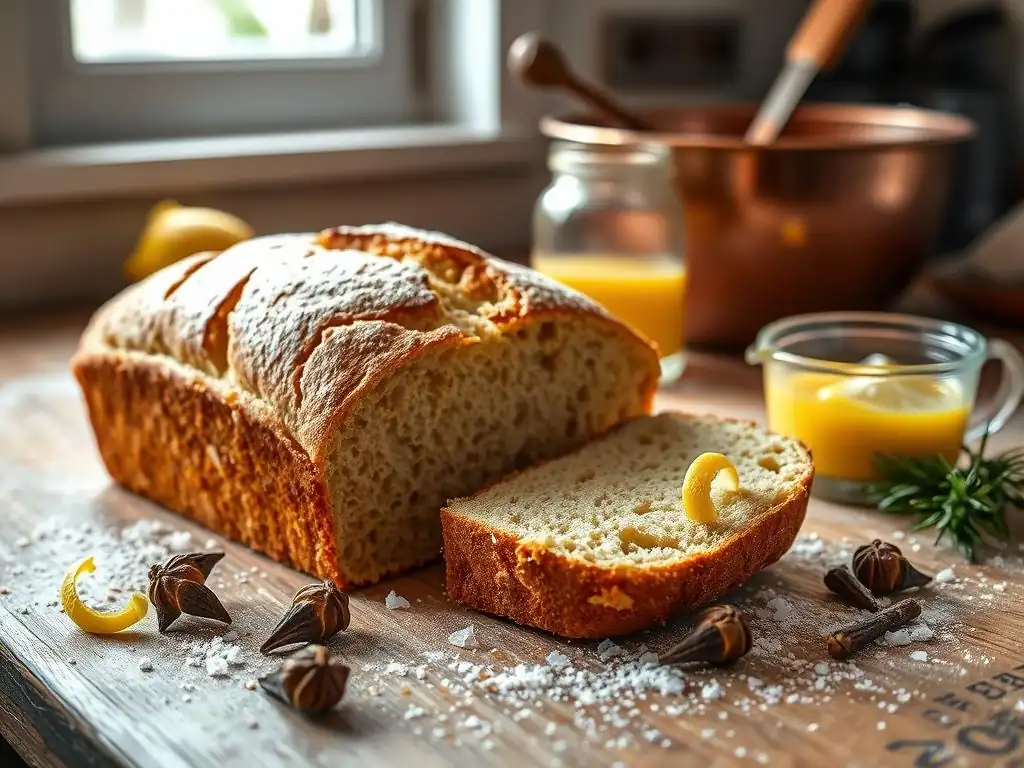
Achieving the perfect balance of clove and lemon in your baked goods requires a little attention to detail. The potency of both flavors can vary, and how you incorporate them makes a difference. Here are some tips from BakeWithEase to help you get it right and ensure your easy clove lemon baked goods taste amazing every time.
Understanding the nuances of how cloves and lemon behave in baking will elevate your results from good to outstanding. From selecting the best ingredients to knowing how to properly measure and combine them, these simple tips will help you master this delightful flavor combination and build confidence in your winter baking endeavors.
Choosing the Right Cloves: Whole vs. Ground
Cloves are available whole or pre-ground. For most baking applications, especially in recipes for easy clove lemon baked goods, ground cloves are the most convenient and provide an even distribution of flavor throughout the dough or batter. However, the flavor of ground spices diminishes more quickly than whole spices. For the best results, try to use freshly ground cloves if possible, or ensure your pre-ground cloves are relatively fresh (purchased within the last 6-12 months).
Whole cloves are incredibly potent and are typically used for infusing liquids (like milk for custard or syrup) or studded into fruits (like oranges for mulled drinks). If a recipe calls for whole cloves and you only have ground, remember that ground spices are more concentrated. As a general guideline, about 3/4 teaspoon of ground cloves is roughly equivalent to 1 teaspoon of whole cloves. However, for baking where even flavor dispersal is needed, ground is usually preferred unless specifically instructed otherwise.
Optimizing Lemon Flavor: Zest vs. Juice
Both lemon zest and juice contribute to the lemon flavor in baking, but in different ways. Lemon zest, the yellow outer peel, contains volatile oils that are highly aromatic and carry the pure, bright lemon flavor without the acidity. This is where much of the "lemony" taste and smell comes from. Using a microplane zester is the best way to get fine zest without the bitter white pith underneath.
Lemon juice provides acidity and a tangy counterpoint. It can also contribute to moisture and react with leavening agents like baking soda. While juice adds tang, too much can make baked goods sour or affect texture. For maximum lemon impact in easy clove lemon baked goods, use plenty of zest for aroma and flavor, and juice primarily for acidity and moisture as needed by the recipe structure. A common ratio might involve the zest of 1-2 lemons per tablespoon of juice, depending on the desired tang level.
Balancing Clove and Lemon: Finding the Right Ratio
The key to delicious clove and lemon baked goods is finding the right balance between the warming spice and the bright citrus. Cloves are very potent, so a little goes a long way. Too much clove can overpower other flavors and even leave a slightly numbing sensation. Lemon, while vibrant, can also be overwhelming if used excessively, making things too sour.
Start with the amounts specified in a reliable recipe, like the ones provided for these easy clove lemon baked goods. For example, a typical scone recipe might use 1/2 teaspoon ground cloves and the zest of one lemon. A larger cake might use 1 teaspoon ground cloves and the zest of two lemons plus a few tablespoons of juice.
Taste your batter or dough if appropriate (like cookie dough) or adjust slightly in future bakes based on your preference. It's often easier to add a little more spice or zest next time than to correct an over-spiced or overly sour batch.
Storing Your Clove and Lemon Baked Goods
Proper storage is essential to keep your homemade easy clove lemon baked goods fresh, flavorful, and enjoyable for as long as possible. Different types of baked goods have different storage needs to maintain their texture and moisture.
Following these simple storage guidelines will ensure that your hard work in the kitchen pays off, allowing you to savor your delicious clove and lemon creations for several days. Whether it's keeping scones tender, cake moist, or cookies crisp, the right storage method makes a significant difference in quality.
Keeping Scones Fresh: Storage Solutions
Scones are best enjoyed the day they are baked, ideally warm. However, they can be stored for a day or two while retaining decent quality. Once completely cooled, store scones in an airtight container at room temperature. Avoid refrigerating scones, as this can dry them out quickly.
If you need to store them longer, scones freeze well. Once cooled, wrap individual scones tightly in plastic wrap and then place them in a freezer-safe bag or container. They can be frozen for up to 1-2 months. To reheat, thaw at room temperature and then warm gently in a toaster oven or conventional oven at around 300°F (150°C) for a few minutes until heated through. This is a great way to preserve your easy clove lemon baked goods scones.
Preserving Bundt Cake Moisture: Storage Tips
Bundt cakes, especially those made with oil or buttermilk like our Lemon Clove Bundt Cake, tend to stay moist longer than some other cakes. Once the cake is completely cool, the best way to store it is wrapped tightly in plastic wrap or placed in a cake keeper at room temperature. If the cake has a glaze, wait until the glaze is set before covering.
A properly stored Bundt cake will stay fresh and moist for about 3-4 days at room temperature. Avoid refrigerating unless it contains a filling or frosting that requires chilling, as refrigeration can dry out cake. For longer storage, the cake can be frozen. Wrap the cooled cake tightly in plastic wrap, then in foil, and freeze for up to 2-3 months. Thaw overnight at room temperature before serving. This method helps maintain the quality of your easy clove lemon baked goods cake.
Shortbread cookies are known for their crisp, crumbly texture, and the goal of storage is to preserve this. Once the cookies are completely cooled, store them in an airtight container at room temperature. Layers can be separated by parchment paper if needed to prevent sticking, although this is usually unnecessary for shortbread.
Properly stored shortbread cookies will stay fresh and crisp for at least 5-7 days at room temperature. Avoid storing them with softer cookies or baked goods, as this can introduce moisture and make them soft. Shortbread also freezes exceptionally well. Place cooled cookies in a single layer on a baking sheet to freeze, then transfer to a freezer-safe container or bag. They can be frozen for up to 3 months. Thaw at room temperature. Enjoying crispy easy clove lemon baked goods like these cookies is easy with proper storage.
Variations and Substitutions for Clove and Lemon Recipes
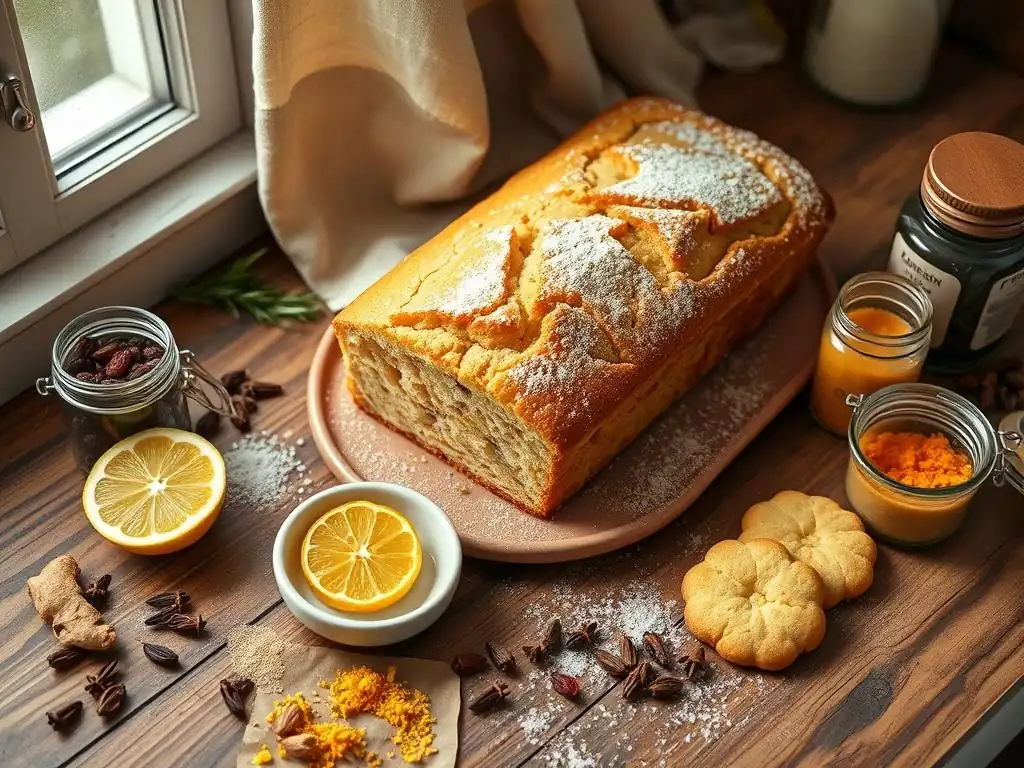
The beauty of baking is the ability to adapt and customize recipes to suit different dietary needs or personal preferences. These easy clove lemon baked goods recipes are quite versatile and can be modified to be gluten-free, dairy-free, or enhanced with additional complementary flavors.
Experimenting with variations allows you to put your own spin on classic flavors and cater to a wider range of palates or requirements. Here are some common substitutions and additions you might consider when making your clove and lemon treats.
Gluten-Free Options for Clove Lemon Baking
Converting standard baking recipes to gluten-free requires replacing wheat flour with a gluten-free flour blend. For the scone and shortbread recipes, a cup-for-cup gluten-free all-purpose flour blend that contains xanthan gum is usually the most reliable substitute. Start by using the same amount of the blend as the wheat flour specified in the recipe.
For the Bundt cake, a good quality gluten-free blend is also recommended. Some gluten-free flours absorb liquid differently, so you might need slight adjustments to the wet ingredients, though often a cup-for-cup blend works directly. Always check the specific blend's recommendations. Ensure other ingredients like baking powder are certified gluten-free if necessary. Creating easy clove lemon baked goods that are gluten-free is achievable with the right flour substitution.
Dairy-Free Substitutions in Clove and Lemon Recipes
Making these recipes dairy-free involves substituting butter and buttermilk. For butter, use a plant-based butter substitute (sticks, not spreadable tub versions) that is suitable for baking. Use it in the same quantity as the dairy butter. For the Bundt cake recipe that also uses oil, keep the oil as is.
Buttermilk can be easily substituted with a dairy-free alternative. You can purchase dairy-free buttermilk (often made from soy, almond, or oat milk), or make your own by combining 1 cup of dairy-free milk (like soy, almond, or oat) with 1 tablespoon of lemon juice or apple cider vinegar. Let it sit for 5-10 minutes until it curdles slightly. This substitution works well in both the scone and Bundt cake recipes, allowing you to make delicious dairy-free easy clove lemon baked goods.
Adding Other Spices: Complementary Flavors with Clove and Lemon
While clove and lemon are fantastic on their own, they also pair beautifully with other spices, enhancing the complexity of your baked goods. Cinnamon is a natural partner for cloves, adding extra warmth and a slightly different sweet note. Nutmeg can bring a subtle nutty depth, and a tiny pinch of ginger can add a bit of spicy heat.
Consider adding 1/4 to 1/2 teaspoon of ground cinnamon or a pinch of freshly grated nutmeg to the dough or batter in any of these recipes. For a bolder flavor, a small amount of ground ginger could be included, perhaps 1/4 teaspoon. These additions can create new dimensions in your easy clove lemon baked goods, offering variations like "Spiced Clove Lemon Scones" or a "Ginger Clove Lemon Bundt Cake." Experiment to find your favorite combinations!
Conclusion: Enjoying the Flavors of Easy Clove Lemon Baked Goods This Winter
As the winter season unfolds, there's immense joy to be found in the simple act of baking. The combination of warm, aromatic cloves and bright, zesty lemon creates flavors that are both comforting and uplifting, perfectly suited for cozy days indoors. We hope the recipes and tips shared here inspire you to try making some easy clove lemon baked goods in your own kitchen.
From quick scones perfect for a snowy morning to an elegant Bundt cake ideal for sharing, and simple shortbread cookies that satisfy any time, these recipes offer accessible ways to explore this delightful flavor pairing. Baking shouldn't be complicated, and with BakeWithEase, it's our mission to provide you with the guidance and confidence to create delicious treats with ease.
Embrace the Season with BakeWithEase's Winter Baking Recipes
Winter is a wonderful time to experiment with spices and citrus, filling your home with inviting aromas and creating delicious moments to share. The recipes for easy clove lemon baked goods are just a starting point. Explore other winter-themed recipes on BakeWithEase, from spiced apple pies to cranberry orange muffins, and embrace the seasonal ingredients and flavors.
Our collection of winter baking recipes is designed to be accessible and enjoyable for bakers of all skill levels. We provide clear instructions and helpful tips to ensure your success. Don't hesitate to dive in, get your hands a little floury, and experience the simple pleasure of creating something warm and delicious from scratch. Let BakeWithEase be your trusted companion in your winter baking adventures.
We love seeing what our community bakes! If you try any of these easy clove lemon baked goods recipes, or come up with your own variations, we encourage you to share your results. Baking is a wonderful way to connect with others, whether by sharing the actual treats or photos and stories of your baking journey.
Sharing your experiences can also inspire other bakers. Did you substitute an ingredient successfully? Find a helpful trick? Let us know! Your feedback and creations help make the BakeWithEase community vibrant and helpful for everyone. So, bake away, enjoy the process, savor the flavors, and share the joy of your clove and lemon creations this winter!
Frequently Asked Questions
What makes clove and lemon a good pairing for baked goods?
The combination of clove and lemon creates a warm and zesty flavor profile. The spicy notes of clove complement the bright acidity of lemon, resulting in a delicious and comforting baked treat.
Are clove and lemon baked goods difficult to make?
Not at all! BakeWithEase focuses on providing simple and easy recipes. With our step-by-step guides, anyone can create delicious clove and lemon baked goods, even beginners.
Can I substitute fresh lemon juice with bottled lemon juice?
While fresh lemon juice is preferable for the best flavor, you can use bottled lemon juice in a pinch. However, be aware that bottled juice may have a slightly different taste and acidity level compared to fresh.
What types of baked goods are best suited for clove and lemon flavors?
Clove and lemon work well in a variety of baked goods, including cakes, muffins, cookies, and scones. They also add a unique twist to breads and pastries.
Where can I find easy-to-follow recipes for clove and lemon baked goods?
BakeWithEase.com is your go-to resource! We offer a wide range of simple recipes, techniques, and tips for bakers of all levels, featuring delicious clove and lemon combinations.
Final Reflection: The Enduring Comfort of Clove and Lemon
The simple act of baking, infused with the warm embrace of cloves and the bright zest of lemon, transcends mere culinary creation; it becomes a potent symbol of comfort and connection in our increasingly fast-paced world. This article explored easy recipes that highlight this powerful combination, demonstrating that even amidst busy schedules, we can find solace and joy in the kitchen. The ease of these recipes, coupled with the universally appealing flavors, makes them accessible to bakers of all skill levels.
The enduring appeal of clove and lemon in baking speaks volumes about our inherent need for comforting traditions. These flavors evoke memories of home, family gatherings, and the simple pleasures of life. They are a comforting constant in a world of ever-shifting trends. The best things in life are simple,
a sentiment perfectly encapsulated by the uncomplicated yet deeply satisfying experience of baking with these aromatic ingredients. Their comforting presence in our kitchens serves as a gentle reminder to slow down and appreciate the small, beautiful moments.
Now, I invite you to consider the power of these simple ingredients. Don't just bake these recipes; experience them. Let the aroma fill your home, inviting warmth and connection. Share your creations with loved ones, fostering a sense of community and shared joy. Let the act of baking with cloves and lemon be a small act of self-care, a moment of mindful creation in your day. The warmth you create in your kitchen will extend far beyond the delicious baked goods themselves.
Unleash Your Inner Baker: Spice Up Your Life!
Thanks for joining us on this aromatic journey through the world of clove and lemon baking! We hope you've discovered some delicious new inspiration. Ready to transform your kitchen into a fragrant haven?
- Bake your own zesty lemon and clove cake: This is your chance to put your newfound knowledge to the test! Don't be shy, experiment with different variations.
- Share your baking creations: Tag us on social media – we'd love to see your beautiful bakes!
- Leave a comment below: What's your favorite way to use cloves and lemon in baking? Let's inspire each other!
What unexpected flavor combination will you try next?