
Baking From Frozen: How to Bake SliceandBake Dough Right


Welcome to BakeWithEase, where baking dreams become delicious reality! Ever wondered if you can unlock pizza perfection straight from the freezer? In this article, we're diving deep into essential frozen pizza dough baking tips that will transform your store-bought dough into a restaurant-quality masterpiece. Unlock the secrets to baking slice-and-bake dough right, and prepare for a pizza experience that's surprisingly simple and utterly satisfying. Ready to elevate your pizza game? Let's get baking!
- BakeWithEase' Guide to Baking Slice-and-Bake Cookies from Frozen
- Understanding Slice-and-Bake Dough and Frozen Baking
- Frozen Pizza Dough Baking Tips: A Comprehensive Guide
- Baking Frozen Slice-and-Bake Cookies: The Complete Process
- Troubleshooting Common Issues When Baking from Frozen
- Expert Tips for Baking Frozen Dough Successfully
- Exploring Variations: Baking Different Types of Frozen Dough
- Mastering the Art of Baking Frozen Dough: Final Thoughts
-
Frequently Asked Questions
- How long should I thaw frozen pizza dough before baking?
- Can I bake frozen pizza dough straight from the freezer?
- What is the best way to proof frozen pizza dough after thawing?
- What temperature should my oven be for baking frozen pizza dough?
- How can I prevent my frozen pizza dough from sticking to the baking surface?
- Final Reflection: The Unexpected Joy of Frozen Dough
- Unleash Your Inner Baker: Effortless Frozen Dough Delights!
Baking can be a wonderfully rewarding experience, and sometimes, convenience is key. That's where frozen dough comes in! Whether you're craving warm cookies on a whim or need a quick pizza base for dinner, knowing how to bake dough straight from the freezer is a game-changer. This guide will walk you through the simple steps to achieve delicious results every time, focusing on popular options like slice-and-bake cookies and providing essential frozen pizza dough baking tips. Get ready to enjoy freshly baked treats with minimal fuss!
Mastering the art of baking from frozen isn't about cutting corners; it's about smart baking that fits your life. We'll cover everything from the basics of different frozen dough types to troubleshooting common issues you might encounter. By the end of this article, you'll feel confident pulling that frozen goodness out of your freezer and transforming it into delightful baked goods, perfect for any occasion, planned or spontaneous.
Understanding Slice-and-Bake Dough and Frozen Baking
Slice-and-bake cookie dough is pre-made dough typically sold in a cylindrical roll. This convenient format allows bakers to simply slice off portions of the dough and place them directly onto a baking sheet, ready for the oven. It eliminates the steps of measuring ingredients, mixing, and often chilling the dough, making it an incredibly accessible option for beginners or those short on time.
This type of dough is designed for ease of use. It's formulated to hold its shape relatively well during baking, though factors like temperature and dough freshness can influence spread. Common varieties include chocolate chip, peanut butter, and sugar cookies, offering a quick path to classic baked goods without the traditional prep work.
Baking slice-and-bake cookie dough directly from frozen is perhaps its greatest convenience. Instead of waiting for the dough to thaw, which can take hours, you can simply remove the roll from the freezer, slice, and bake. This means warm, homemade cookies are just minutes away whenever the craving strikes, making it ideal for unexpected guests or a late-night snack attack.
The ability to bake from frozen also allows for greater flexibility. You don't have to bake the entire package at once. You can slice off just a few cookies at a time, keeping the rest frozen for future use. This minimizes waste and ensures you always have fresh cookies on hand without committing to baking a whole batch.
Beyond the sheer convenience, baking slice-and-bake cookies offers several benefits. It's a fantastic way for novice bakers to gain confidence, as the process is straightforward and yields reliable results. The pre-portioned nature ensures consistent cookie size, leading to more even baking across the sheet.
Furthermore, baking from frozen can sometimes result in a slightly thicker cookie with less spread, which many people prefer. It's also a cost-effective option compared to buying pre-baked cookies and provides the comforting aroma of baking throughout your home with minimal effort.
Frozen Pizza Dough Baking Tips: A Comprehensive Guide
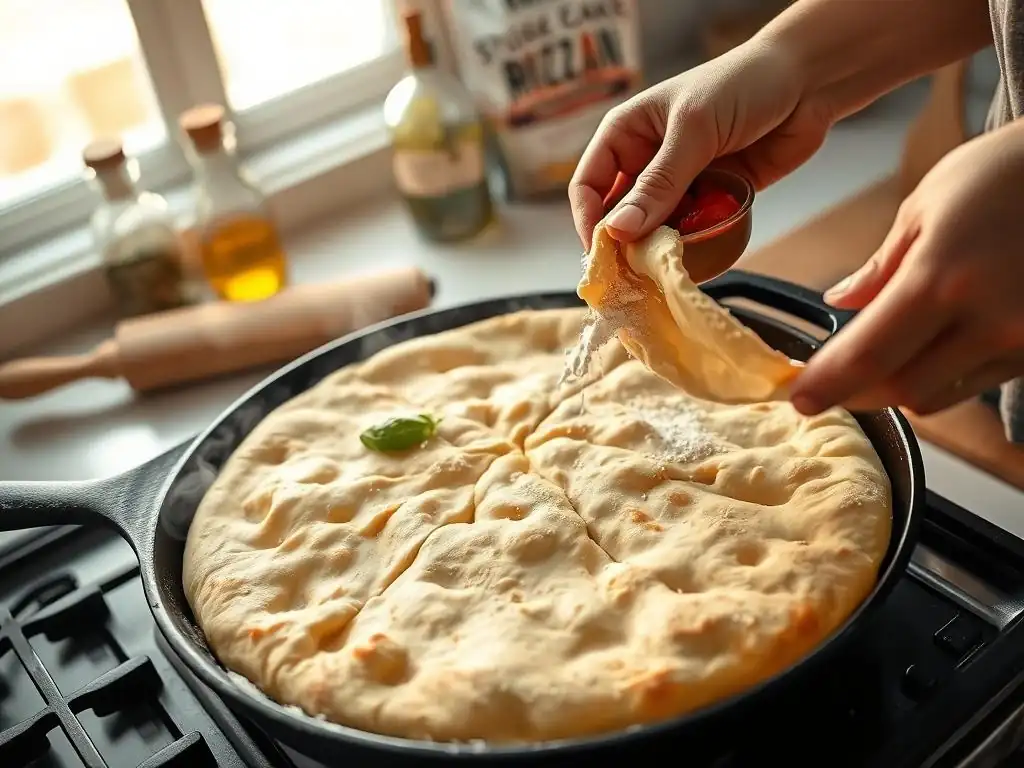
Can you bake frozen pizza dough?
Absolutely! Baking frozen pizza dough is a popular and effective way to make homemade pizza quickly. While store-bought frozen pizza dough might require some specific handling compared to fresh dough, it is designed to be baked after being frozen. The key lies in proper preparation, whether you choose to thaw it first or attempt to bake it directly from its frozen state, which often requires specific adjustments.
Many home cooks rely on frozen pizza dough for weeknight dinners because it drastically cuts down on preparation time. Understanding the best frozen pizza dough baking tips can elevate your result from merely edible to wonderfully crispy and delicious, rivaling pizzas made with fresh dough.
Baking Frozen Pizza Dough: Step-by-Step Instructions
Baking frozen pizza dough requires careful attention to temperature and time. For the best results, especially if you want a pliable dough to shape, thawing is recommended. However, if time is of the essence, some methods allow for baking from frozen, though shaping will be impossible. Here’s a general guide, incorporating valuable frozen pizza dough baking tips.
The process typically involves getting the dough to a state where it can be handled and shaped (if thawing) or placed directly onto a hot surface (if baking from frozen), adding toppings, and baking at a high temperature. Achieving a crispy crust while ensuring toppings are cooked through is the goal.
Step 1: Thawing the Frozen Pizza Dough (If Desired)
For optimal shaping and a more traditional crust texture, thawing is the preferred first step. The most recommended method is slow thawing in the refrigerator. Place the frozen dough ball in a lightly oiled bowl, cover it tightly with plastic wrap, and let it thaw for 8-12 hours, or overnight. This slow process allows the yeast to reactivate gently.
If you're in a hurry, you can try a quicker thaw method. Place the dough ball (still in its packaging or a sealed bag) in a bowl of cool water. Change the water every 30 minutes. This can take 1-3 hours depending on the size of the dough ball. Avoid using hot water or microwaving, as this can kill the yeast and result in a tough crust. Once thawed, let the dough rest at room temperature for about 30-60 minutes before shaping.
Step 2: Preparing the Pizza Dough for Baking
Once thawed and rested (or if you are attempting to bake from frozen), it's time to prepare the dough for the oven. If thawed, gently stretch or roll the dough into your desired pizza shape on a lightly floured surface. Be careful not to overwork the dough, which can make it tough. Transfer the shaped dough to your baking surface – a preheated pizza stone, baking steel, or baking sheet lined with parchment paper.
If baking from frozen, you'll likely place the solid dough disk directly onto your preheated baking surface. You'll then par-bake it briefly before adding toppings. For both methods, adding a light brush of olive oil to the edge of the crust can help it brown nicely.
Step 3: Baking the Pizza Dough from Frozen
Baking pizza requires high heat to achieve a crispy crust quickly. Preheat your oven, ideally with a pizza stone or steel inside, to a high temperature, typically between 450°F and 500°F (230°C - 260°C). If baking a thawed crust with toppings, it might take 12-20 minutes depending on the thickness and toppings.
When baking frozen pizza dough directly from frozen, you'll need to par-bake it first. Place the frozen dough disk on the hot surface and bake for about 5-8 minutes, until it's partially cooked but not browned. This par-baking step is crucial when applying frozen pizza dough baking tips, as it allows the dough to cook through before the toppings burn. Remove from the oven, add your sauce and toppings, and return to the oven to finish baking for another 8-15 minutes, until the crust is golden brown and the cheese is melted and bubbly.
Step 4: Monitoring and Adjusting Baking Time
Regardless of whether the dough was thawed or baked from frozen, monitoring the pizza closely during baking is essential. Oven temperatures can vary, and the thickness of your crust and the amount of toppings will impact the total baking time. Look for visual cues: the crust should be golden brown and slightly puffed, and the cheese should be fully melted and perhaps slightly browned in spots.
If the crust is browning too quickly but the toppings aren't done, you can loosely tent the pizza with foil. If the center seems undercooked, you might need a few extra minutes. Using a pizza peel makes transferring the pizza to and from a hot stone or steel easier and safer.
Preparing frozen slice-and-bake cookie dough is incredibly simple. Remove the cylindrical package from the freezer. Using a sharp knife, carefully slice the dough into rounds of your desired thickness, typically about 1/2 inch (1.2 cm). Aim for consistent thickness so the cookies bake evenly.
Place the sliced dough rounds onto a baking sheet. For best results and easy cleanup, line the baking sheet with parchment paper or a silicone baking mat. Leave adequate space between cookies, usually about 2 inches (5 cm), as they will spread slightly during baking. Do not let the dough thaw completely before slicing, as it becomes too soft and difficult to cut cleanly; it's easiest to slice when still quite firm.
Baking frozen slice-and-bake cookies usually requires a slightly different approach than baking the same dough when it's chilled but not frozen. While the package instructions often provide guidance, a common starting point is to bake them at the standard temperature recommended for the dough (often around 350°F or 175°C), but for a longer duration.
Expect to add anywhere from 2 to 5 minutes to the baking time recommended for chilled dough. For instance, if the package suggests 10-12 minutes for chilled dough, frozen cookies might need 12-17 minutes. Always refer to the package instructions first, but be prepared to adjust based on how your cookies look. They are typically done when the edges are lightly golden brown and the centers look set.
Achieving perfect results when baking from frozen is easily done with a few simple tips. The key is to compensate for the dough's frozen state to ensure even cooking and desirable texture. Don't overcrowd the baking sheet, as this can lower the pan's temperature and lead to uneven baking.
Using a properly preheated oven is crucial. Give your oven ample time to reach and stabilize at the target temperature before you put the cookies in. This ensures the dough starts baking immediately and consistently.
Ensuring Even Baking from Frozen
To promote even baking, especially when working with frozen dough which can sometimes result in cooler spots, consider rotating your baking sheet halfway through the baking time. If your oven has hot spots, this will help ensure all cookies brown at a similar rate. Placing the baking sheet in the center rack of the oven also contributes to more consistent heat distribution.
Another factor for even baking is the thickness of your slices. Try to make each cookie slice the same thickness. If some are significantly thicker than others, they will require more time to bake through, potentially leading to some cookies being overdone while others are still undercooked.
Preventing Burnt Edges When Baking Frozen Cookies
Burnt edges with undercooked centers can be a common issue when baking from frozen, particularly if the oven is too hot or the baking time is misjudged. Using parchment paper helps prevent the bottoms from burning. If you notice the edges browning too quickly, you can try lowering the oven temperature slightly (by 10-15°F or 5-8°C) or reducing the baking time.
Sometimes, placing a second empty baking sheet on the rack below the cookies can help insulate them from direct bottom heat, preventing the edges from crisping up too fast before the center is done. Monitoring closely and removing the sheet as soon as the edges are golden is your best defense.
Achieving a Soft and Chewy Texture
For cookies that are soft and chewy in the center, avoid overbaking. Cookies continue to cook slightly on the hot baking sheet after being removed from the oven. Take them out when the edges are set and lightly golden, but the centers still look a little soft or slightly underdone. Let them cool on the baking sheet for 2-5 minutes before transferring them to a wire rack to cool completely.
Baking at the correct temperature is also key. If the oven is too hot, the edges might set and brown too quickly, preventing the center from cooking through properly and staying soft. Using a lower temperature for a slightly longer time can sometimes help achieve a chewier texture throughout the cookie.
Troubleshooting Common Issues When Baking from Frozen
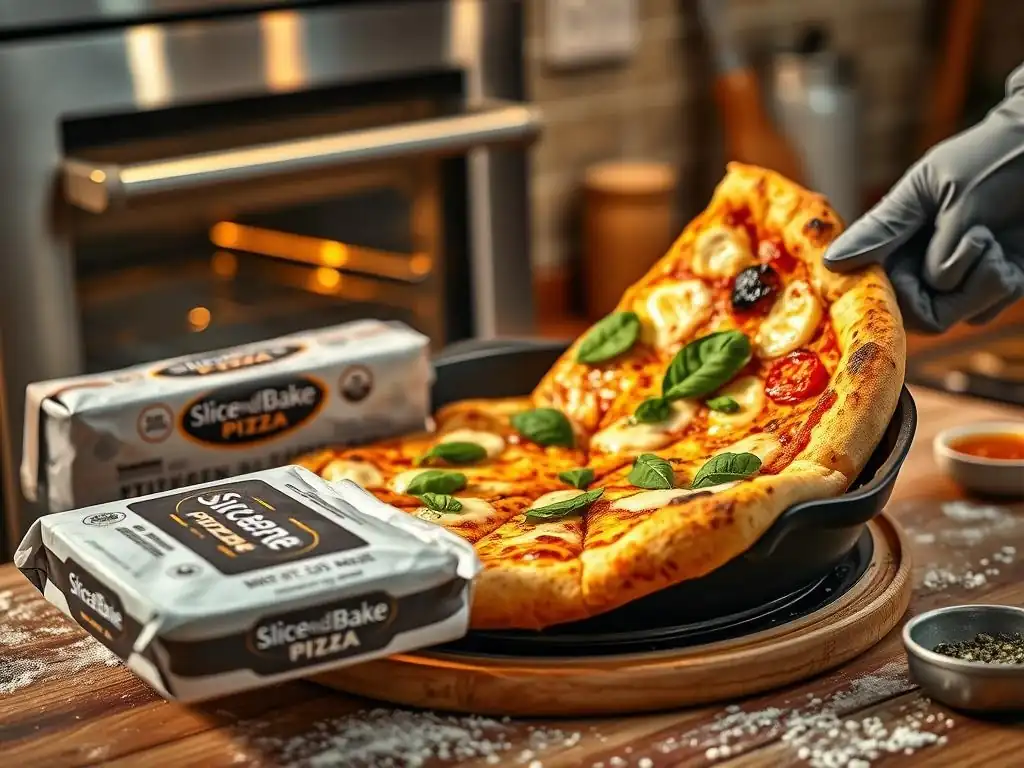
If your frozen slice-and-bake cookies spread excessively thin during baking, several factors could be at play. The dough might have thawed too much before baking, causing it to soften and spread faster in the oven. Ensure you slice and place the dough on the baking sheet while it's still quite firm from the freezer.
Another reason could be an oven temperature that is too low. If the oven isn't hot enough, the fat in the cookies melts before the structure of the cookie sets, leading to excessive spread. Double-check your oven temperature with an oven thermometer. Additionally, if the dough is past its expiration date, its structure might have degraded, contributing to spread.
Uneven baking is often a result of inconsistent oven temperature, hot spots within the oven, or cookies being placed too close together on the baking sheet. As mentioned earlier, rotating the baking sheet halfway through the baking time can help. Also, make sure your oven is fully preheated.
The temperature of the baking sheet itself can also affect evenness. Placing dough on a warm baking sheet (from a previous batch) will cause the cookies to start melting and spreading immediately, potentially leading to uneven results compared to placing them on a cool sheet. Always use cool or room-temperature baking sheets.
Dough Still Frozen in the Center
If you find the center of your cookies or even a pizza dough is still frozen or raw while the outside is cooked, it's a clear sign the baking time was insufficient or the oven temperature was too high relative to the time. When baking from frozen, the core of the dough takes longer to heat up and cook through than the outer layers.
For cookies, this means adding those crucial extra minutes to the baking time. For frozen pizza dough baking tips, especially when baking a disk directly from frozen, the par-baking step is absolutely vital to ensure the center begins to cook before toppings are added. If this happens regularly, try slightly lowering your oven temperature and increasing the baking time. Ensure you are placing the dough on a preheated surface (like a hot baking stone or steel for pizza) to help the heat penetrate quickly.
Expert Tips for Baking Frozen Dough Successfully
Optimize Your Oven Temperature for Frozen Baked Goods
Finding the perfect oven temperature is key when baking anything, but it's particularly important for frozen dough. While package instructions provide a starting point, your oven's calibration can make a difference. Many ovens run slightly hot or cool. Using an inexpensive oven thermometer can help you verify the actual temperature inside.
For most frozen baked goods, including slice-and-bake cookies and frozen pizza dough, a temperature range of 350°F to 450°F (175°C - 230°C) is common, with pizza often requiring the higher end for a crispy crust. Don't be afraid to experiment slightly with the temperature and time based on your oven and desired results. A slightly lower temperature for a longer time can promote more even cooking, while a higher temperature is great for crisping.
Using Parchment Paper for Easy Cleanup and Baking
Parchment paper is a baker's best friend, especially when working with frozen dough. Lining your baking sheets with parchment paper prevents the dough from sticking, making it incredibly easy to remove baked goods. This is particularly helpful for sticky doughs or when baking directly from frozen where the initial melting might cause sticking.
Beyond preventing sticking, parchment paper also aids in even browning on the bottom of cookies and pizzas and makes cleanup a breeze. You can often reuse the same piece of parchment paper for multiple batches of cookies if they aren't too greasy. It's a simple, low-cost tool that significantly improves the baking process.
Proper storage is essential to keep your leftover baked cookies fresh and delicious. Once cooled completely on a wire rack, store them in an airtight container at room temperature. Layering them between sheets of parchment paper can prevent them from sticking together.
Baked cookies will typically stay fresh for 3-5 days at room temperature. If you need to store them longer, they can be frozen in an airtight container or freezer bag for up to 2-3 months. Thaw them at room temperature or gently warm them in a low oven (around 250°F or 120°C) for a few minutes to regain that fresh-baked warmth.
Exploring Variations: Baking Different Types of Frozen Dough

Baking Frozen Scones: A Quick Guide
Frozen scones are another fantastic option for a quick breakfast or tea time treat. They are typically baked directly from frozen. Preheat your oven according to package directions, usually around 375°F to 400°F (190°C - 200°C). Place the frozen scones on a parchment-lined baking sheet, leaving space between them.
Bake for the time recommended on the package, which is usually longer than for fresh scones, often 20-30 minutes, until they are risen, golden brown, and cooked through in the center. The high initial heat helps them rise nicely before the interior bakes.
Baking Frozen Biscuits: From Freezer to Oven
Frozen biscuits, like scones, are designed to be baked straight from the freezer. Preheat your oven, typically to a high temperature like 400°F to 425°F (200°C - 220°C). Place the frozen biscuits on a baking sheet, sometimes touching each other for softer sides or spaced apart for crispier edges.
Bake for the time specified on the package, usually 15-25 minutes. They are done when they are puffed up and golden brown on top and bottom. The convenience of frozen biscuits makes warm, fluffy bread a possibility even on busy mornings.
Baking Frozen Croissants: Achieving Flaky Perfection
Baking frozen croissants requires a bit more nuance for truly flaky results. Many frozen croissants benefit from a slow thaw and proofing period overnight in the refrigerator before baking. This allows the layers to develop and the dough to become airy. Place them on a baking sheet lined with parchment paper, cover loosely with plastic wrap, and let them sit in the fridge.
The next morning, transfer the sheet to a warm spot (like a slightly warm oven turned off) for another 30-60 minutes to proof further until visibly puffed. Then, bake in a preheated oven (usually around 375°F or 190°C) for 15-25 minutes until deeply golden brown and flaky. Some frozen varieties can be baked directly from frozen, requiring a longer baking time at a slightly lower temperature.
Mastering the Art of Baking Frozen Dough: Final Thoughts
The Ease and Versatility of Baking from Frozen
Baking from frozen truly embodies ease and versatility in the kitchen. It takes the guesswork and time out of dough preparation, putting delicious baked goods within reach anytime. From the simple pleasure of a warm slice-and-bake cookie to the satisfaction of a homemade pizza using frozen pizza dough, the freezer is a powerful tool for any baker, beginner or experienced.
This method is perfect for busy schedules, reducing food waste by allowing you to bake only what you need, and providing instant gratification for those sudden baking urges. Embracing frozen dough options expands your ability to create wonderful treats and meals with minimal effort.
Elevate Your Baking with Frozen Dough Techniques
While baking from frozen is inherently simple, applying a few key techniques can elevate your results. Paying attention to oven temperature, using parchment paper, allowing proper thawing (when necessary, like for best frozen pizza dough baking tips), and adjusting baking time based on the frozen state are all crucial steps.
Don't hesitate to experiment slightly with temperatures and times to find what works best in your oven. With a little practice, you'll consistently achieve perfectly baked cookies, pizzas, and other treats straight from the freezer, making baking more accessible and enjoyable than ever before.
Frequently Asked Questions
How long should I thaw frozen pizza dough before baking?
Thawing is crucial! Ideally, let the frozen pizza dough thaw in the refrigerator for 24-48 hours. This allows for a slow, even thaw that develops better flavor.
Can I bake frozen pizza dough straight from the freezer?
While technically possible, it's not recommended. Baking directly from frozen will result in uneven baking and a tough crust. Thawing first is always best.
What is the best way to proof frozen pizza dough after thawing?
After thawing, let the dough proof at room temperature for about 30-60 minutes. This allows the yeast to activate and the dough to rise, creating a lighter, airier crust.
What temperature should my oven be for baking frozen pizza dough?
Preheat your oven to a high temperature, typically 450-500°F (232-260°C). This high heat ensures a crispy crust and even baking.
How can I prevent my frozen pizza dough from sticking to the baking surface?
Use parchment paper or a well-floured surface to prevent sticking. A pizza stone or baking steel also helps distribute heat evenly and create a crispier crust.
Final Reflection: The Unexpected Joy of Frozen Dough
The seemingly simple act of baking frozen pizza dough reveals a surprising depth of culinary possibility, impacting not only the final product but also our relationship with food itself. From perfectly crisp crusts to disastrously soggy bottoms, the journey of baking frozen dough highlights the importance of understanding the nuances of both the ingredients and the process. This isn't just about pizza; it's about mastering a fundamental skill that unlocks a world of creative baking.
The accessibility of frozen dough has democratized baking, allowing anyone, regardless of skill level, to create something delicious from scratch. This ease of access, however, often leads to a lack of understanding about the unique properties of frozen dough and how to best work with it. The best things in life are simple, but not always easy.
This quote perfectly encapsulates the challenge and reward of transforming a frozen disc of dough into a golden-brown, perfectly baked crust. The process itself becomes a meditative act, a connection to the simple pleasures of food preparation.
Now, consider your own baking journey. Have you ever wrestled with a stubbornly frozen dough disc? Have you ever achieved that perfect crisp? Take what you've learned here – from thawing techniques to oven temperature control – and apply it to your next baking adventure. Don't be afraid to experiment, to tweak the process, and to discover your own perfect method. The world of baking, even with frozen dough, is yours to explore. Embrace the challenge, and savor the delicious results.
Unleash Your Inner Baker: Effortless Frozen Dough Delights!
Thanks for joining us on this baking adventure! We hope you now feel confident tackling those frozen dough delights. Ready to take your baking skills to the next level?
- Bake your perfect treat today! Grab that frozen dough and put your newfound knowledge into action – we’d love to see your creations!
- Share your baking triumphs (and even your flour mishaps!) with us on social media using #BakeWithEaseFrozenDough. Let's inspire each other!
- Explore more easy recipes on BakeWithEase.com – we've got tons of helpful tips and tricks to make baking a breeze.
What delicious frozen dough recipe are you tackling next?