
BakeWithEase Guide to Simple Easter Baking

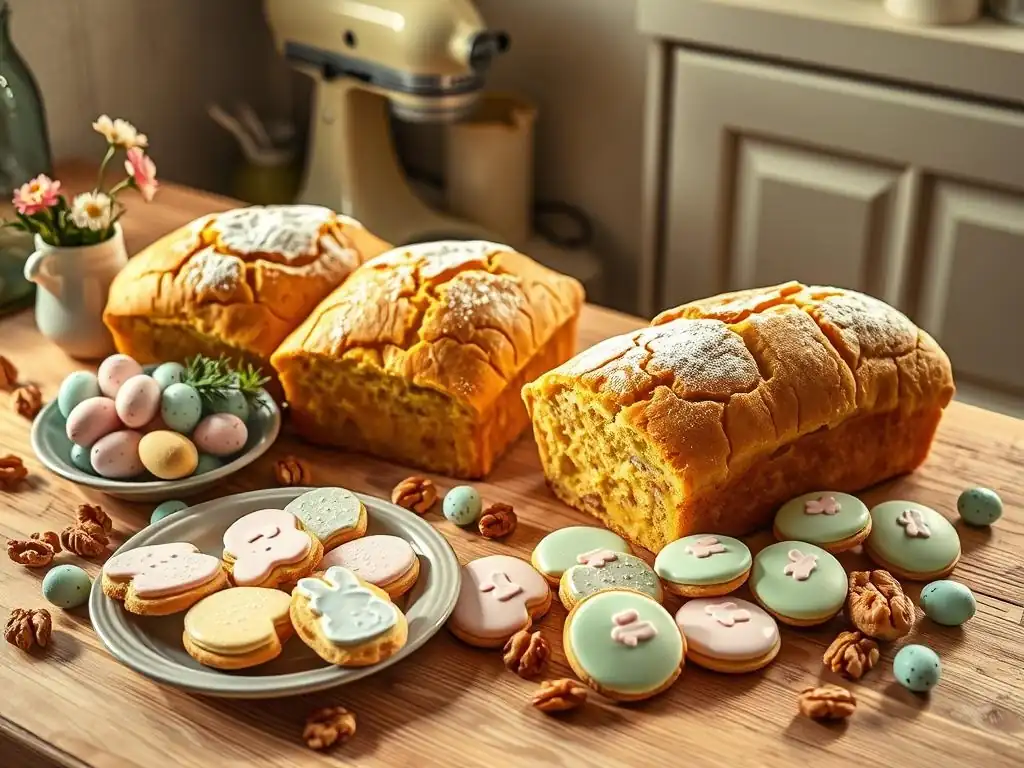
Welcome to BakeWithEase, your kitchen companion for all things baking! Are you ready to hop into the season with some delicious and stress-free treats? Our guide to Easy Easter Baking Recipes will unlock a world of delightful pastries and desserts, perfect for impressing your loved ones this holiday. Curious how to create a stunning Easter masterpiece without spending hours in the kitchen? Read on to discover our simple secrets!
- Discover Easy Easter Baking Recipes with BakeWithEase
- Top 5 Easy Easter Baking Recipes for Beginners
- Essential Tips for Easy Easter Baking Success
- Customizing Your Easy Easter Recipes
- Troubleshooting Common Easter Baking Problems
- Enjoy Your Easy Easter Baking Creations!
- Frequently Asked Questions
- Final Reflection: The Sweetness of Shared Moments
- Unleash Your Inner Easter Baker!
Discover Easy Easter Baking Recipes with BakeWithEase
Welcome Spring with Easy Baking
As the days grow longer and the world outside bursts into vibrant color, spring arrives, bringing with it the joyful celebration of Easter. This season is a wonderful time to gather with loved ones, and what better way to add warmth and sweetness to your celebrations than with homemade treats? Baking for Easter is a cherished tradition for many, symbolizing renewal and the simple pleasures of creating something delicious from scratch. It’s a chance to fill your kitchen with delightful aromas and create edible works of art that bring smiles to faces.
While intricate bakes can be rewarding, there's a unique charm and accessibility in focusing on easy Easter baking recipes. Think of cheerful bunny cookies, delightful chocolate nests, or a moist lemon cake – treats that capture the spirit of the holiday without requiring hours of complex work. This guide is designed to welcome bakers of all skill levels, especially beginners, into the world of simple Easter bakes. We believe that everyone should experience the joy of pulling a warm, fragrant creation from the oven, and Easter provides the perfect opportunity to start with achievable, delicious projects.
Why Choose Simple Easter Baking?
Opting for simple Easter baking recipes offers numerous advantages, particularly during a busy holiday season. Firstly, they are incredibly time-efficient. Instead of spending an entire afternoon wrestling with a multi-layered cake or complex pastry, you can whip up a batch of cookies or a quick loaf cake in an hour or two, leaving you more time to enjoy the festivities with family and friends. This is especially appealing for those new to baking, as shorter processes mean less chance for things to go wrong and quicker gratification.
Moreover, easy Easter baking recipes are generally more forgiving. They often rely on straightforward techniques and common pantry staples, reducing the stress associated with precise measurements and delicate methods. For instance, a simple muffin recipe is far less prone to issues than a finicky macaron. This approach makes baking accessible to children and adults alike, turning it into a fun, shared activity. The satisfaction derived from successfully creating a batch of delicious, simple Easter treats is immense, building confidence and encouraging future baking adventures without the intimidation factor of overly complicated endeavors.
Top 5 Easy Easter Baking Recipes for Beginners

Sugar cookies are a timeless favorite, and shaping them into Easter bunnies makes them perfectly festive. These easy Easter baking recipes are ideal for getting kids involved, from mixing the dough to decorating the baked cookies. The dough is simple to make, holds its shape well when baked, and provides a blank canvas for fun Easter-themed decorating.
This recipe focuses on creating a sturdy yet tender cookie that’s perfect for cutting out shapes. We'll guide you through the process, ensuring you get consistently good results. With just a few basic ingredients and an oven, you can create a batch of adorable and delicious Easter bunny cookies that are sure to be a hit.
Ingredients for Easter Bunny Cookies
- 225g unsalted butter, softened
- 150g caster sugar
- 1 large egg
- 1 tsp vanilla extract
- 400g plain flour, plus extra for dusting
- 1 tsp baking powder
- Pinch of salt
- Optional: Icing sugar and sprinkles for decoration
Step-by-Step Baking Guide: Easter Bunny Cookies
- In a large bowl, cream together the softened butter and caster sugar until light and fluffy. This usually takes about 3-5 minutes with an electric mixer.
- Beat in the egg and vanilla extract until well combined.
- In a separate bowl, whisk together the plain flour, baking powder, and salt.
- Gradually add the dry ingredients to the wet ingredients, mixing on a low speed or by hand until a dough forms. Be careful not to overmix.
- Divide the dough into two portions, flatten each into a disk, wrap in cling film, and chill in the refrigerator for at least 30 minutes. This makes the dough easier to roll.
- Preheat your oven to
180°C (160°C Fan / 350°F / Gas Mark 4). Line baking sheets with parchment paper. - On a lightly floured surface, roll out one disk of dough to about 5mm thickness. Use an Easter bunny cookie cutter to cut out shapes. Gather scraps, re-roll once, and cut more cookies.
- Place the cookies onto the prepared baking sheets, leaving a little space between them.
- Bake for 8-12 minutes, or until the edges are lightly golden. Baking time will vary depending on the size and thickness of your cookies.
- Leave the cookies on the baking sheet for a few minutes before carefully transferring them to a wire rack to cool completely. Once cool, decorate as desired with icing and sprinkles.
Recipe 2: Quick & Easy Mini Egg Chocolate Nests
These delightful nests are a classic easy Easter treat, requiring no baking whatsoever! They are incredibly simple to make, making them perfect for a last-minute activity or a fun project with young children. The combination of crunchy cereal, melted chocolate, and mini eggs is irresistible.
The beauty of this recipe lies in its simplicity. It involves melting chocolate and mixing it with cereal, then shaping the mixture into nests. You can use various cereals like shredded wheat or cornflakes. The key is to work quickly once the chocolate is melted before it sets.
Preparing Your Mini Egg Nests
- Gather your ingredients: about
200gof milk or dark chocolate (or a mix),75gof shredded wheat or cornflakes, and approximatelythree 80g bagsof mini chocolate eggs. - Break the chocolate into small pieces and place it in a heatproof bowl set over a pan of gently simmering water (ensure the bottom of the bowl doesn't touch the water). Stir occasionally until the chocolate is completely melted and smooth. Alternatively, you can melt the chocolate carefully in a microwave in 30-second bursts, stirring between each burst.
- While the chocolate is melting, lightly crush the cereal if using shredded wheat (or leave cornflakes whole). Place the cereal in a large bowl.
- Once the chocolate is melted, remove the bowl from the heat and pour the melted chocolate over the cereal in the large bowl. Gently stir until all the cereal is coated in chocolate.
Baking the Perfect Chocolate Nests
These nests are no-bake, so the "baking" step is actually setting them!
- Prepare a muffin tin by lining it with paper cases or using a silicone muffin tray.
- Working quickly while the chocolate-cereal mixture is still pliable, spoon spoonfuls of the mixture into the prepared muffin cases.
- Use the back of a spoon or your finger (careful, the chocolate might be warm!) to create a small indentation in the center of each nest, shaping it like a bird's nest.
- Place 2-3 mini chocolate eggs into the indentation of each nest.
- Transfer the muffin tin to the refrigerator and chill for at least 1 hour, or until the chocolate is completely set and the nests are firm.
- Once set, carefully remove the nests from the muffin tin. Store them in a cool place, but they are best enjoyed at room temperature. These easy Easter baking recipes alternative are always a crowd-pleaser.
Recipe 3: No-Bake Easter Egg Rocky Road
Rocky Road is another fantastic no-bake option that's incredibly adaptable and perfect for using up various sweet treats, including leftover Easter candy. This version incorporates mini Easter eggs and marshmallows for a festive twist. It's a simple mix-and-set process that yields rich, chewy, and crunchy squares.
The beauty of rocky road is its forgiving nature – precise measurements aren't strictly necessary, and you can easily swap ingredients based on what you have. This makes it one of the most flexible easy Easter baking recipes around.
Assembling Your No-Bake Rocky Road
- You'll need approximately
200gmilk or dark chocolate,100gbutter,2-3 tbspgolden syrup,100gdigestive biscuits (broken into pieces),50gmini marshmallows, and about100gmini Easter eggs (some left whole, some roughly chopped). - Line a square baking tin (roughly 20cm x 20cm) with parchment paper, leaving some overhang to help lift the finished rocky road out.
- In a heatproof bowl set over a pan of gently simmering water, melt the chocolate, butter, and golden syrup together, stirring until smooth. Remove from the heat.
- Add the broken digestive biscuits, mini marshmallows, and chopped mini Easter eggs to the melted chocolate mixture.
- Gently fold everything together until all the dry ingredients are well coated in the chocolate mixture.
Tips for the Best Easter Egg Rocky Road
- Use good quality chocolate for the best flavor and texture.
- Break the biscuits into varying sizes – some smaller crumbs, some larger chunks – for interesting texture. Aim for pieces roughly the size of a 10p coin.
- Reserve a few whole mini eggs to scatter on top of the mixture in the tin before chilling; this makes the finished rocky road look extra festive.
- Once the mixture is in the tin, press it down firmly and evenly with the back of a spoon or spatula to ensure it sets into a compact block.
- Chill in the refrigerator for at least 2-3 hours, or until completely firm.
- Use a sharp knife dipped in hot water and wiped dry to cut the rocky road into squares or rectangles for clean slices. This is a simple variation on classic easy Easter baking recipes.
Recipe 4: Simple Easter Lemon Drizzle Cake
A moist and zesty lemon drizzle cake is a wonderful addition to any Easter tea spread. This recipe is straightforward, using the all-in-one method where most ingredients are simply combined in one bowl. The bright citrus flavor is perfect for spring.
The key to a simple yet delicious lemon drizzle cake is using fresh lemons for both the cake batter and the drizzle. The drizzle is added while the cake is still warm, allowing the syrup to soak in and create an incredibly moist texture with intense lemon flavor.
Baking a Moist Lemon Drizzle Cake
- Preheat your oven to
180°C (160°C Fan / 350°F / Gas Mark 4). Grease and line a 2lb loaf tin with parchment paper. - In a large mixing bowl, combine
200gself-raising flour,200gcaster sugar,200gsoftened unsalted butter, 4 large eggs, and the zest of 1-2 lemons. - Using an electric mixer or a wooden spoon, beat the ingredients together until you have a smooth, well-combined batter. Be careful not to overmix.
- Pour the batter into the prepared loaf tin and level the surface with a spatula.
- Bake for 45-55 minutes, or until a skewer inserted into the center of the cake comes out clean. The top should be golden brown.
Creating the Perfect Lemon Drizzle
- While the cake is baking, prepare the drizzle. In a small bowl, mix the juice of 1-2 lemons with
85gcaster sugar. Stir until the sugar is mostly dissolved. - As soon as the cake is out of the oven, while it's still hot and in its tin, use the skewer to poke holes all over the top of the cake. Make sure to go almost to the bottom.
- Spoon or pour the lemon drizzle evenly over the hot cake, allowing it to soak into the holes.
- Let the cake cool completely in the tin before turning it out onto a wire rack. The drizzle will create a lovely slightly crisp top and a moist interior. This is one of those truly easy Easter baking recipes that delivers big on flavor.
Recipe 5: Easy Easter Simnel Muffins
Simnel cake is a traditional Easter bake, often featuring eleven marzipan balls representing the apostles. This muffin version simplifies the concept, creating individual portions with that classic Simnel flavor profile (spices and dried fruit) and a hint of marzipan. They are much quicker and easier than a full Simnel cake.
These muffins capture the essence of a classic Simnel cake in a more approachable format. They're moist, fruity, and the hidden marzipan adds a lovely surprise. This recipe is perfect for using up mixed dried fruit and getting a taste of tradition without the complexity of a large fruit cake.
Ingredients for Easter Simnel Muffins
200gself-raising flour1 tspmixed spice100gcaster sugar150gmixed dried fruit (sultanas, raisins, currants)50gglacé cherries, quartered50gmarzipan, cut into small cubes- 1 large egg
75mlmilk75mlvegetable oil or melted butter- Zest of 1 orange or lemon
- Optional: Extra marzipan rolled into small balls for topping
Baking Delicious Simnel Muffins
- Preheat your oven to
180°C (160°C Fan / 350°F / Gas Mark 4). Line a 12-hole muffin tin with paper cases. - In a large bowl, mix together the self-raising flour, mixed spice, and caster sugar.
- Stir in the mixed dried fruit and glacé cherries. Add the small cubes of marzipan and toss to coat them in the dry ingredients – this helps prevent them from sinking to the bottom during baking.
- In a separate jug, whisk together the egg, milk, vegetable oil (or melted butter), and orange or lemon zest.
- Pour the wet ingredients into the dry ingredients and mix gently with a spoon until just combined. Do not overmix; a few lumps are fine.
- Divide the batter evenly among the 12 muffin cases. If using, place a small marzipan ball on top of each muffin.
- Bake for 20-25 minutes, or until the muffins are golden brown and a skewer inserted into the center comes out clean.
- Let the muffins cool in the tin for a few minutes before transferring them to a wire rack to cool completely. These easy Easter baking recipes are perfect for a festive snack.
Essential Tips for Easy Easter Baking Success
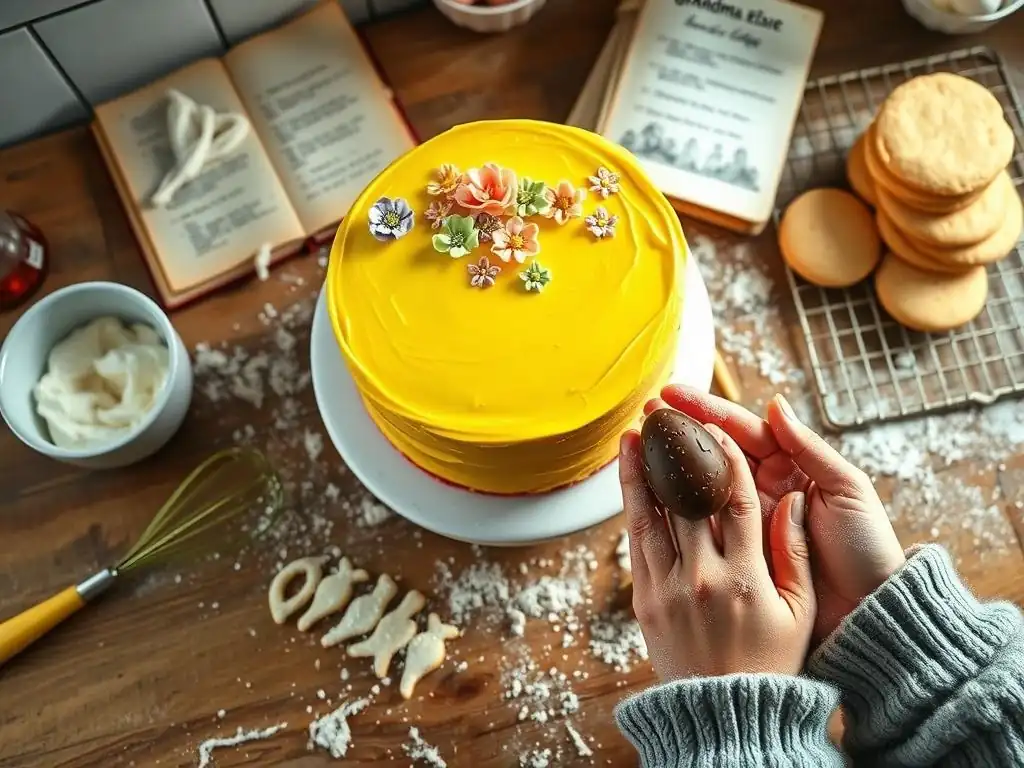
Ingredient Preparation: Key to Simple Baking
Success in any baking project, especially when aiming for easy Easter baking recipes, starts with proper ingredient preparation. Before you even turn on the oven or mixer, take a few moments to gather all your ingredients and measure them accurately. This is often called "mise en place" in professional kitchens and it dramatically reduces stress and errors during the baking process. Having everything ready means you won't suddenly realize you're missing flour mid-mix or have to stop to soften butter when the recipe calls for it.
Temperature matters significantly in baking. Ensure that ingredients like butter and eggs are at room temperature if the recipe specifies. Room temperature butter, for example, creams much better with sugar, leading to a lighter texture in cakes and cookies.
Eggs at room temperature emulsify more easily into batters. Taking 30-60 minutes to let these ingredients sit out before you begin can make a real difference in the outcome of your easy Easter bakes. Precision in weighing dry ingredients is also crucial; using kitchen scales is much more accurate than volume measures for flour and sugar, helping you achieve consistent results every time.
Mastering Basic Baking Techniques for Easter
While focusing on easy Easter baking recipes, understanding a few basic techniques will greatly improve your results. Creaming butter and sugar, for instance, is fundamental for many cookie and cake recipes. This process incorporates air into the mixture, which helps the bake rise and gives it a tender crumb. You'll know you've creamed enough when the mixture is pale and fluffy. Learning how to gently fold ingredients together, rather than vigorously mixing, is key when adding flour or delicate components like whipped cream or melted chocolate. Folding helps to keep air in the batter or mixture, preventing tough textures.
Another essential technique is knowing how to test for doneness. For cakes and muffins, inserting a skewer or toothpick into the center is a reliable method – it should come out clean (maybe with a few moist crumbs, but no wet batter). For cookies, look for lightly golden edges. Over-baking is a common mistake that can lead to dry results, so understanding these simple cues is vital for delicious easy Easter bakes. Don't forget the importance of cooling times; letting bakes cool on a wire rack prevents soggy bottoms and allows them to firm up properly.
Easy Easter Decoration Ideas for Your Bakes
Decorating your easy Easter baking recipes doesn't have to be complicated to be festive and fun! Simple touches can transform a plain cookie or cake into an Easter masterpiece. For sugar cookies, a simple glaze made from icing sugar and a little water or lemon juice is easy to mix and spread. You can divide the glaze and add a few drops of food coloring to create pastel shades perfect for spring. Edible sprinkles, nonpareils, or sanding sugar can be sprinkled onto wet glaze for instant sparkle and texture.
Beyond icing, consider using readily available Easter candies. Mini chocolate eggs are perfect for topping nests, cupcakes, or even pressing gently into the top of brownie batter before baking. Edible flowers or candied violets add an elegant, spring-like touch to cakes and cupcakes. Shredded coconut can be toasted lightly and used to mimic straw for nests. Even a dusting of icing sugar through a stencil (like a bunny or egg shape) onto a cake or brownie can create a charming effect with minimal effort, enhancing the visual appeal of your easy Easter bakes.
Customizing Your Easy Easter Recipes
Substituting Ingredients for Dietary Needs
Adapting easy Easter baking recipes to accommodate dietary needs is often simpler than you might think, especially with the wide range of alternative ingredients available today. For gluten-free bakes, many recipes can successfully use a good quality gluten-free flour blend. Look for blends that are specifically designed for baking cakes or cookies. You might need to slightly adjust liquid amounts or baking times, but the basic structure of many easy recipes lends itself well to this swap. Similarly, for dairy-free options, swap butter for a plant-based baking block and milk for almond, soy, or oat milk.
Egg substitutions can be a bit trickier but are possible for many simple recipes like muffins or quick breads. Options include mashed banana, applesauce, commercial egg replacers, or a 'flax egg' (1 tbsp ground flaxseed mixed with 3 tbsp water, left to sit for 5-10 minutes). It's often best to find recipes specifically developed to be vegan or egg-free for the most reliable results, but for simple bakes, these substitutions can work. Experimentation is key, but starting with easy Easter baking recipes provides a good foundation for learning how to adapt.
Adding Unique Flavors to Easter Baking
While classic flavors are wonderful, easy Easter baking recipes are also a great canvas for experimenting with unique flavor combinations. Beyond standard vanilla and lemon, consider adding spices like cardamom, ginger, or a touch of nutmeg to your cookie dough or cake batter for warmth. Citrus zest from oranges or limes can brighten up almost any sweet bake. Extracts like almond, orange blossom water, or even a hint of rosewater can add sophisticated notes to simple sponges or icings.
Incorporating different mix-ins is another easy way to add flavor and texture. Try adding dried cranberries, chopped apricots, or different types of nuts to muffins or rocky road. Chocolate chips or chunks come in various flavors (dark, milk, white, even flavored like caramel or mint) and can easily be stirred into batters. For an adult twist, a splash of liqueur like Cointreau in a lemon drizzle or a hint of rum in rocky road can elevate the flavors significantly. Simple additions can transform basic easy Easter bakes into something truly special.
Getting Creative with Easter Baking Decorations
Even with simple Easter baking recipes, the decoration stage offers endless possibilities for creativity. Instead of just plain icing, try different techniques. Drizzling melted white or colored chocolate over cookies or cakes creates a professional look with minimal effort. You can achieve a marbled effect by swirling two colors together with a skewer. Using piping bags with different nozzles allows for simple borders, swirls, or dots on cupcakes or cookies – even a basic round nozzle can create lovely effects.
Think about using edible glitter or luster dust to add shimmer to your finished bakes. Edible pens can be used to draw simple faces on bunny cookies or patterns on eggs. Stencils aren't just for icing sugar; you can use them with cocoa powder on lighter surfaces or even with edible spray colors. Creating simple edible elements like little marzipan carrots for a carrot cake or small royal icing flowers can add charming detail. The goal is fun and festive, not perfection, making the decoration of easy Easter bakes a joyful part of the process.
Troubleshooting Common Easter Baking Problems
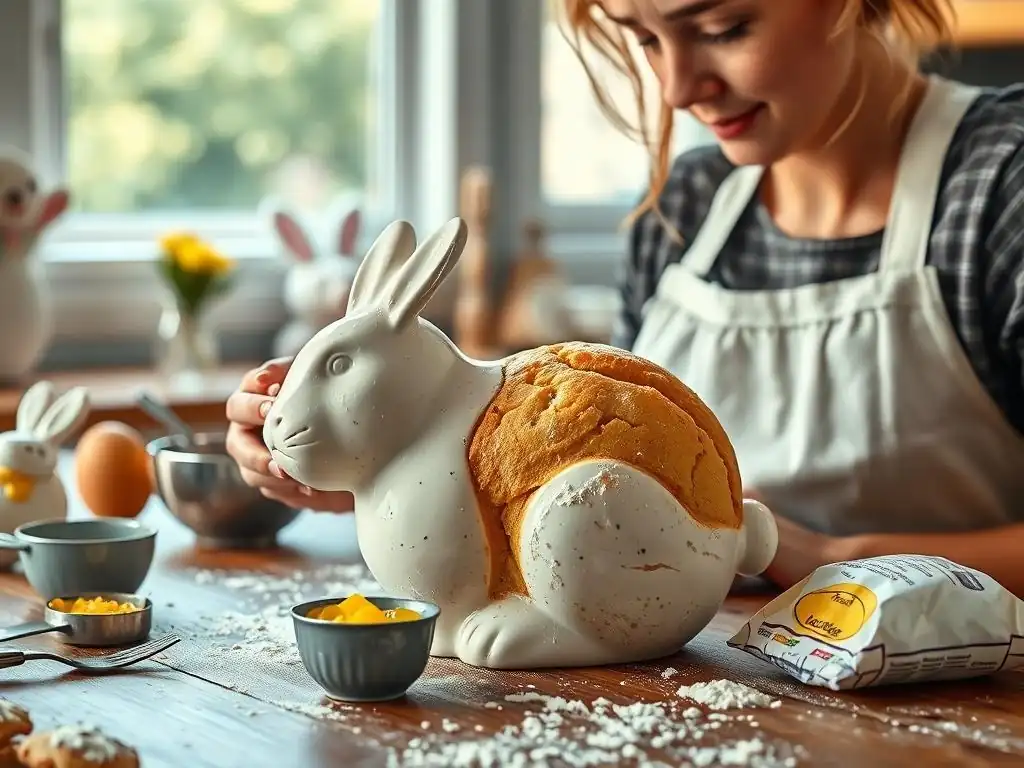
One of the most common issues encountered in baking, even with easy Easter baking recipes, is ending up with dry cakes or cookies. This is often caused by over-mixing the dough or batter, which can develop the gluten too much, resulting in a tough texture. Mixing just until the ingredients are combined is usually sufficient for most easy recipes. Another primary culprit is over-baking. Ovens can vary, so relying solely on the time specified in a recipe without checking for doneness can lead to bakes spending too long in the heat.
To prevent dryness, always check your bakes a few minutes before the minimum baking time suggested in the recipe. For cakes and muffins, the skewer test is your best friend. For cookies, look for visual cues like lightly golden edges.
Using the correct fat (like butter or oil as specified) and ensuring it's at the right temperature (often softened butter) is also crucial for moisture. If a cake does turn out a little dry, a simple syrup or drizzle (like the lemon drizzle recipe) can help add moisture back in, turning a potential fail into a delicious treat. These simple checks are key for successful easy Easter bakes.
Preventing Soggy Bottoms
Nobody wants a soggy bottom on their cake or tart, and this can sometimes happen with easy Easter baking recipes, especially those with fruit or a wet filling. Soggy bottoms occur when the base doesn't cook through properly or absorbs too much moisture from the filling or the air. For cakes baked in tins, ensuring the oven is preheated correctly and that the tin is placed on a rack in the center of the oven helps ensure even heat distribution, allowing the base to cook at the same rate as the top.
For recipes involving fruit, such as the Simnel muffins, coating the fruit lightly in flour before adding it to the batter can help prevent it from sinking and releasing too much moisture into the base. If you're adapting a recipe or trying something new, blind baking a pastry crust before adding a wet filling is a standard technique, though less common in truly easy bakes like muffins or simple cakes.
For loaf cakes, ensure they cool properly on a wire rack immediately after coming out of the tin to allow air circulation around the base, preventing steam from condensing and making the bottom soggy.
Handling Cracked Easter Bakes
Cracks on the surface of cakes or muffins can sometimes appear, particularly on loaf cakes like the Lemon Drizzle. While often considered a sign of a well-risen loaf cake, excessive cracking can be frustrating. Cracking usually happens when the surface of the bake sets before the inside has finished rising. As the inside continues to expand, it pushes up and breaks through the set crust. This can be caused by the oven being too hot, causing the outside to cook too quickly, or by a batter that is too stiff.
To minimize cracking in easy Easter baking recipes, ensure your oven temperature is accurate – an oven thermometer can be helpful. If you suspect your oven runs hot, try reducing the temperature slightly. For cakes, ensuring your batter isn't overmixed and contains the right amount of liquid helps keep it from being too stiff.
Sometimes, placing a small oven-safe dish of water on the bottom rack of the oven can create steam, which keeps the surface of the cake more pliable for longer, allowing it to rise more evenly without cracking. For many easy bakes, a small crack is perfectly normal and doesn't affect the taste!
Enjoy Your Easy Easter Baking Creations!
One of the most rewarding aspects of making easy Easter baking recipes is the joy of sharing your creations. Easter is a time for gathering, and bringing a batch of homemade cookies, muffins, or a simple cake is a wonderful way to contribute to the festive spirit. Whether it's a family brunch, a casual get-together with friends, or simply dropping off a plate of treats for neighbors, sharing your bakes spreads happiness and warmth.
Presentation doesn't have to be elaborate. Arranging cookies on a festive plate, boxing up muffins in colorful cases, or simply slicing a cake and serving it with a flourish makes your effort feel special. Mentioning that they are homemade easy Easter bakes adds a personal touch that is always appreciated. Don't be shy about sharing your newfound skills and the delicious results – it might even inspire others to try their hand at simple baking!
Storing Your Easter Treats Properly
Ensuring your easy Easter baking recipes stay fresh and delicious is important, especially if you've baked ahead of time or have leftovers. The best storage method depends on the type of bake. Cookies, once completely cooled, are best stored in an airtight container at room temperature. If you're storing different types of cookies together, they can sometimes transfer flavors, so separate containers are ideal if flavors are distinct. Most cookies will stay fresh for 3-5 days.
Cakes and muffins should also be stored in airtight containers at room temperature. If the cake has a moist glaze or frosting, a container helps keep it from drying out. Loaf cakes can sometimes be wrapped tightly in cling film before being placed in a container for extra freshness.
Most cakes and muffins are best enjoyed within 2-4 days. Rocky road and chocolate nests, being no-bake and often containing chocolate, should be stored in the refrigerator in an airtight container, where they will keep well for up to a week. Always ensure bakes are completely cool before storing to prevent condensation, which can lead to sogginess or spoilage.
Frequently Asked Questions
What makes a baking recipe "easy" for Easter?
Easy Easter baking recipes typically involve minimal steps, readily available ingredients, and simple techniques suitable for beginner bakers.
What are some popular categories of Easter baking recipes?
Popular categories include cookies, cakes, and breads, often featuring Easter-themed decorations like pastel colors and egg shapes.
Where can I find step-by-step instructions for these recipes?
BakeWithEase.com offers detailed, step-by-step guides for a variety of Easter baking recipes, designed to be easy to follow for all skill levels.
What kind of ingredients will I need for easy Easter baking?
Common ingredients include flour, sugar, eggs, butter, and leavening agents, along with Easter-specific items like food coloring and decorative sprinkles.
What if I'm new to baking; is there a good place to start?
Absolutely! BakeWithEase.com is designed for bakers of all levels, offering beginner-friendly recipes and helpful tips to get you started with confidence.
The enduring appeal of baking, especially during holidays like Easter, lies not just in the delicious results, but in the process itself—a process that fosters connection and creates lasting memories. Easy Easter baking, as explored in this guide, isn't merely about following recipes; it's about embracing a tradition that brings families and communities together. The simplicity of these recipes allows even novice bakers to participate, amplifying the joy and shared experience.
The impact of simple, accessible recipes extends far beyond the kitchen table. It's about fostering a sense of community and shared accomplishment, reminding us of the importance of slowing down and connecting with loved ones. The best things in life are homemade.
This sentiment resonates deeply, especially when considering the tangible results of shared baking experiences—the warm aroma filling the kitchen, the collaborative effort, and the ultimate satisfaction of enjoying the fruits of your labor together.
Now, I invite you to consider your own baking traditions. Perhaps this guide has inspired you to try a new recipe, or maybe it's reignited a passion for creating sweet treats with loved ones. Whatever your takeaway, remember that the true magic of baking lies not just in the perfect rise or the flawless frosting, but in the moments shared while creating something delicious and meaningful. So, gather your ingredients, invite your friends and family, and let the joy of easy Easter baking fill your home with warmth and happiness.
Unleash Your Inner Easter Baker!
Thanks for joining us on this delicious journey into simple Easter baking! We hope you've found some inspiration and new techniques to create sweet treats that will impress. Now it's time to put your newfound skills to the test!
- Whip up your favorite recipe from the guide: Choose the Easter treat that called to you most and get baking! We can't wait to see your creations.
- Share your baking adventure: Snap a picture of your finished masterpiece and post it on social media using #BakeWithEaseEaster. Let's inspire each other!
- Explore more Easter baking ideas: Dive deeper into our recipe archives for even more seasonal inspiration – you might discover your new favorite dessert!
What Easter treat are you most excited to bake first? Let us know in the comments below!