
Easy Easter Baking: Simple Recipes for Beginners

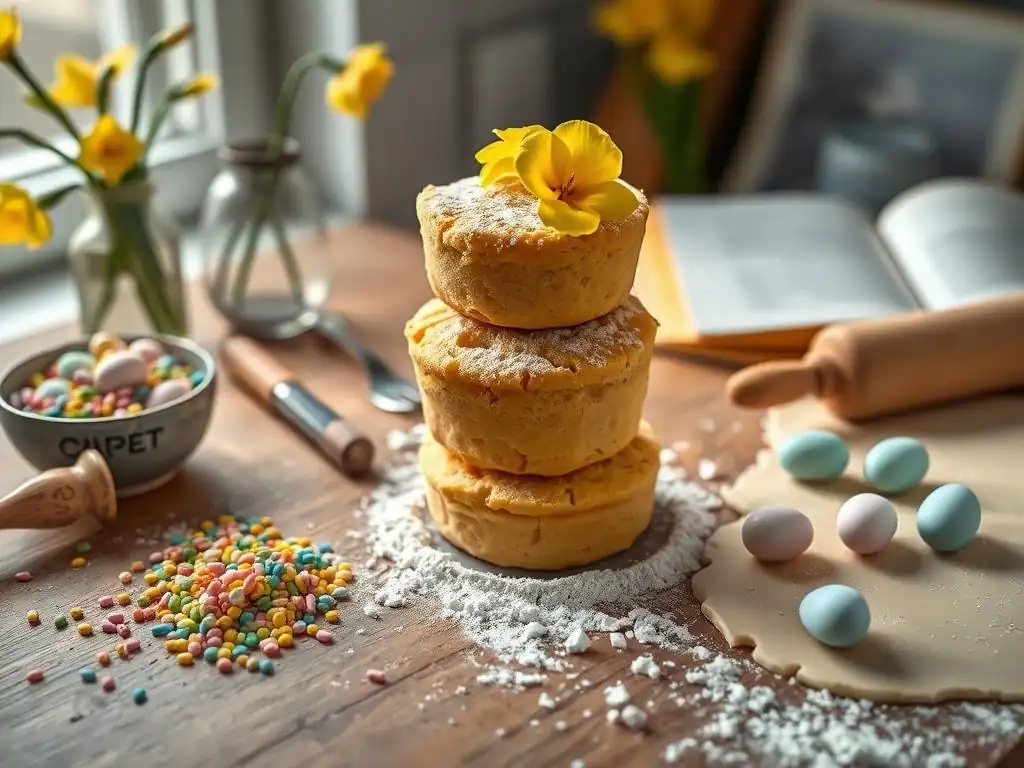
Welcome to BakeWithEase, your kitchen companion for all things baking! Ever dreamt of creating delightful Easter treats without the fuss? We're here to unveil the secrets to effortless baking. Dive into our collection of Easy Easter Baking Recipes for Beginners and discover how simple it can be to whip up stunning pastries and desserts that will impress your family and friends. Intrigued? The journey to baking bliss starts now!
- BakeWithEase Presents: Your Guide to Easy Easter Baking
- Delicious and Simple Easter Baking Recipes for Beginners
- Essential Baking Tools and Ingredients for Easter (Beginner-Friendly)
- Recipe 1: Lemon Poppy Seed Cupcakes with Cream Cheese Frosting
- Recipe 2: No-Bake Chocolate Peanut Butter Eggs
- Recipe 3: Simple Easter Shortbread Cookies
- Baking Safety Tips for Beginners This Easter
- More Easy Easter Baking Ideas for Beginners
- Enjoy Your Easy Easter Baking Creations!
-
Frequently Asked Questions
- What are some easy Easter baking recipes suitable for beginners?
- Where can I find step-by-step guides for baking these recipes?
- Are there any tips for making Easter baking easier for novices?
- What kind of pastries or cakes can I bake for Easter that are simple?
- What if I want to advance beyond the beginner Easter recipes?
- Final Reflection: The Sweetness of Shared Moments
- Unleash Your Inner Easter Baker!
BakeWithEase Presents: Your Guide to Easy Easter Baking
Easter is a time for celebration, renewal, and, of course, delicious treats! If you're new to baking or just looking for straightforward recipes that deliver impressive results, you've come to the right place. At BakeWithEase, we believe that anyone can create beautiful and tasty baked goods, and the Easter season offers a fantastic opportunity to start. Forget complicated techniques and intimidating ingredient lists; we're focusing on the joy and simplicity of making delightful easy Easter baking recipes for beginners.
This guide is designed to walk you through some truly simple Easter baking projects. We've selected recipes that require minimal special equipment and use readily available pantry staples. Whether you're whipping up a batch of cheerful cupcakes, crafting adorable no-bake treats, or baking classic shortbread cookies, these beginner-friendly Easter treats are perfect for sharing with family and friends or simply enjoying yourself. Get ready to fill your kitchen with wonderful aromas and create sweet memories this spring!
Delicious and Simple Easter Baking Recipes for Beginners
Discover Easy Easter Treats You Can Bake Today
Embarking on your baking journey this Easter is simpler than you might imagine. Many classic Easter treats are inherently beginner-friendly, relying on basic techniques like mixing, shaping, and simple decorating. Consider options like easy sugar cookies cut into festive shapes like bunnies or eggs, or perhaps a simple lemon loaf cake with a bright glaze.
These recipes typically involve creaming butter and sugar, adding dry ingredients, and then baking until golden – processes that build confidence quickly. Our focus is on helping you find easy Easter baking recipes for beginners that yield satisfying results without the stress often associated with more complex bakes.
Beyond traditional cakes and cookies, explore treats that require little to no baking at all! No-bake chocolate peanut butter nests topped with candy eggs, or simple rice crispy treats shaped and decorated for the holiday, are fantastic starting points. These types of simple Easter baking projects are great for getting comfortable with measuring and mixing ingredients, and they offer immediate gratification. The key is to choose recipes with clear, step-by-step instructions and a limited number of components, ensuring a positive and enjoyable experience from start to finish.
Why Easter Baking is Easier Than You Think
Many people feel intimidated by baking, imagining complex processes and the need for perfect precision. However, easy Easter baking recipes for beginners are specifically designed to be forgiving. Unlike delicate pastries or elaborate bread, the recipes we're highlighting often use robust ingredients that are less sensitive to minor measurement variations. For example, a simple cookie dough or cupcake batter is quite resilient and will still turn out well even if your measurements aren't exactly to the gram, as long as you follow the general proportions. This flexibility makes it a great starting point for building foundational skills.
Furthermore, Easter baking often focuses on fun and festive presentation rather than intricate techniques. Simple decorations like sprinkles, basic icing, or candy additions can transform even the most straightforward bake into something special and celebratory. This means you can achieve impressive visual results with minimal effort. The goal is to enjoy the process and the delicious outcome, not to stress over perfection. Embrace the learning curve, know that minor imperfections are part of the charm, and discover just how accessible simple Easter baking can be.
Essential Baking Tools and Ingredients for Easter (Beginner-Friendly)
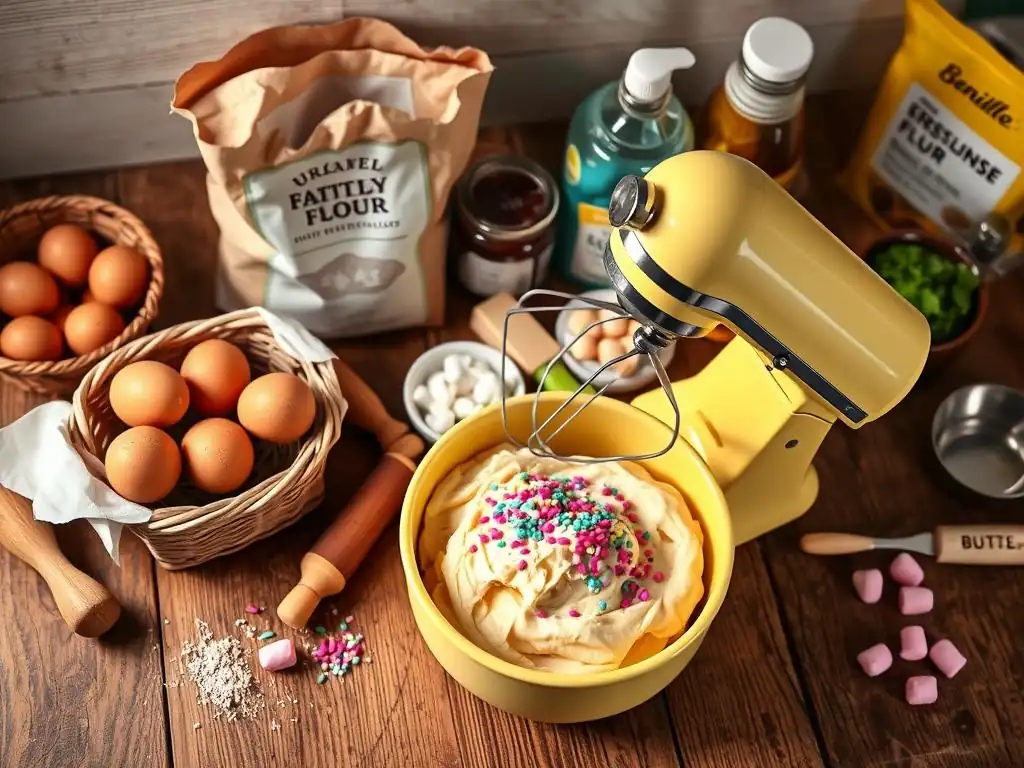
Must-Have Baking Tools for Easy Easter Recipes
You don't need a professional kitchen setup to tackle easy Easter baking recipes for beginners. A few basic tools will get you started. At a minimum, you'll want a set of mixing bowls (one medium, one large), measuring cups (both dry and liquid), and measuring spoons. A whisk is essential for incorporating air into batters, and a rubber spatula or wooden spoon is perfect for mixing and scraping down bowls. An electric hand mixer can be helpful for creaming butter and sugar but isn't strictly necessary for many simple Easter baking projects; manual mixing works just fine.
Other useful items include baking sheets lined with parchment paper (for cookies and other baked goods), cupcake or muffin tins (if you plan on making cupcakes), and cooling racks to ensure your baked goods cool evenly. For decorating, a few small bowls for mixing icing colors and a simple offset spatula or butter knife for spreading frosting are sufficient. Don't feel pressured to buy specialized gadgets right away. Start with the basics, and you'll find that these fundamental tools are versatile enough for countless easy Easter recipes.
Stocking Your Pantry: Essential Ingredients for Easter Baking
For most easy Easter baking recipes for beginners, you'll find yourself reaching for common pantry staples. Flour (all-purpose is usually specified unless noted otherwise), granulated sugar, brown sugar, baking powder, baking soda, and salt form the base of many recipes. Unsalted butter (softened to room temperature is often key) and large eggs are also fundamental. Vanilla extract adds a touch of warmth and flavor to almost everything.
Beyond these basics, think about flavors and decorations commonly associated with Easter. Lemon juice and zest are popular for their bright, springy taste, as seen in many simple Easter baking ideas. Cocoa powder and chocolate chips are essential for chocolatey treats. Confectioners' sugar (powdered sugar) is needed for simple glazes and frostings. And, of course, don't forget the fun stuff like sprinkles, food coloring (pastel colors are classic for Easter), and small candy decorations like jelly beans or mini chocolate eggs. Having these items on hand will ensure you're ready to bake whenever the mood strikes.
Recipe 1: Lemon Poppy Seed Cupcakes with Cream Cheese Frosting
Simple Lemon Poppy Seed Cupcakes Recipe
These Lemon Poppy Seed Cupcakes are a wonderfully light and flavorful option, perfect for easy Easter baking recipes for beginners. The recipe typically starts by creaming together 1/2 cup (1 stick) softened unsalted butter with 1 cup granulated sugar until light and fluffy, which takes about 3-5 minutes with a hand mixer or 5-7 minutes by hand.
Then, you'll beat in 2 large eggs, one at a time, followed by 1 teaspoon of vanilla extract. In a separate bowl, whisk together 1 and 1/2 cups all-purpose flour, 1 and 1/2 teaspoons baking powder, 1/4 teaspoon salt, and 2 tablespoons poppy seeds.
The wet and dry ingredients are then combined alternately with 1/2 cup of milk and the zest and juice of one lemon. Start by adding about a third of the dry ingredients to the butter mixture, mix until just combined, then add half of the milk and lemon juice mixture, mix, and repeat, ending with the dry ingredients. Be careful not to overmix the batter; a few lumps are okay.
Pour the batter into lined muffin tins, filling each cup about two-thirds full. Bake in a preheated oven at 350°F (175°C) for approximately 18-22 minutes, or until a toothpick inserted into the center comes out clean. This straightforward process makes it one of the most accessible easy Easter recipes.
Decorating Lemon Poppy Seed Cupcakes: A Step-by-Step Guide
Decorating these cupcakes is where the Easter fun really begins, keeping it simple for beginner-friendly Easter treats. A classic cream cheese frosting pairs beautifully with the lemon flavor. To make it, beat together 8 ounces softened cream cheese and 1/2 cup softened unsalted butter until smooth. Gradually beat in about 3-4 cups of confectioners' sugar until you reach your desired consistency, adding 1 teaspoon vanilla extract and a pinch of salt. For an extra citrus kick, you can add 1-2 teaspoons of fresh lemon juice.
Once your cupcakes are completely cool, you can frost them. For a simple look, just use an offset spatula or a butter knife to swirl frosting onto the tops. If you want a slightly neater look, you can use a piping bag fitted with a large round or star tip, but even just snipping the corner off a zip-top bag works in a pinch.
Finish with festive Easter sprinkles, a few extra poppy seeds sprinkled on top, or even a small candy Easter egg placed gently in the center. This simple approach to decorating is perfect for easy Easter baking recipes for beginners, allowing for creativity without complexity.
Tips for Perfect Lemon Poppy Seed Cupcakes
Getting the perfect texture in your cupcakes is key to successful simple Easter baking. Ensure your butter and cream cheese for the frosting are properly softened to room temperature; this makes them cream together smoothly without lumps. Eggs should also be at room temperature for better incorporation into the batter. When mixing the wet and dry ingredients, mix just until combined. Overmixing can develop the gluten in the flour, resulting in tougher cupcakes.
Another tip for moist cupcakes is not to overbake them. Start checking for doneness around the 18-minute mark. A toothpick test is reliable: if it comes out clean or with just a few moist crumbs attached, they are ready. If it comes out with wet batter, they need more time.
Let the cupcakes cool in the tin for about 10 minutes before transferring them to a wire rack to cool completely before frosting. Frosting warm cupcakes will cause the frosting to melt right off. Following these simple tips will help ensure your easy Easter recipes turn out beautifully every time.
Recipe 2: No-Bake Chocolate Peanut Butter Eggs
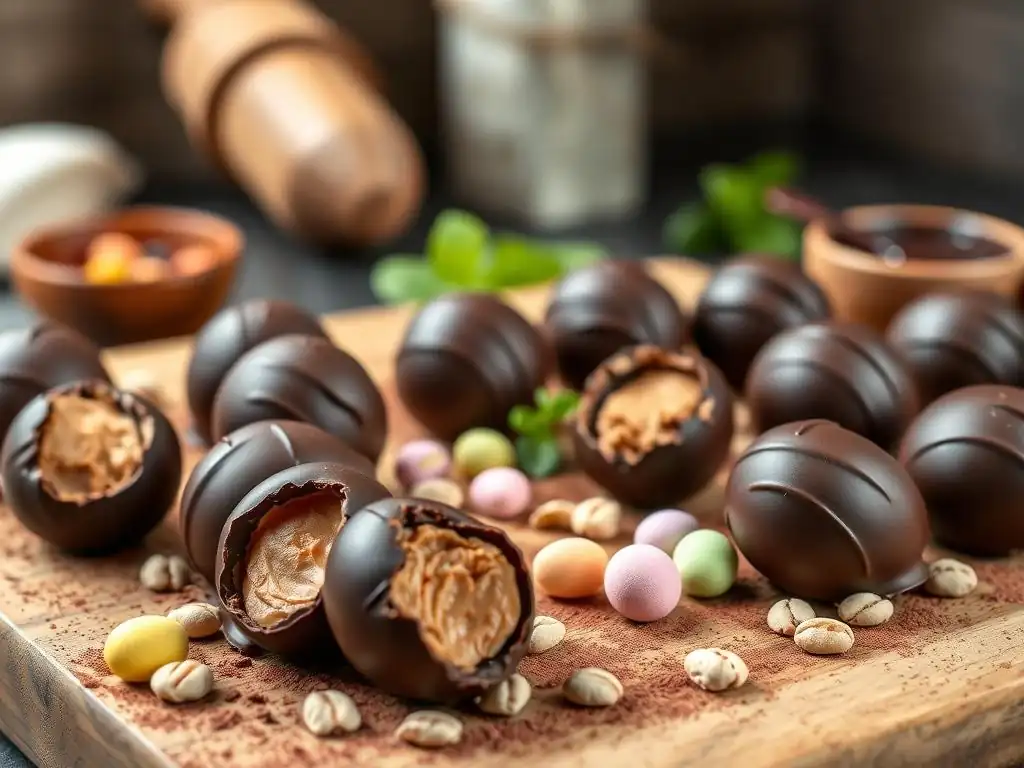
Ingredients for No-Bake Chocolate Peanut Butter Eggs
These No-Bake Chocolate Peanut Butter Eggs are incredibly simple and require no oven time, making them ideal easy Easter baking recipes for beginners. You'll need about 1 and 1/2 cups of creamy peanut butter. The type of peanut butter can affect the consistency; natural peanut butter that requires stirring might make the mixture a bit softer, while conventional creamy peanut butter works very well for shaping. You'll also need 1/2 cup (1 stick) of unsalted butter, softened to room temperature.
The sweet base comes from approximately 1 teaspoon of vanilla extract and about 3 to 4 cups of confectioners' sugar (powdered sugar). The amount of sugar needed can vary slightly depending on the humidity and the type of peanut butter used, so it's best to add it gradually until the mixture is firm enough to shape.
Finally, you'll need about 1 to 1 and 1/2 cups of chocolate chips (milk, semi-sweet, or dark chocolate work well) and 1 tablespoon of shortening or coconut oil for the chocolate coating. These simple ingredients come together quickly for a delightful simple Easter baking project.
Step-by-Step Instructions: Making Chocolate Peanut Butter Eggs
Creating these no-bake treats is straightforward, perfect for beginner-friendly Easter treats. First, in a large bowl, beat together the softened peanut butter and softened butter until well combined and smooth. Beat in the vanilla extract. Gradually add the confectioners' sugar, about a cup at a time, mixing on low speed (if using a mixer) or stirring vigorously by hand until a thick, dough-like consistency forms. You should be able to roll the mixture into shapes without it being overly sticky.
Once the mixture is ready, scoop out portions (about 1-2 tablespoons each) and roll them into egg shapes. Place the shaped eggs on a baking sheet lined with parchment paper. Pop the sheet into the freezer for about 15-20 minutes to firm up the eggs; this makes them much easier to dip in chocolate. While the eggs are chilling, melt the chocolate chips with the shortening or coconut oil in a microwave-safe bowl, heating in 30-second intervals and stirring until smooth, or melt them gently over a double boiler.
Dip each chilled peanut butter egg into the melted chocolate, coating completely, letting excess chocolate drip off, and return them to the parchment-lined sheet. Let the chocolate set at room temperature or in the refrigerator. This process is a fantastic example of easy Easter recipes that deliver impressive results.
Variations: Adding Your Own Twist to Chocolate Peanut Butter Eggs
These No-Bake Chocolate Peanut Butter Eggs are a versatile base for exploring simple Easter baking. You can easily customize the flavor profile. Try adding a pinch of salt to the peanut butter mixture to enhance the sweet and salty contrast. For a different texture, you could use crunchy peanut butter, although shaping might be slightly trickier. Experiment with different types of chocolate for the coating – white chocolate, dark chocolate, or even colored candy melts can create a fun look.
Consider adding mix-ins to the peanut butter mixture before shaping. A few tablespoons of finely chopped nuts, mini chocolate chips, or even crushed graham crackers can add interesting texture and flavor. Instead of dipping, you could simply drizzle the melted chocolate over the shaped eggs for a lighter coating. For extra decoration, sprinkle the wet chocolate coating with chopped nuts, sprinkles, or flaky sea salt before it sets. These simple variations allow you to personalize your easy Easter baking recipes for beginners and make them uniquely yours.
Shortbread cookies are a classic for a reason: they are incredibly simple to make and deliciously buttery, making them perfect easy Easter baking recipes for beginners. The basic recipe typically involves just three ingredients: butter, sugar, and flour. A common ratio is 1 part sugar, 2 parts butter, and 3 parts flour, by weight or volume, though variations exist. A simple recipe might call for creaming together 1 cup (2 sticks) softened unsalted butter with 1/2 cup granulated or confectioners' sugar until combined.
Then, gradually add 2 cups of all-purpose flour, mixing on low speed or by hand until the mixture just comes together into a dough. Be careful not to overmix. The dough might be slightly crumbly at first but should come together when pressed.
You can gently knead it a couple of times on a lightly floured surface if needed. Pat the dough into a disc, wrap it in plastic wrap, and refrigerate for at least 30 minutes. This chilling step is important for making the dough easier to roll and cut, contributing to the success of this simple Easter baking project.
Decorating shortbread cookies for Easter doesn't have to be complicated, keeping with the theme of beginner-friendly Easter treats. Once your chilled shortbread dough is rolled out to about 1/4 inch thickness, use Easter-themed cookie cutters like bunnies, eggs, chicks, or flowers to cut out shapes. Place the cutouts on a baking sheet lined with parchment paper. Bake in a preheated oven at 325°F (160°C) for approximately 15-20 minutes, or until the edges are lightly golden. Let them cool completely on a wire rack.
For simple icing, mix confectioners' sugar with a small amount of milk or lemon juice until you get a thick but pourable consistency. You can divide the icing into small bowls and use food coloring to create pastel shades like pink, yellow, blue, and green, classic for easy Easter recipes. Dip the tops of the cooled cookies into the icing, or use a spoon to drizzle it over the cookies.
While the icing is still wet, add sprinkles, nonpareils, or small candy decorations. Alternatively, a simple dusting of confectioners' sugar over the cooled cookies is an elegant and effortless finish.
Achieving that signature melt-in-your-mouth shortbread texture is achievable with a few simple tips, making these easy Easter baking recipes for beginners even more successful. Ensure your butter is softened but not melted when you start; this allows it to cream properly with the sugar. Use a light hand when mixing in the flour; overmixing develops gluten, which can make the cookies tough instead of tender and crumbly.
Chilling the dough is crucial. It firms up the butter, which helps the cookies hold their shape during baking and prevents excessive spreading. If your kitchen is warm, you might need to chill the rolled-out dough again briefly before cutting shapes. Bake the cookies at a relatively low temperature (like 325°F/160°C) to ensure they bake through without browning too much, maintaining their pale color and delicate texture.
Bake until the edges are just beginning to show a hint of color. Allowing them to cool completely before handling or decorating is also essential to prevent breakage. These tips ensure your simple Easter baking results in perfectly tender cookies.
Baking Safety Tips for Beginners This Easter

Important Baking Safety Guidelines
Safety in the kitchen is paramount, especially when you're new to baking, ensuring your easy Easter baking recipes for beginners experience is positive. Always start by washing your hands thoroughly with soap and water before handling ingredients or tools. Keep your workspace clean and organized to prevent cross-contamination and accidents. Make sure long hair is tied back and loose clothing is secured so it doesn't get caught or come into contact with hot surfaces or ingredients.
When using the oven, always use oven mitts or pot holders when handling hot pans or racks. Pull the oven rack out fully before placing or removing items to avoid reaching into a hot oven cavity. Be mindful of hot surfaces – oven doors, stovetops, and cooling racks can retain heat for a while after use. If a recipe involves melting chocolate or butter on the stovetop, keep the heat low and stir constantly to prevent burning, and be careful of splatters. Following these basic safety rules makes simple Easter baking much safer and more enjoyable.
Avoiding Common Baking Mistakes
Even with easy Easter baking recipes for beginners, a few common pitfalls can occur. One frequent mistake is incorrect ingredient measurement, particularly with flour. Scooping flour directly from the bag with your measuring cup can compact it, resulting in too much flour and a dry bake. Instead, gently spoon flour into the measuring cup and level it off with a straight edge. Another common issue is using ingredients at the wrong temperature, like cold butter when a recipe calls for softened. This affects how ingredients cream together and the final texture.
Overmixing is another frequent error, especially after adding flour. For cookies and cakes, overmixing develops gluten, leading to a tough texture. Mix only until the ingredients are just combined. Not preheating the oven properly can also lead to uneven baking or cookies spreading too much. Always allow your oven ample time to come to temperature before putting anything in. Finally, be patient and let baked goods cool according to the recipe instructions before handling or decorating; this prevents them from falling apart. Being aware of these potential issues helps ensure your easy Easter recipes turn out as intended.
More Easy Easter Baking Ideas for Beginners
Other Easter Recipes You Might Enjoy
Beyond the recipes detailed here, there are many other easy Easter baking recipes for beginners you could explore. Consider a simple loaf cake, like a vanilla or almond pound cake, perhaps flavored with a hint of orange zest, and topped with a simple glaze and festive sprinkles. These require minimal technique and are always crowd-pleasers. Another option is easy drop cookies, where spoonfuls of dough are simply dropped onto a baking sheet – chocolate chip, oatmeal, or even a basic sugar cookie dough can be adapted for Easter with festive additions like pastel M&M's or white chocolate chips.
Meringue cookies, shaped into nests or bunnies, are another light and airy option, often requiring just egg whites and sugar. While they bake low and slow, the process itself is quite straightforward. For a slightly different texture, try a simple bar cookie recipe, like blondies or brownies, adding white chocolate chunks or pastel candies for an Easter twist. These simple Easter baking ideas offer variety while keeping the difficulty level low, allowing you to practice different basic techniques.
Consider These Baking Projects Too
If you're feeling a little more adventurous but still want to stick to beginner-friendly Easter treats, think about slightly more involved but still manageable projects. A simple fruit crumble or crisp using spring fruits like rhubarb or berries is a fantastic option; the topping is easy to mix, and assembly is minimal. Cheesecakes can sound intimidating, but many no-bake cheesecake recipes are incredibly simple, involving a crushed cookie crust and a creamy filling that just needs to chill to set.
Decorating store-bought cookies or cupcakes is also a perfectly valid and fun easy Easter baking activity. You can focus entirely on practicing piping techniques with buttercream or royal icing, experimenting with different tips, or creating intricate sprinkle designs without the pressure of baking from scratch. This allows you to hone decorating skills separately. Ultimately, the best project is one you feel comfortable attempting and that brings you joy in the process and the delicious result.
Enjoy Your Easy Easter Baking Creations!
Frequently Asked Questions
What are some easy Easter baking recipes suitable for beginners?
BakeWithEase offers a variety of recipes, including Easter cookies, simple Easter egg nests, and mini carrot cakes. These are designed with easy-to-find ingredients and straightforward instructions.
Where can I find step-by-step guides for baking these recipes?
All recipes on BakeWithEase.com include detailed step-by-step instructions and often feature accompanying photos or videos. Look for the "Easy Easter Baking" section.
Are there any tips for making Easter baking easier for novices?
Yes! BakeWithEase provides beginner-friendly tips, such as measuring ingredients accurately and preheating your oven correctly. We also emphasize the importance of reading the recipe fully before starting.
What kind of pastries or cakes can I bake for Easter that are simple?
Consider baking simple cupcakes decorated with Easter themes, like pastel frosting and sprinkles, or a basic sponge cake with a light lemon glaze. These are great starting points.
What if I want to advance beyond the beginner Easter recipes?
BakeWithEase also offers more advanced recipes and techniques for those looking to expand their skills. Explore our bread and pastry sections for inspiration.
The joy of baking, especially during holidays like Easter, transcends mere culinary skill; it's about creating cherished memories and connecting with loved ones. This simple act of combining ingredients can transform a kitchen into a haven of warmth and laughter, a space where traditions are born and bonds are strengthened. The recipes shared in this article are more than just instructions; they are blueprints for creating lasting impressions.
The enduring appeal of baking lies in its ability to bring people together, fostering a sense of community and shared experience. It's a timeless tradition that transcends generations, passing down not only recipes but also the stories and emotions associated with them. As someone who loves to bake, I've witnessed firsthand the power of a shared dessert to bridge gaps and create lasting connections. Baking is at once child's play and adult joy. And love, of course.
- This sentiment perfectly captures the essence of what makes Easter baking so special.
This Easter, I encourage you to step into your kitchen, embrace the simplicity of these recipes, and experience the magic of creating something delicious with your own hands. Don't be afraid to experiment, to personalize the recipes, and most importantly, to share the joy of your creations with those you cherish. Let the aroma of freshly baked goods fill your home with warmth and the sweetness of shared moments linger long after the last bite is taken. The true reward isn't just the delectable treats, but the memories you create while making them.
Unleash Your Inner Easter Baker!
Thanks for joining us on this delicious Easter baking journey! We hope you've discovered some simple yet stunning recipes to impress your friends and family. Ready to bring those delightful treats to life?
- Bake your favorite recipe today! Grab your ingredients and let's get baking. This is your chance to experiment and create something truly special.
- Share your creations! Post a picture of your masterpiece on social media and tag us – we'd love to see your Easter baking success!
- Challenge a friend to bake along! Double the fun and double the deliciousness by baking with a friend or family member.
So, what Easter treat will you conquer first?