
Bake a Moist Easter Loaf Cake

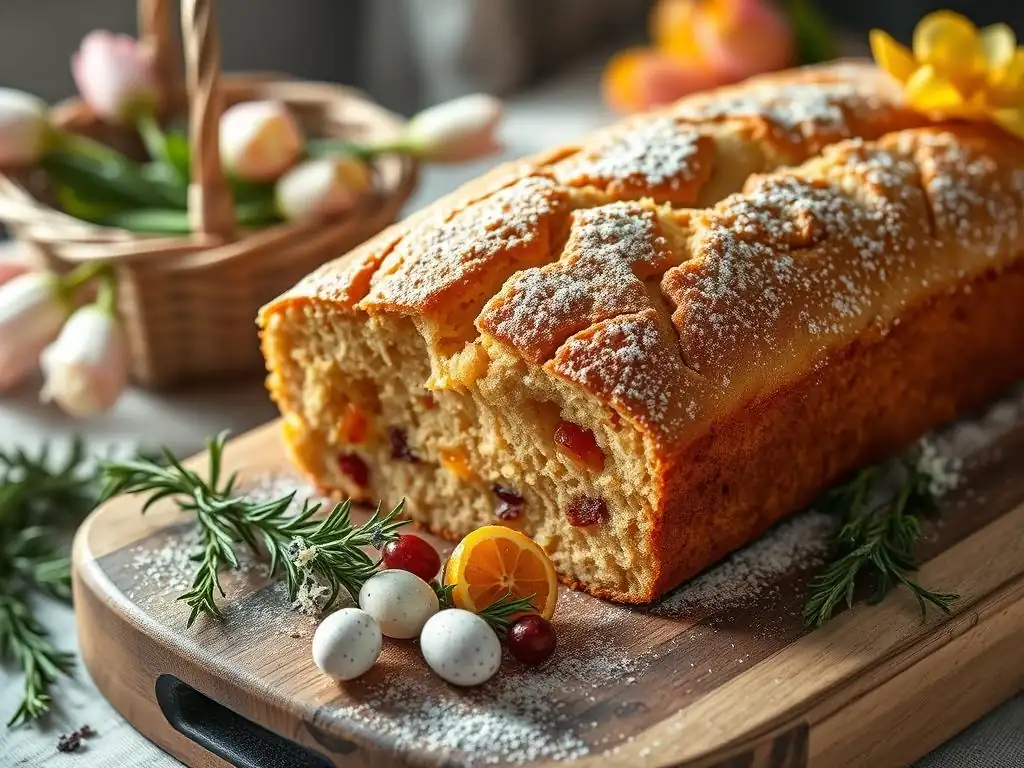
Welcome to BakeWithEase, your trusted guide to baking bliss! Ever wondered how to achieve that perfectly moist Easter loaf cake everyone raves about? We're about to unlock the secrets. Get ready to transform simple ingredients into a show-stopping Easter treat, and discover the techniques that will make all your bakes unforgettable. Let's get baking!
- Bake a Deliciously Moist Easter Loaf Cake with BakeWithEase
- Introduction: Welcome Spring with a Moist Easter Loaf Cake
- Key to a Perfectly Moist Easter Loaf Cake: Ingredients and Preparation
-
Step-by-Step Guide: Baking Your Moist Easter Loaf Cake
- Step 1: Creaming Butter and Sugar for a Light and Airy Texture
- Step 2: Incorporating Eggs for a Rich and Moist Crumb
- Step 3: Combining Dry and Wet Ingredients: Avoiding Overmixing
- Step 4: Adding Flavor: Extracts, Zest, and Easter-Themed Additions
- Step 5: Preparing Your Loaf Pan for Easy Release
- Step 6: Baking to Perfection: Temperature and Time
- Cooling and Decorating Your Moist Easter Loaf Cake
- Tips and Tricks for the Best Moist Easter Loaf Cake
- Storing and Serving Your Moist Easter Loaf Cake
- Conclusion: Enjoy Your Homemade Moist Easter Loaf Cake!
-
Frequently Asked Questions
- What makes BakeWithEase's Easter Loaf Cake recipe so special?
- Can I substitute any ingredients in the Moist Easter Loaf Cake recipe?
- How do I prevent my Easter Loaf Cake from drying out?
- What kind of frosting or glaze would you recommend for the Moist Easter Loaf Cake?
- Where can I find the complete recipe and ingredient list for the Moist Easter Loaf Cake?
- Final Reflection: The Enduring Magic of a Moist Easter Loaf Cake
- Unleash Your Inner Baker: Create an Easter Masterpiece!
Bake a Deliciously Moist Easter Loaf Cake with BakeWithEase
Introduction: Welcome Spring with a Moist Easter Loaf Cake
Spring is a time of renewal, fresh flavors, and celebrating with loved ones. And what better way to welcome the season and the Easter holiday than with a beautifully baked treat? A moist Easter loaf cake is the perfect centerpiece for your brunch table, a delightful gift, or simply a sweet indulgence to enjoy with a cup of tea. Its simple shape makes it approachable for bakers of all levels, while its potential for delicious moisture and festive decoration offers plenty of creative fun.
At BakeWithEase, we believe that baking should be joyful and accessible. This guide is designed to walk you through crafting a supremely moist Easter loaf cake, ensuring success from start to finish. We'll share the secrets to a tender crumb, vibrant flavor, and simple yet stunning decorations that capture the spirit of Easter. Get ready to fill your kitchen with the wonderful aroma of a homemade Easter loaf!
Why a Loaf Cake is Perfect for Easter Baking
Loaf cakes hold a special place in the baking world due to their simplicity and versatility. Unlike multi-layered cakes that can sometimes be intimidating, a single loaf is straightforward to mix, bake, and decorate. This makes it an ideal project for a relaxed holiday baking session, even if you're juggling other preparations.
Furthermore, the structure of a loaf pan encourages even baking, often resulting in a consistently moist crumb throughout the cake. They are also incredibly portable, making them perfect for sharing at gatherings or gifting to friends and family. A moist Easter loaf cake is effortlessly elegant and wonderfully comforting, embodying the warmth and sweetness of the season.
BakeWithEase: Your Guide to Easter Treats
BakeWithEase is dedicated to making baking easy, enjoyable, and successful for everyone. We provide clear, step-by-step instructions, helpful tips, and explanations of baking principles to empower you in the kitchen. Whether you're whipping up your first batch of cookies or attempting a complex pastry, we're here to guide you.
For your Easter baking adventures, we offer a wealth of resources, from classic hot cross buns to festive sugar cookies and, of course, the star of this guide: a perfectly moist Easter loaf cake. We break down techniques and demystify ingredients, ensuring that your holiday baking is filled with confidence and delicious results. Let's get started on creating your memorable Easter treat.
Key to a Perfectly Moist Easter Loaf Cake: Ingredients and Preparation
Achieving a moist texture in any cake, especially a loaf, starts with understanding the role of each ingredient and how they interact. The right balance of fat, sugar, and liquid, combined with careful preparation, is crucial for preventing a dry, crumbly result and ensuring your moist Easter loaf cake is tender and delightful.
Beyond just the ingredients themselves, the way you prepare them is equally important. Factors like temperature and accurate measurement might seem small, but they significantly impact the final texture and rise of your cake. Paying attention to these details sets the stage for baking success and a truly delicious moist Easter loaf cake.
Essential Ingredients for a Moist Easter Loaf Cake
The foundation of a moist cake lies in its core ingredients. Let's look at the key players and how they contribute to that desired tender crumb in your Easter loaf. Understanding their function helps you make informed decisions and even troubleshoot if needed.
From the type of flour you choose to the kind of fat you incorporate, each component plays a vital role. Using high-quality ingredients is always recommended, as they impart better flavor, but understanding their technical function is key to achieving the right texture for your moist Easter loaf cake.
Flour Power: Choosing the Right Flour for Loaf Cakes
Flour provides the structure for your cake through its protein content, which develops gluten when mixed with liquid. All-purpose flour is a common choice and works well for most loaf cakes, typically containing around 10-12% protein. It provides enough structure to hold the cake's shape without making it tough.
For an even more tender moist Easter loaf cake, some bakers prefer to use cake flour, which has a lower protein content (around 7-9%). This results in less gluten development and a softer, finer crumb. If substituting cake flour for all-purpose, you might need slightly more volume due to its lighter nature, often around 1 ¼ cups of cake flour for every 1 cup of all-purpose flour.
The Importance of Fat: Butter vs. Oil in Easter Cakes
Fat is a major contributor to moisture and tenderness in cakes. It coats the flour particles, inhibiting gluten development, and helps keep the cake moist by holding onto liquid. Both butter and oil can be used, each offering distinct advantages for a moist Easter loaf cake.
Butter provides rich flavor and contributes to the cake's structure when creamed with sugar, incorporating air for a lighter texture. However, oil, being liquid at room temperature, tends to coat flour particles more effectively, often resulting in a loaf cake that stays moist for longer. Many recipes for a moist Easter loaf cake use a combination of both or specify one over the other depending on the desired outcome. Using softened butter is crucial for proper creaming, while a neutral-flavored oil like vegetable or canola oil is best if using oil.
Eggs: Binding and Enriching Your Easter Loaf
Eggs serve multiple functions in a cake: they bind ingredients together, provide structure through their protein, contribute moisture and richness from the yolks, and aid in leavening when whipped (though this is less critical in a dense loaf cake). Using the correct number and size of eggs is essential for the recipe's balance.
Typically, large eggs are used in baking recipes. A standard loaf cake recipe might call for 2 to 3 large eggs. Ensuring your eggs are at room temperature (more on that below) helps them emulsify better with the other ingredients, leading to a smoother batter and a more uniform, moist crumb in your Easter loaf cake.
Leavening Agents: Baking Powder and Baking Soda Balance
Leavening agents create the gas that makes cakes rise, resulting in a lighter texture. Baking powder is a complete leavener, containing both an acid and a base, and only needs liquid to activate. Baking soda, however, is a base and requires an acid (like buttermilk, yogurt, or lemon juice) to react and produce carbon dioxide gas.
Most loaf cakes use baking powder as the primary leavener, perhaps with a small amount of baking soda if an acidic ingredient is present. The amount used is critical; too little and the cake will be dense, too much and it can rise too quickly and collapse, or leave a bitter taste. A typical ratio might be 1 to 1 ½ teaspoons of baking powder per cup of flour for a moist Easter loaf cake.
Preparing Your Ingredients for Easter Loaf Cake Success
Beyond simply measuring, how you prepare your ingredients before combining them significantly impacts the outcome of your cake. Taking a few extra steps ensures everything comes together smoothly and contributes to that desired moist texture.
This preparation phase is where you set the stage for a successful bake. Cold ingredients can lead to a lumpy batter or poor emulsification, while inaccurate measurements can throw off the delicate balance required for a tender, moist Easter loaf cake.
Room Temperature Matters: Why It's Crucial
Many baking recipes, especially those involving creaming butter and sugar, call for ingredients like butter and eggs to be at room temperature. This isn't just a suggestion; it's a vital step for achieving the right texture. Room temperature butter (around 65-70°F or 18-21°C) is pliable enough to cream properly with sugar, allowing tiny air pockets to be incorporated. These air pockets expand during baking, contributing to the cake's rise and tender crumb.
Similarly, room temperature eggs emulsify better with the butter and sugar mixture, creating a smooth, homogenous batter. Cold eggs can cause the batter to curdle, resulting in a less uniform texture and potentially a less moist Easter loaf cake. To quickly bring eggs to room temperature, place them in a bowl of warm water for 5-10 minutes. Butter can be left out on the counter for 30-60 minutes, or gently warmed in a microwave for a few seconds at a time until just softened, not melted.
Measuring Ingredients Accurately: Tips and Tricks
Accurate measurement is perhaps the most fundamental skill in baking. Using too much or too little of any ingredient can drastically alter the cake's texture, flavor, and rise. For dry ingredients like flour, the "spoon and level" method is highly recommended: gently spoon the flour into your measuring cup until overflowing, then level off the excess with a straight edge (like the back of a knife). Scooping directly from the bag can compact the flour, resulting in significantly more than needed.
For liquids, use liquid measuring cups placed on a flat surface, reading the measurement at eye level. Granulated sugar can be scooped, but brown sugar should be packed firmly into the cup. For fat, use dry measuring cups. Using a kitchen scale for dry ingredients, especially flour, is the most accurate method and highly recommended for consistent results when baking a moist Easter loaf cake. Just 10-20 grams difference in flour can impact the final texture.
Step-by-Step Guide: Baking Your Moist Easter Loaf Cake
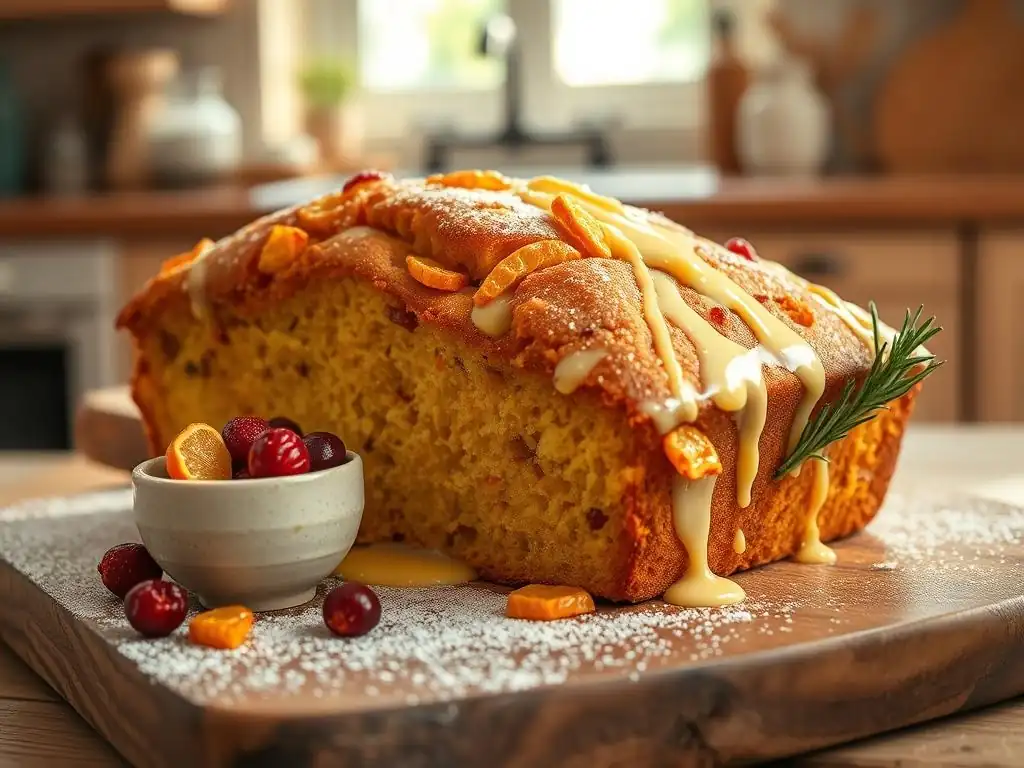
Now that your ingredients are prepped and ready, it's time to bring them together. This step-by-step guide will walk you through the process, explaining each stage to ensure your moist Easter loaf cake turns out beautifully. Follow these steps carefully for the best results.
Baking is a science, but it's also an art. Paying attention to the technique in each step, from creaming to mixing, is just as important as the ingredients themselves. Let's dive into the process of creating your delicious Easter loaf.
Step 1: Creaming Butter and Sugar for a Light and Airy Texture
The creaming method is a cornerstone of many cake recipes and is vital for a tender, moist Easter loaf cake. In a large bowl, beat the softened butter and granulated sugar together using an electric mixer (handheld or stand mixer) on medium speed. You want to beat them until the mixture is light, fluffy, and pale yellow. This process takes time, typically 3 to 5 minutes.
During creaming, the sharp sugar crystals cut into the softened butter, creating thousands of tiny air pockets. As the mixture is beaten, these air pockets become more numerous and stable. This trapped air is a form of mechanical leavening that contributes significantly to the cake's overall volume and delicate crumb structure. Don't skimp on this step; under-creaming is a common cause of dense cakes. Scrape down the sides of the bowl periodically to ensure even mixing.
Step 2: Incorporating Eggs for a Rich and Moist Crumb
Once the butter and sugar are light and fluffy, it's time to add the room temperature eggs. Add the eggs one at a time, beating well after each addition until fully incorporated. This gradual addition allows the eggs to emulsify properly with the fat, preventing the batter from separating or curdling.
The egg yolks add richness and moisture, while the whites contribute structure. Beating after each egg ensures that the proteins and fats integrate smoothly into the batter. If the mixture looks slightly curdled after adding an egg, don't worry; it will usually smooth out once the flour is added in the next step. This stage is crucial for building a stable emulsion that will support the structure and moisture of your moist Easter loaf cake.
Step 3: Combining Dry and Wet Ingredients: Avoiding Overmixing
In a separate bowl, whisk together your dry ingredients: flour, baking powder (and baking soda, if using), and salt. This ensures the leavening agents and salt are evenly distributed throughout the flour before being added to the wet ingredients.
Now, you'll add the dry ingredients to the wet ingredients, often alternating with a liquid like milk, buttermilk, or yogurt (depending on the recipe). Begin and end with the dry ingredients (e.g., ⅓ dry, ½ wet, ⅓ dry, ½ wet, ⅓ dry). Mix on low speed or by hand just until the ingredients are combined and no dry streaks of flour remain.
Overmixing develops gluten, which can lead to a tough, dry cake. Stop mixing as soon as the batter is homogenous. A few small lumps are acceptable; it's better to slightly undermix than overmix when aiming for a moist Easter loaf cake.
Step 4: Adding Flavor: Extracts, Zest, and Easter-Themed Additions
With the base batter ready, this is where you infuse your moist Easter loaf cake with delightful flavors. Vanilla extract is a standard addition, enhancing the overall sweetness and aroma. Add it along with the wet ingredients.
Consider adding citrus zest, like lemon or orange, for a bright, springy flavor profile that pairs wonderfully with Easter themes. Use a microplane zester to get only the colored part of the peel, avoiding the bitter white pith.
Zesty Lemon Easter Loaf Cake Option
For a vibrant, tangy moist Easter loaf cake, lemon is an excellent choice. Add the zest of one or two large lemons to the batter along with the wet ingredients. You can also add a tablespoon or two of fresh lemon juice with the liquid component.
The natural acidity of the lemon juice can also react slightly with baking soda (if present), contributing to the rise. The bright aroma and flavor of lemon zest truly capture the freshness of spring, making this a popular variation for an Easter loaf. Consider finishing it with a simple lemon glaze (powdered sugar mixed with lemon juice).
Vanilla Bean Easter Loaf Cake Variation
For a classic, comforting flavor, enhance your moist Easter loaf cake with real vanilla bean. Instead of just extract, scrape the seeds from half or a whole vanilla bean and add them to the wet ingredients. The tiny black seeds visible in the crumb are a sign of authentic vanilla flavor.
While vanilla extract is convenient, the complex aroma and subtle floral notes of real vanilla bean elevate the cake's flavor profile significantly. This variation results in a pure, sweet, and intensely aromatic moist Easter loaf cake that is delicious on its own or with a simple glaze.
Adding Candied Fruits or Chocolate Chips
To make your moist Easter loaf cake even more festive, consider folding in mix-ins after the batter is just combined. Common additions include chopped candied orange peel, dried cranberries, currants, or even white or dark chocolate chips.
Measure about ½ to 1 cup of mix-ins. If using dried fruits or chocolate chips, you can toss them with a tablespoon of flour before adding them to the batter. This helps prevent them from sinking to the bottom during baking, ensuring they are evenly distributed throughout your delicious Easter loaf. Gently fold them in with a spatula.
Step 5: Preparing Your Loaf Pan for Easy Release
Properly preparing your loaf pan is essential to prevent your moist Easter loaf cake from sticking, which can ruin its appearance and cause frustration. There are several effective methods. You can grease the pan thoroughly with butter or baking spray, then dust it with flour, tapping out the excess.
Alternatively, you can line the pan with parchment paper. Cut a piece of parchment paper wide enough to fit the bottom and go up and over the long sides of the pan, leaving an overhang. Grease the short ends of the pan, then press the parchment into the pan, letting the overhang hang over the sides. This creates "handles" that make it easy to lift the finished moist Easter loaf cake out of the pan once cooled.
Step 6: Baking to Perfection: Temperature and Time
Preheating your oven to the correct temperature is crucial for even baking and proper rise. Most loaf cakes bake between 325°F (160°C) and 350°F (175°C). A slightly lower temperature often works well for loaf cakes as it allows the center to cook through without the edges or top becoming too dark or dry. Place the prepared pan on the center rack of the preheated oven.
The baking time will vary depending on your recipe, oven calibration, and the size of your pan, but typically ranges from 50 to 70 minutes for a standard 9x5-inch loaf pan. The cake is done when the top is golden brown, the edges have pulled away slightly from the sides of the pan, and a toothpick inserted into the center comes out clean or with just a few moist crumbs attached (no wet batter).
Checking for Doneness: The Toothpick Test
The toothpick test is the most reliable way to determine if your moist Easter loaf cake is fully baked. Insert a wooden skewer or toothpick into the very center of the loaf. If it comes out clean, the cake is done. If it comes out with wet batter attached, it needs more time.
If the toothpick has just a few moist crumbs clinging to it, that's usually perfect for a moist cake – indicating it's cooked through but not dried out. If the top is browning too quickly before the center is done, you can loosely tent the loaf pan with aluminum foil for the remaining baking time.
Cooling and Decorating Your Moist Easter Loaf Cake
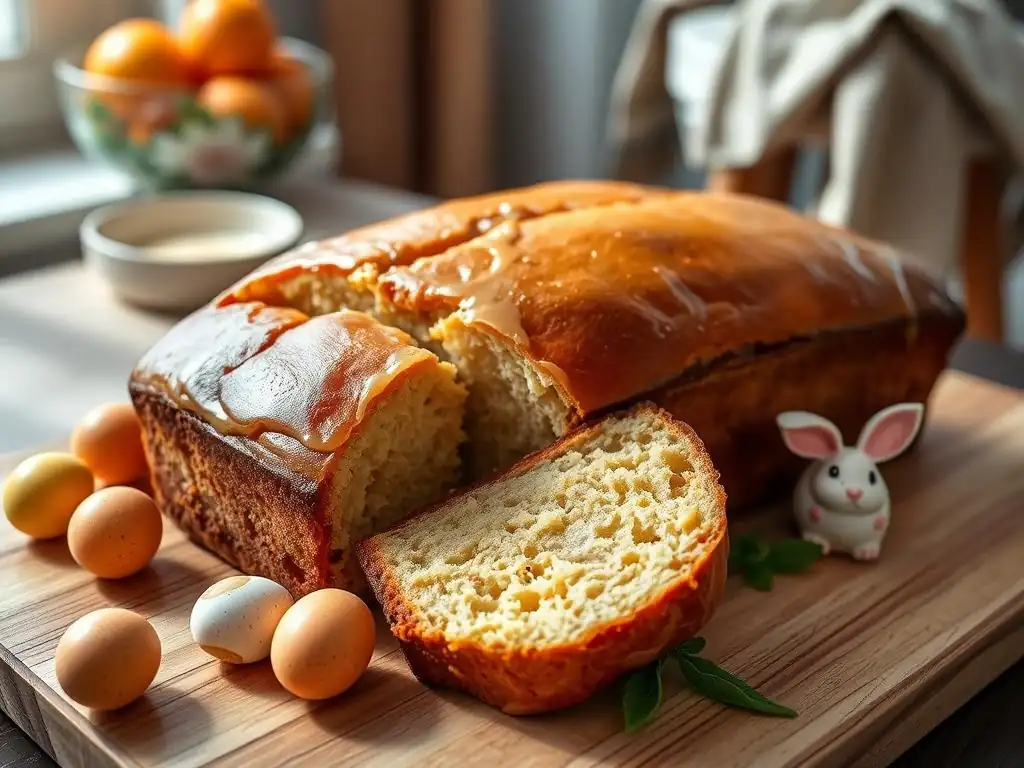
You've baked your beautiful moist Easter loaf cake! The aroma filling your kitchen is a reward in itself. But the process isn't quite finished. Proper cooling is essential for texture, and decorating adds that festive Easter touch.
Allowing the cake to cool correctly helps set its structure and retain moisture. Then, unleash your creativity with simple yet charming decorations that will make your Easter loaf cake a visual and culinary delight for your holiday celebration.
Cooling Techniques for a Moist and Tender Loaf
Immediately after removing the moist Easter loaf cake from the oven, let it cool in the pan on a wire rack for 10 to 15 minutes. This allows the cake to finish cooking slightly from the residual heat and firm up before being moved. Trying to remove it too soon can cause it to break apart.
After the initial cooling period in the pan, carefully invert the loaf onto the wire rack and lift off the pan. If you used parchment paper, gently peel it away. Let the cake cool completely on the wire rack before slicing or decorating. Cooling on a wire rack allows air to circulate around the entire cake, preventing the bottom from becoming soggy and helping the interior moisture distribute evenly, ensuring a truly moist Easter loaf cake. Cooling typically takes 1-2 hours.
Easter-Themed Decoration Ideas for Your Loaf Cake
Decorating your moist Easter loaf cake adds a festive touch and allows you to express your creativity. Simple glazes, frostings, and edible decorations can transform a plain loaf into an Easter masterpiece.
Keep it simple for an elegant look, or go all out with colorful sprinkles and candies. The goal is to make your delicious Easter loaf cake look as inviting as it tastes, perfectly suited for your spring celebration.
Simple Glaze Recipe for Easter Loaf Cake
A simple glaze is an easy and delicious way to finish your moist Easter loaf cake. It adds a touch of sweetness and helps seal in moisture. A basic glaze is made by whisking together powdered sugar with a small amount of liquid until smooth and pourable.
For an Easter theme, use lemon juice or orange juice for the liquid to add a bright, citrusy flavor that complements the cake. Start with about 1 cup of powdered sugar and add 1-2 tablespoons of liquid, whisking until you reach the desired consistency. You can drizzle it over the cooled cake, letting it run down the sides, or spread a thin layer over the top.
Cream Cheese Frosting for a Festive Easter Treat
For a richer, more decadent topping, a classic cream cheese frosting is hard to beat. Its tangy sweetness pairs wonderfully with many cake flavors, including those often used in a moist Easter loaf cake like vanilla, lemon, or spice.
To make it, beat softened cream cheese (about 4-6 oz) with softened butter (about ¼ cup) until smooth. Gradually add powdered sugar (1-2 cups, depending on desired sweetness and thickness) and a splash of vanilla extract or lemon juice, beating until light and fluffy. Spread or pipe it generously over the cooled loaf cake.
Decorating with Easter Sprinkles and Candies
Once your glaze or frosting is applied, it's time for the fun part: adding Easter decorations! Festive sprinkles in pastel colors are readily available around the holiday. Scatter them over the wet glaze or frosting.
You can also use small Easter-themed candies, such as mini chocolate eggs, jelly beans, or edible sugar flowers. Arrange them artfully on top of the cake. For a natural look, consider using toasted coconut flakes to resemble a nest, or finely chopped pistachios for a spring green touch on your moist Easter loaf cake.
Tips and Tricks for the Best Moist Easter Loaf Cake
Even with a great recipe, sometimes things don't go exactly as planned. Understanding common issues and having a few tricks up your sleeve can help you troubleshoot and ensure your moist Easter loaf cake turns out perfect every time.
From preventing dryness to fixing a sunken middle, these tips cover some common baking challenges. We'll also explore ways to adapt the recipe to suit different dietary needs, ensuring everyone can enjoy a slice of your delicious Easter loaf.
Preventing a Dry Easter Loaf Cake: Moisture Control
Dryness is the arch-nemesis of a good loaf cake. Several factors contribute to moisture. Using the right balance of wet ingredients (fat, sugar, eggs, liquid) is fundamental. Sugar is hygroscopic, meaning it attracts and holds onto moisture, so ensure you use the amount specified in the recipe. Using oil or a combination of butter and oil can also help retain moisture better than butter alone.
Overbaking is a primary cause of dry cakes. Always check for doneness using the toothpick test at the minimum recommended baking time. Every oven is different, and relying solely on the timer can lead to disappointment. Baking at a slightly lower temperature for a longer period can also promote even cooking without drying out the edges. Storing the cake properly after baking is also key to maintaining its moisture.
Troubleshooting Common Loaf Cake Problems
Baking can sometimes present challenges, but most common loaf cake issues have identifiable causes and preventative measures. Don't be discouraged if your first attempt isn't perfect; understanding what went wrong is the first step to improving.
Addressing problems like uneven rise, a sunken center, or a dense texture involves looking back at the steps taken and the ingredients used. With a little knowledge, you can tackle these issues and consistently bake a beautiful, moist Easter loaf cake.
Sunken Loaf Cake: Causes and Prevention
A sunken center is a frustrating problem. Common causes include opening the oven door too early during baking (especially in the first ⅔ of the baking time), which causes a sudden temperature drop that can collapse the structure before it's set. Using too much leavening agent or not enough flour can also lead to a cake that rises too quickly and then falls.
Overmixing the batter can incorporate too much air initially, which then collapses in the oven. Ensure your oven temperature is accurate (an oven thermometer is a great investment) and avoid disturbing the cake during the critical rising phase. Make sure you're measuring your flour correctly and using the specified amount of leavening.
Dense Loaf Cake: Avoiding a Heavy Texture
A dense texture, lacking that desirable tender crumb, often stems from issues with leavening or gluten development. Using expired or inactive baking powder is a common culprit; test your baking powder by adding a teaspoon to hot water – it should fizz vigorously.
Overmixing the batter is another major cause of density. As mentioned before, mixing flour with liquid develops gluten. Excessive mixing creates a strong gluten network, resulting in a tough, heavy texture rather than a light, moist Easter loaf cake. Mix only until the dry ingredients are just incorporated. Incorrect ingredient ratios, such as too much flour or not enough fat/liquid, can also lead to a dense crumb.
Variations and Adaptations for Your Easter Loaf
One of the joys of baking is adapting recipes to suit different tastes or dietary needs. Many loaf cake recipes can be modified to create delicious variations, including options for those with gluten sensitivities or those following a vegan diet.
Experimenting with different flavors and ingredients can lead to exciting new versions of your moist Easter loaf cake. Remember that substitutions can sometimes affect texture, so minor adjustments might be needed.
Gluten-Free Easter Loaf Cake Recipe Adaptation
Adapting a standard recipe to be gluten-free requires replacing wheat flour with a gluten-free flour blend. Not all blends are created equal, so look for a high-quality all-purpose gluten-free blend that is designed for baking and often contains a mix of rice flour, potato starch, tapioca starch, and sometimes xanthan gum (which helps provide structure in the absence of gluten).
You can typically substitute a 1:1 gluten-free blend directly for the all-purpose flour in a loaf cake recipe, though sometimes slightly more liquid might be needed as gluten-free flours can be drier. Ensure all other ingredients used are also gluten-free. The baking time might be slightly different, so rely on the toothpick test. A gluten-free moist Easter loaf cake is definitely achievable!
Vegan Easter Loaf Cake Recipe Substitution
Creating a vegan moist Easter loaf cake involves substituting dairy and eggs. Vegan butter or oil can replace dairy butter. Plant-based milks (like almond, soy, or oat milk) can replace dairy milk. Eggs are the trickiest substitute, as they provide binding, moisture, and leavening.
Common egg substitutes include applesauce (about ¼ cup per egg for moisture), mashed banana, commercial egg replacers, flax eggs (1 tbsp flaxseed meal whisked with 3 tbsp water per egg, let sit 5-10 mins), or a combination. Using an acidic liquid like plant-based buttermilk (plant milk mixed with a tablespoon of vinegar) with baking soda helps provide lift. You might need to adjust baking time slightly, but a delicious and moist Easter loaf cake can certainly be made without animal products.
Storing and Serving Your Moist Easter Loaf Cake
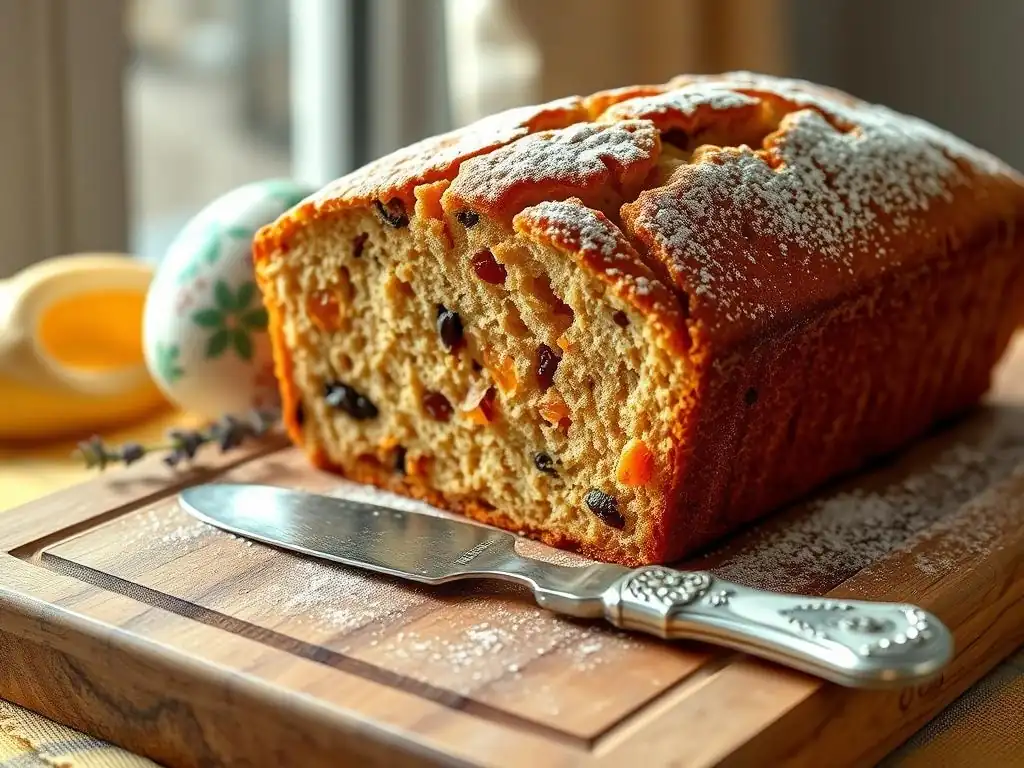
You've successfully baked and decorated your moist Easter loaf cake! Now, how do you keep it fresh and moist, and what are the best ways to serve and share your creation? Proper storage is key to maintaining that lovely texture you worked so hard to achieve.
Sharing homemade treats is a wonderful part of the Easter celebration. Whether you're serving it at home or gifting it, presenting your delicious Easter loaf cake thoughtfully adds to the joy.
Proper Storage to Maintain Moisture
To keep your moist Easter loaf cake from drying out, allow it to cool completely first. Warm cakes create condensation when wrapped, which can make the crust soggy. Once fully cooled, wrap the loaf tightly in plastic wrap, then again in aluminum foil, or place it in an airtight container.
Store the cake at room temperature for up to 3-4 days. If your moist Easter loaf cake contains perishable frosting (like cream cheese frosting), it should be stored in the refrigerator. However, refrigeration can sometimes dry out cake, so bring it back to room temperature before serving for the best texture. For longer storage, loaf cakes freeze very well. Wrap the cooled, unfrosted loaf tightly in plastic wrap and then foil; it can be frozen for up to 2-3 months. Thaw overnight at room temperature while still wrapped.
Serving Suggestions for Your Easter Loaf Cake
Your moist Easter loaf cake is delicious served simply, sliced and enjoyed with a cup of coffee or tea. For a more elaborate presentation, serve slices with a dollop of whipped cream or a scoop of vanilla ice cream.
If your cake is plain or lightly glazed, consider serving it with fresh berries or a simple fruit compote that complements the cake's flavor. Lemon curd is a fantastic pairing for a lemon-flavored moist Easter loaf cake. For a festive touch, arrange slices on a platter garnished with edible flowers or a dusting of powdered sugar.
A homemade moist Easter loaf cake makes a heartfelt and delicious gift. Once cooled and decorated, wrap the entire loaf or individual slices creatively.
For gifting, you can wrap the cooled loaf in cellophane and tie it with a festive ribbon. Place it in a decorative box or on a disposable cake board. Include a small tag with the flavor or ingredients list. Giving away a beautiful, homemade moist Easter loaf cake is a wonderful way to spread Easter cheer and share your passion for baking.
Conclusion: Enjoy Your Homemade Moist Easter Loaf Cake!
You've done it! From selecting ingredients to baking and decorating, you've successfully created a delicious and moist Easter loaf cake using the techniques and tips from BakeWithEase. This homemade treat is a testament to your baking skills and a perfect addition to your spring celebrations.
Gather your loved ones, slice into that tender crumb, and savor the wonderful flavors of your labor. Baking is about more than just the finished product; it's about the process, the aroma, and the joy of sharing something made with care. We hope this guide helps you make baking a moist Easter loaf cake a delightful and stress-free experience for many Easters to come. Happy Baking from BakeWithEase!
Frequently Asked Questions
What makes BakeWithEase's Easter Loaf Cake recipe so special?
Our recipe emphasizes ingredients and techniques that ensure a moist and tender crumb. We also provide clear, step-by-step instructions suitable for all skill levels.
Can I substitute any ingredients in the Moist Easter Loaf Cake recipe?
Yes, but with caution! While some substitutions like using almond flour for gluten-free are possible, others may affect the cake's texture. Refer to our substitution guide on the website for best results.
How do I prevent my Easter Loaf Cake from drying out?
Proper storage is key! Wrap the cooled cake tightly in plastic wrap or foil and store it at room temperature for up to three days. You can also freeze for longer storage.
What kind of frosting or glaze would you recommend for the Moist Easter Loaf Cake?
A simple lemon glaze complements the cake's flavor beautifully. Alternatively, a cream cheese frosting adds richness and tanginess.
Where can I find the complete recipe and ingredient list for the Moist Easter Loaf Cake?
You can find the full recipe and ingredient list on our website, BakeWithEase.com. Just search for "Moist Easter Loaf Cake" or browse our Easter baking section.
Final Reflection: The Enduring Magic of a Moist Easter Loaf Cake
The simple act of baking a moist Easter loaf cake transcends mere culinary creation; it's a powerful symbol of springtime renewal and the enduring joy of shared traditions. This recipe, designed to deliver the perfect, melt-in-your-mouth texture, speaks to a deeper human need for comfort, connection, and the celebration of life's sweeter moments. The demand for a truly moist Easter loaf cake highlights this desire – a testament to the enduring appeal of classic baking.
The scent of warm spices and sweet citrus, rising from a freshly baked loaf, evokes powerful memories and emotions. It's a sensory experience that connects generations, reminding us of family gatherings, Easter brunches, and the simple pleasures of life. Baking is at once child's play and adult joy. And love, of course.
– This quote perfectly encapsulates the heart of this article and the enduring appeal of baking, particularly around holidays like Easter. The act of creating something delicious and sharing it with others fosters a sense of community and belonging that transcends the recipe itself.
Now, as you put down this article, I invite you to consider the power of simple acts. Don't just bake a cake; bake a memory. Gather your loved ones, share the process, and savor the result. Let the moist crumb and the fragrant aroma be a reminder of the joy found in creating and sharing something beautiful, something that nourishes not just the body, but the soul. This Easter, let the magic of a perfectly moist loaf cake fill your home with warmth and happiness.
Unleash Your Inner Baker: Create an Easter Masterpiece!
Thanks for joining us on this delicious Easter baking journey! We hope you gained some valuable tips and tricks for creating a truly moist and memorable Easter loaf cake. Now it's time to put your newfound skills to the test!
- Bake your masterpiece! Use the recipe and techniques we shared to create your own stunning Easter loaf cake. Don't be afraid to experiment with flavors and frostings!
- Share your creation: Show off your baking prowess on social media using #BakeWithEaseEaster. We'd love to see your beautiful cakes!
- Challenge a friend: Nominate a fellow baking enthusiast to try this recipe and share their results. Let's spread the joy of baking!
What unique twist will you add to your Easter loaf cake to make it truly special?