
Easy Easter Bread Recipes Beyond Hot Cross Buns

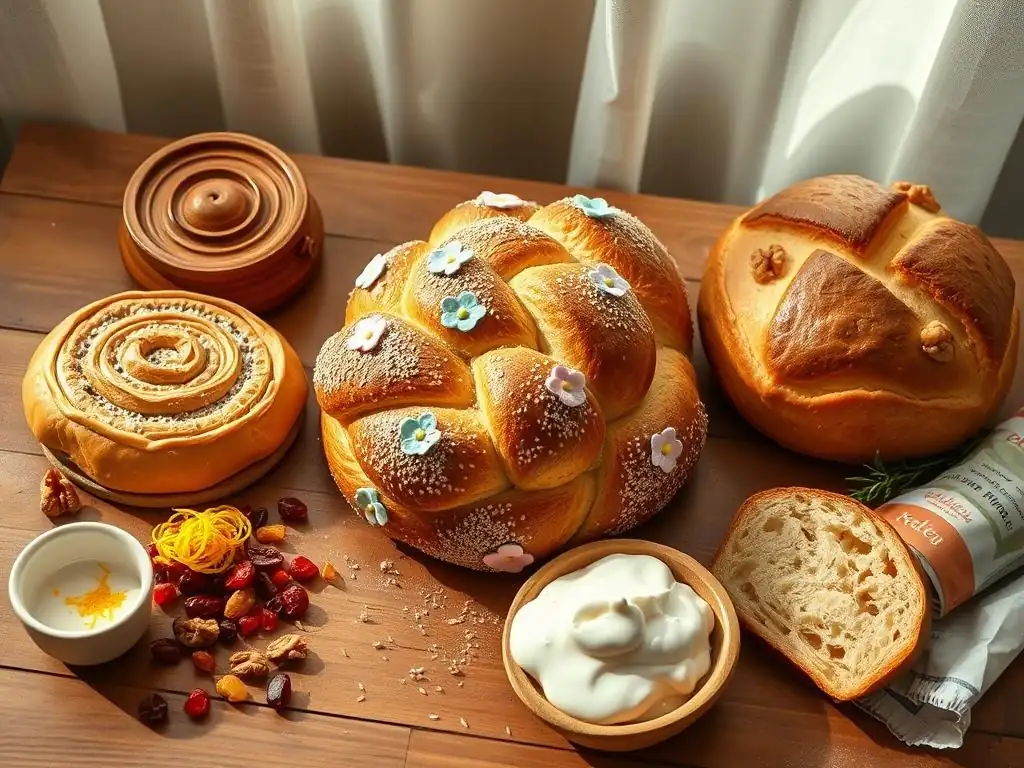
Welcome to BakeWithEase, your ultimate guide to delightful baking!
Craving the taste of spring? Tired of the same old hot cross buns? Then you've come to the right place. Dive into our collection of easy Easter bread recipes variations and discover a world of delicious possibilities. Prepare to be amazed at how simple it is to create stunning and flavorful Easter breads that will impress your family and friends. What are you waiting for? Let's get baking!
- Introduction to Easter Bread Baking with BakeWithEase
- Understanding Easter Bread Dough Basics
- Recipe 1: Italian Easter Bread with Colorful Eggs
- Recipe 2: Greek Tsoureki Easter Bread with Mahlab
- Recipe 3: Russian Kulich Easter Bread
- Recipe 4: Polish Babka Easter Bread
- Tips and Tricks for Baking Easter Bread Like a Pro
- Easter Bread Recipe Variations: A Quick Recap
- Conclusion: Elevate Your Easter Baking with BakeWithEase
-
Frequently Asked Questions
- What makes a recipe an easy Easter bread recipe?
- What are some common variations beyond Hot Cross Buns for Easter bread?
- Where can I find reliable step-by-step guides for Easter bread recipes?
- Are there Easter bread recipes that cater to specific dietary restrictions?
- What are some key ingredients that make Easter bread unique?
- Final Reflection: The Enduring Magic of Easter Bread
- Unleash Your Inner Baker: Easter Bread Awaits!
Introduction to Easter Bread Baking with BakeWithEase
Easter is a time for celebration, family, and, of course, delicious baking! While hot cross buns hold a special place in many hearts, the world of Easter bread is vast and wonderfully diverse. From sweet, enriched loaves braided with colorful eggs to spice-infused, towering creations, exploring different easy Easter bread recipes variations can add a delightful new dimension to your holiday table. At BakeWithEase, we believe that mastering these festive loaves is achievable for bakers of all skill levels.
Venturing into the realm of international Easter breads opens up a treasure trove of flavors, textures, and baking traditions. Each loaf tells a story, often steeped in centuries of cultural and religious significance. Whether you're drawn to the vibrant colors of Italian Pane di Pasqua or the aromatic spices of Greek Tsoureki, these easy Easter bread recipes variations offer a rewarding baking experience that goes beyond the familiar. Get ready to fill your kitchen with the irresistible aroma of freshly baked bread and create edible masterpieces that will impress your loved ones.
Discovering Delicious Easter Bread Variations
Beyond the classic hot cross bun, numerous cultures have their own unique and cherished Easter bread traditions. These range from simple, rustic loaves to elaborate, enriched doughs often studded with fruits, nuts, or spices. The beauty of these easy Easter bread recipes variations lies in their diversity – you can find breads that are lightly sweet, deeply aromatic, or even incorporate savory elements. Many feature symbolic shapes, like braids representing the Holy Trinity or rings signifying eternity.
Exploring these different easy Easter bread recipes variations allows you to connect with global baking heritage while expanding your own repertoire. Imagine presenting a beautifully braided Greek Tsoureki infused with mahlab, or a vibrant Italian Easter bread cradling dyed eggs. Each recipe offers a distinct set of ingredients and techniques, providing varied challenges and rewards. We'll delve into a few popular examples, breaking down their unique characteristics and making them accessible for your home kitchen.
Why Explore Beyond Hot Cross Buns?
While undoubtedly delicious, sticking solely to hot cross buns means missing out on a world of incredible flavors and textures. Many other Easter breads offer a richer, sweeter, or more aromatic profile, often featuring ingredients like citrus zest, warm spices, or enriched doughs made with butter and eggs. Trying different easy Easter bread recipes variations allows you to cater to diverse tastes at your Easter gathering and adds an element of surprise and delight.
Furthermore, baking different types of Easter bread can be a fun way to challenge yourself and learn new techniques. Braiding dough, incorporating whole eggs into a loaf, or working with specific spice blends like mahlab or mastic are all valuable skills that can be applied to other baking projects. Embracing these easy Easter bread recipes variations is an opportunity for growth in your baking journey, leading to more confidence and expertise in handling enriched doughs.
Understanding Easter Bread Dough Basics
Most traditional Easter breads are made from enriched doughs. This means they contain ingredients like eggs, milk, butter, and sugar, which make the bread softer, richer, and more cake-like than a standard lean bread dough (like a baguette). Understanding the role of these ingredients is key to successful Easter bread baking. The sugar provides sweetness and helps with browning, while the eggs and butter contribute to the dough's richness, tenderness, and beautiful golden color.
Working with enriched dough requires a slightly different approach than lean dough. They are often stickier due to the higher fat and sugar content and require thorough kneading to develop the gluten structure needed to support the rich ingredients. Proper proofing is also crucial; the dough needs sufficient time in a warm environment to double in size, ensuring a light and airy texture in the final bake. Patience during kneading and proofing is paramount for achieving a successful loaf.
Essential Ingredients for Easter Bread
The foundation of most easy Easter bread recipes variations includes standard baking staples: flour, yeast, sugar, salt, milk or water, and eggs. However, enriched Easter breads elevate these basics with additional components. Butter is almost always present, adding richness and tenderness. Whole eggs or egg yolks contribute to the dough's color, texture, and flavor. Milk, as opposed to water, makes the crumb softer and more tender.
Beyond these core enriched ingredients, specific Easter bread recipe variations call for unique additions. Italian Easter bread often uses citrus zest, particularly lemon or orange, for a bright aroma. Greek Tsoureki is famously flavored with mahlab (ground cherry pits) and sometimes mastic (a resin), giving it a distinctive floral and slightly piney note. Russian Kulich is heavily enriched and packed with dried fruits like raisins and candied citrus peel, often flavored with vanilla or cardamom. These special ingredients are what give each bread its unique character.
Techniques for a Perfect Easter Bread Dough
Achieving a perfect enriched dough for your easy Easter bread recipes variations involves several key techniques. First, proper kneading is essential. Whether by hand or stand mixer, the dough needs to be worked until it is smooth, elastic, and passes the "windowpane test" – a small piece of dough can be stretched thinly enough to see light through it without tearing. This indicates sufficient gluten development.
After kneading, the first rise (bulk fermentation) is critical. The dough should be placed in a greased bowl, covered, and left in a warm place until it has roughly doubled in size. This can take anywhere from 1 to 2.5 hours, depending on the recipe, yeast, and room temperature. Punching down the dough gently, shaping it, and allowing a second rise (proofing) before baking ensures a light crumb and good volume. Baking temperature and time are also crucial; enriched doughs can brown quickly due to sugar, so monitoring is needed.
Recipe 1: Italian Easter Bread with Colorful Eggs
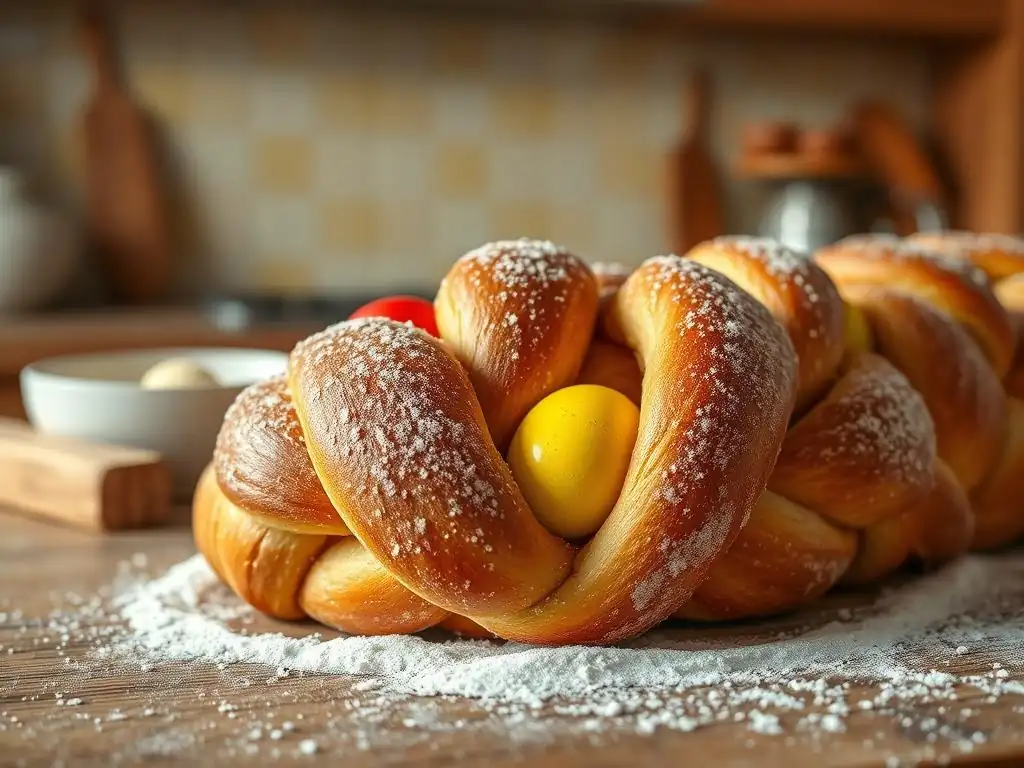
Italian Easter Bread, or Pane di Pasqua, is a beautiful and symbolic loaf often shaped into a ring or braid and baked with dyed, uncooked eggs nestled within the dough. It's typically a slightly sweet, enriched bread flavored with citrus zest. This is one of the most visually striking easy Easter bread recipes variations you can make, perfect for a festive centerpiece. The vibrant eggs contrast beautifully with the golden crust.
The dough itself is relatively straightforward, similar to a brioche but often slightly less rich. It relies on a good amount of eggs and butter for its soft texture and golden hue. The addition of lemon or orange zest is traditional and provides a wonderful, aromatic lift that complements the sweetness of the bread. Baking it with the eggs requires careful handling to ensure they cook through without cracking the bread excessively.
Ingredients for Italian Easter Egg Bread
To make a classic Italian Easter bread loaf (serving approximately 8-10), you'll typically need:
- About 3.5 to 4 cups (420-480g) all-purpose flour, plus more for dusting
- 2.25 teaspoons (7g) active dry yeast or instant yeast
- 1/2 cup (100g) granulated sugar
- 1/2 teaspoon salt
- 1/2 cup (120ml) warm milk (around 105-115°F / 40-46°C)
- 4 large eggs, plus 1 egg for egg wash
- 1/2 cup (113g) unsalted butter, melted and slightly cooled
- Zest of 1 large lemon or orange
- 4-5 dyed, raw eggs
These proportions yield a dough that is rich but manageable. The amount of flour might vary slightly based on humidity and how the other ingredients are measured, so it's often added gradually until the dough comes together. Using good quality butter and fresh citrus zest will significantly impact the final flavor of this lovely Easter bread recipe variation.
Step-by-Step Baking Instructions
- Activate Yeast (if using active dry): In a large bowl, combine warm milk, a pinch of sugar, and the yeast. Let stand for 5-10 minutes until foamy. If using instant yeast, you can skip this step and add it directly to the dry ingredients.
- Combine Wet and Dry: In a separate bowl, whisk together the 4 eggs, melted butter, sugar, salt, and citrus zest. Add this mixture to the yeast mixture (or warm milk).
- Add Flour: Gradually add the flour, mixing with a wooden spoon or in a stand mixer with a dough hook until a shaggy dough forms.
- Knead: Turn the dough out onto a lightly floured surface and knead for 8-10 minutes by hand, or 6-8 minutes in a stand mixer on medium speed, until smooth and elastic.
- First Rise: Place the dough in a greased bowl, cover, and let rise in a warm place until doubled in size, about 1.5 to 2 hours.
- Shape: Punch down the dough. Divide it into two or three equal portions (for a braid) or shape into a ring. For a braid, roll each portion into a rope about 18-20 inches long. Braid the ropes together and form into a circle, pinching the ends to seal. Place the dyed raw eggs evenly spaced within the braid or ring.
- Second Rise: Place the shaped dough on a parchment-lined baking sheet. Cover loosely and let rise for another 30-45 minutes, until puffy.
- Egg Wash & Bake: Preheat oven to 350°F (175°C). Whisk the remaining egg with a tablespoon of water for an egg wash. Gently brush the bread with the egg wash.
- Bake: Bake for 25-35 minutes, or until golden brown and the eggs are cooked through (a skewer inserted into the bread near an egg should come out clean, around 190-200°F internal temperature for the bread). If the bread browns too quickly, tent loosely with foil.
Following these steps carefully will help ensure a beautifully risen and perfectly baked Italian Easter bread. The baking time is an estimate; always check for doneness using a thermometer. The visual cue of golden brown is important, but internal temperature is the most reliable indicator that this specific Easter bread recipe variation is ready.
Tips for Decorating Your Italian Easter Bread
Decorating Italian Easter bread is part of the fun! The primary decoration is, of course, the dyed eggs baked into the loaf. Use food-safe dyes designed for eggs and ensure the eggs are raw when you place them in the dough. They will cook during the baking process. You can use vibrant colors to make the bread truly pop.
Beyond the eggs, you can add sprinkles or nonpareils over the egg wash before baking for extra festivity. Some bakers also drizzle a simple glaze made from powdered sugar and milk or lemon juice over the cooled bread. For a traditional touch, leave it plain with just the colorful eggs as the focal point. The simplicity of the bread itself allows the vibrant eggs to be the stars of this beautiful easy Easter bread recipes variations.
Recipe 2: Greek Tsoureki Easter Bread with Mahlab
Greek Tsoureki is another popular and aromatic Easter bread, known for its distinctive fragrance and slightly stringy texture. It's an enriched dough, often braided, and flavored with traditional Greek spices like mahlab and mastic. Mahlab is ground cherry pits, offering a unique, slightly floral, almond-like aroma. Mastic is a resin from the mastic tree, providing a subtle piney or cedar-like note. Together, these spices give Tsoureki its signature scent and flavor profile, making it a beloved Easter bread recipe variation.
Tsoureki dough is typically richer than Italian Easter bread, often containing more eggs and butter, sometimes even yogurt or sour cream for added tenderness. The kneading process is crucial for developing the gluten needed to achieve its characteristic slightly chewy, stringy crumb. It's often braided into a round or long loaf and sometimes includes a dyed red egg nestled into the braid as a symbol of Christ's blood.
Unveiling the Flavors of Tsoureki
The defining characteristic of Tsoureki is its unique spice blend. Mahlab is the most prominent, providing a warm, slightly nutty, and floral aroma that is instantly recognizable. Mastic, while more subtle, adds another layer of complexity, a faint resinous note that complements the sweetness and richness of the dough. Finding these spices might require a visit to a specialty Mediterranean market or online retailer, but they are essential for authentic Tsoureki.
Beyond the spices, the richness of the dough itself contributes significantly to the flavor. Made with plenty of eggs, butter, and sometimes milk or yogurt, it has a tender, slightly sweet crumb. The combination of these rich ingredients with the aromatic spices creates a truly memorable Easter bread experience. It's a wonderful example of how specific regional ingredients shape easy Easter bread recipes variations.
Tsoureki Recipe: A Detailed Guide
Making Tsoureki requires patience, particularly with the kneading and proofing. Here's a general outline for a standard loaf (serving 10-12):
- About 4 to 4.5 cups (480-540g) strong bread flour or all-purpose flour
- 2.25 teaspoons (7g) active dry yeast or instant yeast
- 3/4 cup (150g) granulated sugar
- 1/2 teaspoon salt
- 1/2 teaspoon ground mahlab
- A pinch of ground mastic (optional, but traditional)
- 1/2 cup (120ml) warm milk (around 105-115°F / 40-46°C)
- 3 large eggs, plus 1 egg for egg wash
- 1/3 cup (75g) unsalted butter, melted and cooled
- 1 teaspoon vanilla extract
This dough is often stickier than standard bread dough due to the sugar and eggs, so don't be tempted to add too much extra flour during kneading. Aim for a dough that is still slightly tacky but smooth and elastic after kneading. The first rise can take 1.5 to 2.5 hours, followed by shaping and a second rise of 45-60 minutes.
Shaping and Braiding the Perfect Tsoureki Loaf
Tsoureki is traditionally braided. A simple three-strand braid is common, but you can also make a four or six-strand braid for a more intricate pattern. For a three-strand braid, divide the dough into three equal portions after the first rise. Roll each portion into a long rope, aiming for ropes of equal length and thickness, usually around 18-20 inches.
Pinch one end of the three ropes together and braid them tightly but without stretching the dough excessively. Pinch the other end to seal. You can shape the braid into a straight loaf or form it into a ring. If adding a red egg, gently tuck it into one of the gaps in the braid before the second rise. Brush with egg wash and sprinkle with sliced almonds or sesame seeds before baking at around 350°F (175°C) for 30-40 minutes, until deep golden brown and cooked through (internal temperature 190-200°F). The rich dough tends to brown beautifully.
Recipe 3: Russian Kulich Easter Bread

Russian Kulich is a tall, cylindrical Easter bread, heavily enriched and often packed with dried fruits and nuts. It's baked in tall, narrow pans (like coffee cans or specialty Kulich molds) and traditionally topped with a thick white icing and colorful sprinkles. Kulich is a celebratory bread, often baked on Holy Thursday or Saturday, and is considered a centerpiece of the Easter table, along with Pascha (a rich cheese dessert). Its richness and height symbolize abundance.
The dough for Kulich is one of the richest among easy Easter bread recipes variations, containing a significant amount of butter, eggs, and sugar. This richness, combined with the dried fruits, results in a dense yet tender crumb. The long, slow rise and specific baking method in tall molds contribute to its characteristic shape and texture. It's a bread that requires patience but is incredibly rewarding to bake.
Exploring the Richness of Kulich
Kulich's richness comes from its generous use of butter and eggs, sometimes even cream or sour cream. This high fat and sugar content makes the dough quite soft and sticky but results in a wonderfully tender crumb. The flavor is often enhanced with vanilla, cardamom, saffron, or citrus zest, complementing the sweetness and the addition of dried fruits. Traditional additions include raisins, dried cranberries, candied orange peel, and chopped almonds.
The texture of Kulich is dense due to the richness and the fruit additions, but it should not be heavy or dry. Proper kneading and proofing are essential to ensure enough gluten development to support the heavy dough and fruit, resulting in a moist and tender crumb. The tall shape means it bakes differently than a standard loaf, requiring a potentially longer baking time at a moderate temperature to cook all the way through without burning the top.
Kulich Recipe: Baking a Traditional Easter Treat
A typical Kulich recipe (yielding one tall loaf, serving 10-12) might include:
- About 3.5 to 4 cups (420-480g) all-purpose flour or bread flour
- 2.25 teaspoons (7g) active dry yeast or instant yeast
- 3/4 cup (150g) granulated sugar
- 1/2 teaspoon salt
- 1/2 teaspoon ground cardamom (optional)
- A pinch of saffron threads, steeped in warm milk (optional)
- 1/2 cup (120ml) warm milk or cream (around 105-115°F / 40-46°C)
- 4 large eggs, plus 1 egg yolk
- 1/2 cup (113g) unsalted butter, melted and cooled
- 1 teaspoon vanilla extract
- 1 cup (about 150g) mixed dried fruits (raisins, cranberries, candied citrus peel)
- 1/2 cup (about 60g) chopped nuts (almonds, walnuts)
The dough for Kulich is often wetter than other enriched doughs to ensure a moist crumb. It requires thorough kneading, often 10-15 minutes in a stand mixer, to become smooth and elastic. The first rise can take 2-3 hours due to the richness. After incorporating the fruit and nuts, the dough is placed in tall, greased, and floured molds, filling them only about halfway to allow for significant rise during proofing (45-75 minutes) and baking. Baking is typically done at 350°F (175°C) for 40-60 minutes, depending on the height of the mold.
Decorating Kulich: Icing and Sprinkles
Decorating Kulich is a key part of its tradition. Once the bread is completely cooled, it's topped with a thick, opaque white icing. A simple icing can be made by whisking together powdered sugar with a small amount of milk, lemon juice, or rum until thick and smooth. The icing should be thick enough to drip slowly down the sides but not run off completely.
While the icing is still wet, Kulich is generously decorated with colorful sprinkles. These are typically round nonpareils or small, elongated sprinkles. The vibrant colors against the white icing and golden bread make for a cheerful, festive presentation. Some also top it with candied fruits or nuts. The icing and sprinkles not only add visual appeal but also contribute to the sweetness of this rich Easter bread recipe variation.
Recipe 4: Polish Babka Easter Bread
Polish Babka is a sweet, enriched yeast bread, often recognized by its tall, cylindrical shape and beautiful swirled patterns when sliced. While not exclusively an Easter bread (it's enjoyed year-round, particularly in Jewish and Eastern European traditions), a rich, fruit-studded or chocolate-swirled Babka is a popular addition to the Easter table in Poland and other regions. It's known for its soft, tender crumb and often features a sweet filling.
Babka dough is similar to brioche, rich with butter, eggs, and sugar. The key difference lies in how it's shaped and filled. The dough is rolled out, spread with a filling (chocolate, cinnamon, fruit, or nuts are common), rolled into a log, and then often sliced lengthwise and twisted or braided before being placed in a loaf pan. This process creates the signature swirl when baked, making it a visually appealing easy Easter bread recipes variations.
Understanding the Babka Dough
Babka dough is an enriched dough, relying heavily on butter and eggs for its characteristic softness and richness. The amount of butter is often quite high, sometimes kneaded into the dough gradually rather than all at once. This technique, similar to making brioche, helps develop a strong gluten structure while keeping the dough tender. The dough is typically sweeter than most other Easter breads, making it almost cake-like in texture.
Working with Babka dough can be a bit challenging because of its richness; it can be sticky and soft. Chilling the dough after the first rise makes it much easier to handle, especially when rolling it out and adding the filling. Proper kneading until the dough is smooth and elastic is crucial before chilling. The goal is a dough that is pliable enough to roll thinly but strong enough to hold its shape during the swirling and baking process.
Babka Recipe: A Sweet and Flaky Easter Bread
A basic Babka recipe (yielding one standard loaf, serving 8-10) might include:
- About 3 to 3.5 cups (360-420g) all-purpose flour or bread flour
- 2.25 teaspoons (7g) active dry yeast or instant yeast
- 1/3 cup (65g) granulated sugar
- 1/2 teaspoon salt
- 1/2 cup (120ml) warm milk (around 105-115°F / 40-46°C)
- 2 large eggs, plus 1 egg yolk
- 1/2 cup (113g) unsalted butter, softened and cut into pieces
- 1 teaspoon vanilla extract
- For the filling: various options like chocolate, cinnamon-sugar, or fruit/nut pastes.
The process often involves activating the yeast, mixing the initial dough ingredients, and kneading until smooth. Then, the softened butter is gradually added, kneading until fully incorporated and the dough is very smooth and elastic. The first rise (bulk fermentation) can take 1.5 to 2 hours. After the first rise, the dough is often chilled for at least 30-60 minutes, or even overnight, to make it firm enough to roll out.
Variations for Babka: Chocolate, Raisins, and More
The beauty of Babka lies in its versatility with fillings. The most popular variations include:
- Chocolate Babka: A rich chocolate filling made from melted chocolate, cocoa powder, sugar, and butter is spread over the rolled-out dough. Sometimes chopped chocolate or chocolate chips are added for extra indulgence.
- Cinnamon Babka: A classic filling made from softened butter, cinnamon, and sugar. Sometimes chopped nuts like pecans or walnuts are included.
- Fruit/Nut Babka: Fillings can range from poppy seed paste (traditional in some regions) to fruit jams, dried fruit pastes, or nut fillings. Raisins are often added to the dough itself or the filling.
After spreading the filling, the dough is rolled into a tight log. For the signature swirl, the log is typically sliced lengthwise down the middle. The two halves are then twisted together, with the cut sides facing up to expose the filling. This twisted log is placed into a greased loaf pan.
After a second rise (30-45 minutes), it's baked at around 350°F (175°C) for 35-45 minutes, until golden brown and baked through. A simple sugar syrup is often brushed over the warm Babka as it comes out of the oven to keep it moist and add shine. These different fillings create exciting easy Easter bread recipes variations.
Tips and Tricks for Baking Easter Bread Like a Pro
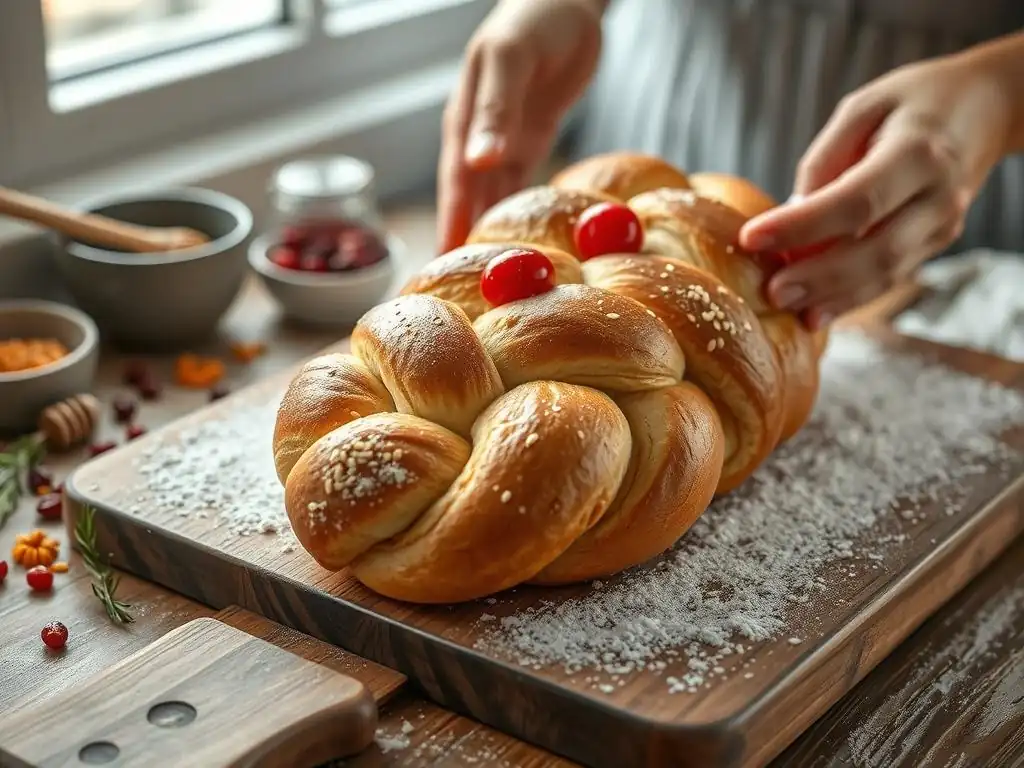
Baking enriched doughs like Easter bread can be incredibly rewarding, but they sometimes require a little extra care compared to standard bread. Here are some tips to help you achieve professional-quality results with your easy Easter bread recipes variations. Paying attention to details like temperature, kneading, and proofing will significantly improve your outcome.
One common challenge is ensuring the bread is baked through without the crust becoming too dark, especially with sweeter doughs. Another is achieving a consistently soft and tender crumb. Using a kitchen scale for accuracy, understanding the signs of proper kneading, and creating a warm, draft-free environment for proofing are fundamental steps that can make a big difference in your baking success.
Achieving a Golden Crust on Your Easter Bread
A beautiful, golden crust is a hallmark of well-baked Easter bread. Several factors contribute to this. Firstly, the egg and sugar content in enriched doughs naturally promote browning in the oven. An egg wash applied to the surface just before baking is also crucial. A simple wash of whisked egg mixed with a tablespoon of water or milk provides a lovely sheen and encourages even browning.
Baking temperature also plays a role. While most enriched breads bake around 350°F (175°C), if your oven runs hot or your bread is browning too quickly before it's cooked through, you can loosely tent the bread with aluminum foil partway through the baking time. This protects the crust while allowing the interior to finish baking. Monitoring the bread visually and using an internal thermometer are the best ways to ensure a perfect golden crust and a fully baked interior.
Preventing Easter Bread from Drying Out
Enriched breads generally stay moist longer than lean breads due to the fat and sugar content. However, they can still dry out if overbaked or stored improperly. To prevent drying during baking, avoid over-baking; use an internal thermometer to check for doneness (190-200°F or 88-93°C). If the crust is browning too fast, tenting with foil helps.
After baking, allowing the bread to cool completely on a wire rack before slicing helps retain moisture. Storing the cooled bread correctly is also key. Tightly wrapping it in plastic wrap, aluminum foil, or placing it in a bread box or airtight container will keep it fresh and moist for several days. If you plan to store it longer, freezing is an excellent option; wrap it well in plastic wrap and then foil before freezing for up to 2-3 months.
Storing and Serving Your Homemade Easter Bread
Once your beautiful easy Easter bread recipes variations have cooled, proper storage is essential to maintain freshness. As mentioned, airtight storage at room temperature is best for the first 2-3 days. Avoid refrigerating yeast breads, as this can actually make them stale faster.
When serving, these breads are wonderful simply sliced and enjoyed on their own. They pair beautifully with butter, jam, or honey. Italian Easter bread and Tsoureki are often served as part of the Easter breakfast or brunch spread. Kulich is traditionally sliced vertically from the top down, leaving the base intact, and served with butter. Babka is delicious sliced and enjoyed with coffee or tea. These breads also make delightful gifts!
Easter Bread Recipe Variations: A Quick Recap
We've explored just a few of the many delightful easy Easter bread recipes variations from around the world. From the egg-studded Italian Pane di Pasqua to the spice-infused Greek Tsoureki, the fruit-laden Russian Kulich, and the swirled Polish Babka, each offers a unique flavor profile and baking experience. While they share the common thread of being enriched Easter breads, their specific ingredients, shapes, and techniques result in distinctly different outcomes.
Understanding these differences can help you choose the perfect bread (or breads!) to bake this Easter. Consider the flavors your family enjoys, the level of complexity you're comfortable with, and the presentation you desire. Each of these easy Easter bread recipes variations provides an opportunity to bake something special and meaningful for the holiday.
Comparing the Flavors and Textures
Let's quickly compare the characteristics of the Easter breads we've discussed:
- Italian Easter Bread: Moderately enriched, often flavored with citrus zest. Texture is soft and slightly dense. Visually striking with baked-in colored eggs.
- Greek Tsoureki: Highly enriched, distinctively flavored with mahlab and mastic. Texture is soft, tender, and slightly stringy. Typically braided, sometimes with a red egg.
- Russian Kulich: Very highly enriched, packed with dried fruit and nuts, often spiced with cardamom or saffron. Texture is dense yet moist and tender. Baked in tall, cylindrical molds and topped with thick icing and sprinkles.
- Polish Babka: Highly enriched, known for its soft, cake-like texture and sweet fillings (especially chocolate or cinnamon). Features a beautiful swirled pattern from shaping.
Each of these easy Easter bread recipes variations offers a unique sensory experience, from the aroma that fills your kitchen to the final bite.
Choosing the Right Easter Bread Recipe for You
Deciding which easy Easter bread recipes variations to try depends on your preferences and baking experience.
- If you're looking for something visually festive and relatively straightforward, the Italian Easter bread is a great choice.
- If you enjoy exploring unique spice profiles and working with braided dough, Tsoureki is a wonderful option.
- If you love rich, sweet, fruit-filled breads and want a showstopper centerpiece, Kulich is worth the effort.
- If you're a fan of sweet, swirled loaves with delicious fillings, Babka is the way to go.
Perhaps you'll try one this year and another next year, or even bake a couple to offer a variety of easy Easter bread recipes variations at your celebration! No matter which you choose, the process of baking these traditional loaves is a rewarding part of the Easter season.
Conclusion: Elevate Your Easter Baking with BakeWithEase
Exploring easy Easter bread recipes variations is a fantastic way to enrich your holiday traditions and delight your loved ones with homemade goodness. We've journeyed through the delightful world of Italian, Greek, Russian, and Polish Easter breads, each offering a unique taste of global baking heritage. From the vibrant eggs of Pane di Pasqua to the aromatic spices of Tsoureki, the rich fruitiness of Kulich, and the sweet swirls of Babka, there's a perfect Easter bread waiting for you to discover.
At BakeWithEase, we hope these recipes and tips empower you to step beyond the familiar and try something new this Easter. Baking these special loaves is not just about following instructions; it's about creating something beautiful, sharing warmth, and connecting with traditions. Embrace the process, fill your home with incredible aromas, and enjoy the delicious results of your efforts. Happy Easter baking!
Frequently Asked Questions
What makes a recipe an easy Easter bread recipe?
An easy Easter bread recipe typically involves simple ingredients, clear instructions, and doesn't require advanced baking skills. It's designed for bakers of all levels to successfully create a delicious bread.
What are some common variations beyond Hot Cross Buns for Easter bread?
Beyond Hot Cross Buns, you can find variations like Italian Easter Bread with colored eggs, Greek Tsoureki flavored with mahlab, and sweet braided breads incorporating citrus zest and nuts.
Where can I find reliable step-by-step guides for Easter bread recipes?
Websites like BakeWithEase.com often provide detailed step-by-step guides with photos or videos to help you through each stage of the baking process, making it easier to follow along.
Are there Easter bread recipes that cater to specific dietary restrictions?
Yes, many recipes can be adapted to be gluten-free, dairy-free, or vegan. Look for recipes that use alternative flours, plant-based milk, and egg substitutes.
What are some key ingredients that make Easter bread unique?
Easter bread often features ingredients like citrus zest, sweet spices (like cinnamon or cardamom), and decorative elements like colored eggs or a sugary glaze, giving it a festive touch.
Final Reflection: The Enduring Magic of Easter Bread
The simple act of baking bread, especially during Easter, transcends mere culinary skill; it becomes a powerful symbol of shared traditions and renewed hope. This exploration of easy Easter bread recipes, beyond the familiar hot cross bun, has revealed a vibrant tapestry of flavors and techniques, proving that deliciousness need not be complicated. The accessibility of these recipes ensures that everyone, regardless of baking experience, can participate in this cherished tradition.
The enduring appeal of Easter bread lies not just in its taste, but in its ability to connect us to our heritage and loved ones. The sharing of freshly baked bread, whether it's a braided challah, a sweet Italian bread, or a subtly spiced variation on the classic hot cross bun, fosters a sense of community and belonging. Baking is at once child's play and adult joy. And love, of course.
– Paul Hollywood. This quote perfectly encapsulates the emotional resonance of baking, especially when shared with others during a significant holiday like Easter.
Now, as you close this article, consider the possibilities. Will you try your hand at one of these delightful recipes? Will you adapt a favorite family recipe to create your own unique Easter bread tradition? More importantly, will you use this opportunity to connect with loved ones, sharing the joy of baking and the warmth of shared meals? Let the simple act of making Easter bread be a reminder of the enduring power of connection, creativity, and the sweet taste of tradition.
Unleash Your Inner Baker: Easter Bread Awaits!
Thanks for joining us on this delicious Easter bread journey! We hope you've discovered some inspiring new recipes and baking ideas. Ready to bring those amazing aromas into your kitchen?
- Bake your favorite Easter bread this weekend! Choose a recipe from the article and get started. Don't forget to preheat your oven!
- Share your baking triumphs (or even your funny baking fails!) with us on social media using #BakeWithEaseEaster. We love seeing your creations!
- Explore other Easter-themed recipes on our website – from savory dishes to delightful desserts, we’ve got you covered for a complete festive feast.
What unique ingredient will you add to your Easter bread this year to make it truly special?