
The Science of Yeast: Ensuring Sweet Roll Success

Welcome to BakeWithEase, where baking becomes an adventure! Ever wondered why your sweet rolls sometimes fall flat? Unlocking the secret lies in the art of yeast activation. Discover the science behind properly preparing your yeast for sweet rolls and ensure a light, airy, and delicious result every time. Ready to take your baking to the next level? Let's dive in!
- Understanding Yeast for Baking Sweet Rolls
- Yeast Activation for Sweet Rolls: The Key to Fluffy Goodness
- Enhancing Sweet Roll Flavor Through Yeast Fermentation
- Common Yeast Problems in Sweet Roll Baking and How to Solve Them
- Advanced Yeast Techniques for Sweet Roll Bakers
-
Frequently Asked Questions
- What is yeast activation, and why is it important for sweet rolls?
- What is the ideal temperature for activating yeast for sweet rolls?
- What type of yeast is best for sweet rolls, and does it impact activation?
- How long should I wait for the yeast to activate before proceeding with my sweet roll recipe?
- What happens if my yeast doesn't activate? Can I still make sweet rolls?
- Final Reflection: The Rising Power of Understanding Yeast
- Unlock Your Inner Baker: Master the Art of Yeast!
Understanding Yeast for Baking Sweet Rolls
Yeast is a living organism, a single-celled fungus, that is absolutely essential for creating the light, airy texture we love in sweet rolls. When yeast is added to dough containing sugar and moisture, it begins to consume the sugars and produce carbon dioxide gas and alcohol through a process called fermentation. This gas gets trapped within the gluten network of the dough, causing it to rise and expand. Without this process, your sweet rolls would be flat, dense, and heavy. Think of yeast as the tiny engine that powers the lift and structure of your dough.
Beyond providing lift, yeast also contributes significantly to the flavor profile of sweet rolls. The alcohol produced during fermentation evaporates during baking, but other byproducts of yeast activity, like organic acids and esters, contribute complex, nuanced flavors that develop over time. A longer, slower fermentation often allows these flavors to deepen, resulting in sweet rolls with more character than those rushed through the process. Understanding how yeast works is the first step to mastering delicious, fluffy sweet rolls.
The Role of Yeast in Sweet Roll Dough
Yeast plays a multifaceted and critical role in transforming simple ingredients into delightful sweet rolls. Primarily, its function is leavening. As yeast consumes sugars present in the dough (whether added directly or derived from flour), it releases carbon dioxide gas.
This gas inflates the dough, creating tiny pockets that give sweet rolls their characteristic soft, airy texture after baking. The amount of yeast used, typically ranging from 1.5% to 3% of the flour weight in enriched doughs like sweet rolls, directly impacts the speed and extent of this leavening. For example, a standard recipe using about 4 cups (500g) of flour might call for 2.25 teaspoons (about 7g) of active dry yeast, which is roughly 1.4% of the flour weight, providing a moderate rise suitable for a typical 1-2 hour bulk fermentation.
Furthermore, yeast contributes to the dough's structure and extensibility. As yeast ferments, it influences the gluten network within the dough. While primarily developed through kneading, the gentle stretching caused by the rising gas bubbles helps to further align and strengthen the gluten strands.
This stronger, more elastic network is better able to trap the carbon dioxide, leading to a higher rise and a finer crumb structure. The acids produced during fermentation also slightly lower the dough's pH, which can impact gluten development and the overall texture. For instance, a dough fermented at around 75-80°F (24-27°C) will typically double in size in 60-90 minutes due to vigorous yeast activity and efficient gas production and retention.
Types of Yeast for Sweet Roll Recipes: A Baker's Guide
Choosing the right type of yeast is crucial for successful sweet roll baking, as each type behaves slightly differently and requires specific handling. The three main types commonly used are active dry yeast, instant dry yeast, and fresh yeast. Understanding their characteristics helps you decide which is best for your recipe and desired timeline. While all perform the same basic function of fermentation, their potency, shelf life, and activation requirements vary.
Knowing the differences allows for appropriate substitutions and adjustments. For example, if a recipe calls for active dry yeast but you only have instant, you can often use about 25% less instant yeast and skip the proofing step. Conversely, if substituting active dry for instant, use about 25% more active dry and remember to proof it first.
Fresh yeast is generally used in a ratio of about 3 times the weight of active dry or 4 times the weight of instant yeast. For instance, if a recipe calls for 7g of active dry yeast, you'd use approximately 9g of instant yeast or 21g of fresh yeast.
Active Dry Yeast for Sweet Rolls: Pros and Cons
Active dry yeast is a popular choice for many home bakers and works well for sweet rolls. It consists of dehydrated yeast granules that are dormant and need to be "activated" or "proofed" in warm liquid (usually water or milk) before being added to the dry ingredients. This activation step, typically done in liquid around 105-115°F (40-46°C) with a pinch of sugar, is essential to ensure the yeast is alive and ready to work.
You'll know it's active when it becomes foamy and bubbly within 5-10 minutes. A major advantage is its relatively long shelf life when stored correctly in a cool, dry place, often lasting for several months or even a year if refrigerated or frozen.
However, the required activation step can be seen as a slight disadvantage as it adds a few extra minutes to the process and introduces a point where you can check if the yeast is still viable. If the yeast doesn't foam, it's likely dead and won't leaven your dough, saving you from wasting other ingredients. Another potential drawback is that active dry yeast ferments a bit slower than instant yeast, which might mean slightly longer rise times for your sweet roll dough. Despite this, it's a reliable and widely available option that produces excellent results when properly activated.
Instant Dry Yeast for Sweet Rolls: A Quick Guide
Instant dry yeast is a favorite among many bakers for its convenience and speed, making it particularly appealing for sweet roll recipes when you want a slightly faster rise. Unlike active dry yeast, instant yeast is processed differently, resulting in finer granules that can be added directly to the dry ingredients without prior hydration. This saves time and simplifies the process. It also contains a higher proportion of live cells compared to active dry yeast, leading to a more vigorous and consistent fermentation.
While instant yeast can be added directly, some bakers still prefer to proof it in warm liquid (slightly warmer than for active dry, around 120-130°F or 49-54°C if adding to dry ingredients later, or following package instructions if proofing) just to be sure it's active, although this isn't strictly necessary according to manufacturers. A key advantage is its potency; you generally use about 25% less instant yeast than active dry yeast.
For example, if a recipe calls for 2.25 teaspoons of active dry, you might use just 1.75 teaspoons of instant. Instant yeast also tends to have a slightly shorter overall rise time, which can be beneficial for fitting baking into a busy schedule, though some argue a longer, slower rise with active dry or fresh yeast develops deeper flavors.
Fresh Yeast for Sweet Rolls: Mastering the Technique
Fresh yeast, also known as compressed yeast or cake yeast, is the traditional choice for many professional bakers and can yield sweet rolls with a wonderfully subtle yeast flavor. It comes in moist, block-like form and has a creamy, crumbly texture.
Fresh yeast is highly perishable and must be stored in the refrigerator, typically lasting only a week or two. Its high moisture content means it is immediately active and doesn't require proofing in the same way dry yeasts do, although it's often crumbled and dissolved in lukewarm liquid (around 80-90°F or 27-32°C) before being added to the dough to ensure even distribution.
Using fresh yeast requires careful handling due to its short shelf life and specific storage needs. It's typically used in a ratio of about 3 parts fresh yeast to 1 part active dry yeast by weight. For instance, if a recipe calls for 7g of active dry yeast, you would use approximately 21g of fresh yeast.
While it provides a reliable and sometimes preferred fermentation profile, its limited availability and perishability make it less common for home bakers compared to dry yeasts. However, for those seeking a classic sweet roll flavor profile, mastering the use of fresh yeast is a rewarding endeavor.
Yeast Activation for Sweet Rolls: The Key to Fluffy Goodness
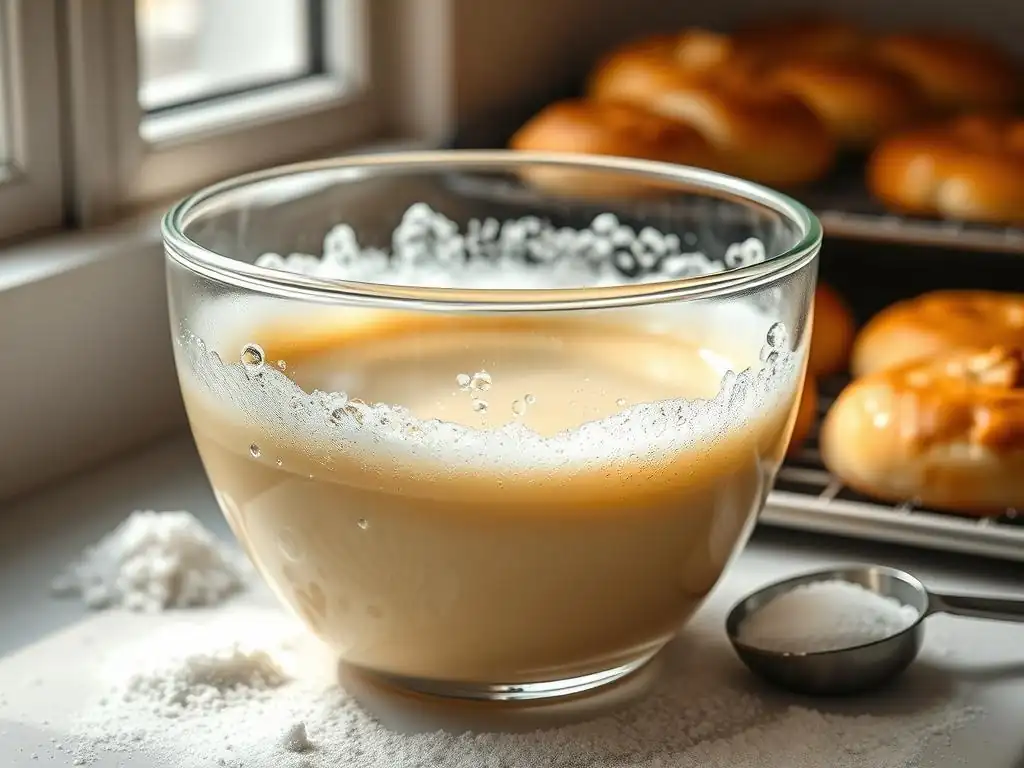
The process of yeast activation for sweet rolls is arguably the most critical step in ensuring your dough rises beautifully. For active dry yeast, this means waking up the dormant cells by providing them with warmth and moisture. Instant yeast, while not strictly requiring activation, can sometimes benefit from being dissolved in liquid first, especially in drier environments or if you want to be absolutely sure of its viability. Proper yeast activation ensures that the yeast is alive, healthy, and ready to produce the carbon dioxide necessary for leavening, transforming dense dough into light, fluffy sweet rolls.
Skipping or improperly performing yeast activation can lead to disappointing results – dough that doesn't rise, heavy texture, and wasted ingredients. It's a simple step that acts as a quality control check, giving you confidence that your yeast is ready to perform its vital role in creating those irresistible sweet rolls. Getting yeast activation for sweet rolls right sets the stage for successful fermentation and, ultimately, delicious baked goods.
Why is Yeast Activation Important for Sweet Rolls?
Yeast activation for sweet rolls is fundamentally important because it verifies the viability of the yeast and initiates the fermentation process. Active dry yeast, the most common type requiring activation, is dormant; its cells are dehydrated and need moisture and warmth to become metabolically active. Think of it like waking a bear from hibernation – it needs specific conditions to start moving and working.
When you dissolve active dry yeast in warm liquid (typically water or milk) with a little sugar, you are rehydrating the cells and providing them with their first meal. Within minutes, if the yeast is alive, it will start consuming the sugar and producing carbon dioxide, visible as foam or bubbles on the surface. This visual cue confirms your yeast is active and ready to leaven your dough.
Without proper yeast activation, you risk adding dead or inactive yeast to your sweet roll ingredients. If the yeast is not active, it will not produce carbon dioxide, and your dough simply won't rise. This results in dense, brick-like sweet rolls instead of the light, airy texture you desire.
For instant yeast, while it can be added directly to dry ingredients, proofing it first (especially if the package has been open for a while or you're unsure of its age) provides the same crucial confirmation of viability. This step is particularly important in enriched doughs like sweet rolls, which contain fat and sugar that can sometimes inhibit yeast activity if the yeast isn't robustly active from the start. A strong start from properly activated yeast ensures the subsequent fermentation and proofing stages proceed correctly.
Step-by-Step Guide to Activating Dry Yeast for Sweet Rolls
Activating dry yeast for sweet rolls is a straightforward process, primarily used for active dry yeast but sometimes done with instant yeast as a test. Here’s how to do it effectively:
- Gather your ingredients: You'll need the specified amount of active dry yeast from your sweet roll recipe, a small amount of warm liquid (usually water or milk, about 1/4 to 1/2 cup), and a pinch of sugar (about a teaspoon). The sugar provides immediate food for the yeast.
- Warm the liquid: Heat the liquid to the correct temperature. For active dry yeast, this is typically between 105°F and 115°F (40°C and 46°C). Use a thermometer for accuracy if possible. Liquid that is too cool won't activate the yeast efficiently, while liquid that is too hot can kill it.
- Combine ingredients: Pour the warm liquid into a small bowl or measuring cup. Sprinkle the yeast and sugar over the surface. Give it a gentle stir to dissolve the sugar and ensure all the yeast granules are submerged.
- Let it sit: Leave the mixture undisturbed in a warm spot for 5 to 10 minutes. Do not stir it again during this time.
- Check for activity: After 5-10 minutes, the mixture should become foamy and bubbly, forming a creamy layer on top. This indicates that the yeast is alive and active. If it doesn't foam, the yeast is likely dead and you should discard it and start with fresh yeast.
- [ ] Measure warm liquid
- [ ] Check liquid temperature (105-115°F for active dry)
- [ ] Sprinkle yeast and sugar
- [ ] Stir gently
- [ ] Let sit for 5-10 minutes
- [ ] Look for foam/bubbles
Once activated and foamy, your yeast mixture is ready to be added to the rest of your sweet roll ingredients as directed in the recipe. Proceeding with dough mixing only after confirming yeast activity is a critical step for sweet roll success.
The Ideal Temperature for Yeast Activation in Sweet Rolls
The temperature of the liquid used for yeast activation is paramount for successful sweet roll dough. For active dry yeast, the optimal temperature range is generally accepted to be between 105°F and 115°F (40°C and 46°C). This range is warm enough to quickly rehydrate the dormant yeast cells and kickstart their metabolism, but not so hot that it damages or kills them. Yeast is a living organism, and like us, it has a temperature sweet spot for optimal performance. Temperatures below this range will slow down the activation process considerably, potentially leading to a weak or delayed rise.
Conversely, exceeding 120°F (49°C) can start to harm active dry yeast cells, and temperatures above 140°F (60°C) will effectively kill them, rendering them useless for leavening. While instant yeast can tolerate slightly higher temperatures (sometimes up to 130°F or 54°C if added directly to very warm water in a stand mixer, though this is less common for initial activation tests), sticking to the 105-115°F range for active dry yeast proofing is a reliable method for ensuring robust yeast activity for your sweet rolls. Using a thermometer is highly recommended to hit this temperature sweet spot consistently.
Troubleshooting Yeast Activation Problems in Sweet Rolls
Encountering issues during yeast activation for sweet rolls can be frustrating, but most problems are easily identifiable and fixable. The most common issue is yeast that doesn't foam or bubble after the specified time, indicating the yeast is likely dead or inactive.
This can happen for several reasons: the yeast may be old and expired, it might have been stored improperly (exposure to heat, air, or moisture can kill it), or the liquid used for activation was too hot or too cold. If your yeast doesn't activate, discard the mixture and try again with fresh yeast from a new package, ensuring your water temperature is correct (105-115°F for active dry).
Another potential problem is using chlorinated tap water, as high levels of chlorine can sometimes inhibit yeast activity. If you suspect this is an issue, try using filtered or bottled water for activation.
Also, ensure you're adding a pinch of sugar; while yeast can eventually feed on starches in the flour, a bit of sugar in the activation liquid provides immediate food, helping the yeast spring to life quickly and visibly. If you've checked the yeast freshness, water temperature, and included sugar, and it still doesn't activate, it's almost certainly an issue with the yeast itself, and replacing it is the only solution for successful sweet roll dough.
Testing Yeast Activity: Ensuring Viability for Perfect Sweet Rolls
Testing yeast activity isn't just a step; it's a vital quality control measure that guarantees your sweet roll dough will rise. For active dry yeast, the test is the activation process described above. By dissolving it in warm, sweetened liquid and waiting 5-10 minutes, you are directly observing its metabolic activity.
If a visible layer of foam or bubbles forms on the surface, ideally rising to about double its original volume, you know the yeast is alive and vigorous. This visual confirmation is simple yet incredibly effective in preventing wasted time and ingredients on dough that won't rise. A good test result shows a thick, creamy foam, not just a few sparse bubbles.
While instant yeast doesn't require proofing, testing a small amount (e.g., 1 teaspoon) in warm water with sugar can still be a good practice if you're using an opened package or are unsure about its age. The process is the same as for active dry yeast, though instant yeast might foam up even more quickly and vigorously.
If your instant yeast doesn't show significant activity when tested, it's best to use a fresh package. Relying on this simple test ensures that the foundation of your sweet roll dough – the leavening agent – is sound, dramatically increasing your chances of achieving that desired light and fluffy texture.
Enhancing Sweet Roll Flavor Through Yeast Fermentation
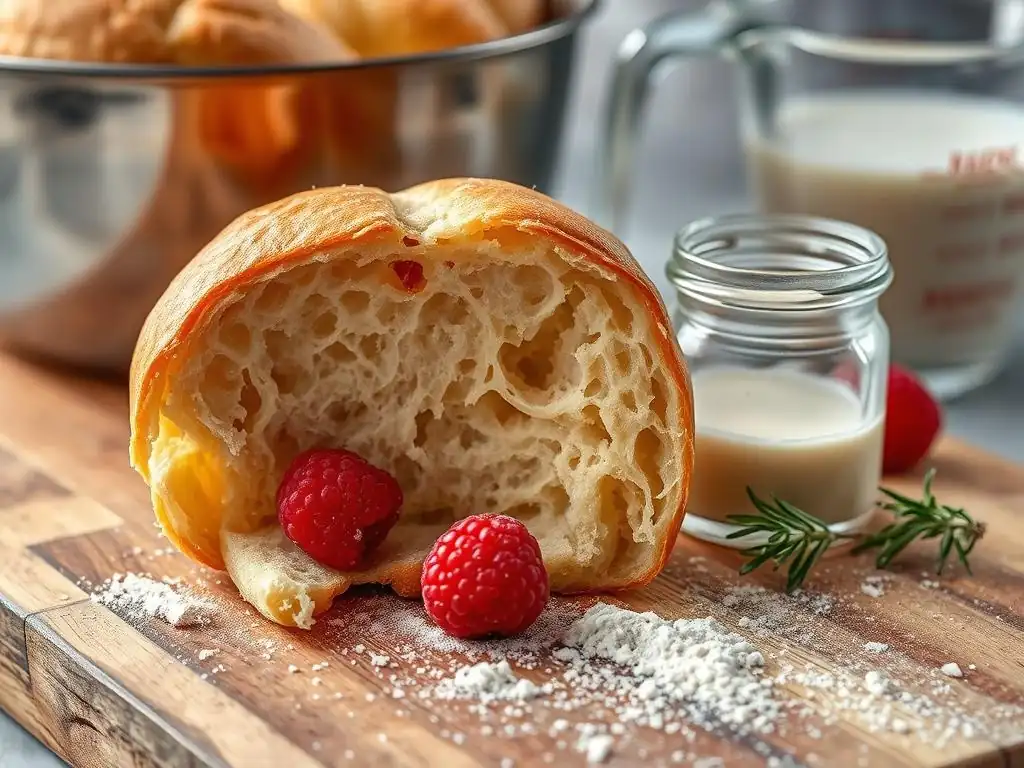
Beyond just creating lift, yeast fermentation is a powerhouse for developing complex and delicious flavors in sweet rolls. As the yeast consumes sugars, it doesn't just produce carbon dioxide and alcohol; it also generates a wide array of aromatic compounds, including esters, aldehydes, and organic acids. These byproducts contribute to the nuanced taste and aroma that distinguish a well-fermented sweet roll from one that was rushed. The specific flavors developed depend on factors like fermentation temperature, time, the type of yeast used, and the dough's composition (especially the amount of sugar and fat).
Controlling the fermentation process allows bakers to influence the final flavor profile. A longer, slower fermentation, often done at cooler temperatures (like in the refrigerator), can allow for a greater development of complex, subtle flavors, resulting in sweet rolls with more depth. Conversely, a rapid, warm fermentation will focus primarily on gas production, yielding a quicker rise but a simpler flavor. Understanding and manipulating fermentation is key to moving from simply making sweet rolls to crafting sweet rolls with exceptional flavor.
The Impact of Fermentation Time on Sweet Roll Texture and Taste
The duration of yeast fermentation has a profound impact on both the texture and taste of sweet rolls. In terms of texture, sufficient fermentation is necessary for the dough to develop strength and elasticity, allowing it to trap gas effectively and achieve a light, open crumb structure. An under-fermented dough will be dense and may tear easily, resulting in heavy sweet rolls.
An over-fermented dough, on the other hand, can become slack and difficult to handle, potentially collapsing during baking due to a weakened gluten structure. A typical bulk fermentation for sweet rolls might take 1 to 2 hours at room temperature (around 70-75°F / 21-24°C), or significantly longer (8-12 hours) in the refrigerator.
Flavor development is also heavily influenced by fermentation time. During the initial stages, yeast primarily produces carbon dioxide and alcohol. However, as fermentation progresses, especially over longer periods or at cooler temperatures, secondary metabolic processes occur, generating a wider range of flavorful compounds.
These include fruity esters, nutty aldehydes, and tangy organic acids (like lactic and acetic acids). A sweet roll dough allowed to ferment slowly overnight in the refrigerator will develop a much more complex and nuanced flavor profile compared to a dough that undergoes a quick 60-minute rise at a warm temperature. For instance, a cold fermentation can increase the concentration of desirable volatile compounds, contributing to a richer aroma and taste in the final baked sweet rolls.
Controlling Fermentation: Tips for Optimal Sweet Roll Dough
Controlling yeast fermentation is essential for achieving consistent and delicious sweet rolls. The primary factors you can manipulate are temperature, time, and the amount of yeast used. Warmer temperatures (around 75-80°F or 24-27°C) accelerate fermentation, leading to faster rises, while cooler temperatures (like 40°F or 4°C in a refrigerator) significantly slow it down. For a standard room-temperature rise, aim for a spot free from drafts. If your kitchen is cool, you can create a warmer environment by placing the dough in a slightly warm, turned-off oven with the light on, which typically provides a temperature around 75-85°F (24-29°C).
Time and yeast quantity are inversely related for a given temperature: more yeast means a faster rise, less yeast means a slower rise. For richer flavor development, using less yeast and allowing a longer, slower fermentation (often called 'retarding' the dough) in the refrigerator is highly effective. This process can take anywhere from 8 to 24 hours.
During a long cold fermentation, the yeast activity is slowed, but enzymatic activity continues, breaking down starches and proteins and allowing more complex flavors to develop. Monitoring the dough's volume increase is key – it should typically double in size for the first rise (bulk fermentation) regardless of the method used.
Understanding Proofing: The Final Rise for Sweet Roll Perfection
Proofing is the crucial final rise that sweet roll dough undergoes after it has been shaped and placed in the pan or on a baking sheet, just before it goes into the oven. This stage allows the yeast to produce a final burst of carbon dioxide, expanding the shaped rolls and contributing significantly to their final volume, lightness, and tender crumb. Unlike the initial bulk fermentation, which develops overall dough structure and flavor, proofing is specifically about achieving the optimal aeration for the final shape. Properly proofed sweet rolls will be visibly puffed up, light, and airy.
The ideal proofing environment is warm and humid, preventing the surface of the dough from drying out and forming a crust, which would restrict the rise. A common technique is to place the shaped rolls in a warm spot (around 75-85°F or 24-29°C) and cover them loosely with plastic wrap or a damp cloth. Proofing time varies depending on the temperature and the dough's initial fermentation, but it typically takes 30 to 60 minutes at room temperature.
The dough is ready when it looks significantly increased in size (often 50-75% larger) and passes the "poke test" – gently pressing a finger into the dough should leave a slight indentation that slowly springs back. If it springs back immediately, it needs more time; if it collapses, it's likely over-proofed.
Common Yeast Problems in Sweet Roll Baking and How to Solve Them
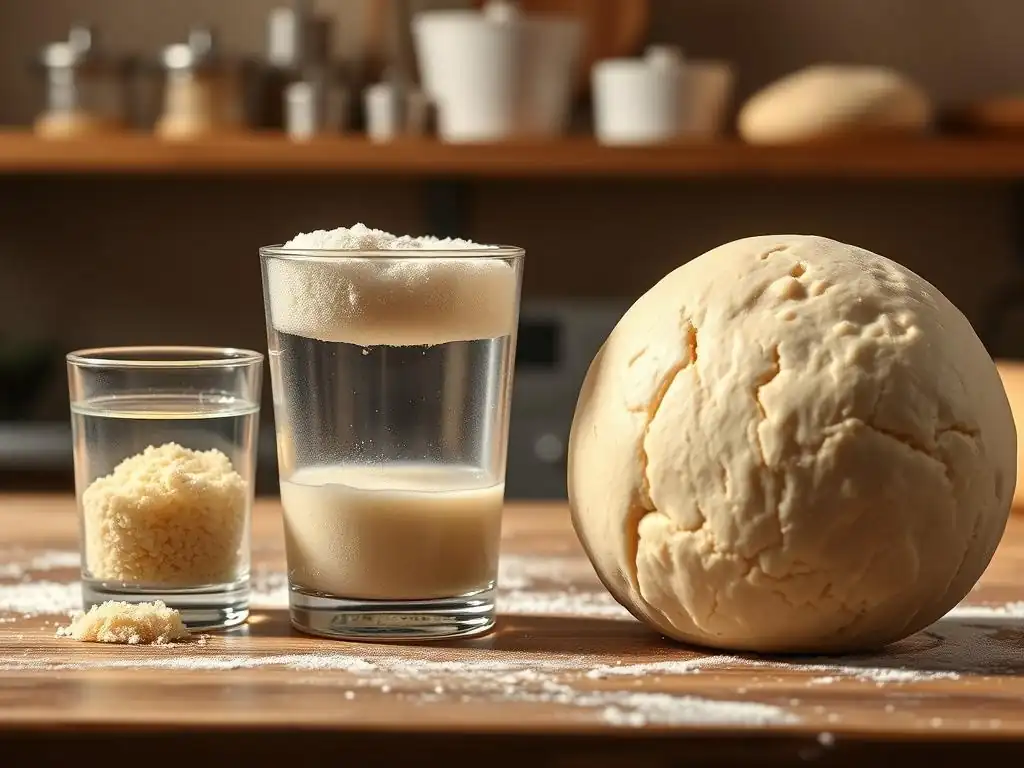
Working with yeast can sometimes present challenges, leading to less-than-perfect sweet rolls. Understanding the most common issues related to yeast activity – or lack thereof – and knowing how to troubleshoot them is key to becoming a confident sweet roll baker. Problems like dough not rising, over-proofing, or under-proofing are often directly related to the yeast's health, the fermentation environment, or the handling of the dough during its various stages. Don't be discouraged by setbacks; they are opportunities to learn and refine your technique.
Many yeast-related problems can be prevented by ensuring your yeast is fresh and properly activated (especially important for yeast activation for sweet rolls), controlling fermentation temperatures, and paying attention to the dough's physical cues throughout the process. Developing an intuition for how your dough should look and feel at each stage comes with practice and experience.
Sweet Rolls Not Rising? Troubleshooting Yeast Issues
One of the most disheartening problems in sweet roll baking is dough that simply refuses to rise. This is almost always a yeast-related issue. The primary culprit is usually inactive or dead yeast. As discussed earlier, if your active dry yeast didn't foam during activation, it was likely dead. Using expired yeast, yeast that was stored improperly (e.g., left open at room temperature), or yeast killed by hot liquid (above 140°F or 60°C) will result in no rise. Always check the expiration date on your yeast package and store it correctly (sealed, cool, dry, or refrigerated/frozen).
Other factors can inhibit even active yeast. Cold temperatures significantly slow yeast activity; if your kitchen is too cold (below 70°F or 21°C), your dough will take a very long time to rise, or may not rise sufficiently. Ensure your dough is in a warm spot, ideally between 75-85°F (24-29°C).
Adding salt directly on top of yeast before mixing can kill it, so make sure salt is incorporated with the flour away from the initial yeast mixture. Too much sugar (over 10-15% of flour weight) or excessive fat can also slow down yeast activity in enriched doughs like sweet rolls, though most standard recipes account for this. If your dough isn't rising after troubleshooting yeast viability and temperature, consider the recipe's balance of ingredients.
Over-Proofed Sweet Rolls: Rescue Techniques
Over-proofing occurs when the shaped sweet rolls have risen for too long during the final proofing stage. The dough becomes excessively large, often looking puffy and fragile, and may have a strong, yeasty smell. The gluten structure, having been stretched to its limit by the trapped gas, starts to weaken and can no longer hold the structure. When baked, over-proofed rolls may collapse in the oven (oven spring will be minimal or non-existent), resulting in a dense texture and potentially an overly acidic or alcoholic flavor.
Rescuing over-proofed sweet rolls is challenging, but sometimes possible. If they haven't completely collapsed, you can try gently deflating them slightly (this is risky and can sometimes make things worse) and letting them rest for 10-15 minutes before baking.
A better approach, if they are severely over-proofed and collapsing, is to gently gather the dough, knead it lightly for a minute or two to redistribute the gas and re-strengthen the gluten, reshape the rolls, and then proof them again, but for a much shorter time (perhaps only 15-20 minutes) before baking immediately. Prevention is easier: keep a close eye on your dough during proofing, use the poke test, and bake as soon as they are perfectly proofed.
Under-Proofed Sweet Rolls: Solutions for a Better Rise
Under-proofing happens when the shaped sweet rolls haven't risen long enough during the final stage. The dough will look smaller and denser than it should be, and the poke test will show the indentation springing back immediately. Baking under-proofed rolls will result in a dense, heavy texture, potentially with a tight crumb and a less developed flavor. They may also exhibit excessive "oven spring" as the yeast attempts to do all its work rapidly in the hot oven.
The solution for under-proofed sweet rolls is simple: give them more time! Continue proofing the shaped rolls in a warm, humid environment until they reach the correct volume and pass the poke test (indentation slowly springs back). This might mean extending the proofing time by 15-30 minutes or even longer, depending on the room temperature and how far off they were. Be patient and trust the dough's cues rather than the clock. Ensuring proper yeast activation for sweet rolls and maintaining a consistent, warm proofing temperature will help you hit the proofing window correctly.
Advanced Yeast Techniques for Sweet Roll Bakers
Once you've mastered the basics of yeast activation for sweet rolls and understand fermentation, you can explore more advanced techniques to elevate your sweet roll game. Methods like using a poolish or incorporating sourdough starter introduce different fermentation styles that can significantly impact the flavor, texture, and keeping quality of your baked goods. These techniques often require more planning and time but offer rewarding results for the adventurous baker looking to add complexity to their sweet rolls.
Experimenting with these methods allows you to delve deeper into the science of fermentation and yeast activity, pushing the boundaries of what's possible with sweet roll dough. While requiring a bit more effort and understanding of yeast behavior over longer periods, the enhanced flavors and textures can be well worth the extra steps.
Using a Poolish for Deeper Flavors in Sweet Rolls
A poolish is a type of preferment, a wet starter made with equal parts flour and water by weight, plus a very small amount of yeast (either active dry, instant, or fresh). This mixture is typically allowed to ferment at room temperature for 8 to 12 hours, or until it is bubbly, foamy, and slightly collapsed in the center.
This long, slow fermentation with a small amount of yeast encourages the development of more complex organic acids and aromatic compounds than a rapid bulk fermentation. When the poolish is ripe, it is added to the final sweet roll dough, usually replacing a portion of the recipe's flour and water.
Incorporating a poolish into your sweet roll recipe contributes a depth of flavor that is hard to achieve with a direct-yeast method alone. The extended fermentation time allows enzymes in the flour to break down starches into simpler sugars that the yeast can easily consume, resulting in a more active and sustained fermentation in the final dough. The acids produced also slightly modify the gluten structure, potentially leading to a softer, more tender crumb.
For example, a recipe might call for making a poolish with 100g flour, 100g water, and just 0.5g instant yeast, letting it sit overnight before adding it to the main dough ingredients the next day. This relatively simple step significantly enhances the complexity of the final sweet rolls.
Sourdough Sweet Rolls: A Tangy Twist
For the truly adventurous baker, transforming classic sweet rolls into sourdough sweet rolls offers a unique tangy flavor and often a wonderfully chewy yet tender texture. This method replaces or supplements commercial yeast with a live, active sourdough starter. A sourdough starter is a culture of wild yeast and lactic acid bacteria that ferment flour and water. The wild yeast provides leavening, while the bacteria produce lactic and acetic acids, contributing the characteristic sour flavor. Making sweet rolls with sourdough requires a healthy, active starter and understanding the slower, longer fermentation times involved compared to commercial yeast.
The process typically involves feeding the starter to ensure it's vigorous, then incorporating it into the sweet roll dough. Because sourdough fermentation is slower, the bulk fermentation and proofing times are considerably longer than with commercial yeast, often taking several hours at room temperature or overnight in the refrigerator. This extended fermentation allows for significant development of complex flavors from both the wild yeast and the bacteria.
While the tanginess adds an exciting dimension, it can be balanced by the sweetness and richness of the sweet roll dough. A common approach is to use a certain percentage of ripe starter based on the flour weight (e.g., 20-30%) and adjust hydration accordingly. The result is a sweet roll with a sophisticated flavor profile and often an excellent texture and keeping quality.
Frequently Asked Questions
What is yeast activation, and why is it important for sweet rolls?
Yeast activation is the process of preparing yeast for baking by waking it up with warm liquid and sugar. It's crucial for sweet rolls because it ensures the yeast is alive and active, leading to a proper rise and a light, airy texture.
What is the ideal temperature for activating yeast for sweet rolls?
The ideal temperature range for activating yeast is between 105°F and 115°F (40°C and 46°C). Water that is too cold won't activate the yeast, while water that is too hot can kill the yeast, preventing your sweet rolls from rising.
What type of yeast is best for sweet rolls, and does it impact activation?
While active dry yeast and instant yeast can both be used, active dry yeast generally benefits from activation. Instant yeast can be added directly to the dry ingredients, but activating it can still provide a boost and ensure its viability, especially if you're unsure of its freshness.
How long should I wait for the yeast to activate before proceeding with my sweet roll recipe?
Typically, wait for 5-10 minutes after mixing the yeast, warm liquid, and sugar. You should see foaming or bubbling on the surface, indicating that the yeast is active and ready to be used in your sweet roll dough.
What happens if my yeast doesn't activate? Can I still make sweet rolls?
If your yeast doesn't activate (no foaming or bubbling), it's likely dead or inactive. Proceeding with dead yeast will result in flat, dense sweet rolls. It's best to start again with fresh yeast to ensure success.
Final Reflection: The Rising Power of Understanding Yeast
The science of yeast activation isn't just about perfectly risen sweet rolls; it's the foundation of culinary creativity and a testament to the power of understanding the natural world. A seemingly simple ingredient holds the key to unlocking countless delicious possibilities, from fluffy dinner rolls to airy sourdough loaves. Mastering yeast activation isn't merely a technical skill; it's a gateway to a deeper appreciation for the processes that bring our food to life.
The impact of understanding yeast extends far beyond the kitchen. It highlights the intricate balance within even the smallest organisms and the profound influence these microscopic players have on our daily lives. The yeast, the humble yeast, is the very soul of bread.
This quote, while perhaps poetic, underscores the fundamental role yeast plays in our food culture and traditions, shaping culinary practices across generations and cultures. Its influence is a subtle yet powerful reminder of the interconnectedness of nature and human ingenuity.
Now, consider your own baking journey. What have you learned about the delicate dance between temperature, hydration, and time that brings yeast to life? Perhaps you've experienced the frustration of a dough that refused to rise, or the joy of achieving that perfect, airy crumb. I encourage you to embrace the process, to experiment with different techniques, and to savor the satisfaction of creating something delicious from a single, remarkable organism. The next time you bake, remember the power held within those tiny yeast cells – and the sweet rewards that await when you understand their needs.
Unlock Your Inner Baker: Master the Art of Yeast!
Thanks for taking the time to explore the fascinating world of yeast! You've now got the knowledge to confidently tackle any yeast-based recipe. Ready to put your newfound expertise to the test?
- Bake your dream rolls today! Try that recipe you've been eyeing – you've got this!
- Share your baking journey with our community on social media using #BakeWithEaseYeast. We'd love to see your creations!
- Explore our other baking guides for even more tips and tricks to help you become a baking pro.
What delicious yeast creation will you tackle first? Let us know in the comments below!