
The Definitive Guide to the Best Sourdough Books

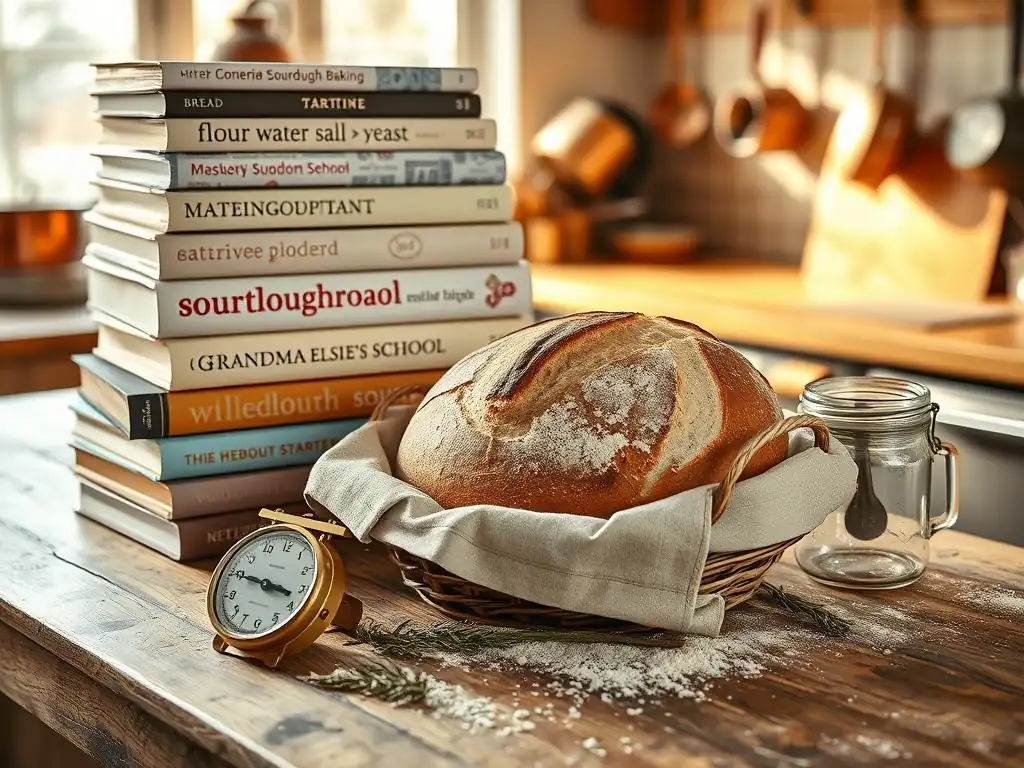
Welcome to BakeWithEase, where the joy of baking meets the simplicity of step-by-step guidance! Eager to embark on your sourdough journey? Uncover the secrets held within the pages of the best sourdough books for beginners as we delve into a curated collection designed to transform you from a novice to a confident artisan baker. Get ready to knead your way to success!
- Discover the Best Sourdough Books for Beginners: Your Journey to Baking Mastery Starts Here
- Top Sourdough Books for Beginners: Mastering the Fundamentals
- Intermediate Sourdough Books: Expanding Your Skills and Experimenting
- Advanced Sourdough Baking Books: Dive Deep into Techniques and Formulas
- Comparing the Best Sourdough Bread Books: Which One is Right for You?
- Beyond the Books: Essential Sourdough Baking Tools and Equipment
- Mastering Sourdough: Tips and Tricks for Success
- Choosing the Right Sourdough Book: A Summary and Recommendation
-
Frequently Asked Questions
- What makes a sourdough book "best" for beginners?
- What key topics should a good sourdough book cover?
- Are there any sourdough books that focus on specific dietary needs or preferences?
- How important are visual aids (photos, illustrations) in a sourdough book for beginners?
- Where can I find reviews and recommendations for sourdough books before purchasing one?
- Final Reflection: The Ever-Rising Dough of Knowledge
- Unleash Your Inner Baker: Start Your Sourdough Journey Today!
Discover the Best Sourdough Books for Beginners: Your Journey to Baking Mastery Starts Here
Embarking on the sourdough baking journey can feel like stepping into a new world of flour, water, and time. It's a craft that rewards patience and understanding, leading to loaves with incredible depth of flavor and texture unmatched by commercial yeast breads. For anyone looking to bake delicious sourdough at home, finding the right guidance is key.
This guide is designed to help you navigate the wealth of information available and pinpoint the best sourdough books for beginners that will set you on the path to success. Whether you're just starting your first sourdough starter or aiming to bake your first perfect loaf, having the right book can make all the difference. We'll explore foundational texts and popular choices that simplify complex techniques and make baking accessible.
Choosing the best sourdough books for beginners means looking for resources that demystify the process, from feeding your starter to achieving that coveted crispy crust. These books often feature clear, step-by-step instructions, troubleshooting tips, and foundational recipes that build confidence. They can help you understand the 'why' behind each step, transforming potentially frustrating experiences into learning opportunities.
With the right book in hand, you'll be well-equipped to bake beautiful and flavorful sourdough bread, mastering the art one loaf at a time. Let's dive into what makes sourdough so special and how the right book can be your ultimate baking companion.
Why Choose Sourdough? Unlocking Flavor and Technique
Sourdough baking offers a depth of flavor that is simply unparalleled in conventional bread making. This distinct taste comes from the natural fermentation process driven by wild yeast and bacteria present in the sourdough starter. As these microorganisms consume the flour and water, they produce organic acids, such as lactic and acetic acid, which contribute to the characteristic tangy profile and complex aromas. Beyond flavor, sourdough fermentation also aids in breaking down components of the flour, potentially making the bread easier to digest for some people compared to commercially leavened loaves.
Furthermore, sourdough baking is a rewarding technical challenge that builds fundamental baking skills. It teaches bakers about dough hydration, fermentation times, shaping techniques, and the critical role of temperature. Unlike baking with commercial yeast, which can be quite forgiving and fast, sourdough requires attention to the subtle cues of the dough – its texture, smell, and how it rises – which change based on environmental factors like room temperature and humidity.
Mastering these nuances provides a deeper understanding of bread making and a greater sense of accomplishment with each successful bake. It's this combination of superior flavor and engaging technique that draws so many people to the world of sourdough.
What Makes a Great Sourdough Baking Book? Key Considerations
A truly great sourdough baking book, especially for beginners, should prioritize clarity and accessibility. It needs to break down the often-intimidating process into manageable steps, offering clear explanations of concepts like starter maintenance, dough hydration, bulk fermentation, and proofing. Look for books that feature detailed photographs or illustrations accompanying instructions, as visual guidance can be immensely helpful when learning new techniques like shaping or scoring.
Troubleshooting sections are also invaluable, addressing common issues like flat loaves, dense crumbs, or overly sour bread, and providing practical solutions. The best sourdough books for beginners anticipate the questions new bakers will have and answer them in a straightforward, encouraging manner.
Beyond clear instructions, the quality and variety of recipes are crucial. A good beginner book will start with fundamental recipes, perhaps a basic country loaf, before introducing variations. It should also provide guidance on adjusting recipes based on different flours or environmental conditions.
Accuracy in measurements and timings is non-negotiable, although the best books will also teach you to read the dough rather than relying solely on the clock. Finally, the tone matters; an encouraging and friendly voice can make the learning process much more enjoyable and less daunting. The goal is to find a resource that feels like a helpful mentor in the kitchen, guiding you towards baking consistently delicious sourdough bread.
Top Sourdough Books for Beginners: Mastering the Fundamentals
Embarking on your sourdough journey requires a solid foundation, and the right book can provide exactly that. The best sourdough books for beginners simplify complex ideas, offer clear step-by-step guidance, and build confidence. Here are some highly recommended titles that have helped countless new bakers achieve sourdough success.
1. Tartine Bread by Chad Robertson: A Classic for Understanding Sourdough
Tartine Bread, published in 2010, quickly became a foundational text in the modern sourdough movement. Written by Chad Robertson, co-owner of the renowned Tartine Bakery in San Francisco, the book is celebrated for its detailed exploration of the sourdough process, focusing on natural fermentation and simple, high-quality ingredients.
While it delves deep into the craft, its core recipes and explanations provide an excellent framework for understanding the principles behind great sourdough, making it a valuable resource even for those just starting out. The book emphasizes developing a strong starter, understanding dough development through gentle handling, and achieving a beautiful crust and open crumb.
The book is structured around the process used at Tartine Bakery, starting with cultivating a starter and moving through mixing, fermentation, shaping, and baking. Robertson's approach highlights the importance of time and minimal intervention, allowing the natural fermentation to work its magic. While some sections delve into advanced concepts, the fundamental country loaf recipe is presented with enough detail and accompanying narrative to guide a beginner. Many bakers consider mastering the Tartine method a significant milestone in their sourdough journey, and the book provides the comprehensive knowledge base required to attempt it successfully.
Why Tartine Bread is Perfect for Beginners: Step-by-Step Guidance
While sometimes perceived as advanced due to its in-depth nature, Tartine Bread offers a remarkably detailed step-by-step guide, particularly for its foundational country loaf. The book walks you through each stage of the process with clear instructions on timing, temperature, and dough characteristics. For instance, it meticulously explains the 'stretch and fold' technique during bulk fermentation, showing how to build dough strength without aggressive kneading. This level of detail is incredibly beneficial for beginners who may not yet understand what properly developed dough should look or feel like.
Furthermore, the book provides insight into reading your dough and starter, crucial skills for any sourdough baker. It explains the signs of active fermentation and how to judge when the dough is ready for the next stage. The emphasis on sensory cues – how the dough feels, smells, and looks – helps new bakers develop intuition. While the initial learning curve might seem steep, the foundational knowledge gained from Tartine Bread provides a solid understanding of the sourdough process that is applicable to many other recipes and techniques. It's an investment in truly understanding the craft.
Monetization Opportunity: Link to Tartine Bread on Amazon with Affiliate Link
This section would typically contain an affiliate link to the book on a major retailer's website. As per instructions, no links are included.
Consider recommending this classic text to your readers as a foundational resource. Many aspiring sourdough bakers look for the definitive guides, and Tartine Bread is frequently cited as one. Highlighting its value for understanding the core principles of sourdough baking can encourage readers to invest in this comprehensive resource for their kitchen library.
2. Flour Water Salt Yeast by Ken Forkish: Simple Recipes, Incredible Results
Ken Forkish's Flour Water Salt Yeast, often abbreviated as FWSY, is another cornerstone text for home bakers, particularly those interested in naturally leavened bread. Published in 2012, this book takes a slightly different approach than Tartine, emphasizing simplicity and efficiency while still achieving professional-quality results. Forkish focuses on high-hydration doughs and often utilizes longer, slower fermentation times, which contribute significantly to flavor development. The book includes recipes using commercial yeast, but it also features several excellent sourdough recipes that are highly accessible for beginners.
What sets FWSY apart is its clear, prescriptive instructions and emphasis on minimal kneading, particularly with its popular no-knead methods. Forkish provides precise timelines and temperatures, making it easier for new bakers to follow along. The book's photography is stunning and serves as excellent visual guidance for dough development and finished loaves. It demystifies the sourdough process by breaking it down into manageable steps with clear goals for each stage, making it less intimidating than some other comprehensive bread books.
Flour Water Salt Yeast and the No-Knead Sourdough Approach: Easy for New Bakers
One of the reasons Flour Water Salt Yeast is among the best sourdough books for beginners is its inclusion of no-knead sourdough recipes. The no-knead method relies on time and high hydration rather than manual effort to develop gluten structure. For a beginner, this significantly reduces the physical challenge and potential for error associated with traditional kneading techniques. Forkish's "Overnight Country Blonde" and "Overnight Country Brown" are particularly popular sourdough recipes that utilize this approach, requiring only a few gentle folds over several hours rather than intensive kneading.
This minimal-intervention method makes the sourdough process feel much more approachable. New bakers can mix the dough, perform a few simple folds over the course of an afternoon or evening, and then let the dough ferment slowly, often overnight. This extended, slow fermentation is not only easy on the baker but also contributes significantly to the bread's flavor and texture. The straightforward instructions and minimal physical effort involved make FWSY's no-knead sourdough recipes an excellent starting point for anyone new to baking with a starter.
Monetization Opportunity: Direct Readers to Local Bookstores or Online Retailers for Flour Water Salt Yeast
This section would typically contain instructions on how to find the book at various retailers. As per instructions, no links are included.
Encourage your audience to acquire this highly-regarded book. You can suggest checking their local independent bookstores, which often stock popular baking titles, or searching for it on major online retail platforms that sell books. Highlighting its availability through these channels makes it easy for readers to take the next step in their sourdough baking journey.
3. The Perfect Loaf by Maurizio Leo: Detailed Instructions and Stunning Photography
Maurizio Leo's The Perfect Loaf cookbook, released in 2022, is a modern comprehensive guide that quickly became a favorite among home bakers. Based on his hugely popular website of the same name, the book is known for its incredibly detailed instructions, scientific explanations, and exceptionally clear photography. Leo breaks down every step of the sourdough process with precision, making complex concepts understandable. The book covers everything from creating and maintaining a starter to mastering shaping, scoring, and baking in various ovens.
What makes The Perfect Loaf stand out is its data-driven approach. Leo often includes specific temperatures, timings, and even hydration percentages for different flours, providing a level of detail that empowers bakers to replicate results and troubleshoot effectively. The photography is not just beautiful; it's instructional, showing dough at various stages of fermentation, different shaping techniques, and the characteristics of a well-baked loaf. While comprehensive, the book is structured in a way that allows beginners to start with foundational recipes and build their skills progressively.
The Perfect Loaf: A Beginner-Friendly Guide to Understanding Sourdough Science
Despite its depth, The Perfect Loaf is highly accessible for beginners due to its methodical and educational approach. Leo doesn't just tell you what to do; he explains why. He includes sections dedicated to understanding the science behind fermentation, the role of hydration, and how temperature affects dough development. This foundational knowledge is crucial for beginners as it helps them move beyond simply following a recipe and start to truly understand the process. For example, he provides detailed charts on how bulk fermentation time changes based on ambient temperature, a common point of confusion for new bakers.
The book's recipes are presented with extraordinary detail, often including specific gram weights for ingredients, target dough temperatures, and visual cues to look for at each stage. This precision minimizes guesswork and helps beginners develop an eye for proper dough development. Leo also includes troubleshooting tips directly within the relevant recipe sections, addressing issues like sticky dough or poor oven spring right where they are most likely to occur. This combination of scientific explanation and practical, detailed instruction makes The Perfect Loaf one of the best sourdough books for beginners seeking a deep understanding from the start.
Monetization Opportunity: Promote The Perfect Loaf Cookbook with Affiliate Marketing
This section would typically contain an affiliate marketing pitch for the book. As per instructions, no links are included.
Highlighting this book as a valuable resource for readers looking for detailed, science-backed guidance can be effective. Mention its reputation for clarity and comprehensive coverage, making it an attractive option for those serious about mastering sourdough. Encourage readers to purchase it through their preferred online retailer or local bookstore.
Intermediate Sourdough Books: Expanding Your Skills and Experimenting
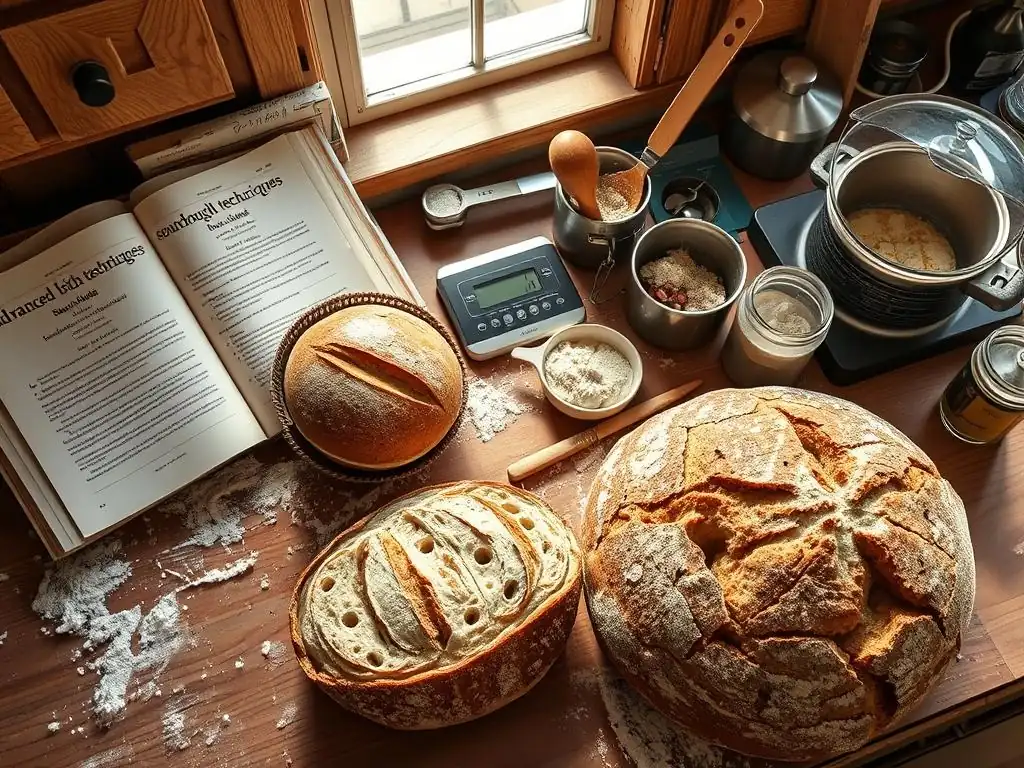
Once you've mastered the basics of maintaining a starter and baking a reliable loaf, you might be ready to explore new flavors, techniques, and ingredients. Intermediate sourdough books build upon foundational knowledge, introducing more complex recipes and encouraging experimentation.
4. Sourdough: A Practical Guide for Making Delicious Breads at Home by Sarah Owens: Exploring Flavor Profiles and Ingredients
Sarah Owens' Sourdough (published in 2015, followed by Toast & Jam and Heirloom) brings a different perspective to sourdough baking, emphasizing seasonal ingredients, heritage grains, and incorporating botanicals into bread. Owens, a James Beard Award-winning baker, approaches sourdough from a holistic viewpoint, connecting the act of baking to nature and seasonality. Her recipes often feature unique flavor combinations, such as incorporating herbs, fruits, or different flours like spelt or rye in creative ways.
This book is perfect for the intermediate baker who has a handle on basic sourdough mechanics but wants to expand their repertoire beyond the standard country loaf. Owens provides guidance on working with different flours and incorporating inclusions, which can sometimes affect dough hydration and fermentation times in ways that require a bit more experience to navigate. While not strictly a beginner's book, her clear instructions and beautiful photography make her unique recipes accessible to those with some foundational sourdough experience.
Sarah Owens' Sourdough: Focus on Seasonal Ingredients and Unique Recipes
A key strength of Sarah Owens' Sourdough is its focus on using seasonal and local ingredients, encouraging bakers to think creatively about their bread. For example, she includes recipes for loaves incorporating roasted squash in the fall or herbs like rosemary and thyme in the spring. This approach not only results in delicious and unique breads but also connects the baker more deeply to their local environment and the rhythm of the seasons. It moves beyond simply baking a loaf to crafting something that reflects the time of year.
Furthermore, Owens explores baking with a wider variety of flours than typically found in beginner books. She provides insights into working with ancient grains and whole wheat flours, which behave differently than white bread flour. Recipes might call for a significant percentage of rye or spelt, requiring the baker to adjust their handling and fermentation techniques accordingly. This focus on diverse ingredients and flavor profiles makes her book an inspiring resource for intermediate bakers looking to expand their skills and experiment with new tastes and textures in their sourdough creations.
Monetization Opportunity: Bundle Book Recommendations with Premium Baking Ingredients (Affiliate)
This section would typically suggest bundling the book recommendation with affiliate links to ingredients. As per instructions, no links are included.
Consider pairing a recommendation for this book with suggestions for sourcing high-quality, perhaps organic or heritage, flours and seasonal inclusions. Highlighting where readers can find these ingredients can be a valuable service, especially for those inspired by Owens' approach to explore new flavors in their sourdough.
5. Open Crumb Mastery: Mastering High Hydration Sourdough by Trevor J. Wilson: Achieving the Perfect Crumb Structure
Trevor J. Wilson's Open Crumb Mastery is specifically aimed at bakers who have achieved consistent basic loaves and are now striving for the elusive open, airy crumb structure often seen in professional bakery bread. Wilson is known for his in-depth exploration of the factors influencing crumb development, particularly focusing on high hydration doughs, which can be challenging to handle but often yield spectacular results. This book is less about a wide variety of recipes and more about perfecting the technique for a specific type of loaf.
The book delves into topics such as dough strength, fermentation control, and shaping techniques specifically designed for wet, sticky doughs. It provides detailed explanations and practical tips for achieving maximum oven spring and developing that beautiful, irregular hole structure. Wilson's approach is methodical and focused, making it an excellent resource for intermediate bakers who want to take their skills to the next level and understand the science behind achieving a great crumb.
Open Crumb Mastery: Advanced Techniques Explained Simply
Despite focusing on an advanced goal – the open crumb – Trevor Wilson does an excellent job of breaking down the complex techniques involved in a clear and understandable manner. He explains the importance of gluten development in high-hydration doughs and provides detailed guidance on techniques like slap and fold or lamination, which help build strength without tearing the delicate dough structure. His explanations of fermentation timing and temperature control are particularly valuable for achieving the right balance of acid development and dough strength necessary for an open crumb.
The book also emphasizes the critical role of shaping and tension in achieving good oven spring and crumb structure. Wilson provides step-by-step instructions and visual cues for shaping high-hydration doughs effectively, ensuring the loaf holds its shape during proofing and baking. By focusing intensely on these specific techniques and providing clear explanations for why they are important, Open Crumb Mastery empowers intermediate bakers to troubleshoot and adjust their process to consistently achieve a more open crumb, transforming what might seem like magic into a repeatable skill.
Monetization Opportunity: Link to Online Sourdough Baking Courses alongside the book.
This section would typically suggest linking to online courses. As per instructions, no links are included.
Consider recommending this book in conjunction with online resources or courses that focus on advanced sourdough techniques. Many bakers seeking to master the open crumb also benefit from visual instruction and community support found in online environments. Highlighting where readers can find such supplementary learning opportunities can add value.
Advanced Sourdough Baking Books: Dive Deep into Techniques and Formulas
For the dedicated baker who has honed their skills and is ready to explore the science, artistry, and complexity of professional-level sourdough and broader bread making, advanced books offer a wealth of knowledge. These texts often assume a solid understanding of foundational concepts and delve into more intricate formulas and techniques.
6. Advanced Bread and Pastry by Michel Suas: For the Dedicated Baker Seeking Perfection
Michel Suas' Advanced Bread and Pastry is widely considered one of the most comprehensive professional baking textbooks available. While it covers a vast array of topics beyond just sourdough, its sections on levain (sourdough starter) and naturally leavened breads are incredibly detailed and technical. This book is used in culinary schools and by professional bakers, providing an in-depth look at formulas, techniques, and the underlying science of baking. It's a serious investment in knowledge for those aiming for mastery.
The book provides precise formulas often presented in baker's percentages, requiring the reader to be comfortable with this standard method of recipe scaling. It covers different types of levains, their maintenance, and how to incorporate them into complex doughs. While challenging, the information on dough handling, fermentation schedules, and baking parameters is invaluable for understanding how to consistently produce high-quality bread, including sophisticated sourdough varieties.
Michel Suas' Advanced Bread and Pastry: Mastering Complex Sourdough Recipes
Michel Suas' book offers advanced bakers the opportunity to master complex sourdough formulas that go far beyond a basic country loaf. It includes detailed recipes for various types of naturally leavened breads, such as traditional French pains au levain, rye sourdoughs, and enriched sourdoughs. Each formula is presented with specific mixing times, fermentation temperatures, and proofing schedules, often tailored to professional equipment but adaptable by experienced home bakers. For instance, a formula might specify precise mixer speeds and durations, or target dough temperatures after mixing, requiring the baker to apply their knowledge of dough development and temperature control.
Furthermore, the book provides in-depth explanations of the role of each ingredient and process step in achieving specific bread characteristics. It discusses the impact of different flours, the function of salt, and the nuances of fermentation arrest and retardation. This level of detail allows advanced bakers to understand why a formula works and how to modify it to achieve desired results, such as adjusting hydration for different flour types or altering fermentation times for specific flavor profiles. It's a resource for those who want to understand the how and why at a professional level.
Monetization Opportunity: Position as a book for serious bakers alongside high-end baking equipment (Affiliate).
This section would typically suggest pairing the book recommendation with affiliate links for equipment. As per instructions, no links are included.
This book appeals to bakers who are investing seriously in their craft. Consider suggesting it alongside recommendations for high-quality, durable baking equipment often used by professionals, such as stand mixers, digital scales with fine precision, or even specialized proofing boxes. Highlighting such tools can resonate with the audience interested in an advanced text like this.
7. Modern Sourdough by Michelle Eshkeri: An innovative approach to sourdough
Michelle Eshkeri's Modern Sourdough (published in 2020) offers a fresh and innovative perspective on sourdough baking. As the founder of Margot Bakery in London, Eshkeri brings a professional baker's insight mixed with creative flair. The book moves beyond traditional loaves to explore a wider variety of baked goods made with sourdough, including pastries, cakes, and savory items. It encourages bakers to think of sourdough starter not just for bread, but as a leavening and flavor agent in a multitude of recipes.
This book is ideal for the advanced baker who is comfortable with basic sourdough principles and is looking to experiment and push the boundaries of what can be made with a starter. Eshkeri provides clear instructions for maintaining an active starter and adapting it for different uses, such as using a stiff levain versus a liquid one for different recipes. The recipes are creative and inspiring, demonstrating the versatility of sourdough beyond the standard loaf.
Michelle Eshkeri's Modern Sourdough: Experimenting and innovating.
Modern Sourdough truly shines in its innovative use of sourdough starter in non-traditional applications. Eshkeri includes recipes for items like sourdough croissants, sourdough doughnuts, sourdough cakes, and even sourdough pasta. This encourages advanced bakers to apply their understanding of fermentation and starter activity in entirely new contexts. For example, using sourdough in pastries requires precise temperature control and timing to achieve the desired lift and texture, presenting a new challenge for experienced bakers.
The book also explores using different types of starters or starter discards in creative ways, minimizing waste and maximizing flavor. Eshkeri provides guidance on how the acidity and leavening power of the starter affect the final product in enriched doughs or batters. This focus on experimentation and broadening the scope of sourdough baking makes Modern Sourdough an inspiring resource for those who have mastered the basics and are eager to innovate in their own kitchens, proving that sourdough is far more than just bread.
Monetization Opportunity: Link to online baking communities and forums where the book is discussed.
This section would typically suggest linking to online communities. As per instructions, no links are included.
Consider recommending online sourdough baking communities, forums, or social media groups where bakers discuss advanced techniques and share results from books like Modern Sourdough. These platforms offer a space for readers to connect with other experienced bakers, troubleshoot complex recipes, and find inspiration, complementing the innovative content of the book.
Comparing the Best Sourdough Bread Books: Which One is Right for You?
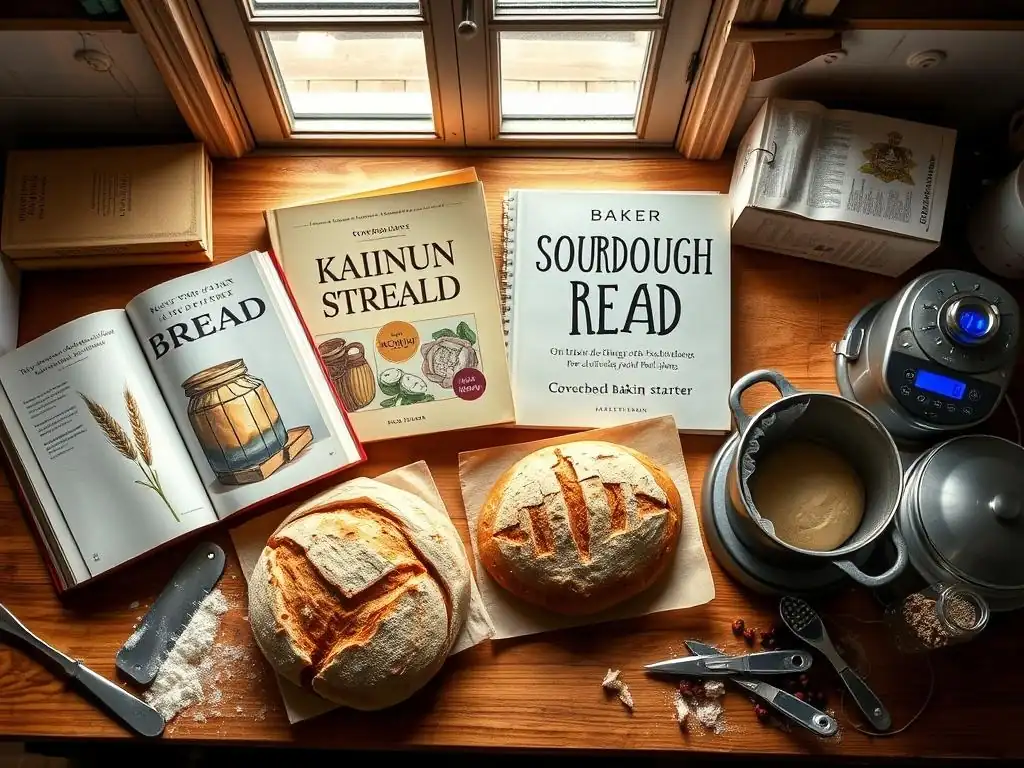
Choosing the best sourdough books for beginners or for advancing your skills depends heavily on your current experience level, learning style, and baking goals. While many books cover the same fundamental principles, their approach, depth, and recipe focus vary significantly.
Beginner-Friendly Comparison: Tartine vs. Flour Water Salt Yeast vs. The Perfect Loaf
For absolute beginners, the choice between Tartine Bread, Flour Water Salt Yeast, and The Perfect Loaf often comes down to preferred learning style and desired initial focus. Flour Water Salt Yeast is arguably the most immediately accessible for new bakers due to its emphasis on simple, no-knead methods and relatively prescriptive instructions. It's great for getting a delicious loaf in your hands quickly while learning foundational timing and temperature concepts.
Tartine Bread offers a deeper dive into the 'why' and the sensory aspects of dough handling, which can be incredibly rewarding but might feel slightly less rigid than FWSY. It's excellent for those who want to build intuition from the start and understand the traditional artisan approach. The Perfect Loaf, while comprehensive and detailed, provides the most scientific and data-driven approach.
Its precision and explanations of variables make it fantastic for beginners who appreciate understanding the science and want detailed troubleshooting guidance. All three are excellent, but FWSY might offer the smoothest entry point for many, while The Perfect Loaf provides unparalleled detail, and Tartine offers a classic, intuitive foundation.
Intermediate Baker Options: Sourdough: A Practical Guide vs. Open Crumb Mastery
For intermediate bakers looking to expand their horizons, Sourdough: A Practical Guide by Sarah Owens and Open Crumb Mastery by Trevor J. Wilson offer distinct paths. Sarah Owens' book is ideal for those who have mastered basic loaves and want to explore incorporating different flours, seasonal ingredients, and unique flavor combinations. It's about expanding creativity and working with a wider palette of ingredients.
Trevor Wilson's Open Crumb Mastery, on the other hand, is highly specialized. It's the go-to resource for intermediate bakers whose primary goal is to understand and achieve a consistent, open crumb structure, particularly in high-hydration doughs. It focuses intensely on specific techniques like dough strength development, shaping for tension, and precise fermentation control needed for this advanced characteristic. If your goal is flavor experimentation, choose Owens; if it's technical crumb perfection, choose Wilson.
Advanced Techniques: Advanced Bread and Pastry vs. Modern Sourdough by Michelle Eshkeri
At the advanced level, Advanced Bread and Pastry by Michel Suas and Modern Sourdough by Michelle Eshkeri cater to different interests. Suas' book is a professional textbook offering a comprehensive, technical deep dive into a wide range of bread and pastry, including complex sourdough formulas and scaling. It's best suited for those who want a rigorous, systematic understanding of baking science and professional techniques, perhaps with aspirations towards professional baking or teaching.
Michelle Eshkeri's Modern Sourdough is better for advanced home bakers looking to explore the versatility of sourdough starter beyond traditional bread. It's about innovation, creativity, and applying sourdough principles to pastries, cakes, and other baked goods. If you want to understand the science and scale of traditional artisan baking at a high level, Suas is the choice. If you want to experiment and apply sourdough to a broader, more modern repertoire of baked goods, Eshkeri's book will be more inspiring.
Beyond the Books: Essential Sourdough Baking Tools and Equipment
While the best sourdough books for beginners provide the essential knowledge, having the right tools can significantly improve your baking experience and results. You don't need a professional setup to bake great sourdough at home, but a few key pieces of equipment can make the process smoother and help you achieve that coveted crust and crumb.
High-Quality Dutch Ovens for Sourdough Baking: Lodge Cast Iron Dutch Oven
A Dutch oven is arguably the most important piece of equipment for baking sourdough at home, especially for achieving great oven spring and a crispy crust. Baking the loaf inside a preheated Dutch oven traps the steam released from the dough. This moist environment keeps the crust soft initially, allowing the loaf to expand fully before the crust hardens. Once the lid is removed halfway through baking, the dry heat allows the crust to brown and crisp up beautifully. Cast iron is an excellent material for Dutch ovens because it retains and distributes heat very effectively.
A popular and reliable choice for many home bakers is a 5 or 6-quart cast iron Dutch oven. Brands like Lodge offer durable and relatively affordable options that perform exceptionally well for sourdough. The heavy lid is crucial for trapping steam effectively. Using a Dutch oven mimics the steamy environment of a professional deck oven, which is essential for achieving optimal results with naturally leavened bread. Many best sourdough books for beginners will structure their baking instructions around using a Dutch oven.
Monetization Opportunity: Link to Dutch Ovens with Affiliate Links
This section would typically contain affiliate links for Dutch ovens. As per instructions, no links are included.
Recommend quality Dutch ovens suitable for sourdough baking. Explain why they are essential for achieving a good crust and oven spring, and mention popular, reliable options. Suggesting where readers can purchase these items can be a helpful service.
Banneton Baskets for Proofing: Brotform Banneton Proofing Basket Set
Banneton baskets, also known as proofing baskets or brotforms, are traditionally used for the final rise (proofing) of bread dough before baking. They are typically made from rattan or cane and are dusted with flour (often rice flour works best) to prevent the dough from sticking. As the dough proofs in the basket, it holds its shape and develops a lovely spiral pattern from the basket's coils, which is often visible on the baked crust after scoring.
Using a banneton helps the dough maintain its structure during the final proof, especially for higher hydration doughs which can otherwise spread out too much. It also makes transferring the dough to the Dutch oven or baking surface easier. Bannetons come in various shapes and sizes, most commonly round (for boules) or oval (for batards). A typical beginner might start with a medium-sized round banneton suitable for loaves made with around 500 grams of flour. A set often includes cloth liners, which can be used if you prefer a smoother crust texture without the coil pattern.
Monetization Opportunity: Link to Banneton Baskets with Affiliate Links
This section would typically contain affiliate links for banneton baskets. As per instructions, no links are included.
Explain the utility of banneton baskets for proofing and shaping sourdough. Describe the benefits of using them and mention standard sizes or types. Suggesting where readers can purchase sets or individual baskets can be useful.
Scoring Lames: Wire Monkey Ufo Lame
A scoring lame (pronounced "lahm") is a tool used to slash or cut the surface of the dough just before baking. This intentional cut serves several crucial purposes. First, it allows the dough to expand predictably in the oven, preventing it from bursting uncontrollably at weak points. Second, it helps control the direction of oven spring, encouraging the loaf to rise upwards. Third, scoring is an artistic expression, allowing bakers to create beautiful patterns on the crust. A sharp blade is essential for a clean cut that promotes good oven spring.
While a sharp razor blade on its own can work, a lame holds the blade securely and often at a slight angle, making it easier and safer to make clean, precise cuts. Lames come in various styles, including straight, curved, and designs like the popular 'UFO' style which offers good control for intricate patterns. For beginners, a simple straight or curved lame is sufficient to practice basic scoring patterns like a single slash or a cross. Using a dedicated lame ensures you have the sharpest possible edge for minimal drag on the dough surface.
Monetization Opportunity: Link to Scoring Lames with Affiliate Links
This section would typically contain affiliate links for scoring lames. As per instructions, no links are included.
Explain the importance of scoring sourdough dough and how a lame helps achieve clean cuts. Describe different types of lames and their benefits. Suggesting where readers can find and purchase scoring lames can be helpful.
Mastering Sourdough: Tips and Tricks for Success
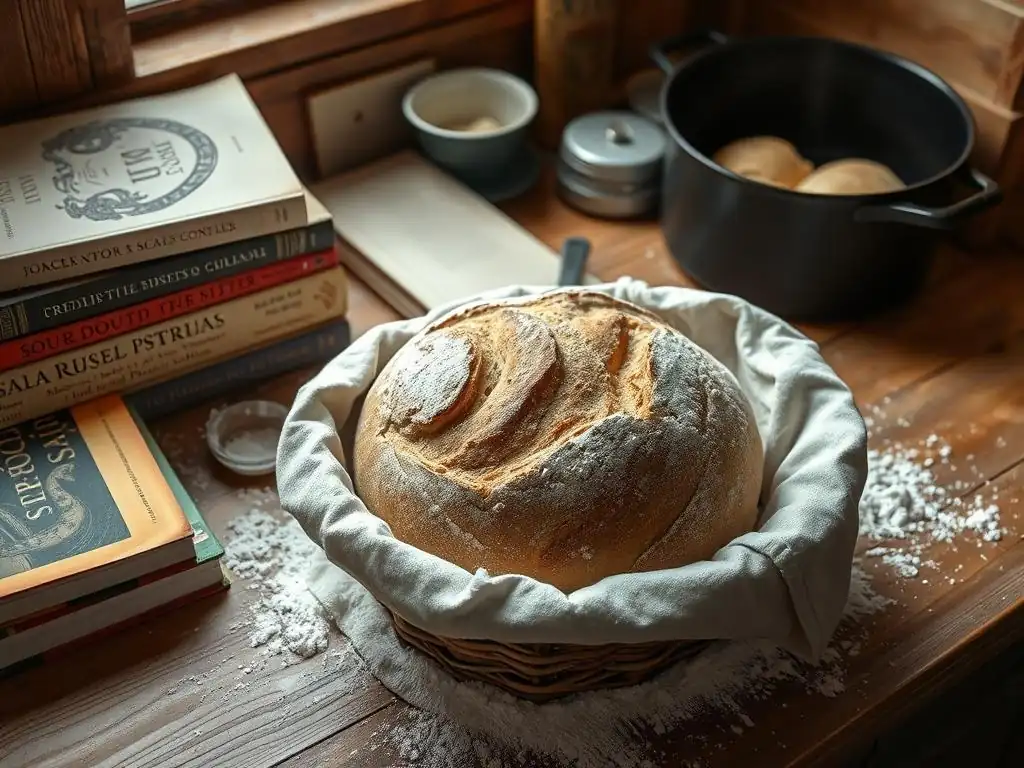
Beyond the books and tools, success in sourdough baking comes with practice, patience, and understanding a few key principles. Here are some tips to help you on your journey, regardless of which of the best sourdough books for beginners you choose to start with.
Understanding Sourdough Starter: Cultivating and Maintaining Your Levain
Your sourdough starter, also known as levain or mother, is the heart of your sourdough bread. It's a living culture of wild yeast and bacteria that provides the leavening and flavor. Understanding how to cultivate and maintain a healthy, active starter is fundamental.
This typically involves regularly feeding it with fresh flour and water, usually at a 1:1:1 ratio (starter:water:flour) by weight, although ratios can vary based on preference and environmental factors. A healthy starter will consistently double or triple in size within a few hours of feeding when kept at room temperature (around 70-78°F or 21-26°C) and will have a pleasant, tangy aroma.
Consistency in feeding schedule and temperature is key, especially when establishing a new starter. Many beginners struggle with inactive starters, often due to irregular feeding, using chlorinated water, or inconsistent temperatures. Keeping your starter in a warm spot (like near a window or on top of the refrigerator) can help.
Once mature, you can store your starter in the refrigerator and feed it less frequently (e.g., once a week) if you don't bake daily, but you'll need to refresh it a couple of times before baking to ensure it's active enough. Learning to read your starter – recognizing when it's peaked and most active – is a crucial skill taught in the best sourdough books for beginners.
Hydration Levels: Achieving the Perfect Dough Consistency
Hydration refers to the ratio of water to flour in your dough, typically expressed as a percentage of the flour weight. For example, a dough with 500g of flour and 350g of water has a hydration of 70% (350/500 = 0.70 or 70%). Higher hydration doughs (e.g., 75%+) are wetter and stickier but often result in a more open crumb and lighter texture. Lower hydration doughs (e.g., 60-65%) are easier to handle and shape, yielding a denser crumb. The "perfect" consistency depends on the type of bread you're making and your skill level.
Beginners often find it easier to start with lower to moderate hydration doughs (around 65-70%) as they are less sticky and more manageable during mixing, stretching and folding, and shaping. As you gain experience, you can gradually increase hydration to experiment with different textures.
It's important to remember that different flours absorb water differently; whole wheat and rye flours typically absorb more water than white bread flour. The best sourdough books for beginners will often provide a starting hydration and guide you on how to adjust based on your flour and environment, emphasizing that the feel of the dough is as important as the precise percentage.
Baking Techniques: Scoring, Shaping, and Baking to Perfection
Mastering shaping, scoring, and baking techniques is crucial for achieving a beautiful and well-risen sourdough loaf. Proper shaping creates tension on the surface of the dough, which helps it hold its shape during proofing and contributes to good oven spring. Techniques vary depending on the desired loaf shape (boule or batard) and dough hydration, but the goal is always to create a taut surface skin.
Scoring, as mentioned earlier, is essential for controlled expansion. Practice with simple patterns first and ensure your blade is sharp. Baking technique, particularly using a Dutch oven or creating steam in your oven, is vital for the initial phase of baking. The steam allows the crust to remain pliable while the loaf expands.
Baking time and temperature also play a significant role in crust development and internal doneness. Most sourdough is baked at high temperatures (often 450-500°F or 230-260°C). Learning to recognize the signs of a perfectly baked loaf – a deep golden-brown crust and an internal temperature around 205-210°F (96-99°C) – comes with practice. The best sourdough books for beginners provide detailed instructions and visual guides for these critical steps.
Choosing the Right Sourdough Book: A Summary and Recommendation
Selecting the ideal sourdough book depends on where you are in your baking journey and what you hope to achieve. For those just starting out, look for resources that prioritize clear, step-by-step instructions and foundational concepts. Flour Water Salt Yeast is highly recommended for its accessible no-knead methods, while The Perfect Loaf offers unparalleled detail and scientific explanation, making it excellent for those who learn by understanding the 'why'. Tartine Bread remains a classic for its deep dive into the artisan process, best suited for beginners eager to build intuition.
Intermediate bakers ready to experiment might gravitate towards Sarah Owens' Sourdough for its focus on unique ingredients and flavors, or Trevor Wilson's Open Crumb Mastery if perfecting crumb structure is the primary goal. Advanced bakers seeking professional depth can turn to Michel Suas' Advanced Bread and Pastry for technical mastery, or Michelle Eshkeri's Modern Sourdough for innovative applications beyond traditional bread. Consider your learning style – do you prefer precise instructions, visual guides, scientific explanations, or intuitive feel? Many bakers eventually collect several books as their skills and interests evolve.
Final Thoughts: Embark on Your Sourdough Baking Adventure with Confidence.
Stepping into the world of sourdough baking is a rewarding adventure that offers delicious results and a deep connection to the craft of bread making. While it may seem daunting at first, with the right guidance, anyone can learn to bake beautiful and flavorful sourdough bread. The best sourdough books for beginners serve as invaluable companions, demystifying the process and building confidence with each successful loaf.
Don't be discouraged by initial challenges; every experienced sourdough baker has had flat loaves, sticky dough, or inactive starters. These are all part of the learning process. Be patient with yourself and your starter, pay attention to the details provided in your chosen book, and most importantly, keep baking! With practice, you'll develop the feel for the dough and the intuition needed to consistently produce wonderful sourdough.
Choose a book that resonates with you, gather a few essential tools, and embrace the journey. Your kitchen is about to become a source of incredible aroma and delicious, naturally leavened bread. Happy baking!
Frequently Asked Questions
What makes a sourdough book "best" for beginners?
A "best" sourdough book for beginners typically focuses on easy-to-follow instructions, clear explanations of fundamental concepts, and recipes that are low-risk and high-reward.
What key topics should a good sourdough book cover?
A solid sourdough book should cover starter creation and maintenance, basic dough handling techniques, and troubleshooting common sourdough problems. It also needs to deal with baking techniques.
Are there any sourdough books that focus on specific dietary needs or preferences?
Yes, some sourdough books cater to gluten-free, vegan, or other dietary restrictions, offering alternative recipes and ingredient substitutions suitable for specific needs.
How important are visual aids (photos, illustrations) in a sourdough book for beginners?
Visual aids are extremely helpful. Step-by-step photos or illustrations can significantly improve understanding of techniques like shaping and scoring, making the baking process more accessible.
Where can I find reviews and recommendations for sourdough books before purchasing one?
Websites like BakeWithEase.com, online bookstores, and baking communities often feature reviews and recommendations from experienced bakers to help you choose the best sourdough book for your skill level and interests.
Final Reflection: The Ever-Rising Dough of Knowledge
The pursuit of the perfect sourdough loaf is more than just baking; it's a journey of discovery, patience, and ultimately, connection. This guide has explored the vast landscape of sourdough literature, highlighting the best resources for beginners eager to embark on this rewarding culinary adventure. The accessibility and quality of these books demonstrate a growing appreciation for the craft, a testament to sourdough's enduring appeal.
Sourdough baking, for me, has been a transformative experience. It's a practice that demands attention, fostering mindfulness and a deep appreciation for the natural world. The process itself, from nurturing the starter to shaping the final loaf, is a meditative act. The best bread is made with love.
This simple statement holds profound truth, encompassing not only the baker's dedication but also the connection to the ingredients and the tradition itself. The books highlighted in this guide offer a pathway to understanding this connection, guiding aspiring bakers towards a deeper understanding of the craft.
Now, it's your turn. Which book resonates most with your learning style? Will you embrace the challenge of nurturing your own starter, patiently waiting for its bubbly promise? Don't be afraid to experiment, to embrace the occasional failure, and to learn from each rise and fall. The journey of sourdough baking is a lifelong one, filled with delicious rewards and the satisfaction of creating something truly special with your own two hands. So, grab your apron, choose your book, and let the baking begin!
Unleash Your Inner Baker: Start Your Sourdough Journey Today!
Thanks for diving into the world of sourdough with us! We hope you've discovered some incredible resources to elevate your baking game. Ready to put your newfound knowledge into action?
- Begin your sourdough adventure: Order your favorite book from our list and start baking! This is your chance to create delicious, crusty loaves from scratch.
- Share your baking triumphs (and tribulations!) with our community on social media using #BakeWithEaseSourdough. Let's inspire each other!
- Explore other baking techniques on BakeWithEase.com – we have tons of amazing recipes and tutorials waiting for you!
What unique sourdough creation will you bake first? Let us know in the comments below!