
Your Guide to Perfect Blueberry Muffins


Welcome to BakeWithEase, your kitchen companion for delicious adventures! Ever dreamt of crafting bakery-worthy muffins without the fuss? You're in the right place. Dive into our easy blueberry muffin recipe guide below and discover the secrets to fluffy, bursting-with-flavor muffins that will impress every time. But that's just the beginning... what other seasonal baking delights await your touch? Let's explore!
- Your Guide to Perfect Muffins
- Mastering the Easy Muffin Recipe Guide
- Why This Muffin Recipe Guide is Your Best Bet
- Essential Ingredients for the Perfect Muffin
- Step-by-Step: The Easy Muffin Recipe
- Tips and Tricks for Muffin Success
- Muffin Variations: Bake Beyond the Basics
- Troubleshooting Common Muffin Problems
- From Our Oven to Yours: Enjoying the Perfect Muffin.
-
Frequently Asked Questions
- What makes this blueberry muffin recipe "easy" compared to others?
- What are some tips for preventing my blueberries from sinking to the bottom of the muffins?
- Can I substitute ingredients in this easy blueberry muffin recipe?
- How do I ensure my blueberry muffins are moist and not dry?
- What's the best way to store leftover blueberry muffins to keep them fresh?
- Final Reflection: The Enduring Allure of the Perfect Blueberry Muffin
- Unleash Your Inner Baker: Bake the Perfect Blueberry Muffin Today!
Your Guide to Perfect Muffins
Mastering the Easy Muffin Recipe Guide
Embarking on the journey to bake perfect muffins doesn't have to be complicated. This guide is designed to simplify the process, making delicious, fluffy muffins accessible to everyone, regardless of baking experience. We'll walk you through each step, from gathering your ingredients to enjoying your warm, homemade treats. The goal is to demystify baking and show you how truly easy and rewarding it can be to follow an easy blueberry muffin recipe guide.
Mastering a simple muffin starts with understanding the basics: the role of each ingredient, the importance of mixing technique, and the nuances of baking time and temperature. This easy blueberry muffin recipe guide breaks down these elements, transforming what might seem daunting into a straightforward, enjoyable activity. By focusing on fundamental techniques, you'll build confidence and be ready to explore countless other muffin variations.
Why This Muffin Recipe Guide is Your Best Bet
Simplicity and Deliciousness
This easy blueberry muffin recipe guide prioritizes ease without sacrificing flavor or texture. Many traditional recipes can be overly complex, requiring precise measurements and techniques that intimidate beginner bakers. Our approach streamlines the process, focusing on the essential steps that deliver consistently moist and flavorful results. You won't find fussy techniques or exotic ingredients here – just a straightforward path to muffin perfection.
The simplicity extends to common kitchen tools and readily available ingredients. You don't need specialized equipment to follow this easy blueberry muffin recipe guide. A few bowls, a whisk, a spatula, and a muffin tin are generally sufficient. The focus remains squarely on the joy of baking and the simple pleasure of creating something delicious from scratch. The resulting muffins are wonderfully tender, bursting with juicy blueberries, and possess that irresistible golden-brown top everyone loves.
Flavors: The Joy of Muffins
Muffins are incredibly versatile, serving as a perfect canvas for a wide array of flavors. While this easy blueberry muffin recipe guide focuses on the classic blueberry, the techniques learned are applicable to countless other fruit, spice, and even savory combinations. Blueberries offer a sweet and slightly tart counterpoint to the tender cake-like crumb, creating a harmonious bite.
The joy of muffins lies not just in their taste but in their comforting aroma and the feeling of accomplishment they provide. Baking a batch of muffins fills your home with a delightful scent, promising a warm, satisfying treat. Whether enjoyed for breakfast, a snack, or dessert, muffins bring a touch of simple happiness to any moment. This easy blueberry muffin recipe guide helps you unlock that joy.
Essential Ingredients for the Perfect Muffin
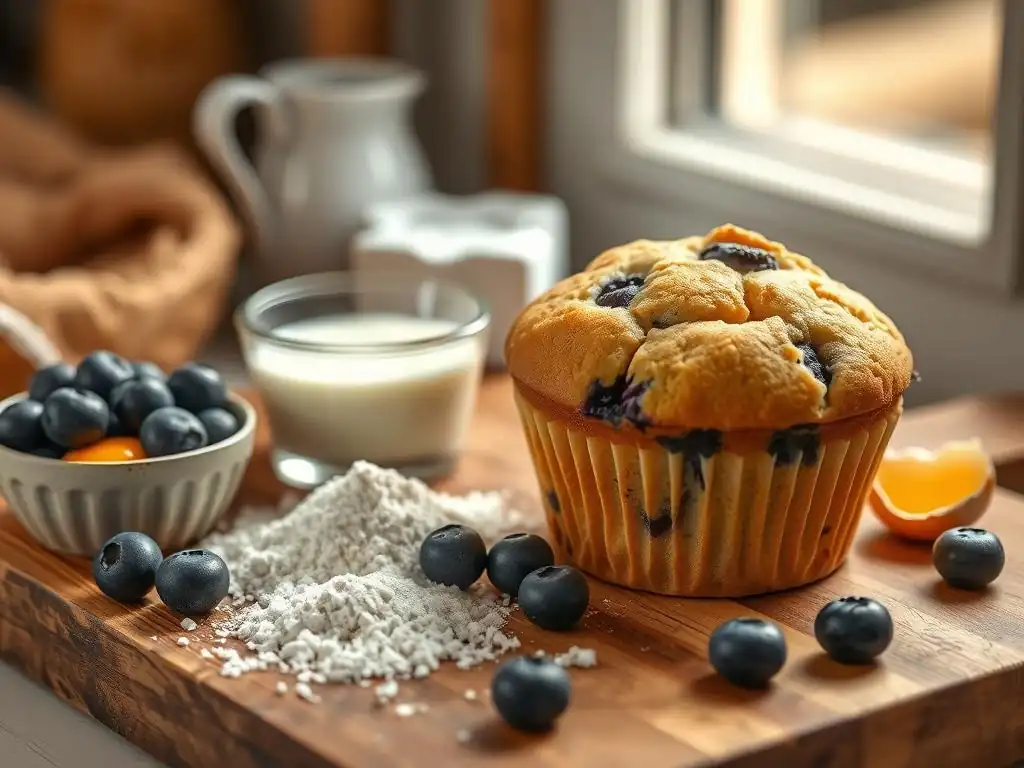
The Flour Power: Choosing the Right Flour
Flour provides the structure for your muffins. For most easy blueberry muffin recipe guides, all-purpose flour is the standard choice because it provides a good balance of protein content, resulting in a tender yet stable crumb. Using bleached or unbleached all-purpose flour won't significantly impact the outcome for this simple recipe.
While other flours like cake flour (lower protein, very tender crumb) or bread flour (higher protein, chewier texture) could be used, they require adjustments to the recipe's liquid ratios. Stick with all-purpose flour for this easy blueberry muffin recipe guide to ensure the intended texture and consistency. A typical muffin recipe using about 1.5 to 2 cups of flour will yield 12 standard-sized muffins.
Sweetness Defined: Selecting the Best Sugar
Sugar does more than just add sweetness; it contributes to moisture, tenderness, and browning. Granulated sugar is the most common choice for muffins, providing clean sweetness and helping to create a crisp edge and tender interior. The amount of sugar can vary, but a standard easy blueberry muffin recipe guide often uses between 1/2 cup and 1 cup of granulated sugar for 12 muffins.
Brown sugar can also be used, often in combination with granulated sugar. Brown sugar adds moisture and a subtle caramel flavor due to its molasses content, which can complement the blueberries nicely. Experimenting with different sugar types or combinations is part of the fun once you've mastered this easy blueberry muffin recipe guide.
Fruit: Fresh vs. Frozen - A Baker's Dilemma
Blueberries are the star of our easy blueberry muffin recipe guide. You can use either fresh or frozen blueberries with great success, but there are slight differences to consider. Fresh blueberries tend to hold their shape better during baking and distribute evenly without much effort.
Frozen blueberries can be used directly from the freezer – do not thaw them first. Thawed berries can release too much liquid, making the batter watery and potentially leading to sinking fruit. Using frozen berries straight from the freezer also helps prevent them from bleeding color excessively into the batter, keeping your muffins looking vibrant. If using frozen, gently fold them in just before baking. An easy blueberry muffin recipe guide typically calls for about 1 to 1.5 cups of blueberries per batch.
Dairy Delights: Milk and Butter's Role
Milk provides necessary liquid to hydrate the flour and activate the leavening agents, contributing to the muffin's structure and moisture. Whole milk is often preferred for its richness, but 2% or even buttermilk can be used. Buttermilk will react with baking soda to provide extra lift and tenderness, though it might require recipe adjustments. A standard easy blueberry muffin recipe guide might use around 3/4 to 1 cup of milk.
Butter adds richness, flavor, and tenderness. Melted butter is commonly used in muffin recipes because it's easy to incorporate into the wet ingredients and helps create a moist crumb. Ensure the butter is melted but not hot when adding it to the other wet ingredients to avoid cooking the eggs (if using). Using about 1/2 cup (one stick) of butter is typical for a dozen muffins.
The Leavening Agent: Baking Powder and Baking Soda Explained
Leavening agents are crucial for giving muffins their light, airy texture and signature domed tops. Baking powder is a double-acting leavener, meaning it reacts once when it gets wet and again when it's exposed to heat in the oven. This provides a consistent rise. An easy blueberry muffin recipe guide will usually call for 1.5 to 2 teaspoons of baking powder.
Baking soda is a single-acting leavener that requires an acidic ingredient to activate, such as buttermilk, yogurt, or brown sugar (which contains molasses, slightly acidic). If your easy blueberry muffin recipe guide uses an acidic ingredient like buttermilk, it will likely include baking soda in addition to or instead of baking powder to enhance the lift and tenderness. Understanding these agents is key to achieving light, fluffy muffins.
Step-by-Step: The Easy Muffin Recipe

Step 1: Preparing Your Ingredients - Mise en Place
Mise en place, a French term meaning "everything in its place," is crucial for smooth baking. Before you start mixing, gather all your ingredients, measure them accurately, and have your equipment ready. This prevents scrambling mid-recipe and ensures you don't miss any crucial components of your easy blueberry muffin recipe guide. Preheat your oven and prepare your muffin tin at this stage.
Having everything prepped allows you to move quickly through the mixing process, which is especially important for muffins. Overmixing can lead to tough muffins, so having your measured ingredients ready to go ensures you can combine everything efficiently and gently. This simple preparatory step significantly increases your chances of muffin success.
Measuring Flour Accurately
Accurate flour measurement is critical in baking. The most reliable method is the "spoon and level" method: lightly spoon the flour into your measuring cup until it overflows, then use a straight edge (like a knife or spatula) to level off the excess without packing the flour down. Scooping directly from the bag can compact the flour, leading to too much flour in your recipe, which results in dry, dense muffins.
A cup of all-purpose flour measured correctly should weigh approximately 120-130 grams. If you have a kitchen scale, using weight measurements is even more accurate and recommended for consistency in following your easy blueberry muffin recipe guide. Inaccurate flour measurement is a common cause of baking issues.
Melting Butter: Achieving the Right Consistency
When your easy blueberry muffin recipe guide calls for melted butter, it should be fully melted but not hot. If the butter is too hot, it can start to cook the eggs (if used in the recipe) or negatively affect the leavening agents when combined with other wet ingredients. Melt the butter gently on the stovetop over low heat or in the microwave in short intervals, stirring frequently.
Allow the melted butter to cool for a few minutes before adding it to the wet ingredients. It should still be liquid but cool enough to touch the bottom of the bowl without feeling hot. This ensures all ingredients combine smoothly without any unwanted reactions before baking.
Prepping the Fruit: Washing and Coating (Optional)
If using fresh blueberries, rinse them gently under cool water and pat them dry thoroughly with paper towels. Excess moisture can make the muffins soggy or cause the fruit to sink. For both fresh and frozen blueberries, some bakers like to toss them with a tablespoon or two of the dry flour mixture before folding them into the batter.
Coating the blueberries with flour creates a slight barrier that helps them suspend more evenly throughout the batter during baking, reducing the chance of them all sinking to the bottom. While optional, this is a simple trick often included in an easy blueberry muffin recipe guide for better fruit distribution.
Step 2: Mixing the Batter - The Gentle Touch
Muffin batter follows a standard mixing method: combine dry ingredients, combine wet ingredients, then combine the two until just moistened. The key here is the "gentle touch" – do not overmix. Overmixing develops the gluten in the flour too much, resulting in tough, chewy muffins rather than light and tender ones.
Mix only until the dry ingredients are just incorporated into the wet. A few small lumps in the batter are perfectly acceptable and even desirable. Overmixing is one of the most common mistakes when following an easy blueberry muffin recipe guide.
Combining Dry Ingredients: Ensuring Even Distribution
In a large bowl, whisk together the flour, sugar, baking powder (and baking soda, if using), and salt. Whisking helps to aerate the flour slightly and ensures that the leavening agents, salt, and sugar are evenly distributed throughout the dry mixture. This even distribution is important for consistent rise and flavor in every muffin.
Use a whisk to thoroughly combine these dry ingredients. This step takes just a minute or two but is essential for the success of your easy blueberry muffin recipe guide. Make sure there are no pockets of unmixed baking powder or salt.
Incorporating Wet Ingredients: Avoiding Overmixing
In a separate medium bowl or large measuring cup, whisk together the melted and cooled butter, milk, eggs (if used), and vanilla extract (if used). Ensure these ingredients are well combined before adding them to the dry mixture. This step helps create a homogeneous wet mixture that will distribute evenly when combined with the dry ingredients.
Create a well in the center of your dry ingredients and pour the wet ingredients into it. Using a spatula or wooden spoon, gently fold the ingredients together. Mix only until the dry streaks of flour just disappear. Stop mixing as soon as the batter is combined; it should look somewhat lumpy. This gentle mixing is paramount in an easy blueberry muffin recipe guide.
Folding in the Fruit: Preventing Color Bleeding
Once the batter is just combined, it's time to add the blueberries. Gently fold the blueberries into the batter using a spatula. The goal is to distribute the fruit without crushing the berries or overworking the batter. If you tossed your blueberries with flour, they will integrate more easily.
Fold only a few times, just until the blueberries are dispersed throughout the batter. Over-folding at this stage can crush the berries, causing their color to bleed into the batter and potentially making the muffins dense. A few swirls of blue in the batter are fine, but you want to avoid a uniformly purple batter. This step is the final touch before baking your easy blueberry muffin recipe guide creation.
Step 3: Baking to Golden Perfection
Proper baking is the final step to transforming batter into delicious muffins. This involves preparing the tin, filling the cups, and controlling the temperature and time. Getting this stage right ensures your muffins have a beautiful rise, a golden crust, and are cooked through without being dry.
Attention to detail at this stage of your easy blueberry muffin recipe guide will yield the best results. An oven thermometer can be helpful to ensure your oven is truly at the set temperature, as oven temperatures can vary significantly.
Preparing the Muffin Tin: Liners vs. Greasing
You have two main options for preparing your muffin tin: using paper liners or greasing the cups. Paper liners are convenient as they make cleanup easy and ensure the muffins don't stick. Simply place one liner in each cup of a standard 12-cup muffin tin.
Alternatively, you can grease the muffin cups thoroughly with butter, shortening, or non-stick cooking spray. Ensure you get into all the crevices. Greasing works well but requires more cleanup than using liners. For this easy blueberry muffin recipe guide, either method is fine, depending on your preference.
Filling the Muffin Cups: Achieving Uniform Size
Use a scoop or two spoons to divide the batter evenly among the prepared muffin cups. Filling the cups about two-thirds to three-quarters full is standard for a good rise. Overfilling can cause the muffins to spill over the sides, while underfilling results in smaller, less impressive muffins.
Aim for roughly the same amount of batter in each cup to ensure they bake uniformly. This allows you to check for doneness based on the same baking time for the entire batch. Consistency in filling is key to following an easy blueberry muffin recipe guide successfully.
Baking Temperature and Time: Getting it Just Right
Most muffin recipes bake at a moderately high temperature, often between 375°F (190°C) and 400°F (200°C). A slightly higher initial temperature can help create a good dome. Baking time for standard-sized muffins typically ranges from 18 to 25 minutes. The exact time will depend on your oven and the size of your muffins.
Muffins are done when the tops are golden brown and a wooden skewer or toothpick inserted into the center of a muffin comes out clean or with just a few moist crumbs attached (not wet batter). Avoid opening the oven door too early or too frequently, as this can cause the muffins to sink. Trust the process and check around the minimum suggested baking time in your easy blueberry muffin recipe guide.
Step 4: Cooling and Enjoying Your Homemade Muffins
Once your muffins are baked to golden perfection, the process isn't quite finished. Proper cooling is essential for texture and flavor. Resist the urge to remove them from the tin immediately and devour them, tempting as it may be!
Allowing the muffins to cool slightly in the tin before transferring them helps them set and prevents them from breaking apart. Then, moving them to a cooling rack ensures air circulates around them, preventing moisture buildup that can lead to soggy bottoms.
Cooling Rack Essentials: Preventing Soggy Bottoms
After removing the muffin tin from the oven, let it sit on a wire cooling rack for about 5-10 minutes. This allows the muffins to firm up slightly. Then, carefully remove the muffins from the tin and place them directly onto the wire cooling rack to cool completely.
A wire rack allows air to circulate freely around all sides of the muffin. If left in the hot tin, residual heat continues to cook the bottoms, and trapped steam can make them soggy. Cooling on a rack is a simple but crucial step in your easy blueberry muffin recipe guide for achieving the best texture.
Serving Suggestions: Enhancing the Muffin Experience
Muffins are wonderful enjoyed warm or at room temperature. For a classic experience, serve them as they are, perhaps with a glass of milk or a cup of coffee or tea. A dollop of butter or a sprinkle of powdered sugar can add a touch of indulgence.
Consider warming a muffin slightly before serving if they've cooled completely. A few seconds in the microwave or a few minutes in a warm oven can bring back that fresh-baked feel. This easy blueberry muffin recipe guide results in muffins delicious enough to stand on their own, but feel free to get creative with how you serve them!
Tips and Tricks for Muffin Success
Preventing Sinking Fruit: The Baker's Secret
A common issue with fruit muffins is the fruit sinking to the bottom during baking. While tossing the blueberries with a bit of flour before adding them to the batter (as mentioned in Step 1) is the primary method to combat this, ensuring your batter isn't too wet or thin also helps. If your batter seems unusually loose, double-check your liquid measurements.
Another contributing factor can be overmixing the batter, which damages the structure needed to hold the fruit up. Gentle folding is key. Additionally, ensuring your oven is preheated to the correct temperature allows the muffins to set quickly, giving the fruit less time to sink before the batter structure is firm.
Achieving a Domed Top: Baking Powder and Oven Temperature
That coveted domed top on a muffin is a sign of good leavening and proper baking. Using fresh, active baking powder is essential; check the expiration date on your container. Baking powder is activated by moisture and heat, so ensure your wet ingredients are properly incorporated.
Baking at a slightly higher initial temperature (like 400°F or 200°C for the first few minutes, then reducing it) is a technique some bakers use to encourage a rapid rise and dome formation before the structure sets. However, even baking at a consistent 375°F (190°C) or 400°F (200°C) as suggested in this easy blueberry muffin recipe guide can yield nice domes if the baking powder is active and the batter is mixed correctly.
Adding Extra Flavor: Lemon Zest, Vanilla Extract, and More
While blueberries are delicious on their own, adding other flavorings can elevate your easy blueberry muffin recipe guide. A teaspoon of vanilla extract enhances the overall sweetness and aroma. The zest of one lemon is a classic pairing with blueberries, adding a bright, citrusy note that complements the fruit beautifully.
Other additions could include a pinch of cinnamon or nutmeg for warmth, or a splash of almond extract for a different kind of sweetness. Feel free to customize your simple blueberry muffin recipe once you're comfortable with the basic technique.
Storing Your Muffins: Keeping Them Fresh
Proper storage is key to keeping your homemade muffins fresh and moist. Once completely cooled, store muffins at room temperature in an airtight container. Lining the bottom of the container with a paper towel and placing another paper towel on top of the muffins can help absorb excess moisture and prevent sogginess.
Muffins are best enjoyed within 2-3 days. For longer storage, they can be frozen. Wrap individual muffins tightly in plastic wrap, then place them in a freezer-safe bag or container. Thaw at room temperature or warm gently before eating. This ensures your easy blueberry muffin recipe guide yields delicious results for days to come.
Muffin Variations: Bake Beyond the Basics
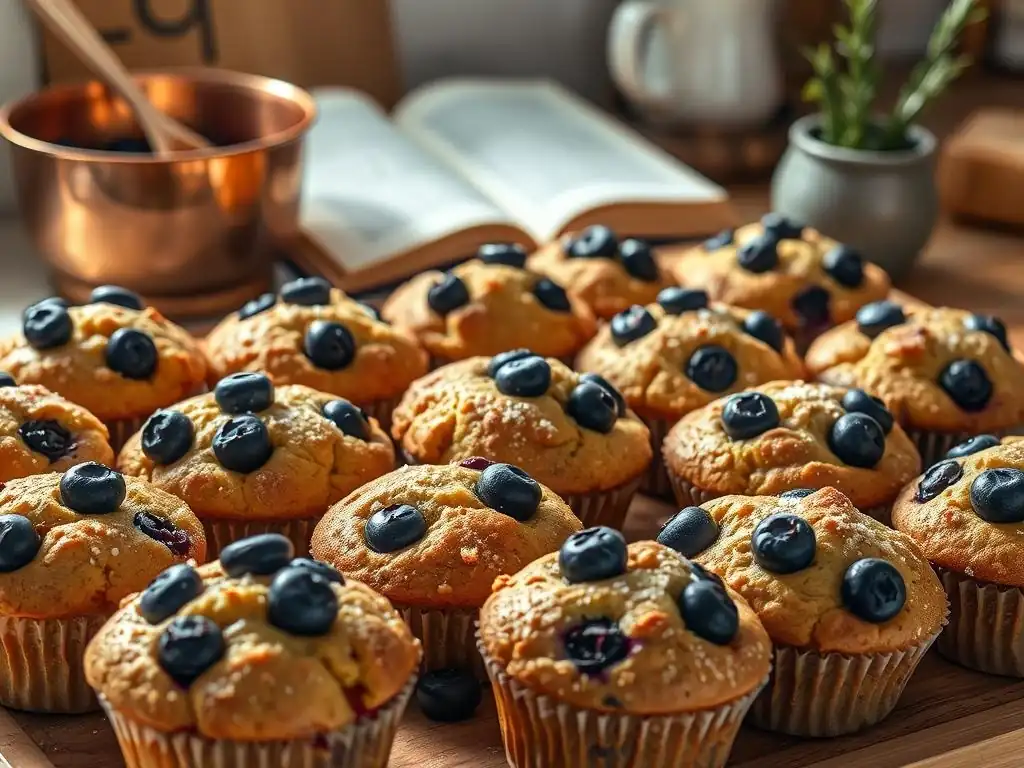
Once you've mastered the easy blueberry muffin recipe guide, you'll have a solid foundation to explore countless other muffin variations. The basic batter structure is highly adaptable, allowing you to swap out fruits, add spices, or incorporate different toppings.
Using the principles learned from your simple blueberry muffin recipe, you can confidently experiment. The key is understanding how different additions might affect moisture or texture and making small adjustments as needed.
Lemon Muffins: A Zesty Twist
For a bright, citrusy variation, transform your easy blueberry muffin recipe base into lemon muffins. Omit the blueberries and instead incorporate the zest of 2-3 lemons into the dry ingredients, along with a tablespoon or two of fresh lemon juice added to the wet ingredients.
You can bake them plain for a simple lemon flavor or add a lemon glaze made from powdered sugar and lemon juice once they've cooled. This zesty twist provides a refreshing alternative using a similar simple muffin recipe technique.
Streusel Topped Muffins: Adding Texture and Sweetness
Adding a streusel topping provides a delightful crunchy contrast to the soft muffin interior and extra sweetness. A basic streusel is made by combining flour, sugar (often brown sugar), and cold butter cut into small pieces until crumbly.
Sprinkle the streusel generously over the batter in each muffin cup before baking. The streusel bakes into a golden, buttery topping. You can add cinnamon or other spices to the streusel mixture for extra flavor. This simple addition enhances any easy blueberry muffin recipe guide.
Vegan Muffins: A Dairy-Free Delight
Adapting your easy blueberry muffin recipe guide to be vegan often involves substituting dairy milk with plant-based milk (like almond, soy, or oat milk) and replacing butter with vegetable oil or vegan butter. Eggs are typically replaced with a flax egg (1 tbsp flax meal + 3 tbsp water, let sit for 5-10 mins) or a commercial egg replacer.
You might also increase the baking powder slightly or add a bit of baking soda if using a plant-based milk with a neutral pH. Vegan muffins can be just as moist and delicious, requiring just a few ingredient swaps from your standard easy muffin recipe guide.
Gluten-Free Muffins: Baking for Dietary Needs
Creating gluten-free muffins involves substituting the all-purpose flour with a gluten-free flour blend. Look for a blend designed for baking, which often contains a mix of rice flour, tapioca starch, and potato starch, sometimes with xanthan gum added (which helps provide structure in the absence of gluten).
When using a gluten-free blend in your easy blueberry muffin recipe guide, you might find the batter absorbs liquid differently. It's often best to follow a recipe specifically developed for gluten-free flours, or be prepared to slightly adjust the liquid until the batter consistency matches the original recipe's description.
Troubleshooting Common Muffin Problems
Even with an easy blueberry muffin recipe guide, sometimes things don't go exactly as planned. Understanding common issues and their causes can help you fix them or prevent them from happening in the future. Baking is a science, but it's also about learning from experience.
Don't be discouraged if your first batch isn't perfect. Every baking attempt is a learning opportunity. This troubleshooting section addresses some frequent problems encountered when following a simple muffin recipe.
Dry Muffins: Causes and Solutions
Dry muffins are often the result of too much flour or overmixing. As discussed in Step 1, inaccurate flour measurement (scooping instead of spooning and leveling) is a major culprit. Too much flour absorbs excess moisture. Overmixing develops gluten, which squeezes out moisture, resulting in a tough, dry texture.
Ensure you measure flour accurately, preferably by weight. Mix the batter only until the dry ingredients are just combined. Baking for too long or at too high a temperature can also dry out muffins; check for doneness at the minimum suggested baking time.
Flat Muffins: Understanding Leavening Agents
Flat muffins that don't rise well are typically due to inactive leavening agents or incorrect oven temperature. Baking powder and baking soda lose potency over time, especially if exposed to moisture or air. Check the expiration date and store them in airtight containers.
An oven that isn't preheated properly or doesn't reach the set temperature will also affect the rise. The initial heat is crucial for activating the leavening and setting the structure. Ensure your oven is fully preheated and consider using an oven thermometer to verify the temperature when following your easy blueberry muffin recipe guide.
Sinking Fruit: Prevention and Recovery
Sinking fruit, particularly common with juicy berries like blueberries, is often linked to heavy fruit, thin batter, or insufficient batter structure. Tossing the fruit with flour (Step 1) is the best preventative measure. Ensure your batter isn't too liquidy by checking your measurements.
If your muffins are baked and the fruit has sunk, there's not much you can do to "recover" the batch, but they will still be delicious! For future batches, focus on accurate measurements, gentle mixing, and the flour-tossing technique to keep those blueberries suspended.
From Our Oven to Yours: Enjoying the Perfect Muffin.
Frequently Asked Questions
What makes this blueberry muffin recipe "easy" compared to others?
This recipe emphasizes simple ingredients and straightforward instructions, making it accessible for beginner bakers. We focus on clear, concise steps to ensure a successful outcome.
What are some tips for preventing my blueberries from sinking to the bottom of the muffins?
To prevent sinking, gently toss the blueberries in a small amount of flour before adding them to the batter. Also, avoid overmixing the batter, as this can create a dense texture that encourages sinking.
Can I substitute ingredients in this easy blueberry muffin recipe?
Yes, with some caution. You can often substitute other berries for blueberries, or use dairy-free milk alternatives. However, significant changes to flour or sugar can affect the overall texture and rise.
How do I ensure my blueberry muffins are moist and not dry?
Avoid overbaking the muffins. Check for doneness by inserting a toothpick into the center; it should come out with a few moist crumbs. Also, adding sour cream or yogurt can increase moisture.
What's the best way to store leftover blueberry muffins to keep them fresh?
Store leftover muffins in an airtight container at room temperature for up to 2-3 days. For longer storage, you can freeze them individually wrapped in plastic wrap.
Final Reflection: The Enduring Allure of the Perfect Blueberry Muffin
The seemingly simple act of baking a blueberry muffin transcends mere culinary creation; it's a potent symbol of comfort, connection, and the enduring power of a well-executed recipe. From bustling kitchens filled with the aroma of warm berries to quiet moments of solitary baking, the blueberry muffin holds a special place in our collective culinary consciousness. This guide aimed to demystify the process, offering a pathway to consistent success, even for novice bakers.
The impact of a perfectly baked blueberry muffin extends far beyond individual enjoyment. It's a shared experience, a taste of home, a gesture of love often passed down through generations. Baking is at once child's play and adult joy. And love, of course.
– Alma Flor Ada. This quote perfectly encapsulates the emotional resonance of baking, particularly when sharing the fruits (or should I say, muffins!) of your labor. The simple act of following a recipe, mastering a technique, and ultimately creating something delicious fosters a sense of accomplishment and connection, reminding us of the enduring power of tradition and shared experiences.
Now, I invite you to take what you've learned from this guide and embark on your own blueberry muffin journey. Don't be afraid to experiment, to adapt the recipe to your own tastes, and most importantly, to share the joy of baking with those you love. The perfect blueberry muffin isn't just about the recipe; it's about the memories you create, the connections you forge, and the simple pleasure of a warm, sweet treat. So, preheat your oven, gather your ingredients, and let the baking begin!
Unleash Your Inner Baker: Bake the Perfect Blueberry Muffin Today!
Thanks for taking the time to explore the world of perfect blueberry muffins with us! We hope you've gained some valuable tips and tricks to elevate your baking game. Now it's time to put your newfound knowledge into action.
- Bake a batch of your own magnificent blueberry muffins today! Use the recipe and techniques you learned here, and don't be afraid to experiment with different variations.
- Share your baking journey on social media – tag us @BakeWithEase (fictional account) and show us your delicious creations! We'd love to see them.
- Consider trying a different berry next time – what other flavor combinations can you create?
What unique twist will you add to your next batch of blueberry muffins? Let us know in the comments below!