
Are GF Baking Subscription Boxes Worth the Cost? Let's Find Out

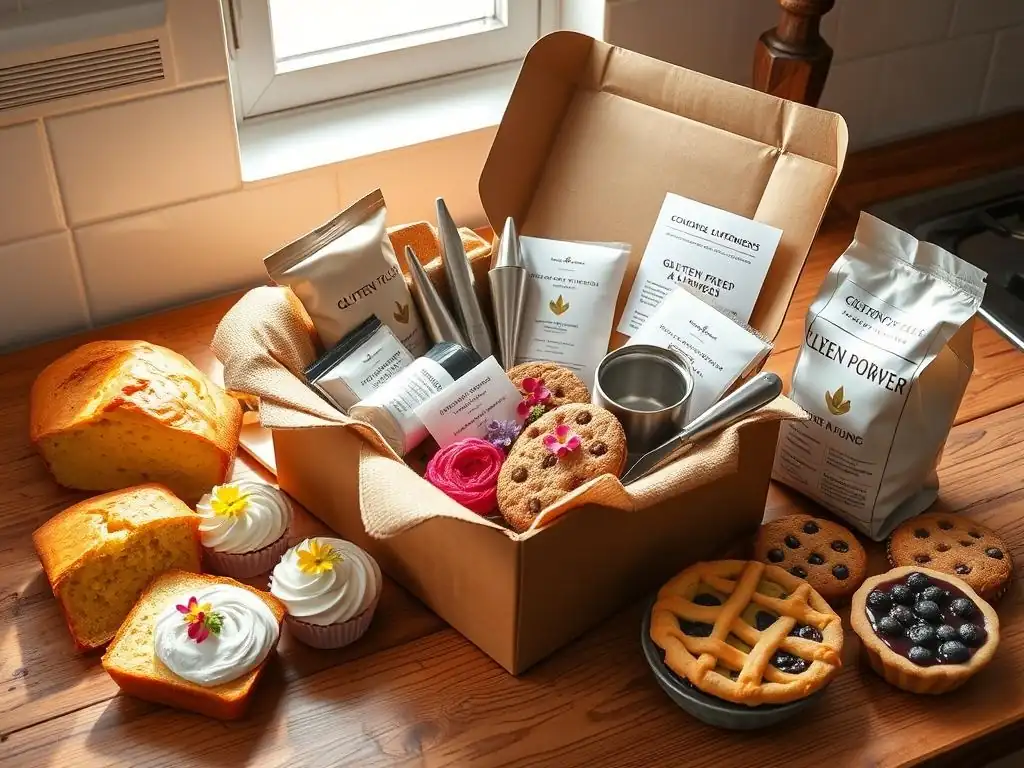
Welcome to BakeWithEase, your trusted guide to the delightful world of baking! Ever wondered if a Gluten-Free Baking Subscription Box is truly worth the investment? We're diving deep into that question, exploring the value, convenience, and delicious possibilities they offer. Join us as we uncover whether these curated boxes are the key to unlocking effortless gluten-free baking success... or just another kitchen gadget gathering dust. Let's get started!
- Are Gluten-Free Baking Subscription Boxes Worth the Cost? Let's Find Out
- The Rise of Gluten-Free Baking Subscription Boxes: Convenience vs. Cost
- Decoding the Cost: What's Included in a Gluten-Free Baking Subscription?
- Popular Gluten-Free Baking Subscription Box Options: A Comparative Analysis
- Breaking Down the Cost: Is it Cheaper to Bake Gluten-Free from Scratch?
- Maximizing Value: Tips for Getting the Most Out of Your Gluten-Free Baking Subscription
- Alternatives to Gluten-Free Baking Subscription Boxes: Exploring Other Options
- Making the Right Choice: Is a Gluten-Free Baking Subscription Box Right for You?
- Conclusion: Weighing the Pros and Cons of Gluten-Free Baking Subscription Boxes
-
Frequently Asked Questions
- What exactly is a Gluten-Free Baking Subscription Box?
- Are Gluten-Free Baking Subscription Boxes only for beginners?
- How much do Gluten-Free Baking Subscription Boxes typically cost?
- What are the benefits of using a Gluten-Free Baking Subscription Box compared to buying ingredients separately?
- How do I choose the right Gluten-Free Baking Subscription Box for me?
- Final Reflection: The Sweet Taste of Choice in Gluten-Free Baking
- Unlock Your Gluten-Free Baking Potential!
Are Gluten-Free Baking Subscription Boxes Worth the Cost? Let's Find Out
Gluten-free baking has moved from a niche necessity to a widespread interest, driven by dietary needs, health trends, and the simple desire to enjoy delicious treats without gluten. For many, the challenge isn't just finding gluten-free recipes, but sourcing the right ingredients and managing the baking process. This is where the gluten-free baking subscription box steps in, promising convenience and curated experiences delivered right to your door. But are these boxes truly worth the investment compared to traditional gluten-free baking from scratch? Let's explore.
The Rise of Gluten-Free Baking Subscription Boxes: Convenience vs. Cost
The market for specialized food products, including gluten-free options, has seen significant growth. As more individuals adopt gluten-free diets, whether due to celiac disease, gluten sensitivity, or personal preference, the demand for accessible and enjoyable gluten-free baked goods escalates. This surge in demand has paved the way for innovative solutions like the gluten-free baking subscription box, designed to simplify the process and bring variety to the gluten-free kitchen. These boxes aim to bridge the gap between the desire for homemade gluten-free treats and the potential complexities involved in their creation.
While the convenience factor of a gluten-free baking subscription box is undeniable – everything you need for a specific recipe arrives pre-measured and ready to go – the cost is a significant consideration for many home bakers. A typical box might range from $30 to $60 per month, depending on the provider, the complexity of the recipe, and the number of servings. This price point often leads potential subscribers to ponder if the perceived value in terms of ease and novelty outweighs the expense when compared to purchasing individual gluten-free ingredients and following recipes found online or in cookbooks.
Addressing the Demand for Gluten-Free Treats
The global gluten-free products market was valued at over $5 billion in recent years and is projected to continue growing significantly. This growth isn't solely driven by medical necessity; a substantial portion comes from consumers choosing gluten-free for perceived health benefits or as part of a broader wellness lifestyle. This diverse consumer base seeks not just staple items like bread and pasta, but also wants to indulge in cakes, cookies, muffins, and other baked goods that traditionally contain gluten. A gluten-free baking subscription box caters directly to this desire, offering curated experiences for creating these specific treats at home.
Subscription boxes tap into the convenience economy, providing a solution for busy individuals or those new to gluten-free baking who might feel intimidated by ingredient sourcing or recipe adaptation. They offer a guided, often foolproof, way to produce high-quality gluten-free results that might otherwise require significant trial and error. For instance, someone craving gluten-free croissants, a notoriously difficult bake, might find a specialized kit in a subscription box far more accessible than attempting it from scratch with individually sourced ingredients.
Time Savings and Pre-Portioned Ingredients in Gluten-Free Baking
One of the most compelling arguments for a gluten-free baking subscription box is the significant time saving it offers. Consider the typical process of baking gluten-free from scratch: planning the recipe, creating a grocery list that includes potentially specialized gluten-free flours (like almond, rice, or tapioca), visiting multiple stores if a particular ingredient isn't readily available, and then meticulously measuring each component. This entire process, from planning to prep, could easily consume 1-2 hours before you even start mixing.
In contrast, a gluten-free baking subscription box arrives with all the necessary ingredients pre-measured and packaged, along with a clear recipe card. This eliminates the shopping and measuring steps almost entirely. For a busy weeknight or a spontaneous baking session, this could mean the difference between baking a treat and not baking at all. While the actual baking time for the recipe remains similar, the time saved on preparation can be substantial, potentially cutting down the total effort by 30-50% depending on the complexity of the bake and the baker's proximity to specialized grocery stores.
Decoding the Cost: What's Included in a Gluten-Free Baking Subscription?
Understanding the value proposition of a gluten-free baking subscription box requires a closer look at what you're actually paying for beyond just the ingredients. The cost encompasses several factors, including the quality and sourcing of the specialized gluten-free ingredients, the innovation and uniqueness of the recipes provided, and the convenience of minimizing your own grocery shopping trips, particularly for harder-to-find items. Each of these elements contributes to the overall price point and perceived value of the subscription service.
When evaluating if a gluten-free baking subscription box is worth the cost, it's helpful to break down these components. Are the ingredients standard gluten-free pantry staples, or are they premium, ethically sourced, or organic? Is the recipe a basic cookie, or is it a complex layered cake or artisanal bread that requires specific techniques and measurements? Does the box save you a trip to a specialty health food store where certain items might be expensive or require a long drive? Analyzing these factors helps determine if the price aligns with the benefits offered by the specific subscription service.
The quality of gluten-free ingredients, particularly flour blends, can significantly impact the outcome of baked goods. Many gluten-free baking subscription box services pride themselves on using high-quality, often premium or specially sourced, gluten-free flours and mixes. Unlike standard all-purpose gluten-free blends found in most supermarkets, these boxes might feature artisanal blends, single-origin flours, or ingredients tested specifically for optimal performance in the included recipe. For example, a box might include a specific blend of brown rice, sorghum, and tapioca flours formulated to mimic the texture of wheat flour in a delicate pastry, rather than a generic mix.
Furthermore, some subscriptions emphasize organic, non-GMO, or ethically sourced ingredients, which can add to the cost but also appeal to consumers with specific values or health priorities. The sourcing of these ingredients requires effort and often involves partnerships with specialized suppliers, costs that are built into the subscription fee. While you might be able to buy similar ingredients yourself, the convenience of having them pre-selected and portioned, with the assurance of quality, is a key part of the gluten-free baking subscription box offering.
Recipe Innovation and Variety: Exploring Unique Gluten-Free Recipes
Subscription boxes aren't just about providing ingredients; they are also about providing inspiration and guiding bakers through new and exciting recipes they might not attempt otherwise. A good gluten-free baking subscription box will feature innovative recipes that go beyond basic cookies or muffins. This could include complex pastries like éclairs, challenging breads like gluten-free sourdough starters, or unique flavor combinations for cakes and tarts. The value here lies in the curated experience and the opportunity to expand your gluten-free baking repertoire under guided instruction.
Consider the cost of purchasing multiple cookbooks or online baking courses to learn a variety of complex gluten-free techniques. A subscription box essentially bundles a new learning experience with each delivery. For instance, one month might feature a recipe for gluten-free focaccia with specific instructions for achieving the right texture, while the next might focus on delicate gluten-free madeleines. This continuous introduction to novel recipes and techniques is a significant draw for many subscribers and a factor to weigh against the monthly cost.
Minimizing Grocery Shopping for Specialized Gluten-Free Ingredients
One of the practical challenges of gluten-free baking is finding all the necessary specialized ingredients. While common gluten-free flours are becoming more widely available, recipes often call for items like psyllium husk powder, xanthan gum, specific starches (like potato or arrowroot), or unique leavening agents that might only be found in larger supermarkets or specialty health food stores. This can mean multiple stops or a significant trip to gather everything needed for a single recipe, adding time and potential transportation costs.
A gluten-free baking subscription box completely bypasses this hurdle. Everything required for the specific recipe is included in the box. This is particularly valuable for bakers living in areas with limited access to specialty stores or for those who simply want to avoid the hassle of hunting down niche ingredients. While the cost of these individual ingredients might be less when bought in bulk, the convenience of having exactly what you need, when you need it, without the scavenger hunt, is a core part of the subscription's value proposition and contributes to its overall price.
Popular Gluten-Free Baking Subscription Box Options: A Comparative Analysis
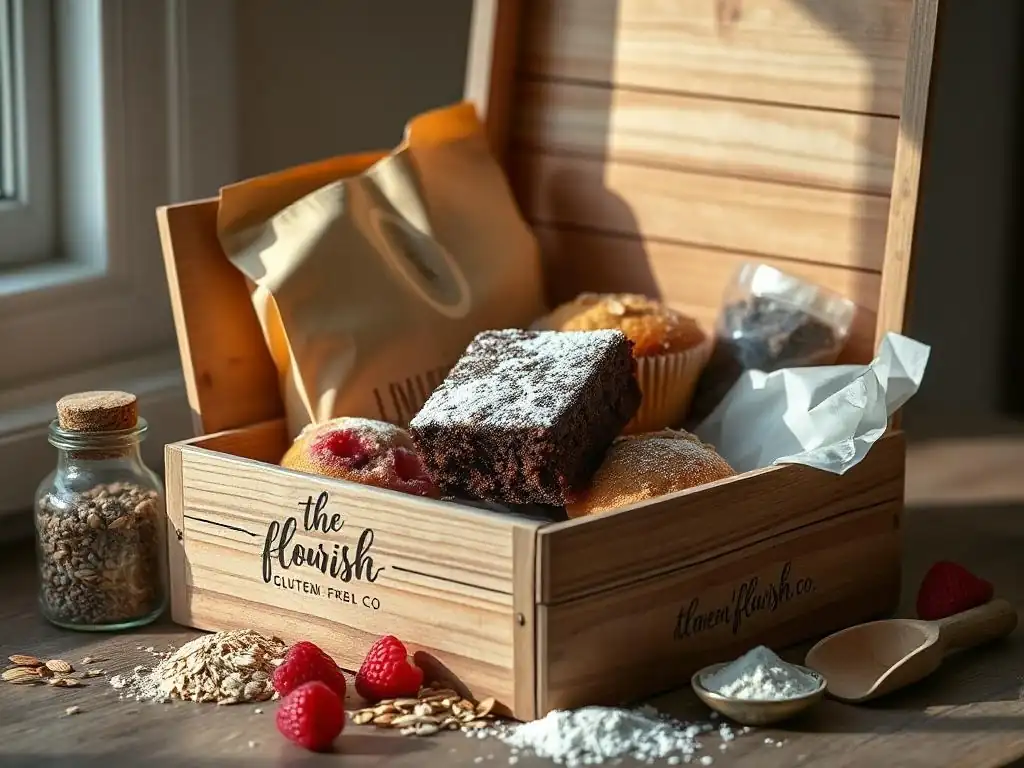
Several companies offer gluten-free baking subscription box services, each with its own unique approach, focus, and price point. Comparing a few illustrative examples (while noting these are representative scenarios, not specific endorsements or exact current offerings) can help potential subscribers understand the variety available and what to look for. Factors like recipe difficulty, ingredient transparency, allergy considerations, and pricing tiers are key differentiators.
When considering a gluten-free baking subscription box, it's important to research specific providers. Look at their website, read reviews, and try to find examples of past boxes. Do the recipes align with your skill level and interests? Do they cater to additional dietary needs you might have? Understanding the nuances of different offerings is crucial to determining which, if any, provides the best value for your personal baking journey and preferences.
Option 1: "Bake Me Gluten-Free" - A Deep Dive into Their Offerings
Let's imagine a hypothetical gluten-free baking subscription box called "Bake Me Gluten-Free." This service might position itself as offering gourmet, slightly more challenging recipes for experienced gluten-free bakers, focusing on techniques like laminating dough or creating intricate cake designs. They might source premium, often organic, gluten-free flours and unique flavorings, emphasizing quality over simplicity. Their boxes could contain ingredients for recipes like gluten-free croissants or a multi-layered opera cake.
A typical "Bake Me Gluten-Free" box might be priced at the higher end, perhaps around $55-$65 per month. This price would reflect the cost of high-quality, specialized ingredients (some of which might be difficult to find elsewhere), the development of complex, unique recipes, and potentially included tools or decorative elements. The target audience would likely be bakers who are comfortable with gluten-free techniques and eager to expand their skills with more ambitious projects.
Features of Bake Me Gluten-Free: What Makes Them Stand Out?
"Bake Me Gluten-Free" might stand out through its focus on advanced techniques and gourmet results. Imagine a box featuring a recipe for gluten-free brioche, complete with specific instructions for kneading and proofing gluten-free dough, which differs significantly from traditional wheat-based brioche. They might include hard-to-find ingredients like specific types of gluten-free starch or specialty butter.
Another key feature could be detailed, step-by-step instructions with high-quality photography or even access to accompanying video tutorials online. This level of guidance is essential for successfully executing complex gluten-free recipes. Their emphasis on unique, show-stopping bakes would differentiate them from boxes focusing on simpler treats, appealing to those looking to truly master the art of gluten-free baking.
Pricing and Subscription Tiers: Is Bake Me Gluten-Free Affordable?
Hypothetically, "Bake Me Gluten-Free" might offer a single subscription tier focused on their premium experience, priced at approximately $60 per month with a small discount for longer commitments (e.g., a 3-month plan at $58/month). This price point is on the higher side for a gluten-free baking subscription box.
Affordability is relative to a baker's budget and perceived value. While $60 might seem high for one baking project, consider the cost of buying all ingredients individually for a gourmet recipe like gluten-free croissants – specialty flours, high-quality butter, yeast, and potentially other items could easily add up to $30-$40, plus the time and effort of sourcing. For someone who values the convenience, high-quality ingredients, and the opportunity to learn advanced techniques without the hassle of ingredient hunting, this price might be considered justifiable.
Is Bake Me Gluten-Free Worth It? Pros and Cons
Evaluating "Bake Me Gluten-Free" (as our example) involves weighing its benefits against its cost.
- Pros:
- Access to gourmet, challenging gluten-free recipes.
- High-quality, potentially hard-to-find ingredients.
- Detailed instructions for complex bakes.
- Opportunity to expand advanced gluten-free baking skills.
- Convenience of pre-portioned ingredients for ambitious projects.
- Cons:
- Higher monthly cost compared to simpler boxes or scratch baking.
- Recipes may be too difficult for beginner gluten-free bakers.
- Less variety in recipe type if they focus heavily on one area (e.g., pastries).
- May result in leftover specialized ingredients not used in future recipes.
For experienced bakers seeking to push their gluten-free boundaries and willing to invest in premium ingredients and challenging projects, a gluten-free baking subscription box like this could be highly worthwhile. For beginners or those on a tight budget, it might be less appealing.
Option 2: "GF Baking Co." - Examining Their Recipe Selection
Another hypothetical gluten-free baking subscription box, "GF Baking Co.", might focus on providing a wide variety of approachable recipes suitable for all skill levels, from beginners to intermediate bakers. Their emphasis could be on classic baked goods like cookies, brownies, muffins, and simple cakes, offering different recipes each month to keep things fresh and interesting. They might use standard, but reliable, gluten-free flour blends and common ingredients.
"GF Baking Co." could be priced more moderately, perhaps in the $35-$45 per month range. This price would reflect the use of more common gluten-free ingredients (though still pre-portioned), the development of straightforward, widely appealing recipes, and the convenience factor. Their goal would be to make gluten-free baking accessible and enjoyable for a broad audience, providing reliable results with minimal fuss.
Recipe Variety and Skill Level: Catering to Beginners and Experienced Gluten-Free Bakers
"GF Baking Co." would likely offer a rotating menu of recipes designed to appeal to diverse tastes and skill levels. One month might feature a simple gluten-free chocolate chip cookie recipe perfect for beginners, while the next could offer a slightly more involved recipe for gluten-free lemon poppy seed muffins with a streusel topping. This variety ensures there's something for everyone and helps subscribers build confidence in different areas of gluten-free baking.
The recipes would typically be tested rigorously to ensure success with the provided ingredients, often including tips and tricks specific to gluten-free techniques (like not overmixing or allowing for proper resting time). The focus on approachable classics makes this type of gluten-free baking subscription box a good entry point for those new to baking or new to gluten-free baking specifically, providing satisfying results without overwhelming complexity.
Ingredient Quality and Sourcing Practices: Transparency Matters
While "GF Baking Co." might use more common gluten-free ingredients than a gourmet box, transparency in sourcing would be important. They might specify their flour blend components (e.g., "our blend of rice flour, potato starch, and tapioca starch") and potentially highlight if ingredients are non-GMO or sourced from specific regions. The quality would be reliable, ensuring consistent results with their recipes, even if not necessarily "artisanal."
The cost savings that allow for a lower price point might come from purchasing ingredients in larger quantities or using more readily available types of gluten-free flour and sugar compared to a premium box. However, a good "GF Baking Co." would still prioritize quality and freshness, ensuring the ingredients provided are suitable for baking delicious gluten-free treats. Subscribers would receive precisely the amount needed for the recipe, minimizing waste.
Value for Money: Analyzing GF Baking Co.'s Price Point
With a price point around $40 per month, "GF Baking Co." offers a compelling value proposition, especially for casual bakers or those new to gluten-free. Consider the cost of buying individual bags of gluten-free flour, sugar, leavening agents, and flavorings for several different recipes – this could easily exceed $40, and you'd be left with large quantities of ingredients you might not use quickly.
For example, buying a bag of gluten-free all-purpose flour ($8-10), a bag of sugar ($4-6), cocoa powder ($5-8), chocolate chips ($5-7), and other staples for just one or two recipes could easily reach $25-$35. A gluten-free baking subscription box like "GF Baking Co." provides pre-portioned ingredients for a specific recipe, often including items you might not keep on hand regularly, plus the recipe and convenience, all for a comparable or slightly higher price than buying the staples yourself, without the need to buy full-size bags.
Option 3: "Gluten-Free Dream Box" - Focusing on Allergy-Friendly Baking
A specialized gluten-free baking subscription box like "Gluten-Free Dream Box" might focus heavily on catering to multiple dietary restrictions beyond just gluten. This service could be designed for individuals or families dealing with celiac disease and other common allergies like dairy, eggs, soy, or nuts. Their primary value proposition would be the assurance that every ingredient in the box is carefully sourced and free from a specific list of allergens, providing peace of mind for allergy sufferers.
This specialization might lead to a slightly different ingredient profile, potentially using egg substitutes, dairy-free alternatives, or nut-free flours exclusively. The recipes would be developed and tested within these strict allergy parameters. The cost might reflect the extra care in sourcing and handling ingredients to prevent cross-contamination, potentially placing it in a similar price range as "GF Baking Co." ($35-$45) or slightly higher depending on the complexity of the allergy protocols.
Addressing Multiple Allergies: Is Gluten-Free Dream Box Truly Safe?
For individuals with multiple severe allergies, cross-contamination is a critical concern. A gluten-free baking subscription box like "Gluten-Free Dream Box" would need to implement stringent sourcing and packaging protocols to ensure safety. This would involve vetting suppliers, using dedicated allergy-free facilities for portioning and packing, and clearly labeling all ingredients and potential allergens they are free from (e.g., "Certified Gluten-Free, Dairy-Free, Nut-Free").
The question of whether such a box is "truly safe" depends on the specific company's practices and certifications. Subscribers with severe allergies should look for clear statements about sourcing, production environments, and third-party certifications (like Certified Gluten-Free). The value here is not just in the ingredients or recipe, but in the trust and security provided by the company's commitment to allergy safety, which is a significant factor for many consumers considering a gluten-free baking subscription box.
Recipe Clarity and Instructions: Easy-to-Follow Gluten-Free Baking for Everyone
Given that users of an allergy-focused box might also be new to baking with multiple substitutions, clear and easy-to-follow instructions are paramount. "Gluten-Free Dream Box" would likely provide exceptionally detailed recipe cards, possibly with extra tips on handling allergy-friendly ingredients (e.g., how to work with egg replacers or dairy-free butter). The recipes would aim for delicious results using alternative ingredients, proving that allergy-friendly baking can be just as enjoyable.
The recipes would likely be tested extensively to ensure success even with ingredient substitutions. The focus would be on providing a positive and successful baking experience for individuals who might have previously felt limited by their dietary restrictions. This ease of use and focus on successful outcomes contributes significantly to the value of this type of gluten-free baking subscription box.
Overall Impression: Is Gluten-Free Dream Box a Good Choice?
For individuals managing multiple food allergies in addition to gluten intolerance, a gluten-free baking subscription box specifically designed for their needs, like "Gluten-Free Dream Box," could be an excellent choice. The peace of mind regarding ingredient safety is invaluable, and the curated recipes provide opportunities to bake treats that might otherwise seem impossible or too risky to attempt from scratch.
While the price point might be similar to or slightly higher than general gluten-free boxes, the specialized sourcing and handling justify the cost for this specific demographic. It offers a convenient, safe, and inspiring way to enjoy a wider variety of baked goods despite significant dietary restrictions. The primary consideration would be verifying the company's allergy protocols meet individual safety needs.
Breaking Down the Cost: Is it Cheaper to Bake Gluten-Free from Scratch?
A key question for anyone considering a gluten-free baking subscription box is whether it's more economical than simply buying ingredients and baking from scratch. On the surface, buying ingredients in bulk and using recipes you find for free online or in cookbooks might seem significantly cheaper. However, a true cost comparison needs to account for several factors beyond just the price tag of a bag of flour versus the monthly box fee.
This comparison involves looking at the actual cost of the ingredients used in a single recipe from scratch versus the portion provided in a box, considering the initial investment in specialized gluten-free ingredients and tools, and, importantly, placing a value on the time you spend on tasks that the subscription box eliminates.
Comparing Subscription Box Costs to DIY Gluten-Free Baking Expenses
Let's take a hypothetical recipe for 12 gluten-free muffins. A gluten-free baking subscription box might charge $40 for a box containing ingredients for this recipe (plus potentially another). To bake the same muffins from scratch, you would need to purchase gluten-free flour blend (approx. $8-10 for a 1lb bag), sugar ($4-6), baking powder ($4-6), salt ($1-2), eggs ($3-5), milk/dairy substitute ($3-5), oil/butter ($4-6), and any add-ins like berries or chocolate chips ($4-7).
If you only needed small amounts of some items, the cost of buying full-size packages could easily add up to $30-$45 for just one recipe, and you'd have significant leftovers of most ingredients. While the per-muffin cost using existing pantry staples would be much lower, the initial outlay for stocking a gluten-free pantry can be substantial. A subscription box avoids this initial investment and potential ingredient waste for single recipes.
Beyond the basic ingredients, successful gluten-free baking often requires specific tools or ingredients that aren't standard in every kitchen. This could include items like a digital scale for precise flour measurements (gluten-free flour weights vary significantly), different types of gluten-free flours (like sorghum, millet, or teff) for specific recipes, binders like xanthan gum or psyllium husk powder which are crucial for structure, or even specialized pans or liners.
While not every gluten-free baking subscription box includes tools, they often include the necessary specialized ingredients in the correct amounts. This saves you the cost and hassle of buying a full bag of xanthan gum ($10-15) or a specific type of flour you might only need for one recipe. Over time, the accumulation of these specialized ingredients can represent a significant investment when baking gluten-free from scratch, a cost largely sidestepped by using a subscription service.
Time Investment: Valuing Your Time Spent Baking vs. Subscribing
Time is a valuable resource, and the convenience offered by a gluten-free baking subscription box translates directly into time saved. As discussed earlier, sourcing ingredients, grocery shopping (potentially at multiple stores), and meticulous measuring can add an hour or more to the baking process for a single recipe. If your time is worth, say, $20 per hour, that's an additional $20-$40 in "cost" for each baking session from scratch.
While the monthly fee of a gluten-free baking subscription box might seem higher than the raw ingredient cost for one recipe, when you factor in the value of the time saved on planning, shopping, and preparation, the overall cost difference narrows considerably, and for some, the subscription might even become the more "cost-effective" option when convenience is factored into the equation.
Maximizing Value: Tips for Getting the Most Out of Your Gluten-Free Baking Subscription
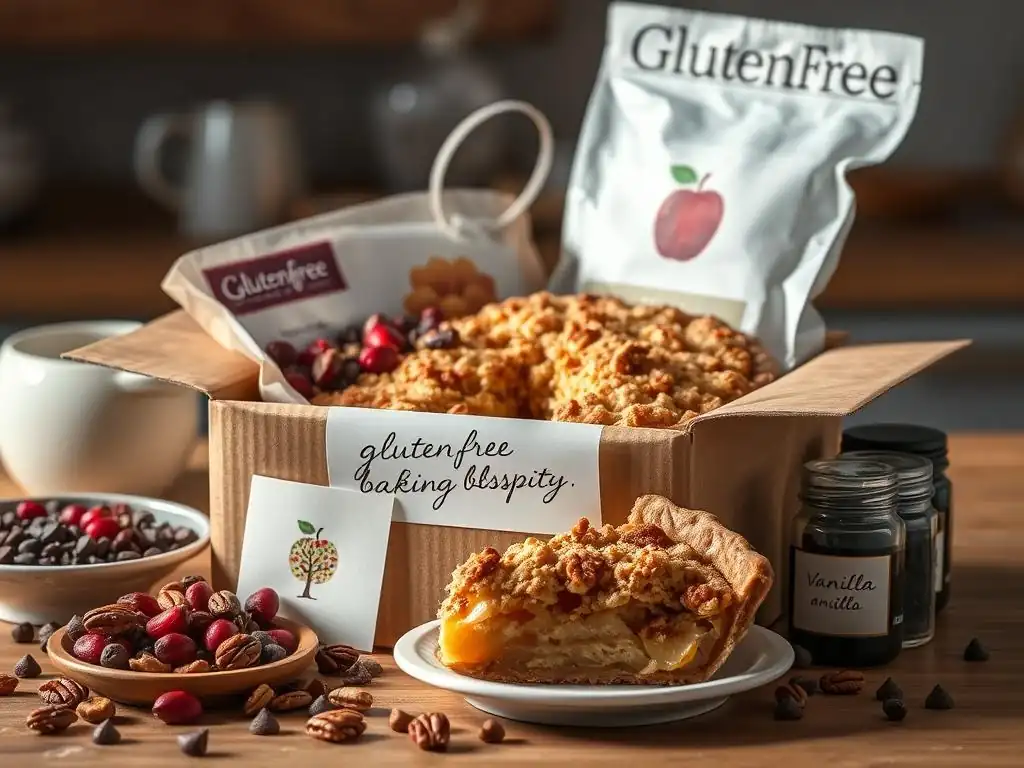
If you decide that a gluten-free baking subscription box is right for you, there are ways to ensure you're getting the most value for your money. Simply baking the provided recipe once and discarding the card might not fully utilize the potential benefits. By engaging with the provided resources, customizing your deliveries, and properly storing your baked goods, you can enhance the overall experience and stretch the value of your subscription.
Getting the most out of your gluten-free baking subscription box is about more than just the initial bake. It's about using the box as a tool for learning, exploration, and efficient baking. By being mindful of how you use the resources and manage the output, you can make the subscription a truly worthwhile investment in your gluten-free baking journey.
Utilizing Recipe Cards and Online Resources: Expanding Your Gluten-Free Baking Knowledge
The recipe cards included in a gluten-free baking subscription box are more than just instructions; they are a learning tool. Pay attention to the techniques described, the order of mixing, and any specific tips provided for working with gluten-free doughs or batters. These details can be applied to other gluten-free recipes you try in the future, helping you become a more skilled baker.
Many subscription services also offer online resources, such as blog posts with extra tips, videos demonstrating techniques, or forums where you can ask questions and share experiences. Engaging with these resources can deepen your understanding of gluten-free baking science and help you troubleshoot issues. Don't just follow the steps blindly; try to understand the why behind them to truly expand your baking knowledge beyond the single box.
Customizing Your Subscription: Tailoring to Dietary Needs and Preferences
Some gluten-free baking subscription box providers offer options to customize deliveries. This could include swapping out a recipe you don't like, indicating allergies beyond gluten (if the service supports it), or adjusting the frequency of deliveries. If customization is available, take advantage of it to ensure you're only receiving boxes that genuinely excite you and fit your needs.
For example, if you know you dislike baking with yeast, look for a subscription that allows you to opt-out of bread recipes. If you have a nut allergy in addition to being gluten-free, ensure the service can guarantee nut-free ingredients and production. Tailoring your subscription prevents wasted boxes and ensures you're consistently receiving value that aligns with your personal preferences and dietary requirements.
Freezing and Storing Gluten-Free Baked Goods: Extending Shelf Life and Reducing Waste
Gluten-free baked goods can sometimes dry out faster than their wheat-based counterparts. To maximize the value of a gluten-free baking subscription box and avoid waste, learn the best methods for freezing and storing the finished products. Most cookies, muffins, breads, and even some cakes freeze beautifully if wrapped properly (e.g., in plastic wrap followed by foil or an airtight container).
Freezing allows you to enjoy the treats from your gluten-free baking subscription box over a longer period, ensuring that a single box provides multiple opportunities for enjoyment. This is particularly useful if a box yields a large batch. By freezing portions, you can have fresh-tasting gluten-free treats available whenever a craving strikes, effectively extending the value of your monthly subscription fee.
Alternatives to Gluten-Free Baking Subscription Boxes: Exploring Other Options
A gluten-free baking subscription box is just one way to approach gluten-free baking. Depending on your budget, time, skill level, and preferences, other options might be more suitable. Exploring these alternatives can help you make an informed decision about whether a subscription box is truly the best fit for your needs or if another approach might be more practical or economical.
Considering alternatives helps put the value proposition of a gluten-free baking subscription box into perspective. It allows you to weigh the specific benefits of a subscription (convenience, curated recipes, pre-portioned ingredients) against the benefits of other methods (lower cost, more control, building a personal recipe repertoire).
Gluten-Free Baking Mixes: A Convenient and Affordable Alternative
For sheer convenience and affordability, pre-made gluten-free baking mixes are a strong alternative. Available in most supermarkets, these mixes require minimal effort – often just adding wet ingredients like eggs, oil, and water or milk. They are significantly cheaper than a gluten-free baking subscription box, with prices typically ranging from $4 to $8 per box, yielding a batch of muffins, cookies, or a cake.
While mixes offer less control over ingredients and flavor profiles compared to scratch baking or a subscription box, they are an excellent option for quick, easy, and reliable gluten-free treats. They don't offer the learning experience or unique recipes of a subscription box, but for simple, everyday baking needs, they are a very accessible and budget-friendly choice.
Online Gluten-Free Recipe Resources: Building Your Gluten-Free Baking Repertoire
The internet is a vast resource for free gluten-free recipes, ranging from simple cookies to complex artisanal breads. Websites like BakeWithEase.com offer numerous tested recipes that you can access anytime. This approach allows you complete control over the ingredients you use, catering precisely to your dietary needs and preferences, and is generally the most cost-effective method in terms of recipe access.
However, baking from online resources requires significant effort in sourcing ingredients, measuring, and potentially troubleshooting if a recipe doesn't turn out as expected. It demands more time and a willingness to experiment. While free recipes reduce the cost of the "plan," they don't eliminate the cost of ingredients or the time investment required, which is where a gluten-free baking subscription box offers a different kind of value.
Local Gluten-Free Bakeries: Supporting Local Businesses and Enjoying Ready-Made Treats
For those who love gluten-free treats but dislike baking altogether, supporting local gluten-free bakeries is a fantastic option. You get to enjoy expertly made baked goods without any effort, and you contribute to your local economy. While the cost per item is significantly higher than baking at home (a single gluten-free muffin might cost $3-$5), you are paying for the skill, time, and convenience of a professional baker.
This alternative doesn't involve baking at all, so it's not a direct substitute for the experience offered by a gluten-free baking subscription box. However, it fulfills the desire for delicious gluten-free treats. For someone weighing a subscription box versus buying treats, the bakery option offers immediate gratification without the time commitment of baking yourself.
Making the Right Choice: Is a Gluten-Free Baking Subscription Box Right for You?
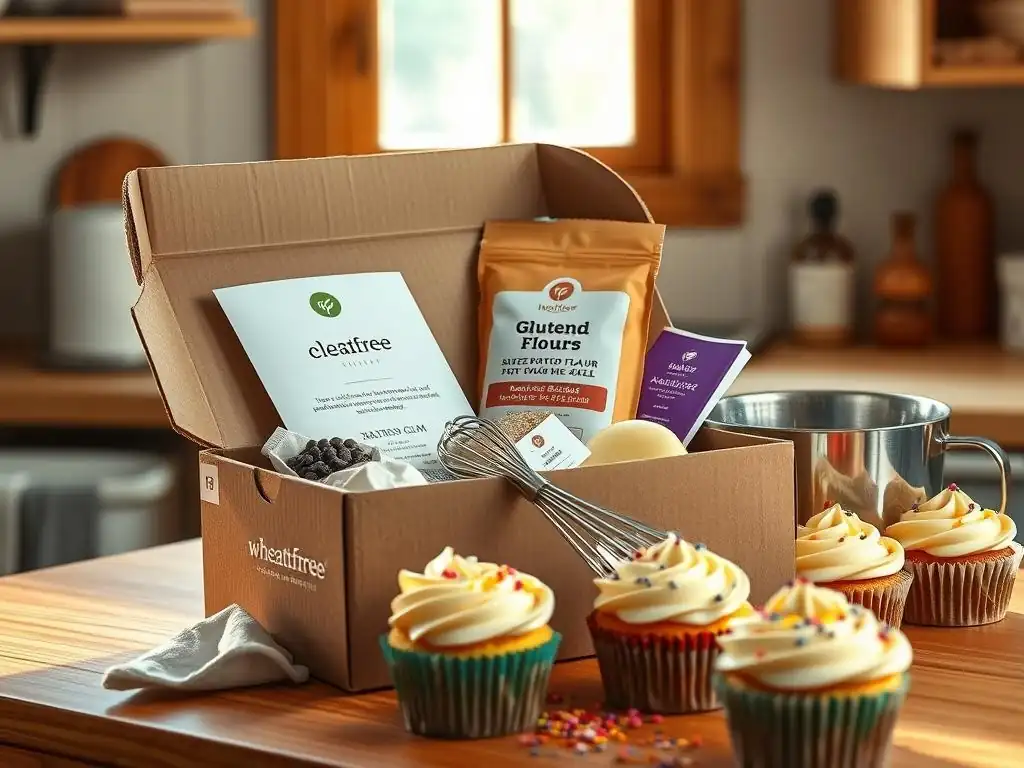
Deciding whether a gluten-free baking subscription box is a worthwhile investment is a personal decision based on your individual circumstances, priorities, and relationship with baking. There's no single right answer; what works for one person might not work for another. Consider your baking habits, dietary needs, financial situation, and how you value convenience and new experiences.
By honestly evaluating these factors, you can determine if the benefits offered by a gluten-free baking subscription box align with what you are looking for and whether the cost is justified for your specific situation. It's about finding the balance between convenience, cost, and the joy you get from the baking process itself.
Consider Your Baking Skill Level
Your current comfort and experience with gluten-free baking should play a role in your decision. If you are a complete beginner, a gluten-free baking subscription box designed for novices could be incredibly helpful, providing guidance and reliable results that build confidence. If you are an experienced baker, you might prefer a box that offers more complex or unique recipes to challenge your skills.
Conversely, a beginner might find a complex box overwhelming, while an experienced baker might find a very simple box uninspiring. Matching the box's difficulty level and recipe style to your skill level is crucial for a positive and valuable experience.
Evaluate Your Dietary Needs and Preferences
Beyond being gluten-free, do you have other dietary restrictions or strong preferences? If you have multiple allergies, a specialized gluten-free baking subscription box that explicitly caters to those needs might be invaluable for its safety protocols. If you are vegan, look for boxes that offer vegan gluten-free options.
Consider the types of baked goods you enjoy. Do you prefer bread, cakes, cookies, or pastries? Review the types of recipes a subscription service typically offers to ensure they align with your tastes. A box might be gluten-free, but if it consistently features recipes you wouldn't eat, it's not a good fit.
Assess Your Budget and Time Constraints
Finally, be realistic about your budget and the amount of time you have available for baking. As we've discussed, a gluten-free baking subscription box offers convenience and saves time, but it comes at a higher per-recipe cost compared to buying ingredients in bulk. If your budget is very tight, scratch baking using cost-effective recipes and ingredients might be a better option.
However, if you are time-poor but have a reasonable budget, the time savings offered by a subscription box could make it a worthwhile expense. Calculate how much you value your time and compare that against the cost difference between a box and scratch baking to see which makes more financial sense for you.
Conclusion: Weighing the Pros and Cons of Gluten-Free Baking Subscription Boxes
The decision of whether a gluten-free baking subscription box is worth the cost boils down to a personal equation balancing convenience, ingredient quality, recipe novelty, and time savings against the monthly fee. For many home bakers navigating the world of gluten-free, these boxes offer a compelling package that simplifies the process, introduces new ideas, and provides the satisfaction of baking delicious treats at home without the common hassles of ingredient sourcing and measurement.
While baking gluten-free from scratch can be more economical in terms of raw ingredient cost, it demands a significant investment in time, effort, and potentially the initial purchase of specialized ingredients and tools. A gluten-free baking subscription box mitigates these challenges by providing everything needed in one convenient package, making it particularly appealing for busy individuals, beginners, or those seeking to explore complex recipes without the upfront commitment of buying numerous niche ingredients.
The Verdict: Convenience and Quality vs. Cost Analysis for the Gluten-Free Home Baker
Ultimately, the worth of a gluten-free baking subscription box is subjective. If you place a high value on convenience, enjoy trying new and curated recipes, appreciate having high-quality, pre-portioned ingredients delivered to your door, and want to save time on shopping and preparation, then a subscription box can absolutely be worth the cost. The experience it offers goes beyond just the ingredients; it includes the planning, the curation, and often the guidance needed for successful gluten-free baking.
However, if your primary goal is minimizing cost, you have ample time for shopping and preparation, prefer complete control over every ingredient, or enjoy the process of building your own gluten-free pantry and recipe collection, then baking from scratch will likely be a more cost-effective and fulfilling approach. Alternatives like gluten-free mixes or relying on free online resources also offer different balances of convenience and cost.
Recommendation.
Consider a gluten-free baking subscription box if:
- You are new to gluten-free baking and want a guided, low-stress introduction.
- You are busy and value the time saved on shopping and measuring.
- You enjoy trying unique or complex gluten-free recipes you wouldn't attempt from scratch.
- You struggle to find specific gluten-free ingredients locally.
- You want a fun, curated baking experience delivered to your door.
Consider alternatives (like scratch baking or mixes) if:
- Your budget is the primary concern.
- You enjoy the process of shopping for and measuring ingredients.
- You prefer using your own recipes and staple gluten-free ingredients.
- You have ample time for baking preparation.
- You only bake gluten-free occasionally.
By weighing these points against your personal circumstances, you can determine if a gluten-free baking subscription box is the right ingredient for your baking journey.
Frequently Asked Questions
What exactly is a Gluten-Free Baking Subscription Box?
A gluten-free baking subscription box is a curated package delivered regularly (monthly, quarterly, etc.) containing pre-portioned gluten-free ingredients, recipes, and sometimes tools to make baking gluten-free easier. They aim to simplify gluten-free baking.
Are Gluten-Free Baking Subscription Boxes only for beginners?
No! While great for beginners due to their ease of use, subscription boxes can also be beneficial for experienced bakers looking for new gluten-free recipes and to discover unique ingredients they may not have tried before.
How much do Gluten-Free Baking Subscription Boxes typically cost?
The price varies greatly, typically ranging from $30 to $60+ per box, depending on the ingredients included, the quality of those ingredients, and the frequency of delivery. Consider the overall value offered.
What are the benefits of using a Gluten-Free Baking Subscription Box compared to buying ingredients separately?
Benefits include convenience, time-saving, and the discovery of new gluten-free flours and ingredients. They also offer pre-portioned ingredients, reducing food waste and ensuring recipe success.
How do I choose the right Gluten-Free Baking Subscription Box for me?
Consider your baking experience level, dietary needs (are there other allergies?), budget, and the types of recipes you enjoy. Read customer reviews and check the box contents before subscribing.
Final Reflection: The Sweet Taste of Choice in Gluten-Free Baking
The rising popularity of gluten-free diets necessitates innovative solutions, and subscription boxes offer a convenient, albeit costly, entry point. The convenience factor is undeniable, but the true value lies in discerning whether the premium price aligns with individual needs and baking aspirations. This exploration has highlighted the need for careful consideration beyond mere convenience.
The impact of gluten-free baking extends beyond dietary restrictions; it's about inclusivity and the joy of creating delicious treats regardless of dietary needs. Baking is a labor of love, and the ability to share that love with others, regardless of their dietary needs, is a beautiful thing.
This sentiment resonates deeply, as the article revealed the potential for subscription boxes to both enhance and hinder this experience, depending on the quality and value provided. The ongoing conversation about accessibility and affordability within the gluten-free market is crucial, and subscription boxes represent a significant, albeit complex, part of that conversation.
Ultimately, the decision of whether or not a gluten-free baking subscription box is "worth it" rests entirely with you. Consider your baking skills, your budget, and your desire for convenience versus control. Don't be afraid to experiment, to try different boxes, and to ultimately choose the option that best nourishes your passion for baking and your commitment to a gluten-free lifestyle. Embrace the journey, and may your baking always be sweet!
Unlock Your Gluten-Free Baking Potential!
Thanks for exploring the world of gluten-free baking subscription boxes with us! We hope you gained valuable insights into finding the perfect fit for your needs and tastes. Now it's time to put that knowledge to work!
- Take the quiz: We've created a short quiz on our website to help you find the perfect gluten-free baking box based on your baking style and dietary needs! This is the easiest way to make an informed decision.
- Share your experiences: Have you tried a gluten-free baking box before? Share your reviews and recommendations in the comments below – let's build a supportive community!
- Explore our curated list: Check out our comprehensive guide of top-rated gluten-free baking boxes, categorized by dietary needs and style, directly on our website.
Ready to discover your next favorite baking adventure? What unique gluten-free treat are you most excited to bake?