
Quick Breads 101: Everything a Beginner Needs to Know

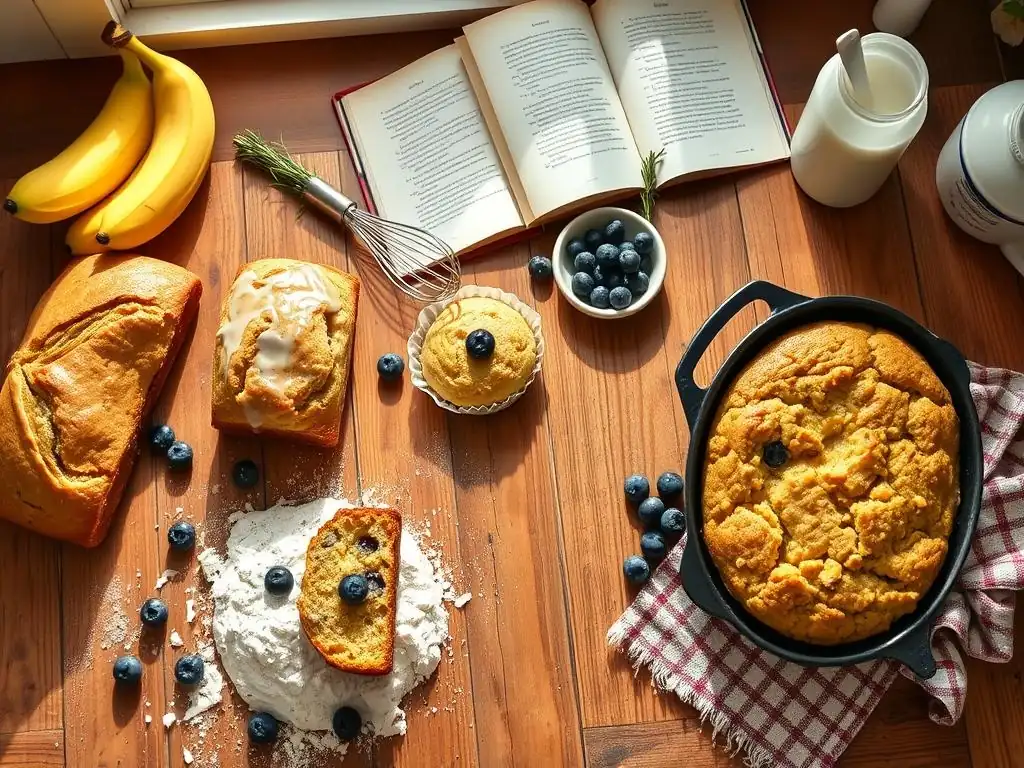
Welcome to BakeWithEase! Ever dreamed of filling your kitchen with the irresistible aroma of freshly baked bread, but felt intimidated by complex recipes? You're in the right place. We're demystifying the world of baking, starting with easy beginner quick bread recipes that require no yeast and minimal effort. Discover how to create delicious, comforting loaves with our step-by-step guide – and unlock a world of baking possibilities. Ready to get started? Let's bake!
- Quick Breads 101: Everything a Beginner Needs to Know (BakeWithEase)
- Introduction to Quick Bread Recipes
- Essential Ingredients for Quick Bread Recipes
- Basic Equipment for Quick Bread Baking
- Quick Bread Recipe: Step-by-Step Guide
- Troubleshooting Common Quick Bread Baking Problems
- Variations and Flavor Combinations for Quick Breads
- Tips and Tricks for Baking Perfect Quick Breads Every Time
- Mastering Quick Bread Recipes: Next Steps
-
Frequently Asked Questions
- What exactly is a quick bread, and what makes it "quick"?
- What are some examples of easy beginner quick bread recipes I can try?
- What's the most common mistake beginners make when baking quick breads?
- How important is it to accurately measure ingredients when baking quick breads?
- Can I substitute ingredients in quick bread recipes, or should I stick to the recipe exactly?
- Final Reflection: The Enduring Appeal of Simple Baking
- Unleash Your Inner Baker: Quick Bread Mastery Awaits!
Quick Breads 101: Everything a Beginner Needs to Know (BakeWithEase)
Introduction to Quick Bread Recipes
What are Quick Breads and Why Bake Them?
Quick breads are a fantastic starting point for anyone new to baking. Unlike yeast breads that rely on fermentation and require hours of rising time, quick breads use chemical leavening agents like baking powder or baking soda. This means they can be mixed and baked relatively quickly, often within an hour from start to finish, making them perfect for busy schedules or impromptu baking sessions. Think of delicious muffins, scones, biscuits, pancakes, waffles, and loaves like banana bread or zucchini bread – these are all popular examples of quick breads that are generally easy for beginners to master.
The appeal of baking quick breads, especially easy beginner quick bread recipes, lies in their simplicity and speed. They are incredibly forgiving compared to yeast doughs, requiring less precise handling and temperature control. Plus, the reward is almost immediate – a warm, freshly baked treat with minimal effort. This makes them an ideal confidence booster for novice bakers. Mastering a few simple quick bread techniques opens the door to a vast world of variations, allowing you to experiment with different flavors, fruits, nuts, and spices to create your own signature baked goods.
BakeWithEase's Guide to Quick Bread Baking
At BakeWithEase, we believe that baking should be accessible and enjoyable for everyone, especially beginners. Our guide to quick bread baking is designed to demystify the process, breaking down each step into simple, manageable instructions. We focus on fundamental techniques that apply to a wide range of quick bread recipes, from mixing dry and wet ingredients correctly to understanding how leavening agents work. Our aim is to equip you with the knowledge and confidence to tackle any easy beginner quick bread recipes you find.
This guide will walk you through the essential ingredients, necessary equipment, a classic step-by-step recipe, common troubleshooting tips, and ideas for variations. We'll share simple tips and tricks that professional bakers use, adapted for the home kitchen, ensuring your quick breads turn out delicious every time. Whether you're craving a warm slice of banana bread for breakfast or a batch of scones for tea time, BakeWithEase is here to help you succeed on your baking journey with easy beginner quick bread recipes.
Essential Ingredients for Quick Bread Recipes
Flour Power: Choosing the Right Flour
Flour is the structural backbone of most quick breads. For easy beginner quick bread recipes, all-purpose flour is typically the best choice. It has a moderate protein content (around 10-12%) which provides enough structure without making the bread tough. While you can experiment with other flours like whole wheat or gluten-free blends, starting with all-purpose flour ensures predictable results as you learn the basics. Using too little flour can result in a flat, dense quick bread, while too much can make it dry and crumbly.
When measuring flour, it's crucial to do so accurately. The 'spoon and level' method is recommended for beginners: gently spoon the flour into your measuring cup until it overflows, then level off the excess with a straight edge without compacting the flour in the cup. A cup of all-purpose flour measured this way typically weighs around 120-130 grams. Avoiding scooping directly from the bag, which can pack the flour and result in using up to 25% too much, is a key step towards successful easy beginner quick bread recipes.
Leavening Agents: Baking Powder vs. Baking Soda
Quick breads rely on chemical leavening agents to rise. The two main players are baking powder and baking soda, and understanding their function is key to successful easy beginner quick bread recipes. Baking soda (sodium bicarbonate) requires an acid to react and produce carbon dioxide gas, which creates bubbles and causes the bread to rise. Common acidic ingredients in quick breads include buttermilk, yogurt, brown sugar, molasses, honey, vinegar, and citrus juice.
Baking powder, on the other hand, is a complete leavening system containing both a base (baking soda) and an acid, along with a starch filler. Most baking powders sold today are 'double-acting,' meaning they produce gas twice: first when mixed with liquid at room temperature, and again when heated in the oven. Recipes using only baking powder typically don't contain a significant acidic ingredient. Using the correct type and amount of leavening agent specified in an easy beginner quick bread recipe is vital; too little means a flat bread, while too much can leave a metallic or bitter aftertaste.
Sweeteners and Fats: Enhancing Flavor and Texture
Sweeteners in quick breads, such as granulated sugar, brown sugar, honey, or maple syrup, do more than just add sweetness. They also contribute to moisture, tenderness, and browning. Granulated sugar provides sweetness and helps with browning, while brown sugar adds moisture due to its molasses content and imparts a richer flavor. Using about 150-200 grams of sugar per standard loaf recipe is common for sweetness and texture.
Fats, like butter, oil, or shortening, are essential for tenderness, moisture, and flavor. Butter adds rich flavor and helps create a tender crumb, especially when creamed with sugar. Oil keeps the bread moist for longer and results in a softer texture throughout. A typical quick bread recipe might call for anywhere from 60-120 grams of butter or 80-150 ml of oil. The type of fat used significantly impacts the final texture and taste of easy beginner quick bread recipes.
Liquids: The Key to Quick Bread Moisture
Liquids are crucial for hydrating the dry ingredients, dissolving sugars and salts, and activating leavening agents. Common liquids in quick bread recipes include milk, buttermilk, yogurt, sour cream, water, and fruit juices or purees. Milk is a standard choice, providing moisture and contributing to browning. Buttermilk or yogurt adds acidity, which is necessary to activate baking soda, and also contributes to a tender crumb and tangy flavor. Using approximately 180-240 ml of liquid per standard loaf is typical.
The amount and type of liquid can significantly affect the batter consistency and the final texture of the quick bread. Too little liquid results in a dry, crumbly bread, while too much can lead to a dense, gummy texture. Ensuring your liquid ingredients are at room temperature, especially if using butter or eggs, helps them emulsify better with the other ingredients, leading to a smoother batter and more evenly baked quick bread. Precision in measuring liquids is just as important as measuring dry ingredients for successful easy beginner quick bread recipes.
Basic Equipment for Quick Bread Baking
Must-Have Mixing Bowls and Utensils
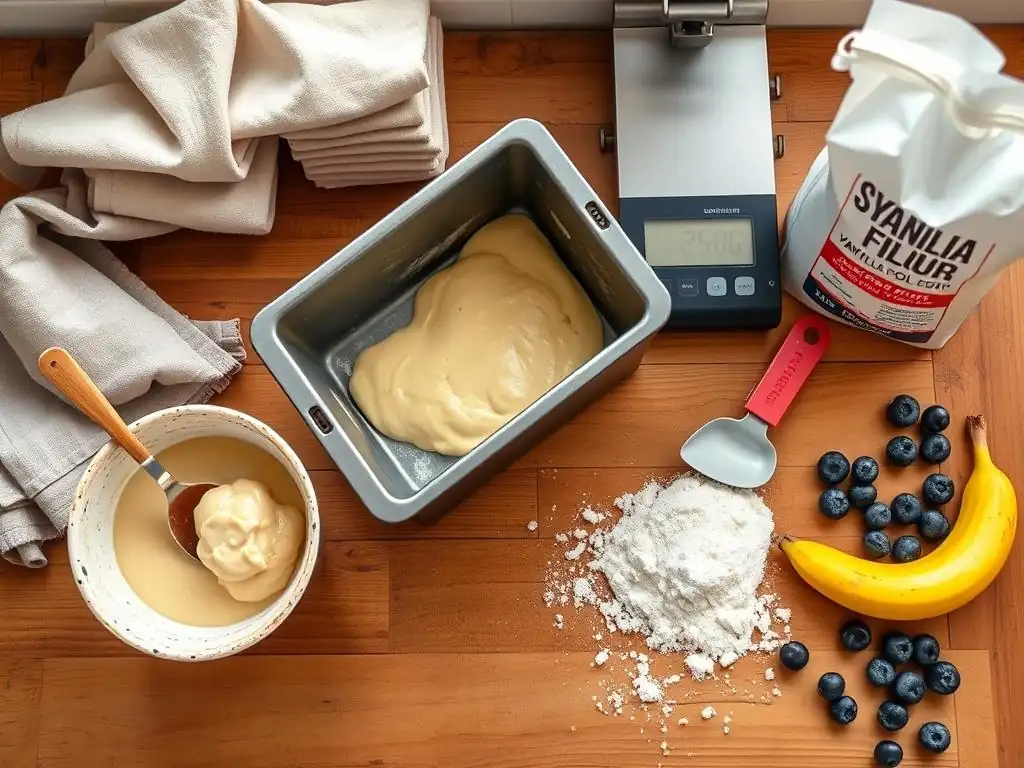
To start baking easy beginner quick bread recipes, you don't need a lot of fancy equipment, but a few basics are essential. You'll need at least two mixing bowls: one for dry ingredients and one for wet ingredients. Medium-sized bowls (around 2-3 liters capacity) are usually sufficient for a standard loaf recipe. Using separate bowls helps ensure that the leavening agents are evenly distributed before being combined with the wet ingredients, which is crucial for a proper rise.
Beyond bowls, you'll need measuring cups and spoons for accurate ingredient measurement (both dry and liquid sets are helpful), a whisk for combining dry ingredients and sometimes wet, and a rubber spatula or wooden spoon for mixing the batter. A whisk helps aerate and combine dry ingredients like flour, baking powder, and salt. The spatula or spoon is used for folding wet into dry ingredients, allowing you to mix just until combined, which is key to preventing tough quick breads. A sturdy set of these basic utensils is fundamental for any easy beginner quick bread recipes.
Perfect Pans for Quick Breads
The right pan is vital for achieving the correct shape and even baking for quick breads. The most common pan for loaf-style quick breads is a standard loaf pan, typically measuring about 9x5 inches (approx. 23x13 cm) and 2.5-3 inches deep. Metal pans are generally preferred as they conduct heat efficiently, promoting good browning and a crisp crust. Dark-colored metal pans can sometimes cause the crust to brown too quickly, so you might need to slightly reduce the oven temperature if using one.
Other quick breads, like muffins or scones, require different pans. Muffin tins (standard 12-cup size) are essential for muffins and cupcakes. Baking sheets are used for scones and biscuits. Greasing and flouring or lining pans with parchment paper prevents sticking and makes removal easy. For a 9x5 inch loaf pan, using about 1 tablespoon of butter or oil to grease thoroughly, followed by a light dusting of flour, is a standard practice to ensure your delicious easy beginner quick bread recipes release cleanly.
Oven Essentials: Thermometers and Timers
Accurate oven temperature and timing are critical for successful quick bread baking. While your oven dial indicates a temperature, many home ovens can be off by as much as 25-50 degrees Fahrenheit (approx. 15-30 degrees Celsius). An inexpensive oven thermometer placed inside your oven will give you a true reading, allowing you to adjust your oven setting accordingly. Baking at the correct temperature ensures the quick bread rises properly and cooks through without burning the outside.
A timer is equally important. Quick breads bake relatively quickly, and overbaking can lead to a dry texture. Most standard loaf quick breads bake for 50-70 minutes at temperatures around 350°F (175°C). Muffins bake much faster, typically 18-25 minutes. Using a timer helps you monitor the baking process and test for doneness at the appropriate time, preventing either raw centers or dry edges. Relying on an oven thermometer and timer removes much of the guesswork from baking easy beginner quick bread recipes.
Quick Bread Recipe: Step-by-Step Guide
Recipe: Classic Banana Bread
Let's bake a classic easy beginner quick bread recipe: Banana Bread! This recipe yields one standard 9x5 inch loaf.
- Yields: 1 loaf
- Prep time: 15 minutes
- Bake time: 60-70 minutes
Ingredients:
- 2-3 ripe bananas, mashed (about 1 cup / 240g)
- 1/3 cup (80g) melted butter
- 1/2 teaspoon baking soda
- Pinch of salt
- 1/2 cup (100g) granulated sugar (reduce slightly for less sweet)
- 1 large egg, beaten
- 1 teaspoon vanilla extract
- 1 1/2 cups (180g) all-purpose flour
Step 1: Preparing Your Ingredients and Equipment
Start by preheating your oven to 350°F (175°C). If you have an oven thermometer, verify the temperature is accurate. Grease and flour a 9x5 inch loaf pan. You can use a tablespoon of softened butter or oil and a dusting of flour, or line the bottom with parchment paper after greasing.
Next, prepare your ingredients. Mash the ripe bananas in a medium bowl using a fork until mostly smooth but with a few small lumps remaining. In a separate, larger bowl, melt the butter (you can do this in the microwave or on the stovetop). Allow the melted butter to cool slightly before proceeding.
Measure all your dry ingredients (flour, baking soda, salt, sugar) into one bowl and whisk them together to combine. Measure your wet ingredients (mashed banana, egg, vanilla extract) into the bowl with the melted butter. Having everything measured and ready, known as mise en place, makes the baking process smoother for easy beginner quick bread recipes.
Step 2: Mixing the Batter
In the bowl with the melted butter, add the mashed bananas, beaten egg, and vanilla extract. Whisk these wet ingredients together until well combined. Ensure the egg is fully incorporated.
Now, add the whisked dry ingredients to the wet ingredients. This is the most critical step for texture in easy beginner quick bread recipes. Using a rubber spatula or wooden spoon, gently fold the dry ingredients into the wet ingredients just until no dry streaks of flour are visible. Do not overmix! A few small lumps are perfectly fine and even desirable. Overmixing develops the gluten in the flour, leading to a tough, dense quick bread. Stop mixing as soon as the ingredients are combined.
Step 3: Baking to Golden Perfection
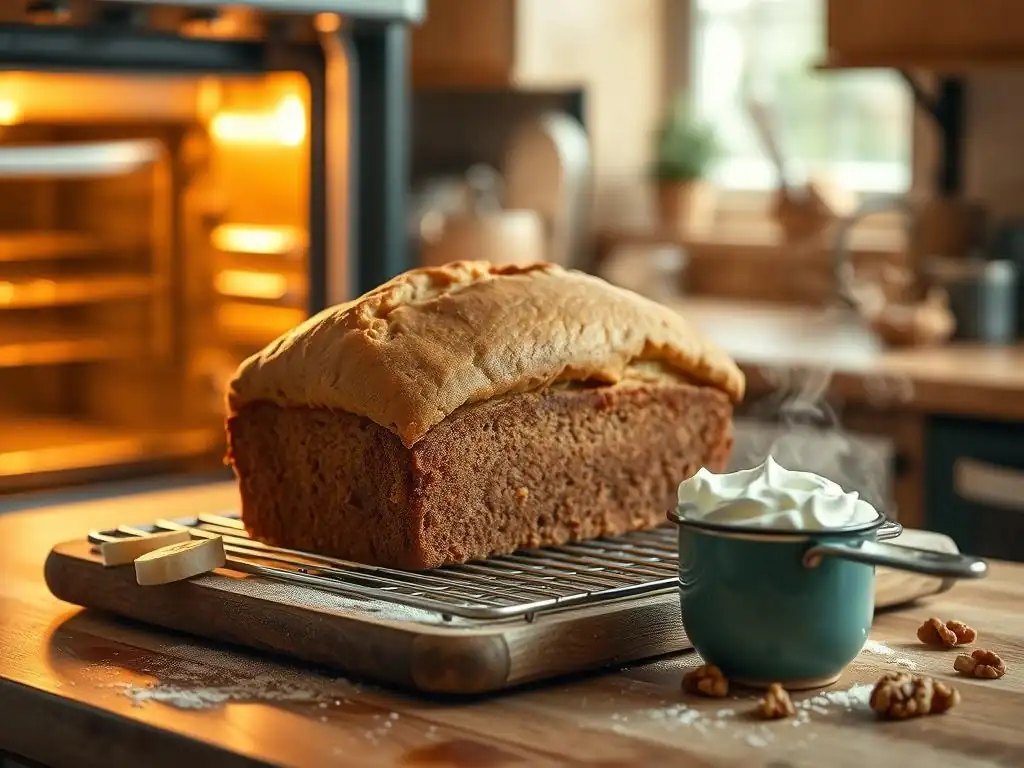
Pour the batter into your prepared loaf pan. Smooth the top gently with your spatula if needed. Place the pan in the preheated oven.
Bake for 60-70 minutes, or until a toothpick inserted into the center of the loaf comes out clean or with just a few moist crumbs attached (no wet batter). Around the 40-50 minute mark, check the top of the loaf. If it's browning too quickly, you can loosely tent it with aluminum foil to prevent further darkening while the inside finishes baking. The internal temperature of a fully baked quick bread should be around 200-205°F (93-96°C).
Step 4: Cooling and Storing
Once the toothpick test is successful, carefully remove the quick bread from the oven. Let it cool in the pan for about 10-15 minutes. This allows the structure to set.
After 10-15 minutes, invert the pan to remove the loaf and transfer it to a wire rack to cool completely. Cooling on a wire rack allows air to circulate, preventing the bottom from becoming soggy. Slicing into the bread while it's still hot can result in a gummy texture. Once completely cool, store the banana bread wrapped tightly in plastic wrap or in an airtight container at room temperature for up to 2-3 days, or in the refrigerator for up to a week. It can also be frozen, well-wrapped, for up to 2-3 months.
Troubleshooting Common Quick Bread Baking Problems
My Quick Bread is Dry: What Went Wrong?
A dry quick bread is a common issue, often stemming from incorrect ingredient measurements or overbaking. One primary culprit is using too much flour, which is frequently caused by scooping flour directly from the bag instead of using the spoon-and-level method. Even a small amount of extra flour can absorb too much moisture. Ensure you are measuring flour accurately, perhaps even weighing it if you have a scale (1.5 cups is approximately 180g).
Another major cause of dryness is overbaking. Baking for too long or at too high a temperature evaporates too much moisture from the bread. Always rely on the toothpick test or an internal thermometer rather than just the recipe's suggested time, as oven temperatures and pan materials can vary. If you notice the top or edges are browning too fast, tenting the loaf with foil can help the inside cook without drying out the exterior. Following easy beginner quick bread recipes precisely regarding bake time and temperature is key.
My Quick Bread Didn't Rise: Common Mistakes
A quick bread that fails to rise properly is usually due to inactive leavening agents or improper mixing. Baking soda and baking powder can lose their potency over time. Check the expiration date on your leavening agents; as a simple test for baking powder, add a teaspoon to a little hot water – it should fizz vigorously. For baking soda, add a teaspoon to a small amount of vinegar – it should also fizz immediately. If there's little to no reaction, your leavening is likely expired and won't provide lift for your easy beginner quick bread recipes.
Improper mixing is another factor. Not mixing the dry ingredients thoroughly before adding them to the wet means the leavening agents might not be evenly distributed, leading to an uneven or poor rise. Conversely, overmixing the batter after combining wet and dry ingredients can develop gluten, which creates a tough structure that prevents the quick bread from expanding freely during baking. Mixing just until combined is crucial for achieving a tender crumb and good rise in easy beginner quick bread recipes.
My Quick Bread is Too Dense: Solutions and Tips
Density in quick bread is often a result of issues with leavening, mixing, or excess moisture/fat. As mentioned, inactive leavening agents will lead to a dense bread because there aren't enough gas bubbles to lighten the batter. Ensure your baking powder and/or baking soda are fresh. Using the correct type of leavening is also important; baking soda needs an acid to work, so if your recipe calls for it but lacks an acidic ingredient (like buttermilk or yogurt), it won't activate properly.
Overmixing is a very common cause of dense quick breads. Mixing develops gluten, making the batter elastic. While some elasticity is fine, too much creates a tough, dense texture. Mix only until the dry ingredients are barely incorporated. Additionally, sometimes an excess of heavy ingredients like mashed fruit or nuts can weigh down the batter, contributing to density, especially if the leavening isn't sufficient to support the extra weight. Adjusting the amount of leavening slightly when adding significant mix-ins might be necessary after you've mastered the basic easy beginner quick bread recipes.
My Quick Bread is Burning: Adjusting Oven Temperature
Quick breads burning on the outside while the inside remains raw is a clear sign that your oven temperature is too high or the pan is too close to a heating element. As discussed earlier, oven temperatures can be inaccurate. Using an oven thermometer is the best way to confirm your oven's true temperature and adjust accordingly. If your oven runs hot, try reducing the temperature by 25°F (about 15°C) and extending the baking time slightly.
The position of the pan in the oven also matters. For even baking, place the quick bread pan on the middle rack of the oven. If the top is browning too quickly before the inside is done, loosely tenting the loaf with aluminum foil after it has achieved sufficient color will protect the top from further heat while allowing the rest of the bread to continue baking.
Using shiny metal pans instead of dark ones can also help prevent over-browning, as dark pans absorb and transfer heat more quickly. These adjustments are simple but effective for ensuring your easy beginner quick bread recipes bake perfectly.
Variations and Flavor Combinations for Quick Breads
Sweet Quick Bread Variations: Muffins, Scones, and More
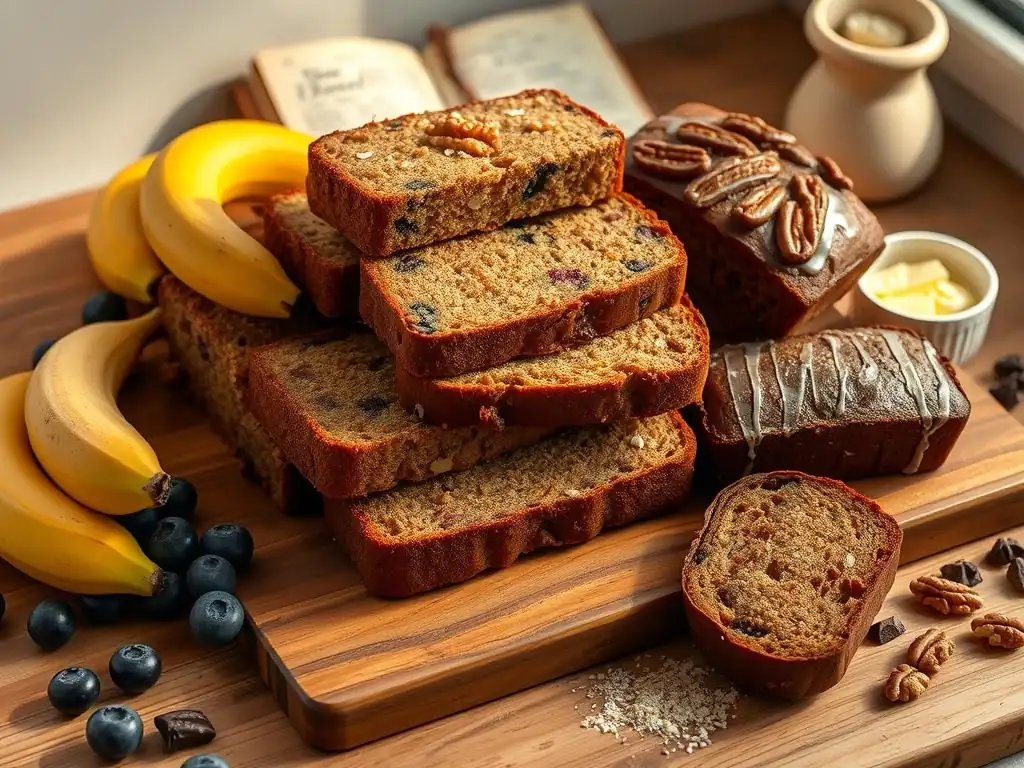
The world of quick breads extends far beyond simple loaves. Once you've mastered an easy beginner quick bread recipe like banana bread, you can explore numerous sweet variations. Muffins are essentially individual quick breads, offering endless flavor possibilities from blueberry and chocolate chip to lemon-poppy seed. The mixing method is often similar to loaves, focusing on gentle handling.
Scones are another popular sweet quick bread, typically made with cold butter cut into the dry ingredients, similar to biscuits, resulting in a crumbly, tender texture. They are often enriched with cream or buttermilk and can include additions like dried fruit or chocolate chips. Other sweet quick bread forms include coffee cakes, which often feature a streusel topping, and even some types of pancakes and waffles fall under the quick bread umbrella, using baking powder for their fluffy texture. Experimenting with these forms keeps baking easy beginner quick bread recipes exciting.
Savory Quick Bread Variations: Exploring Flavorful Additions
Quick breads aren't limited to sweet treats! Savory quick breads are equally delicious and versatile, perfect as a side dish or snack. Instead of sugar, these recipes often incorporate cheese, herbs, spices, vegetables, or even cooked meats. Think of cheddar-chive biscuits, cornbread (often made with baking powder and/or soda), or loaves studded with sun-dried tomatoes and olives.
The basic ratio of flour, liquid, and leavening often remains similar to sweet quick breads, but the flavor profile changes dramatically with the addition of savory ingredients. These variations demonstrate the flexibility of the quick bread method. Exploring savory easy beginner quick bread recipes allows you to create delicious accompaniments to soups, stews, or salads, offering a different dimension to your baking repertoire.
Adding Fruits, Nuts, and Spices
One of the joys of baking quick breads is customizing them with various additions. Fruits, fresh or dried, add moisture, sweetness, and flavor. Mashed bananas, shredded zucchini (surprisingly moist! ), blueberries, cranberries, apples, and dates are common choices. For a standard loaf, incorporating about 1 to 1.5 cups (approx. 150-250g) of fruit is typical.
Nuts like walnuts, pecans, or almonds add crunch and flavor. They are often added towards the end of mixing. A standard loaf can usually handle about 1/2 to 1 cup (approx. 50-100g) of chopped nuts. Spices like cinnamon, nutmeg, cloves, or ginger are fantastic for enhancing flavor, especially with fruit-based quick breads. Start with 1/2 to 1 teaspoon of a primary spice like cinnamon and adjust to your preference. These additions are simple ways to transform basic easy beginner quick bread recipes into unique creations.
Tips and Tricks for Baking Perfect Quick Breads Every Time
Measuring Ingredients Accurately
We can't stress this enough: accurate measuring is the foundation of successful baking, especially with easy beginner quick bread recipes. While volume measurements (cups and spoons) are common, weighing ingredients, particularly flour, is the most accurate method. A digital kitchen scale is a worthwhile investment for any baker. As a reminder, for cup measurements, spoon dry ingredients like flour into the cup and level off; do not scoop directly.
For liquid ingredients, use clear liquid measuring cups placed on a flat surface and read at eye level. Small amounts of leavening agents, salt, and spices should be measured using standard measuring spoons, ensuring they are level. Taking a few extra moments to measure precisely can prevent many common baking failures and ensure your easy beginner quick bread recipes turn out consistently delicious.
The Importance of Room Temperature Ingredients
Many quick bread recipes call for ingredients like eggs, milk, and butter to be at room temperature. This isn't just a suggestion; it serves several purposes. Room temperature eggs emulsify better with other ingredients, leading to a smoother, more uniform batter. Room temperature dairy products like milk or yogurt mix more evenly and help ingredients like butter or oil disperse properly throughout the batter.
If a recipe calls for softened butter (not melted), room temperature is crucial for proper creaming with sugar, which incorporates air and contributes to the quick bread's texture. If your ingredients are cold, you can quickly bring eggs to room temperature by placing them in a bowl of warm water for 5-10 minutes. Milk can be gently warmed slightly. Planning ahead to have ingredients at the right temperature is a simple step that significantly impacts the success of your easy beginner quick bread recipes.
Avoiding Overmixing: The Secret to Tender Quick Breads
Overmixing is perhaps the most common mistake beginners make with quick breads, leading to a tough, dense result. Once the wet and dry ingredients are combined, the goal is simply to hydrate the dry components and distribute the leavening agents. Mixing flour with liquid activates gluten development. While gluten provides structure, too much results in a chewy, bread-like texture rather than the desired tender, cake-like crumb of a quick bread.
Use a light hand and mix only until you no longer see streaks of dry flour. A few small lumps in the batter are perfectly acceptable – they often bake out. Resist the urge to keep mixing until the batter is perfectly smooth. This gentle mixing technique is one of the most important secrets to achieving light and tender results with easy beginner quick bread recipes.
Testing for Doneness: The Toothpick Test and Beyond
Knowing exactly when your quick bread is done baking is key to avoiding dry or undercooked results. The classic toothpick test is a reliable method for easy beginner quick bread recipes. Insert a wooden skewer or toothpick into the center of the loaf or muffin. If it comes out clean or with just a few moist crumbs attached, the quick bread is likely done. If it comes out with wet batter, it needs more time.
For loaf cakes, testing multiple spots can be helpful. An even more accurate method is to use an instant-read thermometer; a quick bread is typically done when its internal temperature reaches 200-205°F (93-96°C). Pay attention to visual cues too: the top should be golden brown, the edges should pull slightly away from the sides of the pan, and the top should spring back gently when lightly pressed. Using a combination of these tests ensures your easy beginner quick bread recipes are baked to perfection.
Mastering Quick Bread Recipes: Next Steps
Exploring More Advanced Techniques
Once you feel confident with basic easy beginner quick bread recipes, you might want to explore slightly more advanced techniques. This could include learning how to properly cream butter and sugar for a finer crumb, understanding the biscuit or scone method of cutting in cold fat, or working with batters that require folding in delicate ingredients like whipped egg whites (as in some lighter muffins).
You could also experiment with different pan types and sizes, adjusting baking times accordingly. Learning to make glazes, streusels, or simple frostings to finish your quick breads adds another layer of skill. These techniques build upon the fundamentals you've learned, allowing you to expand your quick bread repertoire and tackle slightly more complex easy beginner quick bread recipes with confidence.
Finding Inspiration for New Recipes
The internet, cookbooks, and baking blogs are fantastic resources for finding new quick bread recipes. Look for recipes that introduce new flavor combinations or ingredients you haven't used before, such as different flours (like cornmeal for cornbread) or unique additions (like spices, extracts, or purees). BakeWithEase offers a wide variety of easy beginner quick bread recipes and variations to keep you inspired.
Don't be afraid to adapt recipes once you understand the basic structure. You might try adding different nuts to a banana bread or swapping out the fruit in a muffin recipe. Keeping a baking journal can help you track what works and what doesn't, allowing you to refine recipes over time. Finding inspiration is easy when there are so many delicious easy beginner quick bread recipes out there!
Baking is often about sharing the joy of delicious homemade goods. Once you've successfully baked some easy beginner quick bread recipes, share them with friends, family, or colleagues! The positive feedback is incredibly rewarding and motivates you to keep baking.
We at BakeWithEase love seeing your baking successes. Feel free to share photos of your quick bread creations on social media using relevant hashtags (though we can't link directly here). Connecting with other home bakers can provide encouragement, tips, and new recipe ideas. Don't be discouraged by occasional failures – every baker has them! View them as learning opportunities and keep practicing. With these tips and a little practice, you'll be mastering easy beginner quick bread recipes in no time!
Frequently Asked Questions
What exactly is a quick bread, and what makes it "quick"?
Quick breads are breads that are leavened with chemical agents like baking powder or baking soda, instead of yeast. This allows for a much faster baking process as there's no need for proofing time.
What are some examples of easy beginner quick bread recipes I can try?
Many recipes are beginner-friendly! Think banana bread, muffins, and scones. These recipes often use simple ingredients and straightforward mixing methods.
What's the most common mistake beginners make when baking quick breads?
Overmixing the batter is a frequent error. Overmixing develops gluten, leading to a tough and dense bread. Mix just until the ingredients are combined.
How important is it to accurately measure ingredients when baking quick breads?
Accurate measurement is crucial for consistent results. Baking relies on chemical reactions, so precise measurements are needed for proper leavening and texture. Use measuring cups and spoons designed for baking.
Can I substitute ingredients in quick bread recipes, or should I stick to the recipe exactly?
While some substitutions are possible, it's best to stick to the recipe, especially for beginners. Ingredient ratios are important for the bread's structure and texture. Once you're more experienced, you can experiment.
Final Reflection: The Enduring Appeal of Simple Baking
The ease and satisfaction of baking quick breads resonate deeply in today's fast-paced world; they offer a comforting counterpoint to the complexities of modern life. These simple recipes, accessible to even the most novice baker, provide a tangible sense of accomplishment and a delicious reward for minimal effort. The ability to create something warm, fragrant, and delicious from basic ingredients is a powerful and surprisingly grounding experience.
The enduring popularity of quick breads speaks volumes about our innate human desire for connection and comfort. The act of baking, and particularly the sharing of baked goods, fosters a sense of community and belonging. It's a tradition passed down through generations, a simple act that transcends cultural boundaries. Baking is at once child's play and adult joy. And love, of course.
This quote perfectly captures the essence of quick bread baking – it's a joyful activity accessible to all, regardless of age or experience.
Now, I invite you to roll up your sleeves and embrace the joy of quick bread baking. Don't be intimidated by the seemingly endless possibilities; start with one recipe, experiment with flavors, and most importantly, share your creations with those you love. The warmth of a freshly baked loaf, the satisfaction of creating something delicious from scratch – these are gifts you can give yourself and others. Let the simple act of baking bring a little more joy and connection into your life.
Unleash Your Inner Baker: Quick Bread Mastery Awaits!
Thanks for joining us on this quick bread journey! We hope you've gained the confidence to tackle even the most challenging recipes. Ready to put your newfound knowledge to the test?
- Bake your first masterpiece! Choose a recipe that excites you and get baking. Don't be afraid to experiment with flavors and ingredients.
- Share your creations! Show us your delicious quick bread creations on social media using #BakeWithEase. We'd love to see your baking journey!
- Explore our extensive recipe library for more inspiration and techniques to perfect your quick bread skills.
What delicious quick bread will you bake first? Let us know in the comments!