
Unlock Effortless GlutenFree Baking: Your Guide to Subscription Boxes

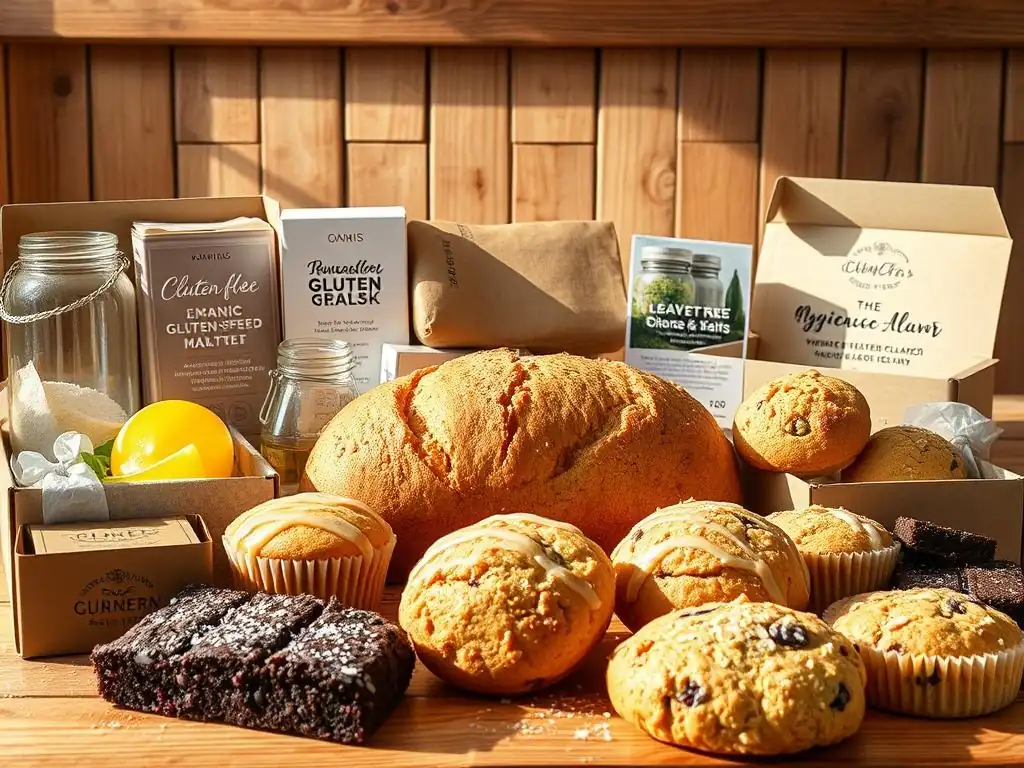
Welcome to BakeWithEase, your trusted guide in the delightful world of baking!
Are you ready to revolutionize your gluten-free baking experience? Discover how to unlock effortless creativity and convenience with our comprehensive guide to Glutenfree baking subscription boxes. Imagine receiving perfectly curated ingredients and unique recipes delivered right to your doorstep, making delicious and worry-free baking a reality. Let's explore the best options and find the perfect subscription box to ignite your passion and simplify your gluten-free journey.
- The Joy of Gluten-Free Baking Made Easy with Subscription Boxes
- Top Gluten-Free Baking Subscription Boxes: A Comparative Review
- Choosing the Right Gluten-Free Baking Box for Your Needs
- Maximizing Your Gluten-Free Baking Subscription Box Experience
- Beyond the Box: Expanding Your Gluten-Free Baking Repertoire
- The Future of Gluten-Free Baking: Trends and Innovations
- Final Thoughts: Embrace the Ease of Gluten-Free Baking with a Subscription Box
-
Frequently Asked Questions
- What are Gluten-Free Baking Subscription Boxes?
- What are the benefits of using a Gluten-Free Baking Subscription Box?
- Are Gluten-Free Baking Subscription Boxes suitable for beginners?
- What types of recipes can I expect to find in a Gluten-Free Baking Subscription Box?
- How do I choose the right Gluten-Free Baking Subscription Box for my needs?
- Final Reflection: The Rising Tide of Gluten-Free Baking
- Unleash Your Inner Gluten-Free Baker!
The Joy of Gluten-Free Baking Made Easy with Subscription Boxes
Why Choose a Gluten-Free Baking Subscription Box? Simplify Your Baking Journey
Embarking on the journey of gluten-free baking can sometimes feel daunting, especially for beginners. Sourcing the right ingredients, understanding how different gluten-free flours behave, and ensuring your bakes don't turn out dense or crumbly requires time and experimentation. This is where a gluten-free baking subscription box becomes a game-changer.
These boxes eliminate the guesswork by providing pre-measured ingredients, tested recipes, and often helpful tips specifically tailored for gluten-free creations. Imagine receiving a box on your doorstep with everything you need to bake delicious cookies or muffins, without having to navigate confusing grocery store aisles or worry about cross-contamination in your pantry. It transforms a potentially stressful activity into a simple, enjoyable process.
Moreover, subscribing to a gluten-free baking box can significantly reduce waste and save money in the long run. How often have you bought a large bag of a specialty gluten-free flour, like sorghum or tapioca starch, only to use a small amount for a single recipe and have the rest sit in your cupboard? Subscription boxes typically provide just the right quantities of each ingredient needed for the featured recipe, minimizing leftover specialty items.
For example, a box might include exactly 50 grams of almond flour or 10 grams of psyllium husk, preventing you from needing to purchase full-sized bags. This not only saves you money on ingredients you might not use regularly but also keeps your pantry streamlined. For busy individuals or families, the convenience of having curated ingredients and instructions delivered makes exploring new gluten-free treats incredibly accessible.
Understanding Gluten-Free Baking Essentials
Gluten-free baking fundamentally differs from traditional baking due to the absence of gluten, the protein network found in wheat, barley, and rye that provides structure and elasticity. To compensate, gluten-free recipes rely on a blend of different flours and starches, each contributing unique properties. Common gluten-free flours include rice flour (brown and white), almond flour, coconut flour, oat flour (certified gluten-free), and various starches like tapioca, potato, and cornstarch.
A typical gluten-free flour blend might combine brown rice flour for structure, white rice flour for tenderness, tapioca starch for chewiness, and potato starch for moisture retention. Understanding the role of each component is key, as simply swapping wheat flour 1:1 with a single gluten-free alternative rarely yields successful results.
Beyond flours, gluten-free baking often incorporates binders and leavening agents that function differently without gluten's structure. Ingredients like xanthan gum or guar gum are frequently used to mimic gluten's elasticity and prevent crumbling. Psyllium husk is another popular binder, especially in gluten-free bread recipes, providing structure and moisture. Leavening is also crucial; while baking soda and baking powder work similarly, achieving the right rise can be trickier.
Recipes often use slightly more leavening or specific techniques to ensure a light texture. For instance, achieving a fluffy gluten-free cake might involve separating eggs and whipping the whites to incorporate more air. Mastering these essentials is a journey, and gluten-free baking subscription boxes often provide pre-measured binders and specific instructions tailored to their unique blends, simplifying this learning curve.
Top Gluten-Free Baking Subscription Boxes: A Comparative Review
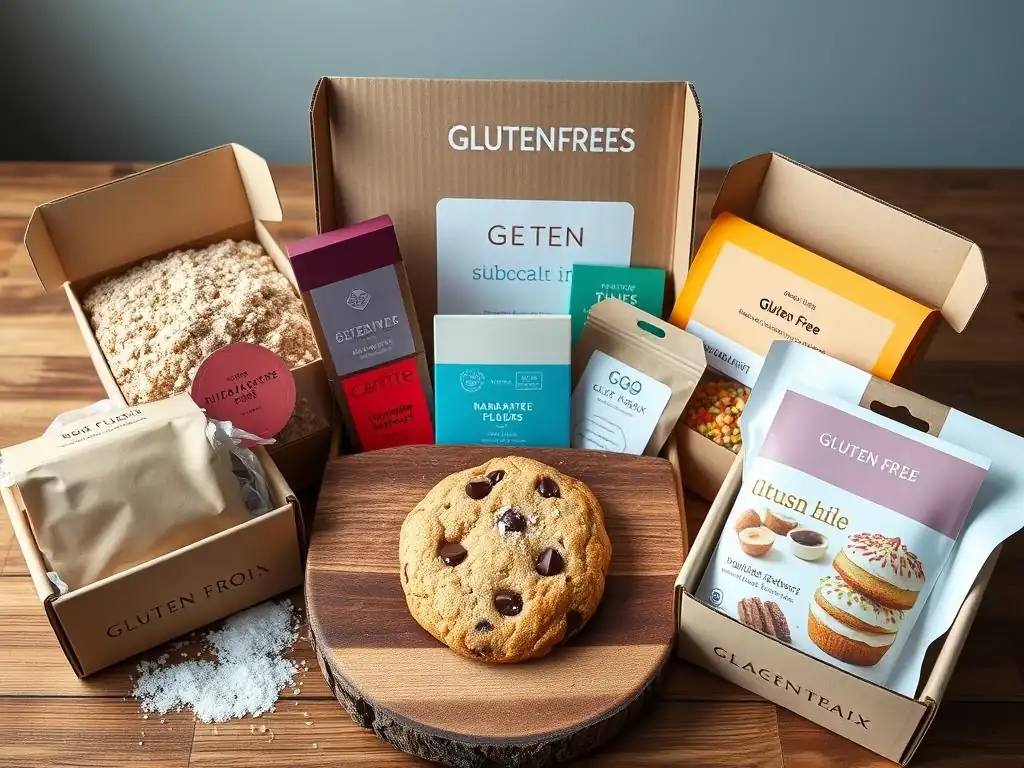
Baketivity Gluten-Free Baking Box: The Beginner's Dream for Gluten-Free Treats
The Baketivity Gluten-Free Baking Box is designed with simplicity and fun in mind, making it an excellent entry point for those new to gluten-free baking, including families baking with children. Each box contains all the dry ingredients needed for a specific gluten-free recipe, such as cookies, cupcakes, or brownies. The ingredients are individually packaged and clearly labeled, often color-coded, which helps prevent errors and makes the process intuitive.
The accompanying recipe cards are usually step-by-step, featuring clear instructions and illustrations that are easy for both adults and older children to follow. This emphasis on ease and visual guidance minimizes the potential for frustration that can sometimes accompany gluten-free baking attempts.
A key appeal of Baketivity is its focus on popular, kid-friendly treats. Recipes are often variations of classics like chocolate chip cookies, rainbow cupcakes, or fun-shaped breadsticks. The box frequently includes extra decorative elements like sprinkles or icing mixes, adding to the fun factor.
While the recipes are designed to be simple, they still teach fundamental baking skills within a gluten-free context. For example, a cookie recipe might guide you through creaming butter and sugar (even if you need to add your own butter/egg), mixing dry ingredients, and scooping dough. This hands-on experience, combined with the pre-measured gluten-free components, builds confidence and makes gluten-free baking feel less intimidating.
Features of Baketivity Gluten-Free Baking Box: Pre-Portioned Ingredients & Kid-Friendly Recipes
Baketivity boxes shine with their highly organized approach. Ingredients like gluten-free flour blends, sugar, cocoa powder, and leavening agents come in separate, clearly marked bags or containers. This pre-portioning eliminates the need for measuring cups and scales for the dry ingredients, simplifying the setup and cleanup. For instance, a box might contain a bag labeled "Gluten-Free Flour Blend" with exactly the amount needed, another with "Sugar," and small packets of baking powder or soda. This feature is particularly helpful for busy parents or novice bakers who want to jump straight into the mixing process.
The recipes are another major feature. They are specifically developed to be successful using the included gluten-free ingredients and are presented in a visually appealing, easy-to-read format. The instructions are broken down into simple steps, often accompanied by pictures or diagrams. For example, a step might say "Combine Bag A (Flour Blend) and Bag B (Sugar) in a large bowl," followed by an illustration. Many recipes also include fun facts or activities related to the theme of the bake, engaging younger bakers. The focus remains on achieving delicious, accessible gluten-free results with minimal fuss.
Pros and Cons of Baketivity Gluten-Free Baking Box
Pros:
- Excellent for beginners and families baking with children.
- Ingredients are pre-measured and clearly labeled, simplifying the process.
- Step-by-step instructions are easy to follow, often with visual aids.
- Focuses on fun, popular gluten-free treats.
- Minimizes ingredient waste by providing exact amounts.
- Can build confidence in gluten-free baking skills.
Cons:
- Recipes may be simpler compared to boxes aimed at more experienced bakers.
- Requires adding wet ingredients like eggs, butter, or oil, which are not included.
- Ingredient quality might be standard rather than organic or specialty.
- Limited variety in terms of challenging or unique gluten-free recipes.
- Subscription cost might add up over time compared to buying ingredients in bulk.
Pricing and Value: Is Baketivity Gluten-Free Baking Box Worth It?
Baketivity's pricing typically ranges from approximately $30 to $40 per box, depending on the subscription plan (monthly, 3-month, 6-month). Considering the convenience of pre-measured gluten-free ingredients, tested recipes, and the educational/entertainment value, this price point can offer good value, especially for families or individuals new to gluten-free baking. For example, purchasing individual gluten-free flours, binders like xanthan gum, and other specialty ingredients for a single recipe could easily cost $15-$25 or more, depending on availability and package sizes, often leaving you with significant leftovers.
The value proposition of Baketivity lies heavily in its ease of use and the reduced barrier to entry for gluten-free baking. While experienced bakers who frequently use gluten-free flours might find it more cost-effective to buy ingredients in bulk, for someone just starting or wanting a fun, occasional activity, a Baketivity gluten-free baking subscription box provides a complete, frustration-free package. The cost covers not just the ingredients but also the recipe development, portioning, and convenience of delivery. If your goal is to make gluten-free baking accessible and enjoyable, particularly with kids, Baketivity offers a compelling value.
The Gluten-Free Baking Co: Elevate Your Gluten-Free Baking Skills
The Gluten-Free Baking Co subscription box caters to those looking to expand their gluten-free repertoire beyond basic cookies and brownies, offering more complex and unique recipes. This box often features lesser-known gluten-free flours and ingredients, challenging subscribers to learn new techniques. For instance, a box might focus on creating a gluten-free sourdough starter, baking artisanal gluten-free bread using a blend of teff and millet flours, or crafting delicate gluten-free pastries. The recipes are designed to teach specific skills and introduce bakers to the nuances of working with different gluten-free components.
This service positions itself as a way to elevate your gluten-free baking game. It's less about simple, quick treats and more about mastering techniques like lamination for gluten-free croissants, achieving the perfect crumb in a gluten-free cake, or understanding hydration levels in gluten-free bread doughs. The box contents typically include high-quality, sometimes artisanal, gluten-free flour blends and specialty ingredients. The instructions are detailed, often including tips and explanations about why certain steps are necessary in a gluten-free context. This makes it suitable for intermediate to advanced gluten-free bakers who are eager to learn and experiment.
Features of The Gluten-Free Baking Co: Unique Gluten-Free Flours & Advanced Recipes
A defining feature of The Gluten-Free Baking Co is its exploration of a wider range of gluten-free flours and ingredients than typically found in mainstream blends. You might receive flours like buckwheat, sorghum, millet, or even less common options like tiger nut flour. The box emphasizes using these flours to achieve specific textures and flavors in more sophisticated gluten-free bakes. For example, a box might include a blend designed for a chewy gluten-free bagel, featuring ingredients optimized for that texture.
The recipes provided are often more involved and require a higher level of baking skill than beginner boxes. They might include multiple steps, require specific equipment (though usually standard kitchen items), or involve longer resting or proofing times. A recipe might teach you how to make a gluten-free pâte à choux for eclairs or how to work with a gluten-free enriched dough for brioche. These recipes are carefully developed to ensure success with the included ingredients, providing detailed instructions and troubleshooting tips. The focus is on skill development and achieving impressive gluten-free results.
Pros and Cons of The Gluten-Free Baking Co:
Pros:
- Introduces bakers to unique gluten-free flours and ingredients.
- Features more advanced and complex gluten-free recipes.
- Excellent for improving gluten-free baking skills and techniques.
- Recipes often yield impressive, artisanal-quality gluten-free bakes.
- Can be exciting for experienced bakers looking for a challenge.
Cons:
- May be too challenging for novice gluten-free bakers.
- Recipes require more time and effort compared to simpler boxes.
- Likely requires adding multiple wet ingredients (eggs, dairy/non-dairy, fats).
- Ingredient quantities might be pre-measured but require more precise handling.
- Potentially higher price point reflecting the specialty ingredients and recipe complexity.
Pricing and Value: Is The Gluten-Free Baking Co Worth It?
The Gluten-Free Baking Co tends to be priced at the higher end of the gluten-free baking subscription box spectrum, often ranging from $40 to $60 per box, depending on the subscription tier and recipe complexity. This reflects the use of potentially more expensive, specialty gluten-free flours and ingredients, as well as the extensive recipe development required for advanced techniques. For instance, a box focusing on gluten-free croissants might include several types of gluten-free flour, a specific type of starch, and detailed instructions for lamination, which are costly to source and develop.
The value here is measured not just in the cost of ingredients but in the opportunity to learn advanced gluten-free baking skills and create bakes you might not attempt otherwise. If you are an intermediate or advanced gluten-free baker looking to push your boundaries, master specific techniques, and work with high-quality ingredients, the investment can be well worth it. Compared to purchasing multiple bags of specialty flours and binders and finding reliable, complex gluten-free recipes online or in cookbooks, a subscription provides a curated, tested experience that accelerates your learning and success in sophisticated gluten-free baking.
Paleo Bakehouse: The Organic & Allergy-Friendly Gluten-Free Option
Paleo Bakehouse offers a gluten-free baking subscription box that goes beyond just being gluten-free; it also adheres to Paleo principles, meaning recipes are typically grain-free, dairy-free, and refined sugar-free. This makes it an excellent choice for individuals with multiple dietary restrictions or those seeking cleaner, less processed ingredients in their gluten-free bakes. The ingredients included are often certified organic, non-GMO, and sourced with an emphasis on quality and minimal processing. This focus on clean ingredients sets it apart from many standard gluten-free baking boxes.
The recipes from Paleo Bakehouse often feature alternative flours like almond flour, coconut flour, and tapioca starch, common in Paleo baking. Sweeteners are typically natural options like maple sugar, coconut sugar, or monk fruit sweetener. The bakes range from cookies and muffins to bars and even some bread-like items, all developed to be delicious while adhering to the Paleo and gluten-free guidelines. This box appeals to a specific niche within the gluten-free community – those who prioritize whole, organic ingredients and follow a Paleo lifestyle.
Features of Paleo Bakehouse: Certified Organic Ingredients & Paleo-Friendly Options
A core feature of the Paleo Bakehouse box is the commitment to certified organic ingredients. Subscribers can expect to receive organic almond flour, organic coconut sugar, organic cocoa powder, and other ingredients meeting organic standards. This ensures that the gluten-free bakes are free from synthetic pesticides and fertilizers, appealing to health-conscious consumers. The Paleo focus means that recipes are inherently grain-free and dairy-free, automatically accommodating those specific allergies or preferences in addition to being gluten-free.
The recipes are crafted to achieve good texture and flavor using Paleo-approved ingredients. For example, instead of using xanthan gum (often found in gluten-free blends but not strictly Paleo), recipes might rely more on eggs, nut butters, or other binders. Sweeteners are chosen to be low-glycemic or minimally processed. This provides a distinct baking experience compared to typical gluten-free boxes. The instructions are clear, guiding bakers through the process of working with these specific ingredients and methods to achieve successful Paleo and gluten-free results.
Pros and Cons of Paleo Bakehouse:
Pros:
- Ingredients are certified organic, non-GMO, and high quality.
- Recipes are inherently Paleo-friendly (grain-free, dairy-free, refined sugar-free) and gluten-free.
- Great option for those with multiple dietary restrictions.
- Uses natural sweeteners and alternative binders.
- Appeals to health-conscious gluten-free bakers.
Cons:
- The specific dietary focus (Paleo) means less variety in recipe types compared to general gluten-free boxes.
- Ingredients like almond and coconut flour can be more expensive.
- Texture and flavor profiles may differ significantly from traditional or standard gluten-free bakes.
- Requires adding wet ingredients (eggs, oils, etc. ).
- May not appeal to those who don't follow a Paleo diet.
Pricing and Value: Is Paleo Bakehouse Worth It?
Paleo Bakehouse boxes are typically priced at the higher end, often ranging from $45 to $65 per box. This higher cost is largely attributable to the use of certified organic, non-GMO, and specialty Paleo ingredients like organic nut flours and natural sweeteners, which are generally more expensive than conventional gluten-free flour blends and refined sugars. For instance, organic almond flour can cost significantly more per pound than a standard gluten-free rice flour blend.
The value of a Paleo Bakehouse gluten-free baking subscription box is particularly high for individuals who specifically seek organic, Paleo-compliant, and gluten-free options. If adhering to these dietary principles is a priority, the convenience of receiving pre-portioned, certified ingredients and tested recipes that meet these criteria is substantial.
While purchasing individual organic Paleo ingredients in bulk might eventually be cheaper, the upfront cost and potential for waste are higher. For someone who values ingredient quality and follows this specific dietary path, Paleo Bakehouse offers a convenient and reliable way to enjoy compliant baked goods without the hassle of sourcing and recipe adaptation.
Choosing the Right Gluten-Free Baking Box for Your Needs
Consider Your Baking Skill Level: From Novice to Expert
When selecting a gluten-free baking subscription box, honestly assessing your current baking skill level is crucial. If you're just starting out with gluten-free baking, a box designed for beginners, like Baketivity, might be ideal. These boxes typically feature simple recipes with pre-measured ingredients and straightforward instructions, minimizing potential pitfalls and building confidence. They focus on fundamental techniques in a gluten-free context, such as properly mixing batters or understanding how different leaveners work without gluten. Starting with an accessible box ensures a positive experience and encourages you to continue exploring.
Conversely, if you have considerable experience with gluten-free baking and are looking for a challenge or want to master more advanced techniques, a box like The Gluten-Free Baking Co might be a better fit. These subscriptions often feature complex recipes, introduce you to less common gluten-free ingredients, and require a deeper understanding of baking principles. They can help you refine skills like working with gluten-free enriched doughs or creating layered pastries. Choosing a box aligned with your skill level ensures you feel challenged but not overwhelmed, leading to more successful and satisfying baking outcomes.
Dietary Restrictions and Preferences: Beyond Gluten-Free
While all these boxes cater to gluten-free needs, many individuals have additional dietary restrictions or preferences that influence their choice. It's important to look beyond just the "gluten-free" label. For example, if you also need to avoid dairy, nuts, or soy, check the ingredient lists and cross-contamination policies of the subscription service. Some boxes, like Paleo Bakehouse, are explicitly designed to be free from grains, dairy, and refined sugar, which automatically accommodates several common restrictions simultaneously. Other general gluten-free baking subscription boxes might have recipes that are naturally dairy-free but could contain nuts or soy.
Consider your comfort level with potential allergens. Some services package ingredients in facilities that also handle other allergens, while others have dedicated gluten-free or allergy-friendly production spaces. If severe allergies are a concern, inquire about their sourcing and packaging practices.
Additionally, think about ingredient quality – are you looking for organic ingredients, non-GMO, or locally sourced components? Services like Paleo Bakehouse prioritize organic certification. By considering all your dietary needs and preferences upfront, you can find a gluten-free baking box that not only meets your gluten-free requirement but also aligns with your broader health and ethical choices, ensuring every bake is a safe and enjoyable one.
Budget Considerations: Finding Affordable Gluten-Free Baking Options
Gluten-free baking can sometimes be perceived as more expensive than traditional baking, largely due to the cost of specialty flours and ingredients. Gluten-free baking subscription boxes vary in price, typically ranging from approximately $30 to upwards of $60 per box. When considering your budget, think about the overall value proposition beyond just the sticker price. Is the convenience of pre-measured ingredients worth the cost compared to buying large bags of individual flours? Does the box introduce you to expensive specialty ingredients you wouldn't buy otherwise?
Evaluate the cost per serving or per recipe. While a $50 box might seem pricey, if it yields a complex cake that would cost $30-$40 to make from scratch with specialty ingredients, it might offer reasonable value. Look for subscription options that offer discounts for longer commitments (e.g., 3-month or 6-month plans), which can lower the per-box cost.
Some services also offer different tiers or one-time purchase options that allow you to try a box before committing to a subscription. Comparing the cost of the box to the estimated cost of purchasing all the individual, specialty gluten-free ingredients yourself is a practical way to assess affordability and find a gluten-free baking subscription box that fits your financial plan.
Ingredient Quality and Sourcing: Organic vs. Conventional
The quality and sourcing of ingredients are significant factors for many gluten-free bakers. Some individuals prioritize organic ingredients to avoid pesticides and support sustainable farming practices. Others might look for non-GMO verification or ingredients sourced from specific regions. Gluten-free baking subscription boxes vary widely in their approach to ingredient quality. Some use standard, conventionally sourced gluten-free flours and sugars, while others, like Paleo Bakehouse, commit to certified organic ingredients.
If ingredient quality is a high priority for you, research the specific sourcing practices of the subscription box service. Do they list their suppliers? Are ingredients certified organic, non-GMO, or fair trade? Some boxes might highlight specific aspects, such as using locally milled gluten-free flours or ethically sourced chocolate. While organic and specialty ingredients often contribute to a higher box price, they can align with personal values and potentially offer superior flavor or nutritional profiles. Decide what level of ingredient quality is important to you and choose a gluten-free baking subscription box that meets those standards.
Maximizing Your Gluten-Free Baking Subscription Box Experience
Unboxing and Inventory: Getting Organized
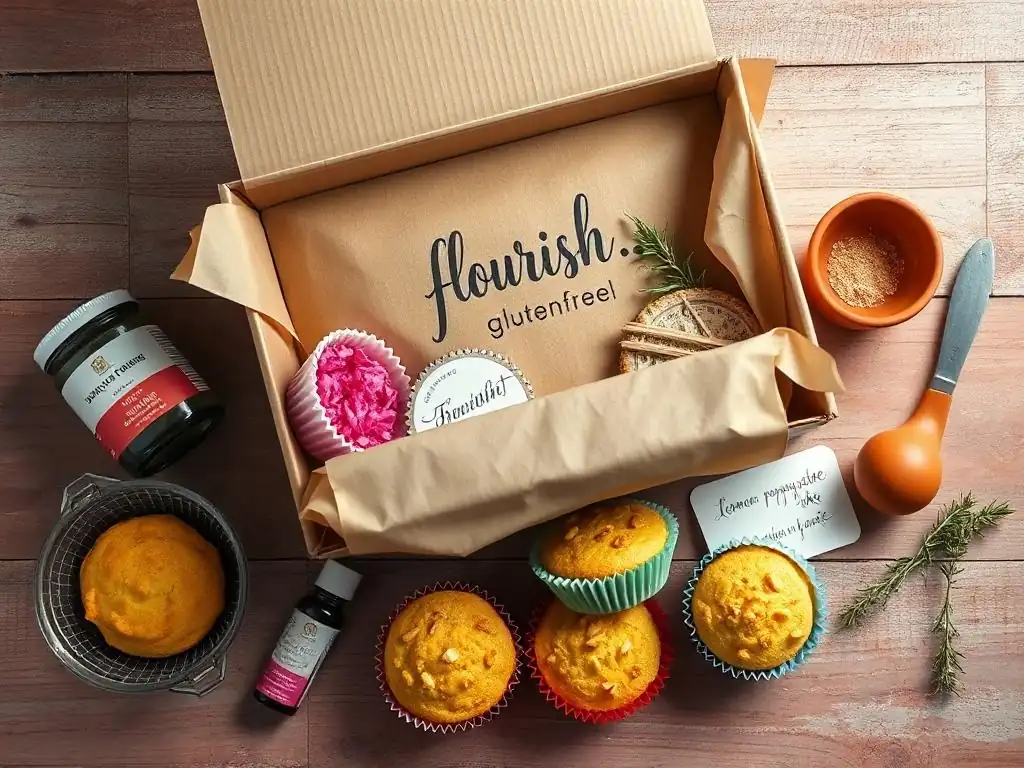
The arrival of your gluten-free baking subscription box is exciting! To make the most of it, start by unboxing everything carefully. Take inventory of all the included dry ingredients, making sure everything listed on the recipe card or instruction sheet is present. Check for any damage during transit. Most boxes include pre-measured ingredients, often in clearly labeled bags or containers. Lay everything out so you can see exactly what you have. This step helps you familiarize yourself with the components of the recipe and ensures you haven't missed anything before you start baking.
Next, read through the recipe card thoroughly. Identify which wet ingredients you'll need to provide from your own pantry (e.g., eggs, milk or non-dairy milk, butter or oil, vanilla extract). Gather these ingredients and any necessary equipment listed in the recipe (mixing bowls, whisk, spatula, baking pans, measuring cups for wet ingredients, oven mitts). Having everything ready before you begin mixing will make the baking process smoother and more enjoyable. Organizing your workspace and ingredients beforehand minimizes interruptions and helps prevent errors, leading to a more successful gluten-free bake from your subscription box.
Mastering the Recipes: Tips for Gluten-Free Success
Successfully mastering the recipes in your gluten-free baking subscription box involves more than just following instructions; it requires attention to detail specific to gluten-free baking. Pay close attention to ingredient temperatures – many gluten-free recipes work best with ingredients at room temperature, especially fats and eggs, to ensure proper emulsion and texture. For instance, cold butter won't cream properly with sugar, leading to a dense bake. Also, be precise with measurements for any wet ingredients you add; while the dry ingredients are pre-measured, using the exact specified amount of milk or eggs is crucial for the recipe's balance.
Mixing technique is also vital in gluten-free baking. Unlike wheat-based doughs where you develop gluten by mixing, overmixing gluten-free batters can make them tough or gummy. Mix until just combined, ensuring all dry streaks are incorporated but avoid excessive beating.
For recipes requiring leavening, work efficiently once wet and dry ingredients are combined, as the leavening reaction begins immediately. For instance, if baking gluten-free muffins, fill the liners and get them into the oven promptly. Trust the recipe provided in your gluten-free baking subscription box; it has been tested with the specific ingredients included to give you the best chance of success.
Substituting Ingredients: Customizing Your Bakes
While gluten-free baking subscription boxes provide tested recipes with specific ingredients, you might sometimes want to make minor substitutions based on dietary needs or preferences, provided you understand the potential impact. For instance, if a recipe calls for dairy milk and you need it to be dairy-free, you can usually substitute with an equal amount of plain, unsweetened non-dairy milk like almond, soy, or oat milk.
Similarly, melted coconut oil or a plant-based butter substitute can often replace melted dairy butter in many gluten-free recipes. However, be cautious with substitutions that affect the structure, such as replacing eggs or significant amounts of flour.
If you need to substitute a binder like xanthan gum (if it wasn't included or you need a gum-free option), look for guides on using alternatives like psyllium husk or ground chia/flax seeds, but be aware that ratios differ. For example, you might need more psyllium husk than xanthan gum. It's generally best to make one substitution at a time and understand its potential effect on the final texture.
Many gluten-free baking resources offer substitution charts. When using a gluten-free baking subscription box, stick to the recipe for your first attempt to guarantee success, then experiment with minor, informed substitutions if desired for subsequent bakes.
Storing Your Gluten-Free Treats: Maintaining Freshness
Gluten-free baked goods can sometimes dry out more quickly than their wheat-based counterparts. Proper storage is essential to maintain their freshness and delicious texture. Once your bakes have cooled completely, store them in airtight containers. For items like cookies, brownies, or muffins, a sealed container at room temperature is usually sufficient for a few days. Adding a slice of gluten-free bread or a piece of parchment paper to cookie containers can sometimes help absorb excess moisture and keep them soft.
Cakes and loaves often benefit from being wrapped snugly in plastic wrap or beeswax wraps before being placed in an airtight container. This prevents them from drying out. For longer storage, most gluten-free baked goods freeze exceptionally well. Cookies, muffins, and even slices of cake or bread can be wrapped individually or in smaller batches and placed in freezer-safe bags or containers. Thaw them at room temperature or gently warm them before serving. Following these storage tips ensures that the delicious gluten-free treats you create from your subscription box remain enjoyable for as long as possible.
Beyond the Box: Expanding Your Gluten-Free Baking Repertoire
Essential Gluten-Free Baking Tools and Equipment
Having the right tools can significantly improve your gluten-free baking success, whether you're using a subscription box or following your own recipes. While you don't need a professional kitchen, a few essential items make a big difference. An accurate kitchen scale is invaluable for measuring gluten-free flours by weight, which is often more precise than volume measurement and critical for consistent results. Good quality mixing bowls in various sizes, whisks, and spatulas are standard necessities.
Specific to baking, measuring cups and spoons (for wet ingredients and smaller additions like leavening), baking pans (cookie sheets, muffin tins, cake pans), and parchment paper are crucial. Parchment paper prevents sticking, especially with delicate gluten-free batters. For more advanced techniques, a stand mixer with paddle and whisk attachments can make creaming fats or whipping egg whites much easier. Oven thermometers are also helpful to ensure your oven is heating accurately, as oven temperature variations can significantly impact gluten-free bakes. Investing in a few quality tools will support your journey in gluten-free baking.
Recommended Gluten-Free Flour Blends and Alternatives
Understanding and using different gluten-free flour blends and alternatives is key to expanding your baking repertoire beyond what a subscription box provides. Many commercial gluten-free all-purpose flour blends are available, often containing a mix of rice flour, potato starch, tapioca starch, and sometimes sorghum or millet flour, along with a binder like xanthan gum. Popular brands include King Arthur Baking Company Gluten-Free All-Purpose Flour, Bob's Red Mill Gluten Free 1-to-1 Baking Flour, and Cup4Cup. These blends are designed to substitute wheat flour in many recipes, though results can vary depending on the bake.
Beyond blends, having individual gluten-free flours allows for more customization. Almond flour is excellent for tender cakes and cookies. Coconut flour is highly absorbent and requires specific ratios but adds a unique flavor. Oat flour (certified gluten-free) works well in muffins and cookies. Starches like tapioca, potato, and cornstarch are crucial for lightness and binding. For nutrient-dense options, consider flours like buckwheat, sorghum, or teff. Experimenting with different blends or creating your own based on reliable gluten-free recipes will open up a world of possibilities in your gluten-free baking.
Mastering Gluten-Free Baking Techniques for Cakes, Breads, and More
Mastering gluten-free baking involves understanding how to adapt techniques traditionally reliant on gluten. For cakes, achieving a light, moist crumb often requires careful mixing to avoid overdeveloping starches, using room-temperature ingredients, and sometimes incorporating whipped egg whites for lift. For gluten-free breads, the challenge is creating structure without the gluten network. This often involves using binders like xanthan gum or psyllium husk, specific flour blends optimized for bread, and different kneading or mixing techniques compared to wheat bread. Gluten-free bread doughs are often wetter and more batter-like.
Pastries like pies and tarts require gluten-free crusts that are flaky yet hold together. This involves using cold fats, specific flour blends, and minimal handling. Cookies are generally more forgiving in gluten-free baking, but achieving the desired spread and texture depends heavily on the flour blend and fat content. Learning techniques like reverse creaming for cakes, stretch-and-fold methods for gluten-free bread doughs, or properly chilling gluten-free pastry doughs will significantly improve your results. Resources like cookbooks, online tutorials, and of course, the recipes provided in gluten-free baking subscription boxes, are excellent ways to learn and practice these specific techniques.
The Future of Gluten-Free Baking: Trends and Innovations
Exploring New Gluten-Free Ingredients and Recipes
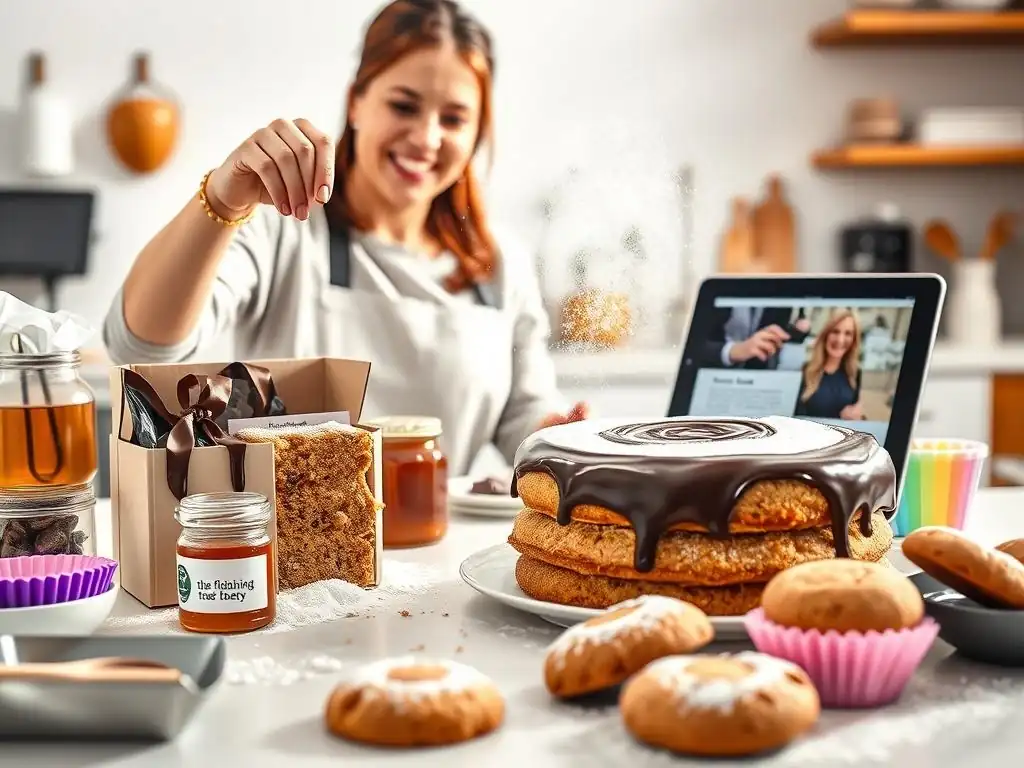
The world of gluten-free baking is constantly evolving with the introduction of new ingredients and innovative recipes. Researchers and bakers are exploring alternative flours beyond the common rice and nut bases, such as those derived from legumes (like fava bean or chickpea flour), ancient grains (like amaranth or quinoa flour), or even vegetables (like sweet potato flour). These ingredients not only offer different flavor profiles and textures but can also boost nutritional value. For example, using lentil flour can add protein and fiber to a gluten-free bake.
Beyond flours, there's increasing interest in natural binders and emulsifiers to replace gums like xanthan gum, appealing to those with sensitivities or preference for whole foods. Ingredients like chia seeds, flax seeds, or even specific types of plantain flour are being used in new ways. Recipe development is also pushing boundaries, creating gluten-free versions of complex pastries, laminated doughs, and sourdough breads that were once considered impossible without gluten. Staying curious and open to trying new ingredients and recipes is part of the exciting future of gluten-free baking.
The Growing Popularity of Gluten-Free Baking Subscription Services
The rise in popularity of gluten-free baking subscription boxes is a clear trend reflecting the growing interest in convenient, guided gluten-free baking. As more people adopt gluten-free diets for health reasons, allergies, or preferences, the demand for accessible and enjoyable ways to bake at home increases. Subscription boxes meet this demand by removing common barriers like ingredient sourcing, recipe development, and portioning. The market is seeing more specialized boxes, catering to different skill levels (beginner to advanced), dietary needs (Paleo, vegan, etc. ), and types of bakes (bread-focused, pastry-focused).
This trend is likely to continue, with services potentially offering more customization options, incorporating even newer ingredients, and providing enhanced digital content like video tutorials to accompany their boxes. The convenience factor, coupled with the joy of receiving a curated baking experience delivered to your door, makes these services highly appealing. For anyone looking to simplify or enhance their gluten-free baking journey, exploring the various gluten-free baking subscription boxes available is a worthwhile step in engaging with this growing segment of the baking world.
Final Thoughts: Embrace the Ease of Gluten-Free Baking with a Subscription Box
Finding the Perfect Gluten-Free Baking Subscription for Your Journey
Embarking on or continuing your gluten-free baking journey doesn't have to be overwhelming. Gluten-free baking subscription boxes offer a fantastic way to explore new recipes, work with different ingredients, and build confidence in your skills. By carefully considering your baking level, dietary needs, budget, and ingredient preferences, you can find a subscription box that perfectly aligns with your goals. Whether you're a complete novice needing pre-measured simplicity or an experienced baker craving complex challenges, there's likely a gluten-free baking subscription box out there for you.
These boxes provide curated experiences that simplify the process, reduce waste, and introduce you to the diverse possibilities within gluten-free baking. They take the guesswork out of sourcing specialty flours and binders and provide tested recipes designed for success. Embracing a gluten-free baking subscription box can transform baking from a chore into a delightful and rewarding activity. It's an investment in convenience, learning, and ultimately, enjoying delicious gluten-free treats made right in your own kitchen.
Frequently Asked Questions
What are Gluten-Free Baking Subscription Boxes?
Gluten-free baking subscription boxes are curated packages delivered regularly, containing pre-portioned ingredients and easy-to-follow recipes specifically designed for gluten-free baking. They offer a convenient way to explore new recipes and ingredients.
What are the benefits of using a Gluten-Free Baking Subscription Box?
These boxes save time and effort by providing pre-measured ingredients and detailed instructions. They also introduce you to new gluten-free flours and baking techniques, expanding your baking repertoire.
Are Gluten-Free Baking Subscription Boxes suitable for beginners?
Yes, many boxes cater to beginners with simple recipes and step-by-step guides. They offer a risk-free way to learn gluten-free baking without the intimidation of sourcing ingredients.
What types of recipes can I expect to find in a Gluten-Free Baking Subscription Box?
You can expect a variety of recipes, including breads, cakes, cookies, and pastries, all formulated with gluten-free ingredients. Some boxes even offer seasonal or themed recipes.
How do I choose the right Gluten-Free Baking Subscription Box for my needs?
Consider your baking experience, dietary restrictions, and desired recipe complexity when choosing a box. Read reviews and compare the contents and pricing of different subscriptions.
Final Reflection: The Rising Tide of Gluten-Free Baking
The accessibility of gluten-free baking is no longer a niche pursuit; it's a burgeoning movement fueled by dietary needs and a growing appreciation for delicious, inclusive food. The convenience and curated experience offered by subscription boxes are playing a pivotal role in this revolution, democratizing access to high-quality ingredients and innovative recipes for a wider audience.
The impact of these boxes extends beyond simply providing ingredients; they foster a sense of community among gluten-free bakers, offering support and inspiration through shared recipes and online forums. Baking is a labor of love, and sharing that love with others, especially those with similar dietary restrictions, is incredibly rewarding.
This sentiment, echoed by many subscribers, highlights the powerful social aspect of these subscription services, transforming a potentially isolating dietary need into a shared experience. The constant innovation within the gluten-free baking industry, driven in part by the demand from subscription box services, ensures that the quality and variety of gluten-free options continue to improve.
Consider the possibilities: Imagine the joy of effortlessly creating delicious gluten-free treats, without the stress of sourcing ingredients or deciphering complex recipes. This is the promise of these subscription boxes, and it's a promise within reach. Take the leap; explore the world of gluten-free baking subscription boxes, and discover the delicious possibilities that await. Embrace the convenience, the community, and the joy of creating something truly special, all while catering to your dietary needs. Let your baking journey begin!
Unleash Your Inner Gluten-Free Baker!
Thanks for joining us on this delicious journey into the world of gluten-free baking! We hope you've discovered new ways to create amazing treats without compromise. Now it's time to put your newfound knowledge into action.
- Dive into a curated gluten-free baking box: Start experimenting with exciting new ingredients and recipes right away! (This is your primary action, leading to a potential subscription)
- Share your baking triumphs (and challenges!): Connect with our thriving community on social media – let's inspire each other! Use #BakeWithEaseGlutenFree.
- Explore our recipe archive: Discover even more amazing gluten-free recipes to expand your baking repertoire.
Ready to transform your kitchen into a gluten-free paradise? What's the first recipe you're going to tackle?